
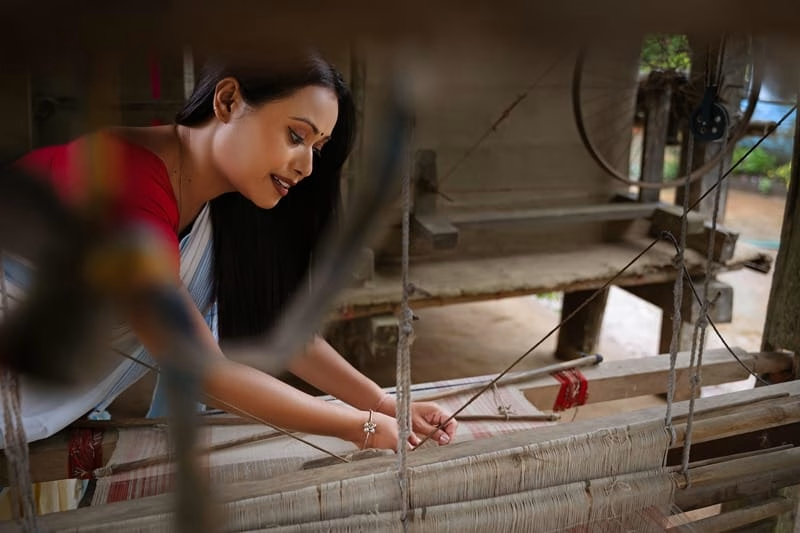
Tapestry weaving is one of the most celebrated textile arts, known for its capacity to transform simple threads into elaborate, story-telling fabrics. Over centuries, this art has evolved from manual, handwoven processes to highly advanced, computer-aided techniques. This article provides a comprehensive exploration of tapestry weaving—its origins, technological evolution, sources, innovations, production processes, challenges, real-world applications, and future trends. By blending technical analysis with rich storytelling and practical examples, this guide serves as an invaluable resource for textile professionals, engineers, historians, and enthusiasts alike.
1. Introduction: Weaving Stories Through Fabric
Tapestry weaving is not merely a method of producing textiles—it is an art form that captures narratives, traditions, and cultures within its intricate patterns. Historically, tapestries have served both functional and decorative purposes, adorning royal courts, religious institutions, and homes with detailed imagery and symbolism. Today, while modern textile production relies on advanced technology, the allure of tapestry weaving remains. It bridges the gap between ancient craftsmanship and contemporary design, ensuring that the art continues to thrive in a digital age.
Modern tapestry weaving has expanded its boundaries beyond traditional wall hangings. It now encompasses fashion textiles, interior design fabrics, and even technical applications where durability and design intricacy are essential. The integration of digital design tools, computer-aided machinery, and advanced quality control systems has revolutionized tapestry production, enabling textile mills to create complex, multi-dimensional patterns with unprecedented speed and consistency.
Imagine a weaving studio where artisans and engineers collaborate, using both time-honored techniques and state-of-the-art digital tools to produce fabrics that tell compelling stories. Each tapestry weaves together threads of color, texture, and history, creating a living artwork that is as functional as it is beautiful. This blend of art and technology is what makes tapestry weaving an enduring and evolving craft.
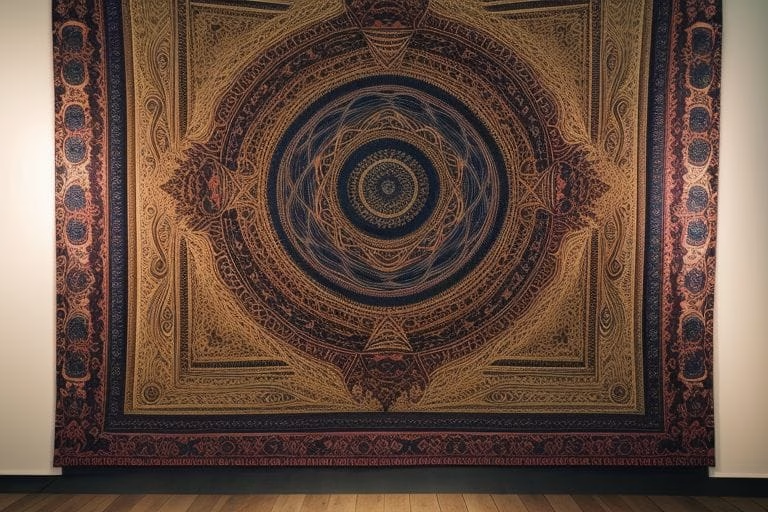
2. Historical Perspectives: The Evolution of Tapestry Weaving
2.1 Origins and Early Techniques
Tapestry weaving has ancient roots. Early civilizations, from the Egyptians and Greeks to the Chinese and medieval Europeans, used rudimentary looms to create decorative fabrics. In these early periods, tapestry was primarily produced by skilled artisans using handlooms. The process was labor-intensive, with weavers meticulously interlacing warp and weft threads to create patterns that often depicted mythological scenes, historical events, or religious iconography.
Handwoven tapestries were prized for their beauty and craftsmanship. They served as both insulation and art, adorning walls and providing both functional and aesthetic value. In medieval Europe, tapestries were symbols of wealth and power, commissioned by nobility to display lineage and achievements. These early tapestries were crafted using natural dyes and fibers such as wool, silk, and cotton, with designs passed down through generations in artisan guilds.
2.2 The Jacquard Revolution
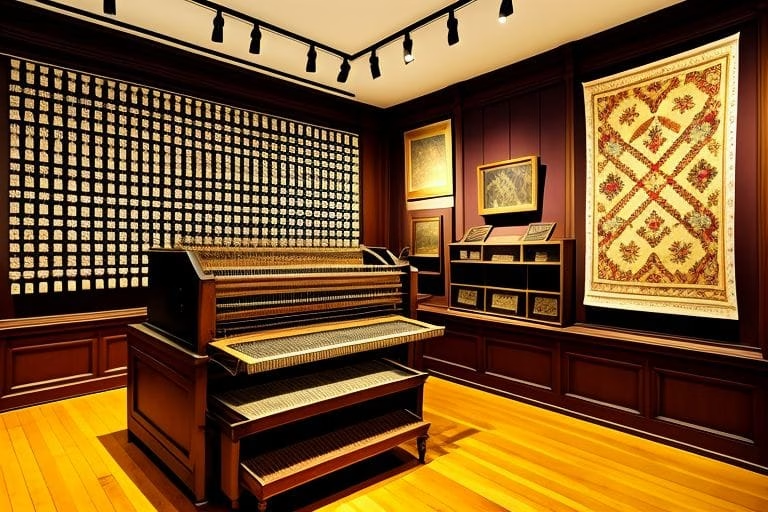
The advent of the Jacquard loom in the early 19th century revolutionized tapestry weaving. Joseph Marie Jacquard’s invention introduced a programmable system using punch cards to control individual warp threads. This breakthrough allowed for the automated production of intricate patterns that were previously labor-intensive and time-consuming. The Jacquard loom democratized complex design, enabling mills to produce large tapestries efficiently while preserving the rich detail and artistry of handwoven fabrics.
The impact of the Jacquard loom was transformative. It not only increased production capacity but also spurred the growth of textile industries across Europe and North America. As a result, tapestries became more widely available, and the art form evolved to include both traditional designs and contemporary patterns. Historical artifacts, preserved in museums and archives, serve as a testament to the Jacquard loom’s legacy and its profound influence on tapestry weaving.
2.3 Transition to Modern Methods
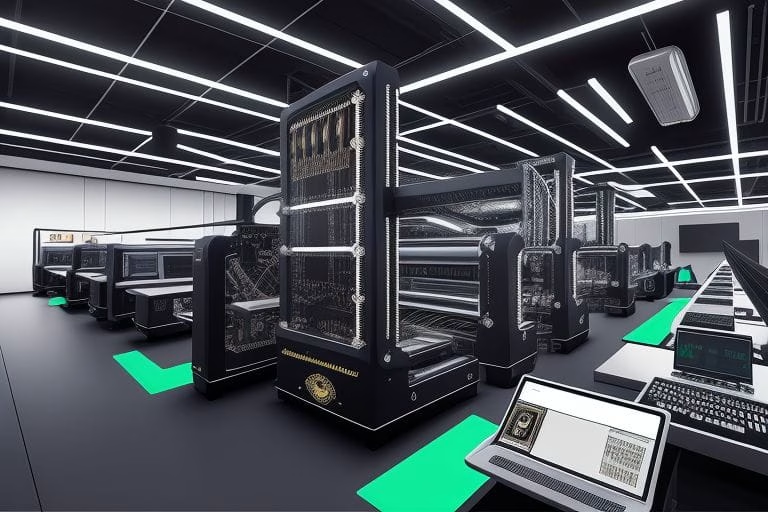
While the Jacquard loom marked a significant technological leap, tapestry weaving continued to evolve. In the 20th century, further innovations led to the development of automated and computerized weaving systems. Modern tapestry looms now integrate digital design software, computer-controlled machinery, and advanced sensors to achieve higher speeds and greater design complexity.
Today’s digital Jacquard and dobby looms have their origins in these early innovations. They combine the artistic heritage of traditional tapestry weaving with the precision and efficiency of modern technology. The result is a weaving process that preserves the intricate details of historical techniques while meeting the demands of contemporary production.
The historical evolution of tapestry weaving—from handlooms to the Jacquard revolution and beyond—illustrates a continuous journey of innovation and adaptation. This rich history informs modern practices and inspires ongoing advancements in textile technology.
3. Technological Evolution: Advancements in Tapestry Weaving
Technological evolution has been at the core of tapestry weaving’s transformation. From mechanical looms to modern digital systems, each advancement has enhanced the ability to produce intricate, high-quality fabrics. This section explores the key technological milestones and innovations that have shaped modern tapestry weaving.
3.1 Mechanical Innovations and Traditional Techniques
The earliest tapestry weaving was conducted on simple handlooms that required extensive manual labor. Over time, mechanization led to the development of shuttle looms, which increased production speed but were limited in their ability to create complex patterns. The introduction of the Jacquard loom revolutionized the field by enabling individual control of warp threads through a system of punch cards. Although mechanically complex, this innovation laid the groundwork for more advanced methods.
Mechanical improvements continued well into the 20th century with enhancements in loom stability, tension control, and thread manipulation. Innovations such as automated heddles and improved reed designs contributed to smoother operation and higher quality output. These advancements reduced errors and allowed for more intricate pattern designs, paving the way for further technological integration.
3.2 Digital Integration and Computerized Weaving
The digital revolution brought a paradigm shift in tapestry weaving. Computer-Aided Design (CAD) software now plays a pivotal role in pattern creation. Designers can develop intricate designs digitally, and these files are directly interfaced with modern looms. This digital integration enables real-time adjustments and rapid prototyping, greatly reducing the time required to go from concept to production.
Modern Jacquard and dobby looms incorporate digital control systems that replace traditional punch cards. These systems offer enhanced precision and flexibility, allowing for the production of multi-colored, highly detailed fabrics. Real-time data from IoT sensors ensures that the production process is continuously monitored, and any deviations are immediately corrected.
Digital integration has also led to the development of virtual simulation tools, such as digital twins. These tools allow manufacturers to simulate the weaving process, optimize machine settings, and predict potential issues before production begins. This level of control not only enhances quality but also reduces waste and energy consumption.
3.3 Energy Efficiency and Sustainable Practices
Energy efficiency has become a major focus in modern textile production. Digital looms and advanced control systems in tapestry weaving reduce energy consumption by optimizing machine operation. Energy-efficient motors, variable frequency drives (VFDs), and smart sensors help regulate power usage without compromising performance.
Sustainable practices are also being integrated into modern tapestry weaving. Innovations in eco-friendly dyes, recyclable fibers, and energy recovery systems are aligned with global environmental standards. Textile mills that adopt these sustainable technologies can reduce their carbon footprint and appeal to environmentally conscious consumers.
By reducing energy consumption and waste, modern digital looms not only lower production costs but also support the broader movement toward sustainable manufacturing in the textile industry.
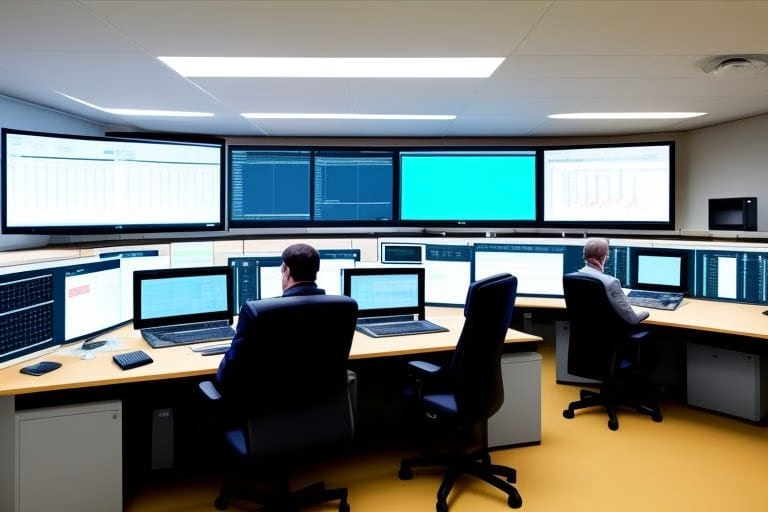
The technological evolution in tapestry weaving highlights the interplay between heritage techniques and modern innovations. As digital systems and sustainable practices become increasingly prevalent, the art of tapestry weaving continues to evolve, offering enhanced precision, efficiency, and creative potential.
4. Source and Availability: Global Access to Tapestry Weaving Machinery
The global textile machinery market provides a diverse range of options for tapestry weaving, ensuring that manufacturers can access the latest technologies regardless of location. Textile mills, both large and small, benefit from a wide network of suppliers and distributors that offer advanced Jacquard, dobby, and digital weaving systems.
4.1 Leading Manufacturers and Suppliers
Prominent companies specializing in textile machinery are at the forefront of developing advanced tapestry looms. These manufacturers invest in R&D to continuously refine their products, focusing on precision, durability, and energy efficiency. Many of these companies have a long history in the textile industry and have built strong reputations for innovation and quality.
Manufacturers often showcase their latest tapestry weaving systems at international trade shows such as ITMA and regional exhibitions. These events offer textile mills the opportunity to evaluate new models, assess performance metrics, and compare technological features. The availability of a broad range of products ensures that mills can select systems that best meet their production requirements.
4.2 Distribution Networks and Regional Availability
Global distribution channels ensure that advanced tapestry weaving machines are available in key textile-producing regions, including Asia, Europe, and North America. Dealers, agents, and online marketplaces offer comprehensive product catalogs, technical specifications, and customer support services. These networks facilitate smooth procurement processes and provide ongoing technical assistance to ensure successful integration and operation.
Long-term partnerships between textile mills and machinery suppliers are common. These relationships guarantee that mills receive timely updates, spare parts, and expert advice, which are critical for maintaining high production standards and minimizing downtime.
4.3 Training and Technical Support
The successful adoption of advanced tapestry weaving technology relies heavily on effective training and support. Many leading suppliers offer detailed training programs, interactive webinars, and on-site technical assistance to ensure that operators and maintenance teams are well-versed in using the new systems. Educational resources on TextileSchool.com and other reputable industry sites provide further guidance and case studies that illustrate best practices in machinery operation and maintenance.
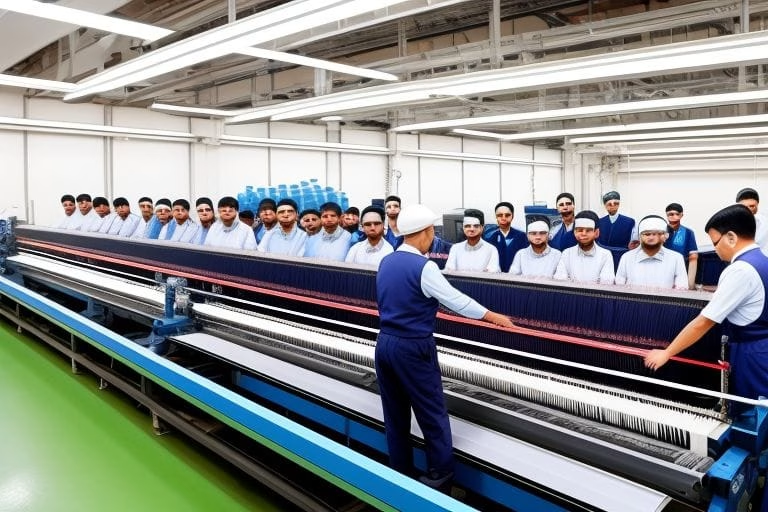
Global availability and robust support networks are essential for textile mills looking to embrace advanced tapestry weaving technology. With access to the latest machines, comprehensive training, and ongoing technical support, manufacturers can ensure a seamless transition to modern production methods.
5. Innovations in Tapestry Weaving: Bridging Tradition and Technology
Innovation has always been at the heart of textile production. In tapestry weaving, modern innovations have expanded the creative and technical possibilities, merging traditional artistry with cutting-edge digital technology.
5.1 Digital Pattern Design and Customization
The integration of Computer-Aided Design (CAD) software with Jacquard looms has revolutionized tapestry weaving. Designers can now create intricate patterns digitally, which are then directly transmitted to the loom. This seamless transition from digital design to woven fabric allows for unprecedented precision and flexibility. Real-time modifications and simulations enable rapid prototyping and customization, reducing production times and material waste.
Digital pattern design tools also support mass customization. Textile mills can produce limited-edition fabrics with unique designs, catering to niche markets and high-end fashion sectors. This capability opens new revenue streams and fosters innovation in textile design.
5.2 Hybrid Systems and Versatile Weaving Technologies
Modern tapestry weaving is not confined to a single technology. Hybrid systems that combine traditional Jacquard methods with modern digital enhancements offer the best of both worlds. These systems allow mills to produce both complex, artistic fabrics and high-speed, mass-produced textiles. The versatility of hybrid systems provides manufacturers with the flexibility to meet diverse market demands, from luxury fashion to industrial applications.
5.3 Energy Efficiency and Sustainable Manufacturing
Sustainability is a key focus in modern textile production. Innovations in energy-efficient components, such as high-efficiency motors and smart compressors, have significantly reduced the power consumption of tapestry weaving machines. Additionally, eco-friendly materials and energy recovery systems are being integrated into loom designs to minimize environmental impact. These green technologies not only reduce operational costs but also align with global environmental standards and consumer expectations for sustainable production.
5.4 Advanced Maintenance and Predictive Analytics
Digital integration has led to significant improvements in maintenance practices. Predictive maintenance systems, powered by IoT sensors and AI analytics, monitor machine performance in real time and predict potential failures before they occur. This proactive approach minimizes downtime and extends the lifespan of machinery, ensuring consistent production quality. Maintenance innovations are critical for optimizing operational efficiency and lowering long-term costs.
Innovations in tapestry weaving demonstrate that the fusion of traditional craftsmanship with modern technology can drive significant improvements in efficiency, quality, and sustainability. These advancements empower textile mills to push the boundaries of design and production, offering unparalleled creative freedom and operational performance.
6. Production Process: From Design to Finished Tapestry
The production process of tapestry weaving integrates artistic design, advanced machinery, and rigorous quality control to produce high-quality fabrics. This section details the comprehensive workflow, from initial design to the final product.
6.1 Design and Pattern Creation
The process begins with design. Textile designers use CAD software to develop detailed patterns that capture intricate motifs and artistic visions. These digital designs are then converted into machine-readable instructions that guide the loom’s operation. The ability to quickly modify and simulate designs accelerates the creative process and ensures that the final pattern meets the desired specifications.
6.2 Loom Setup and Calibration
Before weaving begins, the loom must be set up and calibrated meticulously:
- Warp Preparation: Warp yarns are arranged on the loom with precise tension to ensure consistent fabric formation. Digital sensors verify the correct tension.
- Jacquard Dobby Setup: For Jacquard and dobby looms, the control system is programmed with the design data, ensuring that each warp thread is manipulated according to the pattern.
- Calibration of Digital Controls: The digital interface is calibrated to synchronize the lifting of warp threads and the insertion of the weft yarn. This calibration is critical for achieving the desired design and fabric quality.
- Safety Checks: Pre-production diagnostics ensure that all digital systems, sensors, and mechanical components are functioning optimally.
6.3 Weaving Operation
During production, the loom executes the design with precision:
- Pattern Execution: The digital control system orchestrates the movement of warp threads, creating the design as specified by the CAD file.
- Weft Insertion: The weft yarn is inserted into the shed in a synchronized manner, and the beat-up mechanism packs the yarn tightly to form a uniform fabric.
- Real-Time Quality Monitoring: IoT sensors continuously track production metrics, such as fabric density, color consistency, and machine performance. Real-time data allows operators to make immediate adjustments if necessary.
6.4 Post-Production Analysis
After weaving, the finished tapestry undergoes rigorous quality control:
- Data Analysis: The MES system compiles performance data, providing insights into production speed, energy consumption, and defect rates.
- Maintenance Feedback: Information from the production run is used to adjust maintenance schedules and improve machine settings for future runs.
- Quality Assurance: Final inspections ensure that the tapestry meets the design specifications and quality standards before it is released for sale or further processing.
Table: Production Process in Tapestry Weaving
| Stage | Process Description | Key Benefits |
|---|---|---|
| Design | Creation and digital simulation of intricate patterns | Accelerated design process, high precision |
| Loom Setup | Warp preparation, calibration, and safety checks | Consistent fabric quality, reduced setup errors |
| Weaving Operation | Digital pattern execution, synchronized weft insertion, real-time monitoring | High-speed production, quality assurance, energy efficiency |
| Post-Production Analysis | Data-driven quality control and maintenance feedback | Continuous improvement, optimized machine performance |
Integrating digital tools throughout the production process ensures that tapestry weaving is both an art and a science, delivering high-quality, intricate fabrics with efficiency and precision.
7. Challenges in Tapestry Weaving: Overcoming Barriers to Excellence
While advanced tapestry weaving systems offer numerous advantages, manufacturers face several challenges in implementing and maintaining these technologies. Addressing these obstacles is crucial for achieving optimal production efficiency and quality.
7.1 High Initial Investment and Cost Considerations
The adoption of digital Jacquard and dobby looms requires significant upfront investment. Advanced machinery with integrated digital controls, sensors, and automation features is expensive, posing a barrier for small and medium-sized textile mills. However, the long-term benefits of increased production speed, improved quality, and energy savings often justify the initial expenditure.
7.2 Integration with Legacy Systems
Many textile mills operate alongside legacy equipment that was not designed for digital integration. Integrating modern tapestry weaving systems with existing production lines can present compatibility challenges, requiring custom retrofitting or gradual system upgrades. Seamless integration is essential to avoid production disruptions and ensure data interoperability.
7.3 Workforce Training and Adaptation
The transition from traditional weaving methods to advanced digital systems demands significant changes in workforce skills. Operators and maintenance teams must be trained in digital controls, software interfaces, and predictive maintenance techniques. Overcoming resistance to change and bridging the skill gap through continuous training programs is essential for the successful adoption of modern tapestry weaving technology.
7.4 Maintenance and Reliability Issues
Maintaining high-precision digital machinery requires robust maintenance practices. The complexity of modern tapestry looms increases the need for regular calibration, diagnostic checks, and predictive maintenance to prevent downtime. Ensuring consistent performance and reliability in high-speed production environments is a persistent challenge that must be addressed through advanced maintenance strategies and technical support.
Table: Challenges in Tapestry Weaving Implementation
| Challenge | Impact on Production | Mitigation Strategy |
|---|---|---|
| High Initial Investment | Significant capital expenditure, financial strain | Phased implementation, financing options, ROI analysis |
| Integration with Legacy Systems | Compatibility issues, potential production disruptions | Custom retrofitting, gradual upgrades, technical consultancy |
| Workforce Training | Skill gaps, resistance to change | Comprehensive training, continuous education, support programs |
| Maintenance and Reliability | Increased maintenance costs, risk of downtime | Predictive maintenance, regular calibration, digital diagnostics |
Addressing these challenges requires a balanced approach that combines technological investment, workforce development, and strategic planning. Overcoming these obstacles is crucial for textile mills to fully leverage the benefits of advanced tapestry weaving systems.
8. Real-World Applications and Case Studies
Real-world examples illustrate the tangible benefits and challenges of implementing advanced tapestry weaving systems. Numerous textile mills have successfully adopted digital Jacquard and dobby looms to produce high-quality, intricately designed fabrics that meet market demands.
8.1 Case Study: Luxury Tapestry Production in France
A prestigious French textile mill specializing in luxury tapestries transitioned from traditional handloom techniques to a modern digital Jacquard loom system. By integrating CAD-driven design and digital controls, the mill was able to produce tapestries with unprecedented precision and detail. The modern system reduced production time by 30% and improved fabric consistency, allowing the mill to cater to high-end fashion and interior design markets. The success of this transition underscores the value of digital integration in enhancing traditional craftsmanship.
8.2 Case Study: Mass Production and Efficiency in an Italian Mill
An Italian textile manufacturer, renowned for its decorative fabrics, implemented advanced dobby looms to streamline its production process. The digital dobby system enabled the rapid production of complex patterns, significantly reducing manual intervention and minimizing errors. The manufacturer reported a 25% increase in output and substantial energy savings due to optimized machine settings and predictive maintenance. This case highlights how modern technology can boost both efficiency and product quality in a competitive market.
8.3 Case Study: Global Integration in a Multinational Operation
A multinational textile conglomerate operating in several countries adopted a centralized MES platform integrated with digital Jacquard looms across its production facilities. The system provided real-time monitoring and uniform quality control, ensuring that fabrics produced in different regions met international standards. The conglomerate experienced a 20% reduction in downtime and a 15% improvement in overall equipment efficiency (OEE), enhancing its global market competitiveness. This case illustrates the power of digital integration in harmonizing production processes across diverse locations.
These case studies provide compelling evidence of how advanced tapestry weaving systems can drive operational excellence, reduce production costs, and enhance fabric quality. They serve as practical examples for textile mills seeking to adopt digital technologies and improve their competitive position.
9. End-Users and Stakeholders: Impact Across the Textile Ecosystem
The adoption of advanced tapestry weaving technology has far-reaching effects on various stakeholders within the textile industry. Understanding these impacts is essential for appreciating the overall value of digital Jacquard and dobby systems.
9.1 Textile Manufacturers and Mill Operators
For textile manufacturers and mill operators, advanced tapestry weaving systems represent a significant leap forward in productivity and quality control. The ability to produce complex, high-quality patterns at scale translates into increased output, reduced production costs, and higher profitability. The precision and efficiency offered by digital systems enable manufacturers to meet stringent market demands and gain a competitive edge globally.
9.2 Maintenance and Technical Teams
Maintenance teams are critical to ensuring the reliable operation of advanced weaving machinery. Digital diagnostics, IoT sensor integration, and predictive maintenance tools make it easier for technicians to monitor machine performance and address issues proactively. This results in fewer unexpected breakdowns, lower maintenance costs, and extended equipment lifespans, contributing to overall operational efficiency.
9.3 Designers and Product Developers
Designers and product developers benefit immensely from the creative flexibility of digital Jacquard systems. The integration of CAD software with weaving machinery allows for the rapid prototyping of intricate patterns and customization of designs. This technological capability not only fosters innovation but also enables the production of unique, high-quality fabrics that can command premium prices in the market.
9.4 Global Buyers and End Consumers
Global buyers and end consumers ultimately benefit from the high-quality textiles produced by advanced tapestry weaving systems. Consistent product quality, intricate designs, and sustainable production practices build consumer trust and enhance brand reputation. Manufacturers that invest in digital technology and robust quality control are better positioned to meet international standards, facilitating smoother trade and market expansion.
Table: Stakeholders and Benefits of Advanced Tapestry Weaving
| Stakeholder | Role/Impact | Benefits |
|---|---|---|
| Manufacturers/Mill Operators | Manage production, drive efficiency and quality | Increased throughput, reduced costs, competitive advantage |
| Maintenance Teams | Monitor and maintain advanced digital machinery | Proactive repairs, reduced downtime, extended machine lifespan |
| Designers/Product Developers | Innovate and create intricate, customized fabric designs | Rapid prototyping, enhanced creative freedom, superior quality |
| Global Buyers/Consumers | Purchase high-quality, uniquely designed textiles | Consistent product quality, ethical production, market trust |
The positive impact of advanced tapestry weaving systems extends throughout the entire textile value chain, fostering innovation, efficiency, and market success for all stakeholders involved.
10. Market Trends, Economic Impact, and Global Dynamics
The textile industry is undergoing a digital transformation, and advanced tapestry weaving technology is at the forefront of this evolution. Market trends, economic analyses, and global trade dynamics all highlight the strategic importance of adopting modern weaving systems.
10.1 Market Trends
Textile mills worldwide are increasingly investing in digital Jacquard and dobby systems to meet the rising demand for complex, high-quality fabrics. The ability to produce intricate patterns with speed and precision has become a critical differentiator in a competitive market. Trends such as fast fashion, customization, and sustainable production are driving the adoption of advanced weaving technologies. Manufacturers are leveraging digital tools to enhance design flexibility and optimize production efficiency, positioning themselves to capture a larger share of both domestic and international markets.
10.2 Economic Impact
The economic benefits of advanced tapestry weaving technology are substantial. Mills that implement digital systems experience improved production speeds, reduced maintenance costs, and lower energy consumption. These efficiencies result in higher output and lower unit costs, contributing to increased profitability and a strong return on investment (ROI). Moreover, the enhanced quality and consistency of fabrics produced by modern systems allow manufacturers to command premium prices, further boosting economic performance.
10.3 Global Trade Dynamics
Global trade in textiles is increasingly dependent on the ability to produce high-quality fabrics efficiently. Advanced tapestry weaving systems help manufacturers meet stringent international standards, facilitating smoother export operations and building trust with global buyers. Transparent production processes, bolstered by digital integration and robust quality control, enable textile mills to navigate complex regulatory environments and expand their market reach. As international trade agreements and sustainability certifications gain prominence, the adoption of advanced weaving technologies becomes even more critical for global competitiveness.
The market trends and economic impact of digital tapestry weaving technology highlight its transformative potential in the textile industry. As manufacturers continue to invest in innovation and sustainability, advanced systems will drive significant improvements in efficiency, product quality, and global market competitiveness.
11. Future Trends and Emerging Opportunities in Tapestry Weaving
The future of tapestry weaving is poised for continued innovation, driven by advances in digital technology, sustainability, and market demands for high-quality, intricate fabrics. Emerging trends and opportunities promise to further transform the landscape of textile production.
11.1 Enhanced Digital Integration and AI
The next generation of tapestry weaving systems will further integrate AI and machine learning to refine digital controls and predictive maintenance. Enhanced digital patterning tools and real-time analytics will allow for more precise adjustments and greater design flexibility. Digital twin technology will enable manufacturers to simulate production processes and optimize machine settings without interrupting actual operations, leading to improved efficiency and reduced downtime.
11.2 Sustainability and Green Manufacturing
Sustainability will remain a driving force in textile production. Future innovations in tapestry weaving will focus on reducing energy consumption and environmental impact through eco-friendly materials, renewable energy integration, and advanced water recycling systems. As global environmental regulations become stricter, mills that adopt green technologies will enjoy a competitive edge in both cost savings and market reputation.
11.3 Modular and Hybrid Weaving Systems
Hybrid weaving systems that combine traditional techniques with modern digital controls will become more prevalent. Modular designs will offer greater flexibility, allowing textile mills to scale their production capabilities based on demand. This adaptability is particularly beneficial for SMEs, which can gradually upgrade their systems without incurring prohibitive costs. Hybrid systems will also enable the production of a broader range of fabrics, catering to both niche markets and mass production.
11.4 Global Standardization and Collaborative Innovation
As the textile industry becomes more interconnected, global standardization of digital textile manufacturing systems will facilitate seamless integration and data sharing. Collaborative initiatives between industry associations, regulatory bodies, and technology providers will drive the development of universal standards, ensuring that advanced tapestry weaving systems are interoperable and meet international quality benchmarks. This standardization will further enhance global trade and market access for textile manufacturers.
The future of tapestry weaving is bright, with emerging technologies promising to further elevate production efficiency, creative capabilities, and environmental sustainability. As textile mills continue to embrace digital transformation and innovative practices, they will be well-positioned to meet the evolving demands of a dynamic global market.
12. Summary and Conclusion
Tapestry weaving is a remarkable blend of art and technology that has evolved over centuries. This comprehensive article has explored the historical and modern methods of tapestry weaving, with a particular focus on digital advancements and innovative practices that have transformed the production of complex, intricate fabrics.
We began by introducing the art and science of tapestry weaving, highlighting its dual role as both a creative expression and a critical component of textile production. Historical perspectives traced the journey from ancient handlooms and traditional techniques to the revolutionary Jacquard system and modern digital dobby looms, emphasizing the cultural and economic impacts of these innovations.
Technological evolution has driven significant improvements in the mechanisms of tapestry looms. Modern digital integration, IoT sensors, and advanced control systems have enhanced precision, efficiency, and energy efficiency. These advancements have enabled textile mills to produce intricate patterns at high speed while reducing operational costs and environmental impact.
Global sources and robust distribution networks ensure that advanced tapestry weaving systems are accessible to textile mills worldwide. Leading manufacturers invest in continuous R&D, and comprehensive training and support programs empower mills to successfully adopt digital systems.
Innovations in digital pattern control, hybrid weaving systems, and sustainable manufacturing practices are pushing the boundaries of what is possible in tapestry weaving. The production process, from design and setup to real-time monitoring and post-production analysis, is now streamlined for optimal performance and quality. Despite challenges such as high capital investment, integration with legacy systems, and workforce training, real-world applications and case studies demonstrate that the benefits of advanced tapestry weaving technology far outweigh the obstacles.
Stakeholders across the textile value chain—including manufacturers, maintenance teams, designers, global buyers, and consumers—benefit from the enhanced capabilities of modern tapestry looms. Market trends and economic analyses confirm that digital and sustainable weaving systems drive competitive advantage and long-term profitability in the global textile market.
Looking ahead, future trends in digital integration, energy efficiency, modular systems, and global standardization promise to further revolutionize tapestry weaving. As the industry continues to innovate, tapestry weaving will remain at the forefront of textile production, blending tradition with technology to create fabrics that are as functional as they are beautiful.
In conclusion, tapestry weaving—whether executed through historical methods or modern digital systems—continues to be a cornerstone of the textile industry. Its evolution from ancient handlooms to sophisticated digital Jacquard systems reflects a legacy of innovation and creative expression. By embracing the latest advancements in technology and sustainability, textile manufacturers can produce intricate, high-quality fabrics that meet the demands of today’s global market while preserving the rich cultural heritage of this timeless art.


