Introduction
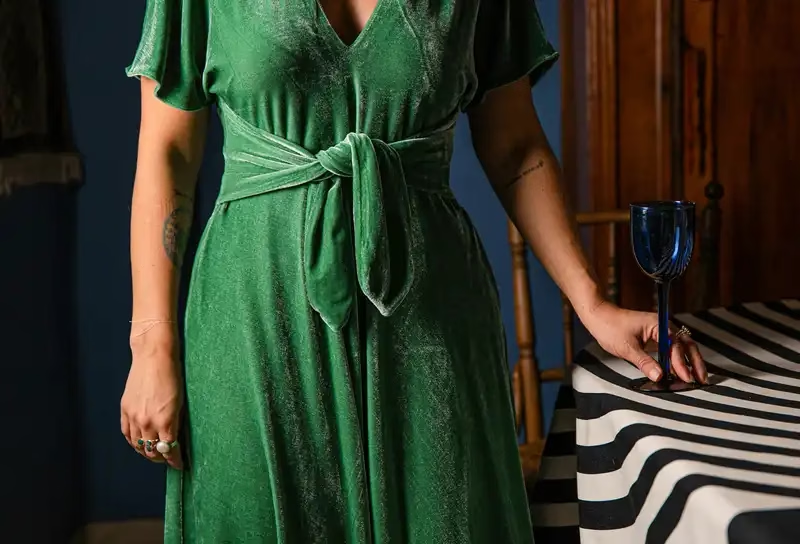
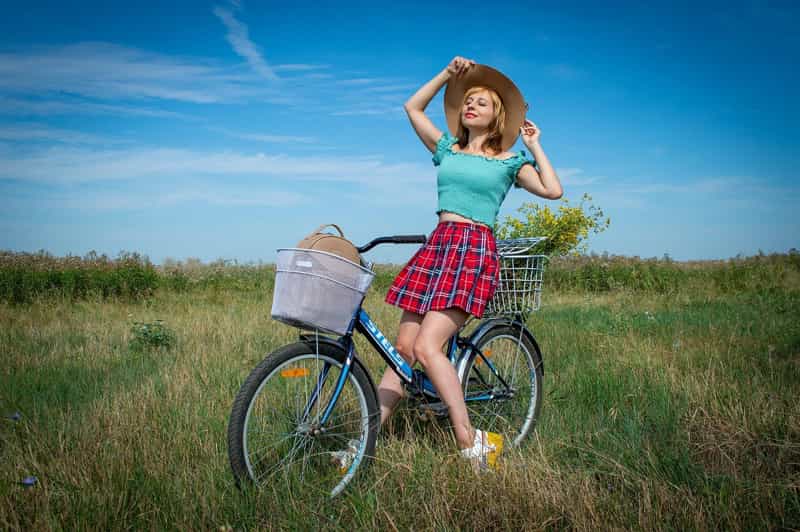
Skirts are more than just pieces of fabric. They represent cultural identity, fashion trends, and personal expression. Throughout history, skirts have been worn by both men and women. Today, they remain a fundamental part of the fashion industry. Their adaptability allows for endless variations in style, length, and material. Whether it’s a flowing maxi skirt or a structured pencil skirt, each type tells its own story.
History of Skirts
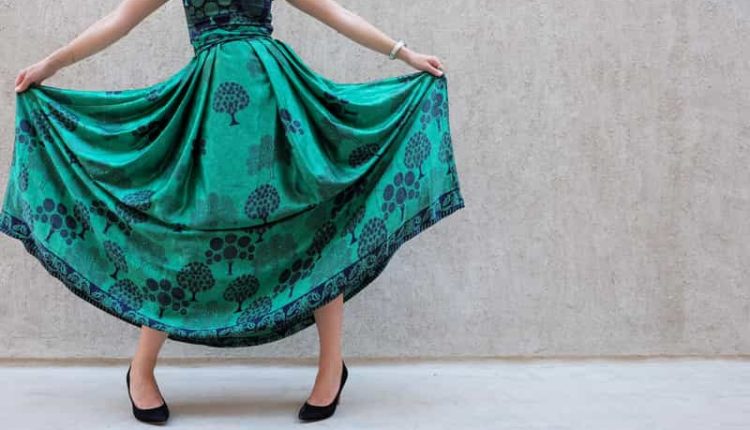
The history of skirts dates back to ancient times. Archaeological evidence suggests that skirts were among the earliest forms of clothing.
- Ancient Civilizations: In ancient Egypt, both men and women wore loincloths and wrapped skirts made from linen. Similarly, in Mesopotamia, skirts made of sheepskin or woven materials were common.
- Medieval Period: During the Middle Ages, skirts evolved into more elaborate garments. Women wore long, flowing skirts, often layered with petticoats for added volume. Men’s attire also included skirt-like garments, such as tunics and kilts.
- Renaissance Era: The Renaissance brought about significant changes in skirt design. Women’s skirts became wider and more structured, supported by devices like farthingales. These skirts were often adorned with intricate embroidery and luxurious fabrics.
- 18th and 19th Centuries: The 18th and 19th centuries saw the rise of elaborate skirt silhouettes. Hoop skirts and crinolines created voluminous shapes, while bustles added emphasis to the rear. These styles reflected the fashion ideals of the time, emphasizing elegance and grandeur.
- 20th Century and Beyond: The 20th century marked a turning point in skirt fashion. Shorter hemlines became popular, reflecting the changing roles of women in society. The flapper dresses of the 1920s, the A-line skirts of the 1960s, and the mini skirts of the 1970s all contributed to the diverse landscape of modern skirt styles.
Technological Evolution in Skirt Production
The production of skirts has undergone significant technological advancements.
- Early Methods: Initially, skirts were handmade using simple tools. Weaving, spinning, and sewing were all done manually. Fabrics like linen, wool, and cotton were the primary materials.
- Industrial Revolution: The Industrial Revolution brought about mechanized production. Power looms and sewing machines revolutionized textile manufacturing. This led to faster production times and greater availability of skirts.
- Modern Techniques: Today, computer-aided design (CAD) and computer-aided manufacturing (CAM) are widely used. These technologies allow for precise pattern making and efficient cutting of fabrics. Automated sewing machines and advanced finishing techniques further streamline the production process.
- Sustainable Practices: There is a growing emphasis on sustainable and ethical production methods. Eco-friendly fabrics like organic cotton, recycled polyester, and innovative materials such as Tencel are gaining popularity. Additionally, manufacturers are adopting practices to reduce waste and minimize environmental impact.
Types of Skirts
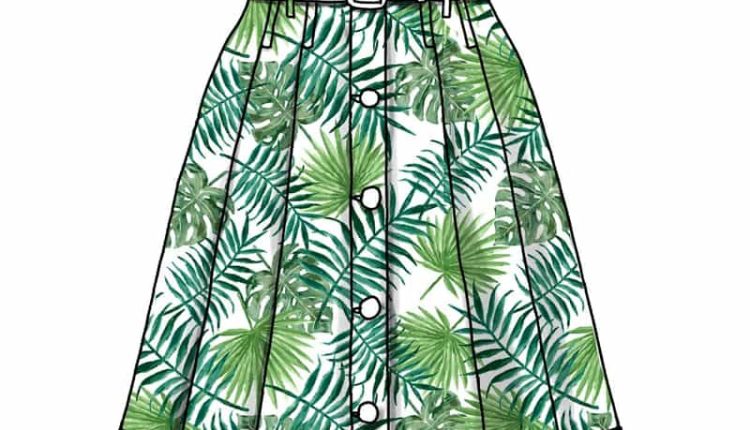
The world of skirts is incredibly diverse. Each type has its own unique characteristics and styling options. Here’s an extensive overview of the most popular skirt styles:
A-Line Skirt
The A-line skirt is narrow at the waist and gradually widens towards the hem, resembling the shape of the letter “A”. It is a versatile and flattering style that suits various body types.
- Characteristics: Fitted at the waist, flares out gently, simple and classic design.
- Fabrics: Cotton, denim, wool, corduroy.
- Styling Tips: Pair with fitted tops to accentuate the waist. Suitable for both casual and formal occasions.
Pencil Skirt
The pencil skirt is a slim-fitting skirt that is straight and narrow. It typically falls to the knee or just below. This style is often associated with professional attire.
- Characteristics: Straight cut, form-fitting, knee-length or slightly longer.
- Fabrics: Wool, gabardine, stretch cotton, ponte knit.
- Styling Tips: Ideal for office wear, pair with blouses or blazers. Can also be dressed up for evening events with a stylish top and heels.
Circle Skirt
The circle skirt is cut from a circular piece of fabric, creating a full and flowing silhouette. It is a fun and flirty style that is perfect for casual occasions.
- Characteristics: Full and circular shape, creates a voluminous look, often knee-length or shorter.
- Fabrics: Cotton, rayon, chiffon, lightweight knits.
- Styling Tips: Pair with fitted tops to balance the volume. Great for dancing and summer outings.
Maxi Skirt
The maxi skirt is a long skirt that typically falls to the ankle or floor. It is a comfortable and stylish option for both casual and formal events.
- Characteristics: Floor-length, flowing and comfortable, can be gathered, pleated, or tiered.
- Fabrics: Cotton, rayon, chiffon, jersey knit.
- Styling Tips: Versatile for various occasions, pair with tank tops for a casual look or dress it up with a blouse and accessories for a formal event.
Mini Skirt
The mini skirt is a short skirt that typically falls above the mid-thigh. It became popular in the 1960s and remains a bold and fashionable choice.
- Characteristics: Very short length, typically above mid-thigh, can be fitted or flared.
- Fabrics: Denim, cotton, leather, vinyl.
- Styling Tips: Best suited for casual settings, pair with tights or leggings for added coverage.
Midi Skirt
The midi skirt falls between the knee and ankle. It offers a sophisticated and versatile look that can be dressed up or down.
- Characteristics: Mid-calf length, can be straight, flared, or pleated.
- Fabrics: Cotton, silk, chiffon, denim.
- Styling Tips: Pair with tucked-in tops and heels for a polished look. Suitable for both work and social events.
Pleated Skirt
The pleated skirt features folds of fabric that are pressed or sewn into place. Pleats can add texture and movement to the skirt.
- Characteristics: Features regular folds or pleats, can be knife pleats, box pleats, or accordion pleats.
- Fabrics: Polyester, chiffon, silk, cotton blends.
- Styling Tips: Versatile for both casual and formal wear, pair with sweaters or blouses.
Wrap Skirt
The wrap skirt is designed to wrap around the body and tie at the waist. It is adjustable and can be very flattering.
- Characteristics: Wraps around the body, adjustable fit, often ties at the waist.
- Fabrics: Cotton, linen, silk, rayon.
- Styling Tips: Great for creating a defined waistline, pair with simple tops to highlight the skirt.
Tiered Skirt
The tiered skirt features multiple layers of fabric, creating a ruffled or gathered effect. It adds volume and visual interest.
- Characteristics: Multiple layers of fabric, creates a ruffled or gathered effect, often adds volume.
- Fabrics: Cotton, chiffon, lace, lightweight fabrics.
- Styling Tips: Best for casual or bohemian styles, pair with simple tops to balance the volume.
Asymmetrical Skirt
The asymmetrical skirt has an uneven hemline, adding a modern and edgy touch to the outfit.
- Characteristics: Uneven hemline, can be diagonal, high-low, or otherwise asymmetrical.
- Fabrics: Cotton, silk, chiffon, jersey knit.
- Styling Tips: Makes a fashion statement, pair with simple tops to let the skirt stand out.
Tulip Skirt
The tulip skirt features overlapping panels that resemble the shape of a tulip flower. It is fitted at the waist and hips, with a slightly rounded silhouette.
- Characteristics: Overlapping panels, tulip-like shape, fitted at the waist and hips.
- Fabrics: Cotton blends, stretch fabrics, wool.
- Styling Tips: Flattering for many body types, pair with fitted tops to accentuate the waist.
Sarong Skirt
The sarong skirt is a simple piece of fabric that can be wrapped around the waist and tied. It is often worn as beachwear or casual summer attire.
- Characteristics: Simple fabric wrap, ties at the waist, versatile and adjustable.
- Fabrics: Cotton, rayon, silk, lightweight fabrics.
- Styling Tips: Ideal for beachwear, can be dressed up with accessories for a casual outing.
Godet Skirt
The godet skirt features triangular pieces of fabric (godets) inserted into the hem to add fullness and movement.
- Characteristics: Godet inserts for added fullness, flowing and elegant.
- Fabrics: Chiffon, silk, lightweight fabrics.
- Styling Tips: Suitable for formal occasions, pair with elegant tops and heels.
Peplum Skirt
The peplum skirt features a short, flared ruffle or flounce attached at the waist. It adds a decorative and flattering detail.
- Characteristics: Peplum detail at the waist, adds a decorative touch, can enhance the waistline.
- Fabrics: Cotton blends, wool, stretch fabrics.
- Styling Tips: Great for adding shape and definition, pair with fitted tops.
Skort
The skort is a combination of a skirt and shorts, providing the appearance of a skirt with the comfort and practicality of shorts.
- Characteristics: Combination of skirt and shorts, provides coverage and comfort, ideal for active wear.
- Fabrics: Cotton blends, stretch fabrics, performance fabrics.
- Styling Tips: Perfect for sports and casual activities, pair with athletic tops or t-shirts.
Dirndl Skirt
The dirndl skirt is a traditional Bavarian skirt, typically gathered at the waist and full in shape. It is often worn as part of a dirndl dress.
- Characteristics: Traditional Bavarian style, gathered at the waist, full shape.
- Fabrics: Cotton, linen, heavy fabrics.
- Styling Tips: Often worn for cultural events, pair with a dirndl blouse and bodice.
Trumpet Skirt
The trumpet skirt is fitted through the hips and thighs, then flares out from the knee to create a trumpet-like shape.
- Characteristics: Fitted through hips and thighs, flares out from the knee, trumpet-like shape.
- Fabrics: Stretch fabrics, ponte knit, wool blends.
- Styling Tips: Elegant and flattering, pair with fitted tops and heels for a sophisticated look.
Bubble Skirt
The bubble skirt features a hem that is tucked back in, creating a rounded, bubble-like shape.
- Characteristics: Hem tucked back in, bubble-like shape, adds volume at the hem.
- Fabrics: Lightweight fabrics, cotton, silk.
- Styling Tips: Best for casual or party wear, pair with fitted tops to balance the volume.
Prairie Skirt
The prairie skirt is a long, flowing skirt with a rustic, vintage-inspired look. It often features ruffles, lace, and floral prints.
- Characteristics: Long and flowing, rustic and vintage-inspired, often features ruffles and lace.
- Fabrics: Cotton, linen, lightweight fabrics.
- Styling Tips: Ideal for bohemian or vintage styles, pair with blouses and boots.
Scooter Skirt
Similar to a skort, the scooter skirt has a panel in the front to give the appearance of a skirt, while concealing shorts underneath.
- Characteristics: Skirt front with hidden shorts, provides coverage and comfort, ideal for active wear.
- Fabrics: Cotton blends, stretch fabrics, performance fabrics.
- Styling Tips: Perfect for sports and casual activities, pair with athletic tops or t-shirts.
Bell-Shaped Skirt
The bell-shaped skirt is fitted at the waist and gradually widens towards the hem, creating a bell-like shape.
- Characteristics: Fitted at the waist, widens towards the hem, bell-like shape.
- Fabrics: Stiff fabrics, cotton blends, wool.
- Styling Tips: Elegant and classic, pair with fitted tops and heels for a polished look.
Peg-Top Skirt
The peg-top skirt is wider at the hips and tapers towards the hem, creating a unique silhouette.
- Characteristics: Wider at the hips, tapers towards the hem, unique silhouette.
- Fabrics: Soft fabrics, cotton blends, linen.
- Styling Tips: Stylish and comfortable, pair with fitted tops and statement accessories.
Broomstick Skirt
The broomstick skirt is a lightweight, crinkled skirt that is often gathered or tiered. It has a relaxed and bohemian vibe.
- Characteristics: Lightweight and crinkled, gathered or tiered, relaxed and bohemian vibe.
- Fabrics: Lightweight cotton, rayon.
- Styling Tips: Ideal for casual and bohemian styles, pair with simple tops and sandals.
Corset Skirt
A corset skirt incorporates corset-style elements, such as boning and lacing, to cinch the waist and create a structured silhouette.
- Characteristics: Corset-style elements, cinches the waist, structured silhouette.
- Fabrics: Stiff fabrics, cotton blends, leather.
- Styling Tips: Bold and fashionable, pair with fitted tops and statement accessories.
Denim Skirt
A denim skirt is made from denim fabric, offering a casual and durable option. It comes in various styles, such as A-line, pencil, and mini.
- Characteristics: Made from denim fabric, casual and durable, various styles available.
- Fabrics: Denim.
- Styling Tips: Versatile for casual wear, pair with t-shirts, blouses, or sweaters.
Leather Skirt
A leather skirt is made from leather or faux leather, providing a sleek and edgy look. It can be found in styles like pencil, A-line, and mini.
- Characteristics: Made from leather or faux leather, sleek and edgy, various styles available.
- Fabrics: Leather, faux leather.
- Styling Tips: Stylish and versatile, pair with blouses, sweaters, or jackets.
Sequin Skirt
A sequin skirt is adorned with sequins, adding sparkle and glamour to the outfit. It is often worn for parties and special occasions.
- Characteristics: Adorned with sequins, adds sparkle and glamour, often worn for parties.
- Fabrics: Sequined fabric, mesh.
- Styling Tips: Perfect for parties and special occasions, pair with simple tops to balance the sparkle.
Tulle Skirt
A tulle skirt is made from lightweight netting fabric, creating a voluminous and ethereal look. It is often worn for special events or as a fashion statement.
- Characteristics: Made from tulle fabric, voluminous and ethereal, often worn for special events.
- Fabrics: Tulle.
- Styling Tips: Great for parties and special occasions, pair with fitted tops and delicate accessories.
Innovations in Skirt Design
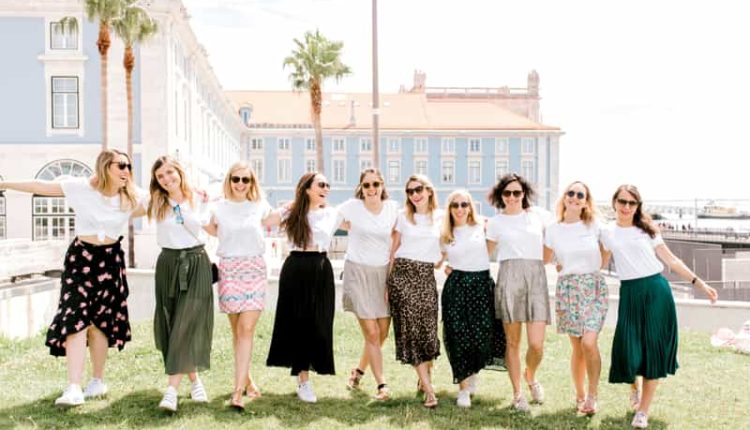
Skirt design continues to evolve with new materials, technologies, and fashion trends.
- Smart Fabrics: Integration of smart fabrics that can regulate temperature, monitor health, or change color.
- 3D Printing: Use of 3D printing to create intricate and customized skirt designs.
- Sustainable Materials: Development of new eco-friendly fabrics and production methods.
- Customization: Online platforms that allow customers to design and customize their own skirts.
Production Process of Skirts
The production of skirts involves several key steps:
- Design: Creating the initial design and pattern for the skirt.
- Fabric Selection: Choosing the appropriate fabric based on the design and desired characteristics.
- Cutting: Cutting the fabric according to the pattern.
- Sewing: Assembling the skirt using sewing machines and other equipment.
- Finishing: Adding details such as zippers, buttons, hems, and embellishments.
- Quality Control: Inspecting the finished skirt to ensure it meets quality standards.
Challenges in Skirt Production
The skirt production industry faces several challenges:
- Fast Fashion: The demand for fast fashion puts pressure on manufacturers to produce skirts quickly and cheaply, often at the expense of quality and ethical labor practices.
- Sustainability: The environmental impact of textile production is a growing concern. Manufacturers need to adopt sustainable practices to reduce waste and pollution.
- Labor Costs: Rising labor costs in some regions can make it difficult for manufacturers to compete with lower-cost producers.
- Supply Chain Disruptions: Disruptions in the supply chain, such as natural disasters or political instability, can impact the availability of raw materials and finished products.
Real-World Applications of Skirts
Skirts are used in a wide range of applications:
- Fashion: Everyday wear, formal wear, and haute couture.
- Uniforms: School uniforms, work uniforms, and athletic uniforms.
- Cultural Attire: Traditional skirts worn for cultural events and ceremonies.
- Costumes: Skirts used in theatrical productions, films, and cosplay.
End-Users of Skirts
The end-users of skirts include:
- Consumers: Individuals who purchase skirts for personal use.
- Retailers: Stores that sell skirts to consumers.
- Fashion Designers: Professionals who design and create skirts for various brands and markets.
- Costume Designers: Professionals who design and create skirts for theatrical and film productions.
Market Trends in the Skirt Industry
The skirt industry is influenced by several market trends:
- Sustainability: Growing demand for eco-friendly and ethically produced skirts.
- Inclusivity: Increased focus on inclusive sizing and designs that cater to diverse body types.
- Customization: Rising popularity of customized and personalized skirts.
- Online Retail: Shift towards online shopping and e-commerce platforms.
The Future of Skirts
The future of skirts is likely to be shaped by several factors:
- Technological Advancements: Continued innovation in materials, production methods, and design technologies.
- Sustainability: Greater emphasis on sustainable and circular fashion practices.
- Personalization: Increased demand for personalized and customized skirts.
- Global Influences: Growing influence of global fashion trends and cultural exchange.
Summary
Skirts have come a long way from their ancient origins. They continue to evolve with changing fashion trends and technological advancements. With a wide variety of styles, fabrics, and designs, skirts offer endless possibilities for self-expression and creativity. As the fashion industry embraces sustainability and innovation, the future of skirts looks promising.