Generally, a set number of yarns are used for the formation of fabrics. Also, a number of techniques are used for producing fabrics such as weaving, knitting, and felting. The type of fabrics varies by the fibers, the fabric formation techniques, machinery used for producing them, and finishing techniques. Fabrics can also be made differently based on the application.
Generally, fabrics take the name of the fiber used to manufacture it such as fabrics made out of 100% Cashmere Fibers is named as Cashmere Fabric.
However, certain fabrics although uses a particular fiber 100% or uses a blend of different fibers may be termed otherwise and are named depending on weaving patterns, texture, and the processes, etc. such as Organza fabrics were often used to produce with Silk, but even though they started using it with alternate fibers, it continued to be called as Organza Fabric.
Each fabric carries a unique name in order for it to be identified among others based on their textures, designs, weaving patterns, aesthetic values, fiber source, the place where the fabrics are originated, etc.
Aertex Fabric
Woven Fabric
A trade name for a cloth patented in Britain in 1886, which was first manufactured in 1888. The cloth traps air in between its structure, keeping the body cool in summer, and warm in winter. Two threads or ends act as one thread; when a weft thread passes between them, the doup ends twist catching the weft and holding it tightly in place. Very fancy and beautiful clothes can be produced by combining the cross weaving with other weave structures.
Aida cloth Fabric
Woven Fabric
Aida cloth is a cotton fabric with a natural mesh pattern generally used for cross-stitch embroidery. The open, even-weave Aida fabrics’ natural stiffness enables the fabric the embroiders choice.
Baize Fabric
Woven Fabric
Baize is a smooth, dense, durable textile fabric made from wool and cotton blends generally used on gaming tables such as snooker tables, billiards tables, and blackjack tables. The durability and smooth finishing combined with less friction make Baize Fabric a perfect candidate for the surface of the gaming pool tables.
Batiste Fabric
Woven Fabric
Batiste Fabric is one of the softest of the lightweight opaque fabrics made from cotton, wool, linen, polyester, or a blend. The fabric is often made with a soft face and a slight crispness, majorly used for Christening gowns, nightgowns, and underlining for wedding gowns.
Bird’s Eye Knit Fabric
Knitted Fabric
Bird’s eye is a double knit fabric with a combination of tuck stitches along with knitting stitches. The tuck stitch creates interesting eyelet or hole effect on the fabric surface resembling a bird’s eye. FabThe fabric usually made of multi-colored threads creating scrambling effect. The fabric may be made with designs having eyelets. They are a popular clothing fabric, especially women’s wear.
Bombazine Fabric
Woven Fabric
The word is derived from the obsolete French word Bombazine applied originally to silk but later to tree-silk or cotton. Bombazine was woven with a silk warp and worsted weft which is twilled or corded and used for dress materials.
Brocade Fabric
By Anilbhardwajnoida (Own work) [ CC BY-SA 3.0], via Wikimedia CommonsWoven Fabric
Brocade is woven fabrics having a raised floral or figured design that is introduced during the weaving process, usually by means of a Jacquard attachment. The design, appearing only on the fabric face, is usually made in a satin or twill weave. The exquisite fabrics are produced by weaving with warps and weft threads of different colors and often of different materials. Brocade refers to those textiles wherein patterns are created in weaving by transfixing or thrusting the pattern thread between the warp. In brocade designs with special threads are transfixed in between skipping the passage of the regular weft over a certain number of warp threads and by regularizing the skipping by means of pre-arranged heddles for each type of patterning.
Buckram Fabric
Woven Fabric
It is a stiff coated fabric made from a lightweight loosely woven fabric, impregnated with adhesives and fillers. This fabric is used as interfacing so as to provide support and shape retention to necklines, collars, belts, cuffs, waistbands, button closures etc in garments. They are also used as reinforcements for handbags and other articles.
Cable Knit Fabric
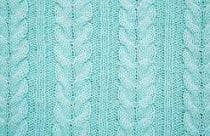
Knitted Fabric
Cable fabric is a double knit fabric made by the special loop transfer technique. The wales in the fabric have a rope-like an appearance, where plaits are based on the transfer of loops with adjacent wales. The fabric has an interesting surface texture like braids as the loops cross each other. It is widely used as sweater fabric.
Calico Fabric
calico-prints
Woven Fabric
Calico is plain, tabby woven fabrics printed with simple designs employing one or more colors. Calico is a woven fabric made from 100% cotton fibers. It is unbleached, undyed and not fully processed during production. This results in the fabric being light beige color and quite rough in appearance and texture, and it may contain unseparated cotton husks.Chintz is a variation of Calico Fabric.
Cambric Fabric
Woven Fabric
Cambric is a very fine bleached linen in imitation of the French fabric made around Cambria (France) and hence sometimes called French Lawn in Scotland. Due to the ease of maintainability, Cambric fabrics are ideal for handkerchiefs, children’s dresses, slips, underwear, and nightgowns.
Charmeuse Fabric
Woven Fabric
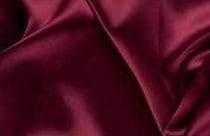
Charmeuse is a lightweight satin weave fabric, traditionally used to make with 100% silk now are generally made with polyester fiber. The smooth touch, elegant sheen, and high drapability make the Charmeuse fabric ideal for lingerie and elegant evening gowns.
Chenille Fabric
Woven Fabric
Chenille is a heavyweight, rough woven fabric often used for upholstery, curtains, and cushions.
Corduroy Fabric
Woven Fabric
Corduroy is made from major textile fibers with one warp and two fillings. After it is woven, the back of the cloth is coated with glue; the floats of pile yarn are then cut in their center. The glue prevents the filling from drawing out of the goods during the cutting. The glue is removed from the face, which is then subjected to a series of brushings, waxings, and singeings to produce a velvetlike ribbed finish.
Casement Fabric
Woven Fabric
Casement is a medium weight cotton fabric made of closely packed thick warp yarns. Generally, it is used for curtains, table linen, upholstery and rarely used for dresses.
Cheese Cloth
Woven Fabric
It is a popular lightweight sheer fabric having an open weave. It has a low count fabric consisting of carded yarns. Originally it was used for wrapping cheese or meat and hence the name. It is neither strong nor durable. It is finished in a variety of ways that attract the consumer. It is used not only for women’s and children’s dresses but also for drapery fabrics. Due to its open structure, it does not require much ironing.
Cheviot Fabric
Woven Fabric
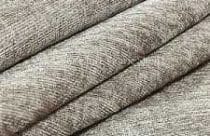
Cheviot is a woolen fabric made originally from the wool of Cheviot sheep and now also made from other types of wool or from blends of wool and man-made fibers in plain or various twill weaves. A rugged tweed made from uneven yarn, this fabric usually has a rather harsh hand. Cheviot fabric is fine, soft, and pliable. the fabric has a crispness of texture similar to serge but is slightly rougher and heavier.
Chiffon Fabric
Woven Fabric
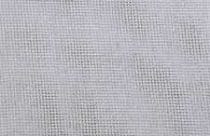
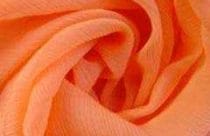
Chiffon basically refers to a light plain weaved sheer fabric with a soft drape of alternate Sand Z-twist crepe yarns. The twist in the crepe yarns puckers the fabric slightly in both directions after weaving, giving it some stretch and a slightly rough feel. These fabrics when held up to the light, strongly resembles closely woven netting.
Chiffon fabric can be manufactured using different fibers like silk, synthetic, polyester, rayon, cotton, etc. but it is generally associated with fibers like nylon or silk. Chiffon fabric can easily be dyed in contrast to any desired color shade and used for bridal gowns and also appears in evening dresses, prom dresses, and scarves.
Chino Fabric
Woven Fabric
Chino Fabrics is the slightly lustered woven fabrics made out of Cotton is usually used for trousers and military uniforms.
Chintz Fabric
Woven Fabric
Chintz is a medium weight, plain woven cotton yarn. It is often given a glazed finish which may be temporary or semi-permanent glazed chintz are available in solid colour as well as printed with floral prints. These are often made from blends of cotton and polyester or rayon. They are used for skits, dresses, blouses, pyjamas, aprons, and draperies.
Crepe Fabric
By Asanagi(Asanagi (talk)’s file) [CC0],via Wikimedia CommonsWoven Fabric
Crepe fabrics are without prominent weave effects but have a crinkled or pebble surface. It is a plain woven fabric made of very high twist yarns, either in one direction or both warp and weft hence, giving the pebble effect. It may be manufactured in the range of light to medium weight. The fabric has silk-like texture and drapes well. It is used for making dresses, blouses, linings, scarves and in home furnishings too.
Crewel Fabric
Specialty Fabric
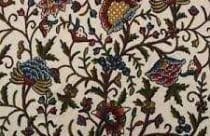
A wide range of crewel fabric come from Kashmir in north-western India. Because of its versatility, a crewel fabric is widely used for the manufacturing of curtains, light upholstery, bed-heads, cushions and bed covers and so on. Due to its longevity, exquisiteness and with its aesthetic appeal, crewel fabric has been ruling the international market.
The availability of crewel fabric in subtle lustrous color and rich texture makes it one of the most demanding items. A crewel fabric possesses the capability to complement various types of body tones.
Damask Fabric
Woven Fabric
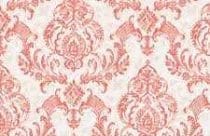
Damask is a heavyweight, rough woven fabric often used for upholstery, curtains, and cushions. The fabric often uses floral patterns or reversible figures.
Woven Fabric
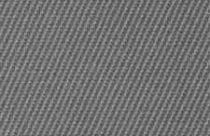
Denim fabrics generally used for making jeans is a rugged cotton twill. In denim fabric, the weft passes under two or more than two warp fibers that produce the common diagonal ribbing which is identifiable on the back of the fabric.The diagonal ribbing separates the existence of denim fabric from cotton duck. The denim fabric is generally colored with indigo dye to create blue jeans though jeans denoted a distinct lighter cotton textile. Denim fabric is used on a large scale all over the world economies. Its vivid texture and ability to provide extreme comfort makes it one of demanding fashion entities all over. With blissful shopping experience, people are moving toward more purchasing new innovative designs of denim fabric.
Dimity Fabric
Woven Fabric
Dimity – the sheer plain weave fabric is characterized by vertical ribs or cord stripes at regular intervals. The fabric is often used for summer dresses, blouses, aprons, curtains, bedspreads, scarves, wedding apparel, and baby clothes.
Drill Fabric
Woven Fabric
The drill is a type of twill woven fabrics made out of Cotton fibers, generally termed as Khakhi, used for uniforms, workwear, sailcloth, upholstery, tents, etc. due to its durability.
Double Knit Fabric
Knitted Fabric
Double Knits are made from the interlock stitches and its variations. The process involves the use of two pairs of needles set at an angle to each other. Fibers that the generally used to make double knits are polyester and wool. Double knits are weft knitted fabrics made with two sets of needle beds. The fabric structure is more stable and compact. The fabrics do not curl at the edges and do not ravel. They may be made with interesting designs and textures. One or two yarns are used to knit one course in the fabric.
Woven Fabric
Canvas fabrics are generally made of Cotton, Linen, or synthetic in heavyweights with an even firm weave.Generally used for tents, motor hoods, belting, packagings, sneakers, painting canvases, tents, sandbags, Duck fabrics are rough fabrics.
A number of Canvas fabrics are commercially available made with various fiber sources such as Cotton, Linen, Hemp, and colors blends.
Felt Fabric
Specialty Fabric
Natural fibers such as wool are pressed and condensed together with heat and pressure to make a sheet of fabrics are called Felt Fabrics. Felt fabrics are non-woven fabrics.
Fiberglass Fabric
Specialty Fabric
Fiberglass is a material that generally consists of extremely fine glass fibers and often used in manufacturing different products like fabric, yarns, insulators and structural objects.
Specialty Fabric
A filter fabric is well known for its functionality and longevity. However, a filter fabric is known for its high temperature and chemical resistance.
Woven Fabric
Flannel is plain or twill woven fabrics popular for its softness and coziness. The softness comes from a technique employed by the mills called “double brushing”. It may be classified as brushed fabric with soft fibers protruding on one or both the fabric surface.Originally, flannel was made of wool, but now it is made of cotton, wool or any other synthetic fiber. Flannel fabrics are ideal for suitings, shirting, jackets, bedspreads, and pajamas.
Flat or Jersey Knit Fabric
Knitted Fabric
Flat or Jersey Knit fabrics have visible flat vertical lines on the front and dominant horizontal ribs on the back of the fabric. The flat or jersey knit stitch is used frequently, it is fast, inexpensive, and can be varied to produce fancy patterned fabrics. A major disadvantage of regular flat knits is their tendency to “run” if a yarn is broken. The flat or jersey stitch can be varied by using different yarns or double-looped stitches of different lengths to make terry, velour, and plush fabrics. This stitch is also used in making nylon hosiery, men’s underwear, and t-shirts.
Fleece Knit Fabric
Knitted Fabric
Fleece is a type of weft insertion jersey. Weft insertion fabrics are weft knitted fabrics in which an additional yarn is inserted for each course. These additional yarns are not knit, rather they are held by the loops in each course of the fabric. The inserted yarn may be decorative or functional like stretch yarn. It provides stability, cover, and comfort. The insertion yarn is usually coarser than the base yarn. When the insertion yarn forming piles are sheared and napped, it is called Fleece. They are usually made of Cotton, Cotton/Polyester, Wool, and Acrylic. End Uses include jackets, dresses, sportswear, and sweaters.
Foulard Fabric
Woven Fabric
Foulard Fabrics are lightweight twill weave plain fabrics with distinctive soft finish originally used to made from silk or silk-blends. The fabric is often characterized by a small printed design of various colors.
Fustian Fabric
Woven Fabric
Fustian is a heavyweight fabric made with a linen warp and cotton wefts or fillings. The Fustian fabrics are usually used for menswear and the name “Fustian” is generally used to denote heavy fabrics in the past.
Gabardine Fabric
Woven Fabric
Gabardine is made of twill woven worsted or cotton fabric. The fabric is produced by maintaining higher twist on warp yarns compared to weft yarns resulting in a fine, prominent twill line. The fabric is available in various surface designs like heather, stripes, checks, plaid, or solid color. Since the fabric is durable, gabardine is widely used in making pants, shirting and suiting.
Gauze Fabric
Woven Fabric
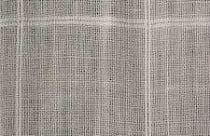
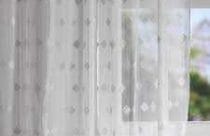
Gauze is plain weave fabrics constructed with more spaces between the threads than regular fabric. Gauze fabric is usually made of cotton, rayon or their blends of soft texture spun yarns.
Though not suitable for durable applications, it is used in apparel, home furnishing like curtains and is popular in medical uses for bandages.
Georgette Fabric
Woven Fabric
Georgette is a sheer and strong silk or silk-like clothing fabric that often comes with a dull, creped surface. In simple words, it is a sheer lightweight fabric that provides utmost comfort. This is fabric is usually made out of silk or polyester. As compared to chiffon, it is opaque and slightly heavy.
If it comes to least expensive and much practical fabric. Due to its exquisiteness and uniqueness, a georgette fabric proves a demanding item in the fashion industry.
Gingham Fabric
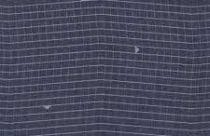
Woven Fabric
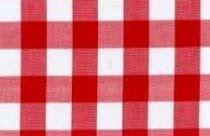
Gingham is a medium weight plain-woven fabric made from dyed cotton or cotton blends. The word “Gingham” originated from the Malay word “Genggang” meaning “striped” and the fabrics are made with checks as the name suggests.
Grey or Greige Fabric
Grey or Greige Fabric
Woven FabricWhen no finish is applied to the textiles, they are termed as grey fabrics or greige fabrics or unfinished textiles, which of course
does not refers to the color of the fabric. It implies that no finishing treatment has been given to it. Grey fabrics are used chiefly when the aesthetic values of the end-products are limited.
Due to its cost-effectiveness, exquisiteness, and longevity, the grey fabric has been widely used for cloth manufacturing. The uniquely woven grey fabric has become increasingly popular in appreciation of increased market demand.
Industrial Fabric
Woven Fabric
The industrial fabric is a fabric which is usually made from man-made fibers like fiberglass, carbon, and aramid fibers. It covers a wide variety of widths, weights and construction particularly made to meet a specific application. The industrial fabric is used for decorative purposes. The industrial fabric is woven in various thicknesses and constructions in a basic weave, namely plain, leno, satin, basket etc.
It is primarily used for filtration, marine and recreational products, insulation, electronics, commercial & construction, and protective garments etc.
Intarsia Knit Fabric
Knitted Fabric
Intarsia is patterned single knit fabric. It is made of knitting multi-coloured yarns. The fabric has the same course knitted in different colors with different yarns. It has colored designs as blocks distributed in different color backgrounds. The patterns look identical on both the face and backside of the fabric. There are no floats found on the backside of the fabric. It is typically used to make shirts, blouses, and sweaters.
Interlock Stitch Knit Fabric
Knitted Fabric
Interlock stitch Knits are variations of rib stitch knits. The front and back of interlocks are the same. These fabrics are usually heavier and thicker than regular rib knit fabrics unless used with finer yarns. The interlocking of stitches prevents runs and produces apparel fabrics that do not ravel or curl at the edges.
Jacquard Knit Fabric
Knitted Fabric
Jacquard Jerseys are single jersey fabrics made of Circular Knitting machines using Jacquard mechanism. They are the simplest method of making patterned fabrics. They are produced with interesting patterns, which may have any of the following:
Combinations of stitches, or
Combinations of yarn types in terms of color textures etc.
Jacquard fabrics have different colored loops made of different threads in the same course. Floats are an inherent feature of single jersey jacquards. They are widely used in the sweater industry.
Kashmir Silk Fabric
Woven Fabric
Kashmir silk is a silk fabric produced in plain weave and is either embroidered or printed. The motifs used are characteristic of Kashmir. It is used for shirts, women’s wear and sarees. Kashmir shawls are woven in twill weave and are usually embroidered with traditional Kashmiri embroidery.
Khadi Fabric
Woven Fabric
Khadi is a term used for a wide variety of fabrics that are hand spun and hand woven. They are produced in mainly one cotton fibre, blends of two or more fibres. They are known for durability and simplicity. The fabrics can be suitings dhoties overalls and household textiles.
Khaki Fabric
Woven Fabric
Khaki is a lightweight, soft twill fabric often used for home decoration, jackets, skirts, and dresses. The light brown with a yellowish tinge, the Khaki fabric is often used for police and military uniforms and made with cotton, wool, or its blends.
Lame Fabric
Woven FabricKnitted Fabric
Lame is woven or knit Fabrics with thin ribbons of metallic fibers drapped around the primary yarn, usually with gold or silver metalic colored fibers, but copper colors are not rare either. The Lame fabrics are used often on party wears, or as costumes for theatrical and dance costumes.
Laminated Fabric
Specialty Fabric
Sometimes the apparels, bags, beds are needed to be protected from the dust and other outer particles. This can be carried out through the laminated fabric, used to laminate all kind of clothing, sheets, covers, handbags and many more. Laminated fabric safeguards the core thing from any kind of external particles that hampers the quality and the glaze.
Lamination is carried us by the covering the material with the protective film on all the sides. That does not let water to pass through, making the material completely safe. However, it is not completely airtight as moisture is allowed to let in the for the long life of the fabrics.
Laminated fabric adds the durability and sustains the quality. In the recent developments, laminated fabric designs and shapes have been transformed with the undue assistance of the modern tools and techniques. Also, people have shown a great deal of zeal in the laminate fabrics because of it.
Lawn Fabric
Woven Fabric
Lawn Fabrics are popularly known as “handkerchief linen” are plain weave cloths originally used to made with flax/linen now are mostly made with cotton. Lawn is characterized with a fine, high-thread-count yarns, which results in a silky, untextured feel.
Leno Fabric
Woven Fabric
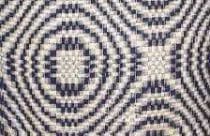
A fabric in which an open effect is created by causing certain thread ends or doup threads to cross over. Two threads or ends act as one thread; when a weft thread passes between them, the doup ends twist catching the weft and holding it tightly in place. Very fancy and beautiful clothes can be produced by combining the cross weaving, with other weave structures.
Linsey-Woolsey Fabric
Woven Fabric
As the name suggests Linsey-Woolsey Fabrics are twill or plain coarse and roughly woven fabrics made with a Linen warp and Woollen weft.
Madras Fabric
Woven Fabric
Madras Fabrics are lightweight cotton fabrics with generally patterned texture and plaid design, used primarily for summer clothing such as pants, shorts, dresses. Madras plaid fabrics are comprised of high quality, light-weight 100% cotton plaid designs that are available in many colors and plaid patterns.
Madras Muslin Net Fabric
Woven Fabric
Madras net is used mainly for furnishing such as curtaining. The cloth is an open gauze ground cloth where an extra weft is inserted to produce a motif, this is then woven into the ground cloth. Where there is a surplus floating weft yarn this is then cut away after weaving revealing the motif, the edge of the sheared motif shows shorn ends of a weft yarn.
Mousseline Fabric
Woven Fabric
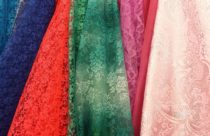
A term used to denote very fine clear fabrics, finer than muslins. Made of silk, wool or cotton, the weave structure is either (plain) tabby or two and one twill. In the 18th century, the British term referred to a fine cloth with a cotton warp and a worsted weft. In France, from the late 18th century onwards mousseline-delaines were made of very fine wool which was printed in beautiful designs. This fabric proved very popular for fashionable as dress and shawl fabrics. The mousseline cloth is so fine and transparent it is often found backed with another cloth of either a satin or taffeta silk.
Muslin Fabric
Woven Fabric
Muslin is a lightweight open cloth of plain weave. It may be used as grey or bleached and dyed. It is used as household textiles and dress materials. The name is derived from the city of Mosul where the fabric was first made.
It is a very light and open tabby (plain) weave fabric used for summer dresses and utility use. At first, the cloth was not always plain but could also have silk and gold thread woven into it. As the ability to spin yarns of greater fineness developed cotton was used more readily than silk. In this muslin, the motif weaves in and out of the cloth, as if it has been embroidered. In the Madras net, the motif is predominately woven on the surface.
Narrow Fabric
Specialty Fabric
Fabrics are something that we daily come across. With the clothing to the seats, the fabrics are an integral part of the lives. There are several sorts of fabrics like synthetic fabrics, natural fabrics and many more depending on their designs and usability. The narrow fabric is also the most commonly utilized fabrics in our daily lives.
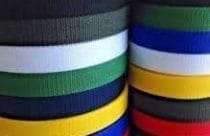
Narrow fabrics are the thicker version of the fabrics as its strands are thicker and stronger. That is why; narrow strands are used in the things that are used for heavy duties. The narrow fabric is availed in mainly in the following forms:
Laces: laces are used in shoes and many other tying purposes. Narrow fabrics in the laces make it strong and easy to grip on. In recent times, there has been a revolution in the designs and shapes of the laces composed of narrow fabric. Now, laces, like ropes are commonly used in the daily appliances.
Tapes: narrow fabrics are used to make the tapes. These tapes are great in appearance and stiff in the quality. These tapes are used for wrapping, decorating and many other purposes.
In the modern times, the usability of the narrow fabric has grown as it is light and has a splendid durability. That is why; narrow fabrics are hugely demanded in the global marketplace.
Organdy Fabric
Woven Fabric
Organdy is the sheerest and stiff cotton fabric made with fine spun combed yarns. The fabric is characterized by stiffness and crispness. The fabric is crisped, made transparent by applying a special process known as Parchmentzing. Most stiff varieties are used in home furnishing fabrics like curtains and softer Organdy varieties are used for summer wear like blouses, saris etc.
Organza Fabric
Auckland Museum [ CC BY 4.0 ], via Wikimedia Commons Woven Fabric
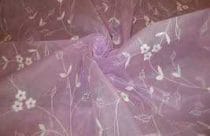
Organza basically refers to a thin, plain weave, and a sheer fabric which is made out of continuous filament of silk yarns. Today, many Organzas are woven with synthetic filament fibers like nylon and polyester but most of the stylish organzas are woven in silk. The most popular item made of organza fabric are bags. Various designs and shapes of organza fabric bags are attracting people towards them. Adding a nice touch of sophistication and uniqueness Organza fabric is the choice of millions.
Woven Fabric
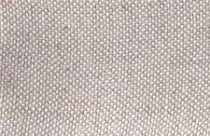
Oxford fabrics are made with loosely constructed weaves such as rib weaves, basket weaves, and half basket weaves out of soft fine yarn. Since basket weave is a loosely constructed weave, the fabric is porous. Fine and closely packed warp and coarser weft make the fabric lustrous. It is one of the most popular shirt fabrics.
Percale Fabric
Woven Fabric
Percale Fabrics are soft and crisp plain weave fabrics made with rich colours (with low-impact dyes) and sophisticated prints often used for bed covers.
Specialty Fabric
Plain fabrics are well known for their soberness and long-lasting durability. Clothing made out of plain fabric can simply be termed as the most impressive and exclusive range of clothing available today. With the available different varieties of plain fabric, the choice is endless. Plain fabrics are also well known for their durability and cost-effectiveness.The clothing made using plain fabric is totally capable of impressing absolute anybody with its unique qualities and aesthetic appeal. A quality that along with its comfort, plain fabric clothes are extremely popular for leisure wear. Among the vast accumulation of available fabric, the plain fabric is most popular fabric.
Pointelle Knit Fabric
Knitted Fabric
Pointelle is a type of double knit fabric. The fabric has patterned miss stitches. The fabric has looked like lace, with holes made by these transferred stitches. The feminine look of the fabric makes it ideal for women’s tops and kids wear.
Poplin Fabric
Woven Fabric
Poplin fabrics plain woven horizontally ribbed fabrics. Poplin fabrics made of Polyester, Cotton, and its blends and the ribs are heavy and prominent as coarse weft yarns are used. Poplin fabrics are used for jackets, raincoats, shirts etc.
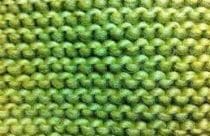
Purl Knit Fabric
Knitted Fabric
Purl Knit Fabrics look the same on both sides of the fabric. Many attractive patterns and designs can be created with the purl stitch. It is often used in the manufacture of bulky sweaters and children’s clothing. The production speed is generally slow with Purl knits.
Purl Knit is made by knitting yarn as alternate knit and purl stitch in one wale of the fabric. The fabric has alternate courses of knit stitch and purl stitch. The fabric is reversible and identical on both sides of the fabric. The fabric does not curl and lies flat. It is more stretchable in length direction.
Woven Fabric
Quilting is the art of covering the fabrics for frontal and back, both the sides. The fabrics composed by the sides are generally said to be the quilting fabric. Quilted fabrics are generally made for products like bags, clothing, and mattresses. Quilted fabrics can blend any of the material like cotton, polyesters, silk and many more including the wool.Quilted fabrics have been in the daily uses since ages. With the time, the quilted fabric has been innovated and modernized in its composition and designs as well. Quilted fabric is also available in countless colours and shapes. Especially, the variety of quilted fabric can be witnessed in the jackets and mattresses.
Raschel Knit Fabric
Knitted Fabric
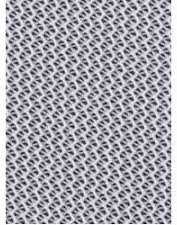
Raschel knits are produced from spun or filament yarns of different weights and types. Most raschel knits can be identified by their intricate designs, the open-space look of crochet or lace, and an almost three-dimensional surface effect design.
Reflective Fabric
Specialty Fabric
Reflective fabric is the nicest instance of the expanded usability of the fabrics. This has been all possible just because of the continuous innovation in the science field. Reflective fabric is known for their ability to reflect the light to the farthest distance possible. That is why; reflective fabric is used in countless usability, few of them are listed below:
In the streets: the reflectors and the alerts are made up of the reflective fabric. It is generally red in color as red has the largest ability to reflect. Also, it can be visible from the very long distance that makes the traffic flow smoothly. Especially in the night vision, reflective fabrics are proven to be the boon.
Security: life jackets are made of reflective fabrics. Also, other apparels are made by the reflective fabrics. Reflective fabrics help in to notify the person in the crowd or any kind of situations. Coastguards and even police sometimes have their dresses made up of the reflective life jackets.
There are many another numerous usability of the reflective fibres, making it the finest fabrics that are great for durability and usability as well.
Rib Stitch Knit Fabric
Knitted Fabric
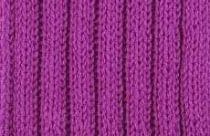
Rib Stitch Knits have stitches drawn to both sides of the fabric, which produces columns of wales on both the front and back of the fabric. Rib stitch produces fabrics that have excellent elasticity. Rib knits are used for the “ribbing” which is usually found at the lower edges of sweaters, on sleeve cuffs, and at necklines. The Rib-knit fabric is made by knitting yarn as alternate knit stitch and purl stitch in one course of the fabric. The fabric has alternate wales of knit and purl stitches. It is reversible fabric, as they look identical on both sides of the fabric. They may be made with both flat and circular knitting machines.
Woven Fabric
Satin/Sateen fabric is also said to be the most elegant fabrics. The reason behind is its astonishing looks and smooth surface. Satin fabric is used in a variety of apparels like a blouse, panties, gowns, and many other kinds of clothing. Satin fabric is used for bed sheets, curtains, and decorative purposes. The glossiness of the satin fabric really makes the material high class. At top of that, satin fabric is availed in multifarious color options like black, red, green, purple, blue and etc.Satin fabric is generally composed of silk or rayon and that is why it is so smooth. Also, satin is very light and delicate and are manufactured with a great deal of care and attention. Satin fabrics need a fine set up of manufacturing and processing unit as each and every strand of the satin fabric must be well knitted.
Shantung Fabric
Woven Fabric
Shantung is plain-woven fabrics made out of Silk and fibers similar to Silk. The fabric is made with slub yarns in order to create rib effects along the weft direction and has a rough texture with sheen. Shantung fabrics are used for bridal gowns, dresses, etc.
Sheeting Fabric
Woven Fabric
These are primarily used for bed coverings. They are medium weight, closely woven fabrics woven either in plain or twin weave. Sheeting fabrics are made in different widths. High-quality cotton sheetings are made in plain weave with a width of 64″ x 58″ and in a twill weave with a width of 60″x72″.
Sliver Knit Fabric
Knitted Fabric
The Sliver Knit is Pile jersey fabric. Unlike Velour fabric, Sliver knit fabric is characterized by a longer pile on the fabric surface. It is made of special circular knitting machines in which the surface fibers imitating fur are attached to the fabric, by means of knitting sliver along with base yarn making the fabric. Sliver knit fabrics have longer and denser piles on the fabric surface than other pile jerseys. Animal printed sliver knit fabrics are popularly used as imitation fur fabrics. They are more popular than fur as they are light, more stretchable and do not require special care for storage. They are widely used in making jackets and coats.
Woven Fabric
Taffeta fabric is a crisp, soft and smooth plain woven fabric with slight sheen manufactured out of different fibers like rayon, silk or nylon. Taffeta fabric is widely used in the manufacturing of women’s garments. The taffeta fabric has a unique rippled or wavy pattern which exhibits similarity to a water stain or mark, with dull and lustrous areas that reflect light differently.The word ‘Taffeta’ has its origin from Persia, and means “twisted woven”. It is generally made with a plain weave, fine warp yarns, and heavier filling yarns. A good quality taffeta fabric represents the artwork in an optimum manner.
Stretch Fabric
Speciality Fabric
Stretch fabric is a fabric referring to the normal fabric, which stretches in all four directions. Simplifying the construction of clothing stretches fabrics are commonly used in swimsuits. They were originally being used in the mid-1980s by a large number of fashion designers. Entering the mainstream market in early 1990, Stretch fabrics are widely used in sportswear.
Sometimes Stretch fabric is also termed as Stretch woven fabric when it is blended with a stable fibre of cotton, wool or synthetic. When it comes to talking about stretching, then Stretch fabric is very easy to Stretch in one or both directions presenting the traditional look and lot of comfort. Stretch fabric has better shape retention and is wrinkle resistance because of which they are more comfortable to wear.
Tartan Fabric
Woven Fabric
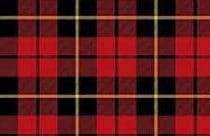
Tartan is a lightweight plain weave with a pattern consisting of criss-crossed horizontal and vertical bands in multiple colours often used for upholstery to home furnishings.
Terry Knitted Fabric
Knitted Fabric
Knitted Terry is piled jersey fabric made with a special attachment in regular circular knitting machines similar to woven fabrics. The fabric has loops on the fabric surface. The fabric is made of two sets of yarns, in which one set of yarn makes the pile, while the other set of yarn makes the base fabric.
Knit terry is softer, more flexible and is more comfortable than woven terry fabrics. However, they are not firm and durable as woven terry. Owing to its softness and absorbency, it is widely used in beachwear, towels, bathrobes etc.
Woven Fabric
Terry Fabrics generally used for towels (commonly known as terry bath towels) is a woven fabric, usually made of Cotton or a blend with a synthetic fiber and has a loop pile on one or both sides. The loops may cover the entire surface or may form stripes, cables, checks, or other patterns.It is observed that original terry weaving was likely the result of defective weaving. The name “terry” comes from the French word “tirer” which means to pull out, referring to the pile loops which were pulled out by hand to make absorbent traditional Turkish toweling.
The classification of towels can be made according to weight, production, pile presence on fabric surfaces, pile formation, pile structure, and finishing. Warp knitted terry cloth is manufactured on a Raschel warp knitting machine, using three sets of warp yarns.
Yarns which are used in terry towels are high absorbency, high wet strength, and ability to dye well, good color fastness wash-ability, soft hand, and hypoallergenic, low cost, and easy availability. Cotton is generally used as pile yarn in warp knitted terry cloth because of its excellent absorbency.
Ticking Fabric
Woven Fabric
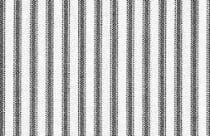
Ticking is a tightly woven fabric made with cotton or linen fibers popularly known for its durability traditionally used for pillows and mattresses
Tissue Fabric
Woven Fabric
It is a fine fabric either made of silk or man-made fibre. They are characteristically interwoven with gold or silver threads. It is produced in rich colours and they are used as women’s dress material, sarees etc.
Tricot Knit Fabric
Knitted Fabric
Tricot knits are made almost exclusively from filament yarns because uniform diameter and high quality are essential yarn characteristics for use with the very high-speed tricot knitting machines. Fabrics constructed by the tricot knitting machine are usually plain or have a simple geometric design. The front surface of the fabric has clearly defined vertical wales, and the back surface has crosswise courses.
Velour Knitted Fabric
Knitted Fabric
Knitted Velour are Pile jersey fabrics having soft protruding fibers on the fabric surface. Like knit terry, they are also made of an additional set of yarns making pile loops on the fabric surface. However, in Velour, these pile loops are sheared evenly and brushed. It may be dyed and generally available with solid colors. They are used in luxurious apparels like jackets, blouses, dresses etc.
Woven Fabric
Velvet is one of the smoothest and softest amidst all the other kinds of fabrics. Velvets are specially manufactured and process because of its distinctive properties.Velvet fabrics are used in a variety of appliances like clothing including trousers, shirts, and many more. Also, velvet fabric is used in bed sheets, covers, curtains and etc. Velvet fabric is no less than silk in any assessments whether be glossiness or be the unending glaze. Velvet fabric, due to its high-class looks and price viability has made it the most preferred fabrics.
In the modern times, velvet fabrics are availed in the multifarious designs and colors. And also are stronger and elastic than the previous times. The newer velvet fabrics need less maintenance and can be easily washed and dried. Use of modern innovations in the composition of the velvet fabrics has made it more easily accessible to the common masses.
Voile Fabric
Woven Fabric
Viole is a plain woven fabric with the crisp finish made out of various fibers and mainly with Cotton. Voile uses highly twisted, finely combed yarns and products such as blouses and dresses are made with it.
Warp Knitted Fabric
Knitted Fabric
Warp knitted fabrics are made in a special knitting machine with yarns from warp beam. Unlike weft knits, they are knitted from multiple yarns, with yarns forming loops in adjacent wales. The fabric may be identified with a pick glass. The face side of the fabric has slightly inclined vertical knitting loops whereas the backside of the fabric has inclined horizontal floats. They do not ravel. Warp knit fabrics are constructed with yarn loops formed in a vertical or warp direction. All the yarns used for a width of a warp knit are placed parallel to each other in a manner similar to the placement of yarns in weaving. The fabrics that are made of great quality with the technique are generally made with Tricot and Raschel knits.
Whipcord Fabric
Knitted Fabric
Whipcord is a strong worsted or cotton fabric made of hard-twisted yarns with diagonal cord or rib. Whipcord is very much like gabardine, but the yarn is bulkier and much more pronounced and are very durable, rugged and stands hard usage.
Synthetic fabrics are shedding microplastics into the environment at alarming rates. This in-depth article explores the sources, impacts, and emerging…
Digital twins are reshaping textile manufacturing—from real-time process optimization to sustainable product design. Learn how this cutting-edge technology is redefining…
Handwoven textiles are redefining what luxury means in modern fashion—merging heritage craftsmanship, sustainability, and exclusivity. This article explores their global…
Discover how Piñatex, a revolutionary textile made from pineapple leaves, is transforming sustainable fashion. From its historical roots to future-forward…
Leading producers excel in circular, warp, and seamless knitting for fashion and sportswear. Discover their technologies, products, and strategic capabilities.
72 thoughts on “Textile Fabric Types – different types of fabrics and their patterns”
Hi there! Just wanted to let you know how much I enjoyed reading this post. Your approach to the subject was unique and informative. It’s clear that you put a lot of effort into your writing. Keep up the great work, and I can’t wait to see what else you have in store.
I thoroughly enjoyed reading this article. It describes this subject very effectively. I am really enjoying the blog and will bookmark it! Keep writing interesting articles! Thank you for sharing this informative blog.
These all are trusted and leading companies in surat which can be helpful to guide reports of Top Fabrics and Textile products companies from Surat City. The silk manufacturing companies in Surat are at all-time high levels.
Double Bed Blanket
Quilts can be used for Often antique quilts are used to make doll clothing or reupholster furniture. something from mattress protecting to wall decorations. The versatility of quilts additionally lends itself. made from down feathers because of its usefulness as a thermal insulator.
This is a very powerful article. Almost all different types of fabric are described here. It will be very helpful for those who are learning or working in the textile sector. Thanks a lot for this wonderful article.
Another type of fiberglass fabrics are broadly used for thermal insulation, for smoke and fire protective clothing and equipment, for acoustic solutions and reinforcement in building and construction sector. Find out more about them here: https://www.valmiera-glass .com/en/product-world/products/technical-fabrics/
It will be very helpful for those who are learning or working in textile sector. Thank a lot for this wonderful article. I think visitors will get some significant information visiting through the link given below.
It is so interesting i was searching for this topic from a long time. I read this article very carefully and now I got all my best information for writing blog on acrylic tissue box suppliers . I am so glad that i finally find blog resemblance to my topic. Thanks for this.
Thank you for your kind words.
RSS link: https://textileschool.com/feed/
Subscribing to our newsletters will help you receiving the newsletters in your mailbox. We won’t spam.
Would you mind explainING the difference between fabric that cost 15.00 a yard and 250.00 a yard. I’ve been sewing for over fifty years and have been discouraged by the prices for curtain fabrics and so on . Even 25.00 and yard kills me because I like to do 3 widths and have huge windows. I get “name has something to do with it, but for heavens sakes , how much. They sure took the fun out sewing. I like buying the good stuff but who could rationalize 250.000 a yard for curtain fabric.
Hi, Thanks for sharing very essential stuff. I am new in the textile and fabrics industry. I have learned a lot of things from this article. Recently I have started an online store for selling different types of fabrics. I think this post will be very useful for the newbie in the industry of textile and fabrics.
Choosing the right fabrics is an important thing, and at the same time quite difficult when we choose the fabric for the first time. A very nice guide. Certainly many people will benefit from your advice.
For a ‘School of Textiles’, some of the information outlined in this article is inaccurate & would be very confusing for students. Here are just a few of the questionable items. * Students need to know that there is a difference between FIBRES (Australian spelling) and FABRICS. These two terms are not synonymous. Fibres are the building blocks of all fabrics & classified into 3 groups (natural – eg: cotton, wool, silk, linen, jute, hemp etc) man-made or synthetic (eg:nylon, polyester, acrylic, rayon, acetate etc) and mineral (eg asbestos & fibreglass). Fibres most often have to be SPUN together in yarns before they can be made into fabrics. Woollen fibres are an exception. Wool fibres can be matted or felted together to form fabrics (eg: like felts used for the walls of yurts). Fabrics result from the combining of the fibres. Fabrics are made through either weaving, knitting, matting fibres together. There are many other construction methods used for making industrial use fabrics. Nowhere is this clarification between fibres & fabrics made. ** No disadvantages are given of the fabrics mentioned. For example, fabrics made of cotton are very flammable, even more so when woven fabrics made of cotton are brushed (eg: flannelette) of are flowing in design. That is why in Australia there is very strict labelling of childrens’ nightwear so people are aware of the dangers of this type of fibre/fabric combination. Linen is expensive & wrinkles badly (needs ironing). Wool is not really very strong as this article states – in fact it is the weakest of the natural fibres. You would never find mens suits made out of 100% wool as the woollen fibre is not strong enough. There would be bagging and sagging at the seat, knees & elbows of the garment. *** The bit about ‘grey fabric’… wow in all of my years as a textile teacher, I’ve never heard of it, seen it or seen any reference to it. I think this bit on ‘grey fabric’ is a furphy! Sounds like a student trying to fluff their way through an exam question… lots of words but no substance! **** Satin is a type of woven fabric that has ‘floating’ warp yarns. It is this type of woven construction that gives satin fabric lustre & not just the type of fibre used.***** Stretch fabrics can result from a) using a knitted fabric construction eg socks b) using fabric draped on the bias (using the 45 degree angle of the warp & weft yarns c) introducing an elastomeric yarn into the fabric construction eg 5% elastomeric yarns to denim weave for stretch jeans. ***** calling polyester a fabric is confusing for your students. Polyester is a fibre. It can then be woven or knitted to make a polyester fabric.**** I agree with the John, the term nylon did not come about as stated in this article. As this written piece is on your site titled “Textile School” it needs to be more accurate & less confusing to your students. This article needs to be proof-read by a teacher of textiles & corrected. References would also give it more credibility.
This was very useful. Thankyou.
Also, I needed a brief on PST fabric, which I have commonly heard of being used as a substitute of Chanderi by Indian retailers. Would be very helpful. 🙂
OK…BUT As I mentioned to the webmaster, the name Nylon most certainly does not come from a combining of the the New York/London (NY-LON) names. Dupont, the inventors and patent holders for Nylon state that the name is as synthetic as the fiber. They took the random syllable Nyl and combined it with the “on” (as in Ray”on” or Cott”on”) to make it sound fabric-like. Although the idea that it is New York and London combined is interesting, it makes no sense since Dupont is based in Delaware and really has no major ties to either of those cities…so why randomly name it after both? Why not Bogata and Tokyo for that matter? (Botok?) Another case of “saw it on the web so it must be true” uncovered as false.
This list is super!!! Thank you. I have a question. I am making a pincushion specifically for the regular session to session sharpening of needle nose tweezers while I work applying eyelash extensions. The pincushion will be filled with emery, a finely ground metal used for sharpening needles, pins and tools. As for the fabric cover, I need it to be durable and mainly lint free. But have enough texture and body to it, a little grit to it even, so that when I pass my tweezers through it into the emery, the small bits of eyelash glue (similar to superglue in strength but flakier in texture and strength), can slough off onto fabric and off of my tweezers. Please any help with this question would be greatly appreciated!
….thinking heavy cotton canvas, wool, a jute weave, or a poly/wool blend…
Interlining is a very important in apparel manufacturing. Interlining is one kind of accessories that is used
between the two layers of fabric in a garment. To keep the different component or part of apparel in a desired shape, a kind of fabric is used between the two ply of fabric by sewing or fusing is called interlining. Generally, interlinings are soft, thick, and flexible. Interlining is generally used in collar, cuffs, waist band, front facing of coat, outerwear plackets, jackets, blazers etc.
Fusible Interlining:
It is most used interlining. The interlining which is used between two layers of fabrics by applying heat and
pressure for a certain time is called Fusible Interlining. Fusible interlining is used for all kinds of apparel. Also it is used in “Ready to wear” and “Bespoke garment”. It is very popular.
My question is whether character of textile fabrics is retained or lost after applying HDPE or LDPE by heat process on one side of cotton fabrics?
I’m sad to see some serious inaccuracies here. The biggest is the listing of Rayon as a synthetic. It is an organic material processed as a synthetic, which does not change it’s organic properties. Chiffon, organza….both historically silk.
Paper is a man made cellulose material similar to Rayon fabric. Methods of manufacturing and applications are different and can not replace each other though both are made from same source of raw material i.e. wood pulp. Fabric needs air permeability, flexibility and durability that can not be achieved in paper form. However non-woven Rayon fabric is similar to paper.
Fabric can also make like paper by applying paper finish on it where both objectives can be met if required.
Can you tell me if Ramie is washable? I have a hand me down Spring Jacket made of Polyester and Rani (misspelled on item?, unless this is a mystery fabric). It smells old and stored, but looks brand new. Love the site btw., very informative.

 Woven Fabric
 Woven Fabric
 Woven Fabric
 Woven Fabric
 Knitted Fabric
 Woven Fabric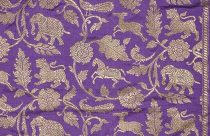
 Woven Fabric
 Knitted Fabric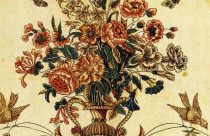
 Woven Fabric
 Woven Fabric
 Woven Fabric
 Woven Fabric
 Woven Fabric
 Woven Fabric
 Woven Fabric
 Woven Fabric
 Woven Fabric
 Woven Fabric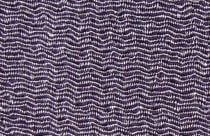
 Specialty Fabric
 Woven Fabric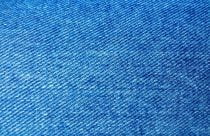
 Woven Fabric
 Woven Fabric
 Knitted Fabric
 Specialty Fabric
 Specialty Fabric
 Specialty Fabric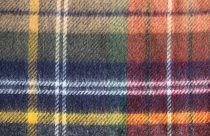
 Knitted Fabric
 Knitted Fabric
 Woven Fabric
 Woven Fabric
 Woven Fabric
 Woven Fabric
 Woven Fabric
 Woven Fabric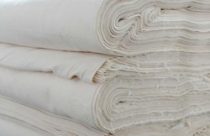
 Woven Fabric
 Knitted Fabric
 Knitted Fabric
 Knitted Fabric
 Woven Fabric
 Woven Fabric
 Specialty Fabric
 Woven Fabric
 Woven Fabric
 Woven Fabric
 Woven Fabric
 Woven Fabric
 Woven Fabric
 Specialty Fabric
 Woven Fabric
 Woven Fabric
 Woven Fabric
 Knitted Fabric
 Woven Fabric
 Knitted Fabric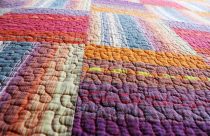
 Knitted Fabric
 Specialty Fabric
 Knitted Fabric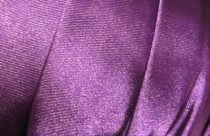
 Woven Fabric
 Woven Fabric
 Knitted Fabric
 Speciality Fabric
 Woven Fabric
 Knitted Fabric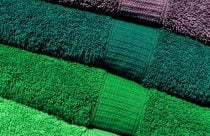
 Woven Fabric
 Woven Fabric
 Knitted Fabric
 Knitted Fabric
 Woven Fabric
 Knitted Fabric
 Knitted Fabric


_of_rayon.jpg)
.jpg)
Hi there! Just wanted to let you know how much I enjoyed reading this post. Your approach to the subject was unique and informative. It’s clear that you put a lot of effort into your writing. Keep up the great work, and I can’t wait to see what else you have in store.
I thoroughly enjoyed reading this article. It describes this subject very effectively. I am really enjoying the blog and will bookmark it! Keep writing interesting articles! Thank you for sharing this informative blog.
Textile
These all are trusted and leading companies in surat which can be helpful to guide reports of Top Fabrics and Textile products companies from Surat City. The silk manufacturing companies in Surat are at all-time high levels.
Double Bed Blanket
Quilts can be used for Often antique quilts are used to make doll clothing or reupholster furniture. something from mattress protecting to wall decorations. The versatility of quilts additionally lends itself. made from down feathers because of its usefulness as a thermal insulator.
This is a very powerful article. Almost all different types of fabric are described here. It will be very helpful for those who are learning or working in the textile sector. Thanks a lot for this wonderful article.
thnkyou for sharing this blog types of fabrics
Another type of fiberglass fabrics are broadly used for thermal insulation, for smoke and fire protective clothing and equipment, for acoustic solutions and reinforcement in building and construction sector. Find out more about them here:
https://www.valmiera-glass .com/en/product-world/products/technical-fabrics/It will be very helpful for those who are learning or working in textile sector. Thank a lot for this wonderful article. I think visitors will get some significant information visiting through the link given below.
Very helpful for knowing some kind of fabric. It is very helpful for who wants to be a merchandiser.
Thanks for sharing.
It is so interesting i was searching for this topic from a long time. I read this article very carefully and now I got all my best information for writing blog on acrylic tissue box suppliers . I am so glad that i finally find blog resemblance to my topic. Thanks for this.
Interesting Article
Excellent post, I hope it will helpful to me. Thanks. textile =school
Thank you so much..it’s very useful for me
Is anyone here in a position to recommend Jeans? Cheers xxx
Thank you for your kind words.
RSS link: https://textileschool.com/feed/
Subscribing to our newsletters will help you receiving the newsletters in your mailbox. We won’t spam.
great
I’m currently engaged in the fabrics trade sector. So this website is quite useful for the knowledge foundation of fabrics. Higly appreciative
Really, very nice and helpful post. Thanks for sharing this.
Nice post sir thanks for sharing
//www.textiletrick.com” title=”Textile Trick ” rel=”nofollow ugc”>Textile Trick
What type of fabric, you deals in?
Highly impressive to know the details of textile yarn~fabrics in practical.
Would you mind explainING the difference between fabric that cost 15.00 a yard and 250.00 a yard. I’ve been sewing for over fifty years and have been discouraged by the prices for curtain fabrics and so on . Even 25.00 and yard kills me because I like to do 3 widths and have huge windows. I get “name has something to do with it, but for heavens sakes , how much. They sure took the fun out sewing. I like buying the good stuff but who could rationalize 250.000 a yard for curtain fabric.
Hi, Thanks for sharing very essential stuff. I am new in the textile and fabrics industry. I have learned a lot of things from this article. Recently I have started an online store for selling different types of fabrics. I think this post will be very useful for the newbie in the industry of textile and fabrics.
welcome to the fashion world
Hi , This is Khaled .Could you please advise what type of fabric you are selling from your online store.
Am interested in fabric as a business, though I do a little of it now but I really want to do different types of fabric as business. need help pls
Nice u r post…and its helpfull information in fabric business…thank you so much……
I’m Chika,please can I get to know your online store address…thanks….
I am starting out my own T-Shirt brand and would like to know what is best fabric one can use for T-Shirts as quality is a priority?
Choosing the right fabrics is an important thing, and at the same time quite difficult when we choose the fabric for the first time. A very nice guide. Certainly many people will benefit from your advice.
Can you please list the fabrics denim, chiffon, organza, velvet, and taffeta from most flexible to least flexible.
For a ‘School of Textiles’, some of the information outlined in this article is inaccurate & would be very confusing for students. Here are just a few of the questionable items. * Students need to know that there is a difference between FIBRES (Australian spelling) and FABRICS. These two terms are not synonymous. Fibres are the building blocks of all fabrics & classified into 3 groups (natural – eg: cotton, wool, silk, linen, jute, hemp etc) man-made or synthetic (eg:nylon, polyester, acrylic, rayon, acetate etc) and mineral (eg asbestos & fibreglass). Fibres most often have to be SPUN together in yarns before they can be made into fabrics. Woollen fibres are an exception. Wool fibres can be matted or felted together to form fabrics (eg: like felts used for the walls of yurts). Fabrics result from the combining of the fibres. Fabrics are made through either weaving, knitting, matting fibres together. There are many other construction methods used for making industrial use fabrics. Nowhere is this clarification between fibres & fabrics made. ** No disadvantages are given of the fabrics mentioned. For example, fabrics made of cotton are very flammable, even more so when woven fabrics made of cotton are brushed (eg: flannelette) of are flowing in design. That is why in Australia there is very strict labelling of childrens’ nightwear so people are aware of the dangers of this type of fibre/fabric combination. Linen is expensive & wrinkles badly (needs ironing). Wool is not really very strong as this article states – in fact it is the weakest of the natural fibres. You would never find mens suits made out of 100% wool as the woollen fibre is not strong enough. There would be bagging and sagging at the seat, knees & elbows of the garment. *** The bit about ‘grey fabric’… wow in all of my years as a textile teacher, I’ve never heard of it, seen it or seen any reference to it. I think this bit on ‘grey fabric’ is a furphy! Sounds like a student trying to fluff their way through an exam question… lots of words but no substance! **** Satin is a type of woven fabric that has ‘floating’ warp yarns. It is this type of woven construction that gives satin fabric lustre & not just the type of fibre used.***** Stretch fabrics can result from a) using a knitted fabric construction eg socks b) using fabric draped on the bias (using the 45 degree angle of the warp & weft yarns c) introducing an elastomeric yarn into the fabric construction eg 5% elastomeric yarns to denim weave for stretch jeans. ***** calling polyester a fabric is confusing for your students. Polyester is a fibre. It can then be woven or knitted to make a polyester fabric.**** I agree with the John, the term nylon did not come about as stated in this article. As this written piece is on your site titled “Textile School” it needs to be more accurate & less confusing to your students. This article needs to be proof-read by a teacher of textiles & corrected. References would also give it more credibility.
helpful information on different types of fabric…
globetextiles.net/portfolio/cotton-dyed/What is minium and maximum percentage is avalable in the automotive polyester greige fabric
How oil comes in automotive polyester greige fabric
How to determine percentage of oil content from automotive polyester greige fabric
anybody ever gave tide pods a try give me a rate 1-10 i am thinking about giving them a go they just look so good:)
sorry i had to go to sleep cottin fabric is used for jackets,bedsheets.
ok but add detail what fabric you use for example;cottin fabric
Very useful.
V nice & crisply defined
This helped me a lot at my school project. Thank you who ever posted this i love textile . Thank you so much for helping me out
This was very useful. Thankyou.
Also, I needed a brief on PST fabric, which I have commonly heard of being used as a substitute of Chanderi by Indian retailers. Would be very helpful. 🙂
Thank you very much, for the information about fabric types..
So good
Uses of synthetic fabric?
Who is the author of this article and when is the date published??
OK…BUT As I mentioned to the webmaster, the name Nylon most certainly does not come from a combining of the the New York/London (NY-LON) names. Dupont, the inventors and patent holders for Nylon state that the name is as synthetic as the fiber. They took the random syllable Nyl and combined it with the “on” (as in Ray”on” or Cott”on”) to make it sound fabric-like. Although the idea that it is New York and London combined is interesting, it makes no sense since Dupont is based in Delaware and really has no major ties to either of those cities…so why randomly name it after both? Why not Bogata and Tokyo for that matter? (Botok?) Another case of “saw it on the web so it must be true” uncovered as false.
Hmmm. You have a point. So, today I unlearned something. Thanks.
This list is important & helpful to us ——
thanks —!!
I only hope that you can tell the difference between a fiber and a fabric!
So helpful for my textiles research XD
We have to research how useful each fabric would be
Awesome. …its too helpful.
Thank you soooooooooooooooooooooooooooooooooo much. Without this, I could have failed
ya thank u very much.it’s very use full for me.thanks a lot,,,,.
verry usefull article, thank you very much.
This list is super!!! Thank you. I have a question. I am making a pincushion specifically for the regular session to session sharpening of needle nose tweezers while I work applying eyelash extensions. The pincushion will be filled with emery, a finely ground metal used for sharpening needles, pins and tools. As for the fabric cover, I need it to be durable and mainly lint free. But have enough texture and body to it, a little grit to it even, so that when I pass my tweezers through it into the emery, the small bits of eyelash glue (similar to superglue in strength but flakier in texture and strength), can slough off onto fabric and off of my tweezers. Please any help with this question would be greatly appreciated!
….thinking heavy cotton canvas, wool, a jute weave, or a poly/wool blend…
Are all these materials easy to find?
Interlining is a very important in apparel manufacturing. Interlining is one kind of accessories that is used
between the two layers of fabric in a garment. To keep the different component or part of apparel in a desired shape, a kind of fabric is used between the two ply of fabric by sewing or fusing is called interlining. Generally, interlinings are soft, thick, and flexible. Interlining is generally used in collar, cuffs, waist band, front facing of coat, outerwear plackets, jackets, blazers etc.
Fusible Interlining:
It is most used interlining. The interlining which is used between two layers of fabrics by applying heat and
pressure for a certain time is called Fusible Interlining. Fusible interlining is used for all kinds of apparel. Also it is used in “Ready to wear” and “Bespoke garment”. It is very popular.
My question is whether character of textile fabrics is retained or lost after applying HDPE or LDPE by heat process on one side of cotton fabrics?
what is nazneen fabric?
May be a commercial name for certain fabric.
WHAT IS GOLDWIER? PLEASE HELP
I’m sad to see some serious inaccuracies here. The biggest is the listing of Rayon as a synthetic. It is an organic material processed as a synthetic, which does not change it’s organic properties. Chiffon, organza….both historically silk.
This could just be my beginner stupidity showing, but where does tulle stand in all this?
so good
Is there a sort of fabric that’s feels like paper but is wearable?
Paper is a man made cellulose material similar to Rayon fabric. Methods of manufacturing and applications are different and can not replace each other though both are made from same source of raw material i.e. wood pulp. Fabric needs air permeability, flexibility and durability that can not be achieved in paper form. However non-woven Rayon fabric is similar to paper.
Fabric can also make like paper by applying paper finish on it where both objectives can be met if required.
Can you tell me if Ramie is washable? I have a hand me down Spring Jacket made of Polyester and Rani (misspelled on item?, unless this is a mystery fabric). It smells old and stored, but looks brand new. Love the site btw., very informative.
Yes, Ramie is washable. Ramie is natural cellulose fiber.
Thanks so much, appreciate your help.
soooo good !
I did a science fair experiment and report on textiles and the website really helped me. Thanks!
Glad to know that the site helped you.
Webmaster.