Introduction: The Enduring Appeal of Scarves
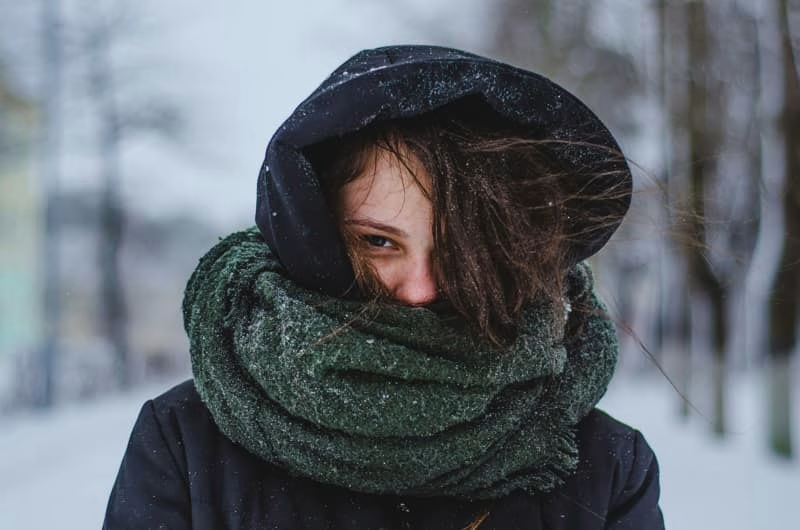
Scarves have been wardrobe staples for centuries. They serve practical and aesthetic purposes. A scarf can protect you from the cold, shield you from the sun, or add a pop of color to your outfit. Scarves come in various materials, shapes, and sizes. Each design offers unique benefits and styling options.
A Brief History of Scarves
The history of scarves dates back to ancient times. The earliest known use was around 1350 BC in Egypt. Queen Nefertiti wore a woven scarf to signify her status. In ancient Rome, scarves, or “sudariums,” were used to wipe sweat from the face and neck.
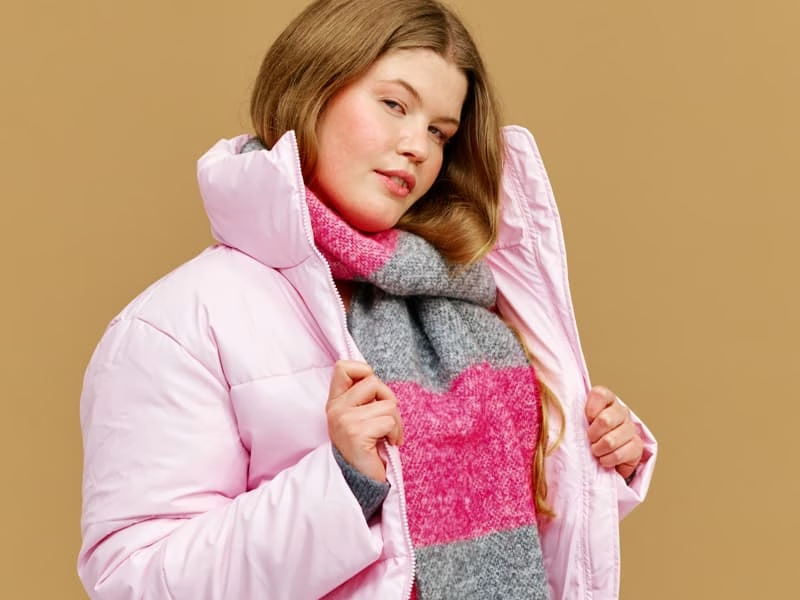
Over time, scarves evolved from functional items to fashion statements. In the 19th century, Queen Victoria popularized silk scarves. These became a symbol of elegance and status. Today, scarves continue to be essential fashion accessories. They reflect both personal style and cultural trends.
Technological Evolution in Scarf Production
The production of scarves has transformed with technological advancements. Early scarves were handmade, often using simple looms. The Industrial Revolution brought mechanized looms. This allowed for mass production and greater design complexity.
Today, digital printing and advanced weaving techniques enable intricate patterns and customized designs. Furthermore, innovations in material science have introduced new fibers. These include microfiber and blends that enhance the comfort, durability, and performance of scarves.
Materials: The Building Blocks of Scarves
The choice of material significantly impacts a scarf’s look, feel, and function. Here are some common materials used in scarf production:
- Silk: Known for its luxurious feel and elegant drape. Silk scarves are lightweight and often feature vibrant prints.
- Wool: Provides warmth and insulation. Wool scarves are ideal for cold weather. Varieties include merino, cashmere, and lambswool.
- Cotton: A versatile and breathable option. Cotton scarves are easy to care for and suitable for everyday wear.
- Linen: Lightweight and absorbent. Linen scarves are perfect for warm weather, offering a relaxed, textured look.
- Polyester: A synthetic fiber that is durable and wrinkle-resistant. Polyester scarves are often used for printed designs and can mimic the look of silk.
- Acrylic: A cost-effective alternative to wool. Acrylic scarves provide warmth and are available in various colors and textures.
- Cashmere: A luxurious and soft wool. Cashmere scarves are known for their exceptional warmth and delicate feel.
- Pashmina: A fine type of cashmere wool. Pashmina scarves are lightweight, warm, and often feature intricate weaving.
Types of Scarves: A Detailed Overview
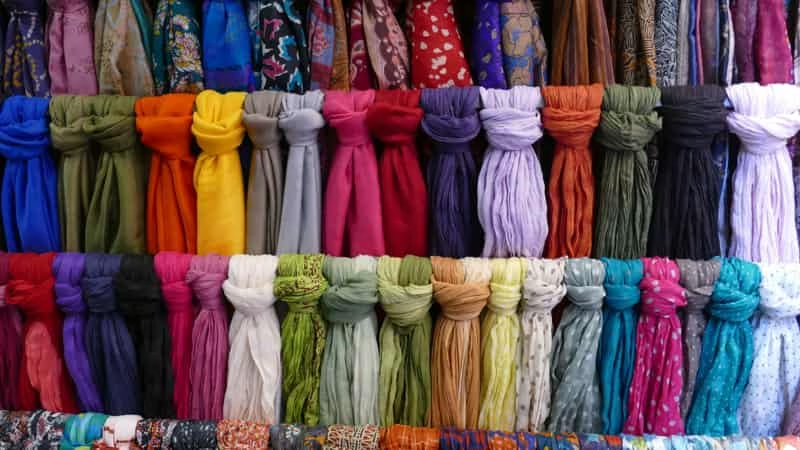
The world of scarves is incredibly diverse. Each type serves a unique purpose and offers distinct styling options. Here’s an in-depth look at various scarf types:
1. Classic Scarf
The classic scarf is a long, rectangular piece of fabric. It is versatile and can be styled in numerous ways.
- Material: Wool, cotton, silk, or synthetic blends
- Size: Typically 60-80 inches long and 10-14 inches wide
- Styling: Draped over the shoulders, wrapped around the neck, or tied in a knot
2. Infinity Scarf
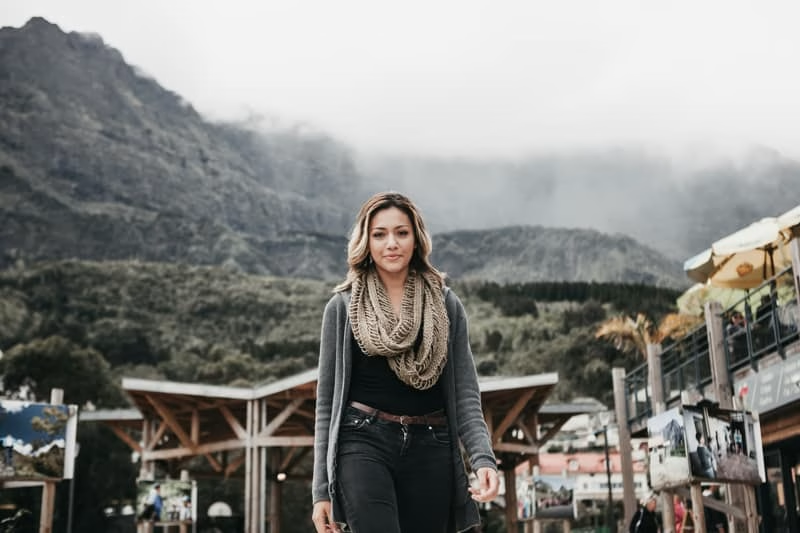
The infinity scarf is a closed loop of fabric. It is worn by looping it around the neck multiple times.
- Material: Knit fabrics, cotton, or lightweight wool
- Size: Varies, but typically a loop of 60-70 inches
- Styling: Looped once or twice around the neck for a cozy, casual look
3. Square Scarf
The square scarf is a square-shaped piece of fabric. It offers many styling possibilities.
- Material: Silk, cotton, or lightweight blends
- Size: Typically 20-40 inches square
- Styling: Folded into a triangle and worn as a neckerchief, tied around a handbag, or worn as a headscarf
4. Oblong Scarf
The oblong scarf is similar to the classic scarf but is longer and narrower.
- Material: Lightweight fabrics like silk or rayon
- Size: Typically 70-90 inches long and 8-12 inches wide
- Styling: Draped loosely, wrapped multiple times, or tied in a sophisticated knot
5. Blanket Scarf
The blanket scarf is a large, oversized scarf. It provides warmth and can be worn as a wrap or shawl.
- Material: Wool, flannel, or thick cotton
- Size: Typically 50-60 inches square or rectangular
- Styling: Draped over the shoulders like a blanket, wrapped around the neck for extra warmth, or worn as a poncho
6. Neckerchief
The neckerchief is a small scarf worn around the neck. It adds a touch of style without bulk.
- Material: Silk, cotton, or lightweight blends
- Size: Typically 20-25 inches square
- Styling: Tied in a knot at the front or side of the neck, or worn as a headband
7. Shawl
A shawl is a large piece of fabric worn over the shoulders or wrapped around the body. It provides warmth and elegance.
- Material: Wool, silk, cashmere, or blends
- Size: Varies, but typically large enough to cover the shoulders
- Styling: Draped over the shoulders, wrapped around the body, or used as a decorative accent
8. Pashmina
Pashmina is a type of fine cashmere wool scarf. It is known for its softness, warmth, and delicate texture.
- Material: Pashmina wool
- Size: Varies, but typically 28-36 inches wide and 70-80 inches long
- Styling: Draped over the shoulders, wrapped around the neck, or worn as a shawl
9. Snood
A snood is a tube-shaped scarf worn around the neck. It provides warmth and can be pulled up to cover the head.
- Material: Knit fabrics, fleece, or wool
- Size: Varies, but typically a loop of 20-30 inches
- Styling: Worn around the neck, pulled up over the head, or styled as a cowl
10. Head Scarf
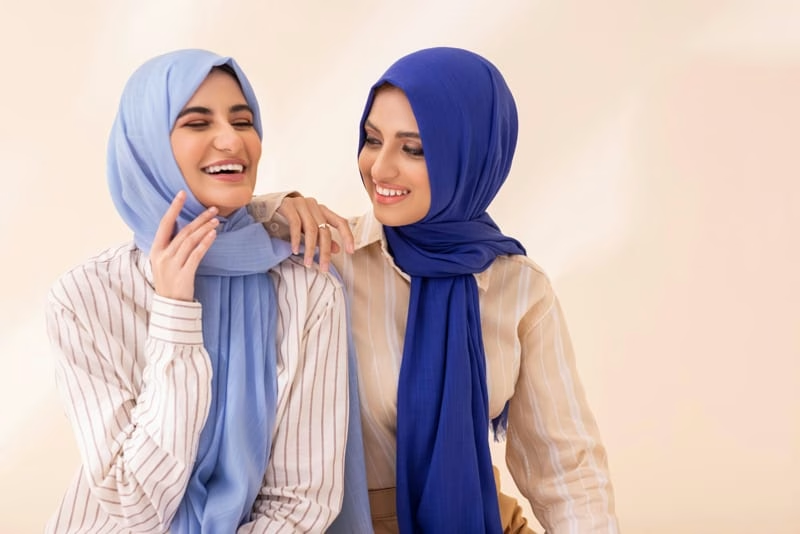
A head scarf is worn on the head for various reasons. These include fashion, religious observance, or protection from the elements.
- Material: Silk, cotton, or lightweight blends
- Size: Varies, depending on the style
- Styling: Tied under the chin, wrapped around the head, or styled as a turban
11. Muffler
A muffler is a warm scarf worn primarily by men. It is typically made of wool or a wool blend.
- Material: Wool, cashmere, or wool blends
- Size: Typically 60-70 inches long and 10-12 inches wide
- Styling: Wrapped around the neck for warmth and protection
12. Bandana
A bandana is a square piece of cotton fabric. It often features a printed pattern and is worn in various ways.
- Material: Cotton or cotton blends
- Size: Typically 20-22 inches square
- Styling: Worn as a headband, neckerchief, or wrist accessory
13. Silk Scarf
A silk scarf is known for its smooth texture, elegant drape, and vibrant colors. It is a versatile accessory for any occasion.
- Material: Silk
- Size: Varies, depending on the style
- Styling: Tied around the neck, worn as a headscarf, or used as a decorative accent
14. Knitted Scarf
A knitted scarf is made from yarn using knitting techniques. It provides warmth and texture.
- Material: Wool, acrylic, or cotton yarn
- Size: Varies, depending on the style
- Styling: Wrapped around the neck, draped over the shoulders, or styled as a cowl
15. Crochet Scarf
A crochet scarf is similar to a knitted scarf. However, it is made using crochet techniques. This gives it a unique texture and design.
- Material: Yarn (wool, acrylic, cotton)
- Size: Varies
- Styling: Wrapped around the neck, draped over the shoulders
16. Tube Scarf
A tube scarf is a seamless, circular scarf. It is easy to wear and provides warmth and comfort.
- Material: Knit fabrics, fleece
- Size: Varies
- Styling: Worn around the neck, pulled up over the head
17. Faux Fur Scarf
A faux fur scarf adds a touch of luxury and warmth. It mimics the look and feel of real fur.
- Material: Synthetic fibers
- Size: Varies
- Styling: Worn around the neck, draped over the shoulders
18. Lace Scarf
A lace scarf is delicate and elegant. It is often used for formal occasions.
- Material: Lace
- Size: Varies
- Styling: Draped over the shoulders, worn as a decorative accent
19. Sequin Scarf
A sequin scarf adds sparkle and glamour. It is perfect for parties and special events.
- Material: Fabric with sequins
- Size: Varies
- Styling: Worn around the neck, draped over the shoulders
20. Sports Scarf
A sports scarf is often adorned with team colors and logos. It is worn to show support for a sports team.
- Material: Knit fabrics, polyester
- Size: Varies
- Styling: Worn around the neck, held up to show support
Innovations in Scarf Design
Scarf design continues to evolve. Designers are experimenting with new materials, patterns, and functionalities. Some notable innovations include:
- Smart Scarves: Incorporating technology such as heating elements or sensors to monitor environmental conditions.
- Sustainable Materials: Using eco-friendly materials like organic cotton, recycled fibers, and plant-based dyes.
- 3D-Printed Scarves: Creating intricate and unique designs using 3D printing technology.
- Customizable Scarves: Allowing customers to design their own scarves with personalized patterns and colors.
Production Process: From Fiber to Fashion
The production of scarves involves several key steps:
- Fiber Selection: Choosing the appropriate material based on the desired properties of the scarf.
- Yarn Production: Spinning fibers into yarn, which is then dyed to the desired color.
- Weaving or Knitting: Creating the fabric using looms or knitting machines.
- Printing or Dyeing: Adding patterns or colors to the fabric using various printing or dyeing techniques.
- Finishing: Treating the fabric to improve its texture, durability, and appearance.
- Cutting and Sewing: Cutting the fabric to the desired shape and size, and sewing the edges to prevent fraying.
- Quality Control: Inspecting the finished scarves to ensure they meet quality standards.
Challenges in Scarf Production
The scarf industry faces several challenges:
- Sustainability: Reducing the environmental impact of production processes and materials.
- Ethical Sourcing: Ensuring fair labor practices and safe working conditions.
- Competition: Staying competitive in a global market with diverse products and price points.
- Changing Trends: Adapting to evolving fashion trends and consumer preferences.
- Quality Control: Maintaining consistent quality across large-scale production.
Real-World Applications of Scarves
Scarves have numerous practical and stylish applications:
- Fashion: Adding a pop of color, texture, or pattern to an outfit.
- Warmth: Providing insulation and protection from the cold.
- Sun Protection: Shielding the skin from harmful UV rays.
- Cultural Expression: Reflecting cultural heritage and traditions.
- Religious Observance: Meeting religious requirements for head coverings.
- Sports and Team Support: Displaying team colors and logos.
End-Users: Who Wears Scarves?
Scarves appeal to a broad demographic:
- Fashion Enthusiasts: Individuals who use scarves to express their personal style.
- Outdoor Adventurers: People who need scarves for warmth and protection during outdoor activities.
- Travelers: Those who use scarves for comfort and versatility while traveling.
- Sports Fans: Individuals who wear sports scarves to support their favorite teams.
- Religious Communities: People who wear scarves for religious reasons.
Market: The Global Scarf Industry

The global scarf market is substantial and growing. Key trends include:
- Increasing Demand: Rising consumer interest in fashion accessories.
- E-commerce Growth: Expanding online sales channels.
- Sustainable Products: Growing demand for eco-friendly and ethically sourced scarves.
- Customization: Increasing popularity of personalized and custom-designed scarves.
- Seasonal Trends: Fluctuations in demand based on weather and fashion seasons.
The Future of Scarves
The future of scarves looks promising. Innovations in materials, design, and technology will continue to drive the industry forward. Key trends to watch include:
- Smart Textiles: Integration of technology into scarves for enhanced functionality.
- Sustainable Practices: Increased focus on eco-friendly and ethical production methods.
- Personalization: Growing demand for custom-designed and personalized scarves.
- Global Expansion: Expanding market opportunities in emerging economies.
- Versatile Designs: Creating scarves that can be worn in multiple ways and for various occasions.
Summary
Scarves are versatile and timeless accessories. They blend functionality with fashion. From ancient times to modern innovations, scarves have evolved to meet diverse needs and preferences. With ongoing advancements in materials, design, and technology, the future of scarves promises even greater versatility, sustainability, and style.