Key Points
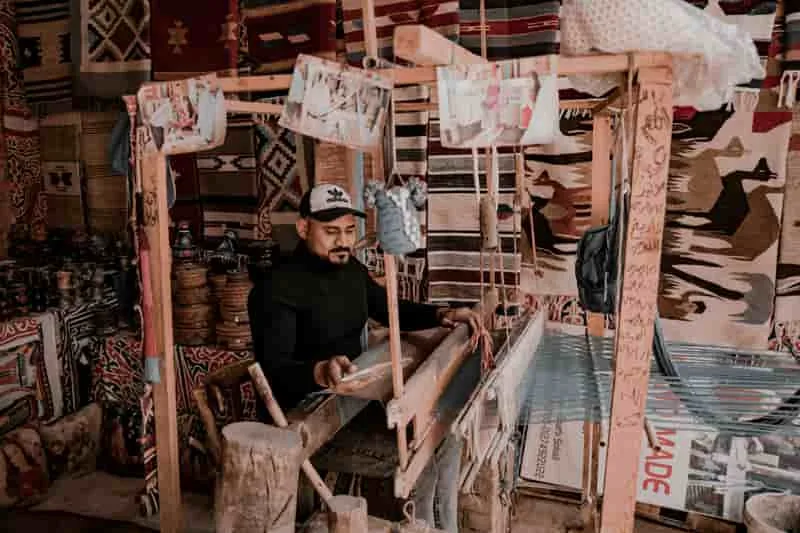
- Indigenous textile techniques embody cultural heritage, reflecting history and identity across global communities.
- Techniques like ikat, Kente, and Chilkat weaving showcase diverse craftsmanship and cultural significance.
- Preservation faces challenges from globalization and cultural appropriation, yet innovations sustain these traditions.
- Research suggests growing demand for sustainable, ethically sourced textiles supports indigenous artisans.
Overview
Indigenous textile techniques, such as weaving, dyeing, and embroidery, are intricate crafts that carry profound cultural significance. These methods, developed over millennia, use natural materials like cotton, wool, and plant fibers to create textiles that serve functional, ceremonial, and artistic purposes. From the vibrant Kente cloth of Ghana to the intricate ikat patterns of Southeast Asia, these textiles preserve stories of heritage and identity. In 2025, efforts to maintain these traditions are vital for cultural diversity and economic sustainability, despite challenges like mass production and cultural appropriation.
Why It Matters
Preserving indigenous textile techniques ensures the survival of cultural narratives and supports artisan communities economically. These crafts offer sustainable alternatives to industrial textiles, aligning with global demand for eco-friendly products. By valuing these traditions, we foster respect for indigenous knowledge and promote fair trade practices, benefiting both artisans and consumers.
Looking Ahead
The evidence leans toward increased recognition of indigenous textiles, driven by sustainable fashion trends and digital platforms. Innovations blending traditional methods with modern design are likely to expand their global reach. However, ongoing efforts to address cultural appropriation and economic challenges will be crucial for their long-term preservation.
Introduction
Indigenous textile techniques represent a vital component of global cultural heritage, encapsulating the history, identity, and creativity of communities worldwide. These methods, ranging from intricate weaving to vibrant dyeing, have been refined over thousands of years, using natural materials such as cotton, wool, silk, and plant fibers. Each textile, whether a Kente cloth from Ghana, a Chilkat blanket from North America, or an ikat fabric from Indonesia, serves as a tangible link to cultural narratives, spiritual beliefs, and social structures. In 2025, the preservation of these techniques is increasingly critical amidst globalization and mass production, which threaten traditional craftsmanship. This article provides a comprehensive examination of indigenous textile techniques, detailing their historical significance, production processes, innovations, challenges, applications, and future prospects.
Historical Significance
The origins of indigenous textile techniques trace back to the earliest human civilizations, reflecting the ingenuity and resourcefulness of diverse cultures. In the Americas, archaeological evidence from Guitarrero Cave in Peru, dating to 10,100–9,080 BCE, reveals early fiberwork, marking some of the oldest known textiles. In North America, the Windover Site in Florida preserves twine and plain weave fabrics from 6,000 BCE. The Andes region, particularly the Norte Chico civilization (2500–1800 BCE), developed sophisticated weaves like awaska and qompi, with thread counts reaching over 600 per inch. Mesoamerican cultures, such as the Maya, utilized backstrap looms to create huipils, while the Guna people of the Circum-Caribbean crafted reverse appliqué molas, reflecting their vibrant cultural identity.
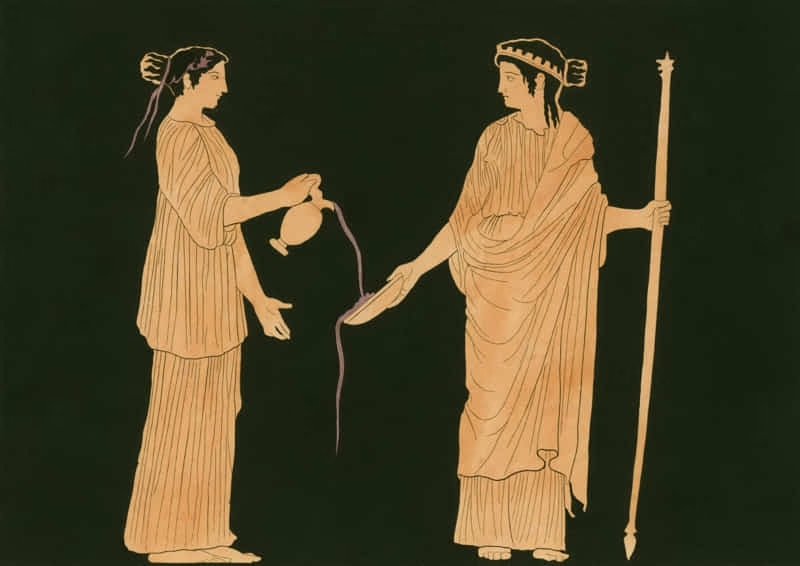
In Africa, West African textile traditions, including stripweaving and indigo dyeing, date back centuries, with Kente cloth emerging in the 18th century among the Asante. Central Africa’s Kuba people wove raffia textiles, while Southern Africa’s Madagascan silk weaving began in the 1st millennium. In Asia, Southeast Asian ikats and South Asian handloom weaving have ancient roots, with East Asian techniques like Japanese kimono dyeing showcasing subtle elegance. Central Asian nomadic communities crafted durable wool and felt textiles, suited to their harsh environments. These historical practices highlight the diversity and resilience of indigenous textile traditions, shaped by local resources and cultural values.
Technological Adaptations
Indigenous textile techniques have adapted to modern contexts while preserving their core methods. Historically reliant on natural dyes like indigo, morinda, and camwood, many artisans now incorporate synthetic dyes for broader color palettes and ease of use. However, a resurgence in sustainable practices has prompted a return to natural dyes, aligning with global environmental concerns. Traditional tools, such as backstrap looms and hand-spinning wheels, remain central, but some communities have adopted foot-treadle looms or electric spinning wheels to enhance efficiency without compromising craftsmanship.
Digital technology has significantly impacted these traditions, enabling artisans to market their products globally through e-commerce platforms. For instance, Etsy features indigenous textiles from regions like Peru and Nigeria, connecting artisans with international buyers (Indigenous Textile). Museums and cultural institutions, such as the African Heritage House, have digitized collections, making textiles accessible for education and preservation (The Fabric of Africa). These adaptations ensure that indigenous textile techniques remain relevant in a rapidly changing world.
Production Processes
The production of indigenous textiles involves intricate processes that vary by region and culture, each imbued with cultural significance. In Mesoamerica, backstrap loom weaving is prevalent for creating huipils. The loom, consisting of two sticks and a belt tied around the weaver’s waist, allows precise control over warp threads, with the weft passed through to form patterns. This method, used by Mayan women, integrates motifs representing animals, plants, and oral histories. In West Africa, stripweaving produces Kente cloth, where narrow strips are woven on a double-heddle loom and sewn together to form larger textiles. Each strip’s pattern, often named after proverbs or historical events, contributes to the cloth’s narrative.
Central Africa’s Kuba raffia cloth begins with harvesting raffia palm leaves, which are stripped into fibers and woven into a base fabric. Artisans then embellish the cloth with embroidery, applique, and cut-pile techniques, creating a velvet-like texture. Dyeing processes, such as indigo resist dyeing in West Africa, involve tying, stitching, or applying wax to fabric to create patterns before immersion in dye vats. These labor-intensive processes, often taking weeks, reflect the skill and dedication of artisans, resulting in textiles that are both functional and artistic.
Innovations in Design
Innovations in indigenous textile techniques blend tradition with contemporary design, ensuring their relevance in modern markets. In the Philippines, designers like RJ Santos of Randolf Clothing upcycle second-hand garments using traditional weaving and dyeing methods, creating sustainable fashion that appeals to eco-conscious consumers (Adoptions of The Aesthetic). In Vietnam, eco-fashion initiatives emphasize indigenous textiles, using natural materials and handcrafting to produce garments that reflect cultural heritage (Weaving Nation). South Asian artisans, such as those at Somaiya Kala Vidya in India, reinterpret centuries-old patterns for modern saris and scarves, blending traditional techniques with contemporary aesthetics (Handmade Textiles).
Collaborations between indigenous artisans and global designers have also driven innovation. High-end fashion brands incorporate Kente or ikat patterns into runway collections, showcasing their versatility. These partnerships, when conducted ethically, provide economic benefits and raise awareness of indigenous craftsmanship. However, they require careful navigation to avoid exploitation and ensure fair compensation for artisans.
Challenges Facing Preservation
Preserving indigenous textile techniques faces significant challenges, primarily from globalization and cultural appropriation. Mass-produced textiles, often cheaper and more accessible, compete with handmade products, reducing demand for indigenous crafts. Cultural appropriation, where designs are replicated without permission or context, undermines the cultural and economic value of these textiles. For example, unauthorized use of Navajo patterns by corporations has sparked debates about intellectual property rights. Economic sustainability is another hurdle, as the time-intensive nature of these crafts often results in low wages for artisans, discouraging younger generations from continuing the tradition.
Additional challenges include the loss of traditional knowledge due to urbanization and migration, as well as limited access to markets and fair prices. Preservation efforts, such as artisan cooperatives and fair trade initiatives, are critical to addressing these issues. Organizations like Sabah Pakistan provide training and retail spaces for women embroiderers, ensuring economic empowerment (Handmade Textiles). Digital archiving and educational programs also play a vital role in documenting and sharing these techniques, safeguarding them for future generations.
Contemporary Applications
Indigenous textiles have found diverse applications in contemporary society, bridging tradition and modernity. In fashion, designers collaborate with artisans to create collections that highlight traditional techniques. For instance, Vietnamese designers integrate ethnic minority textiles into national dress, promoting cultural unity and tourism (Weaving Nation). In home decor, textiles like Navajo rugs and Kuba cloth are used as wall hangings, upholstery, and rugs, adding cultural depth to interiors. Museums, such as The George Washington University Museum, exhibit these textiles, educating the public about their historical and artistic value (Handmade Textiles).
Within indigenous communities, textiles retain their ceremonial and social significance. Kente cloth, for example, is worn during important events in Ghana, symbolizing status and heritage. Similarly, Chilkat blankets are used in Northwest Coast ceremonies, reflecting cultural continuity. These applications underscore the enduring relevance of indigenous textiles in both global and local contexts, fostering appreciation and respect for cultural heritage.
Types and Varieties
Indigenous textile techniques encompass a wide array of methods, each with unique characteristics and cultural significance. The following table highlights key techniques from different regions:
| Technique | Region | Description | Materials |
|---|---|---|---|
| Ikat | Southeast Asia, India | Yarns are tied and dyed before weaving, creating blurred patterns. | Cotton, silk, natural dyes |
| Kente | West Africa (Ghana) | Strip-woven cloth with vibrant geometric patterns, often named after proverbs. | Cotton, silk |
| Batik | Indonesia, Malaysia | Wax-resist dyeing, where wax is applied to create designs before dyeing. | Cotton, natural dyes |
| Chilkat Weaving | Northwest Coast | Ceremonial blankets woven with mountain goat wool and cedar bark, featuring formline designs. | Wool, cedar bark |
| Kuba Cloth | Central Africa | Raffia textiles decorated with embroidery, applique, and cut-pile. | Raffia |
| Indigo Dyeing | West Africa, Asia | Deep blue dyeing using natural indigo, often with resist techniques. | Cotton, indigo |
| Bark Cloth | Central Africa, Oceania | Made from tree bark, beaten to create flexible fabric for clothing and ceremonies. | Tree bark |
These techniques reflect the diversity and ingenuity of indigenous craftsmanship, each tailored to local resources and cultural practices.
Market Dynamics and End-Users
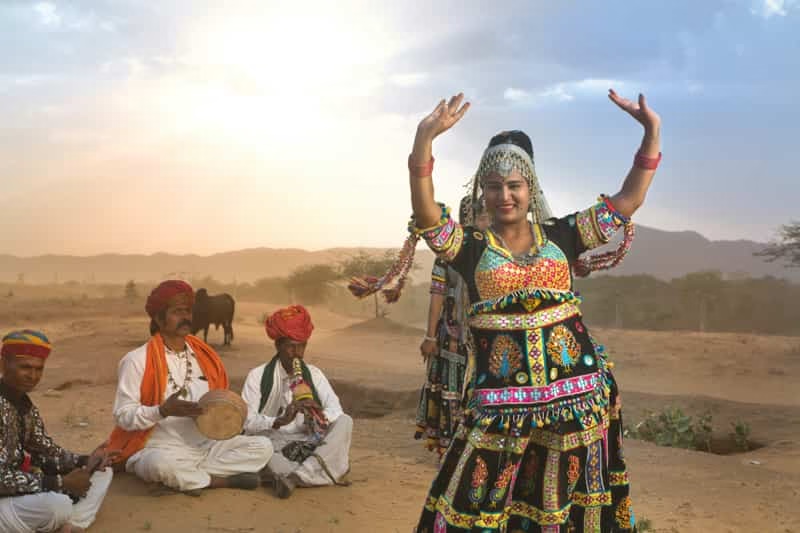
The market for indigenous textiles is expanding, driven by growing consumer interest in ethical and sustainable products. End-users include local communities who use these textiles for traditional purposes, such as ceremonies and daily wear, and global consumers who value their cultural and aesthetic appeal. Fashion brands, interior designers, and collectors are key buyers, seeking authentic, handcrafted textiles. Fair trade organizations and artisan cooperatives, such as those in Peru and Pakistan, ensure artisans receive fair compensation and maintain control over their cultural heritage (Handmade Textiles).
Online platforms like Etsy have democratized access to indigenous textiles, allowing artisans to sell directly to consumers (Indigenous Textile). This direct-to-consumer model supports economic sustainability and reduces reliance on intermediaries. However, ethical sourcing and transparency are critical to prevent exploitation and ensure that the cultural significance of these textiles is respected.
Future Prospects
Looking toward 2025 and beyond, several trends are likely to shape the future of indigenous textile techniques. The integration of digital technology, such as e-commerce and virtual exhibitions, will expand market access and raise awareness of these traditions. For example, platforms like Google Arts & Culture provide virtual access to textile collections, fostering global appreciation (The Fabric of Africa). Sustainability will remain a priority, with artisans increasingly using natural dyes and eco-friendly materials to align with global environmental goals.
Collaborations between indigenous artisans and designers are expected to grow, creating innovative products that blend tradition with contemporary style. Educational initiatives, such as workshops and digital archives, will play a crucial role in passing these techniques to future generations. Additionally, policies protecting indigenous intellectual property and promoting fair trade will be essential to ensure the long-term viability of these crafts. By balancing tradition with innovation, indigenous textile techniques can continue to thrive as vital expressions of cultural heritage.
Conclusion
Indigenous textile techniques are a testament to the creativity, resilience, and cultural richness of communities worldwide. From the ancient weaves of the Andes to the vibrant dyes of West Africa and the intricate patterns of Southeast Asia, these crafts embody centuries of knowledge and tradition. Despite challenges like cultural appropriation and globalization, innovations and preservation efforts are ensuring their survival. By supporting fair trade, ethical collaborations, and educational initiatives, we can help preserve these techniques for future generations, fostering a deeper appreciation for global cultural heritage.
Key Citations
- Textile arts of the Indigenous peoples of the Americas
- African textiles
- Tribal Textile Art: Ancient Weaving Traditions of Asian Indigenous Groups
- Indigo in Africa: An Indigenous Craft
- Handmade: Creating Textiles in South Asia
- The Fabric of Africa
- Adoptions of The Aesthetic of Use in Southeast Asia
- Weaving Nation and Nature: Indigenous Textiles in Vietnam’s Eco-fashion
- Indigenous Textile Market on Etsy