Introduction
Trousers have evolved significantly. They transitioned from practical workwear to essential fashion pieces. Today, trousers come in countless styles, each designed for different purposes and aesthetics. Understanding the nuances of these styles is crucial for anyone involved in the textile industry or fashion. This guide provides an in-depth look at the diverse types of trousers, their history, and their modern applications.

History of Trousers
The history of trousers dates back centuries. Initially, trousers were worn by nomadic peoples. These early trousers were functional garments, designed for riding and physical labor. Over time, trousers made their way into various cultures, each adapting the design to suit their needs.
In Western fashion, trousers were initially considered unconventional. They were often associated with lower classes and manual labor. However, during the Renaissance, trousers began to gain acceptance among men. By the 19th century, trousers had become a standard part of men’s attire. The 20th century marked a turning point. Women began to adopt trousers, challenging traditional gender norms. This shift paved the way for the diverse range of trouser styles we see today.
Technological Evolution in Trouser Manufacturing
The manufacturing of trousers has seen significant technological advancements. Early trousers were handmade, a labor-intensive process that limited production. The invention of the sewing machine revolutionized the industry. Mass production became possible, making trousers more accessible.
Modern textile technology has further transformed trouser manufacturing. Computer-aided design (CAD) and computer-aided manufacturing (CAM) systems allow for precise and efficient production. These technologies enable designers to create complex patterns and reduce material waste. Additionally, advancements in fabric technology have led to the development of high-performance materials. These materials offer enhanced durability, comfort, and functionality.
Source and Availability of Trouser Materials
The materials used in trousers vary widely. Cotton, wool, linen, and synthetic fabrics are among the most common. Cotton is prized for its comfort and breathability. Wool offers warmth and durability, making it ideal for colder climates. Linen is lightweight and breathable, perfect for summer wear. Synthetic fabrics like polyester and nylon provide durability and water resistance.
The availability of these materials depends on global supply chains. Cotton is grown in many countries, including India, China, and the United States. Wool is primarily sourced from Australia, New Zealand, and South Africa. Linen is produced in Europe and Asia. Synthetic fabrics are manufactured worldwide, with China being a major producer.
Innovations in Trouser Design
Innovations in trouser design continue to push the boundaries of fashion. One notable innovation is the development of stretch fabrics. These fabrics, often made with spandex or elastane, offer enhanced comfort and flexibility. Another innovation is the use of sustainable materials. Organic cotton, recycled polyester, and innovative plant-based fabrics are gaining popularity.

Production Process of Trousers
The production of trousers involves several key steps. First, the fabric is selected and cut according to a specific pattern. Cutting can be done manually or using automated cutting machines. Next, the various pieces are sewn together. This includes assembling the main body of the trousers, attaching pockets, and adding closures like zippers or buttons.
After sewing, the trousers undergo finishing processes. These may include pressing, washing, and dyeing. Quality control is a crucial step. Each pair of trousers is inspected for defects before being packaged and shipped.
Challenges in Trouser Manufacturing
The trouser manufacturing industry faces several challenges. One major challenge is the need for sustainable practices. Traditional textile production can be environmentally damaging. Water pollution, chemical use, and waste generation are significant concerns.
Another challenge is the demand for fast fashion. The pressure to produce new styles quickly can lead to unethical labor practices. Ensuring fair wages and safe working conditions is essential. Additionally, the industry must adapt to changing consumer preferences. Customization and personalization are becoming increasingly important.
Real-World Applications of Different Trouser Types
Trousers serve a multitude of purposes in various settings. In professional environments, tailored trousers and dress pants are standard attire. For casual wear, jeans, chinos, and cargo pants are popular choices. Athletic trousers, such as leggings and sweatpants, are designed for sports and exercise.
Types of Trousers

The world of trousers is incredibly diverse. Each type has unique characteristics and serves different purposes. Here’s an extensive list of trouser types:
1. Dress Pants
Dress pants are formal trousers. They are typically made from wool, linen, or high-quality synthetic blends. Dress pants are often worn in professional settings or for formal occasions. They usually feature a tailored fit and may have pleats or a flat front.
2. Suit Trousers
Suit trousers are designed to be worn as part of a suit. They match the fabric and color of the suit jacket. Suit trousers often have a sharp crease and a tailored fit. They are a staple in business attire.
3. Chinos
Chinos are casual trousers made from cotton twill fabric. They are versatile and can be dressed up or down. Chinos come in various colors, making them a popular choice for everyday wear.
4. Jeans
Jeans are perhaps the most iconic type of trousers. Made from denim, they are known for their durability and casual style. Jeans come in various washes, fits, and styles, from skinny to bootcut.
5. Corduroy Pants
Corduroy pants are made from corduroy fabric. This fabric has a distinctive ribbed texture. Corduroy pants are warm and durable, making them suitable for cooler weather.
6. Cargo Pants
Cargo pants are characterized by their multiple pockets. These pockets are typically located on the thighs. Cargo pants are functional and casual, often worn for outdoor activities.
7. Sweatpants
Sweatpants are comfortable, casual trousers. They are typically made from soft, absorbent materials like cotton or fleece. Sweatpants are often worn for lounging or exercising.
8. Leggings
Leggings are tight-fitting, stretchy trousers. They are often made from a blend of spandex and other materials. Leggings are popular for exercise, yoga, and casual wear.
9. Joggers
Joggers are similar to sweatpants but have a more tailored fit. They often feature an elastic waistband and cuffs. Joggers are a stylish and comfortable option for casual wear.
10. Wide-Leg Trousers
Wide-leg trousers have a loose, flowing fit from the hip down. They are a fashionable choice that offers comfort and style. Wide-leg trousers can be dressed up or down.
11. Cropped Trousers
Cropped trousers are shorter than regular trousers. They typically end above the ankle. Cropped trousers are a popular choice for warmer weather.
12. High-Waisted Trousers
High-waisted trousers sit at or above the natural waistline. They can elongate the legs and create a flattering silhouette. High-waisted trousers are a stylish and versatile option.
13. Low-Rise Trousers
Low-rise trousers sit below the natural waistline. They were popular in the early 2000s and have made a comeback in recent years. Low-rise trousers offer a more casual and edgy look.
14. Pleated Trousers
Pleated trousers feature folds of fabric at the waistband. These pleats add volume and comfort. Pleated trousers can be a stylish alternative to flat-front trousers.
15. Flat-Front Trousers
Flat-front trousers have a smooth, streamlined appearance. They do not have pleats at the waistband. Flat-front trousers are a modern and versatile choice.
16. Palazzo Pants
Palazzo pants are wide-legged trousers that flare out from the waist. They are often made from lightweight, flowing fabrics. Palazzo pants are a comfortable and stylish option for warm weather.
17. Gaucho Pants
Gaucho pants are wide-legged trousers that end below the knee. They are similar to culottes. Gaucho pants offer a unique and fashionable look.
18. Culottes
Culottes are knee-length trousers that resemble a skirt. They offer the comfort of trousers with the appearance of a skirt. Culottes are a versatile and stylish choice.
19. Jodhpurs
Jodhpurs are riding trousers that are fitted from the knee to the ankle. They are traditionally worn for horseback riding. Jodhpurs offer comfort and flexibility in the saddle.
20. Harem Pants
Harem pants are loose-fitting trousers that gather at the ankles. They are inspired by traditional Middle Eastern clothing. Harem pants are comfortable and stylish, often made from lightweight fabrics.
21. Capri Pants
Capri pants are three-quarter length trousers. They typically end mid-calf. Capri pants are a popular choice for warm weather.
22. Bootcut Trousers
Bootcut trousers are fitted through the thigh and flare out from the knee. They are designed to be worn over boots. Bootcut trousers are a classic and flattering style.
23. Skinny Trousers
Skinny trousers are fitted throughout the leg. They are often made from stretch fabrics. Skinny trousers offer a sleek and modern look.
24. Paperbag Waist Trousers
Paperbag waist trousers feature a gathered waist that is cinched with a belt. The excess fabric above the belt creates a “paperbag” effect. These trousers are stylish and comfortable.
25. Sailor Pants
Sailor pants are high-waisted trousers with a wide leg and button detailing. They are inspired by traditional naval uniforms. Sailor pants offer a nautical and fashionable look.
26. Track Pants
Track pants are athletic trousers designed for sports and exercise. They are typically made from lightweight, breathable materials. Track pants often feature stripes or other athletic detailing.
27. Yoga Pants
Yoga pants are similar to leggings but are designed specifically for yoga and exercise. They are typically made from stretchy, moisture-wicking fabrics. Yoga pants offer comfort and flexibility.
28. Dress Slacks
Dress slacks are similar to dress pants but are often made from more casual fabrics. They are a versatile option for business casual attire. Dress slacks can be worn with a variety of tops and shoes.
29. Utility Pants
Utility pants are similar to cargo pants but often have a more streamlined design. They feature multiple pockets and are made from durable fabrics. Utility pants are functional and stylish.
30. Painter Pants
Painter pants are durable trousers often made from canvas or denim. They feature multiple pockets and loops for holding tools. Painter pants are a practical choice for workwear.
31. Bell-Bottoms
Bell-bottoms are trousers that are fitted through the thigh and flare dramatically from the knee. They were popular in the 1960s and 1970s. Bell-bottoms offer a retro and fashionable look.
32. Stirrup Pants
Stirrup pants feature straps that fit under the feet. These straps keep the pants in place. Stirrup pants were popular in the 1980s and have made a comeback in recent years.
33. Cigarette Pants
Cigarette pants are slim-fitting trousers with a straight leg. They are typically ankle-length. Cigarette pants offer a sleek and sophisticated look.
34. Peg-Leg Trousers
Peg-leg trousers are wide at the hips and narrow at the ankles. They create a distinctive silhouette. Peg-leg trousers are a vintage-inspired style.
35. Knickerbockers
Knickerbockers are loose-fitting trousers that are gathered at the knee. They were popular in the early 20th century. Knickerbockers are often worn for sports like golf and cycling.
36. Plus Fours
Plus fours are a variation of knickerbockers. They extend four inches below the knee. Plus fours are traditionally worn for hunting and golf.
37. Breeches
Breeches are trousers that end at or below the knee. They are often worn for horseback riding. Breeches are fitted through the seat and thighs.
38. Dhoti Pants
Dhoti pants are inspired by traditional Indian clothing. They feature draped fabric that is gathered at the waist and ankles. Dhoti pants are comfortable and stylish.
39. Hacking Jackets
Hacking jackets are designed for horseback riding. They are typically made from durable fabrics like tweed. Hacking jackets often feature a tailored fit and a single-breasted closure.
40. Lounge Pants
Lounge pants are comfortable, casual trousers designed for relaxing at home. They are typically made from soft, lightweight fabrics. Lounge pants offer comfort and style.
End-Users of Different Trouser Types
The end-users of trousers are incredibly diverse. Professionals wear dress pants and suit trousers. Students and casual wearers opt for jeans, chinos, and joggers. Athletes and fitness enthusiasts choose leggings, sweatpants, and yoga pants. Outdoor enthusiasts prefer cargo pants and utility pants. The fashion-conscious embrace wide-leg trousers, palazzo pants, and other trendy styles.
Market for Trousers
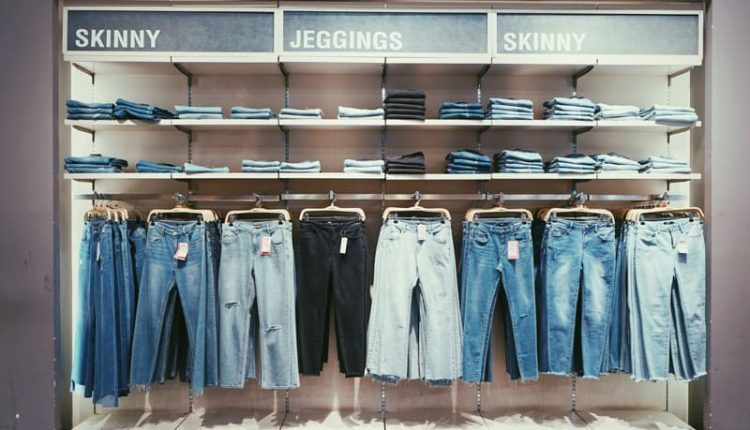
The global market for trousers is substantial. It includes a wide range of brands, from high-end designers to mass-market retailers. The market is driven by fashion trends, consumer demand, and economic factors. The rise of e-commerce has made trousers more accessible to consumers worldwide.
Future Trends in Trousers
The future of trousers is likely to be shaped by several key trends. Sustainability will continue to be a major focus. Consumers are increasingly demanding eco-friendly materials and ethical production practices. Customization and personalization will also gain importance. Technology will play a role in creating trousers that are more comfortable, functional, and stylish.
Summary
Trousers have come a long way. They evolved from practical garments to essential fashion items. Today, the variety of trouser types is vast, each designed for specific purposes and aesthetics. Understanding the history, manufacturing, and trends in trousers is crucial for anyone involved in the textile industry. As technology advances and consumer preferences evolve, the world of trousers will continue to innovate and inspire.