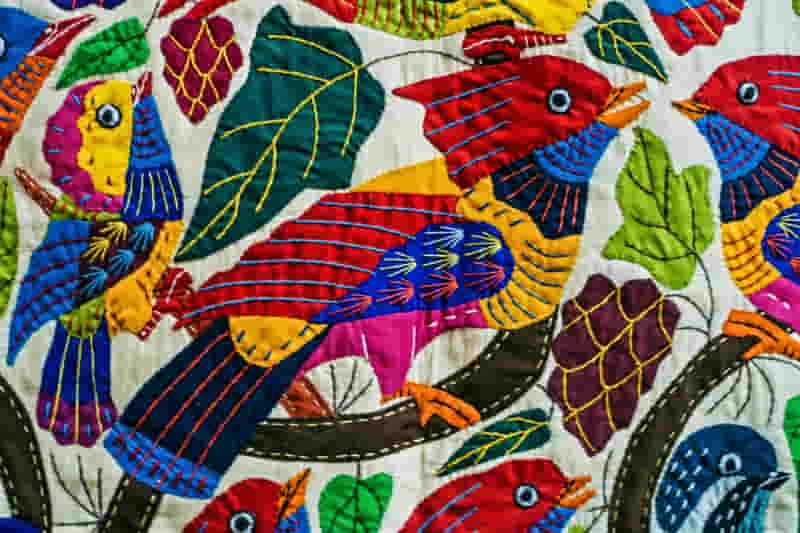
Discover the timeless elegance of brocade fabric for upholstery. This comprehensive guide explores the rich history, design applications, care requirements, and practical considerations for incorporating this luxurious woven fabric into your interior design projects. From traditional silk brocades to modern synthetic blends, learn how to select, use, and maintain brocade upholstery for stunning formal interiors.
Introduction
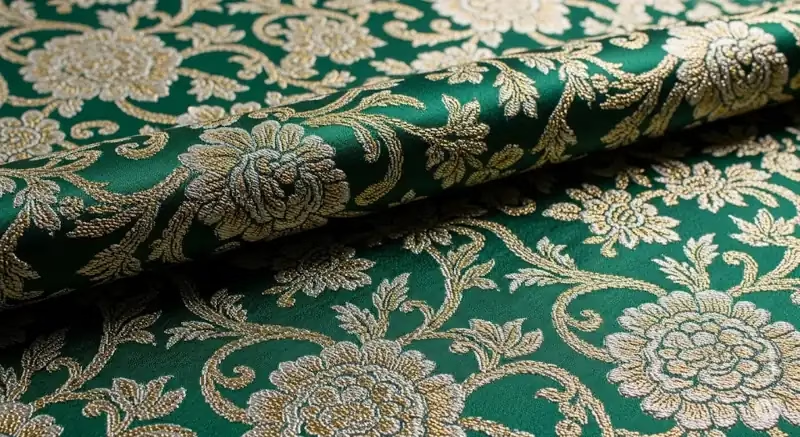
Brocade is a richly decorative woven fabric known for its intricate, raised patterns—often floral or geometric—crafted directly into the textile during the weaving process. Traditionally made from silk and metallic threads, modern brocade also incorporates cotton, rayon, and polyester blends, offering both elegance and durability. For upholstery, brocade adds a regal touch to furniture such as sofas, armchairs, and cushions, combining visual opulence with structural integrity. Its heavyweight nature and tightly woven construction make it ideal for formal interiors, while its lustrous surface and embossed motifs elevate the aesthetic of any space.
Historical Origins and Craftsmanship
Brocade has its roots in ancient civilizations, with the earliest examples dating back to China’s Han Dynasty and Byzantine Empire. The name derives from the Italian “broccato,” meaning “embossed cloth.” Traditional brocade weaving requires exceptional skill, as artisans create raised patterns by incorporating supplementary weft threads—often gold or silver—into the base fabric during the weaving process. This technique, known as discontinuous supplementary weft, produces the characteristic three-dimensional texture that distinguishes brocade from printed or embroidered fabrics.
Fabric Composition and Modern Variations
Traditional Materials
- Silk: Provides natural luster and drape, creating the most luxurious appearance
- Metallic threads: Gold, silver, or copper threads add shimmer and richness
- Cotton: Offers durability and easier maintenance while maintaining decorative appeal
Contemporary Blends
Modern manufacturers have expanded brocade’s accessibility through innovative fiber combinations:
- Silk-cotton blends: Balance luxury with practicality
- Rayon brocades: Mimic silk’s appearance at a lower cost
- Polyester blends: Enhance durability and stain resistance
- Jacquard variations: Machine-woven alternatives that replicate brocade’s raised patterns
Design Characteristics
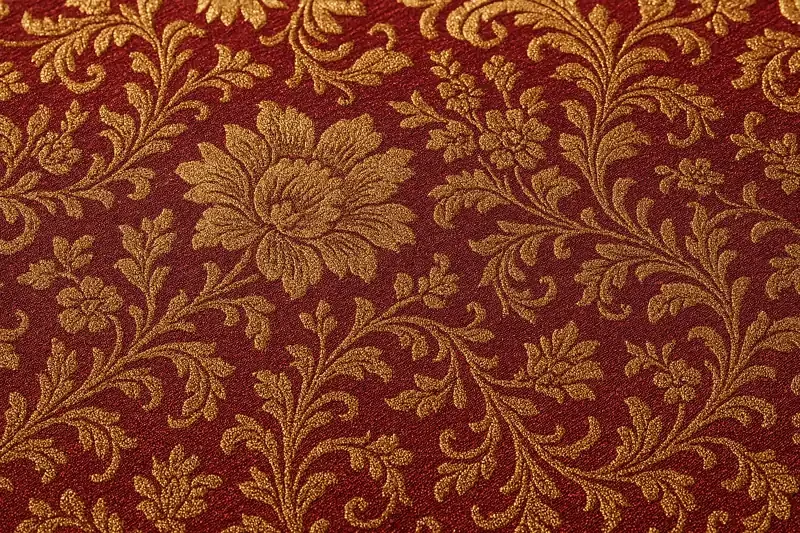
Brocade’s distinctive features make it instantly recognizable and highly sought after for upholstery applications. The raised patterns create a tactile surface that invites touch while providing visual depth. Common motifs include elaborate florals, paisley designs, geometric patterns, and classical medallions. The interplay between matte and lustrous threads creates subtle color variations that shift with lighting conditions, giving brocade its dynamic appearance.
The fabric’s substantial weight typically ranges from 12 to 20 ounces per square yard, providing excellent body and shape retention for upholstered furniture. This heft, combined with tight weave construction, ensures that brocade maintains its appearance over time without sagging or losing definition.
Upholstery Applications
Formal Living Spaces
Brocade excels in creating sophisticated atmospheres in formal living rooms, dining rooms, and libraries. Its rich appearance complements traditional and transitional design styles, particularly when paired with dark woods, brass accents, and other luxurious materials.
Furniture Applications
- Sofas and settees: Statement pieces that anchor a room’s design
- Armchairs: Accent seating that adds elegance without overwhelming
- Ottoman and bench tops: Decorative surfaces that can handle moderate use
- Dining chairs: Formal seating that elevates meal experiences
- Headboards: Bedroom focal points that add luxury to sleeping spaces
Decorative Elements
Beyond primary upholstery, brocade works beautifully for throw pillows, valances, and small accent pieces that introduce pattern and texture without committing to large-scale application.
Color Palette and Pattern Selection
Brocade’s color range spans from rich jewel tones like emerald, sapphire, and ruby to more subdued palette of golds, creams, and muted burgundies. The interplay of different colored threads within a single fabric creates depth and complexity that solid fabrics cannot achieve.
When selecting patterns, consider the scale of both the furniture piece and the room. Large-scale patterns work best on substantial furniture in spacious rooms, while smaller motifs suit more intimate spaces or accent pieces. The contrast between background and raised pattern threads affects the overall visual impact—high contrast creates drama, while tonal variations offer subtle sophistication.
Care and Maintenance
Brocade upholstery requires thoughtful care to preserve its beauty and extend its lifespan. The raised threads that create brocade’s distinctive appearance are more vulnerable to snagging and wear than flat fabrics.
Professional Cleaning
Due to its complex construction and often delicate fibers, brocade upholstery is best maintained through professional dry cleaning. Home cleaning attempts can damage metallic threads, cause colors to bleed, or flatten raised patterns.
Daily Care
- Vacuum regularly: Use upholstery attachments with gentle suction to remove dust and debris
- Rotate cushions: Distribute wear evenly across surfaces
- Avoid direct sunlight: Prolonged UV exposure can fade colors and weaken fibers
- Address spills immediately: Blot—don’t rub—liquid spills to prevent staining
Protection Strategies
Consider applying fabric protection treatments specifically designed for decorative upholstery. These products can help repel stains and moisture without affecting the fabric’s appearance or texture.
Durability and Placement Considerations
While brocade’s beauty is undeniable, its durability varies significantly based on fiber content and construction quality. Silk brocades are more delicate and suited to low-traffic applications, while cotton and synthetic blends can withstand moderate daily use.
Ideal Placement
- Low-traffic areas: Formal living rooms, guest bedrooms, dining rooms
- Accent applications: Throw pillows, decorative chairs, ottoman tops
- Protected locations: Away from direct sunlight, pet access, and heavy daily use
Traffic Considerations
For high-use furniture, consider brocade as accent trim or pillows rather than primary upholstery. Alternatively, choose cotton or synthetic blend brocades that offer greater durability while maintaining the fabric’s characteristic appearance.
Design Integration Tips
Successfully incorporating brocade into interior design requires balancing its ornate nature with other design elements. The fabric’s inherent richness can easily overwhelm a space if not carefully considered.
Complementary Materials
Brocade pairs beautifully with smooth leather, velvet, and solid fabrics that provide visual rest. Natural materials like wood and stone ground brocade’s ornate patterns, while metals in similar tones to the fabric’s threads create cohesive schemes.
Color Coordination
Use brocade’s various thread colors as a starting point for room color schemes. Pull accent colors from the fabric’s pattern to use in artwork, accessories, or secondary fabrics throughout the space.
Pattern Mixing
When combining brocade with other patterns, vary the scale and style. Pair large-scale brocade florals with smaller geometric prints or subtle stripes to create visual interest without competition.
Cost Considerations and Value
Brocade upholstery represents a significant investment, with costs varying widely based on fiber content, pattern complexity, and manufacturing origin. Handwoven silk brocades command premium prices, while machine-made cotton or synthetic versions offer the look at more accessible price points.
Consider brocade’s longevity when evaluating cost. High-quality brocade upholstery can last decades with proper care, making it a worthwhile investment for formal spaces. For budget-conscious projects, use brocade strategically as accent pieces rather than primary upholstery.
Conclusion
Brocade fabric brings unparalleled elegance and sophistication to upholstery applications. Its rich history, intricate craftsmanship, and distinctive appearance make it a timeless choice for formal interiors. While requiring careful placement and maintenance, brocade’s ability to transform ordinary furniture into extraordinary statement pieces justifies its continued popularity among designers and homeowners seeking to create truly memorable spaces.
Success with brocade upholstery lies in understanding its characteristics, choosing appropriate applications, and providing proper care. When used thoughtfully, brocade elevates any interior from simply furnished to genuinely luxurious, creating spaces that reflect both historical craftsmanship traditions and contemporary design sensibilities.
FAQ – Brocade Fabric for Upholstery
Professional dry cleaning is recommended for brocade upholstery to preserve the raised patterns and prevent damage to delicate fibers or metallic threads. For daily maintenance, use gentle vacuuming with upholstery attachments and address spills immediately by blotting rather than rubbing.
Brocade complements traditional, transitional, and formal design styles particularly well. It pairs beautifully with dark woods, brass accents, and other luxurious materials. In contemporary settings, brocade can serve as a sophisticated contrast to minimalist elements.
Costs vary significantly based on fiber content and construction. Handwoven silk brocades are premium-priced, while machine-made cotton or synthetic versions offer the aesthetic at more accessible price points. Consider it a long-term investment, as quality brocade can last decades with proper care.
Pure silk brocades should be avoided in high-traffic areas. Instead, consider cotton or synthetic blend brocades for moderate-use furniture, or use brocade strategically as accent pieces like throw pillows or decorative chair seats in high-traffic spaces.
Brocade offers a wide range from rich jewel tones (emerald, sapphire, ruby) to subdued palettes of golds, creams, and muted burgundies. Patterns include florals, paisleys, geometric designs, and classical medallions. The interplay of different colored threads creates complex color variations within a single fabric.
Use brocade as accent pieces in contemporary spaces—statement chairs, ottoman tops, or framed textile art. The contrast between traditional craftsmanship and modern silhouettes creates striking results. Pair with simpler surrounding elements to let the brocade serve as a focal point.