

Introduction
Shirts are fundamental garments in nearly every culture. They serve both practical and aesthetic purposes. From protecting us from the elements to expressing our personal style, shirts have evolved significantly over time. This article explores the diverse world of shirts, covering everything from classic styles to modern trends. Understanding the nuances of different shirt types allows you to make informed choices. You can select shirts that not only look good but also suit the occasion and your individual preferences.

History of Shirts
The history of shirts dates back millennia. Early shirts were simple, functional garments. They were primarily worn as undergarments to protect outer clothing from body oils and sweat.
- Ancient Times: The earliest known shirts were made of linen. They were worn by both men and women in ancient civilizations like Egypt and Mesopotamia. These shirts were basic tunics, often sleeveless or with short sleeves.
- Middle Ages: During the Middle Ages, shirts remained undergarments. They were typically made of linen or cotton. The wealthy might have shirts adorned with simple embroidery.
- Renaissance: The Renaissance saw shirts evolve into more decorative items. Ruffles and embellishments became popular, especially among the nobility. Shirts began to peek out from under outer garments, signaling status and wealth.
- 19th Century: The 19th century brought significant changes. The Industrial Revolution led to mass production of shirts. Detachable collars and cuffs became fashionable, allowing for easier cleaning and replacement.
- 20th Century: The 20th century witnessed the rise of the modern shirt. Button-down shirts became popular for both casual and formal wear. T-shirts emerged as essential casual wear, particularly after World War II.
- 21st Century: Today, shirts come in a vast array of styles, fabrics, and designs. From sustainable materials to high-tech performance fabrics, the options are endless. Shirts continue to evolve, reflecting changing fashion trends and technological advancements.
Technological Evolution in Shirt Manufacturing
The evolution of shirt manufacturing is closely tied to technological advancements in the textile industry. These innovations have transformed how shirts are designed, produced, and distributed.
- Early Innovations: The invention of the cotton gin in the late 18th century significantly increased cotton production. This made cotton more accessible and affordable for shirt manufacturing. The development of weaving machines further accelerated the production process.
- Industrial Revolution: The Industrial Revolution brought about the widespread use of power looms and sewing machines. These machines automated many aspects of shirt production. This led to increased efficiency and lower costs.
- Synthetic Fabrics: The introduction of synthetic fabrics like polyester and nylon in the 20th century revolutionized shirt manufacturing. These fabrics offered enhanced durability, wrinkle resistance, and moisture-wicking properties. Blends of natural and synthetic fibers became common, combining the benefits of both.
- Computer-Aided Design (CAD): CAD software has transformed shirt design. Designers can now create intricate patterns and experiment with different styles digitally. This technology streamlines the design process and reduces material waste.
- Automation and Robotics: Modern shirt factories utilize automation and robotics to further enhance efficiency. Automated cutting machines, sewing robots, and quality control systems have become increasingly common. These technologies reduce labor costs and improve the consistency of shirt production.
- 3D Printing: 3D printing technology is emerging as a potential game-changer in shirt manufacturing. While still in its early stages, 3D printing allows for the creation of custom-fit shirts with complex designs. This technology could revolutionize the way shirts are designed and produced in the future.
- Sustainable Technologies: With growing concerns about environmental sustainability, there is increasing focus on developing eco-friendly shirt manufacturing technologies. These include the use of organic and recycled materials, waterless dyeing techniques, and energy-efficient production processes.
Types of Shirts
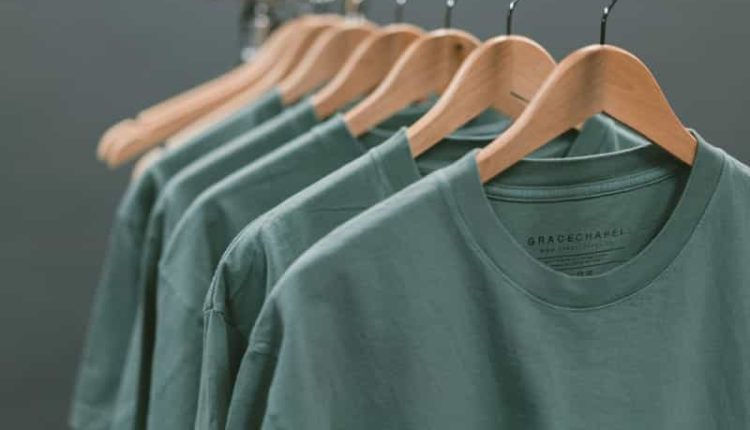
The world of shirts is incredibly diverse. Each type has unique characteristics and serves different purposes. Here’s an in-depth look at some of the most popular shirt styles:
1. T-Shirts
T-shirts are perhaps the most ubiquitous type of shirt. They are characterized by their simple design, short sleeves, and round neckline (crew neck).
- Crew Neck T-Shirts: These are the most common type of T-shirt. They feature a round neckline that sits close to the neck. Crew neck T-shirts are versatile and can be worn on their own or layered under other garments.
- V-Neck T-Shirts: V-neck T-shirts have a V-shaped neckline. This style can be more flattering for some body types. It can also be a good option for those who find crew neck T-shirts too restrictive.
- Pocket T-Shirts: Pocket T-shirts feature a small pocket on the chest. This adds a touch of functionality and style. The pocket can be used to hold small items or simply serve as a decorative element.
- Graphic T-Shirts: Graphic T-shirts feature designs, logos, or slogans. They are a popular way to express personal interests or make a statement. Graphic T-shirts come in a wide variety of styles, from vintage designs to modern artwork.
- Long Sleeve T-Shirts: Long sleeve T-shirts offer more coverage and warmth. They are ideal for cooler weather or for layering. Long sleeve T-shirts can be worn on their own or under jackets and sweaters.
2. Button-Down Shirts
Button-down shirts are a classic and versatile wardrobe staple. They feature a full-button front and a collar. They can be dressed up or down depending on the fabric, pattern, and fit.
- Oxford Shirts: Oxford shirts are made from Oxford cloth. This is a durable, slightly textured fabric. Oxford shirts are typically worn in casual or semi-formal settings. They are known for their comfort and versatility.
- Dress Shirts: Dress shirts are designed for formal occasions. They are typically made from smooth, high-quality fabrics like cotton or silk. Dress shirts often have a crisp, tailored look. They are usually worn with a suit and tie.
- Flannel Shirts: Flannel shirts are made from soft, brushed flannel fabric. They are warm and comfortable, making them ideal for casual wear. Flannel shirts often feature plaid patterns. They are a popular choice for outdoor activities.
- Chambray Shirts: Chambray shirts are made from chambray fabric. This is a lightweight, denim-like material. Chambray shirts are similar in appearance to denim shirts but are softer and more breathable. They are a great option for casual, everyday wear.
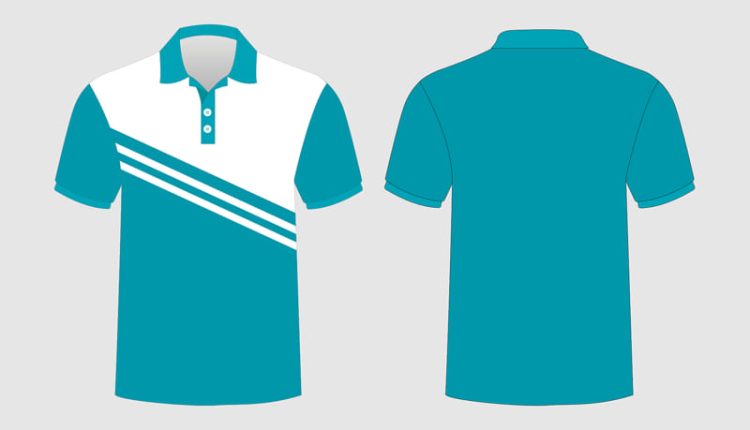
- Polo Shirts: Polo shirts, also known as golf shirts or tennis shirts, are a type of knit shirt with a collar, a placket neckline with typically two or three buttons, and an optional pocket. They are usually short-sleeved and made of pique cotton, but can also be made of cotton, silk, or synthetic fibers. Polo shirts are considered smart casual attire and are suitable for various activities, from sports to business casual settings.
3. Tank Tops
Tank tops are sleeveless shirts with wide shoulder straps. They are typically worn in warm weather or for athletic activities.
- A-Shirts: A-shirts, also known as wifebeaters or singlets, are a type of tank top with a close-fitting design. They are often worn as undershirts or for casual wear. A-shirts are typically made from cotton or a cotton blend.
- Muscle Tanks: Muscle tanks have a looser fit and wider armholes. They are popular among athletes and bodybuilders. Muscle tanks allow for a greater range of motion and provide ventilation.
- Racerback Tanks: Racerback tanks have straps that converge in the back, forming a Y shape. This design allows for greater freedom of movement. It also helps to keep the straps in place during physical activity. Racerback tanks are popular for workouts and sports.
- Spaghetti Strap Tanks: Spaghetti strap tanks have thin shoulder straps. They are often worn as layering pieces or for casual wear in warm weather. Spaghetti strap tanks can be made from a variety of fabrics, including cotton, silk, and synthetic materials.
4. Henley Shirts
Henley shirts are collarless shirts with a buttoned placket at the neckline. They are a versatile style that can be dressed up or down.
- Long Sleeve Henleys: Long sleeve henleys are ideal for cooler weather. They provide more coverage and warmth than short sleeve versions. Long sleeve henleys can be worn on their own or layered under jackets and sweaters.
- Short Sleeve Henleys: Short sleeve henleys are a great option for casual wear in warmer weather. They offer a more relaxed look than button-down shirts. They are more stylish than basic T-shirts.
- Thermal Henleys: Thermal henleys are made from thermal fabric. This provides extra warmth and insulation. Thermal henleys are a popular choice for outdoor activities in cold weather.
5. Dress Shirts
Dress shirts are designed for formal occasions. They are typically made from high-quality fabrics and have a crisp, tailored look.
- Classic Fit Dress Shirts: Classic fit dress shirts have a traditional, relaxed cut. They are comfortable and allow for a full range of motion. Classic fit shirts are a good choice for those who prefer a more generous fit.
- Slim Fit Dress Shirts: Slim fit dress shirts have a more tailored silhouette. They are designed to fit closer to the body. Slim fit shirts are a popular choice for those who want a modern, streamlined look.
- Fitted Dress Shirts: Fitted dress shirts are even more tailored than slim fit shirts. They are designed to hug the body closely. Fitted shirts are a good choice for those who want a very sleek, contemporary look.
- Tuxedo Shirts: Tuxedo shirts are specifically designed to be worn with a tuxedo. They typically have a pleated front and special button closures for studs and cufflinks. Tuxedo shirts are made from high-quality fabrics like cotton or silk.
6. Overshirts
Overshirts are versatile garments that can be worn as a shirt or a light jacket. They are typically made from durable fabrics like cotton, wool, or denim.
- Work Shirts: Work shirts are designed for manual labor and outdoor activities. They are typically made from durable, heavy-duty fabrics. Work shirts often have features like reinforced seams and multiple pockets.
- Military Shirts: Military shirts are inspired by military uniforms. They often feature details like epaulettes, patch pockets, and button-down flaps. Military shirts are a stylish and functional option for casual wear.
- Safari Shirts: Safari shirts are designed for warm-weather adventures. They are typically made from lightweight, breathable fabrics. Safari shirts often have features like multiple pockets and roll-up sleeves.
7. Guayabera Shirts
Guayabera shirts, also known as Mexican wedding shirts, are traditional men’s shirts characterized by their vertical rows of pleats and pockets. They are typically made from lightweight fabrics like cotton or linen. They are popular in warm climates.
- Traditional Guayaberas: Traditional guayaberas feature four pockets and intricate pleating. They are often worn for formal occasions in Latin American countries.
- Modern Guayaberas: Modern guayaberas offer a more streamlined design. They may have fewer pockets or simpler pleating. Modern guayaberas are a stylish option for casual or semi-formal wear.
Fabrics Used in Shirts
The choice of fabric greatly affects a shirt’s comfort, durability, and appearance. Here are some of the most common fabrics used in shirt manufacturing:
- Cotton: Cotton is a natural fiber that is soft, breathable, and absorbent. It is a popular choice for a wide variety of shirts, from T-shirts to dress shirts.
- Linen: Linen is a natural fiber that is lightweight, breathable, and absorbent. It is ideal for warm-weather shirts. Linen has a distinctive texture and a slightly rumpled appearance.
- Polyester: Polyester is a synthetic fiber that is durable, wrinkle-resistant, and quick-drying. It is often blended with other fibers like cotton to enhance their performance.
- Silk: Silk is a luxurious natural fiber that is soft, smooth, and lustrous. It is often used for dress shirts and other formal wear. Silk requires special care when washing and ironing.
- Rayon: Rayon is a semi-synthetic fiber that is soft, absorbent, and drapes well. It is often used as a substitute for silk or cotton. Rayon is prone to wrinkling and may require ironing.
- Blends: Many shirts are made from blends of different fibers. Common blends include cotton-polyester, cotton-linen, and cotton-rayon. Blends offer a combination of the properties of the different fibers.
Shirt Fit and Sizing
Choosing the right fit is essential for ensuring that a shirt looks and feels its best. Here are some tips for finding the perfect fit:
- Measure Yourself: Use a tape measure to determine your chest, waist, and sleeve measurements. Compare your measurements to the manufacturer’s sizing chart.
- Consider the Cut: Different shirt styles have different cuts. Classic fit shirts are more relaxed, while slim fit shirts are more tailored. Choose a cut that complements your body type and personal preferences.
- Check the Shoulder Seams: The shoulder seams should lie flat on your shoulders. They should not extend beyond the edge of your shoulders or be too tight.
- Assess the Chest and Waist: The shirt should fit comfortably across your chest and waist. It should not be too tight or too loose. You should be able to move freely without feeling restricted.
- Evaluate the Sleeve Length: The sleeves should end at your wrist bone. When your arms are at your sides, a small amount of your shirt cuff should be visible beyond your jacket sleeve.
- Try It On: Whenever possible, try on the shirt before you buy it. This will allow you to assess the fit and comfort. It also ensures that the style is flattering.
Shirt Collars and Cuffs
The collar and cuffs are important details that can affect the overall look of a shirt. Here are some common collar and cuff styles:
- Collar Styles:
- Point Collar: A classic collar style with pointed tips.
- Button-Down Collar: A collar with buttons that secure the tips to the shirt.
- Spread Collar: A collar with a wider spread between the tips.
- Club Collar: A collar with rounded tips.
- Band Collar: A collarless style with a simple band around the neck.
- Cuff Styles:
- Button Cuffs: Cuffs that close with one or more buttons.
- French Cuffs: Cuffs that are folded back and fastened with cufflinks.
- Convertible Cuffs: Cuffs that can be worn with buttons or cufflinks.
Shirt Patterns and Prints
Shirts come in a wide variety of patterns and prints. These can add visual interest and personality to your outfit. Here are some popular options:
- Solid Colors: Solid-colored shirts are versatile and easy to match with other garments.
- Stripes: Striped shirts can be classic or contemporary. The width and direction of the stripes can affect the overall look.
- Plaid: Plaid shirts are a popular choice for casual wear. They come in a variety of colors and patterns.
- Floral Prints: Floral prints can add a touch of femininity and style to your outfit.
- Geometric Prints: Geometric prints offer a modern and eye-catching look.
Shirt Care and Maintenance
Proper care and maintenance can extend the life of your shirts and keep them looking their best. Here are some tips:
- Read the Label: Always read and follow the care instructions on the garment label.
- Wash Properly: Wash shirts in cold water with a mild detergent. Avoid using bleach, as it can damage the fabric.
- Dry Carefully: Tumble dry shirts on low heat or hang them to dry. Over-drying can cause shrinkage and damage the fabric.
- Iron as Needed: Iron shirts while they are still slightly damp. Use the appropriate heat setting for the fabric.
- Store Properly: Store shirts in a cool, dry place. Hang them on hangers to prevent wrinkles.
Innovations in Shirt Design
The world of shirt design is constantly evolving. Designers are always experimenting with new fabrics, styles, and technologies. Here are some recent innovations:
- Performance Fabrics: Performance fabrics are designed to wick away moisture, regulate temperature, and provide enhanced comfort. They are popular for athletic wear and active lifestyles.
- Wrinkle-Free Treatments: Wrinkle-free treatments help to keep shirts looking smooth and crisp. This reduces the need for ironing.
- Sustainable Materials: Sustainable materials like organic cotton, recycled polyester, and bamboo are becoming increasingly popular. These materials reduce the environmental impact of shirt production.
- Customization Options: Customization options allow customers to design their own shirts. This includes choosing the fabric, style, and fit.
- Smart Shirts: Smart shirts are equipped with sensors that can track physiological data. This includes heart rate, body temperature, and activity levels.
Real-World Applications of Different Shirt Types
Different shirt types serve various purposes in different settings. Understanding these applications can help you choose the right shirt for any occasion.
- Professional Settings: Dress shirts and button-down shirts are common in professional settings. They convey a sense of professionalism and competence.
- Casual Outings: T-shirts, henley shirts, and chambray shirts are ideal for casual outings. They offer comfort and style without being too formal.
- Athletic Activities: Performance shirts, tank tops, and muscle tanks are designed for athletic activities. They provide moisture-wicking properties and freedom of movement.
- Formal Events: Tuxedo shirts and dress shirts are essential for formal events. They are typically paired with a suit or tuxedo.
- Outdoor Adventures: Flannel shirts, work shirts, and safari shirts are suitable for outdoor adventures. They offer durability, protection, and functionality.
End-Users of Shirts
Shirts are worn by people of all ages, genders, and backgrounds. The end-users of shirts are incredibly diverse.
- Men: Men wear a wide variety of shirts, from dress shirts to T-shirts. The choice of shirt depends on the occasion and personal style.
- Women: Women also wear a diverse range of shirts. This includes blouses, T-shirts, and button-down shirts.
- Children: Children’s shirts are designed for comfort, durability, and style. They often feature fun patterns and colors.
- Athletes: Athletes wear performance shirts and athletic wear designed for specific sports and activities.
- Professionals: Professionals wear dress shirts and business attire that convey a sense of authority and competence.
Market Trends in the Shirt Industry
The shirt industry is influenced by various market trends. These include changing fashion preferences, technological advancements, and sustainability concerns.
- Sustainability: There is a growing demand for sustainable and ethically produced shirts. Consumers are increasingly aware of the environmental and social impact of their clothing choices.
- Customization: Customization options are becoming more popular. Consumers want to create shirts that reflect their personal style and preferences.
- Comfort and Performance: Comfort and performance are key considerations for many consumers. Performance fabrics and comfortable designs are in high demand.
- Online Shopping: Online shopping has transformed the shirt industry. Consumers can now browse and purchase shirts from the comfort of their own homes.
- Athleisure: The athleisure trend has blurred the lines between athletic wear and casual wear. This has led to the popularity of comfortable and stylish shirts that can be worn for both workouts and everyday activities.
The Future of Shirts
The future of shirts is likely to be shaped by technological advancements, sustainability concerns, and changing consumer preferences.
- Smart Textiles: Smart textiles will play an increasingly important role in shirt design. Shirts will be equipped with sensors that can monitor health data, track activity levels, and provide personalized feedback.
- 3D Printing: 3D printing technology could revolutionize shirt manufacturing. It will allow for the creation of custom-fit shirts with complex designs.
- Sustainable Practices: Sustainable practices will become more widespread. This includes the use of eco-friendly materials, waterless dyeing techniques, and ethical production processes.
- Personalization: Personalization will be a key trend in the shirt industry. Consumers will be able to design their own shirts and customize them to their exact specifications.
- Virtual Reality: Virtual reality technology could transform the way consumers shop for shirts. They will be able to try on shirts virtually and see how they look before making a purchase.
Challenges in the Shirt Industry
The shirt industry faces several challenges. These include environmental concerns, labor issues, and changing consumer preferences.
- Environmental Impact: The shirt industry has a significant environmental impact. This includes water pollution, carbon emissions, and textile waste.
- Labor Practices: Labor practices in the shirt industry are often criticized. This includes low wages, poor working conditions, and exploitation of workers.
- Fast Fashion: The fast fashion trend has led to overconsumption and waste. Consumers are buying more shirts than ever before. They are discarding them after only a few wears.
- Competition: The shirt industry is highly competitive. Companies must constantly innovate and adapt to changing consumer preferences.
- Supply Chain Disruptions: Supply chain disruptions can affect the shirt industry. This includes natural disasters, political instability, and trade disputes.
Summary
Shirts are a versatile and essential part of our wardrobes. They have evolved significantly over time. Today, shirts come in a vast array of styles, fabrics, and designs. Understanding the different types of shirts, their characteristics, and their ideal uses can help you make informed choices. Whether you’re dressing for a formal event, a casual outing, or a day at the office, there’s a perfect shirt out there for you. The future of shirts is likely to be shaped by technological advancements, sustainability concerns, and changing consumer preferences. By staying informed and embracing innovation, you can navigate the ever-evolving world of shirts with confidence and style.






Great introduction! There are so many shirt styles out there that it can be hard to know which one fits each occasion. Looking forward to reading the full guide.