You use technical textiles more than you think — from the seat belt in your car to the bandage in your medicine cabinet. This guide shows their role in transport, healthcare, home, sports, and the environment.
Introduction: The Invisible Fabric of Modern Life
When you think about the fabrics you use daily, you probably picture your clothes, bedsheets, or curtains. But there’s a hidden layer of textiles all around you — materials that don’t exist for looks or comfort, but for protection, performance, and problem-solving.
These are technical textiles — engineered fabrics designed for specific functions. You’ve likely used dozens of them today without realizing it: the seat belt in your car, the coffee filter in your kitchen, the bandage in your first aid kit, and the moisture-wicking fabric in your workout clothes.
This article explores how technical textiles impact transport, healthcare, homes, sports, industry, and the environment — proving they’re woven into nearly every aspect of daily life.
1. What Are Technical Textiles?
Technical textiles are fabrics manufactured for their technical performance rather than aesthetic appeal. Their design is based on functionality, which can include:
- Strength and durability
- Resistance to fire, chemicals, or UV light
- Filtration or insulation
- Moisture management
- Impact or cut resistance
They’re categorized into 12 sectors by application (Techtextil classification), covering everything from agriculture (Agrotech) to sports (Sporttech).
2. At Home: Comfort Meets Function
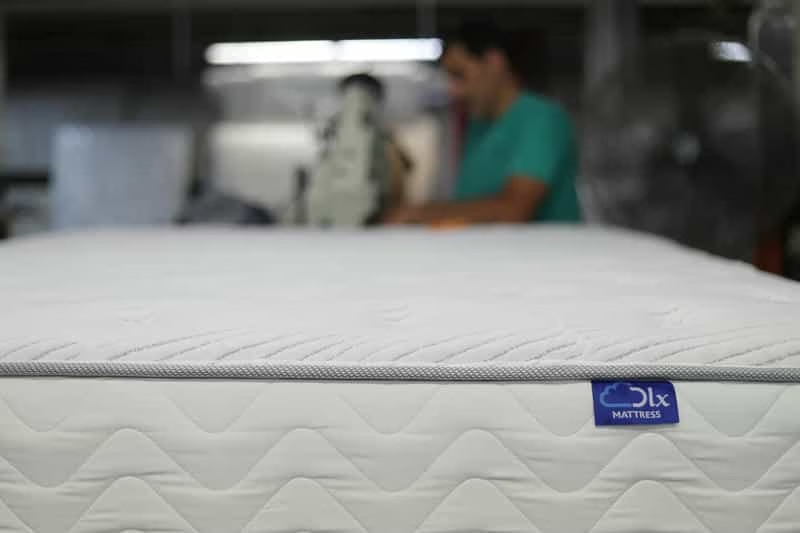
Technical textiles are everywhere inside your home — enhancing comfort, safety, and hygiene.
Examples:
- Mattress protectors – Waterproof and allergen-resistant layers (Hometech)
- Curtains with flame-retardant coatings – Safer during accidental fires
- Air conditioner filters – Nonwoven textiles for dust and pollen filtration (Indutech)
- Vacuum cleaner bags – High-efficiency filter fabrics
- Upholstery fabrics – Stain-resistant, easy-clean finishes
Impact: These textiles improve indoor air quality, reduce fire risk, and extend the lifespan of household products.
3. In Transport: Safety on the Move
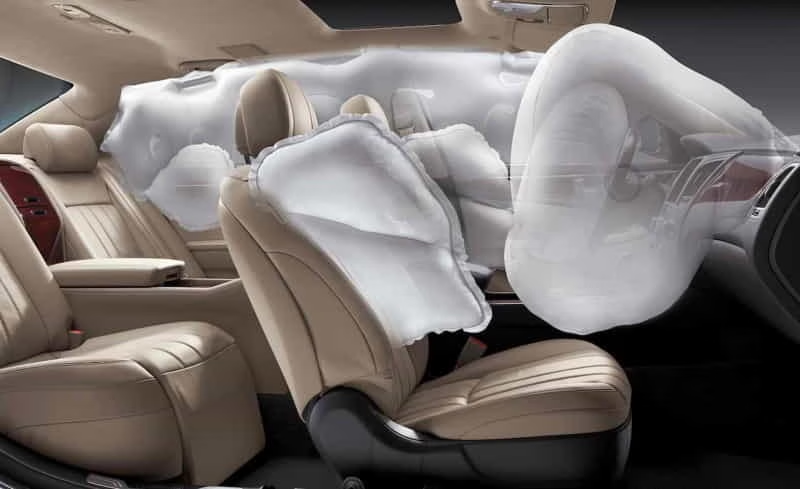
Whether you drive, fly, or commute, technical textiles make travel safer and more comfortable.
Examples:
- Seat belts – High-strength woven polyester (Mobiltech)
- Airbags – Nylon fabrics coated for airtight performance
- Car upholstery – Abrasion-resistant and flame-retardant materials
- Aircraft seat covers – Lightweight and fire-resistant
- Marine sails and covers – UV and saltwater resistant
Impact: These materials reduce injuries, meet stringent safety standards, and improve passenger comfort.
4. In Healthcare: Protecting and Healing
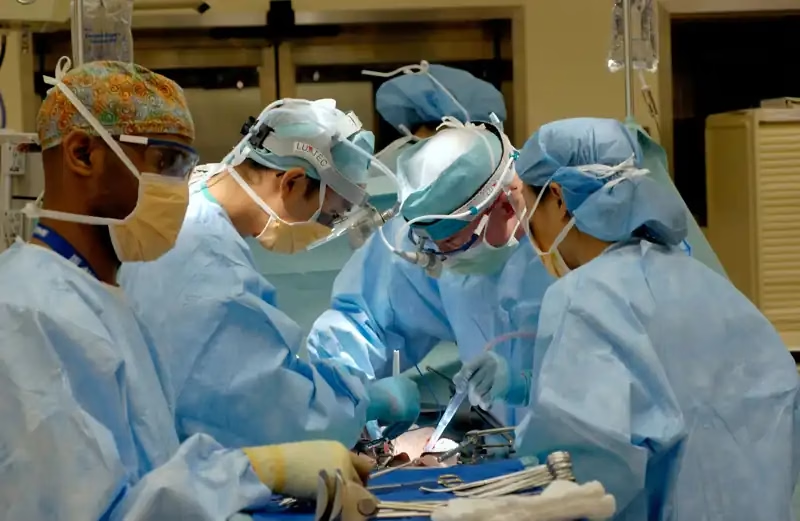
Technical textiles save lives daily in hospitals, clinics, and even your home’s medicine cabinet.
Examples:
- Bandages and wound dressings – Absorbent, sterile, and breathable (Medtech)
- Surgical gowns and drapes – Barrier fabrics preventing infection
- Face masks and respirators – Multi-layer filtration nonwovens
- Artificial ligaments – Biocompatible, high-strength fibers
- Incontinence products – Liquid-absorbent and leak-proof layers
Impact: They enable better hygiene, faster recovery, and effective infection control.
5. In Sports and Fitness: Enhancing Performance

From your gym shorts to your hiking rope, Sporttech textiles are designed to keep you moving comfortably and safely.
Examples:
- Moisture-wicking workout gear – Polyester or nylon with hydrophilic treatments
- Compression garments – Improved blood flow and muscle support
- Climbing ropes – High-strength braided polyamide
- Sports shoes – Breathable mesh uppers, cushioned insoles
- Parachutes and kites – Lightweight ripstop nylon
Impact: Sporttech improves athletic performance, reduces injury risk, and increases product durability.
6. In Food and Water: Clean and Safe Consumption
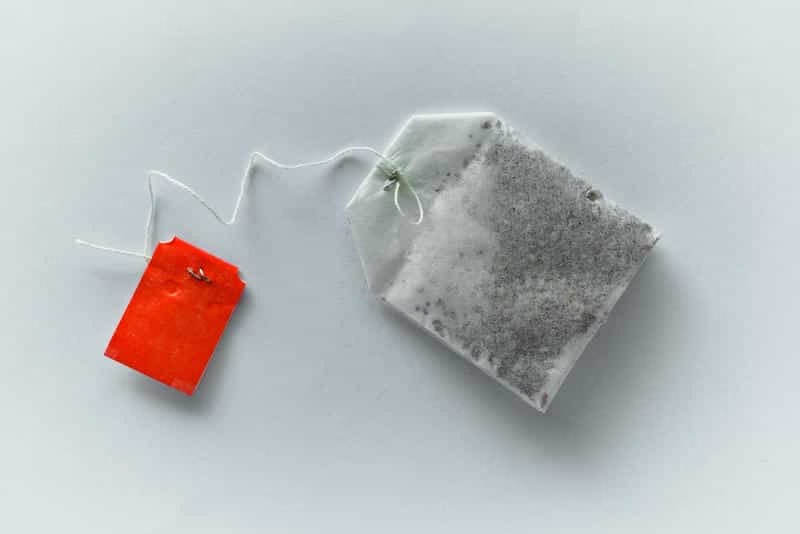
Technical textiles help ensure the food you eat and the water you drink are clean and safe.
Examples:
- Tea bags and coffee filters – Heat-sealed nonwoven or woven materials (Packtech/Indutech)
- Food packaging sacks – Polypropylene woven fabrics
- Water filtration membranes – Fine-pore technical fabrics (Oekotech)
- Aquaculture nets – Durable and anti-fouling fibers (Agrotech)
Impact: They prevent contamination, extend shelf life, and improve food safety.
7. In Clothing: Beyond Fashion

Even your everyday clothing might have technical features built in.
Examples:
- Waterproof jackets – Laminated membranes like Gore-Tex
- Flame-resistant workwear – Treated cotton or aramids (Protech)
- Antimicrobial uniforms – Reducing bacterial growth
- Thermal underwear – Moisture-wicking and heat-retaining fibers
Impact: Clothing becomes protective gear, providing safety and comfort in various environments.
8. In Buildings: Hidden Support Structures
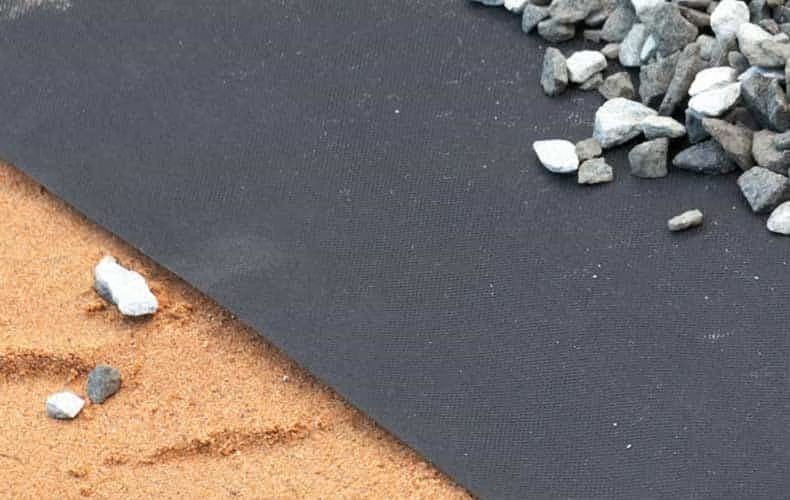
Construction and home improvement rely heavily on Buildtech and Geotech textiles.
Examples:
- Roofing membranes – Waterproof yet breathable
- Scaffolding safety nets – Protecting workers and pedestrians
- Geotextiles under roads – Soil stabilization and drainage
- Concrete reinforcement meshes – Improving structural strength
Impact: Extends building life, increases safety, and reduces maintenance costs.
9. In Industry: Unseen but Essential
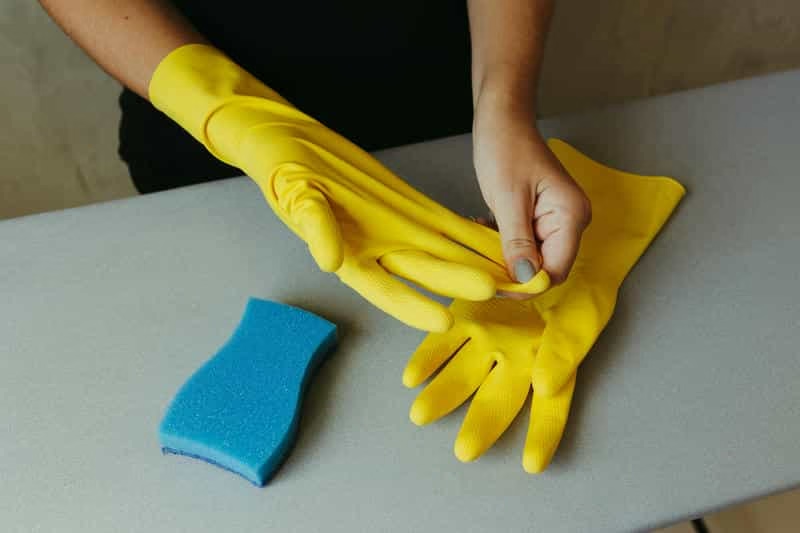
Factories and manufacturing plants depend on technical textiles for operational efficiency.
Examples:
- Conveyor belts – High-tensile woven fabrics (Indutech)
- Industrial filters – Capturing dust or particles
- Thermal insulation wraps – For pipes and boilers
- Protective gloves – Cut-resistant aramids or UHMWPE
Impact: Reduces downtime, protects workers, and ensures product quality.
10. In the Environment: Protection and Preservation
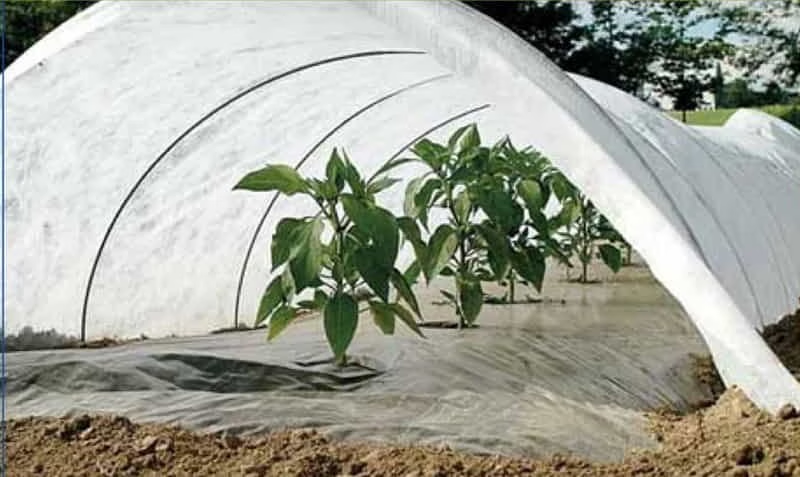
Technical textiles also help protect the planet.
Examples:
- Oil spill booms – Absorbent and containment fabrics (Oekotech)
- Landfill liners – Preventing soil and groundwater contamination
- Erosion control blankets – Stabilizing slopes and riverbanks
- Recyclable shopping bags – Woven polypropylene (Packtech)
Impact: Prevents pollution, restores ecosystems, and supports sustainability.
11. Why You Don’t Notice Them
Technical textiles are often designed to blend into the background:
- Hidden inside products (airbags, mattress linings)
- Integrated into visible fabrics (sportswear coatings)
- Used in industrial or structural layers you never see
12. Future Trends in Everyday Technical Textiles
The line between technical and conventional textiles is blurring:
- Smart fabrics that monitor health
- Sustainable fibers with high performance
- Antimicrobial treatments for home and travel
- Self-cleaning textiles with nanotechnology coatings
Conclusion: Woven Into Your World
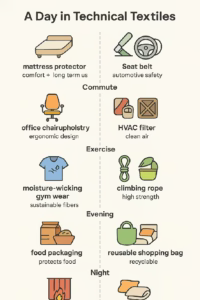
From the moment you wake up on a flame-retardant mattress protector to your commute secured by a seat belt, technical textiles are everywhere.
They make your life safer, more comfortable, and more efficient — without you even realizing it.
The more we innovate, the more these invisible allies will become visible game-changers in how we live, work, and play.
FAQ
Common examples include seat belts, airbags, mattress protectors, bandages, coffee filters, sportswear, and roofing membranes.
They provide fire resistance, impact protection, filtration, and structural reinforcement in everyday products like vehicles, clothing, and buildings.
Yes, they’re used in coffee filters, tea bags, water filtration membranes, and hygienic food packaging to maintain cleanliness and safety.
They enhance comfort, manage moisture, prevent injuries, and provide durability in sports gear, ropes, shoes, and activewear.
Yes, they’re used in erosion control mats, oil spill containment, landfill liners, and reusable shopping bags to protect ecosystems.