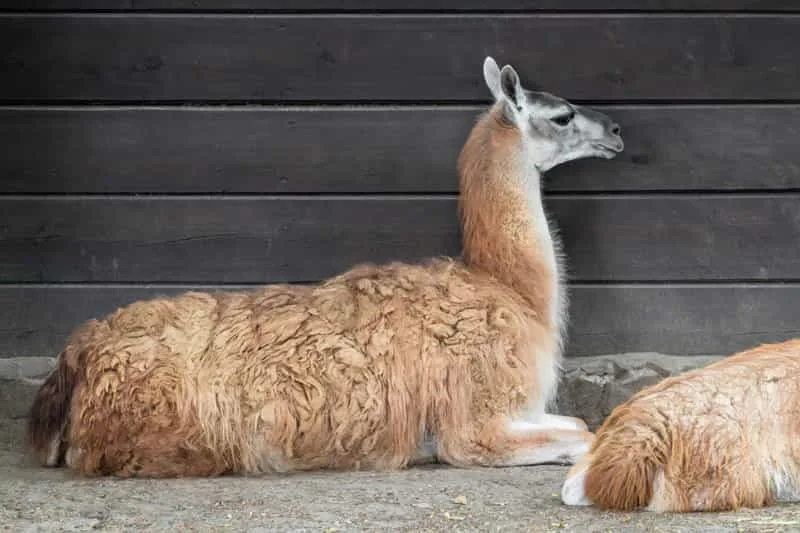
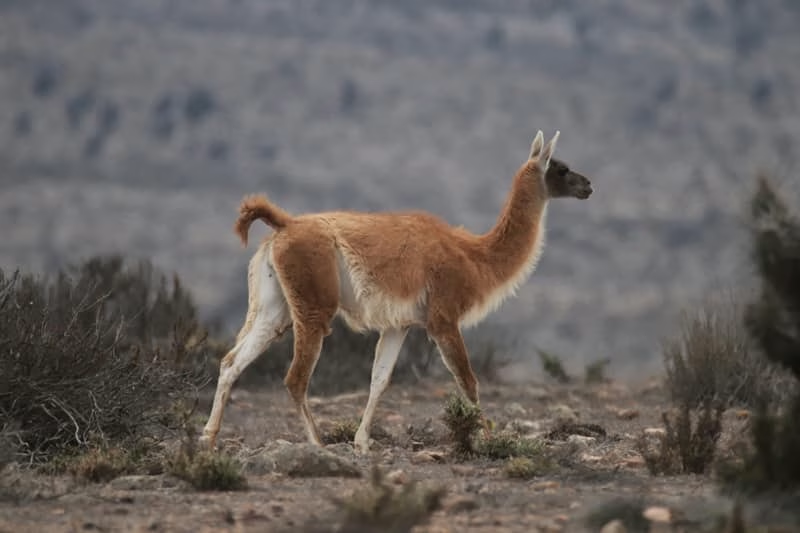
Guanaco fiber comes from the undercoat of the guanaco, a wild camelid native to South America’s arid regions. It is exceptionally soft, lightweight, and warm, rivaling its close cousin the vicuña. Ethical harvesting and strict wildlife protection make this fiber both rare and sustainable. Once used by ancient Andean civilizations and now gaining renewed interest in high-end textiles, guanaco wool combines natural performance with ethical luxury.
1. Origin and Background
The guanaco (Lama guanicoe) is a wild camelid native to South America, primarily found across the arid plains and mountains of Argentina, Chile, Peru, and Bolivia. It is one of the closest living relatives of the vicuña and is believed to be the wild ancestor of the domesticated llama. Guanacos have long been revered by indigenous Andean cultures for their fine, insulating fleece, used in ancient textiles and garments.
Today, the guanaco remains a protected species in many regions. It cannot be domesticated, and fiber harvesting is strictly regulated to ensure sustainability and animal welfare.
2. Properties of Guanaco Fiber
Guanaco fiber is exceptionally soft and fine, with a diameter of around 16–18 microns. It has a dual-layered coat:
- The outer layer consists of coarse guard hairs that protect the animal in extreme weather.
- The undercoat, which is used in textiles, is lightweight, soft, and warm.
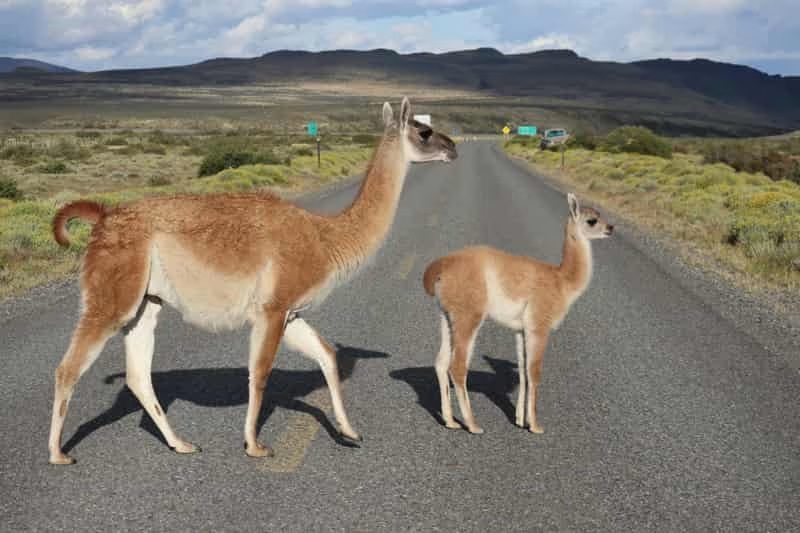
The fiber is naturally a reddish-caramel or cinnamon color and rarely dyed, allowing its natural beauty to shine. Its key characteristics include:
- Softness similar to baby alpaca or high-end cashmere
- Strong thermal insulation
- Excellent breathability and moisture-wicking
- Hypoallergenic (lanolin-free)
- Low elasticity, typically blended or handled with care in pure form
3. Harvesting and Yield
Guanacos are wild animals, so their fiber is collected through non-invasive roundups, similar to the traditional chaccu used for vicuñas. These events are conducted under governmental supervision or in partnership with indigenous communities.
Shearing is done by hand and only once every 2–3 years. On average:
- A single guanaco produces 400–600 grams of fleece
- After dehairing, only about 150–250 grams of fine undercoat remain
This limited yield is one of the main reasons why guanaco fiber is considered highly exclusive and expensive.
4. Guanaco vs. Other Fine Fibers
| Fiber | Micron (Avg.) | Softness | Warmth | Elasticity | Rarity |
|---|---|---|---|---|---|
| Guanaco | 16–18 | ★★★★☆ | ★★★★☆ | ★★☆☆☆ | ★★★★☆ |
| Vicuña | ~12 | ★★★★★ | ★★★★★ | ★★☆☆☆ | ★★★★★ |
| Cashmere | 15–19 | ★★★★☆ | ★★★★☆ | ★★★☆☆ | ★★★☆☆ |
| Baby Alpaca | 20–23 | ★★★☆☆ | ★★★☆☆ | ★★★☆☆ | ★★☆☆☆ |
While not quite as fine as vicuña, guanaco fiber offers a similar feel and superior durability, making it a more practical luxury choice in many garments.
5. Processing and Use in Textiles
After harvesting, guanaco fiber undergoes several processing stages:
- Cleaning to remove dirt and debris
- Dehairing to separate the soft undercoat from coarse guard hairs
- Spinning and weaving into yarns and fabrics
Because of its softness and cost, guanaco fiber is often used for high-end scarves, shawls, outerwear, and accessories. It is rarely blended with other fibers and often showcased in its natural color.
6. Sustainability and Ethical Considerations
Guanaco fiber is one of the most environmentally sustainable luxury fibers available. The animals are never harmed, and shearing events follow strict ethical guidelines. Controlled wild harvesting provides several benefits:
- Encourages wildlife conservation
- Supports local economies and indigenous communities
- Prevents poaching by offering legal, sustainable income alternatives
Organizations such as Patagonia’s Artisan Cooperatives and wildlife trusts in Argentina are leading examples of how ethical fiber production can benefit both people and the environment.
7. Care and Maintenance
Guanaco fiber, while durable, requires gentle handling:
- Hand wash in cold water using mild, wool-safe detergent
- Lay flat to dry, avoiding wringing or twisting
- Store in breathable, sealed bags to protect from moths
Proper care ensures longevity and maintains the softness and natural beauty of the fiber.
8. Cultural and Market Relevance
Historically used by pre-Columbian Andean civilizations, guanaco wool is a culturally significant fiber that blends tradition with modern textile innovation. Today, it is experiencing a renaissance among eco-luxury brands and artisanal weavers.
Its rarity and sustainability make it attractive to conscious consumers, designers, and collectors looking for something extraordinary—rooted in the wild, untouched landscapes of South America.
Conclusion
Guanaco fiber is a rare gem in the world of natural textiles. With its blend of softness, warmth, ethical sourcing, and cultural significance, it represents everything that modern, sustainable luxury stands for. Whether in a handmade scarf or a couture garment, guanaco wool carries with it a story of wilderness, tradition, and refined elegance.
Citations & References:
- The Camelid Quarterly – “Guanaco vs Vicuña: A Textile Comparison”
- CONICET Argentina – “Sustainable Use of Wild Guanacos”
- The Andean Camelid Fiber Report – FAO
- Textile Exchange – “Rare Animal Fibers of South America”
- Journal of Wildlife Conservation – Guanaco Roundup Practices in Patagonia
- International Wool Textile Organization – Micron Comparison Study
- Artisans of Patagonia – Community-Based Guanaco Fiber Production