
1. Introduction
When people think of clothing and footwear, the first things that come to mind are fabrics, styles, and colors. But beneath the visible outer layers lies a hidden world of highly engineered components that ensure comfort, protection, durability, and performance.
This specialized category of technical textiles is known as Clothtech. Unlike decorative fashion fabrics, Clothtech products are designed for function first—often invisible to the consumer, yet critical to the product’s performance.
From the elastic waistbands in sportswear to the membrane layers in waterproof jackets and the reinforced stitching in hiking boots, Clothtech materials quietly enhance the wearer’s experience, safety, and product lifespan.
2. What is Clothtech?
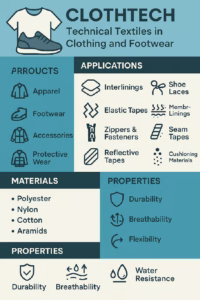
Clothtech is one of the 12 recognized segments of technical textiles, covering all functional textile components used in:
- Clothing (apparel, uniforms, sportswear, protective wear)
- Footwear (sports shoes, work boots, casual footwear)
- Accessories (gloves, belts, bags)
These components can be:
- Visible: Zippers, buttons, laces, elastics.
- Invisible: Interlinings, seam tapes, membrane layers, cushioning pads.
3. Role of Clothtech in Modern Apparel and Footwear
Clothtech products contribute to:
- Comfort – Moisture management, breathability, insulation.
- Protection – Resistance to fire, water, wind, UV rays, and chemicals.
- Performance – Improved durability, fit, flexibility, and reduced weight.
- Functionality – Fastening, reinforcement, stretch, and support.
4. Key Clothtech Products
Clothtech items are typically divided into two broad categories: apparel-related and footwear-related.
4.1 Apparel-Related Clothtech Products
- Interlinings – Provide structure and shape to collars, cuffs, waistbands.
- Seam Tapes – Seal seams in waterproof garments.
- Elastic Tapes and Bands – Enhance fit in waistbands, cuffs, sportswear.
- Zippers and Fasteners – Durable closures for jackets, pants, bags.
- Reflective Tapes – Improve visibility in low light (safety wear).
- Drawcords and Cords – Functional and decorative for hoods, bags.
- Hook-and-Loop Fasteners – Adjustable closures in sports and medical garments.
- Insulating Layers – Thermal protection in winter clothing.
- Moisture Barriers – Keep garments dry in wet conditions.
4.2 Footwear-Related Clothtech Products
- Shoe Laces – High-tensile cords, flat or round, made from polyester, nylon, cotton.
- Upper Fabrics – Breathable, abrasion-resistant textiles for the shoe body.
- Lining Fabrics – Moisture-wicking inner layers for comfort.
- Insoles and Cushions – Shock absorption and ergonomic support.
- Toe Caps and Heel Counters – Maintain shoe shape and protect feet.
- Membrane Layers – Waterproof yet breathable barriers.
- Reinforcement Fabrics – High-wear areas in sports and hiking footwear.
5. Materials Used in Clothtech
Clothtech materials vary depending on function and end use.
Synthetic Fibers:
- Polyester (PET) – Strong, wrinkle-resistant, quick-drying.
- Nylon (PA) – High abrasion resistance, flexibility.
- Polypropylene (PP) – Lightweight, moisture-resistant.
- Elastane (Spandex/Lycra) – Exceptional stretch and recovery.
Natural Fibers:
- Cotton – Breathable, comfortable.
- Wool – Insulating, moisture-absorbing.
- Jute – Used in certain shoe soles and accessories.
Specialty Fibers:
- Aramids (Kevlar®, Nomex®) – Flame and cut resistance.
- PTFE – Waterproof membranes (e.g., GORE-TEX®).
6. Manufacturing Techniques
Clothtech products are made using:
- Weaving – Produces durable, structured textiles for interlinings, tapes.
- Knitting – Elastic and stretch fabrics for sportswear and footwear uppers.
- Nonwoven Technology – Felt, insulating, and reinforcement layers.
- Coating and Laminating – For waterproofing, flame retardancy, or reflective properties.
- Braiding – Produces cords and laces.
- Heat Sealing and Welding – For seam tapes and technical closures.
7. Functional Properties of Clothtech
Clothtech products may be engineered for:
- Moisture Management – Wicking sweat away from the body.
- Thermal Insulation – Retaining warmth in cold climates.
- Breathability – Allowing vapor to escape while blocking water.
- UV Protection – Blocking harmful sun radiation.
- Impact Resistance – Cushioning and shock absorption.
- Fire Resistance – Meeting safety standards for workwear.
8. Applications of Clothtech
Clothtech textiles appear in:
- Sportswear and Activewear – Elastic waistbands, breathable panels, moisture-wicking linings.
- Protective Clothing – Fire-resistant uniforms, high-visibility gear.
- Military Gear – Durable fasteners, reinforced seams, weather-resistant coatings.
- Medical Apparel – Antimicrobial coatings, adjustable closures.
- Work Footwear – Reinforced toe caps, slip-resistant linings.
- Outdoor Footwear – Waterproof membranes, abrasion-resistant uppers.
9. Advantages of Clothtech
- Enhances comfort and performance.
- Extends product life.
- Adds safety features without adding bulk.
- Improves aesthetic appeal through functional trims.
- Offers customization for specific end-user needs.
10. Global Market Overview
The Clothtech segment benefits from the steady growth of apparel and footwear industries.
- Global market size (2024): USD 15–17 billion.
- Projected CAGR: 4–5% over the next decade.
- Key growth drivers: Rising demand for sportswear, protective wear, and high-performance footwear.
- Leading regions: Asia-Pacific (China, India, Vietnam), Europe, and North America.
11. Innovations in Clothtech
- Smart Textiles – Clothing with integrated sensors for fitness tracking.
- Eco-Friendly Materials – Recycled polyester laces, organic cotton tapes.
- 3D Knitting – Seamless uppers for lightweight shoes.
- Nanotechnology – Dirt and water-repellent coatings.
- Biodegradable Footwear Components – Sustainable end-of-life solutions.
12. Challenges in Clothtech
- Balancing performance with sustainability.
- Rising raw material costs.
- Counterfeit accessories reducing brand reputation.
- Meeting diverse regulatory standards for safety wear.
13. Future of Clothtech
Expect to see:
- Wider adoption of smart, connected clothing.
- Fully compostable footwear components.
- Custom-fit products enabled by digital manufacturing.
- Increased transparency in material sourcing for sustainability.
14. Conclusion
Clothtech is the quiet enabler of comfort, safety, and performance in clothing and footwear. Whether it’s the stretch in your activewear, the waterproof layer in your jacket, or the cushioning in your hiking boots, these hidden components represent some of the most advanced textile engineering in the world. As consumer demand grows for performance and sustainability, Clothtech will continue to innovate and expand its impact.
FAQ
Clothtech refers to technical textile components used in clothing, footwear, and accessories. These include interlinings, zippers, elastics, seam tapes, shoe laces, waterproof membranes, and cushioning layers, all designed to improve comfort, durability, safety, and performance.
Examples include:
Interlinings in shirts and jackets
Elastic waistbands and cuffs
Reflective safety tapes
Waterproof seam sealing tapes
Shoe laces, insoles, and membrane linings
Hook-and-loop fasteners in garments and footwear
Synthetic fibers: Polyester, nylon, polypropylene, elastane
Natural fibers: Cotton, wool, jute
Specialty fibers: Aramids for flame resistance, PTFE for waterproofing
Clothtech products enhance:
Comfort (moisture management, stretch)
Safety (reflective visibility, flame resistance)
Durability (reinforcement, abrasion resistance)
Functionality (adjustable fasteners, waterproofing)
Yes, extensively. Elastic waistbands, breathable panels, moisture-wicking linings, and high-tensile laces are all examples of Clothtech elements in modern sportswear and athletic footwear.
Yes. Many manufacturers are producing recycled polyester laces, organic cotton tapes, biodegradable insole foams, and eco-friendly waterproof membranes to reduce environmental impact.
Trends include:
Smart clothing with sensors
Biodegradable footwear components
Seamless 3D-knitted shoe uppers
Nanotech-treated fabrics for stain resistance




The challenge gradually increases as players live longer. Obstacles get closer together, the dinosaur sprints quicker, and flying adversaries show up more frequently.