When the diameter of the fibers is in the nanometer range, several amazing characteristics appear, such as the very large surface area to volume ratio, flexibility in surface functionalities, and superior mechanical performance (e.g., stiffness and tensile strength) compared with any other known form of material.
Garment production is an organized activity consisting of sequential processes such as laying, marking, cutting, stitching, checking, finishing, pressing, and packaging. This is a process of converting raw materials into finished products. It will be difficult to maintain the industry if production is not, up to the mark if the preproduction phase of preparation of material is not properly carried out.
Ready-to-wear apparel or garment manufacturing involves many processing steps, beginning with the idea or design concept and ending with a finished product. The apparel manufacturing process involves Product Design, Fabric Selection, and Inspection, Patternmaking, Grading, Marking, Spreading, Cutting, Bundling, Sewing, Pressing or Folding, Finishing, and Detailing, Dyeing, and Washing, QC, etc.
INTRODUCTION Method study is a systematic method of analysing the method of doing a job including human movements involved in it. So, it is the process of analysing the methods involved in a workflow to increase productivity. It deals with doing the work in a better way, with less time and effort. That is why […]
The high tenacity yarn has high strength, durability and chemical resistance, and withstands an extremely hot environment that can stress conventional multi-filaments to their performance limits.
Men’s shirt manufacturing processes, major components of shirts, types of shirts, types of pockets, types of plackets, types of cuffs, types of collars
Even after the basic training, it is difficult for an average salesperson to come up with the exact measurements. It is here that the 3D technology proves to be a boon. The development of three-dimensional body-scanning technology has immense potential for use in the apparel industry, particularly for customization or mass customization strategies to be […]
Today’s fashion industry is at a crossroads. Fast fashion, the industry’s moneymaker, is heavily criticized while sustainable materials are emphasized – and all of this under the persistent craving for novelty in wear and design. Even working conditions in the fashion industry are undergoing a revolution. Whereas before, groups of designers would spend feverish hours […]
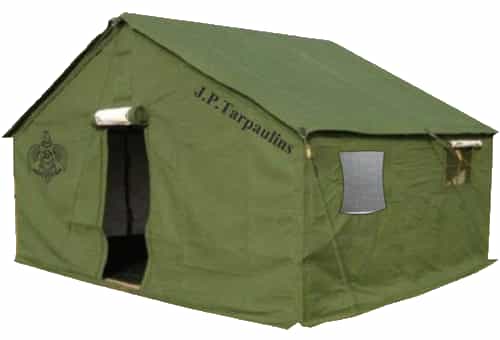
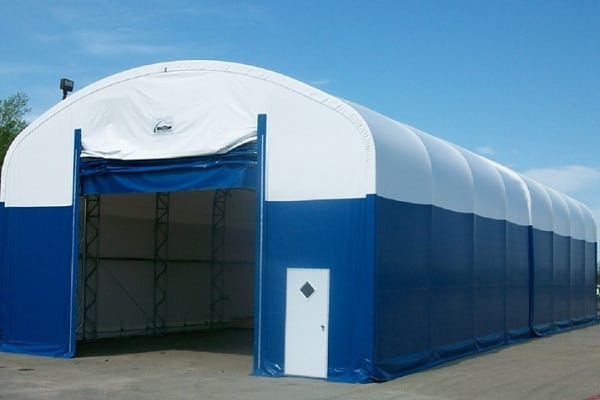
Tarpaulins are large fabric sheet of super heavy duty and reinforced, tightly woven with high fabric cover factor, flexible hard wearing, breathable water resistant or water proof, fire retardant coated material uses as protective covering against moisture.
Textile composites are fiber-reinforced composite materials. The form of textile fabric being used as reinforcement are: woven , knitted , braided. Textile-reinforced composite materials (TRCM) are part of the general class of engineering materials called composite materials. There are two categories of constituent materials: Matrix: Matrix holds the reinforcements in an orderly pattern. Reinforcement: Used […]
BACKGROUND Formaldehyde modified resins were introduced to the apparel market in the 1950’s. These finishes imparted a no-wrinkle character to cotton fabric and promised relief from the tedious job of ironing apparel. Preliminary marketing studies on the concept was an immediate and huge success. Optimism for this new market potential turned out to be premature. […]