

Weaving Machine – basic operations
The new shuttle-less machines are simply called weaving machines, this term implying looms working without a shuttle.
Weaving Machine – basic operations Read More »
The new shuttle-less machines are simply called weaving machines, this term implying looms working without a shuttle.
Weaving Machine – basic operations Read More »
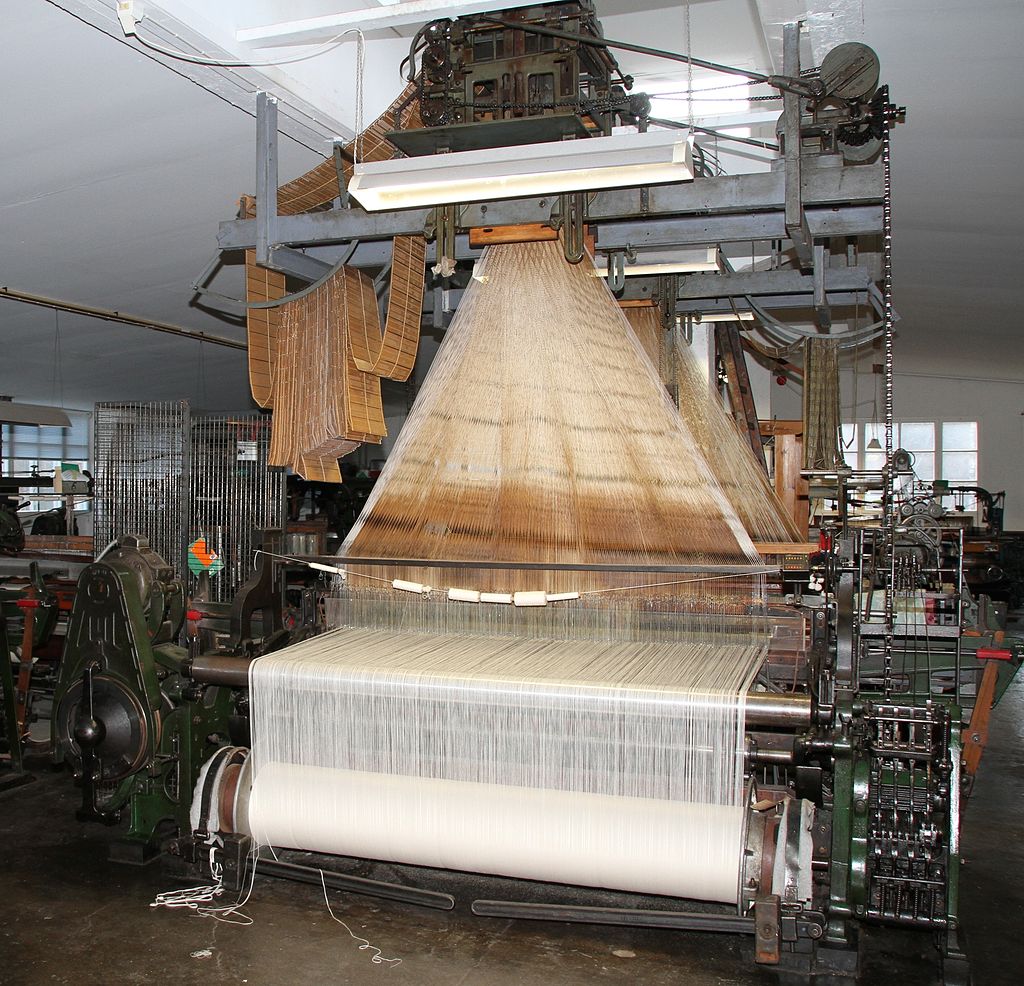
To obtain satisfactory weaving performance, it is essential to have not only a correct yarn preparation but also an efficient organization which permits to have warps available at the right moment, thus avoiding any dead time with style or beam change.
Preparation of Weaving Machines Read More »
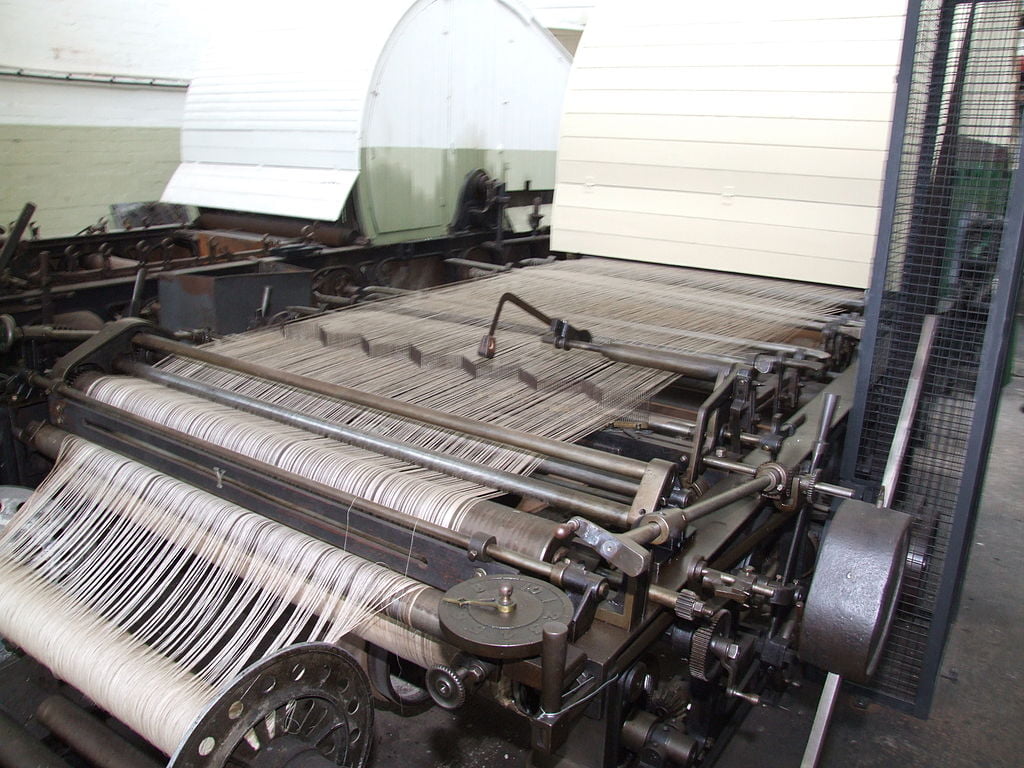
Sizing is a complementary operation which is carried out on warps formed by spun yarns with insufficient tenacity or by continuous filament yarns with zero twist. It is done with an aim of improving yarn smoothness and tenacity during the subsequent weaving stage. The sizing methods change depending on the type of weaving machine used, on the yarn type and count, on the technician’s experience and skill, on the kind of material in progress.
Sizing zero twist fabrics Read More »
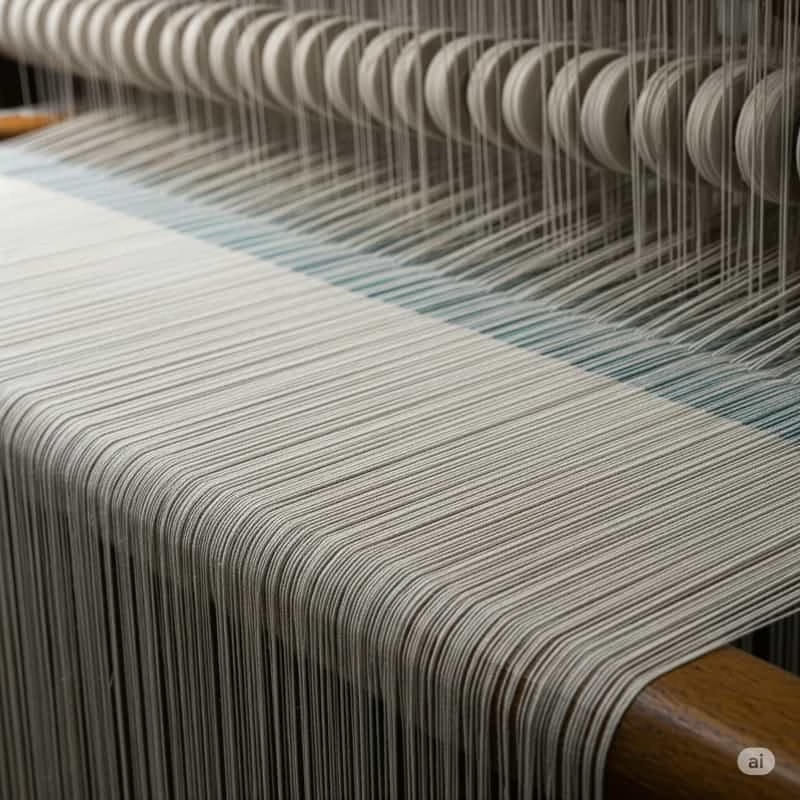
Sample warps are developed for sampling purposes. It gives full proof of its performances during this production phase of new items.
Sample Warping in Weaving Read More »

The weaving is a process of formation of fabric with interlacement of two or more sets of yarns using a stable machine called loom. Human beings have started using the woven fabrics since the dawn of history. If we exclude the stone age period, the history of civilization is also, to some extent, the history of weaving. Though primitive civilizations used coarser threads to make fabrics which were crude and coarse, there are references of fine fabrics made from the filament of silk in China.
Fabric Weaving – woven fabrics Read More »

Transposed twills are a specialized category of twill weaves in which the standard diagonal pattern is systematically altered or rearranged to create unique visual and textural effects. This article explores the structure, characteristics, production techniques, advantages, and applications of transposed twills, emphasizing their role in enhancing aesthetic appeal and functionality in textiles. By examining their weave construction, design variations, and practical uses, this article serves as a comprehensive resource for textile professionals and designers seeking to incorporate transposed twills into innovative fabric designs.
Transposed Twills in Fabric Weaving: Structure, Characteristics, and Applications Read More »

Air jet spinning has offered yarn manufacturers the opportunity to produce yarn at relatively high production rate. Unlike other spinning methods in which productivity is limited by the amount of twist in the yarn, Air Jet yarns can be produced at the same production rate regardless of yarn counts. Murata Vortex Spinners are one such leading Air Jet spinning machines which excel at producing finer yarns (Ne 40/1-60/1), because of the improved strength imparted to the smaller fibre bundle.

Fashion is not defined solely by clothing choices, but it is also conveyed through the way we carry ourselves, our personalities and our views of the world.In addition to the actual items of clothing we wear, there are other features that we have come to accept as part of ‘dress’. Among these are hairstyles, makeup, and accessories such as jewelry. Additionally, body decoration such as tattoos and piercings have come to be considered part of the contemporary vocabulary of dress.
Understanding Textile Fashion Read More »

Technical textiles are a diverse and innovative category of textiles that serve functional purposes beyond traditional clothing and aesthetics. They are designed and manufactured to meet specific performance criteria, often incorporating advanced materials and technologies.
Technical Textiles Read More »

Textile Finishing is any operation (other than preparation and colouring) that improves the appearance and/or usefulness of fabric after it leaves the loom or knitting machine. Finishing is the final series of operations that produces finished textile fabric from grey goods. Textile finishing usually includes treatments such as scouring, bleaching, dyeing and/or printing, the final mechanical or chemical finishing operations etc.