Apparel

Apparel product development from tech packs to fit. Pattern, grading, sewing line balancing, quality, and compliance for brands and OEMs. This section explains practical decision criteria, typical test methods, and failure modes that matter in real production. Readers get checklists, calculation steps, and case examples connecting specifications to cost, reliability, and compliance. Links map core concepts to upstream inputs and downstream processes so choices remain consistent across sourcing, manufacturing, and end-use performance. Each article includes definitions, diagrams where helpful, and plain-language notes to help newcomers ramp quickly while giving experienced professionals the depth needed to troubleshoot and optimize. Standards references are cited with context, and whenever trade-offs exist, we make them explicit so you can defend decisions.

Ergonomic Improvements in Textile Industry

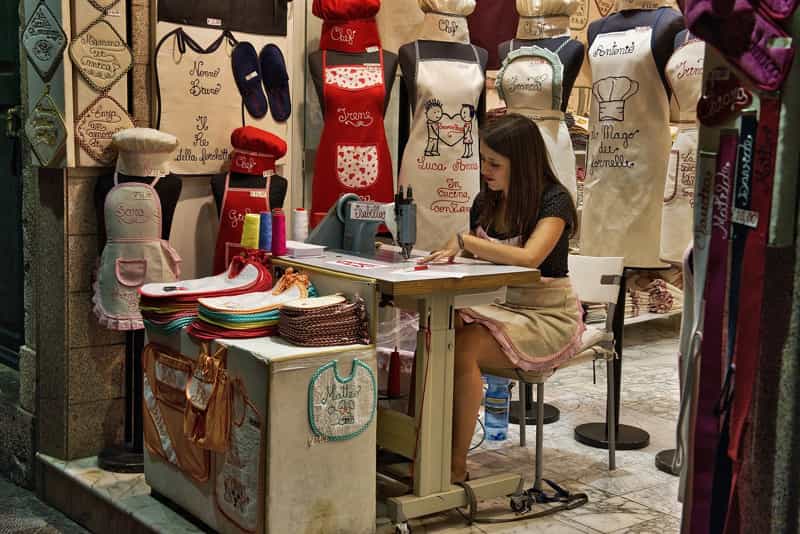
Apparel manufacturing is a labor-intensive assembly line process requiring significant amounts of repetitive and skilled manipulations. Therefore, like any other manufacturing industry, it has its own share of ergonomic problems where poorly designed and unorganized workstations contribute to musculoskeletal discomfort among the sewing operators. Research has found that ergonomic interventions including redesign and proper adjustment of workstations, use of ergonomically-designed seating, and training in low-risk methods and posture substantially improve workers’ efficiency.

Read more »

Article

Yarn to Fabric Manufacturing

SPINNING A Yarn is usually of substantial length & of a small cross-section. In the cross-section of yarn, there are usually multiple numbers of Staple fibers (short fibers) or Filaments (long fibers) of unlimited length. Spinning is the process of creating yarn (or thread, rope, cable) from various raw fiber materials. Several fibers are twisted […]

Read more »

Article

Pre-Production, Production and Post-Production Process in Garment Industry

Garment production is an organized activity consisting of sequential processes such as laying, marking, cutting, stitching, checking, finishing, pressing, and packaging. This is a process of converting raw materials into finished products. It will be difficult to maintain the industry if production is not, up to the mark if the preproduction phase of preparation of material is not properly carried out.

Ready-to-wear apparel or garment manufacturing involves many processing steps, beginning with the idea or design concept and ending with a finished product. The apparel manufacturing process involves Product Design, Fabric Selection, and Inspection, Patternmaking, Grading, Marking, Spreading, Cutting, Bundling, Sewing, Pressing or Folding, Finishing, and Detailing, Dyeing, and Washing, QC, etc.

Read more »

Article

Scroll to Top