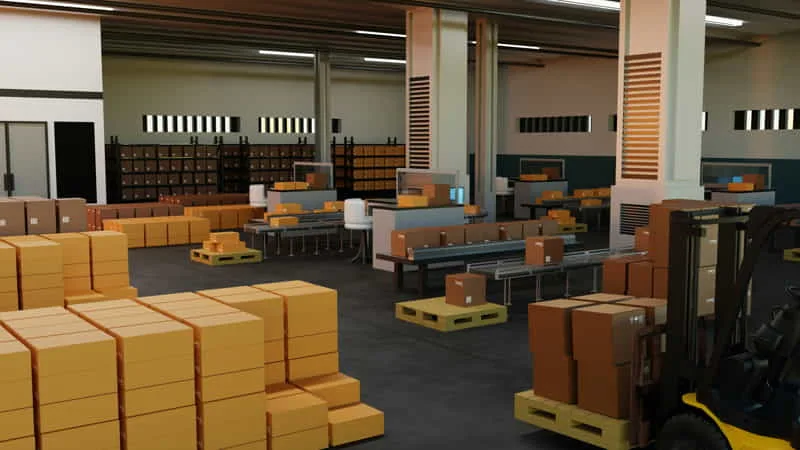
Inspection, packing, documentation, logistics, customer feedback loops, and claims management. This section explains practical decision criteria, typical test methods, and failure modes that matter in real production. Readers get checklists, calculation steps, and case examples connecting specifications to cost, reliability, and compliance. Links map core concepts to upstream inputs and downstream processes so choices remain consistent across sourcing, manufacturing, and end-use performance. Each article includes definitions, diagrams where helpful, and plain-language notes to help newcomers ramp quickly while giving experienced professionals the depth needed to troubleshoot and optimize. Standards references are cited with context, and whenever trade-offs exist, we make them explicit so you can defend decisions. The coverage also includes metrics, data tables, and example calculations so results are reproducible. Where regulations apply, we highlight jurisdiction, scope, and verification pathways. Tools and templates are provided to speed up daily work without sacrificing rigor.
Washing can be considered the final process in denim production and is the core of denim finishing. The washing of denim is directly related to the aesthetic, quality, and value of denim garments. In processing, sizing and coloration form the base of color in denim garments (Wang, 1995).
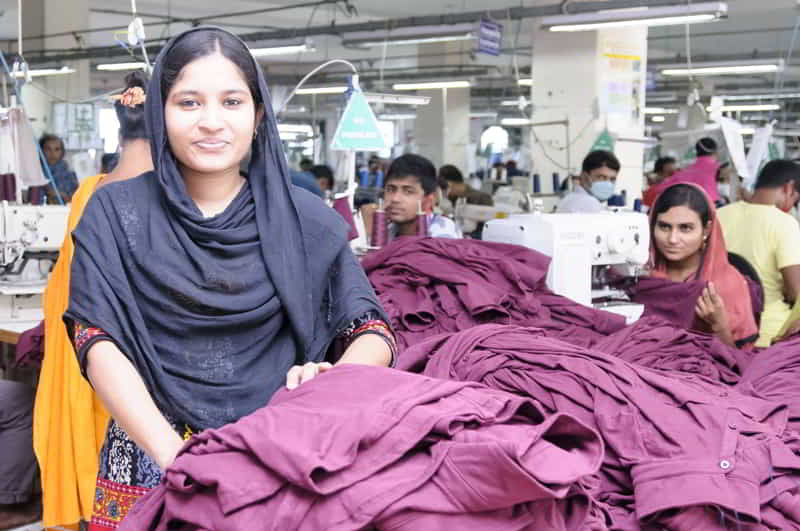
This project work deals with the productivity and quality enhancement in a garment manufacturing unit through a practical study conducted in the stitching department.
More than 60% of the export share of Bangladesh is now contributed by ready-made garments. Due to the advent of containerization multimodal transport has created a new era in international trade.
SPINNING A Yarn is usually of substantial length & of a small cross-section. In the cross-section of yarn, there are usually multiple numbers of Staple fibers (short fibers) or Filaments (long fibers) of unlimited length. Spinning is the process of creating yarn (or thread, rope, cable) from various raw fiber materials. Several fibers are twisted […]
Garment production is an organized activity consisting of sequential processes such as laying, marking, cutting, stitching, checking, finishing, pressing, and packaging. This is a process of converting raw materials into finished products. It will be difficult to maintain the industry if production is not, up to the mark if the preproduction phase of preparation of material is not properly carried out.
Ready-to-wear apparel or garment manufacturing involves many processing steps, beginning with the idea or design concept and ending with a finished product. The apparel manufacturing process involves Product Design, Fabric Selection, and Inspection, Patternmaking, Grading, Marking, Spreading, Cutting, Bundling, Sewing, Pressing or Folding, Finishing, and Detailing, Dyeing, and Washing, QC, etc.
INTRODUCTION Method study is a systematic method of analysing the method of doing a job including human movements involved in it. So, it is the process of analysing the methods involved in a workflow to increase productivity. It deals with doing the work in a better way, with less time and effort. That is why […]
Apparel testing is essential before shipment to foreign countries like the US and EU. Selection of a suitable testing lab is required to get the right result. In order to achieve this, the lab has to equip themselves with equipment, calibration, proficiency testing, training etc. Such aspects have been critically reviewed in this paper.
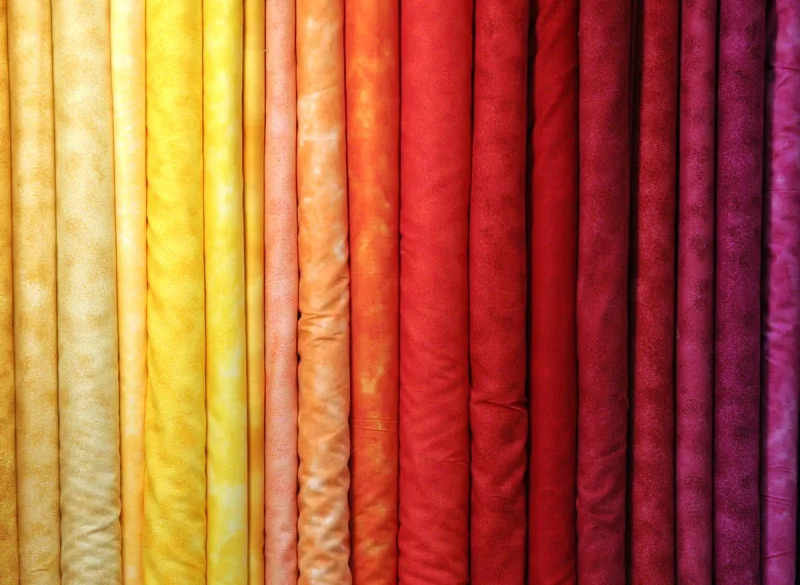
In dressmaking and designing, fabric selection is vitally important and integral part. Different fabrics for required for different ages, purposes, and occasions. Wedding dress, uniforms, undergarments, casual wears all require a different kind of fabrics and at times a combination of many.
There are finishes done on garments such as Permanent Press Finish particularly on pants for center crease of the pants to stay crisp and make them look fresh and neat.
The purchasing department in a garment company is similar to the sourcing department but the main difference is that the sourcing department works for sourcing the fabrics alone while the purchasing department works for sourcing the accessories and trims.