Zipper Sizes
Zippers are always measured from “component to component” (end stops), regardless of zipper style. The illustrations below will assist you in determining the proper method for arriving at the desired zipper length.
Line design, WIP control, takt, SMV, industrial engineering, and real-time quality assurance. This section explains practical decision criteria, typical test methods, and failure modes that matter in real production. Readers get checklists, calculation steps, and case examples connecting specifications to cost, reliability, and compliance. Links map core concepts to upstream inputs and downstream processes so choices remain consistent across sourcing, manufacturing, and end-use performance. Each article includes definitions, diagrams where helpful, and plain-language notes to help newcomers ramp quickly while giving experienced professionals the depth needed to troubleshoot and optimize. Standards references are cited with context, and whenever trade-offs exist, we make them explicit so you can defend decisions. The coverage also includes metrics, data tables, and example calculations so results are reproducible. Where regulations apply, we highlight jurisdiction, scope, and verification pathways. Tools and templates are provided to speed up daily work without sacrificing rigor.
Zippers are always measured from “component to component” (end stops), regardless of zipper style. The illustrations below will assist you in determining the proper method for arriving at the desired zipper length.
Zippers are accessories attached to dresses, shoes, and bags, used as closures. Based on the application they are broadly categorized into Visible and Invisible Zippers.
The main objective of Textile Labelling are: 1.to protect consumers against misrepresentation in the labeling and advertising of textile fiber products 2.to enable consumers to choose textiles on the basis of fiber content
Textile Labelling Objective Read More »
The Textile Labelling Act is a regulatory statute. It requires that consumer textile articles bear accurate and meaningful labeling information to help consumers make informed purchasing decisions.
Textile Labelling Act Read More »
Determining your proper panty fit requires knowledge of two components: waist measurement and hip measurement. The hardest part about purchasing lingerie that fits well and looks good, is knowing what to look for. There are so many choices in fabric, style, and size to choose from today.
Perfect Panty Fitting Read More »
Over the years there has been a wide selection of panties, underpants, thongs, boy shorts, and women’s underwear in all available styles and sizes. There is a fabulous selection of women’s panties and intimate apparel and more.Every day there are different styles, fabrics, and colors of panties being designed and produced whether you’re looking for hi-cut briefs panties, bikini panties, a low rise hipster brief, a pair of boy shorts, or thong.
Ladies Panties – types of ladies underwear Read More »
Fabric inspection focuses on fault/defect rate color, end to end and edge to middle shading, hand/handle, and appearance. The client will select the appropriate fault rate and standard to determine the acceptance of each shipment. This will minimize the quantity of panels or garments rejected for fabric faults, thereby ensuring the quality of the finished goods.
Fabric Inspection Guidelines Read More »
Bra manufacturing requires an in-depth knowledge of the anatomy of Bra which consists of parts like Apex, strap, adjuster, hook, and eye, cup, cradle, sling, wing etc. Each of which plays a very important role and therefore one needs to know them and their correct use.
Bra Anatomy and its Size Read More »
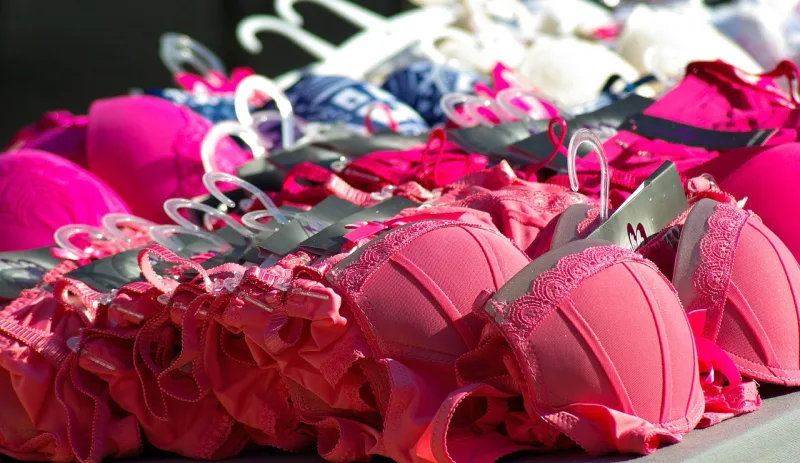
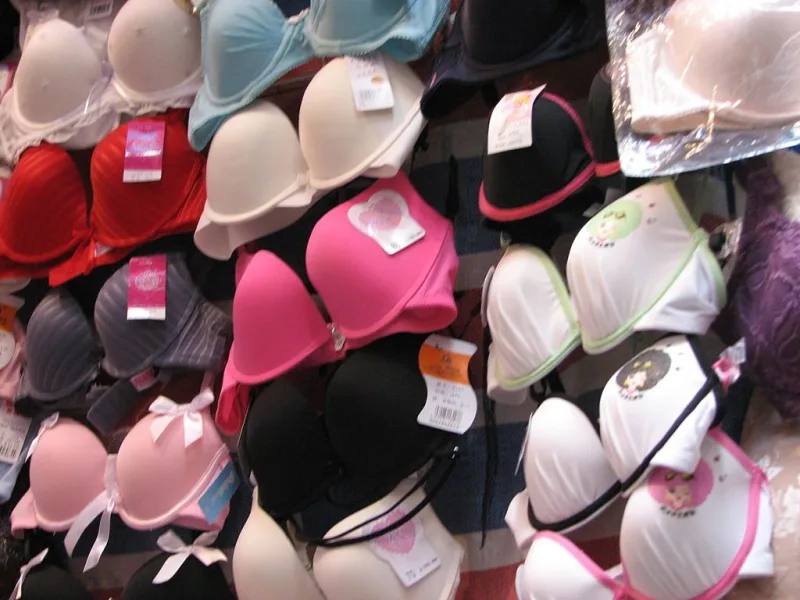
Todays Brassieres are made of many different materials including cotton, rayon, silk, spandex, polyester, and lace. They are available in many styles from cups that come without any padding (and are quite sheer) to those that add significantly to the size and shape of the cup. A woman can alter her silhouette by simply purchasing a brassiere with cups that are designed to render a specific shape.
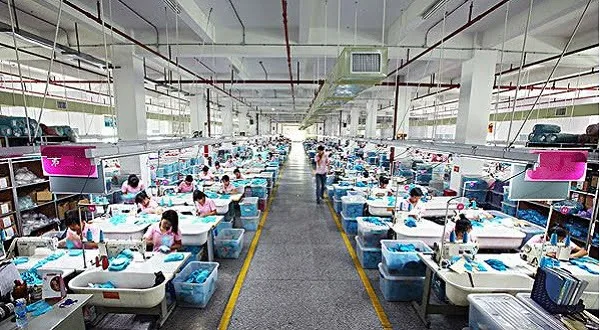
Various significant aspects of brassiere manufacturing are covered, e.g. bra design, molding technology, and manufacturing automation. Bra design is substantial to brand product development while innovative molding technology is the key to signature types of bras like a sew-free bra, seamless bra, and one-piece bra. Automation has been a global trend in manufacturing as it reduces the labor cost and, on the other hand, enhances the consistency in product quality.