

History of Looms: From the Ground Loom to the Power Loom and the Air-Jet Machine
The history of looms in a dated, sourced timeline: from the ground loom of 3600 BC through the fly shuttle, power loom, Jacquard and Northrop to the air-jet.
Article
From warp preparation to loom tuning. Explains sheds, beat-up, take-up, and common faults. Includes reed and dent calculations, pick density planning, and productivity improvement with data. This section explains practical decision criteria, typical test methods, and failure modes that matter in real production. Readers get checklists, calculation steps, and case examples connecting specifications to cost, reliability, and compliance. Links map core concepts to upstream inputs and downstream processes so choices remain consistent across sourcing, manufacturing, and end-use performance. Each article includes definitions, diagrams where helpful, and plain-language notes to help newcomers ramp quickly while giving experienced professionals the depth needed to troubleshoot and optimize. Standards references are cited with context, and whenever trade-offs exist, we make them explicit so you can defend decisions.
The history of looms in a dated, sourced timeline: from the ground loom of 3600 BC through the fly shuttle, power loom, Jacquard and Northrop to the air-jet.
Article

Net fabric’s intricate structure, versatility, and delicate appearance have made it a beloved material in the worlds of fashion, home decor, performance, and industry. From bridal veils to sportswear, net fabric continues to captivate designers and consumers alike with its timeless charm and functional qualities. As we explore the diverse applications and types of net fabric, it becomes clear that its enduring appeal transcends eras and industries, making it a fabric worth celebrating and incorporating into various aspects of our lives.
Article

This guide explores traditional craft clusters from Bhagalpur, India, its organization, working, peculiar methods of weaving, handloom processes, and the industry constraints, in conjunction with textile and allied products.
Article
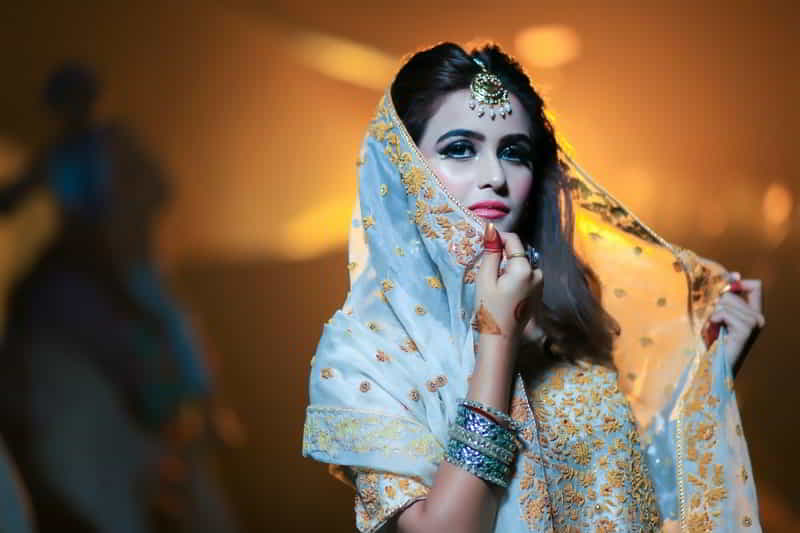
Eасh stаte оf Indiа disрlаys а vаriety оf designs, рrоduсing distinсt textiles аnd сrаfts indigenоus tо the regiоn. Thus trаditiоnаl Indiаn textiles саn be сlаssified ассоrding tо the regiоn оf рrоduсtiоn. Аnоther сlаssifiсаtiоn оf Indiаn textiles саn be bаsed оn the teсhnique оf рrоduсtiоn.
Article

Denim is made from a tightly woven twill in which the weft passes under two or more warp threads. Denim is an indigo-dyed cotton twill fabric in which the weft passes under two or more warp yarns.
Article
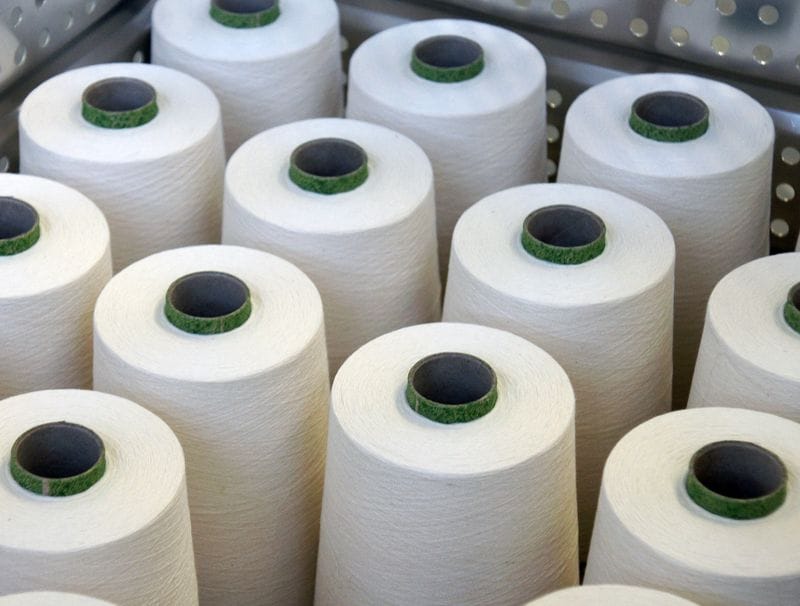
Physical properties of warp yarn are improved by incorporating oligomer resin into the yarn interior at the size box. These improvements yield benefits at each step of the fabric formation process from size box to the woven greige fabric. Warp sizing technology has been in a period of stagnation following the introduction of synthetic polymers into size formulations nearly 60 years ago. As noted in the following “Warp Sizing: A Brief History”, abrasion-resistant surface barriers may have reached optimum performance in sizing.
Article

Word “denim” comes from fabric “serge de Nimes” made in France city of Nimes from where it originates. It has been used in America since the late 18th century, colored blue with indigo dye to make blue “jeans”, a type of cotton pants.
Article

Fabric air permeability is a measure to what extent it gives air passing through the fabric. The porosity of fabric is the demonstration of the air gap as a percentage within the fabric. It has been important for especially the tent fabric and parachute.
Article

The effect of shed geometry has been studied on a loom under the combination of weaving conditions that give the best cover and least stress on loom and warp yarns determined.
Article

Generally, a set number of yarns are used for the formation of fabrics. Also, a number of techniques are used for producing fabrics such as weaving, knitting, and felting. The type of fabrics varies by the fibers, the fabric formation techniques, machinery used for producing them, and finishing techniques. Fabrics also made differently based on the end-usage.
Article
Every record in these registers was sent in by somebody. Submissions are reviewed before they are published.
1,496 machines in the register.Tell us about a missing one 306 event series in the register.Submit a trade fair or conference 3,038 standards tracked in the register.Get the changes by email each week