Introduction
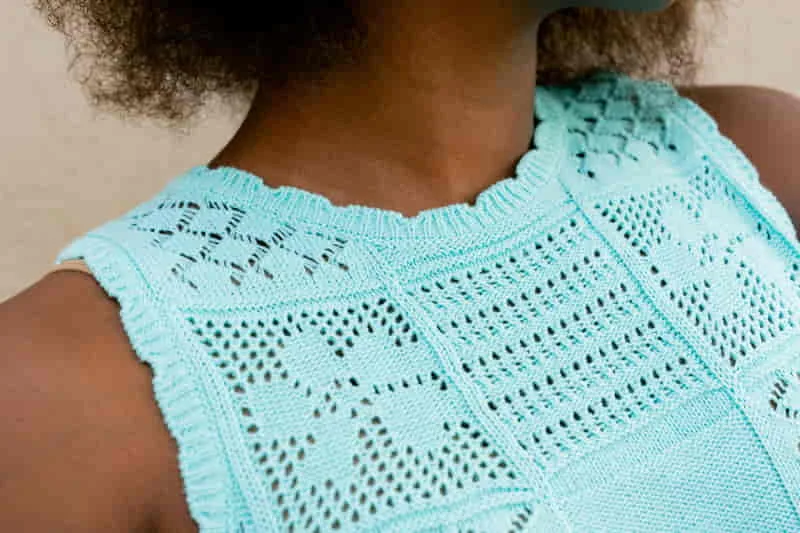
Chemical embroidery fabric, often referred to as chemical lace, represents a sophisticated blend of traditional embroidery artistry and modern manufacturing techniques. This innovative textile is characterized by its delicate, three-dimensional lace patterns, which are created by embroidering designs onto a water-soluble nonwoven base fabric that is subsequently dissolved, leaving behind intricate lace. Known for its elegant appearance, soft texture, and versatility, chemical embroidery fabric is widely used in fashion, bridal wear, home decor, and accessories. This article provides a comprehensive, step-by-step explanation of the chemical embroidery fabric manufacturing process, detailing every aspect from material selection to final finishing, while addressing technical considerations, equipment, and sustainability challenges.
Overview of Chemical Embroidery Fabric
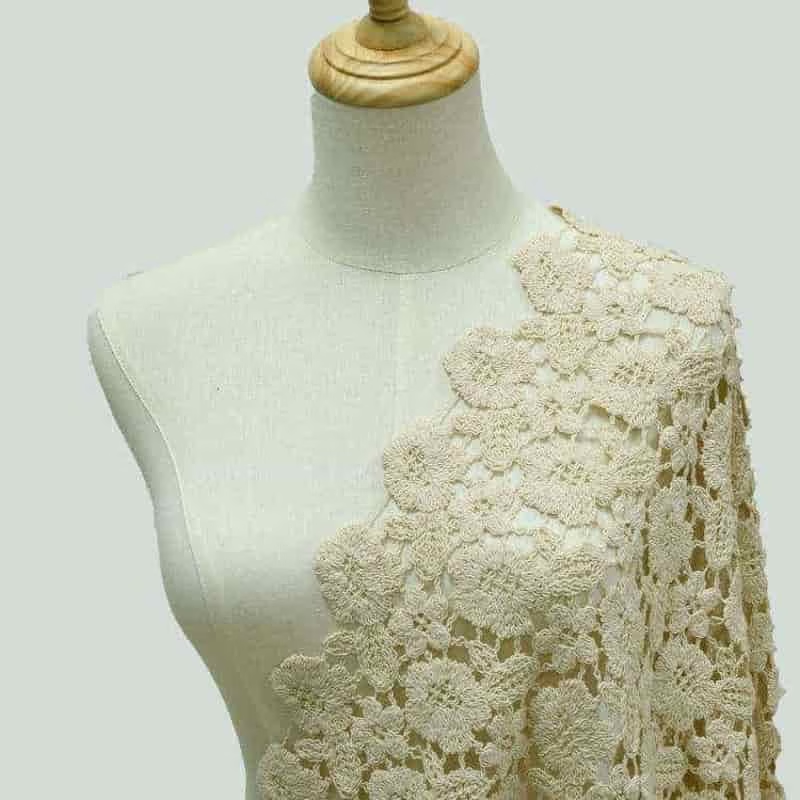
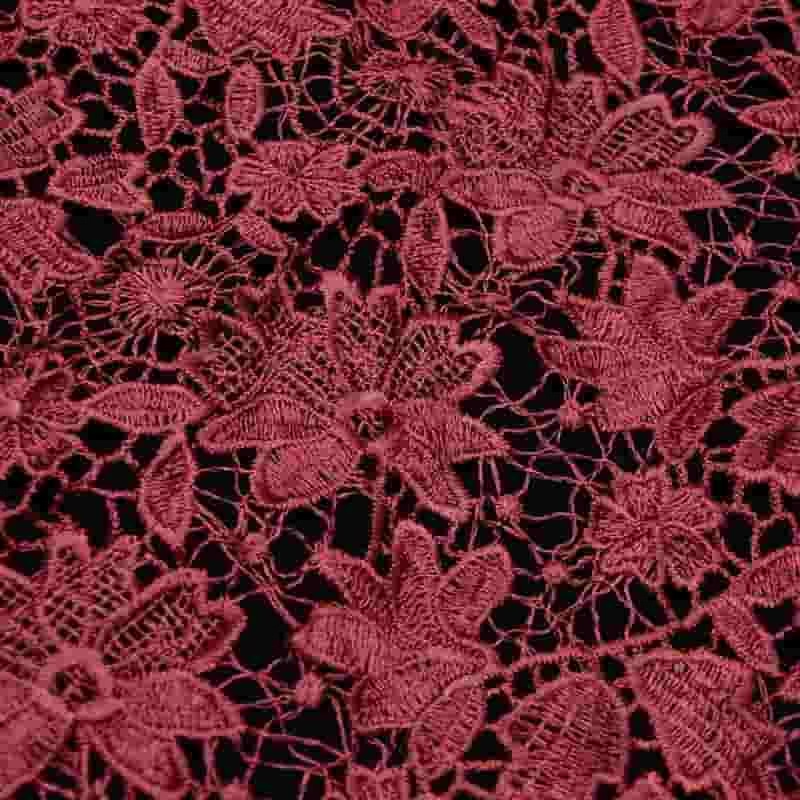
Chemical embroidery fabric is produced by embroidering intricate patterns onto a water-soluble nonwoven base material using computerized embroidery machines. After embroidery, the base fabric is dissolved in a chemical or hot water solution, leaving only the embroidered threads to form a delicate, openwork lace structure. The resulting fabric is lightweight, flexible, and features hollow-carved patterns, making it ideal for applications requiring both aesthetic appeal and structural elegance, such as wedding dresses, lingerie, and decorative trims. The process combines precision engineering with artistic design, leveraging advanced technology to achieve high-quality, reproducible results.
Historical Context
The origins of chemical embroidery can be traced to the late 19th century with the advent of Schiffli embroidery machines, which revolutionized lace production by enabling automated, large-scale embroidery. Prior to this, chemical lace was produced using Swiss hand machines, which were labor-intensive and limited in scale. The introduction of computerized embroidery machines in the 20th century further transformed the process, allowing for intricate designs and mass production. Today, chemical embroidery fabric is a staple in the global fashion and textile industries, valued for its cost-effectiveness compared to hand embroidery and its ability to create complex, three-dimensional patterns.
Manufacturing Process: Step-by-Step
The production of chemical embroidery fabric involves a series of meticulously coordinated steps, each requiring specific materials, equipment, and expertise. Below is a detailed breakdown of the process.
1. Design Creation and Digitization
Description: The process begins with the creation of a design, which serves as the blueprint for the embroidery pattern. Designers may sketch patterns manually or use graphic design software to create digital artwork. Common motifs include floral patterns, geometric shapes, or custom logos tailored to client specifications.
Technical Details:
- Software: Specialized embroidery digitizing software, such as Wilcom, Bernina ArtLink, or Tajima DG, is used to convert the artwork into a machine-readable embroidery file (e.g., .DST, .PES, or .EXP formats).
- Digitizing Process: A skilled digitizer maps out stitch types (e.g., satin, fill, or running stitches), stitch density, direction, and sequence. The digitizer accounts for fabric characteristics, ensuring the design is optimized to prevent puckering or thread breakage.
- Considerations: The complexity of the design, including the number of color changes and stitch count, impacts production time and cost. For chemical embroidery, the design must ensure that the embroidered threads form a cohesive structure after the base fabric is dissolved.
Equipment: Computer with embroidery digitizing software.
Output: A digitized embroidery file that instructs the embroidery machine on how to execute the pattern.
2. Selection of Materials
Description: Two primary materials are required: the water-soluble nonwoven base fabric and the embroidery threads.
Base Fabric:
- Type: Water-soluble nonwoven fabrics, typically made from polyvinyl alcohol (PVA) or similar materials, are used as the base. These fabrics are designed to dissolve completely in water or a chemical solution without harming the embroidery threads.
- Properties: The base fabric must be stable enough to withstand the tension of embroidery but fully soluble to leave no residue. Common thicknesses range from 30 to 80 gsm (grams per square meter), depending on the design’s complexity.
- Source: Sourced from specialized textile suppliers, often in rolls for industrial production.
Embroidery Threads:
- Types: Common threads include polyester, rayon, cotton, or silk. Polyester is widely used for its durability, colorfastness, and affordability, while silk is preferred for high-end applications due to its sheen and softness.
- Specifications: Threads are selected based on denier (thickness), color, and gloss. For chemical embroidery, threads must be resistant to the dissolving solution and capable of forming a stable lace structure.
- Considerations: Thread color selection is critical for aesthetic harmony. High-quality threads, such as those used in Vietnamese hand-dyed silk embroidery, enhance the final product’s value.
Stabilizers: In some cases, additional stabilizers (e.g., tear-away or cut-away backings) are used during embroidery to provide extra support, though these are typically removed before dissolving the base fabric.
3. Preparation of the Embroidery Machine
Description: Computerized embroidery machines, such as Schiffli or multi-head Tajima machines, are set up to execute the digitized design.
Technical Details:
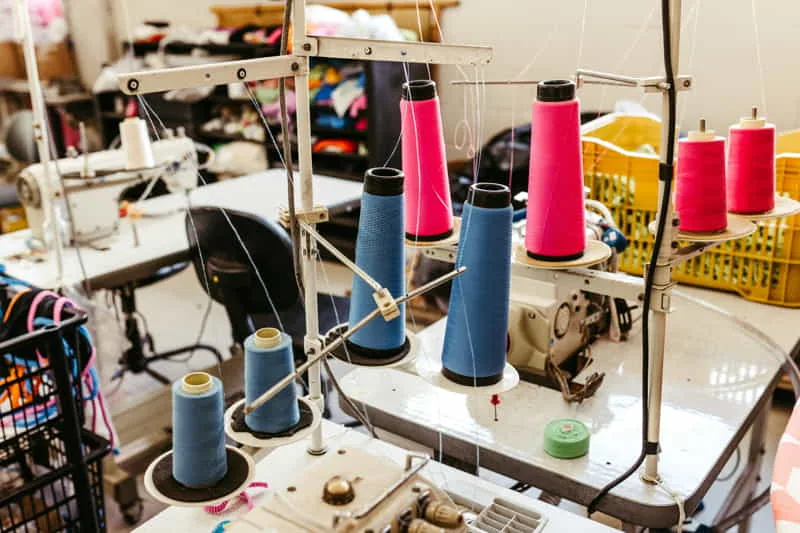
- Machine Types: Schiffli machines, introduced in the late 19th century, are large, multi-head machines with continuous needles, ideal for chemical lace production due to their ability to handle large-scale, repetitive patterns. Modern multi-head machines (e.g., Tajima TMB Series) offer 6–15 needles for multi-color designs.
- Setup: The digitized design file is uploaded to the machine via USB or network connection. Operators input the color sequence and thread each needle with the appropriate thread color.
- Hooping: The water-soluble nonwoven fabric is secured in an embroidery hoop or frame to maintain tension during stitching. Proper hooping prevents puckering and ensures precise stitch placement.
- Calibration: The machine is calibrated for stitch speed (typically 500–1200 stitches per minute), tension, and needle alignment to match the fabric and thread properties.
Equipment: Computerized embroidery machine (e.g., Schiffli, Tajima, or Barudan), embroidery hoops or frames.
4. Embroidery Process
Description: The embroidery machine stitches the design onto the water-soluble nonwoven fabric, creating the lace pattern.
Technical Details:
- Stitching: The machine follows the digitized file, using a combination of stitch types:
- Running Stitch: Used for outlines and connecting elements.
- Satin Stitch: Creates smooth, dense lines for borders or details.
- Fill Stitch (Tatami): Covers larger areas with dense stitching to form the lace’s structure.
- Thread Coordination: The machine automatically switches between thread colors as programmed, with multi-head machines allowing simultaneous embroidery of multiple fabric pieces.
- Precision: The design is structured so that the threads interlock to form a stable lace network, ensuring the pattern holds together after the base fabric is dissolved.
- Challenges: High stitch density or complex designs can cause thread breakage or fabric distortion, requiring careful monitoring by operators.
Duration: Depending on design complexity and machine speed, embroidery can take from minutes to hours per piece.
Equipment: Computerized embroidery machine, embroidery threads, water-soluble nonwoven fabric.
5. Dissolving the Base Fabric
Description: After embroidery, the water-soluble base fabric is dissolved to reveal the lace structure formed by the embroidered threads.
Technical Details:
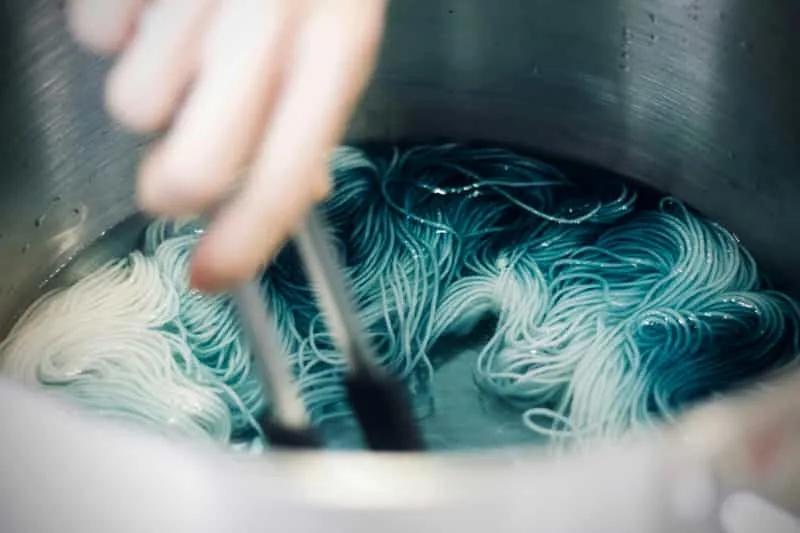
- Solution: The embroidered fabric is submerged in hot water (typically 60–80°C) or a chemical solution designed to dissolve PVA or similar materials. The solution must be compatible with the embroidery threads to avoid damage.
- Process: The fabric is soaked for 10–30 minutes, depending on the base material’s solubility. Agitation or ultrasonic cleaning may be used to ensure complete dissolution.
- Rinsing: The lace is thoroughly rinsed to remove any residual chemicals or dissolved material, ensuring a clean, soft texture.
- Considerations: The dissolving process must be carefully controlled to avoid weakening the embroidery threads. Environmental concerns arise from the disposal of the chemical-laden water, necessitating proper wastewater treatment.
Equipment: Industrial washing tanks, hot water systems, wastewater treatment systems.
6. Finishing and Setting
Description: The lace is processed to enhance its appearance, durability, and texture.
Technical Details:
- Drying: The lace is air-dried or tumble-dried at low temperatures to prevent shrinkage or distortion.
- Setting: Heat-setting or steam-setting is applied to stabilize the lace structure, ensuring the threads retain their shape and alignment.
- Trimming: Excess threads or irregularities are trimmed manually or with automated cutting tools to achieve a polished look.
- Optional Treatments: The lace may undergo additional treatments, such as:
- Softening: Chemical softeners are applied to enhance drape and tactile quality.
- Dyeing: If not pre-dyed, the lace may be dyed to achieve desired colors, using dyes compatible with the thread material (e.g., reactive dyes for cotton, acid dyes for silk).
- Stiffening: Starch or resin treatments may be applied for structural rigidity in specific applications, such as collars or appliqués.
Equipment: Industrial dryers, steam presses, dyeing vats, trimming tools.
7. Quality Control
Description: The finished lace undergoes rigorous inspection to ensure it meets quality standards.
Technical Details:
- Visual Inspection: Operators check for defects such as misaligned patterns, thread breaks, or incomplete dissolution of the base fabric.
- Digital Inspection: High-resolution cameras and software algorithms may be used to detect subtle flaws, ensuring consistency across large production runs.
- Testing: The lace is tested for durability, colorfastness, and dimensional stability. For example, tensile strength tests ensure the lace can withstand handling and use.
- Standards: Quality checks adhere to industry standards, such as ISO 9001 or textile-specific certifications.
Equipment: Magnifying tools, digital inspection systems, tensile testers.
8. Packaging and Shipping
Description: The finished chemical embroidery fabric is prepared for distribution to manufacturers, designers, or retailers.
Technical Details:
- Packaging: The lace is rolled onto bolts, folded, or cut into specific lengths (e.g., for appliqués or trims) and packaged in protective materials to prevent damage during transport.
- Labeling: Packages are labeled with details such as thread composition, dimensions, and care instructions.
- Shipping: The fabric is shipped to clients, often in bulk for garment manufacturers or in smaller quantities for boutique designers.
Equipment: Packaging machines, labeling systems, shipping logistics.
Equipment and Technology
The production of chemical embroidery fabric relies on advanced equipment and technology:
- Computerized Embroidery Machines: Schiffli machines or multi-head machines (e.g., Tajima, Barudan) with 6–15 needles for multi-color designs.
- Digitizing Software: Wilcom, Bernina, or Tajima DG for creating and refining embroidery files.
- Washing Systems: Industrial tanks for dissolving the base fabric, equipped with temperature control and wastewater treatment capabilities.
- Finishing Equipment: Dryers, steam presses, and dyeing vats for post-processing.
- Quality Control Tools: High-resolution cameras, magnifying tools, and testing equipment for durability and colorfastness.
Materials Used
- Base Fabric: Water-soluble nonwoven fabrics (e.g., PVA-based, 30–80 gsm).
- Embroidery Threads: Polyester, rayon, cotton, or silk, selected for durability and aesthetic properties.
- Chemicals: Hot water or chemical solutions for dissolving the base fabric; softeners, dyes, or stiffening agents for finishing.
- Stabilizers: Optional tear-away or cut-away backings for added support during embroidery.
Applications
Chemical embroidery fabric is versatile and used in various applications:
- Fashion: Bridal gowns, lingerie, evening wear, and couture garments.
- Accessories: Collars, cuffs, appliqués, and trims for bags or shoes.
- Home Decor: Curtains, tablecloths, and decorative panels.
- Industrial: Biomedical textiles, such as tissue-engineered scaffolds, where embroidery technology creates porous structures.
Sustainability and Environmental Considerations
The chemical embroidery process raises environmental concerns, particularly in the dissolving and finishing stages:
- Wastewater: The dissolution of water-soluble fabrics generates wastewater containing chemical residues, requiring proper treatment to prevent environmental contamination.
- Chemical Use: Dyes, softeners, and stiffening agents may contain harmful substances, necessitating eco-friendly alternatives, such as non-toxic pigments or low-impact dyes.
- Energy Consumption: Embroidery machines and drying systems consume significant energy, prompting the adoption of energy-efficient technologies.
- Sustainable Practices: Manufacturers can reduce environmental impact by using biodegradable threads, recycling wastewater, and implementing closed-loop systems.
Challenges and Solutions
- Challenge: Thread breakage or fabric puckering during embroidery.
- Solution: Optimize stitch density, use appropriate stabilizers, and calibrate machine tension.
- Challenge: Incomplete dissolution of the base fabric, leaving residues.
- Solution: Use high-quality water-soluble fabrics and ensure proper soaking conditions.
- Challenge: Environmental impact of chemical processes.
- Solution: Adopt sustainable materials and wastewater treatment systems.
- Challenge: High production costs for complex designs.
- Solution: Streamline digitizing and use multi-head machines for efficiency.
Future Trends
- Smart Textiles: Integration of conductive threads for applications like wearable sensors or interactive garments.
- Automation: Increased use of robotics and AI for precision and efficiency in embroidery and quality control.
- Sustainability: Development of biodegradable water-soluble fabrics and eco-friendly threads to reduce environmental impact.
- Customization: Growing demand for personalized designs, facilitated by advanced digitizing software and on-demand production.
Conclusion
The manufacturing of chemical embroidery fabric is a complex, multi-step process that combines artistry, technology, and precision engineering. From design digitization to the final dissolution of the water-soluble base, each stage requires careful attention to detail to produce high-quality lace. While the process offers significant advantages in terms of design versatility and cost-effectiveness, it also poses environmental challenges that must be addressed through sustainable practices. As technology advances, chemical embroidery fabric continues to evolve, finding new applications in fashion, home decor, and even biomedical textiles, ensuring its enduring relevance in the global textile industry.
Citations
- What is Chemical Lace? | United Lace
- Significance of Chemical Embroidery Fabric | VivaTextile
- Embroidery Fabrics | Digitizing Made Easy
- Get Familiar with Your Textile Production Processes | Textile Guide
- The Chemistry Behind Making Fabrics | Knowing Fabric
- Machine Embroidery Production Process | Textile School
- Machine Embroidery | Wikipedia
- Embroidery Technology | ScienceDirect
- From Needle to Fabric: Impact of Embroidery on Fashion Manufacturing | Custom Manufacture LA