Finishing

Pretreatment, dyeing auxiliaries interface, mechanical and chemical finishes for handle, shrinkage, and fastness. Energy, water, and effluent optimization are emphasized. This section explains practical decision criteria, typical test methods, and failure modes that matter in real production. Readers get checklists, calculation steps, and case examples connecting specifications to cost, reliability, and compliance. Links map core concepts to upstream inputs and downstream processes so choices remain consistent across sourcing, manufacturing, and end-use performance. Each article includes definitions, diagrams where helpful, and plain-language notes to help newcomers ramp quickly while giving experienced professionals the depth needed to troubleshoot and optimize. Standards references are cited with context, and whenever trade-offs exist, we make them explicit so you can defend decisions.

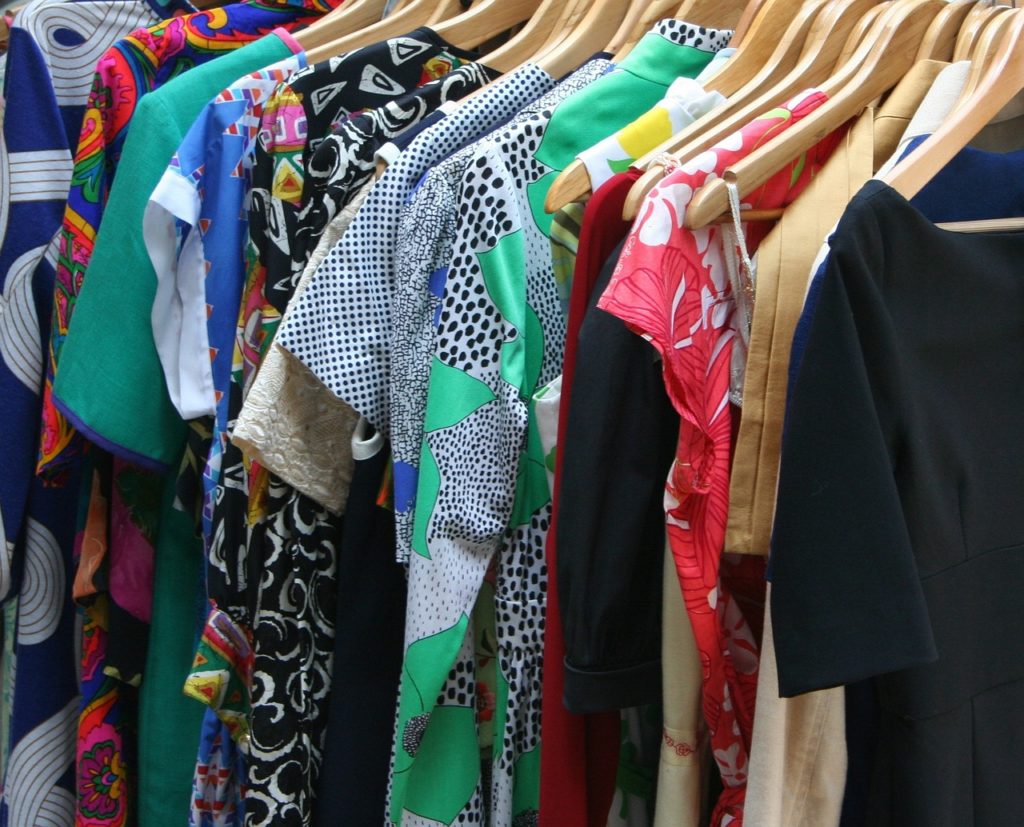
dress aesthetic enhancements

Aims of Textile Finishing: Enhancing Functionality and Aesthetics

Textile finishing is a critical stage in the production of textiles, aimed at enhancing their functionality, aesthetics, and performance to meet diverse consumer and industrial needs. This article explores the primary objectives of textile finishing, including improving appearance, enhancing durability, imparting functional properties, ensuring comfort, and promoting sustainability. By examining these aims in detail, the article highlights the importance of finishing processes in delivering high-quality textile products for various applications.

Aims of Textile Finishing: Enhancing Functionality and Aesthetics Read More »

Schiffli Embroidery Fabric Fixation Systems

Schiffli Embroidery Fabric Fixation Systems: Mechanisms and Applications

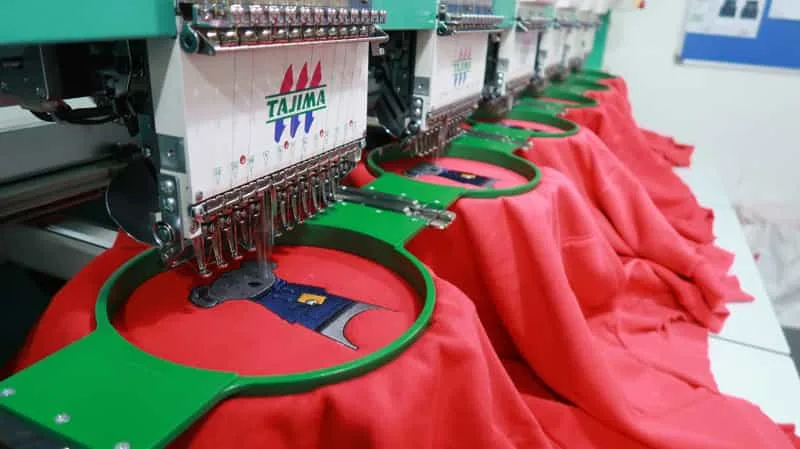
Schiffli embroidery, renowned for its intricate and ornate patterns, relies on specialized fabric fixation systems to ensure precision and stability during the embroidery process. This article examines the primary fabric fixation systems used in Schiffli embroidery machines—magic tape, needle, and fishbone systems—detailing their mechanisms, advantages, and applications. By exploring their roles in maintaining fabric tension and alignment, this article provides a comprehensive resource for textile professionals seeking to optimize Schiffli embroidery production.

Schiffli Embroidery Fabric Fixation Systems: Mechanisms and Applications Read More »

Schiffli Embroidery

Schiffli Embroidery Finishing and Detailing

Schiffli embroidery finishing and detailing involve meticulous processes like thread trimming, stabilizer removal, cleaning, pressing, and quality inspection to refine embroidered textiles. These steps ensure high-quality, durable, and visually appealing products, making Schiffli embroidery ideal for apparel and home textiles.

Schiffli Embroidery Finishing and Detailing Read More »

textile finishing

Finishing of textile products

Finishing encompasses chemical or mechanical treatments performed on fibre, yarn, or fabric to improve appearance, texture, or performance. Some of the fabric finishing methods are-Brushing, Shearing, Pressing, Raising, Beetling, Calendaring, Folding, etc. Finishing can be carried out in 3 stages i.e. Pre-treatment, coloration and Finishing.

Finishing of textile products Read More »

textile printing

Textile Printing

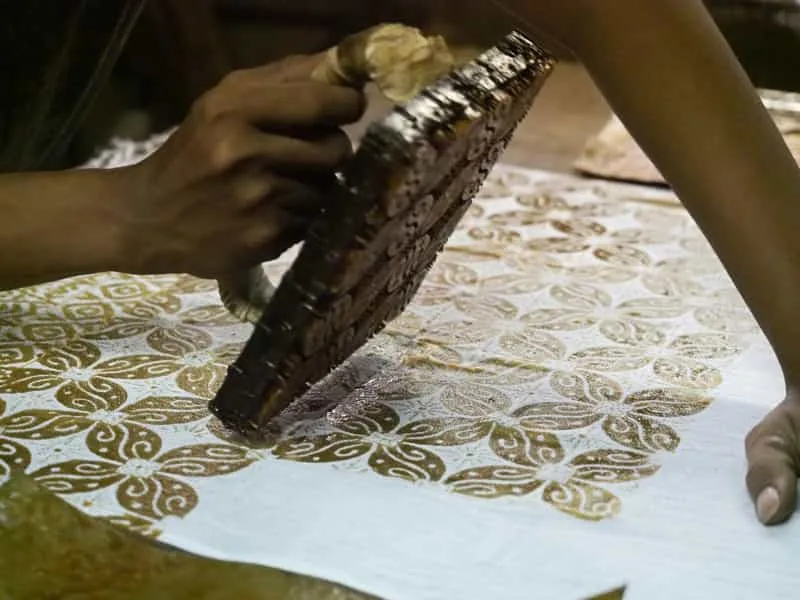
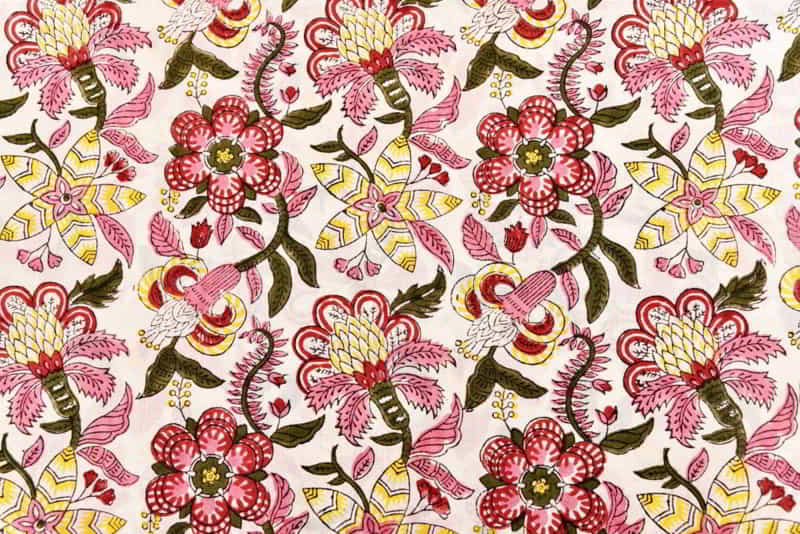
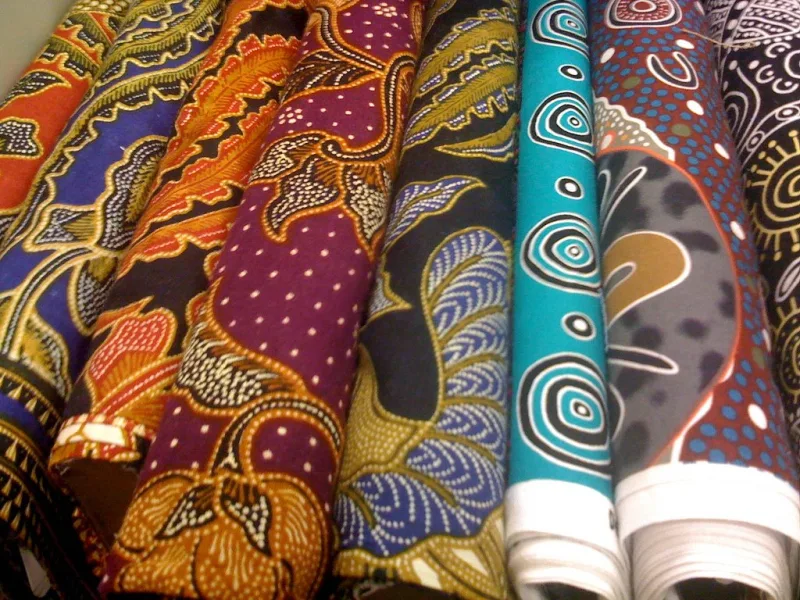
Fabrics are often printed with colour and patterns using a variety of techniques and machine types. It is the process of transferring colour, pattern, motif or decoration of one or more colours in any one of a variety of methods or techniques to fabric. It involves the surface application of colour in a predetermined pattern, design or motif by manual or mechanical directed discharge, direct or resist methods.

Textile Printing Read More »

textile dyeing

Types of Dyes – classification based on chemical structure

The Dyes are classified based on the fibers to which they can be applied and the chemical nature of each dye. Dyes are complex unsaturated aromatic compounds fulfilling characteristics like intense color, solubility, Substantiveness, and fastness. Dyes can be defined as the different type of coloring particles which differ in each type from the other in chemical composition and are used for coloring fabrics in different colors and shades which are completely soluble in liquid media.

Types of Dyes – classification based on chemical structure Read More »

Scroll to Top