

Textile Design
Textile Design Software: CAD Tools for Weave, Knit and Print Compared
Textile design software is chosen by fabric and machine: weaving CAD for dobby and Jacquard, knit systems, print tools and RIPs, 3D tools and free options.
Article
Reference hub covering glossaries, standards, sourcing directories, cost calculators, and foundational explainers. It helps students, buyers, and engineers get oriented fast with neutral, fact-checked primers and links to deeper modules across the site. This section explains practical decision criteria, typical test methods, and failure modes that matter in real production. Readers get checklists, calculation steps, and case examples connecting specifications to cost, reliability, and compliance. Links map core concepts to upstream inputs and downstream processes so choices remain consistent across sourcing, manufacturing, and end-use performance. Each article includes definitions, diagrams where helpful, and plain-language notes to help newcomers ramp quickly while giving experienced professionals the depth needed to troubleshoot and optimize. Standards references are cited with context, and whenever trade-offs exist, we make them explicit so you can defend decisions.
Textile Design
Textile design software is chosen by fabric and machine: weaving CAD for dobby and Jacquard, knit systems, print tools and RIPs, 3D tools and free options.
Article
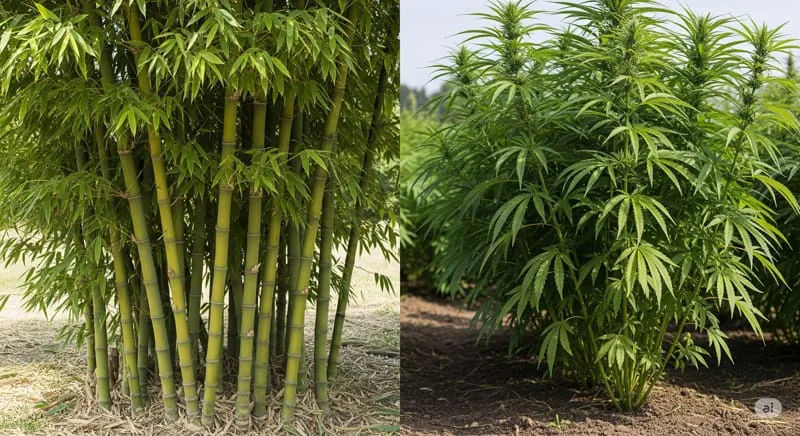
Sustainable Textile
Hemp is a natural bast fibre; most bamboo fabric is viscose made with carbon disulfide. Label names in the US, Canada and EU, and what the LCAs show.
Article
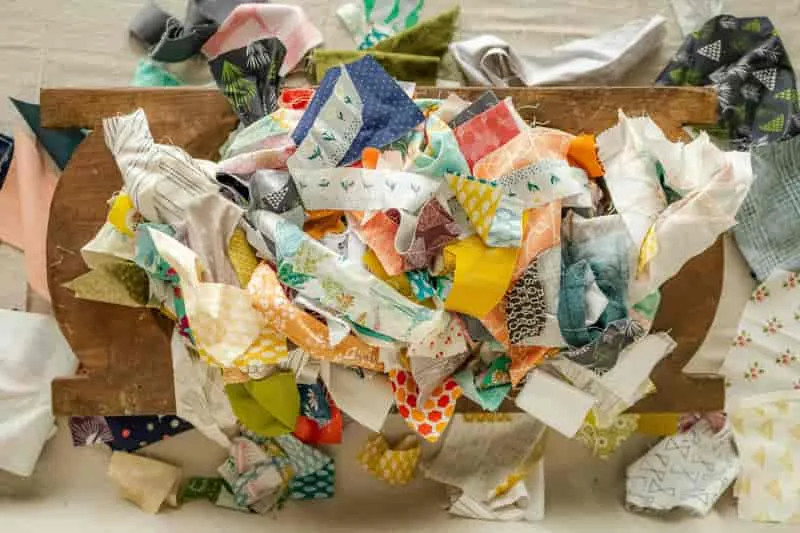
Sustainable Textile
Textile waste is no longer just a landfill burden—it’s a potential energy resource. This in-depth article explores how fabric scraps and used clothing can be transformed into electricity, biofuels, and more through advanced waste-to-energy technologies.
Article
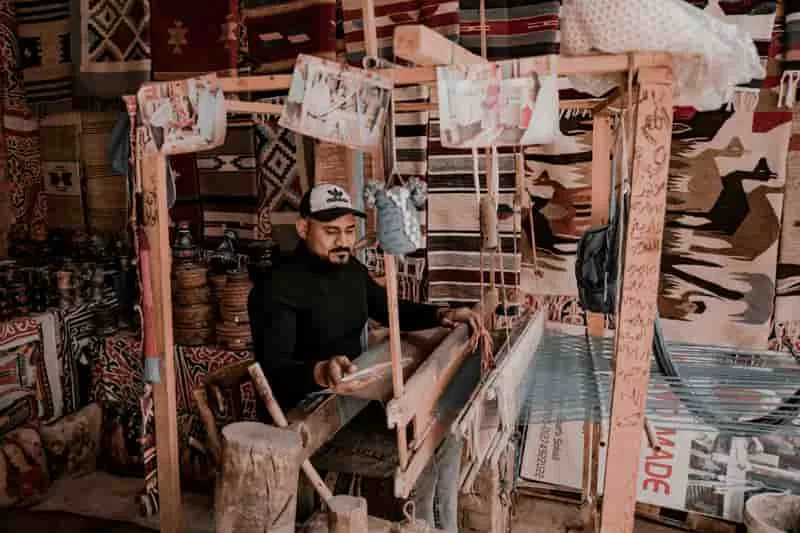
History & Culture
Indigenous textile techniques, such as ikat from Southeast Asia, Kente from Africa, and Chilkat weaving from North America, are vibrant expressions of cultural heritage. This article explores their historical roots, production processes, modern applications, and challenges, emphasizing their role in preserving global cultural identity and supporting sustainable artisan communities.
Article

Assorted
Explore the most promising textile startups revolutionizing the industry in 2025—from bio-based fabrics and circular design to smart wearables and digital manufacturing.
Article

Formulas/Calculations
This article provides a detailed guide to calculating fabric drape and handle properties, critical for assessing aesthetic and functional performance in textile manufacturing. It includes formulas for drape coefficient, bending length, stiffness, and shear properties, supported by derivations and practical examples. Designed for textile designers, engineers, and quality control professionals, this resource aids in optimizing fabric characteristics for applications in apparel and technical textiles.
Article
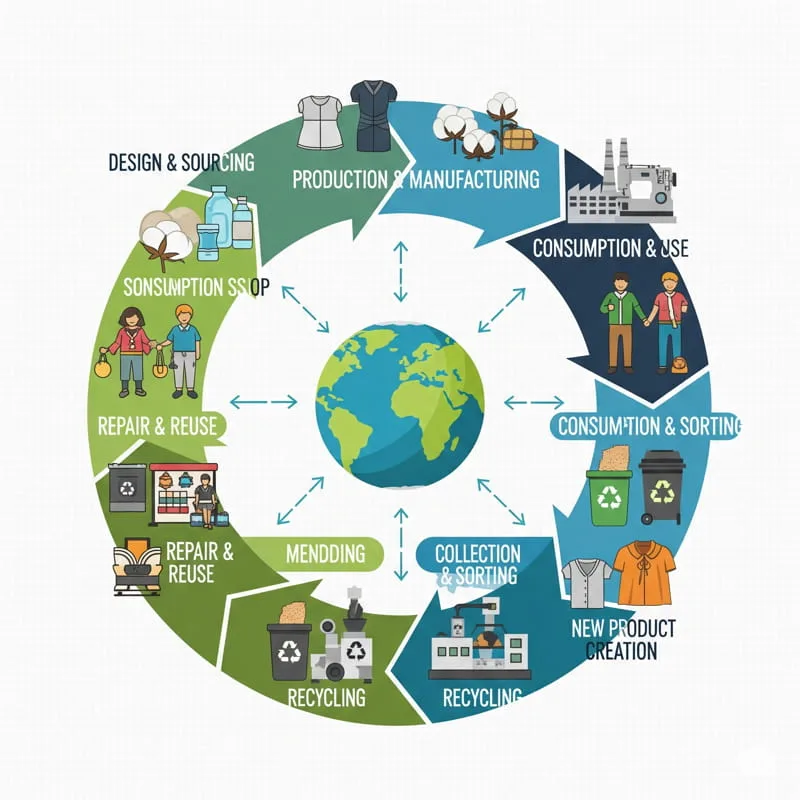
Sustainable Textile
Discover how the circular economy in textiles promotes sustainability through reuse, recycling, and regenerative practices, transforming the fashion industry.
Article

Meditech
Meditech is a specialized segment of technical textiles designed for use in medical and healthcare environments. From surgical gowns and wound dressings to implantable fabrics and artificial organs, Meditech products combine precision engineering with biocompatibility to support patient care, safety, and recovery.
Article

Study
Discover the world’s leading textile schools and universities, explore sought-after courses in textile engineering and fashion technology, and understand how emerging technologies like AI are shaping the industry’s future. This comprehensive guide highlights career paths, earning potential, and entrepreneurial opportunities within the global textile landscape.
Textile education holds significant importance globally, shaping experts capable of innovating and advancing one of humanity’s oldest and most essential industries. Textile schools, universities, and colleges across the world play a vital role in educating and preparing students to meet the challenges of a continuously evolving textile sector.
Article
Apparel
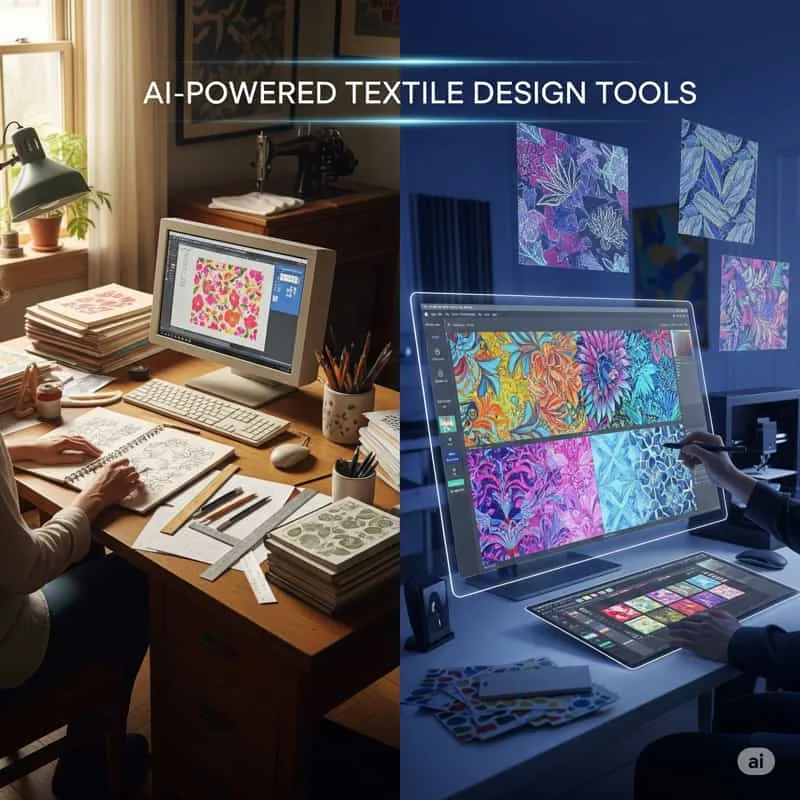
Artificial intelligence is reshaping the way textiles are designed—boosting creativity, speed, and sustainability. Discover how AI-powered tools are revolutionizing the creative process in fashion and textiles.
Article
Every record in these registers was sent in by somebody. Submissions are reviewed before they are published.
1,496 machines in the register.Tell us about a missing one 306 event series in the register.Submit a trade fair or conference 3,038 standards tracked in the register.Get the changes by email each week