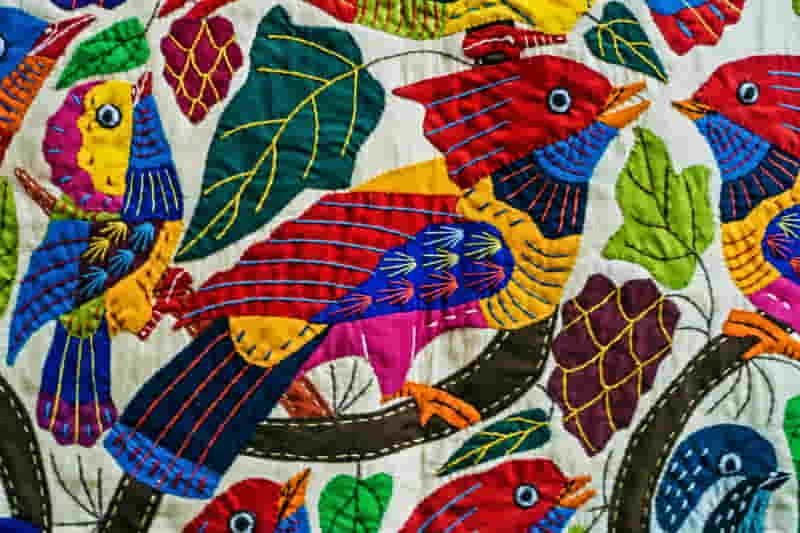
India, the world’s second-largest textile producer, is driving global sustainability through initiatives like the Sustainable Textiles for Sustainable Development (SusTex) project. By promoting eco-friendly fabrics such as organic cotton, hemp, and Pinatex, India reduces water usage, carbon emissions, and chemical pollution. The SusTex project has enabled MSMEs to produce 100% eco-friendly products, cut costs by 40% (EUR 3.3 million), and leveraged significant green finance. These efforts align with global sustainability goals, addressing the fashion industry’s environmental challenges while enhancing India’s position in the global market, projected to reach US$ 350 billion by 2030.
Key Points
- India is a global leader in textile production, contributing 4.6% to world trade, with sustainability initiatives like SusTex reducing environmental impact.
- Research suggests organic cotton uses up to 91% less irrigation water, though lower yields may require more land, sparking debate.
- Hemp sequesters 8-15 tonnes of CO2 per hectare, making it a carbon-negative option.
- Recycled polyester and Pinatex reduce waste but face challenges like microplastic shedding.
- Government schemes like PM MITRA and A-TUFS support sustainable practices, enhancing global competitiveness.
- Challenges include fragmented supply chains and high costs, but opportunities lie in growing global demand for eco-friendly textiles.
India’s Textile Industry and Sustainability

India’s textile industry, employing over 45 million people and contributing 2.3% to GDP, is a global powerhouse. However, it faces environmental challenges, including high water consumption and chemical pollution. Initiatives like the SusTex project are transforming the sector by promoting sustainable production and consumption. By adopting eco-friendly fabrics and technologies, India is reducing its environmental footprint and setting a precedent for global sustainability.
Global Impact of Sustainable Textiles
India’s sustainable textile efforts contribute significantly to global environmental goals. By producing organic cotton, hemp, and innovative materials like Pinatex, India addresses water scarcity, reduces carbon emissions, and minimizes waste. These efforts align with international demands for eco-friendly products, enhancing India’s export market, valued at US$ 35.9 billion in FY24 and projected to reach US$ 100 billion by FY30.
Challenges and Opportunities
While India faces challenges like fragmented supply chains and high costs for sustainable materials, government support through schemes like PM MITRA and A-TUFS, along with growing global demand, presents opportunities. These initiatives position India as a leader in sustainable fashion, influencing global standards and practices.
Sustainable Textiles: India’s Role in Shaping Global Eco-Friendly Fashion
Introduction
The global textile industry, valued at US$ 2.5 trillion, is a cornerstone of economic activity but also a significant contributor to environmental degradation, accounting for approximately 10% of global carbon emissions and substantial water and chemical pollution. As the second-largest textile producer and third-largest exporter globally, India plays a pivotal role in addressing these challenges through sustainable textile initiatives. The Sustainable Textiles for Sustainable Development (SusTex) project exemplifies India’s commitment to eco-friendly production, reducing environmental impact while improving livelihoods. By leveraging eco-friendly fabrics like organic cotton, hemp, recycled polyester, and Pinatex, India is not only transforming its domestic industry but also setting global benchmarks for sustainable fashion. This article explores India’s sustainable textile initiatives, their environmental and social impacts, and their contributions to global sustainability goals, highlighting the challenges and opportunities that shape the industry’s future.
India’s Textile Industry: A Global Powerhouse
India’s textile industry is a vital component of its economy, contributing 2.3% to GDP, 12% to exports, and employing over 45 million people. With a market size of US$ 197 billion in 2023, it is projected to grow to US$ 350 billion by 2030 at a CAGR of 10.1%. As the second-largest producer of textiles and garments, India accounts for 4.6% of global trade, with major export markets including the US (27%), EU (18%), and UK (12%). The industry spans the entire value chain, from cotton cultivation—where India is the second-largest producer globally, contributing 24% of world production—to apparel manufacturing. However, the sector’s environmental footprint is significant, contributing 8.5% of global textile waste and consuming vast amounts of water and chemicals. To address these challenges, India is embracing sustainable practices, aligning with global demands for eco-friendly products.
The SusTex Project: A Model for Sustainable Development
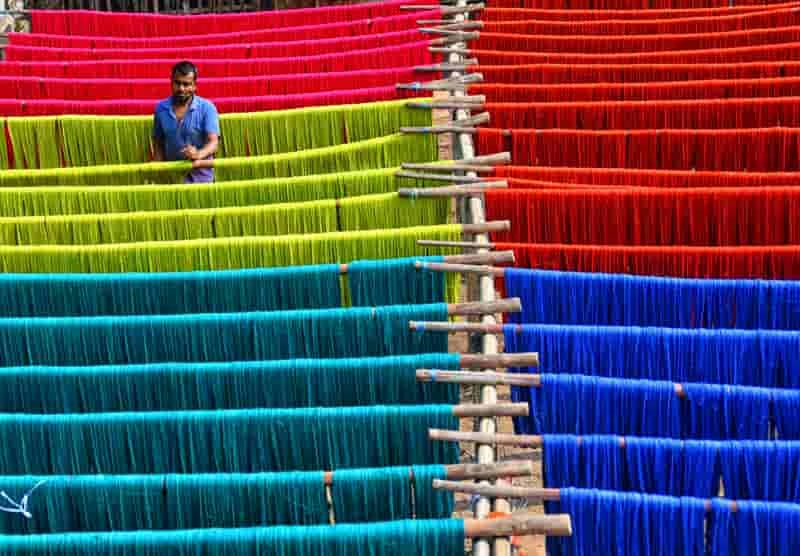
The Sustainable Textiles for Sustainable Development (SusTex) project is a flagship initiative driving sustainability in India’s textile sector. Focused on promoting eco-friendly production and consumption, SusTex has achieved remarkable outcomes:
- Eco-Friendly Production: Enabled micro, small, and medium enterprises (MSMEs) to produce 100% eco-friendly products, reducing reliance on harmful chemicals.
- Cost Reduction: Achieved cost savings of approximately 40% (EUR 3.3 million) of total investment through efficient technologies.
- Green Finance Access: Disseminated information on green finance to over 2,000 small and medium enterprises (SMEs), leveraging EUR 595,300 in project funds and EUR 3,416,800 from government sources.
- Model Textile Park: Established an eco-friendly textile park in Rajasthan, serving as a blueprint for other textile parks across India.
By integrating low-cost, eco-friendly technologies and handmade crafts, SusTex supports artisans’ livelihoods while promoting climate degradation-free processes. This initiative demonstrates how sustainable practices can drive economic and environmental benefits, setting a precedent for global textile industries.
Sustainable Fabrics Driving Global Change
India’s adoption of sustainable fabrics is a cornerstone of its environmental strategy, contributing to global sustainability goals. Key fabrics include:
Organic Cotton
Organic cotton, grown without synthetic pesticides or GMOs, is a flagship sustainable fabric in India. Research from Textile Exchange suggests it uses up to 91% less blue water than conventional cotton due to improved soil health, though some studies, like one from Quartz (2017), note that lower yields may require more land, potentially increasing water use in certain contexts. India, producing 24% of global cotton, is a leader in organic cotton, with brands like Pact utilizing GOTS-certified fibers for breathable, eco-friendly clothing.
Hemp
Hemp is a carbon-negative crop, sequestering 8-15 tonnes of CO2 per hectare annually, more than many forests. Requiring minimal water (300-500 liters per kg compared to cotton’s 10,000 liters) and no pesticides, hemp improves soil health and is ideal for durable garments. Brands like Patagonia incorporate hemp, showcasing its global appeal.
Recycled Polyester (rPET)
Recycled polyester, made from plastic bottles, uses 59% less energy and less water than virgin polyester. It reduces landfill waste but sheds microplastics, a challenge being addressed through innovations like washing bags. Brands like Girlfriend Collective use rPET for sustainable activewear, meeting global demand for recycled materials.
Pinatex
Pinatex, a vegan leather alternative made from pineapple leaf fibers, reduces agricultural waste and supports rural communities. Used by brands like Svala and Camper, Pinatex is biodegradable, though some synthetic components limit full biodegradability. Its adoption by global brands like H&M and Hugo Boss highlights India’s influence in innovative textiles.
Tencel Lyocell
Tencel, produced from sustainably sourced wood pulp in a closed-loop process, uses one-third the water of rayon and is biodegradable. Brands like tentree use Tencel for soft, moisture-wicking apparel, aligning with global sustainability trends.
Environmental Benefits of India’s Sustainable Textiles
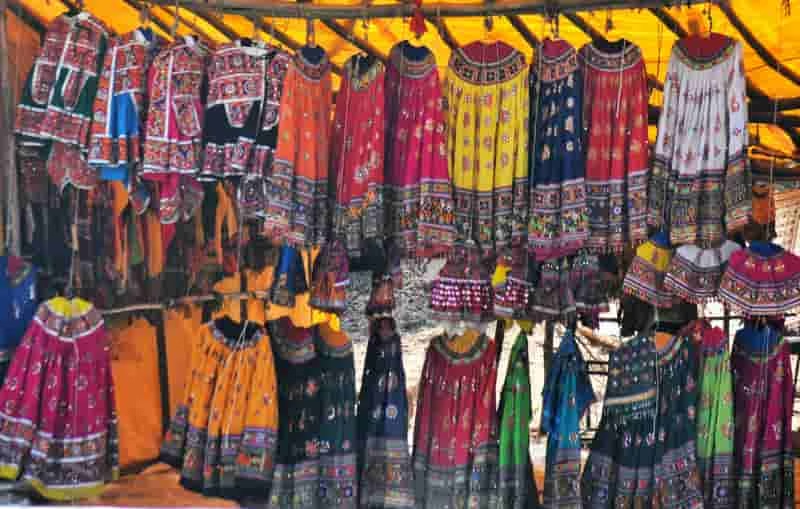
India’s sustainable textile initiatives offer significant environmental benefits, contributing to global efforts to combat climate change:
- Water Conservation: Organic cotton and hemp reduce water usage significantly compared to conventional cotton, which requires up to 2,700 liters for a single t-shirt.
- Carbon Reduction: Hemp’s carbon sequestration and the use of renewable energy (e.g., solar power by Welspun) lower the industry’s carbon footprint, which accounts for 10% of global emissions.
- Waste Minimization: Recycled polyester and Pinatex repurpose waste, reducing the 8.5% of global textile waste attributed to India.
- Chemical Pollution Reduction: Organic fibers and green certifications like GOTS and Oeko-Tex 100 minimize chemical runoff, protecting water bodies.
- Biodiversity Support: Organic farming practices enhance soil health and promote biodiversity, aligning with global conservation goals.
Global Impact and Leadership
India’s sustainable textile initiatives have far-reaching global implications:
- Market Influence: With textile exports valued at US$ 35.9 billion in FY24, projected to reach US$ 100 billion by FY30, India’s eco-friendly products meet growing global demand, particularly in the US, EU, and UK.
- Circular Economy: Initiatives like Project SU.RE and PM MITRA parks promote circularity, aligning with global efforts to reduce waste and enhance resource efficiency.
- Innovation Leadership: India’s adoption of technologies like zero liquid discharge and eco-wash machines sets benchmarks for other textile-producing nations like Bangladesh and Pakistan.
- International Collaboration: Agreements like the EU-India Joint Declaration on Resource Efficiency and Circular Economy (2017) foster global cooperation, enhancing India’s role in sustainable textile trade.
Real-World Applications
Leading brands demonstrate India’s impact on global sustainable fashion:
- Patagonia: Uses organic cotton, hemp, and recycled polyester, with 98% of its products incorporating recycled materials, promoting a circular economy.
- Svala and Camper: Utilize Pinatex for vegan handbags and footwear, showcasing India’s innovative materials on the global stage.
- Shahi Exports: Adheres to Zero Discharge of Hazardous Chemicals (ZDHC) standards, leading the way in chemical safety since 2012.
- H&M and Hugo Boss: Incorporate Pinatex, highlighting India’s scalable sustainable solutions in high fashion.
Challenges in Scaling Sustainability
Despite progress, India’s textile industry faces challenges in achieving full sustainability:
- Fragmented Supply Chain: Only 5% of fabric is produced in organized mills, with 57% from decentralized power looms, complicating traceability.
- High Costs: Sustainable materials and technologies are expensive, particularly for MSMEs, which dominate the sector.
- Infrastructural Gaps: Reliance on imported machinery (50-60%) and high excise duties hinder technological upgrades.
- Regulatory and Skill Gaps: Lack of mandatory sustainability regulations and a shortage of 500,000 trained workers limit adoption.
Opportunities for Growth
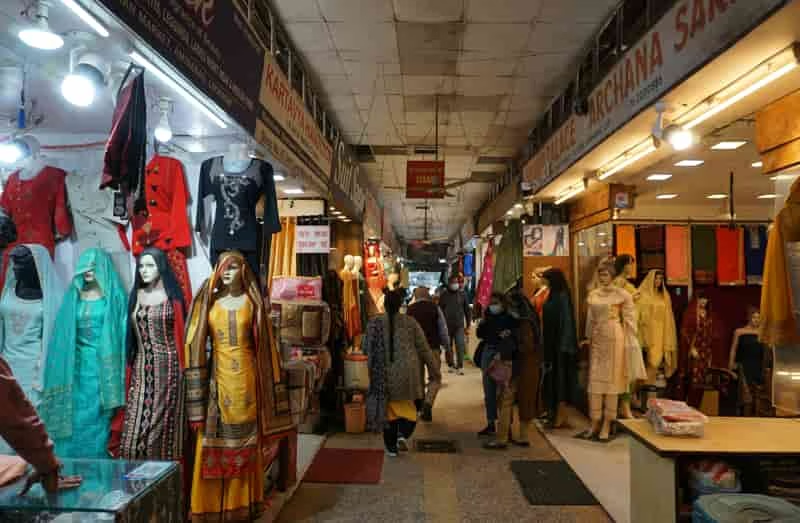
India’s sustainable textile sector is poised for growth due to:
- Government Support: Schemes like A-TUFS (US$ 75.74 million for 3,159 cases) and PM MITRA (US$ 541.82 million for seven parks by 2027–28) provide financial and infrastructural support.
- Global Demand: Rising consumer preference for eco-friendly products drives export opportunities.
- Technological Advancements: Increased R&D expenditure (from Rs. 394.4 billion in 2007–08 to Rs. 1.1 trillion in 2017–18) and AI/IT systems enhance traceability and efficiency.
- Innovative Brands: Companies like Péro, Doodlage, and Upasana implement sustainable practices, inspiring global adoption.
Policy Recommendations for Global Alignment
To strengthen India’s role in global sustainable textiles, the following policies are recommended:
- Transition farmers to organic methods to reduce chemical use.
- Increase production of human-made fibers like Tencel to lower resource consumption.
- Implement transparency and traceability policies to meet global standards.
- Prioritize renewable energy in textile parks to reduce carbon emissions.
- Abolish outdated policies like hank yarn obligations to modernize the industry.
The Future of Sustainable Textiles
The global sustainable textile market is evolving rapidly, with innovations like Qmonos (synthetic spider silk) and Circulose (recycled textile pulp) gaining traction. India’s organic cotton production is increasing by 37% annually, and technological advancements are driving efficiency. As consumer awareness grows, India’s leadership in sustainable textiles will shape global practices, supporting a shift toward slow fashion and circular economies.
Conclusion
India’s sustainable textile initiatives, led by projects like SusTex, are transforming the global fashion industry by reducing environmental impact and promoting ethical practices. By leveraging eco-friendly fabrics, innovative technologies, and government support, India is addressing the industry’s challenges while capitalizing on opportunities to lead in sustainable fashion. As the sector grows toward a projected US$ 350 billion by 2030, India’s efforts will continue to influence global standards, fostering a greener, more equitable future for fashion. For more insights on sustainable textiles, visit Textile School.
Citations
- India Brand Equity Foundation. “India’s Textile Industry: Embracing Sustainability and Innovation.” IBEF, 29 Nov. 2024, www.ibef.org/blogs/india-s-textile-industry-embracing-sustainability-and-innovation.
- Invest India. “India Goes Green: Textile Industry.” Invest India, 20 Sept. 2021, www.investindia.gov.in/siru/india-goes-green-textile-industry.
- Tewari, Meenu, et al. “What Motivates and Inhibits Indian Textile Firms to Embrace Sustainability?” Asian Journal of Sustainability and Social Responsibility, 12 Mar. 2020, ajssr.springeropen.com/articles/10.1186/s41180-020-0032-8.
- Stockholm Environment Institute. “Gaps, Challenges and Drivers for Environmentally Sustainable Textile and Garment Manufacturing in India.” SEI, 25 May 2023, www.sei.org/wp-content/uploads/2023/05/sustainable-garment-manufacturing-india-sei2023.033.pdf.
- United Nations Framework Convention on Climate Change. “Sustainable Textiles for Sustainable Development.” UNFCCC, unfccc.int/climate-action/momentum-for-change/activity-database/sustainable-textiles-for-sustainable-development.
- Textile Exchange. “The Life Cycle Assessment of Organic Cotton Fiber: Summary of Findings.” Textile Exchange, store.textileexchange.org/product/the-life-cycle-assessment-of-organic-cotton-fiber-summary-of-findings/.
- European Commission. “Hemp.” European Commission, agriculture.ec.europa.eu/farming/crop-productions-and-plant-based-products/hemp_en.
- Sustainable Jungle. “31 Sustainable Fabrics For Lower Impact Fashion.” Sustainable Jungle, 5 Aug. 2024, www.sustainablejungle.com/sustainable-fabrics/.
- The Good Trade. “The 15 Best Sustainable Materials And Eco Friendly Fabrics.” The Good Trade, 9 July 2025, www.thegoodtrade.com/features/sustainable-clothing-fabrics/.
- Ananas Anam. “About Us.” Ananas Anam, www.ananas-anam.com/about-us/.
- Patagonia. “Environmental Responsibility.” Patagonia, www.patagonia.com/environmental-responsibility-materials/.
- Shahi Exports. “Sustainable Textile Industry in India, Sustainable Fabric Mills.” Shahi, 7 May 2021, www.shahi.co.in/fabric/.