Kashida embroidery is a unique and intricate art form rooted in the traditions of the Middle East and North Africa. Its name derives from the “kashida”—an elongation used in Arabic calligraphy to balance and beautify scripts. Over centuries, this concept evolved into a distinctive style of embroidery marked by flowing, elongated motifs that echo the fluid lines of calligraphy. Today, Kashida embroidery not only preserves cultural heritage but also adapts to modern design sensibilities, sustainability demands, and global market trends. This article explores every facet of Kashida embroidery—from its cultural and historical origins to modern production processes, worker contributions, geographical spread, sourcing practices, and future prospects.
1. Introduction
Kashida embroidery is celebrated for its artistic beauty, cultural symbolism, and technical complexity. It represents the convergence of traditional handcraft and modern innovation. As an exclusive platform dedicated to educating textile professionals and enthusiasts, TextileSchool.com presents this guide to offer a thorough understanding of Kashida embroidery, its historical evolution, design principles, and production techniques. This article delves into the significance of Kashida embroidery, discussing its materials, processes, and the socio-economic factors that shape its practice worldwide.
In today’s textile landscape, where sustainability, authenticity, and heritage play key roles, Kashida embroidery stands out as an exemplary fusion of tradition and modernity. By integrating cultural artistry with advanced digital tools and ethical sourcing, contemporary artisans can produce textiles that captivate global markets while preserving time-honored techniques.
2. Historical Evolution and Cultural Importance
2.1 Early Origins and Traditional Roots
The origins of Kashida embroidery trace back to ancient civilizations in the Arabian Peninsula, where early artisans used simple stitches to embellish garments and household items. Early texts and archaeological artifacts reveal that the practice of decorating textiles with elongated, calligraphic motifs was already present in pre-Islamic times. As Arabic calligraphy developed, the notion of the “kashida”—the deliberate elongation of letters to achieve aesthetic balance—transcended written language and became integrated into textile decoration.
Over the centuries, as the Islamic empire expanded, Kashida embroidery flourished. It became a favored decorative art for luxurious textiles, ceremonial garments, and architectural textiles in mosques and palaces. The fusion of religious symbolism, artistic expression, and technical skill elevated Kashida embroidery from a simple decorative technique to a refined cultural art form.
2.2 Cultural Symbolism and Heritage
Kashida embroidery embodies rich cultural symbolism. The elongated, flowing lines represent continuity, beauty, and divine perfection. In many cultures, these motifs are believed to convey spiritual protection and prosperity. The art form functions not only as ornamentation but also as a narrative tool that tells stories of heritage, identity, and social values.
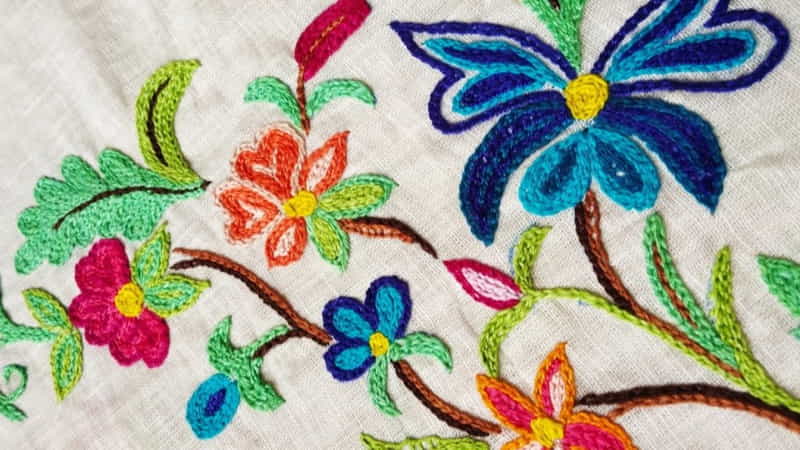
Different regions have developed distinctive variations of Kashida embroidery. For example, some areas emphasize bold geometric designs combined with delicate floral accents, while others focus on intricate, free-flowing patterns that mimic the calligraphic strokes of classical Arabic scripts. These regional variations reflect local traditions, historical influences, and available materials, contributing to a vibrant tapestry of styles that continues to evolve.
A timeline illustrating key historical milestones in Kashida embroidery might be presented as follows:
| Era | Key Developments | Regions Influenced |
|---|---|---|
| Pre-Islamic | Early decorative stitching on fabrics | Arabian Peninsula |
| Early Islamic | Integration of calligraphic motifs into textiles | Middle East, North Africa |
| Medieval | Flourishing of textile arts; fusion with miniature painting | Persia, Ottoman Empire |
| Modern Era | Revival and adaptation through digital design and sustainable practices | Global |
Table 1. Historical timeline of Kashida embroidery.

3. Types and Variations of Kashida Embroidery
Kashida embroidery is not a monolithic art form; it encompasses a range of styles, techniques, and motifs that vary by region, material, and cultural context.
3.1 Traditional Hand Embroidery vs. Machine Embroidery
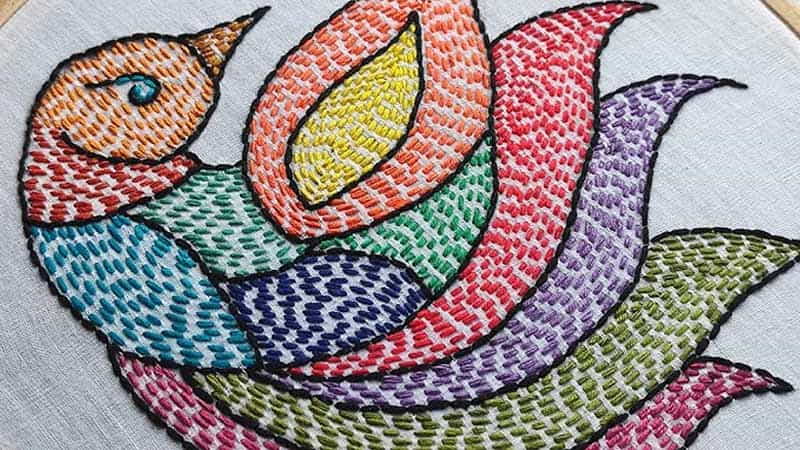
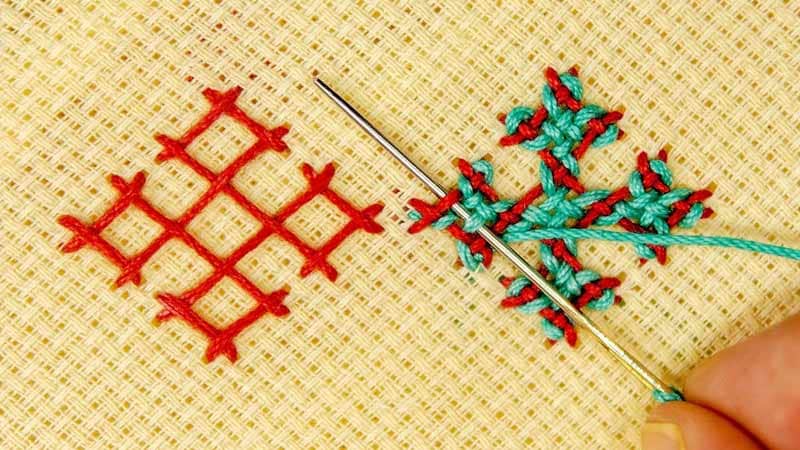
Historically, Kashida embroidery was exclusively a handcraft passed down from generation to generation. Traditional hand embroidery involves meticulous stitching techniques such as chain stitch, satin stitch, stem stitch, and French knots. These techniques are characterized by their fluidity and precision, resulting in highly detailed and individualized works of art.
In recent decades, modern embroidery machines have supplemented hand techniques. Computerized embroidery systems can reproduce intricate Kashida patterns with high consistency and speed. Many artisans now use a hybrid approach, combining machine-produced base patterns with hand-applied embellishments to preserve the authentic feel while meeting market demands for mass production.
3.2 Regional Variations
Regional variations in Kashida embroidery are influenced by local culture, climate, and available materials. For example:
- Egyptian Kashida: Often features bold, geometric patterns with intricate calligraphic details.
- Moroccan Kashida: Known for its vibrant color schemes and a mix of floral and abstract motifs.
- Gulf and Arabian Styles: Emphasize flowing, elongated designs that mimic the natural movement of Arabic script.
- Modern Adaptations: Fusion styles that blend traditional Kashida motifs with contemporary design elements, often seen in high-end fashion and home décor.
A diagram summarizing regional variations might look like this:
                 Traditional Kashida Embroidery
                             │
          ┌──────────────────┼──────────────────┐
          │                  │                  │
      Egyptian            Moroccan         Arabian/Gulf
          │                  │                  │
    Geometric motifs     Vibrant colors     Elongated, fluid forms
          │                  │                  │
     Heritage-rich      Mixed floral/abstract  Calligraphic elegance
3.3 Contemporary Innovations
Contemporary designers are reinterpreting Kashida embroidery for modern aesthetics. Innovations include:
- Experimentation with non-traditional fabrics such as synthetic blends and eco-friendly materials.
- Use of metallic and reflective threads to create dynamic visual effects.
- Incorporation of digital printing techniques alongside traditional embroidery to create hybrid textile designs.
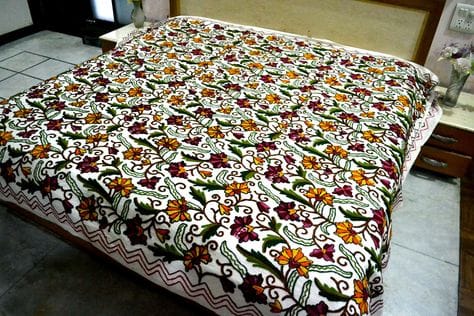
- Adaptation for various product categories, from ready-to-wear fashion to home furnishings and accessories.
These innovations reflect the dynamic evolution of Kashida embroidery as it adapts to the demands of a global, modern market while preserving its cultural essence.
4. Materials and Sourcing for Kashida Embroidery
4.1 Fabric Selection
The base fabric in Kashida embroidery is critical for achieving high-quality results. Traditional choices include high-quality cotton, silk, or a blend of both. The fabric must provide a smooth, stable surface for precise stitching and maintain its integrity through multiple processing stages.
- Cotton: Valued for its durability, breathability, and ease of care. Organic cotton is often preferred for its sustainability.
- Silk: Chosen for its luxurious sheen, smooth texture, and excellent drape. Silk provides a sophisticated background that enhances intricate designs.
- Blended Fabrics: Combining cotton and silk or incorporating synthetic fibers can enhance properties such as wrinkle resistance and colorfastness.
4.2 Thread Selection
High-quality threads are essential for Kashida embroidery. Traditional artisans favor silk or cotton threads for their natural luster and durability. Modern variations may include metallic threads or eco-friendly synthetic alternatives. The choice of thread influences the vibrancy, texture, and longevity of the embroidery.
4.3 Sourcing Practices
Ethical sourcing of materials plays a significant role in preserving the cultural and environmental integrity of Kashida embroidery. Sourcing practices focus on:
- Quality: Selecting fabrics and threads that meet stringent quality criteria.
- Sustainability: Utilizing organic or ethically produced materials to reduce environmental impact.
- Traceability: Ensuring a transparent supply chain through certifications such as GOTS and Fair Trade.
- Local Sourcing: Supporting local industries and traditional markets by sourcing materials from regions with a rich heritage in textile production.
A table summarizing material sourcing criteria may appear as follows:
| Material | Key Qualities | Sourcing Considerations |
|---|---|---|
| Cotton | Soft, durable, breathable | Organic certifications, local production |
| Silk | Luxurious, smooth, lustrous | Ethical rearing of silkworms, GOTS certification |
| Metallic Threads | Reflective, vibrant | Recycled or sustainably produced |
| Blended Fabrics | Enhanced performance | Consistent quality, eco-friendly components |
Table 2. Summary of materials and sourcing criteria for Kashida embroidery.
5. Production Process and Techniques
The production of Kashida embroidery involves multiple stages that combine traditional handcraft with modern technology. Each stage is essential for preserving the integrity of the design and ensuring high-quality output.
5.1 Pre-Embroidery Preparation
Before embroidery begins, the fabric must be prepared:
- Washing and Ironing: To remove impurities and wrinkles.
- Stabilizing the Fabric: Using stabilizers or backing materials to maintain fabric tension.
- Design Transfer: Transferring the Kashida design onto the fabric using tracing, printing, or digital projection methods.
A flowchart summarizing these steps is as follows:
Fabric Selection → Washing & Drying → Stabilization → Design Transfer → Ready for Embroidery
This flowchart emphasizes the importance of preparation for achieving precise and consistent embroidery.
5.2 Embroidery Execution
The execution phase is where the artistry of Kashida embroidery comes to life. It involves:
- Hand Embroidery Techniques: Artisans use fine needles and high-quality threads to execute various stitches, such as chain stitch, satin stitch, and stem stitch, which are integral to achieving the Kashida effect.
- Machine Embroidery: Modern computerized embroidery machines are used for high-volume production while maintaining design precision. Hybrid approaches often combine machine embroidery with hand embellishments to capture the nuances of traditional techniques.
- Stitch Density and Tension: Maintaining proper stitch density is crucial. A formula to calculate stitch density is:
Stitch Density=NA\text{Stitch Density} = \frac{N}{A}
where NN is the number of stitches, and AA is the area (in cm²).
5.3 Post-Embroidery Finishing
After the embroidery is completed, the textile undergoes finishing processes:
- Washing and Drying: To remove any residual stabilizer or transfer markings.
- Pressing and Ironing: To smooth the finished product.
- Additional Embellishments: Such as adding fringe or borders for enhanced decorative effect.
- Quality Inspection: Ensuring the final product meets quality standards.
A diagram summarizing the entire production process is shown below:
[Fabric Preparation] → [Design Transfer] → [Hand/ Machine Embroidery] → [Finishing Processes] → [Quality Control] → [Final Product]
6. Worker and Artisan Communities
6.1 The Role of Skilled Artisans
The heart of Kashida embroidery lies in the skill and creativity of its artisans. Traditionally, Kashida embroidery has been passed down through generations, with master embroiderers training apprentices in intricate techniques. These artisans possess a deep understanding of the cultural symbolism, design aesthetics, and technical precision required to produce high-quality embroidery.
6.2 Working Conditions and Community Impact
Artisan communities engaged in Kashida embroidery often reside in regions with rich cultural heritage. These communities contribute not only to the preservation of traditional techniques but also to local economic development. However, challenges such as inadequate infrastructure, limited access to modern tools, and low wages can impact their livelihoods.
Efforts to improve working conditions include:
- Fair Trade Initiatives: Ensuring that artisans receive fair compensation.
- Capacity Building: Training programs that enhance technical skills and introduce modern methods.
- Government and NGO Support: Programs aimed at preserving cultural heritage and supporting artisan communities.
Documenting the contributions of these workers and improving their working conditions is essential for the sustainable development of
A table summarizing key aspects of worker conditions might look like this:
| Aspect | Traditional Practice | Modern Improvements |
|---|---|---|
| Skill Transfer | Apprenticeship under master | Formal training programs, digital tools |
| Compensation | Low, informal payments | Fair Trade certification, improved wages |
| Infrastructure | Limited, rural settings | Investment in modern facilities |
| Social Impact | Preservation of cultural heritage | Community development initiatives |
Table 3. Overview of worker and artisan community conditions.

7. Geographical Distribution and Regional Variations
7.1 Traditional Centers of Kashida Embroidery
Kashida embroidery has deep roots in regions with Islamic and Arabic cultural heritage. Key geographical areas include:
- The Arabian Peninsula: Particularly in Saudi Arabia, Kuwait, and the United Arab Emirates, where traditional motifs and calligraphic designs are prominent.
- North Africa: Countries like Morocco and Egypt have long traditions of intricate embroidery that incorporate Kashida elements.
- The Levant Region: Including Syria, Lebanon, and Jordan, where historical trade routes influenced a rich exchange of textile art.
- South Asia: Certain regions of Pakistan and India have also integrated Kashida-inspired designs into their traditional embroidery.
These regions have cultivated distinct styles that reflect local history, climate, and cultural influences. Regional variations can be seen in color palettes, stitch techniques, and motif complexity.
7.2 Modern Global Distribution
Today, Kashida embroidery has transcended its traditional boundaries. Global demand for artisanal and culturally significant textiles has led to its adoption in international markets. Contemporary designers in Europe, North America, and Asia incorporate Kashida motifs into high-end fashion, home décor, and art installations. This global diffusion is supported by digital communication and international trade, allowing traditional artisans to reach a worldwide audience.
A world map diagram indicating the centers of traditional and modern Kashida embroidery might highlight:
- Traditional hubs: Middle East, North Africa, Levant.
- Emerging markets: Europe, North America, South Asia.
7.3 Sourcing and Distribution Networks
The sourcing of materials and distribution of embroidered textiles are closely linked to their geographical origins. Many traditional artisan communities source locally available fabrics and threads, maintaining a strong connection to their regional heritage. Modern supply chains, however, often integrate global sourcing with local production. For instance, eco-friendly fabrics may be imported from one region, while embroidery is executed by skilled artisans in another.
Supply chain transparency and certifications help ensure that products are ethically sourced and manufactured. Blockchain and digital traceability tools are increasingly used to map these complex networks, from raw material sourcing to finished product distribution.
8. Design, Aesthetics, and Symbolism
8.1 Key Design Elements
The distinctive aesthetic of Kashida embroidery is defined by its elongated, flowing motifs. These designs draw inspiration from Arabic calligraphy, where the kashida serves to elongate letters and create visual balance. Common design elements include:
- Elongated Lines: Creating dynamic, fluid patterns.
- Geometric Shapes: Interwoven with organic curves for balance.
- Floral and Abstract Motifs: Often integrated with calligraphic elements to convey cultural narratives.
8.2 Symbolism in Kashida Embroidery
Kashida embroidery is rich in symbolism. The extended strokes and graceful curves evoke concepts such as continuity, eternity, and spiritual transcendence. Specific motifs may represent protection, prosperity, or divine beauty. These symbolic meanings are deeply embedded in the cultural heritage of the regions where the art form developed and continue to influence contemporary designs.
8.3 Application of Color Theory
Color is a vital component in Kashida embroidery. Traditional color palettes often include deep hues such as indigo, crimson, emerald, and gold. Modern adaptations may integrate contemporary shades while preserving traditional symbolism. Designers carefully balance contrasting and complementary colors to achieve a harmonious design that enhances the intricate patterns.
A sample color table for traditional Kashida embroidery might be:
| Color | Typical Use | Cultural Significance |
|---|---|---|
| Indigo | Background, outlines | Wisdom, spirituality |
| Crimson | Accents, details | Passion, protection |
| Emerald | Fill areas, highlights | Growth, prosperity |
| Gold | Embellishments, borders | Wealth, divine connection |
Table 4. Example color scheme for Kashida embroidery.
9. Production Process and Techniques
9.1 Overview of the Production Process
Kashida embroidery production encompasses several critical stages, each contributing to the final quality and aesthetic of the textile. The process includes:
- Pre-Embroidery Preparation: Fabric selection, washing, stabilizing, and design transfer.
- Embroidery Execution: The actual stitching process using either hand or machine techniques.
- Post-Embroidery Finishing: Washing, pressing, additional embellishments, and quality inspection.
A detailed flowchart of the production process is presented below:
[Fabric Selection] → [Washing & Stabilization] → [Design Transfer] → [Embroidery Execution]
       ↓                                                            ↓
[Hand or Machine Embroidery] → [Post-Embroidery Finishing] → [Quality Control] → [Final Product]
This flowchart emphasizes the sequential and interdependent nature of each production phase.
9.2 Hand Embroidery Techniques
Traditional Kashida embroidery is executed by skilled artisans using a variety of stitches:
- Chain Stitch: Creates continuous, fluid lines that define the kashida effect.
- Satin Stitch: Provides smooth, lustrous areas that enhance visual depth.
- Stem Stitch: Used for outlining and adding delicate detail.
- French Knots: Add texture and accentuate focal points in the design.
Artisans often combine these techniques to achieve intricate, layered effects. Mastery of these methods requires years of training and practice.
9.3 Machine Embroidery Techniques
Modern embroidery machines have revolutionized production by enabling high-speed, consistent replication of Kashida designs. Computerized systems can precisely control stitch density, thread tension, and color application. Hybrid production methods combine machine efficiency with hand embellishment to capture the artisanal quality that defines Kashida embroidery.
9.4 Quality Control in Production
Rigorous quality control is essential to ensure consistency and durability. Key quality metrics include stitch density, thread tension, and color accuracy. Statistical Process Control (SPC) charts monitor these parameters in real time, enabling manufacturers to quickly address any deviations. A sample formula for calculating stitch density is:

10. Worker Conditions and Artisan Communities
10.1 The Role of Artisans
Skilled artisans are the backbone of Kashida embroidery. Their expertise and creativity ensure that each piece reflects centuries of cultural heritage. Traditional apprenticeship programs have been the primary means of transferring these skills. Artisans work in small workshops or community centers, often in rural areas where this craft has been passed down through generations.
10.2 Working Conditions and Fair Labor
Historically, many artisan communities faced challenging working conditions, including low wages and limited access to modern equipment. In recent years, initiatives by governments, NGOs, and industry groups have aimed to improve labor conditions through:
- Fair Trade Practices: Ensuring equitable wages and safe working environments.
- Capacity Building: Training programs that provide modern technical skills while preserving traditional techniques.
- Infrastructure Development: Investments in modern facilities and digital tools to enhance productivity and worker safety.
A table summarizing worker conditions might include:
| Aspect | Traditional Practice | Modern Improvements |
|---|---|---|
| Skill Transfer | Apprenticeship under master | Formal training, digital tutorials |
| Compensation | Often informal and low | Fair Trade certifications, regulated wages |
| Infrastructure | Small, family-run workshops | Modern facilities with improved equipment |
| Worker Welfare | Limited access to healthcare | Government and NGO support programs |
Table 5. Comparison of traditional and modern worker conditions in Kashida embroidery.
10.3 Community Impact
Artisan communities not only preserve cultural heritage but also drive local economies. Initiatives that support Kashida embroidery help maintain traditional livelihoods, promote rural development, and empower local women and youth. Ethical sourcing and fair labor practices have become critical for sustainable growth in this sector.
11. Geographical Distribution and Regional Influences
11.1 Traditional Regions
Kashida embroidery has deep roots in the Middle East and North Africa. Countries such as Saudi Arabia, Egypt, Morocco, and Jordan have long histories of employing embroidery as an art form. In these regions, embroidery is not only a decorative technique but also a cultural identifier. The motifs and styles vary according to regional traditions and historical influences.
11.2 Expanding Global Reach
In recent decades, Kashida embroidery has expanded beyond its traditional regions. Globalization and digital connectivity have enabled artisans to reach international markets. Designers in Europe, North America, and Asia increasingly incorporate Kashida elements into contemporary fashion and home décor. This cross-cultural exchange has led to innovative adaptations that merge traditional techniques with modern design sensibilities.
11.3 Regional Variations
Distinct regional styles exist:
- Egyptian and Levantine Styles: Emphasize geometric precision and bold motifs.
- Maghrebi Styles: Feature vibrant colors and fluid, organic patterns.
- Gulf and Arabian Styles: Often reflect a blend of calligraphic elegance and ornamental detail.
- South Asian Adaptations: Integrate Kashida elements with local embroidery traditions for a unique fusion style.
A world map showing the distribution of Kashida embroidery practices can illustrate these regional influences and highlight the global impact of this art form.
12. Sourcing and Supply Chain Management
12.1 Raw Materials Sourcing
The success of Kashida embroidery depends heavily on high-quality raw materials. Sourcing practices focus on:
- Fabrics: Organic cotton, silk, and sustainable blends are preferred for their smooth texture and durability.
- Threads: High-quality silk, cotton, and eco-friendly synthetic threads are used to achieve vibrant, long-lasting designs.
- Tools and Equipment: Traditional tools, such as fine needles and embroidery hoops, are combined with modern digital design tools.
Ethical sourcing is paramount. Many companies now collaborate with certified suppliers who adhere to sustainable and fair trade practices. This not only guarantees quality but also supports artisan communities.
12.2 Supply Chain Transparency
Modern supply chains leverage digital tools such as blockchain and IoT for enhanced transparency and traceability. These systems track raw materials from farm to factory, ensuring compliance with environmental and ethical standards. Transparent supply chains build consumer trust and open international market opportunities.
A flowchart illustrating supply chain management in Kashida embroidery might be:
Raw Material Sourcing → Supplier Certification → Transportation → Production → Quality Control → Distribution → Retail
13. Economic Impact and Market Trends
13.1 Global Market Overview
The market for Kashida embroidered textiles is growing as consumers increasingly value artisanal, culturally rich, and eco-friendly products. Regional centers in the Middle East and North Africa have a long heritage in embroidery, while modern adaptations in Europe and North America have sparked new interest.
Market research indicates that demand for high-quality embroidered textiles is rising steadily, driven by trends in sustainable fashion and heritage craftsmanship. Premium pricing and niche market positioning allow brands that emphasize Kashida embroidery to capture a loyal customer base.
13.2 Cost-Benefit Analysis
Investments in traditional craftsmanship, combined with modern technology, yield products that command premium prices. Although production costs can be high due to labor intensity and quality material requirements, the long-term benefits include enhanced brand reputation, reduced waste, and higher market share.
A comparative chart of production costs versus market pricing for Kashida embroidered textiles can illustrate the economic advantages. Such charts typically reveal that while the initial investment is significant, the added value from craftsmanship and cultural authenticity results in competitive pricing.
13.3 Competitive Advantage
Brands that embrace Kashida embroidery benefit from a unique selling proposition. The integration of traditional techniques with modern sustainability practices offers a competitive edge. Digital marketing, transparent supply chains, and ethical certifications further enhance market positioning.
14. Sustainability and Ethical Considerations
14.1 Environmental Sustainability
Sustainability is a core principle in modern textile production. Kashida embroidery, when executed using eco-friendly materials and sustainable practices, minimizes environmental impact. Organic fabrics, natural dyes, and energy-efficient production methods contribute to lower carbon footprints and reduced water usage.
Lifecycle assessments (LCA) of Kashida embroidered products indicate significant improvements in sustainability compared to conventional textile production methods. Emphasizing a circular economy, producers increasingly focus on recycling and waste reduction.
A table comparing the environmental impact of traditional versus sustainable production methods might appear as follows:
| Parameter | Traditional Production | Sustainable Production |
|---|---|---|
| Water Consumption | High | Low |
| Chemical Use | High | Minimal |
| Energy Consumption | Moderate | Low |
| Waste Generation | High | Reduced |
Table 6. Environmental impact comparison.
14.2 Ethical Sourcing and Fair Labor
Ethical considerations extend to the treatment of workers and artisans. Kashida embroidery has traditionally been a labor-intensive art, and ensuring fair wages, safe working conditions, and community support is critical. Certifications such as Fair Trade and GOTS help guarantee that products are produced ethically.
Efforts to improve labor conditions include capacity building, training programs, and partnerships with non-governmental organizations. These initiatives not only protect workers but also contribute to the preservation of cultural heritage.
15. Technological Innovations and Digital Integration
15.1 Digital Design Tools
Modern CAD and digital embroidery software allow designers to create intricate Kashida patterns with precision. Digital tools enable rapid prototyping, simulation, and adjustments to designs before production. This technology bridges the gap between traditional artistry and modern efficiency.
15.2 Computerized Embroidery Machines
Advanced embroidery machines equipped with digital controls have revolutionized production. They offer high-speed, consistent output while maintaining the intricate details of Kashida motifs. Hybrid approaches, which combine machine embroidery with hand embellishments, allow for large-scale production without sacrificing artisanal quality.
15.3 IoT and Real-Time Monitoring
Integration of IoT sensors and real-time data analytics improves quality control and production efficiency. These technologies monitor stitch density, thread tension, and other critical parameters, enabling immediate adjustments and ensuring consistent quality throughout the production run.
A diagram illustrating digital integration in embroidery production might be:
[Design Software] → [Computerized Embroidery Machine] → [IoT Sensors & Data Analytics] → [Quality Control] → [Finished Product]
16. Marketing, Branding, and Digital Strategies
16.1 Brand Storytelling
Marketing Kashida embroidery effectively requires a deep narrative that highlights its cultural heritage and artisanal craftsmanship. Brands use storytelling to connect with consumers by emphasizing the history, skill, and sustainability behind each product.
16.2 Digital Marketing and E-Commerce
Social media, influencer collaborations, and e-commerce platforms are key to reaching global audiences. High-quality visuals, behind-the-scenes content, and digital transparency regarding sourcing and production practices build consumer trust and drive sales.
16.3 SEO and Content Marketing
Optimizing digital content with relevant keywords—such as “Kashida embroidery,” “traditional embroidery,” “Arabic embroidery,” and “sustainable textile art”—ensures that brands appear in search results. Content marketing strategies, including blog posts, video tutorials, and interactive webinars, further engage consumers and educate them about the rich heritage and modern applications of Kashida embroidery.
A flowchart summarizing a digital marketing strategy might be:
Brand Story → Social Media Engagement → E-Commerce Integration → SEO Optimization → Consumer Feedback → Continuous Improvement
17. Challenges and Solutions in Kashida Embroidery
17.1 Preservation of Traditional Techniques
One of the greatest challenges in Kashida embroidery is preserving traditional techniques amid rapid modernization. The risk of cultural dilution is real as machine processes become prevalent. Solutions include:
- Hybrid Production Methods: Combining machine efficiency with hand embellishment.
- Digital Documentation: Recording traditional techniques through video tutorials and digital archives.
- Educational Programs: Establishing training centers and apprenticeships to pass down artisanal skills.
17.2 Production Scaling and Quality Consistency
Scaling up production without compromising quality is another major challenge. Maintaining consistent stitch density, color uniformity, and design integrity requires robust quality control systems and digital integration. Automated quality checks, SPC charts, and real-time monitoring help resolve these issues.
17.3 Economic and Market Barriers
High production costs, competition from mass-produced textiles, and market volatility pose economic challenges. Strategies to overcome these include:
- Government Incentives: Accessing grants and subsidies for cultural preservation.
- Value-Based Pricing: Positioning Kashida embroidery as a premium, artisanal product.
- Global Partnerships: Expanding market reach through international collaborations and trade shows.
A table summarizing key challenges and potential solutions is provided below:
| Challenge | Potential Solutions |
|---|---|
| Preservation of Traditional Skills | Hybrid methods, digital documentation, training |
| Quality Consistency in Scaling | Digital monitoring, SPC, regular quality audits |
| Economic Barriers | Fair pricing, government incentives, global partnerships |
Table 7. Challenges and solutions in Kashida embroidery.
18. Future Directions and Innovations
18.1 Emerging Trends
The future of Kashida embroidery lies in a balanced integration of tradition and modernity. Emerging trends include:
- Smart Embroidery Machines: Advanced machines with AI integration for precision and consistency.
- Sustainable Practices: Increasing adoption of eco-friendly materials and ethical production methods.
- Customization: Personalized embroidery solutions driven by digital design tools.
- Global Collaborations: Cross-cultural exchanges that enrich design vocabulary and promote heritage preservation.
18.2 Research and Development
Ongoing R&D is vital to advance both the artistry and technical aspects of Kashida embroidery. Collaborative projects among academic institutions, industry experts, and cultural organizations are exploring new materials, innovative stitching techniques, and enhanced digital tools. These initiatives will further refine the production process, reduce costs, and expand market potential.
A strategic roadmap for future innovation can be visualized as:
Research & Development → Technological Integration → Process Optimization → Market Feedback → Continuous Innovation
18.3 Policy and Industry Support
Government policies and industry support programs play a critical role in sustaining traditional crafts. Subsidies, cultural preservation grants, and tax incentives encourage manufacturers to invest in heritage techniques. Advocacy for fair trade and ethical labor practices also ensures that the industry remains sustainable and equitable.
19. Case Studies and Success Stories
19.1 Revitalizing Tradition Through Modern Techniques
A notable case study involves a renowned textile brand that revitalized Kashida embroidery by integrating modern digital design with traditional hand-stitching. The hybrid approach enabled high-speed production while retaining the unique aesthetic of Kashida motifs. The collection, showcased at international fashion shows, received critical acclaim for its innovation and cultural authenticity.
19.2 Community Empowerment and Economic Growth
Another case study highlights a cooperative in Morocco where artisan communities revived Kashida embroidery as a means of economic empowerment. By securing Fair Trade certification and partnering with global distributors, the cooperative significantly increased its market reach and improved workers’ livelihoods. This success underscores the potential of Kashida embroidery to drive both cultural preservation and economic development.
19.3 Sustainable Innovations in Home Décor
A startup specializing in eco-friendly home décor integrated Kashida embroidery into its product line using organic fabrics and natural dyes. The sustainable approach, coupled with high-quality craftsmanship, allowed the company to capture a niche market. Sales growth and positive consumer feedback demonstrate the commercial viability of combining tradition with sustainability.
20. Technical Diagrams, Charts, and Data Analysis
20.1 Diagram: The Kashida Embroidery Process
Below is a conceptual diagram outlining the entire process:
[Design Concept]
       │
       ▼
[Pattern Transfer & Stabilization]
       │
       ▼
[Hand or Machine Embroidery]
       │
       ▼
[Finishing & Quality Control]
       │
       ▼
[Final Embroidered Textile]
This diagram highlights the sequential stages that transform a design concept into a finished product.
20.2 Chart: Comparative Analysis of Stitch Types
A bar chart comparing common stitches in Kashida embroidery (chain, satin, stem, and French knots) in terms of tensile strength, flexibility, and decorative appeal can be very insightful. For example:
| Stitch Type | Tensile Strength (Score) | Flexibility (Score) | Decorative Appeal (Score) |
|---|---|---|---|
| Chain Stitch | 8 | 7 | 9 |
| Satin Stitch | 7 | 5 | 10 |
| Stem Stitch | 8 | 8 | 8 |
| French Knot | 6 | 6 | 7 |
Table 8. Comparative analysis of common Kashida embroidery stitches.
20.3 Formula: Calculating Stitch Density
Ensuring optimal stitch density is crucial for durability and design precision. The formula is:

20.4 Data Analysis Using SPC
Statistical Process Control (SPC) charts are used to monitor quality in production. A control chart plotting stitch density over successive batches can help identify trends and deviations, ensuring consistent quality across production runs.
21. Regulatory Framework and Certification
21.1 Industry Standards
Adherence to international quality and environmental standards is vital. Certifications such as ISO 9001 (quality management) and ISO 14001 (environmental management) are widely applied in textile production. These standards ensure that Kashida embroidered products meet both performance and safety requirements.
21.2 Cultural and Ethical Certifications
Certifications specific to traditional and sustainable textiles, such as Fair Trade, GOTS, and OEKO-TEX Standard 100, validate that products are ethically produced and free of harmful substances. These certifications are crucial for accessing global markets and building consumer trust.
A flow diagram for certification compliance is as follows:
Raw Material Sourcing → Sustainable Production → Quality Testing → Certification Audit → Market Approval
22. Future Directions and Strategic Recommendations
22.1 Embracing Digital Transformation
The future of Kashida embroidery lies in integrating traditional craftsmanship with digital technology. Investment in advanced embroidery machines, CAD design tools, and IoT-based quality monitoring will enhance production efficiency while preserving artisanal details.
22.2 Strengthening Global Collaborations
Cross-cultural collaborations and global partnerships are essential. These alliances facilitate the exchange of knowledge, drive innovation, and help preserve traditional techniques while adapting them for modern markets.
22.3 Enhancing Sustainability
As consumer demand for eco-friendly products grows, embracing sustainable practices will be paramount. Manufacturers should focus on organic materials, energy-efficient production, and waste reduction through recycling and upcycling initiatives.
22.4 Expanding Market Reach
Developing strategic marketing plans that leverage digital platforms, influencer collaborations, and e-commerce will enable brands to reach new markets. Transparent storytelling about heritage and sustainability can differentiate products in a competitive global market.
A strategic roadmap for future directions is visualized as:
Digital Integration → Global Partnerships → Sustainable Practices → Market Expansion → Continuous Innovation
23. Conclusion and Summary
Kashida embroidery is a rich tapestry of tradition, artistry, and innovation. Rooted in centuries of cultural heritage, this embroidery style has evolved to meet modern design and sustainability demands. From its early origins and cultural significance to the advanced production techniques and digital integrations of today, Kashida embroidery embodies a blend of aesthetic beauty and technical mastery.
This article has explored every dimension of Kashida embroidery: its historical evolution, types and regional variations, materials and sourcing, intricate production processes, the critical role of artisan communities, geographical distribution, and the economic and sustainability factors shaping its future. By preserving traditional techniques while embracing modern advancements, Kashida embroidery not only enriches the cultural landscape but also provides a competitive edge in the global textile market.
As the textile industry continues to evolve, Kashida embroidery stands as a testament to the enduring power of cultural heritage, artistic innovation, and sustainable practices. Manufacturers, designers, and consumers alike are encouraged to explore this dynamic art form and support initiatives that promote ethical production and cultural preservation. The future of Kashida embroidery is bright, with endless possibilities for creative expression and market growth.