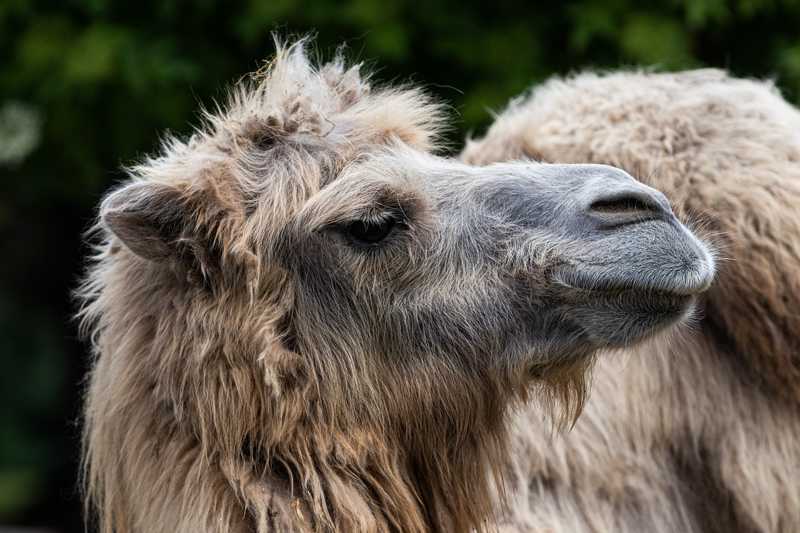
Hair fibers are the fleece or hair of specific animals: alpaca and llama from South American camelids, cashmere and mohair from cashmere and Angora goats, and camel hair from Bactrian or dromedary camels. They are valued for softness, warmth and durability in knitwear, suits and upholstery, and each differs: cashmere is very fine at 14–19 microns, mohair is lustrous and resilient, and llama is coarser than alpaca.
Introduction
Hair fibers, derived from animals such as alpaca, llama, cashmere goat, Angora goat, and camel, are among the most luxurious natural fibers used in textile manufacturing. Renowned for their exceptional softness, warmth, and durability, these fibers are highly valued in high-end apparel, home textiles, and specialty products. Each fiber type offers distinct properties, making them suitable for a range of applications, from fine knitwear to upholstery. This article provides an in-depth examination of alpaca, llama, cashmere, mohair, and camel hair fibers, detailing their properties, production, applications, and environmental significance in textile manufacturing [1].
Types and Properties of Hair Fibers
Hair fibers are obtained from the fleece or hair of specific animals, each with unique characteristics that enhance their appeal in textiles. The properties of the most common hair fibers are outlined below:
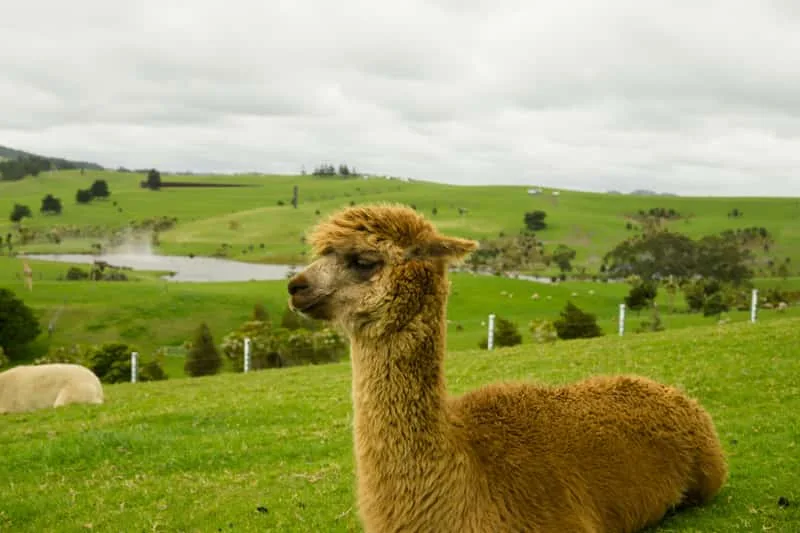
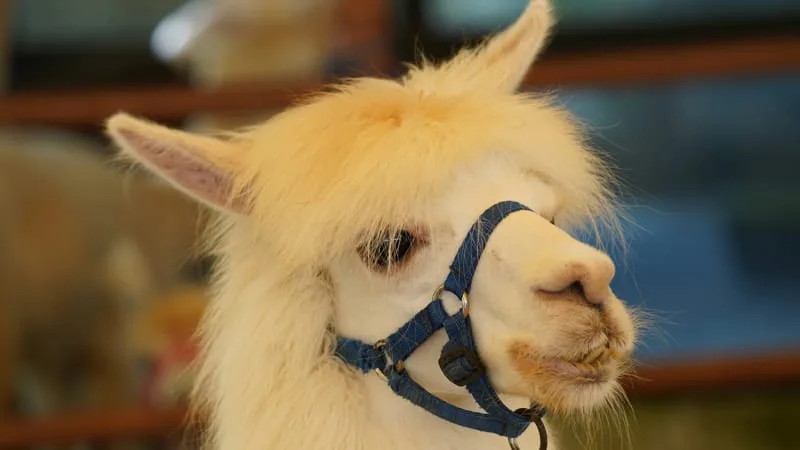
1. Alpaca Fiber
Alpaca fiber, sourced from the fleece of alpacas (native to South America), is prized for its luxurious qualities.
- Softness and Comfort: Alpaca is exceptionally soft, lightweight, and hypoallergenic due to its low lanolin content, making it ideal for sensitive skin.
- Warmth: Offers excellent thermal insulation, up to seven times warmer than wool, suitable for cold-weather apparel.
- Durability: Strong and resistant to pilling, ensuring long-lasting textiles.
- Variety: Available in two types—Huacaya (soft, fluffy) and Suri (silky, lustrous)—and a range of natural colors.
- Applications: Used in sweaters, scarves, blankets, and luxury outerwear [2].
2. Llama Fiber
Llama fiber, also from South American camelids, is coarser than alpaca but valued for its versatility.
- Texture: Coarser than alpaca, with a mix of fine undercoat and coarser guard hairs, suitable for durable textiles.
- Warmth and Strength: Provides good insulation and high tensile strength, ideal for rugged applications.
- Color Range: Available in natural shades like white, brown, and black, reducing the need for dyeing.
- Applications: Used in ropes, outerwear, and blended yarns for carpets and upholstery.
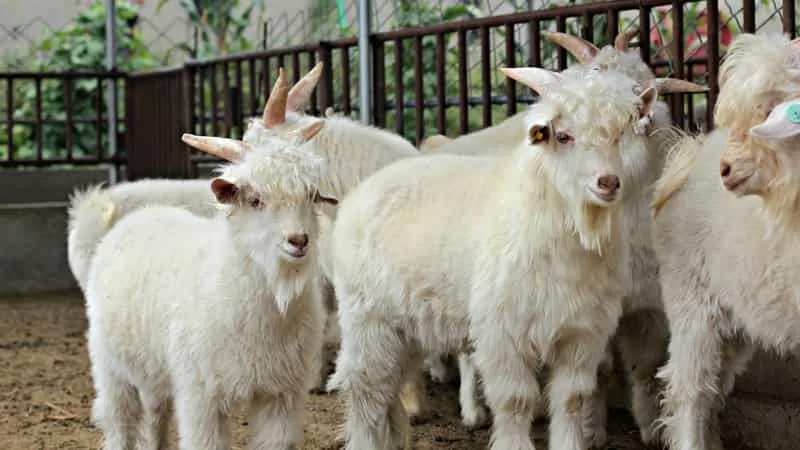
3. Cashmere Fiber
Cashmere, obtained from the undercoat of cashmere goats, is synonymous with luxury and softness.
- Extreme Softness: Exceptionally fine (14–19 microns), offering a silky, luxurious feel.
- Warmth: Highly insulating, providing warmth without bulk, ideal for lightweight garments.
- Low Yield: Limited production per goat (100–200 grams annually), contributing to its high cost.
- Applications: Used in high-end sweaters, scarves, shawls, and suits [3].
4. Mohair Fiber
Mohair, derived from Angora goats, is known for its luster and resilience.
- Luster and Smoothness: Highly lustrous and smooth, giving textiles a shiny, elegant appearance.
- Strength and Elasticity: Strong and elastic, resisting wrinkles and stretching.
- Dyeability: Accepts dyes vividly, producing vibrant colors.
- Applications: Used in suits, upholstery, curtains, and knitwear.
5. Camel Fiber
Camel fiber, sourced from Bactrian or dromedary camels, is valued for its warmth and durability.
- Warmth and Softness: Fine undercoat provides excellent insulation and a soft texture, comparable to cashmere.
- Durability: Coarse outer hairs enhance strength, suitable for rugged textiles.
- Natural Colors: Available in warm browns and beiges, often used undyed.
- Applications: Used in coats, blankets, and traditional garments.
Production of Hair Fibers
The production of hair fibers involves several steps, from animal shearing to fiber processing:
- Shearing or Combing: Fibers are collected by shearing (alpaca, llama, mohair) or combing (cashmere, camel) during the molting season to ensure quality.
- Sorting and Cleaning: Fibers are sorted by fineness, color, and quality, then washed to remove dirt, grease, and lanolin.
- Carding and Combing: Fibers are carded to align them and combed to remove short fibers, ensuring uniformity.
- Spinning: Fibers are spun into yarns, often blended with other fibers to enhance properties.
- Finishing: Yarns are dyed, woven, or knitted into final textile products.
These processes are tailored to each fiber type to preserve their unique properties [2].
Applications in Textile Manufacturing
Hair fibers are used in a variety of high-end textile applications due to their luxurious properties:
- Apparel: Alpaca and cashmere in sweaters and scarves; mohair in suits; camel in coats.
- Home Textiles: Mohair and alpaca in upholstery, curtains, and blankets for durability and elegance.
- Specialty Products: Llama in ropes and carpets; cashmere in luxury shawls and throws.
These applications highlight the versatility and premium appeal of hair fibers in textiles.
Environmental and Ethical Considerations
Hair fibers are renewable and biodegradable, offering environmental advantages over synthetic fibers. However, ethical and environmental concerns arise in their production:
- Animal Welfare: Ethical shearing and combing practices are essential to ensure animal health, particularly for cashmere and mohair goats.
- Water and Chemical Use: Cleaning and processing require water and chemicals, necessitating sustainable practices to minimize environmental impact.
- Land Use: Grazing for alpacas, llamas, and goats can lead to overgrazing if not managed responsibly.
Sustainable practices, such as rotational grazing and eco-friendly processing, are critical to enhancing the environmental profile of hair fibers [4].
Challenges and Considerations
Despite their advantages, hair fibers face several challenges:
- High Cost: Limited yield (e.g., cashmere) and labor-intensive processing increase production costs.
- Fiber Variability: Differences in fiber fineness and quality require careful sorting to ensure consistency.
- Market Competition: Synthetic alternatives offer lower costs, challenging the market share of luxury fibers.
- Ethical Concerns: Ensuring humane treatment of animals is critical to maintaining consumer trust.
Addressing these challenges through sustainable practices and technological advancements is essential for the continued viability of hair fibers.
Conclusion
Alpaca, llama, cashmere, mohair, and camel hair fibers are premium natural fibers valued for their softness, warmth, and durability in textile manufacturing. Their unique properties make them ideal for luxury apparel, home textiles, and specialty products. While offering environmental benefits as renewable and biodegradable materials, these fibers require ethical and sustainable production practices to address challenges like high costs and animal welfare concerns. By leveraging responsible sourcing and processing, hair fibers continue to play a vital role in high-end and sustainable textile production.