natural fibers

Home » natural fibers
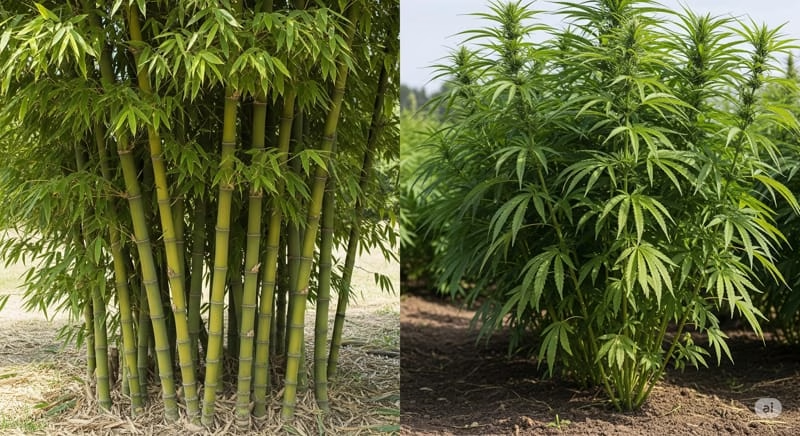
bamboo vs hemp textile fiber

Bamboo vs. Hemp: Which Eco-Friendly Fiber Wins for Sustainable Textiles?

Bamboo and hemp are leading eco-friendly fibers for sustainable textiles, each with distinct strengths. Hemp’s minimal chemical processing and soil benefits suggest greater sustainability, while bamboo’s softness shines in closed-loop lyocell production. This article compares their cultivation, processing, applications, and future trends to guide sustainable textile choices.

Bamboo vs. Hemp: Which Eco-Friendly Fiber Wins for Sustainable Textiles? Read More »

sustainable utilization of bast fibers

Bast Fibers: Hemp, Ramie, and Jute Properties

Bast fibers—hemp, ramie, and jute—offer unique properties that make them indispensable for sustainable textile production. This comprehensive guide delves into their botanical origins, chemical and mechanical properties, processing techniques, environmental benefits, and market applications. Covering historical evolution to future innovations, it provides actionable insights, technical diagrams, charts, and best practices for manufacturers and designers seeking eco-friendly, high-performance textiles.

Bast Fibers: Hemp, Ramie, and Jute Properties Read More »

sustainable-fashion-concept

Sustainable Sourcing of Natural Fibers

Sustainable sourcing of natural fibers is revolutionizing the textile industry by integrating environmentally responsible practices, ethical labor, and advanced technologies. This comprehensive guide explores the history, benefits, challenges, and future trends in sourcing fibers such as cotton, wool, silk, and hemp sustainably, offering actionable insights for manufacturers, designers, and consumers.

Sustainable Sourcing of Natural Fibers Read More »

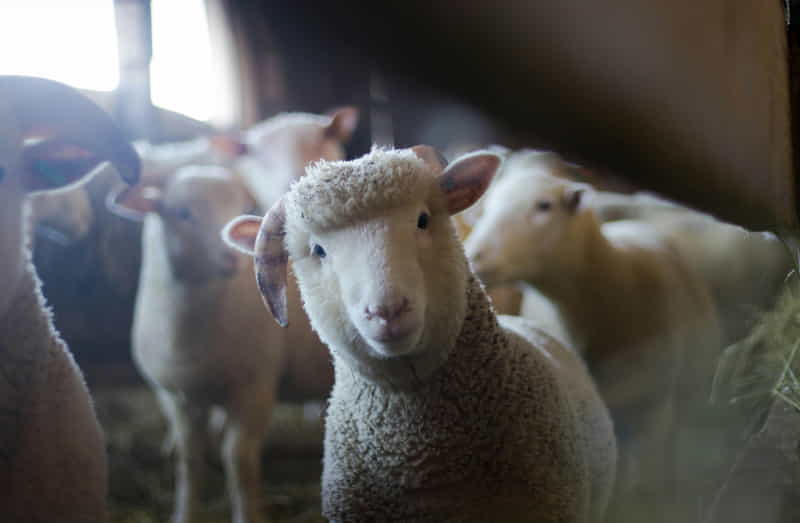
sheep wool

Comparative Analysis of Protein Fibers

This article offers an in-depth comparative analysis of wool and silk, highlighting their unique properties, production methods, environmental impacts, and market trends. It provides actionable insights for industry professionals and enthusiasts, showcasing the blend of tradition and innovation that drives the future of protein fibers.

Our detailed examination of wool versus silk reveals distinct advantages in terms of performance, aesthetics, and sustainability. We discussed historical perspectives, biological composition, production techniques, and modern innovations. With a focus on ethical practices and future technological integration, this analysis demonstrates how both fibers continue to evolve in response to market demands and environmental challenges, ensuring a dynamic future for the textile industry.

Comparative Analysis of Protein Fibers Read More »

cotton fiber-2

Genetic Modification in Natural Fibers

Genetic modification in cotton and flax revolutionizes natural fiber production. The integration of biotechnology, digital tools, and collaborative innovation enhances fiber quality, sustainability, and market competitiveness, paving the way for a resilient future in textiles.

This article explores the transformative impact of genetic modification on cotton and flax. It covers historical developments, scientific techniques, economic and environmental benefits, ethical considerations, and future trends. By harnessing advanced gene-editing tools and digital integration, the textile industry achieves superior fiber quality and sustainable production, ensuring a robust future for natural fibers.

Genetic Modification in Natural Fibers Read More »

root-tiles-cellulosic-polymer-composite

Eco-friendly Green Fibre-reinforced Composites to Combat Global Warming

Eco-friendly green composites, which may replace conventional manmade fibre-reinforced plastics, have been increasingly considered as promising materials due to their many advantages, like using a natural resource, environmental friendliness, sustainability, lightness, carbon dioxide reduction in nature, etc. Their unique balance of properties would open up new market development opportunities for bio-composites in the twenty-first–century’s, green materials world.

Eco-friendly Green Fibre-reinforced Composites to Combat Global Warming Read More »

Types of textile fibers – list of textile fibers by its sources

Fiber is a fine hair-like structure and is considered the raw materials of textiles. The fiber is extracted from various sources for commercial use. In addition to obtaining from animals, plants, and minerals, many of the fibers are artificially generated as well. Here is a list of most commonly used textile fibers.

Types of textile fibers – list of textile fibers by its sources Read More »

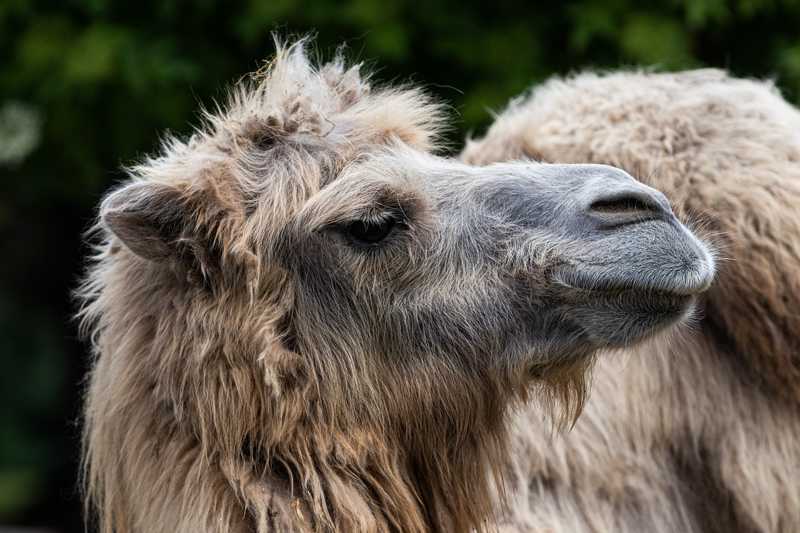
Hair Fibers: Alpaca, Llama, Cashmere, Mohair, and Camel in Textile Manufacturing

Alpaca, llama, cashmere, mohair, and camel hair fibers are luxurious natural fibers valued for their softness, warmth, and versatility in textiles. Used in high-end apparel and home textiles, these fibers offer unique properties while posing environmental and ethical considerations, making them key players in sustainable luxury textile manufacturing.

Hair Fibers: Alpaca, Llama, Cashmere, Mohair, and Camel in Textile Manufacturing Read More »

Scroll to Top