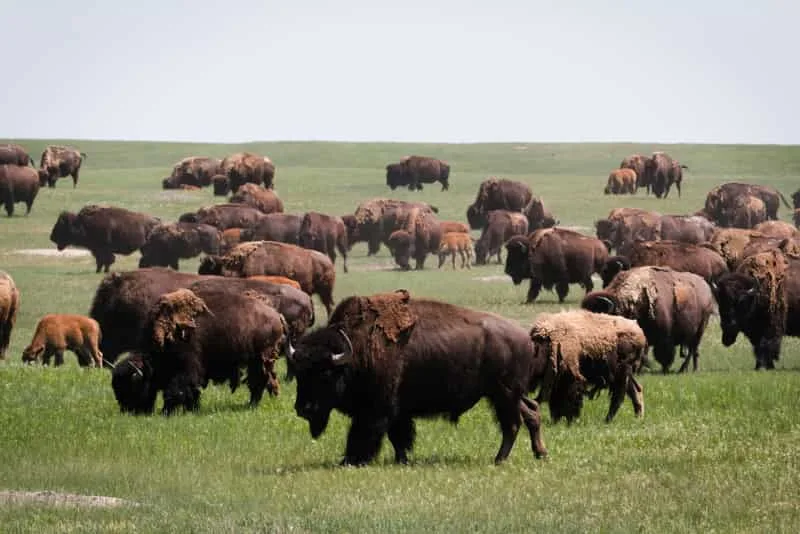
Bison fiber, also known as buffalo wool, comes from the soft undercoat of the American bison. Naturally shed in spring and collected through ethical, non-invasive methods, it offers warmth, durability, and hypoallergenic comfort. Once a staple for indigenous tribes, bison wool is now seeing a revival in high-performance outdoor apparel and artisan textiles. With its rarity and heritage, bison fiber bridges the gap between rugged resilience and refined luxury.
1. Origin and History
Bison fiber comes from the American bison (Bison bison), often referred to as the buffalo, which once roamed the Great Plains in the tens of millions. Revered by Native American tribes for everything from food to clothing, the bison nearly went extinct in the 19th century but has since been brought back through conservation efforts.
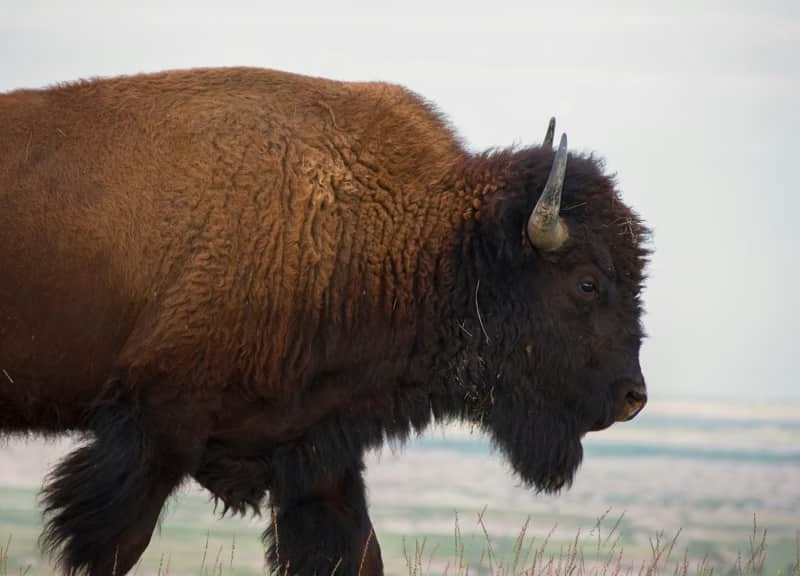
The fiber used in textiles is derived from the bison’s downy undercoat. This undercoat protects the animal during brutal North American winters and is naturally shed each spring. Today, the fiber is ethically collected from domesticated bison herds or by hand-combing shed tufts caught on fencing or brush.
2. Properties of Bison Fiber
Despite their rugged appearance, bison produce a remarkably fine and soft fiber. The down averages around 15–20 microns in diameter, making it similar to cashmere or fine merino wool. It has a warm, earthy brown color and is typically not dyed, preserving its natural look.
Key properties include:
- Exceptionally warm (warmer than sheep wool)
- Breathable and moisture-wicking
- Very soft, yet durable and elastic
- Naturally hypoallergenic (no lanolin)
- Resistant to pilling and felting
- Suitable for sensitive skin and active wear
Bison fiber also becomes softer with use and washing, making it ideal for everyday luxury.
3. Yield and Availability
Bison fiber is limited in supply. An adult bison can produce about 1 pound (450 grams) of down per year, but only about 4–8 ounces (115–225 grams) are harvestable and clean enough for textile use after dehairing.
The coarse outer guard hairs must be carefully removed, as they are too stiff for garments. This dehairing process is labor-intensive, contributing to the fiber’s premium price.
4. Bison Fiber vs Other Fine Fibers
| Fiber | Micron (Avg.) | Warmth | Softness | Durability | Elasticity |
|---|---|---|---|---|---|
| Bison Down | 15–20 | ★★★★☆ | ★★★★☆ | ★★★★★ | ★★★★☆ |
| Merino Wool | 17–25 | ★★★☆☆ | ★★★★☆ | ★★★☆☆ | ★★★★☆ |
| Cashmere | 14–18 | ★★★★☆ | ★★★★★ | ★★★☆☆ | ★★★☆☆ |
| Qiviut | 15–20 | ★★★★★ | ★★★★★ | ★★★★☆ | ★★☆☆☆ |
Bison fiber is particularly valued for combining softness and rugged durability, making it a favorite for cold-weather gear and luxury outdoor wear.
5. Uses in Textiles
Bison fiber is versatile and ideal for both luxury fashion and technical apparel. It’s used in:
- Socks and base layers
- Beanies and gloves
- Scarves and shawls
- Sweaters and light jackets
- Blends with silk or merino for increased elasticity
Because of its temperature regulation and moisture control, it performs exceptionally well in active outdoor settings.
6. Ethical and Sustainable Harvesting
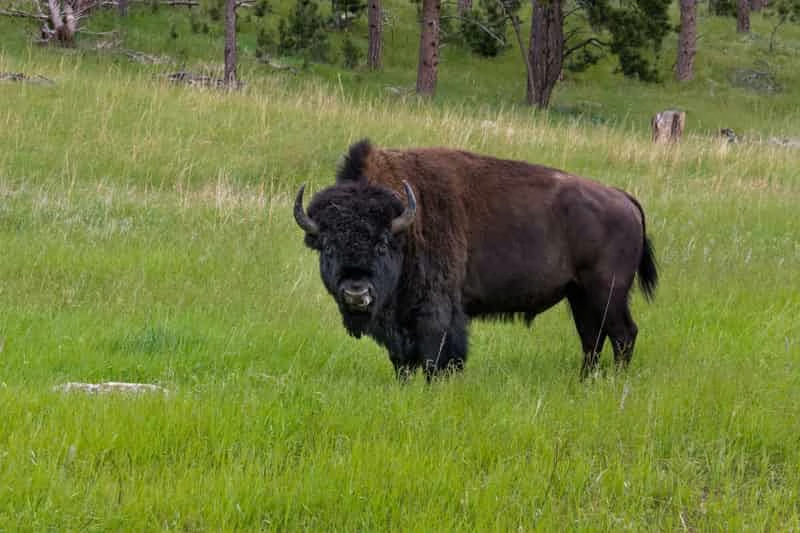
Bison are never shorn. The fiber is collected:
- By combing domesticated bison during molting
- From naturally shed tufts on fences and pastures
- As a byproduct of responsible bison ranching for meat
No animals are harmed in the collection process, and production is low-impact compared to traditional wool industries. Companies like The Buffalo Wool Co. in the U.S. lead the way in ethical bison fiber processing and product development.
7. Care and Maintenance
Bison fiber garments are naturally odor-resistant and need minimal washing. For best results:
- Hand wash in cool water with mild soap
- Avoid agitation and wringing
- Lay flat to dry
- Machine washing is possible in some blends, but check the label
With proper care, bison garments retain shape, texture, and performance over many years.
8. Cultural and Modern Relevance
Historically, Native Americans used bison hides and down for warmth, shelter, and spiritual ceremonies. Today, bison fiber revives this ancient legacy, turning a wild heritage into a modern luxury.
It supports American ranchers and indigenous communities while offering consumers a rare, earth-conscious textile. Bison wool appeals to those who want sustainability, performance, and authenticity in one garment.
Conclusion
Bison fiber stands at the intersection of strength and softness, tradition and innovation. From the windswept prairies of the American West to the hands of modern spinners and designers, bison wool is proof that sustainable luxury can be rooted in resilience. It is not just fiber—it’s a story of survival, revival, and reinvention.
Citations & References:
- The Buffalo Wool Company – About Bison Fiber
- International Textile Center – Bison vs Wool Study
- National Bison Association – Bison Conservation and Ranching
- Interweave Press – “Rare Fibers for Knitters and Spinners”
- Smithsonian National Zoo – American Bison Fiber Adaptations
- Sustainable Apparel Coalition – Wild Fiber Market Insights
- Journal of American Natural Fibers – Vol. 7, Issue 3: “Bison Down for High-Performance Wear”