Introduction
Polyethylene terephthalate (PET) film plays a pivotal role in modern textiles and packaging. Renowned for its high strength, dimensional stability, excellent clarity, and barrier properties, PET film finds use in diverse sectors—from flexible packaging to technical textile applications. PET film is a thermoplastic polymer produced through a process called polycondensation. Its performance attributes, including chemical resistance and optical clarity, make it an essential component in high-performance applications.
Today’s PET film not only meets stringent quality standards but also supports sustainability goals. Manufacturers continually optimize dyeing, lamination, and coating processes to produce PET film that meets market demands. This article examines PET film’s history, technological evolution, raw material sourcing, production processes, challenges, innovations, and future trends.
1. History
Early Beginnings
The origins of polyethylene terephthalate (PET) trace back to the early 1940s when British chemists first synthesized the polymer. However, PET film became widely recognized only after World War II. Early researchers identified PET’s excellent strength and chemical resistance, making it suitable for a range of industrial applications. In the 1950s, PET gained commercial momentum as a material for plastic bottles. Soon after, its use expanded into film applications, which laid the foundation for its role in textiles and packaging.
Milestones in PET Film Development
Significant milestones in PET film history include:
- 1941: British chemists synthesize PET for the first time.
- 1950s: PET emerges in consumer packaging, notably in beverage bottles.
- 1960s: The development of biaxial orientation techniques boosts the strength and clarity of PET film.
- 1970s-1980s: PET film becomes integral to the flexible packaging market.
- 1990s-Present: Technological advances enable PET film to serve high-tech textile applications, including lamination and protective coatings.
These historical developments mark PET film’s evolution from a laboratory innovation to a global commodity.
2. Technological Evolution
From Laboratory to Industrial Scale
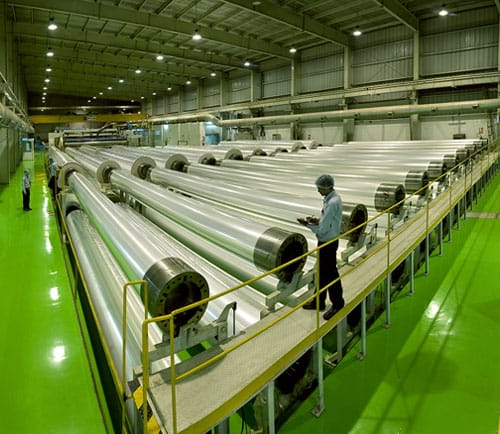
The journey of PET film from the laboratory to industrial-scale production represents a significant technological leap. Early synthesis methods were laborious and produced low yields. With the advent of continuous production techniques and advanced chemical reactors, manufacturers achieved high-volume production with consistent quality.
Biaxial Orientation
A key breakthrough in PET film technology is biaxial orientation. This process involves stretching the film in both the machine and transverse directions. Biaxial orientation enhances the mechanical strength, clarity, and barrier properties of the film. The process can be represented by the following relationship:
where
is stress,
is force,
is cross-sectional area,
is strain,
is the change in length, and
is the original length. Biaxial orientation optimizes these parameters in both directions, resulting in superior film properties.
Advances in Coating and Lamination
PET film has also evolved through innovations in surface modification. Modern coating techniques impart additional functionalities such as anti-fog, anti-static, and UV-blocking properties. Lamination processes combine PET film with other materials, producing composite structures with enhanced performance. Such innovations drive applications in high-performance textiles and packaging.
Digital Process Control
Today, digital control systems monitor every stage of PET film production. Sensors track temperature, tension, and orientation parameters in real time. Advanced control algorithms adjust processing conditions to maximize product quality and minimize waste. Digital integration has allowed manufacturers to achieve remarkable consistency and cost efficiency.
3. Source and Availability
Raw Materials
The primary raw materials for PET film are purified terephthalic acid (PTA) and monoethylene glycol (MEG). These components undergo polycondensation to form polyethylene terephthalate. The quality of PTA and MEG directly influences the final film properties. High-purity feedstocks yield films with superior clarity, strength, and thermal stability.
Global Production
Major PET production hubs exist worldwide. Key regions include:
- Asia: Countries like China, India, and South Korea lead in PET production. These regions benefit from low-cost raw materials and large-scale manufacturing capabilities.
- Europe: European manufacturers focus on high-quality PET film for premium applications. Strict quality standards drive innovation in processing and sustainability.
- North America: The United States and Canada produce PET film for diverse applications, including packaging and technical textiles.
Global supply chains ensure that PET film is widely available. Manufacturers source raw materials locally or through international trade, depending on quality and cost considerations.
4. Innovations
Novel PET Formulations
Recent innovations in PET film include modified PET formulations that enhance properties such as clarity, barrier performance, and mechanical strength. Additives and copolymers are incorporated to tailor the film for specific applications. For instance, adding nucleating agents improves crystallinity, which boosts thermal stability and tensile strength.
Multi-Functional Coatings
Innovative coatings on PET film extend its functionality. Researchers have developed coatings that provide anti-microbial properties, UV protection, and enhanced printability. These multi-functional coatings open new markets in technical textiles, automotive interiors, and advanced packaging.
Recycling and Sustainability
Environmental concerns drive innovations in PET film recycling. Chemical and mechanical recycling methods recover PET from post-consumer waste. Innovations in decontamination and re-polymerization enable the production of high-quality recycled PET (rPET) film. This sustainable approach reduces reliance on virgin materials and lowers environmental impact.
Integration with Smart Technologies
Smart PET films incorporate digital sensors and conductive materials. These films can monitor environmental conditions, track product integrity, and even interact with digital devices. Applications in wearable textiles and smart packaging demonstrate the versatility of these advanced films.
5. Production Process
Overview
The production of PET film involves several key steps: polymerization, extrusion, orientation, annealing, and finishing. Each step plays a critical role in determining the film’s final properties.
5.1 Polymerization
The process begins with the polycondensation of purified terephthalic acid (PTA) and monoethylene glycol (MEG). Catalysts and high temperatures drive the reaction, forming long-chain PET polymers. The reaction is represented by:
This step produces molten PET, which is then purified and pelletized for further processing.
5.2 Extrusion
The PET pellets are fed into an extruder where they are melted and forced through a flat die to form a continuous sheet. The extrusion process requires precise control of temperature and pressure to ensure uniformity. The extruded sheet is rapidly cooled to preserve its amorphous state.
5.3 Orientation
Orientation is a crucial step that imparts strength to the PET film. The film is stretched in one (uniaxial) or two (biaxial) directions. Biaxial orientation, in particular, enhances the film’s tensile strength, clarity, and barrier properties. The stretching process is controlled by a series of rollers that apply consistent tension across the film width.
5.4 Annealing and Heat Setting
After orientation, the film undergoes annealing or heat setting. This step stabilizes the film structure by relieving internal stresses and locking in the oriented structure. Proper heat setting is critical to achieving dimensional stability and consistent performance in the final product.
5.5 Finishing
Finishing processes refine the PET film’s surface properties. Common finishing techniques include:
- Corona Treatment: Improves surface energy for better adhesion of coatings or inks.
- Coating and Lamination: Applies additional layers to enhance barrier properties, add functionalities (e.g., anti-fog, anti-static), or improve printability.
- Slitting and Winding: The finished film is slit to desired widths and wound onto rolls for distribution.
A simplified process flow for PET film production is:
[ Polymerization ] → [ Extrusion ] → [ Orientation ] → [ Annealing/Heat Setting ] → [ Finishing ] → [ Slitting & Winding ]
6. Challenges
6.1 Technical Challenges
Producing high-quality PET film involves overcoming several technical challenges:
- Control of Molecular Weight: Variations in polymer chain length can affect film properties.
- Uniform Orientation: Achieving consistent biaxial orientation is critical for film strength and clarity.
- Surface Defects: Imperfections during extrusion or orientation can lead to defects that impair performance.
- Coating Adhesion: Ensuring that additional coatings adhere uniformly to the PET surface requires precise control.
6.2 Environmental Challenges
The production of PET film raises environmental concerns:
- Energy Consumption: High temperatures and pressures in extrusion and orientation consume significant energy.
- Water Usage: Cooling and processing steps often require large volumes of water.
- Chemical Waste: Residues from polymerization and finishing processes must be managed responsibly.
- Recycling Limitations: While PET is recyclable, maintaining quality in recycled PET film (rPET) presents challenges.
6.3 Economic and Market Challenges
Economic factors also pose challenges:
- Raw Material Price Fluctuations: The cost of PTA and MEG can vary with market conditions.
- High Capital Investment: Modern PET film production facilities require significant upfront investment.
- Global Competition: Manufacturers must continuously innovate to maintain a competitive edge in the global market.
7. Real-World Applications
PET film serves diverse applications in various industries due to its versatile properties.
7.1 Packaging
PET film dominates the flexible packaging market. Its clarity, barrier properties, and strength make it ideal for:
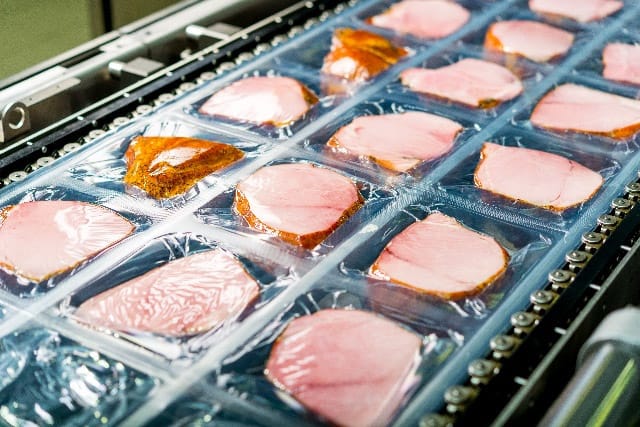
- Food Packaging: Protects products from moisture, oxygen, and contaminants.
- Beverage Packaging: Used in multilayer structures for bottles and flexible pouches.
- Pharmaceutical Packaging: Provides a high level of protection and ensures product safety.
7.2 Textiles and Laminates
In the textile industry, PET film is used as a component in:
- Laminates: Enhances durability and moisture resistance in fabrics.
- Composite Materials: Used as a barrier layer in technical textiles.
- Printed Fabrics: PET film provides a smooth, high-quality substrate for digital printing.
7.3 Industrial Applications
PET film finds applications in technical and industrial sectors:
- Insulation Materials: Used in electrical and thermal insulation due to its stability and flame retardancy.
- Automotive Components: Employed in interior linings and safety-related components.
- Graphic and Display Applications: Its optical clarity makes it ideal for printing, graphics, and display films.
7.4 Real-World Case Examples
Several companies have successfully integrated PET film into their products. For example, a leading packaging firm improved the shelf life of perishable goods by incorporating PET film in multilayer packaging. Similarly, in the textile industry, PET film lamination has enhanced the durability and aesthetic appeal of high-end sportswear.
8. End-Users and Market Segments
8.1 Packaging Industry
Major end-users of PET film include packaging companies that manufacture flexible films for food, beverages, and consumer goods. The packaging industry values PET film for its superior barrier properties, durability, and clarity.
8.2 Textile Manufacturers
Textile companies utilize PET film in laminates, composite structures, and technical textiles. End-users in this segment include high-end apparel brands, sportswear manufacturers, and industrial textile producers.
8.3 Industrial and Automotive Sectors
Industries that require high-performance materials, such as automotive, electronics, and insulation, rely on PET film. Its strength, thermal stability, and chemical resistance make it a material of choice for various technical applications.
8.4 Global Market Segments
The global market for PET film is segmented by:
- Application: Packaging, textiles, industrial, automotive, and consumer electronics.
- Geography: Key markets include Asia-Pacific, Europe, North America, and emerging markets.
- Quality Grade: High-performance, standard, and recycled PET film.
9. Future Trends
9.1 Technological Advancements
Future trends in PET film production focus on enhancing performance and sustainability. Innovations include:
- Advanced Orientation Techniques: Further improvements in biaxial orientation to maximize strength and clarity.
- Nanocomposite PET Films: Integration of nanomaterials to enhance barrier properties, UV resistance, and mechanical strength.
- Smart PET Films: Incorporation of conductive polymers and sensors to create films that monitor temperature, humidity, and structural integrity.
9.2 Sustainability and Recycling
Sustainability remains at the forefront of industry trends:
- Recycled PET (rPET) Film: Advances in recycling technology will produce high-quality rPET film that meets stringent performance criteria.
- Eco-Friendly Production: Enhanced process control and digital integration will reduce energy consumption and water usage.
- Circular Economy Models: Manufacturers will adopt closed-loop systems to minimize waste and improve overall sustainability.
9.3 Market and Consumer Trends
Consumer demand drives innovation in PET film applications:
- Eco-Conscious Packaging: Increased demand for recyclable, sustainable packaging solutions.
- High-Performance Textiles: Growing interest in technical textiles that incorporate PET film for enhanced durability and functionality.
- Customization: Digital technologies enable on-demand production of customized PET film products tailored to niche markets.
A conceptual future trend model is:
This model highlights that the synergy of advanced technology, sustainability initiatives, and evolving consumer demands will drive the future of PET film.
10. Innovations and Research
10.1 Ongoing Research Initiatives
Research and development continue to push the boundaries of PET film technology. Current research focuses on:
- Improved Catalyst Systems: Developing catalysts that enhance polymerization efficiency and reduce energy usage.
- Novel Additives: Incorporating additives that improve film clarity, flexibility, and barrier properties.
- Advanced Coating Technologies: Researching multi-functional coatings that impart additional properties such as anti-microbial, UV protection, and improved printability.
- Digital Process Control: Utilizing AI and machine learning to optimize the entire production process from extrusion to finishing.
10.2 Collaborative Projects
Academic and industry partnerships drive innovation. Collaborative projects involve universities, research institutions, and leading manufacturers working together to develop next-generation PET films. These projects often receive funding from government agencies and international research grants.
A simplified collaborative model is:
This equation underscores the multifactorial approach required to drive continuous innovation in PET film technology.
11. End-User Perspectives and Market Feedback
11.1 Consumer Insights
End-users of PET film appreciate its versatility, durability, and clarity. In the packaging sector, consumers value the product’s ability to extend shelf life and maintain product freshness. In textiles, end-users enjoy the enhanced performance, durability, and aesthetic appeal provided by PET film laminates and composites.
11.2 Industry Feedback
Manufacturers and designers share positive feedback on PET film applications. They note that advanced PET film improves product performance, enhances design possibilities, and supports sustainability initiatives. End-users in high-performance markets report increased satisfaction with textiles that incorporate PET film for added durability and function.
Surveys indicate that innovation in PET film technology continues to drive market growth and consumer trust. Manufacturers remain committed to meeting evolving market needs through continuous improvement and digital integration.
12. Future Outlook
12.1 Technological Advancements
The future of PET film lies in integrating smart technologies and sustainability. Digitalization, including real-time monitoring and predictive maintenance, will continue to refine production processes. Innovations in nanotechnology and hybrid formulations are expected to yield PET films with unprecedented performance characteristics.
12.2 Sustainability and Environmental Impact
Sustainability will drive future developments in PET film. Advances in recycling technology and the increased use of bio-based raw materials promise to reduce the environmental footprint of PET production. The development of high-quality recycled PET (rPET) film will be a significant focus, aligning with global efforts toward a circular economy.
12.3 Market Expansion and Global Trade
Global demand for PET film is set to increase as industries across packaging, textiles, automotive, and electronics expand. Compliance with international standards and digital traceability will facilitate market expansion. Manufacturers that invest in innovative, sustainable, and digitally controlled PET film production are poised to capture significant market share.
A conceptual future market model is:
This model highlights that continued innovation, sustainability, and adherence to global standards will drive the growth of PET film in the future.
13. Summary of Key Points
PET film has evolved from a laboratory innovation in the 1940s to a critical material in modern textiles and packaging. Its journey includes significant milestones such as the development of biaxial orientation, advanced coating technologies, and digital process control. Today, PET film offers superior clarity, strength, and barrier properties that meet the demanding needs of high-performance applications.
Key aspects include:
- History and Evolution: From early synthesis to advanced, digitally controlled production.
- Technological Evolution: Innovations in orientation, coatings, and recycling.
- Production Process: Steps include polymerization, extrusion, orientation, annealing, and finishing.
- Challenges: Technical, environmental, and economic challenges drive ongoing research.
- Real-World Applications: PET film is used in packaging, textiles, industrial, and automotive applications.
- Market Trends: Global demand is rising, driven by sustainability and advanced performance requirements.
- Future Outlook: Continued digital integration, sustainable practices, and innovative research promise further advancements.
14. Conclusion and Summary
In conclusion, polyethylene terephthalate (PET) film stands as a cornerstone of modern textile and packaging technology. Its evolution from early polymer synthesis to today’s advanced, digitally integrated production processes reflects significant scientific and engineering achievements. PET film’s exceptional mechanical, optical, and barrier properties have driven its widespread adoption across industries, from high-performance packaging to innovative textile laminates.
The production process, involving precise polymerization, extrusion, orientation, annealing, and finishing, ensures that PET film meets rigorous quality standards. Despite challenges such as energy consumption, process variability, and environmental impact, ongoing research and digital innovations continue to improve PET film performance and sustainability. Global market trends underscore growing demand for eco-friendly, high-performance materials, while future prospects point toward smart, sustainable, and customizable PET films that will further expand their applications.
Understanding the fundamentals of PET film is essential for textile professionals, as it empowers manufacturers, designers, and engineers to leverage this versatile material to create superior products. By embracing digital integration, sustainability initiatives, and continuous innovation, the industry is poised to meet future market demands and drive global growth in textile and packaging sectors.