The history of textiles is a story woven with threads of human innovation, creativity, and resilience. Long before the advent of automated machinery, our ancestors mastered the art of hand spinning and weaving. These ancient techniques not only provided the fabrics that clothed civilizations but also influenced social structures, economies, and cultures worldwide. In this article, we explore the evolution of early textile production, examine the processes of hand spinning and weaving, discuss the innovations that revolutionized these techniques, and consider the legacy they leave for modern textile practices.
1. Introduction: The Birth of Textile Production
Hand spinning and weaving mark the inception of textile production—a craft that transformed simple fibers into intricate fabrics. In the earliest days, individuals used rudimentary tools and techniques to spin fibers by hand, twisting them into yarn. They then wove these yarns on simple looms, creating textiles that were integral to daily life. This transformation was not merely a technological advancement but a cultural revolution that enabled the production of clothing, shelter, and even art.
Imagine a time when every thread was carefully spun by skilled hands and every cloth woven with patience and creativity. This labor-intensive process required mastery of both art and science. Early textile producers relied on natural resources like cotton, wool, and flax. The methods they developed laid the groundwork for what would become one of the world’s most enduring industries.
Today, while modern technology has vastly changed textile manufacturing, the techniques of hand spinning and weaving still inspire artisans and designers. They remind us of the deep connection between craft, culture, and creativity. Educational resources on TextileSchool.com delve into these techniques, preserving knowledge that has been passed down through generations.

In our journey through early textile production, we will uncover the historical origins, technological evolution, and cultural significance of hand spinning and weaving. By blending narrative storytelling with technical insights, this article aims to provide an engaging and informative exploration of a craft that has shaped human history.
2. Historical Perspectives: From Primitive Tools to Cultural Artifacts
The origins of textile production trace back thousands of years. Archaeological evidence suggests that early humans began spinning and weaving as far back as 30,000 years ago. These primitive techniques, developed independently across different regions, eventually evolved into sophisticated methods that varied by culture and geography.
2.1 Early Evidence and Cultural Impact
In ancient Egypt, artisans wove linen from flax fibers to create garments, shrouds, and ceremonial fabrics. Egyptian tombs have revealed remnants of finely woven textiles that attest to the advanced skills of early weavers. Similarly, in the Indus Valley, evidence of cotton spinning and weaving indicates that textiles played a significant role in trade and daily life. Early Chinese civilizations produced silk—an art so refined that it became a cornerstone of trade along the Silk Road.
Early textile production not only met practical needs but also became an expression of cultural identity. The techniques, patterns, and colors used in textiles often carried symbolic meanings and were integral to rituals and social ceremonies. Artisans passed down their skills through generations, and each region developed its unique style, contributing to the rich tapestry of global textile heritage.
2.2 Evolution of Hand Spinning Techniques
Hand spinning initially involved simple tools like distaffs and spindles. The distaff, used to hold unspun fibers, and the spindle, which provided the twist needed to form yarn, were among the first tools used by early spinners. Over time, the spinning wheel emerged as a revolutionary invention. This device increased efficiency by enabling a single spinner to produce yarn more rapidly and uniformly.
Historical documents and cave paintings from various cultures illustrate the evolution of spinning techniques. Early spinners learned to control the twist and thickness of yarn, developing methods that would later influence modern spinning systems. The refinement of these techniques allowed for the production of consistent, high-quality yarn—a critical factor in the quality of the finished fabric.
2.3 Development of Hand Weaving
Parallel to spinning, hand weaving developed as a method to interlace yarns into fabric. Early looms were simple structures made from wood and bone. The most basic form was the warp-weighted loom, which used gravity to maintain tension in the warp yarns. This type of loom, used by ancient Greeks and Norse cultures, represents one of the earliest weaving technologies.
As weaving techniques advanced, looms became more sophisticated. The introduction of the foot pedal in later periods allowed weavers to control the shedding process—raising and lowering the warp yarns more efficiently. This innovation, coupled with the development of shuttle weaving, enabled faster production and more intricate patterns. These advancements are well-documented in historical texts and museum collections that preserve ancient looms and woven textiles.

The historical evolution of hand spinning and weaving is a testament to human ingenuity. These early techniques not only fulfilled essential needs but also laid the foundation for future technological advancements in the textile industry. As we transition into the modern era, the legacy of these ancient practices continues to influence contemporary textile production and design.
3. Technological Evolution: From Manual Craftsmanship to Mechanized Processes
The journey from hand spinning and weaving to mechanized textile production spans centuries. Technological advancements have continuously reshaped the industry, transitioning from manual labor to the automated processes that dominate today. This evolution is characterized by incremental innovations that, when combined, transformed textiles into a mass-produced commodity.
3.1 The Advent of the Spinning Jenny and Water Frame
The transition from manual spinning to mechanized production began in the 18th century. The invention of the spinning jenny by James Hargreaves marked a pivotal moment. This machine allowed a single operator to spin multiple spools of yarn simultaneously. Although the quality of yarn produced by the spinning jenny was initially variable, it dramatically increased production rates and laid the groundwork for further innovation.
Shortly thereafter, Richard Arkwright’s water frame revolutionized yarn production. Powered by water, this machine produced stronger, more consistent yarn. The water frame’s introduction heralded the shift toward factory-based production and set the stage for the Industrial Revolution in textiles.
3.2 Evolution of Weaving Technology
Mechanization in weaving followed a similar trajectory. The invention of the power loom by Edmund Cartwright in the early 19th century transformed weaving from a manual, labor-intensive craft to an automated process. Power looms could produce fabric at a much faster rate than hand-operated looms, and they paved the way for mass production of textiles.
Over time, improvements in loom design led to enhanced efficiency, better control over fabric structure, and the ability to produce more complex patterns. Innovations such as the jacquard loom, which used punch cards to control the weaving of intricate designs, demonstrated the potential of integrating technology with textile production. This blend of art and engineering continues to inspire modern textile machinery.
3.3 Digital Integration and Modern Automation
In recent decades, digital technologies have revolutionized textile machinery even further. Computer-Aided Design (CAD) and Computer-Aided Manufacturing (CAM) systems now enable precise control over every aspect of textile production—from design and pattern making to machine settings and quality control. Modern looms and spinning machines incorporate sensors, microprocessors, and real-time data analytics to optimize performance.
Today’s production lines use automation and robotics to perform tasks with speed and precision. Digital control systems allow for rapid changeovers between different fabric designs, reducing downtime and improving flexibility. Moreover, smart machinery equipped with IoT connectivity provides continuous monitoring and predictive maintenance, ensuring high productivity and minimal disruptions.
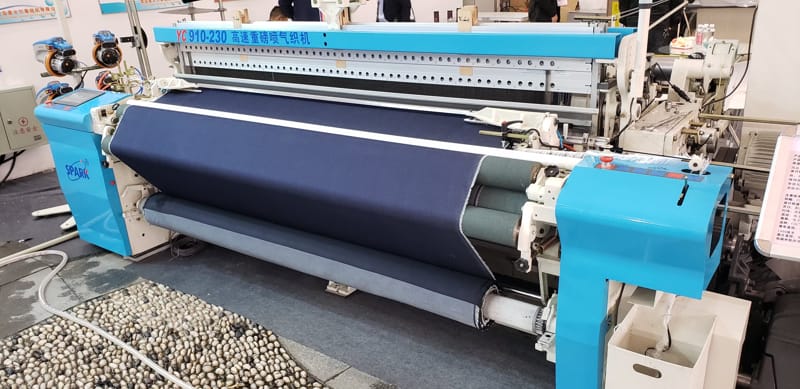
These technological milestones illustrate how early innovations in hand spinning and weaving laid the foundation for modern textile production. The evolution from manual craftsmanship to digital automation has not only increased efficiency and quality but also opened up new possibilities in design and sustainability.
4. Source and Availability: Raw Materials and Tools in Early Textile Production
The raw materials and tools available to early textile producers played a crucial role in shaping the techniques and quality of textiles. Sourcing fibers, preparing yarns, and assembling simple looms required a deep understanding of nature and ingenuity in tool-making.
4.1 Sourcing Natural Fibers
Early textile production relied on naturally available fibers such as cotton, wool, flax, and silk. These fibers were sourced from local environments, and their quality depended on geographical and climatic conditions. For instance, the cotton grown in the fertile regions of India and Egypt was renowned for its softness and strength. Wool from sheep, on the other hand, provided warmth and durability, making it ideal for cold climates.
The availability of these fibers was often seasonal and required significant labor to harvest and process. Traditional practices involved hand-picking, carding, and combing to prepare the fibers for spinning. The quality of the final textile product was directly linked to the quality of the raw materials and the skill with which they were processed.
4.2 Tools and Equipment in Hand Spinning
Hand spinning required simple yet effective tools. The spindle, a handheld instrument, was used to twist fibers into yarn. Different cultures developed distinct spindle designs, ranging from the whorl-equipped spindles of Europe to the drop spindles of Africa and Asia. These spindles enabled early spinners to produce yarn of varying thicknesses and strengths.
The distaff, used to hold unspun fibers, complemented the spindle. Together, they allowed spinners to work continuously, producing long, consistent strands of yarn. Over time, innovations such as the spinning wheel emerged, dramatically increasing the speed and efficiency of the spinning process. The spinning wheel not only made yarn production more efficient but also helped standardize the quality of the yarn produced.
4.3 Early Weaving Tools
Hand weaving was performed on simple looms. The warp-weighted loom, one of the earliest types of looms, used weights to maintain tension on the warp yarns. This design was popular in many ancient cultures and remains in use in some traditional societies today. The basic construction of the warp-weighted loom involved a wooden frame, with ropes or cords serving as the warp threads and stone or clay weights attached to the bottom.
Other early looms included the backstrap loom and the treadle loom. Each design reflected the specific needs and resources of its culture. The evolution of these looms was driven by a desire for increased efficiency, better fabric quality, and more intricate designs.

The availability of quality raw materials and the ingenuity in tool-making enabled early textile production to flourish. These practices laid the groundwork for the technological evolution that followed, demonstrating a remarkable blend of resourcefulness and creativity.
5. Innovations in Early Textile Production
Early textile production was marked by numerous innovations that significantly enhanced the efficiency and quality of hand spinning and weaving. These breakthroughs, though modest by modern standards, represented major leaps forward in technology and craftsmanship.
5.1 The Spinning Wheel
One of the most transformative innovations was the invention of the spinning wheel. Emerging in medieval Europe and independently in other parts of the world, the spinning wheel automated the twisting of fibers, allowing spinners to produce yarn more rapidly and uniformly. The wheel’s design evolved over centuries, incorporating features that improved efficiency and reduced fatigue. Its introduction was a catalyst for the eventual mechanization of textile production.
5.2 The Development of Looms
Innovations in loom design played a crucial role in early weaving. The transition from simple handlooms to more complex devices, such as the treadle loom, enabled weavers to control the shedding process more effectively. The use of foot pedals to lift warp threads freed the weaver’s hands for operating the shuttle, thus increasing productivity. The invention of the jacquard loom in the early 19th century, although mechanized, has its roots in the desire to produce intricate patterns using punched cards—a concept that began in the realm of hand weaving.
5.3 Refinements in Yarn Quality
Early spinners and weavers continuously experimented with techniques to improve yarn quality. Innovations in carding and combing improved fiber alignment, resulting in smoother, stronger yarn. The introduction of the draw frame, a precursor to modern spinning frames, allowed for the gradual drawing out of fibers, producing finer and more consistent yarn. These improvements in yarn quality directly impacted the durability and appearance of the woven fabric.
5.4 Traditional Dyeing and Finishing Techniques
In addition to spinning and weaving innovations, early textile production saw significant advancements in dyeing and finishing. Natural dyes extracted from plants, minerals, and insects were used to create vibrant colors. Traditional techniques, such as resist dyeing and batik, emerged from these practices, adding an artistic dimension to textiles. These methods were often closely guarded secrets, passed down through generations, and contributed to the rich cultural heritage of textile production.

These innovations, while simple in concept, laid the foundation for the complex textile machinery that would eventually dominate industrial production. They highlight the ingenuity of early artisans and their ability to harness available resources to create high-quality textiles.
6. The Production Process: Hand Spinning and Weaving in Action
Early textile production was a meticulous and labor-intensive process. Each stage—from fiber preparation and hand spinning to weaving and finishing—required skill, precision, and careful coordination.
6.1 Hand Spinning Process
The hand spinning process begins with the preparation of fibers. Raw materials, such as cotton, wool, flax, or silk, are cleaned, carded, and combed to align the fibers. The carding process disentangles the fibers and forms a loose web, while combing further refines the fibers to ensure uniformity.
Once prepared, the fibers are spun into yarn using a spindle or spinning wheel. The spinner holds the fibers on a distaff and uses the spindle to impart twist, gradually drawing out the fiber into a continuous yarn. The amount of twist applied affects the yarn’s strength and fineness, making the spinner’s skill crucial to the quality of the final product.
Table: Key Steps in Hand Spinning and Their Functions
| Step | Process | Purpose |
|---|---|---|
| Fiber Preparation | Cleaning, carding, and combing of raw fibers | Align fibers, remove impurities, and improve consistency |
| Hand Spinning | Using a spindle or spinning wheel to twist fibers into yarn | Convert fibers into continuous, strong, uniform yarn |
| Winding | Coiling the spun yarn onto bobbins or spools | Organize yarn for use in weaving and ensure even tension |
6.2 Hand Weaving Process
After spinning, yarns are ready for weaving. Hand weaving typically occurs on simple looms, such as the warp-weighted loom. The weaving process involves setting up the warp yarns on the loom, which are held under tension by weights. The weaver uses a shuttle to pass the weft yarn through the warp, interlacing the threads to form fabric.
Weaving requires rhythmic coordination. The weaver manipulates the heddles, which lift specific warp yarns, creating a shed (a gap) through which the weft is inserted. The process is repeated continuously to build the fabric row by row. The skill and speed of the weaver directly influence the quality and pattern of the finished textile.

6.3 Finishing Techniques
Once the fabric is woven, it undergoes finishing processes to enhance its appearance and performance. Traditional finishing techniques include washing, beating, and pressing to remove impurities and set the fabric. Hand-dyeing techniques, such as tie-dye, batik, and resist dyeing, add color and artistic value to the fabric. These finishing steps are crucial for achieving the desired texture, strength, and aesthetic appeal.

The production process of early textile manufacturing was an intricate dance of manual skills and craftsmanship. Each phase required a deep understanding of materials and techniques, resulting in textiles that were not only functional but also culturally significant and artistically expressive.
7. Challenges in Early Textile Production
Early textile production faced numerous challenges that tested the ingenuity and resilience of artisans. These challenges spanned technical, economic, and social dimensions.
7.1 Technical Challenges
Hand spinning and weaving demanded high levels of precision and skill. Variability in fiber quality, inconsistent yarn twist, and uneven weaving could lead to defects in the final fabric. Artisans had to continuously adjust their techniques to maintain quality. The lack of standardized tools and machinery often resulted in significant variations between batches, making quality control a persistent challenge.
7.2 Economic Challenges
Textile production was labor-intensive and time-consuming. The reliance on manual processes meant that production volumes were relatively low, which affected economies of scale. Artisans and small workshops often faced financial constraints, limiting their ability to invest in better tools or expand production. Fluctuations in raw material availability and market demand further complicated economic stability.
7.3 Social and Cultural Challenges
Textile production was deeply rooted in local traditions and often passed down through generations. While this ensured a high level of skill, it also meant that innovations were slow to spread. Regional differences in techniques sometimes hindered standardization. Moreover, social hierarchies and labor conditions in historical textile production often led to exploitation and limited opportunities for advancement, issues that many societies have since strived to address.
Table: Challenges in Early Textile Production and Mitigation Strategies
| Challenge | Impact | Mitigation (Historical/Modern Approaches) |
|---|---|---|
| Technical Variability | Inconsistent fabric quality | Skill development, refinement of tools, adoption of standardized methods |
| Labor-Intensive Processes | Low production volume, high cost | Mechanization, collective labor practices, technological innovation |
| Economic Instability | Financial constraints, resource shortages | Trade networks, patronage, and eventually industrialization |
| Social and Cultural Barriers | Slow adoption of innovation, labor exploitation | Cultural exchange, guilds, labor reforms in modern times |
Despite these challenges, early textile producers laid a robust foundation for the industry. Their ability to overcome technical, economic, and social hurdles paved the way for future innovations and improvements in textile production.
8. Real-World Applications and Case Studies
The legacy of hand spinning and weaving continues to influence both traditional and contemporary textile production. Numerous case studies and real-world applications illustrate the enduring value of these ancient techniques.
8.1 Traditional Textile Communities
In regions such as India, Peru, and parts of Africa, hand spinning and weaving remain vital cultural practices. Artisans in these communities produce textiles using age-old techniques passed down through generations. These textiles, often imbued with cultural significance and vibrant patterns, find markets both locally and internationally. For example, the handwoven fabrics of India—like khadi and handloom cotton—are celebrated for their quality and ethical production. These practices support local economies and preserve cultural heritage.
8.2 The Revival of Artisanal Textiles
In recent years, a global movement has emerged to revive artisanal textile techniques. Designers and craft enthusiasts seek the authenticity and sustainability offered by hand-spun and handwoven fabrics. Luxury fashion brands and eco-conscious labels now incorporate these traditional methods into their collections. The unique texture and character of hand-produced textiles differentiate these products in a market dominated by mass-produced fabrics.
Case Study Example: A boutique fashion house in Europe collaborated with local artisans to create a limited-edition collection of handwoven scarves and garments. By integrating traditional hand spinning and weaving techniques with contemporary design, the brand was able to offer exclusive products that combined heritage with modern aesthetics. The collection received critical acclaim for its originality and sustainable production methods, demonstrating how traditional practices can be successfully integrated into high-end fashion.
8.3 Modern Educational and Research Initiatives
Universities and research institutions worldwide study traditional textile techniques to preserve ancient knowledge and inspire innovation. Programs in textile design and engineering include modules on hand spinning and weaving, linking historical practices with modern technology. These initiatives not only preserve cultural heritage but also contribute to the development of sustainable practices in contemporary production.

These real-world applications highlight the enduring relevance of early textile production methods. They underscore how ancient techniques continue to inform modern practices, bridging the gap between tradition and innovation in the textile industry.
9. End-Users and Target Demographics
The products of early textile production served a wide array of end-users, and their influence remains evident today. The market for hand-spun and handwoven textiles extends across different demographic groups, each valuing the unique qualities and cultural heritage of these fabrics.
9.1 Traditional Consumers
Historically, textiles produced through hand spinning and weaving were essential for everyday life. They provided clothing, household items, and ceremonial fabrics that were integral to cultural identity. Communities relied on local artisans to produce high-quality textiles that met their needs.
9.2 Modern Artisans and Designers
Today, artisans, designers, and boutique fashion brands cherish the craftsmanship of hand-spun and handwoven textiles. These products appeal to consumers seeking authenticity, sustainability, and unique aesthetic qualities. The revival of artisanal textiles caters to a niche market that values traditional methods and the stories behind each piece. Consumers in this segment are often willing to pay a premium for garments that offer both quality and cultural significance.
9.3 Educational and Research Institutions
Academic institutions, museums, and cultural organizations serve as custodians of textile heritage. They use hand spinning and weaving techniques in research, exhibitions, and educational programs. These organizations play a crucial role in preserving traditional skills and passing them on to future generations.
Table: End-User Segments for Hand-Spun and Handwoven Textiles
| Segment | Description | Benefits |
|---|---|---|
| Traditional Consumers | Communities using textiles for everyday needs and cultural ceremonies | Preserves cultural heritage, meets essential needs |
| Modern Artisans & Designers | Fashion brands and independent designers valuing authentic craftsmanship | Unique, sustainable, and ethically produced textiles |
| Educational Institutions | Universities, museums, and research centers | Preservation of knowledge, innovation in textile research |
These diverse end-user groups ensure that the legacy of early textile production continues to thrive, adapting to new market trends and technological advancements while preserving its cultural roots.
10. Market Dynamics and Economic Impact
Early textile production laid the economic foundation for one of the world’s largest industries. Hand spinning and weaving once dominated local markets and laid the groundwork for international trade in textiles.
10.1 Historical Market Dynamics
In ancient civilizations, textiles were among the most valuable commodities. The production of high-quality fabrics led to flourishing trade routes, such as the Silk Road, which connected East and West. The economic impact of textiles was profound, influencing social structures, economies, and even political power. The demand for luxurious fabrics like silk and finely woven cotton helped build powerful empires and established centers of craftsmanship.
10.2 Modern Market Implications
Today, the legacy of early textile production continues to influence market dynamics. There is a growing appreciation for artisanal and heritage textiles in a market saturated with mass-produced goods. Consumers increasingly seek products that offer sustainability, ethical production, and unique aesthetic value. This shift has created niche markets for hand-spun and handwoven fabrics, which command premium prices and foster local economic development.
Innovative business models, such as fair trade cooperatives and artisanal collectives, have emerged to support traditional textile producers. These models help preserve cultural heritage while providing economic opportunities in rural and underserved communities. The integration of digital platforms and e-commerce further broadens market access, connecting small-scale producers with global consumers.
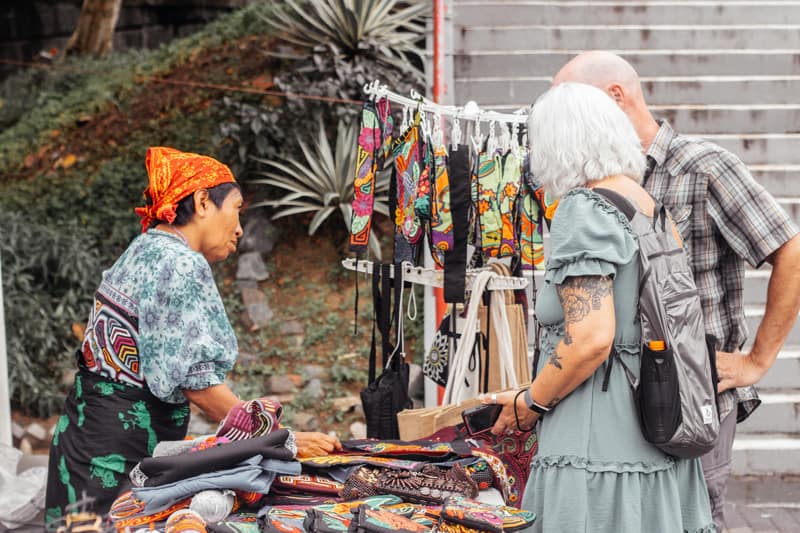
The economic impact of early textile production is still felt today. As the industry continues to evolve, the principles of quality, sustainability, and cultural authenticity remain key drivers of market success.
11. Future Outlook: Legacy and Modern Revival
The future of textile production is a fusion of tradition and innovation. The legacy of hand spinning and weaving offers timeless techniques that continue to inspire modern production methods and sustainable practices.
11.1 Revival of Artisanal Techniques
There is a renewed interest in artisanal and heritage textiles. Consumers, designers, and cultural institutions increasingly value the authenticity and sustainability of hand-spun and handwoven fabrics. This revival is supported by government initiatives, non-profit organizations, and industry collaborations aimed at preserving traditional skills. The future may see a greater integration of artisanal techniques with modern technology, such as hybrid production systems that combine digital precision with manual craftsmanship.
11.2 Sustainable Production and Circular Economy
Sustainability is a major driving force in the textile industry today. Early textile production inherently used sustainable practices, relying on natural fibers and manual labor. Modern manufacturers are increasingly looking to these traditions to inspire eco-friendly production methods. Innovations in recycling, upcycling, and sustainable sourcing are reviving the practices of hand spinning and weaving. These techniques support the circular economy, reducing waste and promoting long-term environmental stewardship.
11.3 Technological Integration and Digital Heritage
Advances in digital technology will continue to shape the future of textile production. Augmented Reality (AR) and Virtual Reality (VR) tools enable designers to explore traditional techniques in a modern context. Digital platforms allow for the preservation and dissemination of ancient textile knowledge, making these skills accessible to a global audience. The integration of traditional practices with digital innovation will create a new paradigm in textile production—one that honors heritage while embracing the future.

The future of early textile production lies in its ability to adapt and integrate with modern innovations. As artisans and manufacturers blend traditional techniques with digital advancements, the resulting products will not only be of high quality but will also resonate with consumers seeking authenticity and sustainability.
12. Summary and Conclusion
Early textile production through hand spinning and weaving represents a cornerstone of human ingenuity and cultural heritage. This article has journeyed through the origins, historical evolution, and technological advancements that transformed simple manual techniques into the sophisticated craft that laid the foundation for modern textiles.
We explored the historical context—from ancient civilizations using rudimentary spindles and looms to the revolutionary impact of inventions like the spinning wheel and power loom during the Industrial Revolution. We discussed how these techniques, rich in cultural significance, evolved into a complex industry that continues to inspire modern artisanal practices and sustainable production methods.
Key points include:
- Introduction: Hand spinning and weaving were the first steps in transforming raw fibers into textiles, blending art and science.
- History: Early civilizations developed unique methods to spin and weave, establishing cultural and economic foundations that influenced global trade.
- Technological Evolution: Innovations such as the spinning wheel, power loom, and digital integration revolutionized production processes, increasing efficiency and quality.
- Source and Availability: Early textile production relied on locally sourced natural fibers and simple tools, laying the groundwork for diverse textile traditions.
- Innovations: Groundbreaking developments in hand spinning and weaving, such as improved spindles, draw frames, and traditional dyeing techniques, continue to influence modern practices.
- Production Process: Detailed steps in hand spinning, weaving, and finishing illustrate the labor and skill required to produce high-quality textiles.
- Challenges: Early producers faced technical, economic, and social challenges, overcoming them through ingenuity and persistent innovation.
- Real-World Applications: Traditional textile communities and modern artisanal revivals demonstrate the lasting impact of these ancient techniques.
- End-Users: From everyday consumers in ancient times to modern fashion enthusiasts and cultural institutions, the legacy of early textile production serves diverse markets.
- Market: The economic importance of textiles, historically and today, underlines the enduring value of hand-produced fabrics.
- Future: The revival of artisanal techniques, sustainability initiatives, and digital integration will ensure that the art of hand spinning and weaving continues to thrive.
In conclusion, the rich history of early textile production not only tells a story of human creativity and perseverance but also provides valuable lessons for modern manufacturing. As the textile industry continues to evolve, the timeless principles of hand spinning and weaving will remain integral to sustainable, high-quality production. Embracing this heritage while integrating modern technology offers a pathway to a future where tradition and innovation coexist harmoniously.