Textile mills have long been the heartbeat of the global textile industry. Their evolution—from manually operated looms to modern, computer-controlled systems—has been driven by an unyielding commitment to efficiency, quality, and safety. Central to this evolution is the approach to equipment maintenance, which directly impacts production continuity, operational costs, and worker well-being. Today, two primary maintenance strategies stand out: preventive maintenance and predictive maintenance.
This article delves deeply into these strategies, comparing their methodologies, benefits, challenges, and applications within textile mills. By integrating storytelling with technical analysis and real-world examples, we aim to provide a comprehensive guide for textile professionals, safety managers, and decision-makers who seek to optimize maintenance practices for a competitive edge.
1. Introduction: The Foundation of Maintenance in Textile Mills
Maintenance in textile mills is a critical element of production management. It ensures that machinery—ranging from spinning frames and weaving looms to dyeing and finishing equipment—operates reliably and safely. In the textile industry, where even minor disruptions can cause significant delays, the choice of a maintenance strategy is paramount.
Preventive Maintenance (PM) is a proactive approach involving regular, scheduled inspections, cleaning, lubrication, and parts replacement. This strategy aims to prevent breakdowns before they occur by adhering to a strict maintenance timetable. On the other hand, Predictive Maintenance (PdM) uses real-time data, sensor technologies, and analytics to predict equipment failures before they happen, allowing maintenance work to be performed exactly when needed.
Both strategies offer distinct advantages and challenges. Preventive maintenance emphasizes routine care and can reduce unexpected breakdowns. Predictive maintenance leverages technology to target maintenance activities more precisely, potentially reducing costs and downtime. The decision between these strategies depends on several factors, including equipment criticality, production volume, and available technological infrastructure.
Textile mills worldwide have adopted varying combinations of these maintenance practices, tailoring them to their unique operational environments. In this article, we explore how these maintenance strategies have evolved, the technologies that enable them, and the tangible benefits they deliver to the textile industry.
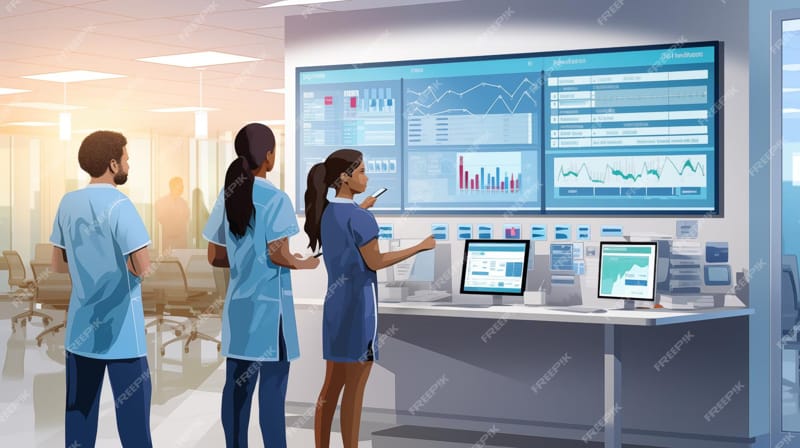
2. Historical Perspectives: The Evolution of Maintenance Practices
The journey toward modern maintenance strategies in textile mills reflects broader industrial trends. In early textile factories during the Industrial Revolution, maintenance was largely reactive. Machines were maintained only after failures occurred, leading to frequent downtime and significant production losses.
2.1 Early Maintenance Approaches
In the early days of industrial textile production, machines were often operated until they broke down. Repair work was carried out by skilled craftsmen, but there was little in the way of a systematic maintenance schedule. The lack of preventive measures meant that unexpected equipment failures were common. For instance, early spinning and weaving machines, though groundbreaking for their time, frequently required repairs that disrupted production schedules.
As the scale of textile production grew, the economic and social costs of frequent breakdowns became apparent. Workers faced hazardous conditions when machines malfunctioned, and factory owners experienced heavy financial losses due to production stoppages. These early challenges spurred the gradual adoption of preventive maintenance practices.
2.2 Emergence of Preventive Maintenance
By the early 20th century, as industrial operations expanded, textile mills began implementing scheduled maintenance routines. Preventive maintenance (PM) emerged as a systematic approach that involved regular inspections, lubrication, and parts replacement. This shift was driven by the recognition that planned maintenance could reduce the frequency and severity of equipment failures. Historical records indicate that mills implementing PM experienced improved machine longevity, enhanced safety, and lower repair costs.
Preventive maintenance practices were relatively simple: workers would inspect machines at fixed intervals and replace worn-out components according to manufacturer recommendations. Although these practices were basic, they marked a significant improvement over the reactive maintenance of earlier periods.
2.3 Transition to Predictive Maintenance
The latter half of the 20th century witnessed rapid technological advancements. The advent of sensors, microprocessors, and computerized control systems transformed maintenance strategies across industries, including textiles. Predictive maintenance (PdM) began to take shape as a more sophisticated approach. By monitoring equipment in real time and analyzing data trends, manufacturers could predict failures and schedule maintenance activities only when necessary.
Textile mills that embraced predictive maintenance saw a dramatic reduction in unplanned downtime and maintenance costs. These early applications of PdM were rudimentary compared to today’s systems but provided a glimpse of the future. The evolution from preventive to predictive maintenance illustrates a shift toward data-driven decision-making, enhancing both efficiency and safety in textile mills.
The historical journey from reactive to preventive, and finally to predictive maintenance, underscores the industry’s commitment to continuous improvement. This evolution has set the stage for the advanced maintenance systems that are integral to modern textile production.
3. Technological Evolution: From Manual Checks to Predictive Analytics
Technological innovation has been the driving force behind modern maintenance strategies in textile mills. Advancements in digital technologies, sensor networks, and data analytics have transformed how maintenance is conducted, moving from routine manual checks to sophisticated, predictive models that optimize operational uptime.
3.1 Digital Sensors and IoT
The introduction of digital sensors has revolutionized equipment monitoring. In modern textile mills, sensors are integrated into machines to continuously measure parameters such as temperature, vibration, noise, and pressure. These Internet of Things (IoT) devices provide real-time data on the health of equipment, enabling maintenance teams to detect anomalies that may indicate impending failures.
For example, sensors installed on a weaving loom can monitor vibration levels. A sudden spike in vibration may signal worn bearings or misaligned components. Data from these sensors is transmitted to central monitoring systems where it is analyzed in real time. Such digital oversight enables maintenance teams to intervene before a minor issue escalates into a full-blown breakdown.

3.2 Predictive Analytics and Machine Learning
Predictive maintenance (PdM) harnesses the power of predictive analytics and machine learning to forecast equipment failures. By analyzing historical data and real-time sensor outputs, advanced algorithms can identify patterns that precede equipment failure. These insights allow maintenance teams to schedule repairs precisely when needed, reducing unnecessary maintenance activities and preventing unexpected downtime.
For instance, machine learning models can predict the remaining useful life (RUL) of a motor based on its operational data. This prediction informs the maintenance schedule, ensuring that repairs or part replacements are conducted just in time. The precision of predictive analytics not only enhances operational efficiency but also optimizes resource allocation, saving both time and money.
3.3 Integration of Digital Twins
Digital twin technology further enhances predictive maintenance by creating a virtual replica of physical machinery. These digital twins simulate the behavior of equipment under various conditions, enabling engineers to test maintenance scenarios and predict potential failures without impacting actual production. This technology is especially valuable in textile mills, where even minor disruptions can have significant financial implications.
Digital twins integrate with IoT and predictive analytics systems, offering a comprehensive view of machine health. They allow manufacturers to experiment with different maintenance strategies and select the optimal approach based on simulated outcomes. The result is a maintenance strategy that is both proactive and adaptive to changing conditions.
3.4 Automation and Robotics
Automation plays a critical role in modern maintenance practices. Robotic systems and automated diagnostic tools can perform routine inspections and maintenance tasks with high precision and consistency. These technologies reduce the reliance on manual labor, lowering the risk of human error and improving overall safety. For example, automated lubrication systems ensure that moving parts receive the correct amount of lubricant at the optimal intervals, preventing wear and tear.
Automation also supports remote maintenance operations. Through telemaintenance, experts can monitor and troubleshoot equipment from a distance, ensuring rapid response to emerging issues. This integration of automation with predictive maintenance technology is transforming the way textile mills operate, enabling continuous, efficient, and safe production.

The technological evolution from manual maintenance checks to advanced predictive analytics has reshaped the maintenance landscape in textile mills. These innovations not only improve equipment reliability and efficiency but also contribute to a safer work environment and lower operational costs.
4. Source and Availability: Global Access to Maintenance Technologies
The availability of maintenance technologies and systems is critical for the global textile industry. Manufacturers worldwide have access to a range of tools and solutions—from traditional preventive maintenance practices to cutting-edge predictive maintenance systems—that help optimize machine performance and reduce downtime.
4.1 Global Suppliers of Maintenance Systems
Leading technology companies and specialized suppliers provide advanced maintenance systems tailored to the textile industry. Regions such as Europe, Asia, and North America are renowned for their innovation in industrial automation and digital solutions. These suppliers offer integrated maintenance systems that combine IoT sensors, predictive analytics software, and digital twin technology.
Trade shows and industry exhibitions, such as the International Maintenance Conference and ITMA, serve as platforms where manufacturers can explore the latest maintenance solutions. Digital marketplaces and supplier directories further facilitate access to these technologies. Platforms like TextileWorld and industry forums provide insights and reviews, helping textile mills select the most appropriate systems for their needs.
4.2 Training and Technical Support
Access to advanced maintenance technologies is complemented by comprehensive training and technical support. Many suppliers offer detailed documentation, on-site training programs, and online tutorials to ensure that maintenance teams can effectively use digital tools. Continuous education programs help staff stay current with the latest technologies and maintenance practices.
Technical support services, including remote troubleshooting and predictive maintenance consulting, are increasingly available. These services ensure that any issues are resolved quickly, minimizing production downtime and maintaining optimal performance.
4.3 Regional Availability and Customization
Regional variations in infrastructure and production practices necessitate the customization of maintenance solutions. Suppliers offer adaptable systems that can be tailored to the specific needs of textile mills in different regions. This customization ensures that maintenance systems are compatible with local operating conditions, regulatory requirements, and technical expertise. The ability to customize solutions enhances the effectiveness and adoption of advanced maintenance practices globally.

Global access to maintenance technologies ensures that textile mills, regardless of location, can benefit from the latest advancements in predictive and preventive maintenance. This global network of suppliers, combined with robust training and support, fosters a more efficient, safe, and sustainable textile industry.
5. Innovations in Maintenance Approaches
Innovation in maintenance approaches has revolutionized how textile mills manage their equipment. Preventive and predictive maintenance represent two distinct strategies, each with its own set of tools and methodologies.
5.1 Preventive Maintenance: A Proactive Approach
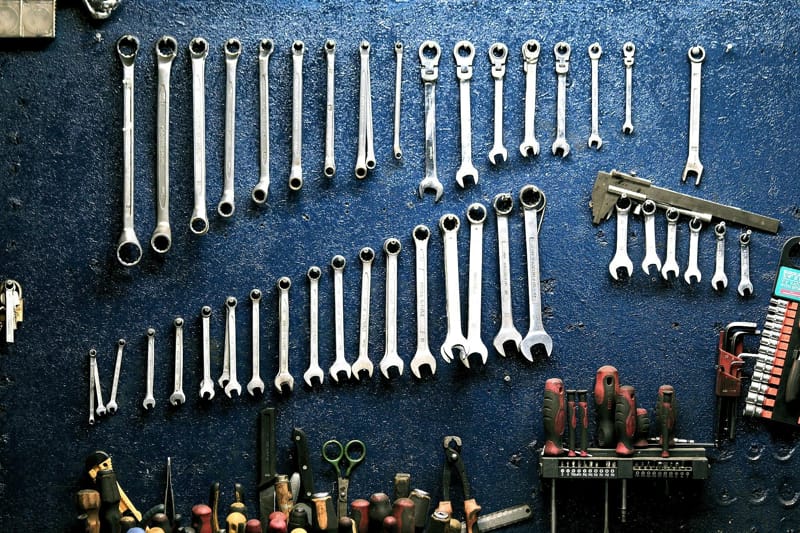
Preventive maintenance (PM) involves regular, scheduled activities designed to prevent equipment failure before it occurs. PM includes routine inspections, cleaning, lubrication, and part replacement. The goal is to maintain equipment in optimal condition, thereby reducing the likelihood of unexpected breakdowns.
The key elements of preventive maintenance include:
- Scheduled Inspections: Regularly checking equipment for signs of wear or damage.
- Routine Servicing: Lubricating, cleaning, and adjusting machines according to a set schedule.
- Replacement of Consumables: Changing parts that have a known lifespan before they fail.
- Documentation and Record-Keeping: Tracking maintenance activities to ensure compliance and continuous improvement.
Preventive maintenance is well-suited to environments where equipment failure can cause significant production disruptions. Its advantages include a predictable maintenance schedule and the ability to plan repairs during scheduled downtimes. However, PM can sometimes lead to over-maintenance, where components are replaced even when they have not reached the end of their useful life.
Table: Advantages and Limitations of Preventive Maintenance
| Advantages | Limitations |
|---|---|
| Predictable scheduling and planning | May result in unnecessary maintenance or over-maintenance |
| Reduces unexpected downtime | Can be labor-intensive and costly |
| Improves equipment longevity | May not detect issues developing between scheduled checks |
| Simple to implement with basic training | Lacks real-time data integration |
5.2 Predictive Maintenance: Harnessing Data for Efficiency
Predictive maintenance (PdM) takes a more dynamic approach by using real-time data, sensor technology, and predictive analytics to forecast equipment failures. Rather than adhering to a fixed schedule, PdM monitors the actual condition of machinery and performs maintenance only when necessary. Key components include:
- IoT Sensors: Measuring temperature, vibration, and other critical parameters.
- Data Analytics: Using machine learning algorithms to analyze sensor data and predict failures.
- Digital Twin Technology: Simulating machine performance to forecast potential issues.
- Real-Time Monitoring: Continuous surveillance of equipment conditions to trigger timely interventions.
Predictive maintenance minimizes downtime by ensuring that maintenance is performed only when needed. It reduces unnecessary costs and prolongs equipment life by addressing issues before they escalate. However, PdM requires significant investment in digital infrastructure and advanced analytics, making it more complex to implement than PM.
5.3 Hybrid Maintenance Strategies
Many modern textile mills adopt a hybrid approach that combines the best of preventive and predictive maintenance. In a hybrid system, routine checks are scheduled, but sensor data is also monitored continuously. This allows maintenance teams to perform routine tasks while being alerted to any unexpected changes in equipment condition. The hybrid strategy optimizes maintenance costs and ensures that machinery operates at peak efficiency.
Innovations in maintenance technologies continue to blur the lines between preventive and predictive approaches. Advanced algorithms and IoT integration enable more nuanced maintenance decisions that adapt to the specific operating conditions of each machine. As technology evolves, the hybrid model is likely to become the standard approach in textile mills.
The innovations in maintenance approaches—whether preventive, predictive, or hybrid—are central to the modern textile mill’s ability to maintain high productivity and safety standards. By leveraging advanced digital tools and data analytics, textile mills can significantly reduce downtime, optimize resource allocation, and extend the life of critical equipment.
6. Production Process: Integrating Maintenance into Textile Mills
Maintenance is a critical component of the textile production process. The effectiveness of maintenance strategies directly impacts production efficiency, product quality, and worker safety. Integrating maintenance into the daily operations of a textile mill requires careful planning, robust systems, and ongoing monitoring.
6.1 Pre-Production Maintenance
Before production begins, equipment must be thoroughly inspected and serviced. Pre-production maintenance includes:
- Machine Calibration: Ensuring that all settings are correct for the upcoming production run.
- Safety Checks: Verifying that all safety features, such as emergency stops and guards, are functional.
- Component Testing: Examining critical components for wear and tear.
- Documentation: Logging all pre-production checks to track equipment history.
A well-executed pre-production maintenance routine minimizes the risk of equipment failure during production and ensures that the machinery operates at optimal performance from the start.
6.2 In-Production Monitoring
During production, continuous monitoring of equipment condition is essential. Digital sensors and real-time data analytics play a key role in this phase. Parameters such as vibration, temperature, and output consistency are continuously monitored. Maintenance teams use this data to identify potential issues early and schedule interventions during natural production lulls.
In-production maintenance often involves:
- Scheduled Inspections: Regular visual and instrument-based checks during production runs.
- Dynamic Adjustments: Using real-time data to adjust machine settings on the fly.
- Immediate Repairs: Promptly addressing any detected anomalies to prevent production stoppages.
6.3 Post-Production Analysis
After a production run, a detailed analysis of machine performance is conducted. This analysis includes:
- Review of Sensor Data: Evaluating the performance data collected during production.
- Maintenance Logs: Comparing actual performance with historical data to identify trends.
- Feedback for Continuous Improvement: Using insights from the analysis to adjust maintenance schedules and machine settings for future runs.
This post-production phase is vital for continuous improvement, enabling textile mills to refine their maintenance strategies and enhance overall efficiency.
Table: Maintenance Integration in Production Processes
| Phase | Key Activities | Benefits |
|---|---|---|
| Pre-Production | Machine calibration, safety checks, component testing | Reduces start-up issues, ensures optimal performance |
| In-Production | Real-time monitoring, scheduled inspections, immediate repairs | Minimizes downtime, adapts to real-time conditions |
| Post-Production | Data analysis, maintenance log review, continuous improvement | Informs future maintenance planning, boosts efficiency |
Integrating maintenance seamlessly into the production process creates a resilient, efficient textile mill. The combined approach of pre-production checks, in-production monitoring, and post-production analysis ensures that maintenance becomes a continuous, proactive part of operations.
7. Challenges in Implementing Maintenance Strategies in Textile Mills
Despite the clear benefits, implementing effective maintenance strategies in textile mills is not without its challenges. These challenges can impact productivity, cost management, and overall operational reliability.
7.1 Technological Barriers
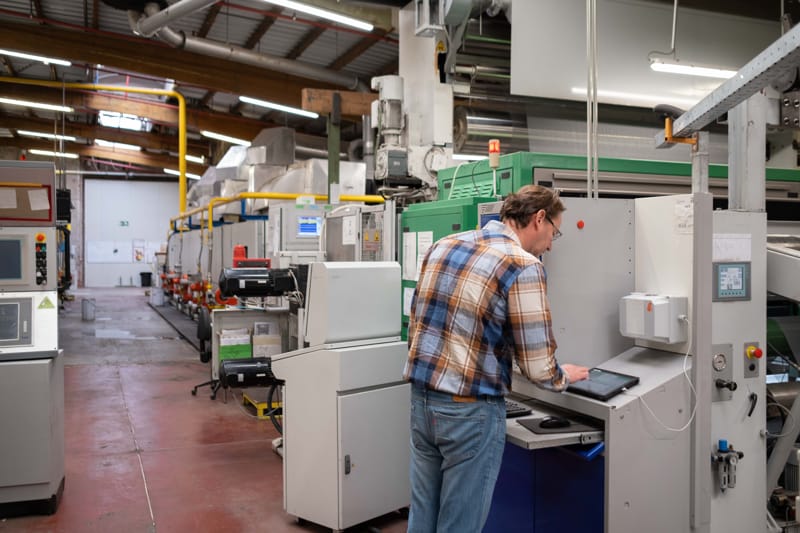
Adopting predictive maintenance requires significant investment in digital infrastructure. Many textile mills, especially older facilities, struggle to integrate modern IoT sensors and analytics platforms with legacy equipment. Upgrading these systems can be costly and time-consuming, and the technical expertise required to manage digital maintenance solutions may be lacking.
7.2 Data Management and Analysis
Predictive maintenance relies on collecting and analyzing large volumes of data. Inadequate data management practices can lead to inaccuracies and misinterpretations that compromise maintenance decisions. Textile mills must invest in robust data collection systems and employ skilled data analysts to translate raw data into actionable insights.
7.3 Workforce Training and Adaptation
The transition from preventive to predictive maintenance involves a cultural shift. Workers and maintenance teams must adapt to new technologies and methods, which can be met with resistance. Continuous training and change management programs are necessary to build a safety culture that embraces innovation.
7.4 Cost Implications and ROI
Implementing advanced maintenance systems involves upfront capital expenditure and ongoing operational costs. Textile mills must carefully assess the return on investment (ROI) to justify these expenses. While predictive maintenance can reduce downtime and lower long-term costs, the initial investment can be a barrier for small and medium-sized enterprises (SMEs).
Table: Challenges in Maintenance Strategy Implementation and Mitigation
| Challenge | Impact | Mitigation Strategy |
|---|---|---|
| Technological Integration | High cost, compatibility issues with legacy systems | Phased upgrades, government incentives, vendor support |
| Data Management | Inaccurate predictions, decision-making delays | Invest in robust data systems, train data analysts |
| Workforce Adaptation | Resistance to change, skill gaps | Continuous training, change management programs, incentives |
| Cost and ROI | High initial expenditure, financial strain | Conduct cost-benefit analysis, seek funding, focus on long-term gains |
Overcoming these challenges requires a strategic, multi-faceted approach that combines investment in technology with a commitment to workforce development and continuous improvement.
8. Real-World Applications and Case Studies
Practical examples illustrate the benefits and challenges of maintenance strategies in textile mills. Real-world case studies highlight how leading textile manufacturers have implemented preventive, predictive, or hybrid maintenance systems to optimize operations.
8.1 Case Study: Transition from Preventive to Predictive Maintenance
A major textile mill in South Asia historically relied on preventive maintenance schedules for its power looms and spinning machines. However, frequent unscheduled downtime and high repair costs prompted the management to invest in predictive maintenance. The mill installed IoT sensors on critical machinery and integrated a digital analytics platform to monitor equipment health in real time. Over the first year, the mill reported a 30% reduction in unplanned downtime and a 25% decrease in maintenance costs. Predictive maintenance allowed the team to replace components only when necessary, rather than on a fixed schedule. This case demonstrates how data-driven maintenance can significantly enhance operational efficiency.
8.2 Case Study: Hybrid Maintenance Approach in a European Textile Mill
A European textile manufacturer adopted a hybrid maintenance strategy, combining preventive and predictive methods. The facility maintained regular scheduled inspections while also monitoring key performance indicators through digital sensors. This dual approach ensured that routine maintenance tasks were performed consistently, and unexpected issues were promptly addressed. The result was an overall equipment efficiency (OEE) improvement of 20% and increased machine longevity. The hybrid strategy provided a balanced, cost-effective solution that adapted to the facility’s unique operational conditions.
8.3 Case Study: Leveraging Digital Twins for Maintenance Optimization
A North American textile conglomerate implemented digital twin technology to simulate and monitor its entire production line. By creating virtual models of critical machinery, the company was able to predict equipment failures and simulate maintenance scenarios without disrupting production. This innovation led to a 40% improvement in predictive maintenance accuracy and a significant reduction in machine downtime. The digital twin approach enabled the company to fine-tune its maintenance schedules and optimize resource allocation, proving that advanced simulation techniques can drive substantial operational improvements.

These case studies provide compelling evidence of the transformative impact of advanced maintenance strategies. By leveraging technology and data analytics, textile mills can achieve higher efficiency, reduced costs, and improved safety, ensuring that production processes remain resilient and competitive.
9. End-Users and Stakeholders: Who Benefits from Effective Maintenance
Effective maintenance strategies in textile mills have far-reaching benefits that extend beyond just the machinery. They influence every level of the organization and impact various stakeholders.
9.1 Manufacturers and Plant Managers
Manufacturers and plant managers are the primary beneficiaries of advanced maintenance systems. Effective maintenance reduces machine downtime, increases production output, and improves product quality. This results in lower operational costs, higher profitability, and enhanced market competitiveness. Managers who adopt predictive or hybrid maintenance can also better plan their production schedules and allocate resources more efficiently.
9.2 Maintenance and Engineering Teams
The implementation of digital maintenance systems empowers maintenance and engineering teams by providing them with real-time data and predictive insights. These teams can identify potential issues before they escalate into major problems, ensuring timely repairs and reducing the stress associated with emergency maintenance. Continuous training and advanced tools enhance their skill set, making them more effective and satisfied in their roles.
9.3 Workers and Labor Unions
A safer and more reliable production environment benefits workers directly. Reduced machine failures and optimized maintenance protocols lower the risk of accidents and improve overall workplace safety. Labor unions and worker representatives advocate for such measures, as they lead to better working conditions, reduced injury rates, and increased job satisfaction.
9.4 End Consumers and Market Players
Consumers benefit indirectly from effective maintenance practices as they contribute to the production of high-quality textiles. Consistent product quality and reliability boost consumer confidence and brand loyalty. Additionally, efficient maintenance practices contribute to sustainable production, which resonates with ethically minded consumers. Market players, including distributors and retailers, also enjoy the advantages of consistent supply and quality assurance.
Table: Stakeholders and Benefits of Advanced Maintenance Systems
| Stakeholder | Role/Impact | Benefits |
|---|---|---|
| Manufacturers/Plant Managers | Oversee production and maintenance processes | Increased productivity, reduced downtime, cost savings |
| Maintenance Teams | Monitor and repair equipment | Enhanced efficiency, proactive problem-solving, reduced emergency repairs |
| Workers | Operate machinery and work in a safer environment | Improved safety, reduced risk of injury, higher job satisfaction |
| Consumers/Market Players | Purchase and distribute textile products | Consistent product quality, brand trust, ethical production |
The collaboration among these stakeholders is essential for building a resilient, efficient, and safe textile production environment. Their combined efforts lead to sustainable operational practices and foster long-term success in the competitive textile industry.
10. Market Trends, Economic Impact, and Global Dynamics
Global textile mills are increasingly focusing on maintenance strategies as part of their broader operational excellence initiatives. Market trends show a growing emphasis on predictive maintenance driven by digital transformation and the need for sustainable production practices.
10.1 Market Trends in Maintenance
The textile industry is witnessing a paradigm shift from traditional preventive maintenance to more advanced predictive and hybrid models. This trend is fueled by the need to reduce downtime, optimize production, and meet environmental regulations. Textile mills adopting predictive maintenance enjoy increased equipment reliability, better resource utilization, and higher operational efficiency. Investment in digital maintenance technologies is on the rise, with companies recognizing the long-term cost savings and competitive advantages these systems offer.
10.2 Economic Impact
Efficient maintenance practices translate into significant economic benefits. Reduced downtime means higher production volumes, while predictive maintenance minimizes unnecessary repairs and prolongs machine lifespan. These improvements lead to lower operating costs, higher profitability, and enhanced market stability. Moreover, the adoption of digital maintenance systems supports sustainability initiatives by reducing energy consumption and waste, further contributing to the economic performance of textile mills.
10.3 Global Trade and Industry Competitiveness
Global trade dynamics are increasingly influenced by the operational efficiency of textile mills. Mills that maintain high uptime and consistent product quality are better positioned to meet international standards and gain access to lucrative markets. International buyers and regulatory bodies prefer suppliers with robust maintenance systems, which ensure that products are manufactured in safe and reliable environments. As global supply chains become more integrated, the ability to maintain competitive maintenance practices becomes a key differentiator in the market.
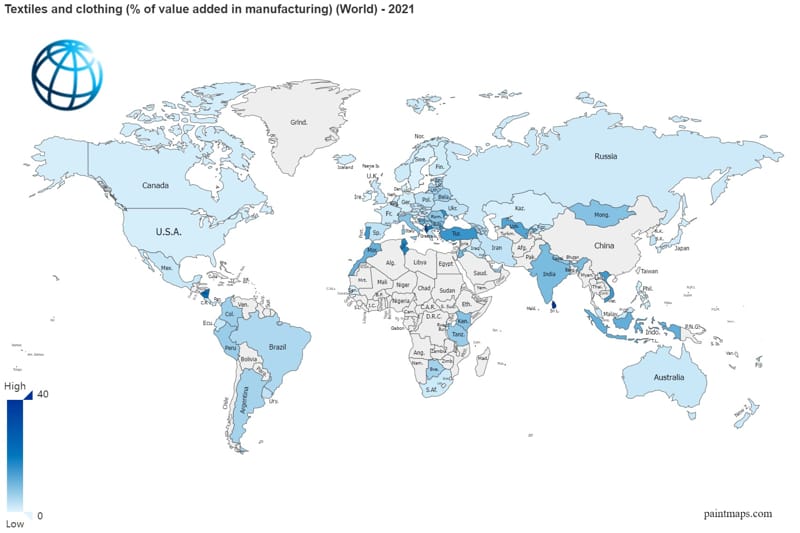
The market trends and economic impact of advanced maintenance strategies underscore the importance of investing in predictive and hybrid maintenance systems. As the textile industry continues to evolve, mills that embrace these innovations will not only reduce costs but also enhance their reputation and market share on a global scale.
11. Future Trends and Emerging Opportunities
The future of maintenance in textile mills is promising, with emerging technologies and evolving market demands paving the way for further innovations. As textile mills continue to modernize their operations, maintenance strategies will become increasingly sophisticated and integrated with overall production systems.
11.1 The Rise of AI and Machine Learning
Artificial intelligence and machine learning are set to revolutionize maintenance practices. Future systems will leverage advanced algorithms to predict equipment failures with even greater accuracy, optimize maintenance schedules, and reduce overall operational costs. These technologies will allow textile mills to move from reactive and scheduled maintenance to truly predictive maintenance models that adjust dynamically based on real-time data.
11.2 Integration with Digital Twins
Digital twin technology will play an increasingly important role in maintenance. By creating virtual replicas of textile machinery, manufacturers can simulate production processes and test maintenance scenarios without disrupting actual operations. This integration will enable more precise predictions of equipment failure, streamline maintenance scheduling, and facilitate continuous improvement in production efficiency.
11.3 Enhanced Sustainability and Green Maintenance
Sustainability remains a major driving force in the textile industry. Future maintenance systems will integrate green technologies and sustainable practices, reducing energy consumption, waste, and environmental impact. The development of eco-friendly lubricants, biodegradable cleaning agents, and energy-efficient sensors will further enhance the sustainability of textile mills. These innovations align with global trends toward environmental responsibility and ethical production practices.
11.4 Customized and Modular Maintenance Solutions
The future will see increased customization in maintenance strategies. Textile mills will adopt modular maintenance systems that can be easily tailored to specific operational needs. This flexibility will enable smaller mills and SMEs to implement advanced maintenance practices without the prohibitive costs typically associated with high-end systems. Modular solutions will also allow mills to scale their maintenance operations as production demands grow.
Emerging opportunities in maintenance will drive innovation and competitive advantage in the textile industry. As technology continues to advance and market demands evolve, textile mills that invest in future-proof maintenance strategies will lead the way in operational excellence, safety, and sustainability.
12. Summary and Conclusion
Global maintenance strategies in textile mills are critical to ensuring efficient production, safeguarding workers, and optimizing operational costs. This comprehensive article has explored the evolution of maintenance approaches—contrasting preventive and predictive maintenance—and their transformative impact on the textile industry.
Key insights include:
- Introduction: Effective maintenance is fundamental for operational efficiency and worker safety in textile mills.
- Historical Evolution: Maintenance practices have evolved from reactive repairs in early mills to systematic preventive routines, and now to sophisticated predictive models.
- Technological Advancements: Digital sensors, IoT, AI, and digital twin technology have revolutionized maintenance, allowing real-time monitoring and predictive analytics.
- Source and Availability: Global suppliers offer a range of maintenance technologies, complemented by comprehensive training and technical support to ensure consistent implementation.
- Innovations: Breakthroughs in digital safety systems, robotics, and eco-friendly practices are driving the future of maintenance.
- Production Process Integration: Maintenance is now integrated into every production phase, from pre-production checks to in-production monitoring and post-production analysis.
- Challenges: Implementing advanced maintenance strategies involves technological, regulatory, economic, and human factors, each requiring careful management.
- Real-World Applications: Case studies from textile mills in South Asia, Europe, and North America illustrate the tangible benefits of transitioning from preventive to predictive maintenance.
- End-Users and Stakeholders: Manufacturers, maintenance teams, workers, regulators, and consumers all benefit from robust maintenance systems.
- Market Trends and Economic Impact: Digital maintenance systems reduce downtime, lower costs, and enhance global competitiveness, driving market growth.
- Future Trends: AI, digital twins, sustainable practices, and modular maintenance solutions will define the next era of maintenance in textile mills.
In conclusion, the evolution of maintenance strategies—from preventive to predictive—represents a critical shift in how textile mills manage their operations. By leveraging digital technologies and embracing sustainable practices, the textile industry can significantly reduce downtime, lower maintenance costs, and create safer, more productive work environments. The continued evolution of maintenance practices is essential for sustaining competitive advantage in an increasingly complex global market, ensuring that textile mills remain efficient, safe, and environmentally responsible.