Sustainable fabrics are revolutionizing the fashion industry by offering eco-friendly alternatives that minimize environmental harm. These textiles, derived from renewable or recycled sources, reduce water usage, chemical pollution, and carbon emissions compared to conventional materials like polyester and traditional cotton. This article explores key sustainable fabrics, their production processes, environmental benefits, and challenges, providing a comprehensive guide for consumers and designers aiming to make ethical fashion choices.
Key Points
- Sustainable fabrics, such as organic cotton, hemp, linen, Tencel Lyocell, and recycled materials, are designed to reduce environmental impact through eco-friendly production methods.
- Research suggests organic cotton uses up to 91% less irrigation water than conventional cotton, though some studies debate this due to lower yields requiring more land.
- Hemp and linen require minimal water and pesticides, making them highly sustainable, while Tencel Lyocell uses a closed-loop system to recycle chemicals.
- Recycled fabrics like recycled polyester (rPET) and recycled cotton help manage waste but may still pose issues like microplastic shedding.
- The evidence leans toward sustainable fabrics having a lower environmental footprint, but the overall impact depends on the entire supply chain, including dyeing and manufacturing.
- Certifications like GOTS and transparency in supply chains are crucial to ensure true sustainability, addressing concerns about greenwashing.
What Are Sustainable Fabrics?
Sustainable fabrics are textiles produced with minimal environmental impact, often using renewable resources, recycled materials, or eco-friendly methods that conserve water, energy, and reduce harmful chemicals. These fabrics aim to mitigate the fashion industry’s significant ecological footprint, which accounts for approximately 10% of global carbon emissions and substantial water usage. By choosing sustainable fabrics, consumers and designers can support ethical fashion practices that prioritize the planet’s health.
Why Sustainable Fabrics Matter
The fashion industry is a major contributor to environmental degradation, with conventional fabrics like polyester and cotton linked to high water consumption, chemical pollution, and non-biodegradable waste. Sustainable fabrics offer a pathway to reduce these impacts by promoting biodiversity, minimizing resource use, and supporting circular economies. For example, organic cotton avoids synthetic pesticides, while recycled polyester repurposes plastic waste, reducing landfill contributions.
Environmental Impact of Conventional Fabrics
Conventional fabrics have significant environmental drawbacks:
- Polyester: Derived from petroleum, it’s non-biodegradable, takes 20-200 years to break down, and releases over 700,000 microplastics per wash.
- Conventional Cotton: Requires 1,931 liters of irrigation water and 6,003 liters of rainwater for a t-shirt and jeans, consuming 16.1% of global insecticides.
- Nylon: Similar to polyester, it’s non-biodegradable and produces nitrous oxide, a potent greenhouse gas.
- Rayon (Viscose): Involves water- and energy-intensive processes and contributes to deforestation.
Sustainable fabrics address these issues through innovative production and material choices, offering a greener alternative for eco-conscious consumers.
Sustainable Fabrics: A Comprehensive Guide to Eco-Friendly Textiles
Introduction
The fashion industry is one of the world’s largest polluters, contributing to approximately 10% of global carbon emissions and consuming vast amounts of water and energy. Conventional textiles like polyester and cotton are resource-intensive, often involving harmful chemicals and non-biodegradable materials that harm ecosystems. Sustainable fabrics, derived from renewable or recycled sources, offer a promising solution to reduce these impacts. This comprehensive guide explores the most prominent sustainable fabrics, their production processes, environmental benefits, and challenges, providing insights for consumers and designers seeking to embrace ethical fashion. By understanding these eco-friendly textiles, we can make informed choices to support a greener future.
Defining Sustainable Fabrics
Sustainable fabrics are textiles designed to minimize environmental harm throughout their lifecycle, from sourcing to disposal. They are typically made from renewable resources, such as organic crops, or recycled materials, like plastic bottles, and produced using methods that conserve water, energy, and reduce chemical pollution. These fabrics aim to address the fashion industry’s environmental challenges, including water scarcity, soil degradation, and greenhouse gas emissions. Certifications like the Global Organic Textile Standard (GOTS) and Responsible Wool Standard ensure adherence to strict environmental and social criteria, helping consumers identify truly sustainable options.
Plant-Based Natural Fibers

Plant-based fibers are derived from renewable crops and are often biodegradable, making them a cornerstone of sustainable fashion. These fibers typically require fewer resources and chemicals compared to conventional alternatives.
Organic Cotton
Organic cotton is grown without synthetic pesticides, herbicides, or genetically modified organisms (GMOs), using natural farming methods like crop rotation to maintain soil health. According to a Textile Exchange Life Cycle Assessment (LCA), organic cotton reduces blue water consumption by up to 91% compared to conventional cotton, primarily due to reliance on rainwater and healthier soil that retains moisture better. It also lowers greenhouse gas emissions by 46% and reduces soil erosion by 26%. However, some studies, such as one from Quartz (2017), suggest organic cotton may require more land due to lower yields, potentially increasing water use in some contexts. Certifications like GOTS ensure ethical production. Brands like Pact utilize organic cotton for soft, breathable clothing.
Hemp
Hemp, derived from the Cannabis sativa plant, is one of the most sustainable fabrics available. It requires minimal water—approximately 300-500 liters per kilogram compared to cotton’s 10,000 liters—and no pesticides, as it naturally resists pests. Hemp’s deep root system improves soil health, sequesters carbon (removing 1.62 tons of CO2 per ton produced), and yields multiple harvests annually. Its durability and antibacterial properties make it ideal for long-lasting clothing. However, transportation for processing can be energy-intensive due to hemp’s bulkiness, and non-organic hemp may involve harmful fertilizers. Brands like Patagonia incorporate hemp into durable garments.
Linen
Linen, made from the flax plant, requires minimal water and pesticides and thrives in poor soil, reducing land use conflicts. It is fully biodegradable when undyed and offers durability, breathability, and moisture-wicking properties. Linen production has a lower environmental impact than cotton, with fewer herbicides needed. However, heavy bleaching for white linen can reduce its eco-friendliness, and it tends to wrinkle easily. Brands like MagicLinen produce ethical linen clothing, emphasizing its sustainability.
Bamboo
Bamboo is a fast-growing, renewable crop requiring little water and no pesticides. When processed mechanically into bamboo linen, it is highly sustainable, offering softness and antibacterial properties. However, chemical processing into bamboo viscose involves harmful solvents, reducing its eco-friendliness. Consumers should verify sustainable processing methods. Brands like Boody use bamboo for comfortable, eco-friendly apparel.
Animal-Based Natural Fibers
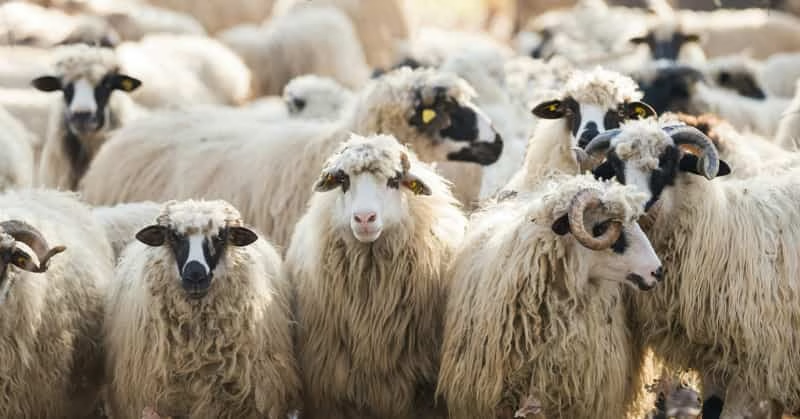
Animal-based fibers can be sustainable when sourced responsibly, though ethical concerns about animal welfare are significant. These fibers are renewable and often biodegradable.
Wool
Wool, sourced from sheep or alpacas, is renewable, biodegradable, and durable. Regenerative farming practices can sequester carbon and improve soil health. Wool is insulating and moisture-wicking, ideal for outerwear. The Responsible Wool Standard ensures ethical treatment and sustainable practices. However, some wool production involves high water and land use, and animal welfare concerns persist. Brands like Mamacha use sustainable wool, including alpaca varieties.
Silk
Silk, produced by silkworms, is a low-waste, biodegradable fiber requiring minimal water. However, ethical concerns arise due to silkworm treatment, and it is not vegan. Ahimsa silk, marketed as cruelty-free, lacks robust evidence of ethical practices. Brands like Quince offer silk with sustainable sourcing where possible.
Recycled Fibers
Recycled fibers repurpose existing materials, reducing waste and the demand for virgin resources. They are critical for addressing the fashion industry’s waste problem.
Recycled Cotton
Recycled cotton is made from post-industrial or post-consumer waste, such as fabric scraps or discarded garments. It reduces water and energy use compared to virgin cotton and diverts textiles from landfills. However, its quality may be lower, and recycling infrastructure is limited. Brands like Lisa Says Gah use recycled cotton in their collections.
Recycled Polyester (rPET)
Recycled polyester, made from plastic bottles and other waste, uses approximately 35% less water than virgin polyester and helps manage plastic waste. It is versatile for activewear but sheds microplastics during washing, posing environmental risks. Brands like Girlfriend Collective utilize rPET for sustainable apparel.
Recycled Wool
Recycled wool reuses wool from discarded garments, reducing environmental and ethical impacts. It maintains durability and warmth while minimizing resource use. Brands like Manteco specialize in recycled wool fabrics.
Innovative Fibers
Innovative fibers leverage technology or agricultural byproducts to create sustainable alternatives, addressing specific environmental challenges.
Tencel Lyocell
Tencel, a brand of lyocell, is made from sustainably sourced wood pulp in a closed-loop process that recycles 99% of water and solvents. It uses one-third the water of rayon and is biodegradable, soft, and moisture-wicking. Tencel is ideal for activewear and casual clothing. Brands like tentree use Tencel for eco-friendly designs.
Pinatex
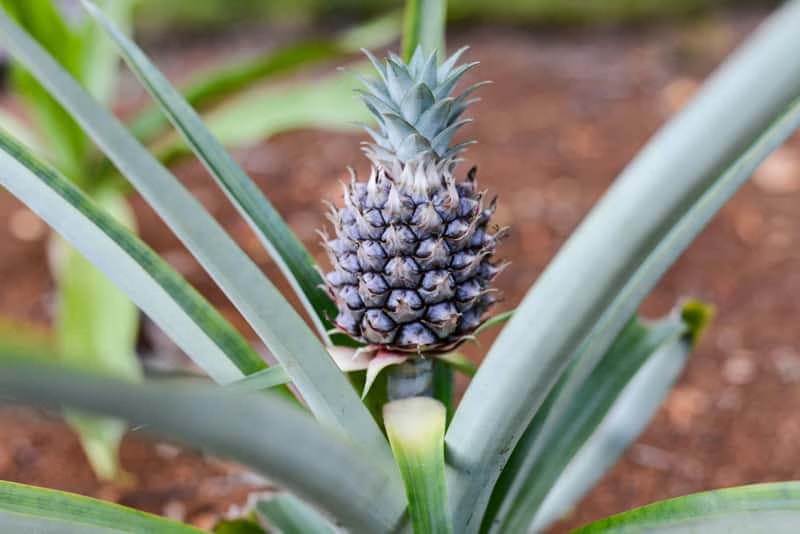
Pinatex, a vegan leather alternative, is made from pineapple leaf fibers, a byproduct of agriculture. It reduces waste, supports rural communities, and is biodegradable, though some synthetic components limit full biodegradability. Pinatex is used in shoes and accessories by brands like NAE.
ECONYL
ECONYL, a regenerated nylon from waste like fishing nets, uses less water and energy than virgin nylon. It is suitable for outerwear but sheds microplastics. Brands like Reformation incorporate ECONYL into sustainable designs.
Environmental Impact Comparison
The following table compares the environmental impacts of sustainable and conventional fabrics based on available data:
| Fabric | Water Usage (per kg) | Pesticide Use | Biodegradability | Carbon Emissions | Notes |
|---|---|---|---|---|---|
| Conventional Cotton | 10,000-20,000 liters | High (16.1% of global insecticides) | Yes | 1.8 tonnes CO2e/tonne | Pollutes waterways |
| Organic Cotton | ~1,000 liters (blue water) | None | Yes | 46% less than conventional | May require more land |
| Hemp | 300-500 liters | None | Yes | Carbon-negative (1.62 tonnes CO2 sequestered/tonne) | Energy-intensive transport |
| Linen | Low (similar to hemp) | Minimal | Yes (undyed) | Low | Wrinkles easily |
| Tencel Lyocell | ~1/3 of rayon | None | Yes | Low | Closed-loop process |
| Recycled Polyester (rPET) | 35% less than virgin polyester | None | No | Lower than virgin polyester | Microplastic shedding |
| Polyester | High (cooling water) | N/A | No | 8 million metric tons methane/year (US) | Microplastic pollution |
| Nylon | High | N/A | No | Nitrous oxide emissions | Non-biodegradable |
Challenges and Considerations
While sustainable fabrics offer significant benefits, challenges remain:
- Greenwashing: Some brands may exaggerate sustainability claims. Certifications like GOTS and transparency in supply chains are essential.
- Microplastics: Synthetic recycled fabrics like rPET and ECONYL shed microplastics, requiring solutions like washing bags.
- Cost and Availability: Sustainable fabrics like organic cotton and Pinatex can be expensive and less accessible.
- Supply Chain Impacts: The overall sustainability depends on dyeing, manufacturing, and transportation processes.
Consumers should prioritize brands with transparent practices and certifications to ensure ethical choices.
The Future of Sustainable Fabrics
The sustainable fabric market is evolving rapidly, with innovations like Qmonos (synthetic spider silk) and Circulose (recycled textile pulp) gaining traction. Organic cotton production is increasing, with a 37% annual rise in harvests. Advances in textile recycling technologies and a shift toward slow fashion, emphasizing quality and longevity, are driving adoption. As consumer awareness grows, demand for eco-friendly textiles is expected to shape a more sustainable fashion industry.
Conclusion
Sustainable fabrics like organic cotton, hemp, linen, Tencel Lyocell, and recycled materials are pivotal in reducing the fashion industry’s environmental footprint. By minimizing water usage, chemical pollution, and waste, these textiles offer a greener alternative to conventional fabrics like polyester and traditional cotton. While challenges like cost and microplastic pollution persist, certifications and transparent supply chains help ensure ethical choices. By embracing sustainable fabrics, consumers and designers can contribute to a more environmentally responsible fashion industry, supporting a healthier planet for future generations. For more insights on sustainable textiles, visit Textile School.
Citations
- Good On You. “What Are the Best Lower-Impact Fabrics and Fibres on the Market Right Now?” Good On You, 28 Mar. 2025, goodonyou.eco/most-sustainable-fabrics/.
- Eco-Stylist. “A Guide to the Most and Least Sustainable Fabrics in Fashion.” Eco-Stylist, 4 June 2020, www.eco-stylist.com/a-guide-to-the-most-and-least-sustainable-fabrics/.
- The Good Trade. “The 15 Best Sustainable Materials And Eco Friendly Fabrics.” The Good Trade, 9 July 2025, www.thegoodtrade.com/features/sustainable-clothing-fabrics/.
- Textile Exchange. “The Life Cycle Assessment of Organic Cotton Fiber: Summary of Findings.” Textile Exchange, store.textileexchange.org/product/the-life-cycle-assessment-of-organic-cotton-fiber-summary-of-findings/.
- Citizen Wolf. “Why Hemp Is the Most Sustainable Fabric Available Today.” Citizen Wolf, 12 Nov. 2019, www.citizenwolf.com/blogs/news/why-hemp-is-the-most-sustainable-fabric.