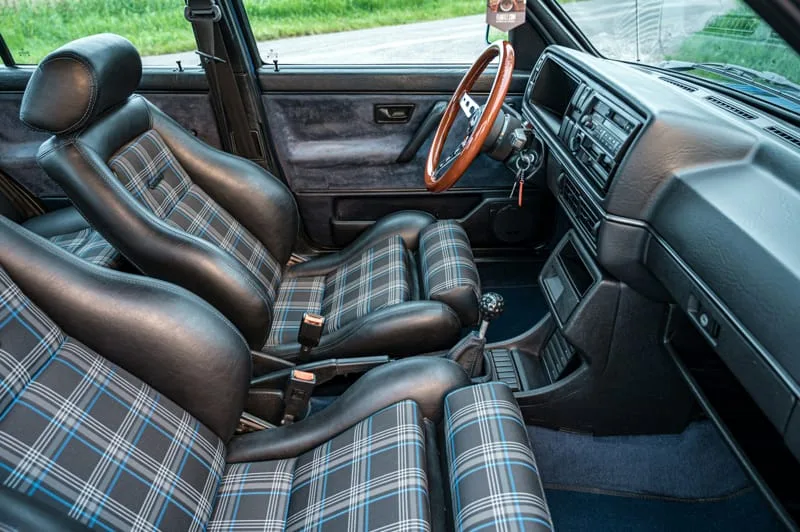
Automotive textiles are fabrics built into vehicles for safety, comfort and appearance. Early cars used cotton and wool mainly for basic upholstery; textiles now also provide sound insulation, impact protection and weight reduction, and include fire-retardant materials, airbag fabrics, moisture-wicking seat covers and smart textiles that monitor driver well-being. They must be durable yet lightweight and meet industry standards for flammability, tensile strength and UV resistance.
Introduction
Automobile manufacturers have increasingly integrated textiles to improve safety, comfort, and aesthetics. In the early days, textiles mainly provided basic upholstery. Today, they fulfill many technical roles—from sound insulation and impact protection to weight reduction and environmental sustainability. Automotive textiles now include fire-retardant materials, airbag fabrics, seat covers with moisture-wicking properties, and even smart textiles that can monitor driver well-being.
Automotive engineers and textile scientists work hand-in-hand to design fabrics that are durable yet lightweight. These textiles must comply with strict industry standards, including flammability tests, tensile strength, and UV resistance. As new technologies emerge, textiles have evolved to support the rapid pace of innovation in vehicle design.
Today’s automotive textiles are the result of decades of innovation and relentless research. Manufacturers strive to create materials that improve vehicle performance and boost passenger safety. In this article, we explore the journey of automotive textiles, emphasizing historical context, technological advancements, production methodologies, market dynamics, and future trends.
History of Automotive Textiles
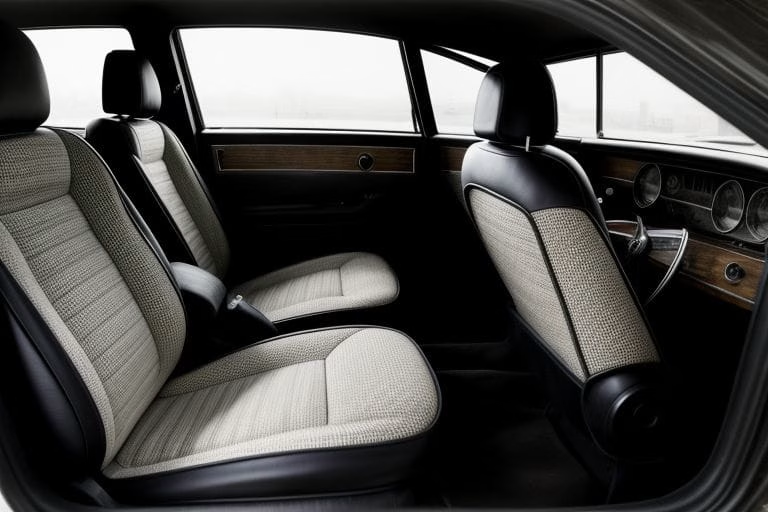
The story of automotive textiles dates back to the early 20th century when the first automobiles featured basic fabric upholstery. Early vehicles used natural fibers such as cotton and wool for seat covers and interior linings. These materials provided a degree of comfort and were readily available. Manufacturers adopted simple stitching methods and basic dyeing processes to color the interiors.
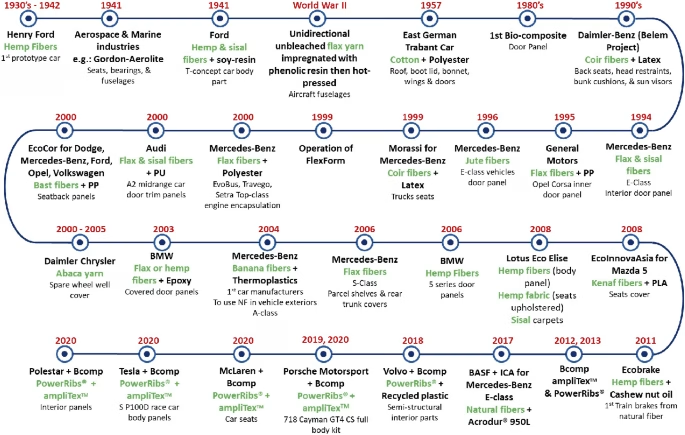
As the automotive industry expanded, so did the demands on textile materials. In the 1930s and 1940s, synthetic fibers began to replace natural fibers due to their increased durability and resistance to wear. Materials such as rayon and nylon were introduced, offering a more robust solution for car interiors. These innovations allowed manufacturers to create more resilient and aesthetically pleasing interiors even during periods of rapid industrial growth.
By the 1960s, the design focus shifted toward safety and comfort. The need for textiles that could serve multiple functions grew. For instance, fire-resistant fabrics were developed to improve passenger safety in case of an accident. Manufacturers also started using textiles as insulation materials, which helped reduce engine and road noise inside the vehicle cabin.
In the 1980s, the automotive industry embraced computerized manufacturing and automation. This revolution enabled textile manufacturers to produce fabrics with more consistent quality and intricate designs. Digital printing techniques allowed for vibrant colors and patterns, which elevated the interior aesthetics of cars. Collaborations between automotive giants and textile innovators spurred the creation of technical textiles that met the demanding requirements of the industry.
Technological Evolution in Automotive Textiles
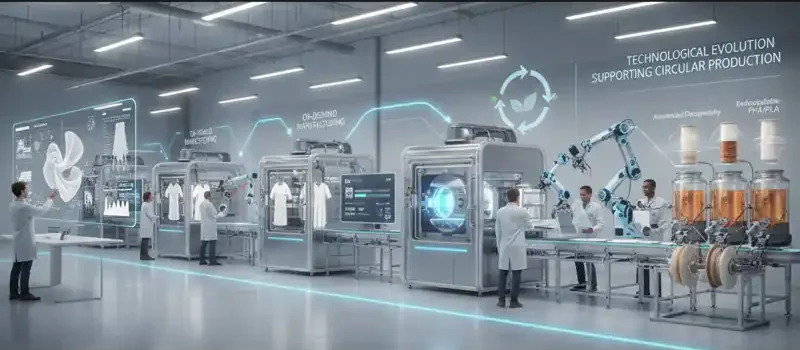
The technological evolution in automotive textiles reflects the broader changes in both textile manufacturing and the automotive industry. Manufacturers began with traditional weaving and dyeing techniques and advanced toward high-tech processes involving computer-aided design (CAD) and robotics. This section explores the key technological advancements that have reshaped automotive textiles.
Advanced Weaving and Knitting Techniques
Modern automotive textiles benefit from automated weaving and knitting systems that ensure precision and repeatability. High-speed looms and computerized knitting machines have reduced human error and increased production rates. These innovations allow for the creation of complex fabric structures that offer enhanced durability and comfort.
For example, 3D weaving techniques enable the production of multi-layered fabrics that provide excellent energy absorption and impact resistance. Such materials are critical for applications like airbag deployment systems and seatbelt reinforcements. Manufacturers often use formulas like:
Efficiency Ratio = (Output Quality × Production Speed) / (Material Cost × Waste Factor)
This formula helps optimize the production process while keeping costs under control.
Integration of Smart Textiles
Smart textiles have entered the automotive arena with sensors embedded in fabrics. These sensors can monitor temperature, pressure, and even the driver’s posture, providing real-time data to improve safety and comfort. For instance, textile-based airbags now utilize sensor arrays to detect collisions and deploy airbags more accurately.
Such smart textiles also contribute to energy efficiency. In electric vehicles, lightweight textile composites help reduce overall weight, thereby extending battery life. The combination of carbon fiber and resin-infused fabrics offers high strength at a fraction of the weight of traditional materials. These composites undergo rigorous testing to ensure they meet safety standards while enhancing performance.
Digital Printing and Customization
Digital printing has revolutionized automotive textiles. Manufacturers can now produce customized designs and patterns that match a car’s overall aesthetic. High-definition printing technology enables the creation of intricate patterns that maintain their vibrancy over time. This evolution not only improves visual appeal but also offers functional benefits. For example, certain patterns can be designed to mask minor wear and tear or hide unsightly stains.
Moreover, digital printing technology supports small-batch production runs, which allows car manufacturers to offer personalized interiors for premium models. This flexibility in design has become a key selling point in the competitive luxury car market.
Innovations in Coatings and Finishes
Recent advancements in textile coatings have dramatically improved the performance of automotive fabrics. Nanocoatings provide water and stain resistance without compromising breathability. These coatings extend the lifespan of fabrics and maintain their appearance over time. Innovations in UV-resistant finishes help protect interior fabrics from fading due to prolonged sun exposure.
Manufacturers use eco-friendly, water-based coatings to meet stringent environmental regulations. These finishes are critical in reducing the carbon footprint of the textile production process while ensuring that the products remain highly functional.
Robotics and Automation in Production
The integration of robotics in textile manufacturing has increased efficiency and precision. Automated cutting and sewing systems minimize material waste and improve quality control. These technologies allow manufacturers to produce large quantities of textiles that meet consistent quality standards.
In addition, robotics help streamline the assembly of complex textile components, such as multi-layer composites and integrated sensor fabrics. This integration not only boosts production speed but also reduces labor costs and errors. As a result, automotive manufacturers can deliver high-performance vehicles with advanced textile features at competitive prices.
Sources and Availability of Automotive Textile Materials
The raw materials for automotive textiles come from a variety of sources, including natural fibers, synthetic fibers, and advanced composite materials. The availability of these materials depends on global supply chains, technological advancements, and sustainability considerations.
Natural Fibers Versus Synthetic Fibers
Historically, natural fibers like cotton, wool, and silk dominated textile production. Today, synthetic fibers such as polyester, nylon, and polypropylene lead the industry because they offer enhanced durability, resistance to wear, and ease of care. For example, car seat covers often use polyester blends that provide a soft feel and resistance to fading.
Synthetic fibers also allow for the incorporation of additional properties. Fire-resistant fibers, for instance, are essential in applications such as airbags and interior trims. The evolution of synthetic materials has enabled manufacturers to tailor textile properties to meet specific automotive requirements.
Advanced Composite Materials
Composite textiles combine fibers with resins or other matrices to create materials with exceptional strength-to-weight ratios. Carbon fiber-reinforced polymers (CFRPs) are a prime example. Although traditionally used in aerospace, these composites have found a critical role in modern automobiles by reducing weight and enhancing structural rigidity.
The production of composite textiles requires specialized equipment and strict quality controls. Manufacturers source high-grade carbon fibers from established suppliers and process them using proprietary techniques. These materials undergo rigorous testing for tensile strength, impact resistance, and environmental durability.
Sustainable and Eco-Friendly Alternatives
Sustainability has become a key driver in material sourcing. Automotive manufacturers increasingly seek eco-friendly alternatives that reduce environmental impact. Bio-based polymers, recycled fibers, and organic cotton are gaining traction in the industry. Sustainable production processes not only meet regulatory requirements but also appeal to environmentally conscious consumers.
Leading industry players often collaborate with research institutions to develop greener textile alternatives. These initiatives aim to reduce water consumption, minimize chemical use, and lower overall carbon emissions during production.
Global Supply Chain Dynamics
The availability of automotive textile materials is influenced by global supply chains. Countries with robust textile industries, such as China, India, and Pakistan, play a significant role in supplying raw materials and finished products. However, geopolitical factors, trade regulations, and environmental policies affect the supply chain. Manufacturers must remain agile and adopt strategies to ensure consistent supply.
Many automotive companies now work closely with textile suppliers to secure exclusive contracts and develop long-term partnerships. This collaboration helps ensure that materials meet the stringent quality standards required in the automotive industry. In addition, digital platforms and supply chain management systems allow companies to track material quality and delivery timelines more effectively.
| Material Type | Key Properties | Common Applications | Major Regions/Suppliers |
|---|---|---|---|
| Natural Fibers | Soft, breathable, sustainable | Seat covers, interior trims | India, Pakistan, USA |
| Synthetic Fibers | Durable, flame-resistant, low cost | Upholstery, insulation | China, South Korea, Germany |
| Composite Materials | High strength-to-weight ratio | Structural reinforcements | USA, Japan, Europe |
| Eco-Friendly Materials | Renewable, low environmental impact | Premium interiors, eco models | Europe, USA, India |
Availability Through Industry Networks
Industry networks and trade associations facilitate the procurement of high-quality automotive textiles. Organizations like the International Textile Manufacturers Federation (ITMF) help streamline the supply chain and provide resources for textile innovation. Manufacturers also attend global trade fairs, such as the Techtextil exhibition, to source the latest materials and technologies.
Collaborations between textile innovators and automotive manufacturers foster an environment of constant improvement and product enhancement. These partnerships are crucial in ensuring that textile products not only meet but exceed industry standards.
Innovations in Textile Applications for Automobiles
Innovative textile solutions have transformed the automotive industry. Recent advancements focus on improving safety, comfort, and performance while also addressing environmental concerns. This section examines the groundbreaking innovations that drive automotive textile development.
High-Performance Protective Fabrics
Automotive textiles now include high-performance fabrics designed for impact resistance and fire protection. Airbag fabrics are engineered to deploy rapidly during collisions while withstanding extreme forces. Manufacturers employ ultra-high-molecular-weight polyethylene (UHMWPE) fibers to create materials that absorb impact energy efficiently. These fibers help reduce injuries during accidents.
Automotive designers use computer simulations to test fabric performance under stress. Data-driven insights from these simulations lead to safer designs. For example, a simple formula used in material science is:
Impact Absorption Efficiency = (Energy Absorbed by Fabric) / (Initial Kinetic Energy)
This formula guides engineers in selecting the optimal fabric composition for airbags and interior panels.
Smart Textiles and Sensor Integration
Smart textiles integrate sensors that monitor environmental conditions, such as temperature, humidity, and pressure. In automotive applications, these textiles contribute to driver safety by detecting abnormal conditions and triggering alerts. For instance, textiles embedded with pressure sensors can warn drivers about improper seating positions that might affect airbag deployment.
These smart textiles also play a role in climate control. Materials that can adapt their insulation properties based on ambient temperature improve energy efficiency in modern vehicles. They can adjust to either retain heat in cold weather or disperse heat in warm climates, ensuring passenger comfort and reducing the load on the vehicle’s HVAC system.
Nano-Coatings and Functional Finishes
Nanotechnology has introduced innovative coatings that enhance textile performance. Nano-coatings improve water and stain resistance, protect against UV degradation, and increase durability. In automotive interiors, these coatings ensure that fabrics maintain their appearance over the life of the vehicle.
Innovative finishes, such as antimicrobial coatings, add another layer of functionality. These finishes inhibit the growth of bacteria and fungi, which is particularly important in shared mobility solutions like car rentals and ride-sharing services. The result is a cleaner and safer environment for all passengers.
Lightweight Composite Textiles
Automobile manufacturers continuously seek to reduce vehicle weight to enhance fuel efficiency. Lightweight composite textiles offer a solution by combining natural or synthetic fibers with polymer matrices. These composites are used in non-structural applications such as door panels, headliners, and seat structures.
Advanced manufacturing techniques such as resin transfer molding (RTM) and vacuum-assisted resin infusion (VARI) help produce these composites with exceptional strength and minimal weight. The reduced weight contributes to improved fuel economy and reduced emissions, a critical factor in today’s eco-friendly automotive design.
Integration with Digital Technologies
Textile innovations are increasingly intertwined with digital technologies. Modern automobiles often include interactive dashboards that integrate digital interfaces with traditional textile elements. For example, head-up displays (HUDs) use reflective materials embedded in windshields to project vital driving information without distracting the driver.
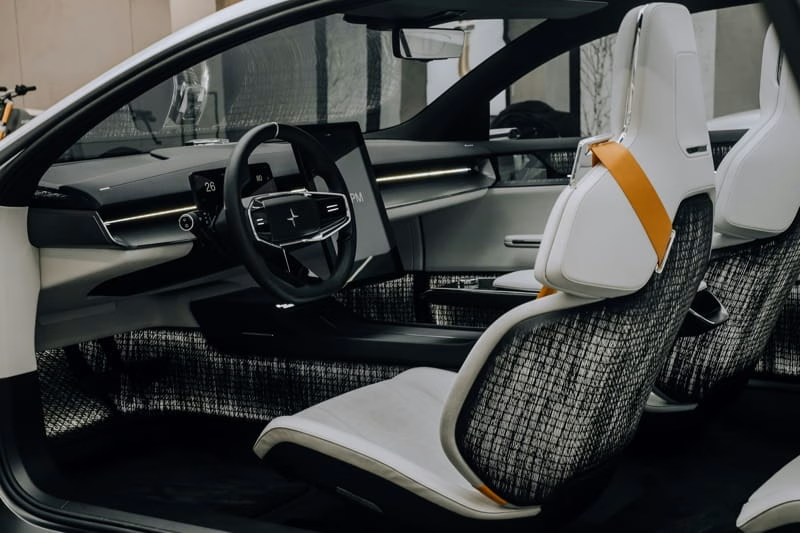
In some cutting-edge designs, seat fabrics incorporate embedded LEDs and microcontrollers to display ambient lighting effects. These dynamic textiles create a more engaging and futuristic user experience while enhancing safety and comfort.
The Production Process of Automotive Textiles
The production process for automotive textiles is complex and involves multiple stages. Manufacturers strive to create fabrics that meet rigorous performance and safety standards. The process begins with raw material selection and culminates in a finished product ready for vehicle assembly.
Raw Material Sourcing
High-quality raw materials are crucial. Suppliers provide both natural fibers and synthetic polymers. The selection depends on the application. For seat covers and interior linings, synthetic fibers like polyester and nylon prevail. For safety components such as airbags, advanced fibers with high tensile strength are chosen. The sourcing process involves strict quality checks and adherence to international standards.
Manufacturers often collaborate with raw material suppliers to ensure consistency. Long-term contracts and quality audits are standard practices in the industry.
Weaving, Knitting, and Laminating
Once raw materials are sourced, they undergo processes such as weaving or knitting to form the textile base. Modern looms use computer-aided design (CAD) systems to produce fabrics with intricate patterns and consistent quality. In some cases, fabrics are knitted using seamless technology, which reduces waste and improves overall durability.
After the base fabric is created, it may be laminated or coated to enhance its performance. Laminating involves bonding the fabric with a thin layer of polymer, which adds strength and water resistance. In automotive applications, lamination is vital for creating materials that can withstand high stress and environmental conditions.
Table: A simplified process flow table for automotive textile production.
| Stage | Process Description | Key Technologies |
|---|---|---|
| Raw Material Sourcing | Selection and quality testing of fibers and polymers | Quality audits, lab testing |
| Fabric Formation | Weaving, knitting, or non-woven processes | CAD systems, automated looms |
| Surface Treatment | Laminating, coating, and finishing | Resin infusion, nano-coatings |
| Quality Control & Testing | Rigorous testing for strength, durability, and safety | Tensile testing, fire tests |
Dyeing and Finishing
Color and finish play a critical role in automotive textiles. Digital dyeing technology allows manufacturers to achieve precise color matching and pattern replication. Finishing treatments, including flame retardants and water repellents, enhance the functional properties of the fabrics. The finishing process uses eco-friendly chemicals to minimize environmental impact.
Manufacturers use specialized equipment to apply coatings evenly. After dyeing and finishing, the fabric is inspected for uniformity and quality. Any deviations are corrected before the fabric is approved for use in vehicles.
Assembly and Integration
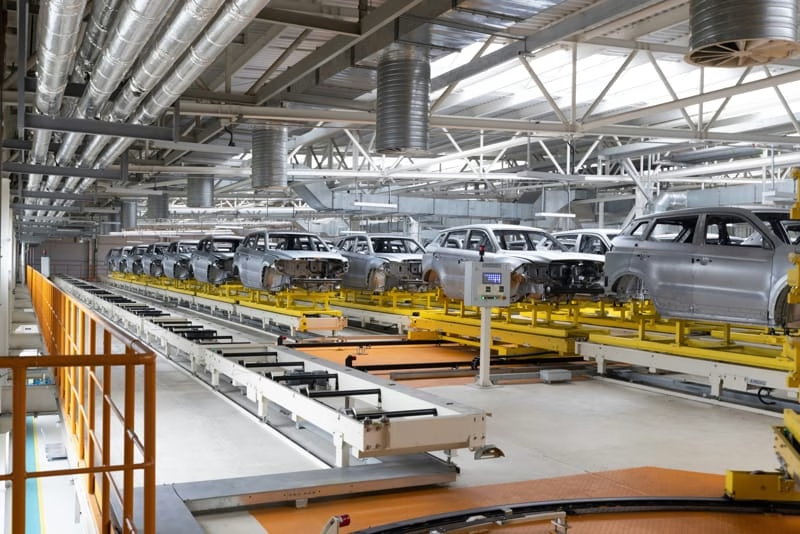
The final stage involves cutting and sewing the fabric into components for vehicles. Advanced robotics and automated cutting machines ensure precision and efficiency. Textile components are then integrated into the vehicle assembly line. This integration requires close coordination between textile suppliers and automotive manufacturers.
Innovations such as digital twins and simulation software help optimize the assembly process. These tools enable engineers to model how textile components will behave under real-world conditions. The end result is a finished textile product that meets stringent safety, durability, and performance criteria.
Challenges Facing Textile Manufacturers in the Automotive Sector
Automotive textile manufacturers encounter several challenges that impact production, cost, and quality. Overcoming these obstacles is essential for innovation and competitiveness in the industry.
Meeting Stringent Safety Standards
Automotive textiles must pass rigorous safety tests. Materials used in airbags, seat belts, and interior linings require precise performance under extreme conditions. Manufacturers invest heavily in research and development to ensure compliance with international safety standards such as ISO, ASTM, and SAE. The pressure to meet these standards can increase production costs and extend lead times.
Balancing Performance and Sustainability
The demand for eco-friendly products continues to rise. Manufacturers must balance high performance with sustainability. This challenge involves sourcing recycled or bio-based fibers without compromising durability. Achieving a sustainable production process that also meets the high-performance demands of the automotive industry requires innovative technology and significant investment.
Global Supply Chain Disruptions
Geopolitical events, trade restrictions, and natural disasters can disrupt the global supply chain for raw materials. Automotive textile manufacturers must maintain a robust supply chain management strategy to mitigate risks. Diversifying suppliers and implementing just-in-time production practices help ensure a steady supply of high-quality materials.
Technological Integration and Adaptation
Rapid technological advancements require textile manufacturers to continuously upgrade their processes. Integrating new automation, robotics, and digital printing technologies can be capital intensive. Moreover, training employees to use advanced machinery and adapting production lines for new materials are ongoing challenges.
Cost Pressures and Competitive Pricing
Automotive manufacturers demand cost-effective solutions without sacrificing quality. Textile producers face the constant challenge of reducing production costs while investing in innovative technologies. Competitive pricing pressures force manufacturers to optimize every stage of production—from raw material sourcing to finishing treatments—without compromising the final product’s performance.
Quality Control and Consistency
Maintaining consistent quality across large production runs is critical. Even minor deviations in color, texture, or strength can lead to significant issues during vehicle assembly. Implementing robust quality control measures, automated inspection systems, and continuous monitoring of production processes is vital to overcome this challenge.

Real-World Applications of Automotive Textiles
Automotive textiles find application in multiple areas across vehicle design and manufacturing. Their versatility and advanced properties have led to innovative uses that enhance both functionality and aesthetics in modern automobiles.
Interior Upholstery and Trim
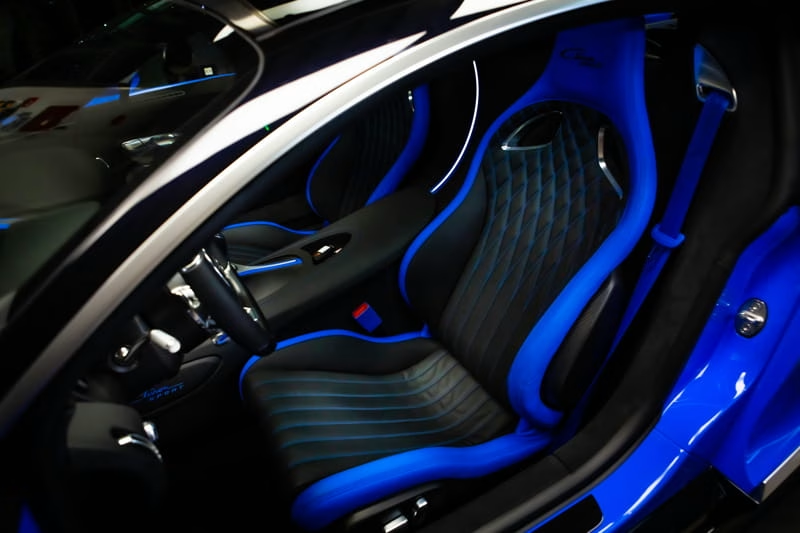
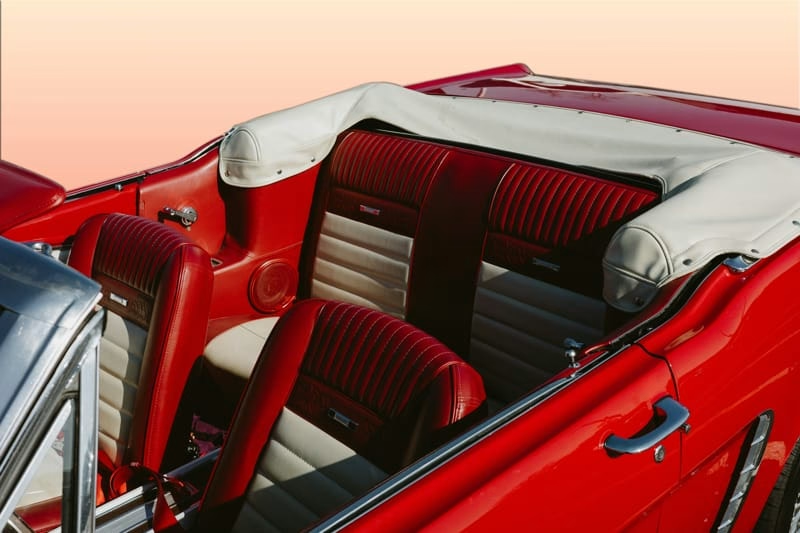
Textiles used for interior upholstery are perhaps the most visible. High-performance fabrics cover seats, headliners, door panels, and dashboard components. Manufacturers use materials that offer a luxurious feel while remaining durable and easy to clean. Advanced upholstery fabrics resist stains and fading, which is crucial for maintaining a vehicle’s aesthetic appeal over time.
Innovations in digital printing and coating technologies allow manufacturers to create custom designs that align with a car’s branding. Many premium models now feature bespoke interiors with intricate patterns and textures that reflect the automaker’s identity.
Safety Components
Textiles also play a vital role in vehicle safety. Airbags, seatbelt reinforcements, and interior impact panels rely on specially engineered fabrics. These textiles must be lightweight yet strong, capable of withstanding rapid deployment forces in the event of a collision. Advances in fiber technology have enabled the development of ultra-high-molecular-weight fabrics that perform exceptionally under stress.
Manufacturers design these components with integrated sensors that can trigger safety systems. For example, airbags now incorporate sensor-enabled textiles that provide real-time data during an impact. These developments have significantly improved occupant safety and reduced injury rates in accidents.
Acoustic and Thermal Insulation
Reducing noise and regulating temperature inside a vehicle is critical for passenger comfort. Automotive textiles provide acoustic insulation by dampening vibrations and absorbing sound waves. Materials engineered for noise reduction are used in door panels, carpets, and headliners. These textiles also serve as thermal insulators, maintaining a comfortable cabin temperature and reducing the workload on HVAC systems.
Modern research in nanotechnology has led to the creation of textiles with enhanced acoustic properties. These materials can absorb a broader range of frequencies, resulting in quieter cabins even in high-performance vehicles.
Exterior and Functional Components
Automotive textiles extend beyond interiors. They are now used in exterior applications such as convertible tops, sunshades, and even in certain body panels. Waterproof and UV-resistant fabrics protect against the elements while enhancing the vehicle’s aerodynamic performance. These textiles contribute to weight reduction, which is critical for improving fuel efficiency and handling.
High-performance composite textiles, including carbon fiber-based fabrics, are used in race cars and high-end sports vehicles. They reduce weight while providing excellent strength and stiffness. These materials help achieve better acceleration and improved fuel economy, all while maintaining the aesthetic appeal of modern car design.
Smart and Interactive Textiles
The advent of smart textiles has introduced interactive elements into automotive design. These textiles incorporate sensors, LEDs, and microprocessors. They can monitor occupant comfort, adjust ambient lighting, or even display driver information directly on the fabric surfaces. For example, a dashboard with embedded smart textiles might change color based on driver stress levels.
These interactive textiles are still in their infancy in automotive applications but offer a glimpse into the future of connected, responsive vehicle interiors. As technology advances, we can expect more innovations that seamlessly integrate digital functionalities with traditional textiles.
End-Users and Their Requirements in the Automotive Industry
The end-users of automotive textiles include vehicle manufacturers, automotive suppliers, and aftermarket providers. Each group has distinct requirements that drive textile innovation and adoption in the industry.
Automotive Manufacturers
Major automakers require textiles that deliver high performance, reliability, and design flexibility. They demand materials that can endure long production runs while maintaining consistent quality. Manufacturers invest in textile research to develop fabrics that contribute to overall vehicle safety, fuel efficiency, and passenger comfort.
Automakers also focus on aesthetics. They want interiors that not only perform well but also elevate the brand image. This focus drives demand for innovative designs and custom prints that reflect a brand’s identity. Collaborations with textile research institutes and technology partners ensure that materials evolve to meet these exacting standards.
Automotive Suppliers
Suppliers that specialize in automotive components must adhere to stringent quality and safety standards. They produce textiles for various applications, from airbags to seat covers, and must continuously improve the durability and performance of their products. These suppliers often invest in research and development to stay ahead of technological advancements. They use data analytics and quality control systems to ensure that each batch meets the required specifications.
Suppliers also seek cost-effective production methods. They work closely with automakers to optimize material performance while reducing production costs. This collaboration often leads to innovations that benefit the entire supply chain.
Aftermarket Providers
Aftermarket companies focus on upgrading or replacing textile components in vehicles. Their customers include car enthusiasts, repair shops, and customization specialists. Aftermarket providers look for textiles that offer a balance of quality, performance, and cost efficiency. They often source products that mimic or enhance the original equipment manufacturer (OEM) specifications.
These providers also target niche markets by offering unique designs or sustainable alternatives. As consumer preferences shift toward eco-friendly products, aftermarket suppliers are increasingly offering textiles made from recycled materials or bio-based fibers. Their innovative products help extend the life of older vehicles and provide options for personalization.
Consumer Expectations
Drivers and passengers expect textiles to offer comfort, durability, and style. In today’s competitive automotive market, consumers appreciate interiors that feature soft-touch surfaces, ergonomic designs, and cutting-edge technology. Comfort features like moisture-wicking and temperature regulation have become selling points in premium models. Safety features, such as fire-resistant and impact-absorbing textiles, also influence consumer purchasing decisions.
Automobile owners now demand products that are not only functional but also sustainable. This has led to increased interest in eco-friendly textiles that reduce environmental impact while maintaining performance standards. Manufacturers and suppliers must respond to these expectations to remain competitive.
Market Dynamics and Trends in Automotive Textiles
The automotive textiles market continues to expand, driven by technological innovation, evolving consumer demands, and global economic factors. This section explores the market dynamics, competitive landscape, and emerging trends that shape the industry.
Market Size and Growth
The global automotive textiles market has experienced steady growth over the past decade. Increasing vehicle production, rising consumer expectations, and advancements in textile technology contribute to the market expansion. Analysts predict that the market will grow at a compound annual growth rate (CAGR) of around 6–8% over the next five years.
Key market drivers include:
- The growing demand for lightweight materials to improve fuel efficiency.
- The rise in electric vehicles, which require advanced insulation and safety textiles.
- Consumer demand for premium interiors and smart textiles.
- The need for sustainable and eco-friendly products in response to environmental regulations.
A recent market analysis by industry experts highlights that investment in textile R&D is increasing as manufacturers seek to reduce weight and enhance performance without sacrificing safety.
Competitive Landscape
The competitive landscape in the automotive textiles industry is intense. Both established textile companies and innovative startups compete to develop materials that meet the latest automotive standards. Major players invest heavily in research, while smaller firms drive innovation by focusing on niche applications such as smart textiles or eco-friendly materials.
Collaborations between automotive manufacturers and textile producers have become more common. These strategic partnerships help align product development with the specific needs of automakers. Such collaborations often result in custom-designed textiles that improve vehicle performance and enhance the overall driving experience.
Emerging Trends
Several emerging trends are reshaping the automotive textiles market:
- Sustainability and Green Materials: Manufacturers are increasingly sourcing recycled and bio-based fibers to reduce environmental impact. Innovations in sustainable textiles are expected to drive market growth, especially among eco-conscious consumers.
- Smart and Interactive Textiles: The integration of sensors and digital technology into fabrics is gaining traction. Smart textiles can monitor driver conditions and adjust to environmental changes, creating a safer and more connected driving experience.
- Lightweight Composites: The demand for fuel-efficient vehicles is driving the adoption of lightweight composite textiles. These materials combine strength with low weight, which helps reduce overall vehicle mass and improves performance.
- Customization and Personalization: With digital printing and flexible manufacturing techniques, automakers now offer personalized interior options. Customized textiles are particularly popular in luxury vehicles, where consumers seek unique designs.
- Increased Focus on Safety: Enhanced safety features, such as improved fire-resistant textiles and shock-absorbing materials, continue to be a priority. Ongoing research focuses on integrating these features into every aspect of vehicle design.
Regulatory and Environmental Factors
Automotive textiles are subject to strict regulatory standards related to safety, flammability, and environmental impact. Regulatory bodies require rigorous testing and certification before textiles can be used in vehicles. Manufacturers must adhere to standards such as ISO 3795 (flammability) and various environmental regulations that govern chemical use and waste management.
Environmental factors also drive innovation. As governments push for greener production methods, companies invest in processes that reduce water usage, chemical waste, and energy consumption. This focus on sustainability not only meets regulatory demands but also appeals to consumers who prioritize eco-friendly products.
Global Trends
Global trends, such as urbanization and the increasing demand for electric vehicles, influence the automotive textiles market. In densely populated urban areas, the need for vehicles with reduced noise levels and improved insulation becomes critical. Similarly, electric vehicles rely on lightweight, durable textiles to maximize battery performance and range. These trends ensure that the market for advanced automotive textiles remains dynamic and competitive.
The Future of Automotive Textile Innovations
The future of automotive textiles is bright and full of potential. As technology advances and consumer demands evolve, manufacturers are poised to create even more innovative solutions. This section outlines what the future might hold for automotive textiles.
Integration with Autonomous and Electric Vehicles
The shift toward autonomous and electric vehicles (EVs) is driving a new wave of textile innovations. EVs require lightweight, durable textiles to extend battery life and improve efficiency. Autonomous vehicles demand advanced interior systems that combine safety, comfort, and interactive technologies. Future textiles will likely integrate more smart features, such as adaptive seat materials and sensor-enabled surfaces that monitor driver and passenger health.
These vehicles will also rely on advanced composites and nanotechnology. Lightweight materials with enhanced strength and energy absorption capabilities will become standard. Manufacturers are expected to invest heavily in R&D to develop textiles that cater to the unique demands of electric and self-driving cars.
Advances in Material Science
Material science will continue to revolutionize automotive textiles. Researchers are exploring new fiber types, coatings, and composite materials. For instance, graphene-infused textiles promise to deliver unmatched strength, conductivity, and flexibility. These materials can potentially improve not only structural performance but also energy storage and dissipation in critical safety systems.
Innovations in biodegradable fibers may also shape the future. As environmental concerns intensify, the industry will lean toward materials that minimize waste and reduce carbon footprints. The development of bio-composites that mimic the performance of synthetic fibers while being eco-friendly is an exciting area of research that could redefine the market.
Customization and Mass Personalization
Customization trends will drive the next phase of innovation. Consumers increasingly demand personalized products, and the automotive industry is no exception. In the near future, customers may be able to design their car interiors using advanced digital tools that allow for personalized colors, textures, and patterns. Advanced digital printing and mass customization techniques will make it possible to offer bespoke textile solutions at scale.
This trend will extend beyond aesthetics. Personalized textiles may also adapt to individual needs, such as adjusting insulation properties based on climate or even tailoring sound-dampening features to the driver’s preferences. Such innovations will create a more engaging and tailored driving experience.
Enhanced Digital Integration
As vehicles become more connected, digital integration with textiles will play a critical role. Future automotive textiles may incorporate embedded microchips, flexible displays, and wireless charging capabilities. Imagine seat covers that adjust their firmness based on sensor data or dashboards that change color in response to ambient lighting. These innovations will not only enhance comfort but also improve safety and convenience.
Integration with smart home systems and mobile applications will also become commonplace. Drivers could customize their car interiors via smartphone apps, adjusting lighting, temperature, and even ambient sound based on pre-set profiles. These digital enhancements will drive the next generation of interactive automotive textiles.
Collaborative Research and Industry Partnerships
The future of automotive textiles will depend on close collaboration between textile manufacturers, automotive companies, and research institutions. Joint ventures and partnerships will spur innovation, leading to the rapid development of new materials and processes. These collaborations will also help standardize quality and performance across the industry.
For instance, partnerships between leading universities and automotive firms have already led to breakthroughs in nanotechnology and smart textiles. As these collaborations expand, we can expect a wave of disruptive innovations that transform vehicle design and functionality.
Real-World Applications of Automotive Textiles
Automotive textiles have broad real-world applications that extend beyond mere upholstery. Their integration in vehicles affects safety, comfort, performance, and aesthetics. In this section, we review how various textile innovations are applied in different parts of a vehicle and their benefits.
Interior Comfort and Aesthetics
Textiles dominate the vehicle interior. Manufacturers use advanced fabrics for seat covers, headliners, and door panels. These materials enhance comfort and add luxury to the driving experience. Modern upholstery fabrics combine durability with aesthetics. For instance, perforated leather or high-performance synthetic blends ensure breathability and moisture control.
Car manufacturers are now incorporating digital printing technologies to offer personalized designs. A customer might choose a custom pattern that aligns with their personality, making the interior not only functional but also a statement of style. Additionally, interior textiles are engineered for noise reduction. Multilayered fabrics absorb sound, resulting in quieter cabins and a more pleasant driving experience.
Safety and Protection
Textiles used in safety components must perform under extreme conditions. Airbag fabrics, for instance, require exceptional tensile strength and rapid energy absorption. These fabrics deploy in milliseconds during a collision to protect occupants from injury. Manufacturers use high-performance materials such as ultra-high-molecular-weight polyethylene (UHMWPE) that have been extensively tested for durability and strength.
In addition to airbags, textiles are used in seatbelt reinforcements and interior impact panels. These components work in unison with other safety systems to mitigate injury during accidents. The design and selection of these textiles follow strict international safety standards.
Thermal and Acoustic Insulation
Automotive textiles also function as thermal and acoustic insulators. They help maintain a comfortable cabin temperature and reduce external noise. Materials engineered for insulation are incorporated into door panels, carpets, and headliners. These textiles not only improve comfort but also contribute to fuel efficiency by reducing the load on heating and cooling systems.
Advanced insulation textiles incorporate microcellular structures that trap air, providing excellent thermal resistance. Meanwhile, acoustic insulation fabrics are designed to absorb sound waves and minimize vibrations. This dual functionality ensures that vehicles deliver a serene and comfortable driving experience, even in noisy environments.
Exterior Applications
While interior applications dominate, textiles are also used in exterior components. Convertible roofs, sunshades, and even body panels can be made from advanced textiles. These materials offer benefits such as weight reduction and enhanced aerodynamics. For example, fabric roofs used in convertibles provide insulation and weather protection while reducing overall vehicle weight.
High-performance textiles for exteriors must withstand environmental stresses like UV radiation, temperature fluctuations, and moisture. Manufacturers use UV-resistant coatings and water-repellent treatments to extend the life of these products. The result is a combination of functionality and visual appeal that meets both safety and aesthetic demands.
Smart and Adaptive Applications
Smart textiles introduce a new realm of possibilities. In modern vehicles, textiles can incorporate embedded sensors that detect changes in temperature, pressure, and even occupant movement. Such sensors help optimize airbag deployment and seatbelt tension, contributing to overall vehicle safety.
In some high-end vehicles, smart textiles integrate interactive elements. For example, ambient lighting embedded in seat covers or headliners can adapt to the driving environment. These interactive textiles can adjust color and brightness, enhancing the overall user experience. The convergence of textile technology and digital innovation paves the way for truly connected and responsive vehicle interiors.
Table: A table listing real-world applications, benefits, and examples.
| Application Area | Benefits | Examples |
|---|---|---|
| Interior Upholstery | Enhanced comfort, aesthetics, noise reduction | Custom seat covers, headliners |
| Safety Components | Rapid deployment, energy absorption | Airbag fabrics, impact panels |
| Thermal & Acoustic Insulation | Cabin temperature regulation, sound absorption | Door panels, carpets |
| Exterior Components | Weight reduction, weather resistance | Convertible roofs, sunshades |
| Smart Applications | Interactive features, improved safety | Sensor-embedded fabrics, ambient lighting |
Real-World Success Stories
Several automotive manufacturers have successfully integrated advanced textiles into their vehicles. A luxury car manufacturer recently collaborated with a textile innovator to develop a lightweight composite for door panels that reduced overall weight by 15% without compromising safety. Another case involves a mid-range car maker that introduced sensor-enabled upholstery to monitor driver posture, thereby enhancing airbag effectiveness.
These real-world applications not only boost vehicle performance but also serve as powerful marketing tools. Consumers appreciate the added value of innovative interiors, and manufacturers enjoy increased brand loyalty and higher safety ratings.
Market Trends and Future Prospects
The automotive textile market continues to evolve. As manufacturers strive for higher efficiency and sustainability, new trends and future prospects shape the industry’s trajectory.
Current Market Trends
- Sustainability Initiatives:
Manufacturers increasingly focus on eco-friendly textiles. Sustainable materials like recycled polyester and bio-based fibers have gained popularity. Automakers now prioritize textiles that lower environmental impact while delivering high performance. - Increased Demand for Smart Textiles:
The integration of sensors and digital interfaces is on the rise. Consumers now expect interactive features in their vehicles, prompting manufacturers to invest in smart textile research. - Customization and Personalization:
Customization has become a major trend. Advanced digital printing techniques allow automakers to offer bespoke interiors, enabling customers to personalize everything from seat covers to ambient lighting. - Lightweight Composite Materials:
The push for fuel efficiency drives demand for lightweight, durable composites. Innovations in carbon fiber and resin-infused textiles help reduce vehicle weight and improve performance. - Global Supply Chain Optimization:
Automakers work closely with textile suppliers to ensure a steady flow of high-quality materials. Advances in digital supply chain management allow for better coordination and reduced disruptions.
Future Prospects
The future of automotive textiles appears promising. Emerging technologies such as nanotechnology, 3D printing, and smart materials are set to revolutionize the industry further. Manufacturers will continue to explore new fiber blends, eco-friendly composites, and sensor-integrated fabrics.
Autonomous and electric vehicles will drive demand for innovative textiles that optimize energy efficiency and provide enhanced user experiences. Future fabrics might dynamically adjust their properties in response to environmental changes, ensuring optimal performance under various conditions.
Furthermore, industry collaborations will foster rapid innovation. Partnerships between textile researchers, automotive engineers, and technology companies will lead to breakthroughs that could redefine the role of textiles in vehicles. These advancements will create a new era of automotive design that seamlessly blends functionality, sustainability, and aesthetic appeal.
Summary and Conclusion
Automotive textiles have come a long way from basic upholstery fabrics to advanced, multifunctional materials that enhance safety, performance, and aesthetics. The evolution in manufacturing techniques—from traditional weaving to automated, sensor-integrated systems—has paved the way for innovative solutions in the automotive industry.
Today, manufacturers use high-performance protective fabrics, smart textiles, lightweight composites, and eco-friendly materials to meet stringent safety and sustainability standards. These textiles serve various applications, including interior upholstery, safety components, insulation, exterior elements, and interactive features.
The production process involves rigorous raw material sourcing, advanced manufacturing techniques, precise dyeing and finishing, and seamless integration into the vehicle assembly process. Despite challenges such as strict regulatory standards, cost pressures, and global supply chain disruptions, the industry continues to innovate.
Real-world applications of automotive textiles underscore their critical role in improving vehicle safety, comfort, and efficiency. As market trends shift toward sustainability, customization, and smart integration, the future of automotive textiles holds immense promise. Collaborative research and digital innovations will further drive the development of materials that are lighter, safer, and more responsive to consumer needs.
In summary, automotive textiles play an indispensable role in modern vehicle design. They combine cutting-edge technology with timeless craftsmanship to create products that are both functional and visually appealing. As the automotive industry evolves, textiles will continue to drive innovation and enhance the overall driving experience.
Automotive textiles continue to revolutionize vehicle design and manufacturing. With ongoing innovations in material science, smart technologies, and sustainable production, these textiles promise to drive future advancements in automotive performance. As manufacturers and suppliers collaborate closely, the integration of cutting-edge textile solutions will remain a key factor in shaping the future of the automobile industry.