Introduction
Coats have been an essential part of human attire for centuries. They provide warmth, protection, and style. Over time, coats have evolved from simple, functional garments to fashion statements. Today, a wide variety of coats cater to different needs and preferences. This guide explores the diverse world of coats. It covers their history, materials, styles, and uses. Whether you’re braving the winter chill or making a fashion statement, understanding the different types of coats can help you choose the perfect one for any occasion.
History of Coats
The history of coats dates back to ancient civilizations. Early humans used animal skins for protection against the elements. These early coats were simple and functional. They primarily focused on warmth and coverage.
As societies evolved, so did coat designs. In medieval Europe, cloaks and mantles were common. These garments were often made from wool or fur. They signified status and wealth. The 17th and 18th centuries saw the rise of more tailored coats. The justaucorps and frock coats became popular among men. These coats featured fitted silhouettes and decorative details.
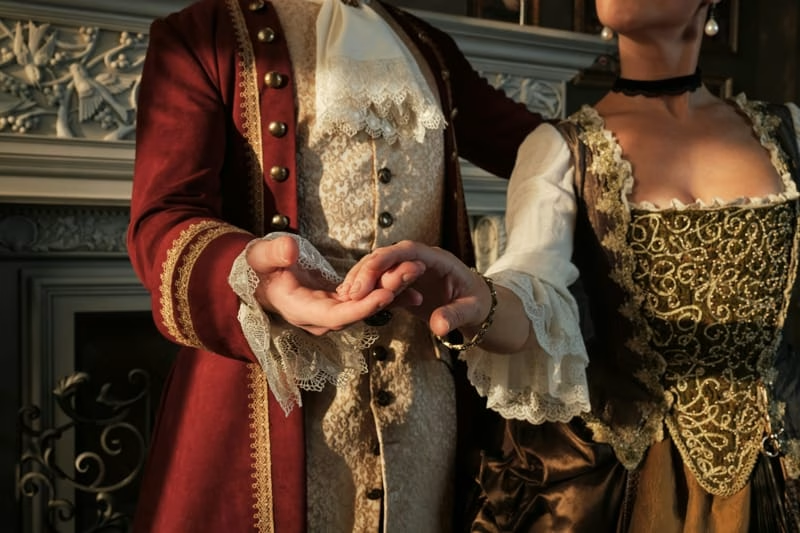
The 19th century brought further innovations in coat design. The introduction of new fabrics and manufacturing techniques allowed for more complex and stylish coats. The trench coat, originally designed for soldiers during World War I, became a timeless classic. Today, coats continue to evolve. They blend functionality with fashion. Designers experiment with new materials, silhouettes, and embellishments.
Technological Evolution in Coat Manufacturing
The manufacturing of coats has undergone significant technological advancements. These advancements have improved efficiency, quality, and design capabilities.
- Early Innovations: The invention of the sewing machine in the 19th century revolutionized coat production. It allowed for faster and more precise stitching. This innovation paved the way for mass production.
- Synthetic Fabrics: The development of synthetic fabrics like polyester and nylon expanded the possibilities for coat design. These materials offer durability, water resistance, and versatility.
- Computer-Aided Design (CAD): CAD software enables designers to create intricate patterns and experiment with different styles. This technology streamlines the design process. It reduces material waste.
- Automated Cutting: Automated cutting machines use laser or blade technology to cut fabric with precision. This ensures accuracy and consistency in every coat.
- 3D Printing: 3D printing technology is emerging as a tool for creating custom coat designs. It allows for the production of complex shapes and structures.
- Smart Textiles: The integration of smart textiles into coats is a growing trend. These fabrics can regulate temperature, monitor health, and provide other advanced features.
Sources and Availability of Coat Materials
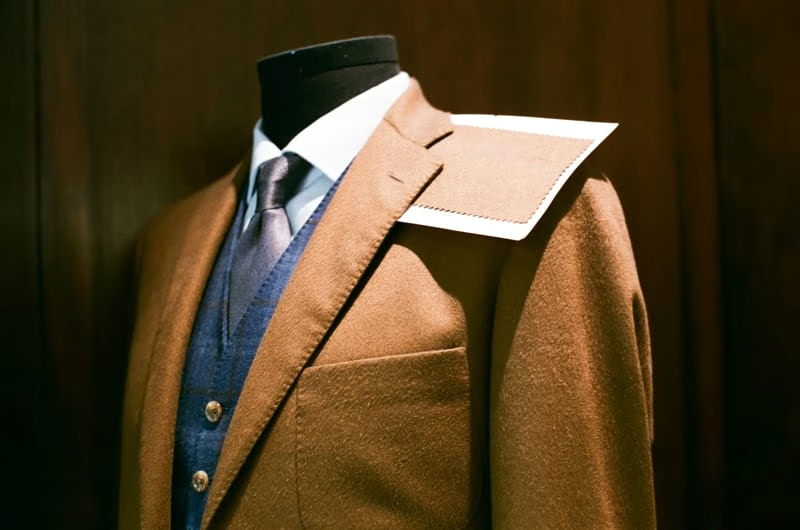
The materials used to make coats vary widely. They depend on the coat’s intended use, style, and price point.
- Wool: Wool is a classic material for coats. It provides warmth, insulation, and durability. Wool is sourced from sheep. Different breeds produce different types of wool.
- Merino Wool: Known for its softness and fine texture.
- Shetland Wool: Offers a more rugged and durable option.
- Cotton: Cotton is a versatile material used for lighter-weight coats. It is breathable and comfortable. Cotton is sourced from cotton plants.
- Leather: Leather coats offer durability and style. Leather is sourced from animal hides. Different types of leather include:
- Cowhide: Durable and widely available.
- Lambskin: Soft and supple.
- Synthetic Fabrics: Synthetic fabrics like polyester, nylon, and acrylic are used for their durability, water resistance, and affordability. These materials are manufactured through chemical processes.
- Fur: Fur coats provide warmth and luxury. Fur is sourced from animals like mink, fox, and rabbit. Ethical concerns surrounding fur farming have led to the development of faux fur alternatives.
- Down: Down is used as insulation in puffer coats and parkas. It provides excellent warmth without adding weight. Down is sourced from the under feathers of ducks and geese.
Innovations in Coat Design and Functionality
Coat design and functionality have seen numerous innovations in recent years.
- Waterproof and Breathable Fabrics: Fabrics like Gore-Tex offer waterproof protection while allowing moisture to escape. This keeps the wearer dry and comfortable.
- Insulated Linings: Advanced insulation materials like Thinsulate provide warmth without bulk.
- Modular Designs: Modular coats feature detachable layers. This allows the wearer to customize the coat for different weather conditions.
- Smart Features: Some coats incorporate technology like built-in heating elements, GPS tracking, and smartphone connectivity.
- Sustainable Materials: Designers are increasingly using recycled and sustainable materials. This reduces the environmental impact of coat production.
- Ergonomic Designs: Ergonomic designs focus on comfort and freedom of movement. This makes coats more practical for everyday wear.
Production Process of Coats
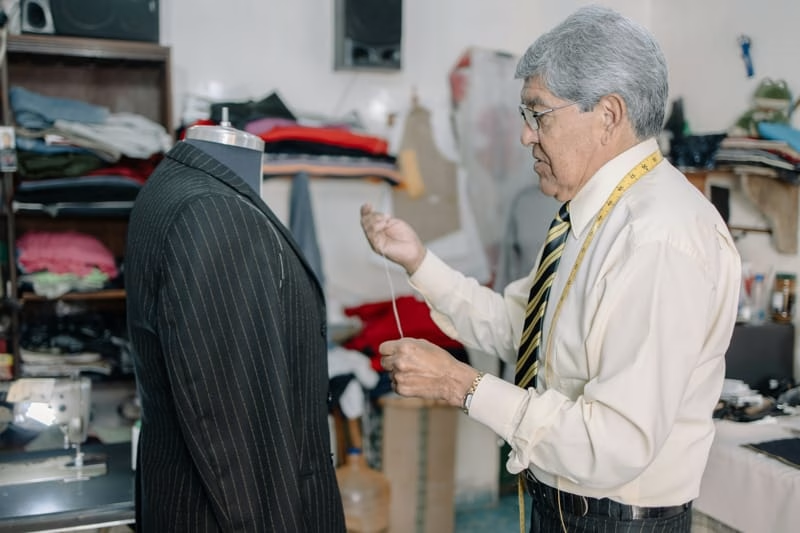
The production process of coats involves several steps. Each step requires precision and attention to detail.
- Design: The process begins with the design phase. Designers create sketches and patterns. They consider the coat’s style, fit, and functionality.
- Pattern Making: Once the design is finalized, pattern makers create templates for each coat component. These patterns serve as guides for cutting the fabric.
- Fabric Cutting: Fabric is laid out and cut according to the patterns. Automated cutting machines ensure accuracy and efficiency.
- Sewing: The cut pieces are sewn together to form the coat. Skilled sewers use sewing machines to stitch the seams and attach linings, pockets, and closures.
- Finishing: The finishing stage involves adding details like buttons, zippers, and embellishments. The coat is inspected for quality and any imperfections are corrected.
- Quality Control: Each coat undergoes a thorough quality control check. This ensures that it meets the required standards for construction, fit, and appearance.
- Packaging and Distribution: The finished coats are packaged and prepared for distribution to retailers.
Challenges in Coat Manufacturing
Coat manufacturing faces several challenges.
- Cost of Materials: High-quality materials like wool, leather, and down can be expensive. This increases the overall cost of production.
- Labor Costs: Skilled labor is required for sewing and finishing coats. Labor costs can be significant, especially in developed countries.
- Quality Control: Maintaining consistent quality can be challenging. Variations in fabric and workmanship can lead to defects.
- Sustainability: The environmental impact of coat production is a growing concern. Manufacturers are under pressure to use sustainable materials and reduce waste.
- Fast Fashion: The fast fashion industry demands quick turnaround times and low prices. This can compromise quality and ethical production practices.
- Competition: The coat market is highly competitive. Manufacturers must differentiate their products through design, quality, and innovation.
Real-World Applications of Different Coat Types
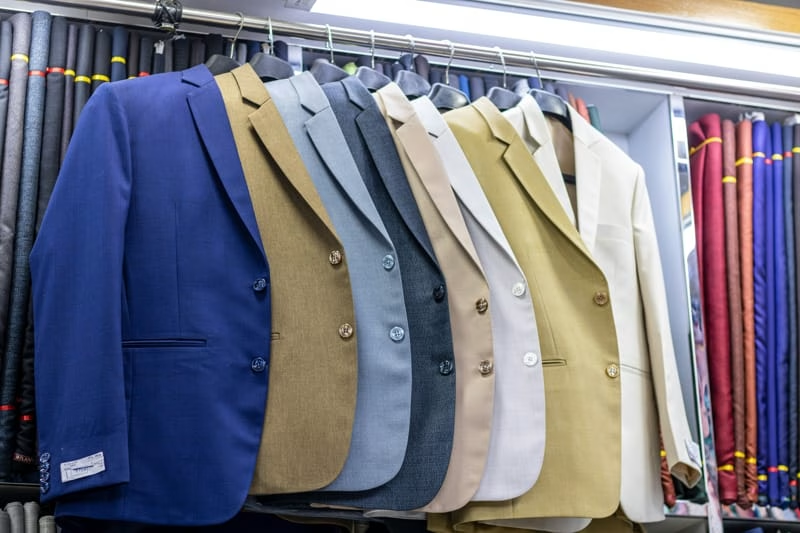
Coats serve a variety of purposes in different settings.
- Fashion: Coats are a key element of personal style. They can be dressed up or down to suit different occasions.
- Protection: Coats provide protection from the elements. They shield the wearer from rain, wind, and cold temperatures.
- Workwear: Specialized coats are used in various industries. Examples include lab coats, construction jackets, and military parkas.
- Outdoor Activities: Coats are essential for outdoor activities like hiking, skiing, and camping. They provide warmth, water resistance, and durability.
- Uniforms: Coats are often part of uniforms for professions like law enforcement, security, and transportation.
Types of Coats
The world of coats is vast and varied. Each type serves a specific purpose and offers a unique style. Here’s an in-depth look at some of the most popular types of coats:
1. Trench Coat
- Description: The trench coat is a classic and versatile coat. It features a double-breasted front, wide lapels, and a belted waist. Typically made from water-resistant materials like gabardine.
- History: Originally designed for British soldiers during World War I. The trench coat has become a timeless fashion staple.
- Key Features:
- Double-breasted closure
- Belted waist
- Wide lapels
- Shoulder epaulettes
- Storm flap
- Water-resistant fabric
- Ideal For: Transitional weather, rainy days, and adding a touch of sophistication to any outfit.
- Styling Tips: Pair with tailored pants and a blouse for a classic look. Alternatively, wear it over a dress with boots for a more casual style.
2. Overcoat
- Description: The overcoat is a long, warm coat. It is typically worn over other clothing. It is made from heavy materials like wool or cashmere.
- History: Overcoats have been a staple of men’s fashion for centuries. They provide warmth and protection in cold weather.
- Key Features:
- Long length (typically reaching the knee or below)
- Made from heavy wool or cashmere
- Single-breasted or double-breasted closure
- Notch or peak lapels
- Ideal For: Formal occasions, business attire, and cold weather.
- Styling Tips: Wear over a suit for a polished and professional look. Pair with dress pants, a sweater, and dress shoes for a more casual yet refined style.
3. Pea Coat
- Description: The pea coat is a classic naval coat. It features a double-breasted front, wide lapels, and large buttons. Typically made from heavy wool.
- History: Originally worn by sailors in the 18th century. The pea coat has become a popular outerwear choice for both men and women.
- Key Features:
- Double-breasted closure
- Wide lapels
- Large buttons
- Made from heavy wool
- Vertical or slash pockets
- Ideal For: Cold weather, casual outings, and adding a nautical touch to your wardrobe.
- Styling Tips: Pair with jeans, a sweater, and boots for a casual look. Wear over a dress with tights and ankle boots for a more feminine style.
4. Parka
- Description: The parka is a warm and functional coat. It features a hood, often lined with fur or faux fur. Typically made from water-resistant or waterproof materials.
- History: Originally worn by Inuit people in Arctic regions. The parka has become a popular choice for cold and wet weather.
- Key Features:
- Hood, often lined with fur or faux fur
- Water-resistant or waterproof fabric
- Insulated lining
- Multiple pockets
- Zipper and button closure
- Ideal For: Cold and wet weather, outdoor activities, and providing maximum warmth and protection.
- Styling Tips: Pair with jeans, a sweater, and snow boots for a practical and warm outfit. Wear over leggings and a tunic with hiking boots for outdoor adventures.
5. Puffer Coat
- Description: The puffer coat is a quilted coat filled with down or synthetic insulation. It provides excellent warmth without adding weight.
- History: Puffer coats gained popularity in the 20th century. They became a fashionable and functional choice for cold weather.
- Key Features:
- Quilted design
- Filled with down or synthetic insulation
- Lightweight
- Water-resistant or waterproof fabric
- Zipper closure
- Ideal For: Cold weather, casual outings, and providing warmth and comfort.
- Styling Tips: Pair with jeans, a sweater, and sneakers for a casual and sporty look. Wear over leggings and a hoodie with boots for a comfortable and warm outfit.
6. Duffle Coat
- Description: The duffle coat is a classic coat. It features a hood, toggle closures, and large patch pockets. Typically made from heavy wool.
- History: Originally worn by Belgian sailors. The duffle coat has become a popular outerwear choice for its warmth and practicality.
- Key Features:
- Hood
- Toggle closures
- Large patch pockets
- Made from heavy wool
- Ideal For: Cold weather, casual outings, and adding a touch of vintage charm to your wardrobe.
- Styling Tips: Pair with jeans, a sweater, and boots for a classic and casual look. Wear over a dress with tights and ankle boots for a more feminine style.
7. Chesterfield Coat
- Description: The Chesterfield coat is a formal overcoat. It features a velvet collar, a concealed button closure, and a tailored fit. Typically made from wool or cashmere.
- History: Named after the 6th Earl of Chesterfield. This coat has been a symbol of elegance and sophistication since the 19th century.
- Key Features:
- Velvet collar
- Concealed button closure
- Tailored fit
- Made from wool or cashmere
- Ideal For: Formal occasions, business attire, and adding a touch of refinement to any outfit.
- Styling Tips: Wear over a suit for a polished and professional look. Pair with dress pants, a sweater, and dress shoes for a more casual yet sophisticated style.
8. Wrap Coat
- Description: The wrap coat is a stylish and comfortable coat. It features a wrap-around design, a belted waist, and a relaxed fit. Typically made from soft materials like wool or cashmere.
- History: Wrap coats have become a popular choice for their versatility and flattering silhouette.
- Key Features:
- Wrap-around design
- Belted waist
- Relaxed fit
- Made from soft wool or cashmere
- Ideal For: Transitional weather, casual outings, and adding a touch of elegance to your wardrobe.
- Styling Tips: Pair with jeans, a sweater, and ankle boots for a casual and chic look. Wear over a dress with heels for a more dressed-up style.
9. Cape Coat
- Description: The cape coat is a stylish and dramatic coat. It features a sleeveless design, an open front, and a flowing silhouette. Typically made from wool or other warm materials.
- History: Capes have been worn for centuries. They offer warmth and style. Cape coats have become a fashionable outerwear choice.
- Key Features:
- Sleeveless design
- Open front
- Flowing silhouette
- Made from wool or other warm materials
- Ideal For: Transitional weather, special occasions, and adding a touch of drama to your outfit.
- Styling Tips: Pair with a turtleneck sweater, skinny jeans, and knee-high boots for a chic and stylish look. Wear over a dress with heels for a more formal occasion.
10. Raincoat
- Description: The raincoat is a practical and essential coat. It protects you from rain. It features a waterproof or water-resistant fabric, a hood, and a lightweight design.
- History: Raincoats have been developed over time. They provide protection from wet weather. They have become a staple in wardrobes around the world.
- Key Features:
- Waterproof or water-resistant fabric
- Hood
- Lightweight design
- Sealed seams
- Ideal For: Rainy days, outdoor activities, and keeping you dry and comfortable in wet weather.
- Styling Tips: Pair with jeans, a t-shirt, and rain boots for a casual and practical look. Wear over a dress with tights and ankle boots for a more stylish rainy-day outfit.
11. Shearling Coat
- Description: The shearling coat is a luxurious and warm coat. It features a sheepskin lining with the wool still attached. It provides excellent insulation and comfort.
- History: Shearling coats have been worn for centuries. They offer warmth and protection in cold climates. They have become a fashionable outerwear choice.
- Key Features:
- Sheepskin lining with wool attached
- Leather exterior
- Warm and insulating
- Various styles (e.g., bomber, trench, or classic coat)
- Ideal For: Cold weather, adding a touch of luxury to your wardrobe, and staying warm and comfortable.
- Styling Tips: Pair with jeans, a sweater, and boots for a casual and stylish look. Wear over a dress with tights and ankle boots for a more dressed-up style.
12. Frock Coat
- Description: The frock coat is a formal and elegant coat. It features a fitted silhouette, a knee-length design, and a double-breasted or single-breasted closure. Typically made from wool or other fine materials.
- History: Frock coats were popular in the 19th century. They were a staple of men’s formal wear. They have made a comeback as a stylish and sophisticated outerwear choice.
- Key Features:
- Fitted silhouette
- Knee-length design
- Double-breasted or single-breasted closure
- Made from wool or other fine materials
- Ideal For: Formal occasions, adding a touch of vintage charm to your wardrobe, and making a statement with your outerwear.
- Styling Tips: Wear over a suit for a polished and sophisticated look. Pair with dress pants, a vest, and dress shoes for a more formal and elegant style.
13. Car Coat
- Description: The car coat is a versatile and practical coat. It features a shorter length (typically reaching the mid-thigh), a simple design, and a lightweight construction. It is ideal for driving and everyday wear.
- History: Car coats were designed in the early 20th century. They provided warmth and freedom of movement for drivers. They have become a popular outerwear choice for their practicality and style.
- Key Features:
- Shorter length (mid-thigh)
- Simple design
- Lightweight construction
- Various materials (e.g., wool, cotton, or synthetic blends)
- Ideal For: Driving, everyday wear, and providing warmth and comfort without restricting movement.
- Styling Tips: Pair with jeans, a sweater, and sneakers for a casual and comfortable look. Wear over a dress with tights and ankle boots for a more stylish and practical outfit.
14. Covert Coat
- Description: The covert coat is a classic and refined coat. It features a slim fit, a velvet collar, and a single-breasted closure. Typically made from covert cloth (a durable twill fabric).
- History: Covert coats were originally designed for hunting. They have become a stylish and practical outerwear choice for both men and women.
- Key Features:
- Slim fit
- Velvet collar
- Single-breasted closure
- Made from covert cloth
- Ideal For: Business attire, formal occasions, and adding a touch of sophistication to your wardrobe.
- Styling Tips: Wear over a suit for a polished and professional look. Pair with dress pants, a sweater, and dress shoes for a more casual yet refined style.
15. Ulster Coat
- Description: The Ulster coat is a long and substantial coat. It features a double-breasted closure, wide lapels, and a belted waist. Typically made from heavy wool.
- History: Ulster coats were popular in the late 19th and early 20th centuries. They provided warmth and protection in cold weather. They have made a comeback as a stylish and statement-making outerwear choice.
- Key Features:
- Long length (typically reaching the ankle)
- Double-breasted closure
- Wide lapels
- Belted waist
- Made from heavy wool
- Ideal For: Cold weather, adding a touch of vintage charm to your wardrobe, and making a bold fashion statement.
- Styling Tips: Pair with dress pants, a sweater, and boots for a classic and sophisticated look. Wear over a long dress with tights and ankle boots for a more dramatic and stylish outfit.
End-Users of Coats
Coats are used by a wide range of people.
- General Consumers: Individuals who need protection from the elements and want to express their personal style.
- Professionals: People who require specific types of coats for their jobs. Examples include doctors, construction workers, and law enforcement officers.
- Outdoor Enthusiasts: Individuals who participate in activities like hiking, skiing, and camping. They need durable and functional coats.
- Fashion Enthusiasts: People who are interested in the latest trends and want to make a fashion statement with their outerwear.
Market for Coats
The global market for coats is substantial. It is driven by factors like climate, fashion trends, and economic conditions.
- Market Size: The global outerwear market is estimated to be worth billions of dollars annually. Coats make up a significant portion of this market.
- Key Players: Major players in the coat market include brands like Canada Goose, Moncler, Burberry, and The North Face.
- Trends: Key trends in the coat market include the increasing demand for sustainable and eco-friendly materials, the growing popularity of puffer coats and parkas, and the rise of online shopping.
- Regional Analysis: North America and Europe are the largest markets for coats. Asia-Pacific is experiencing rapid growth due to increasing disposable incomes and changing fashion preferences.
Future Trends in Coat Design and Manufacturing
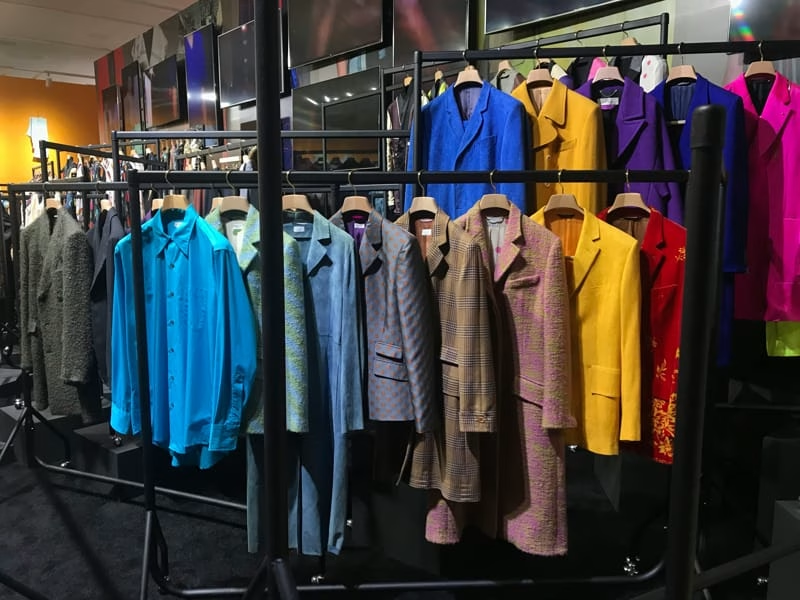
The future of coat design and manufacturing is likely to be shaped by several key trends.
- Sustainability: The use of recycled and sustainable materials will become more prevalent. This reduces the environmental impact of coat production.
- Smart Technology: Coats will increasingly incorporate smart features like built-in heating, GPS tracking, and health monitoring.
- Customization: Consumers will have more options for customizing their coats. This includes selecting fabrics, colors, and features.
- 3D Printing: 3D printing technology will enable the creation of complex and custom coat designs.
- Automation: Automation will play a greater role in coat manufacturing. This increases efficiency and reduces labor costs.
- Versatility: Coats will be designed to be more versatile. They can adapt to different weather conditions and occasions.
Summary
Coats are an essential part of our wardrobes. They provide protection, warmth, and style. From the classic trench coat to the functional parka, there is a coat for every need and occasion. Understanding the history, materials, and types of coats can help you make informed choices. You can select the perfect coat to elevate your wardrobe and conquer any weather. As technology and fashion continue to evolve, coats will undoubtedly remain a staple of human attire. They will blend functionality with style in innovative ways.