Introduction
Textile finishing encompasses a range of processes applied to fabrics after weaving or knitting to improve their properties and prepare them for end-use. These processes transform raw textiles into products that meet specific aesthetic, functional, and performance requirements. The aims of textile finishing are multifaceted, addressing consumer expectations, industrial standards, and environmental considerations. This article provides a comprehensive overview of the key objectives of textile finishing, including enhancing appearance, improving durability, imparting functional properties, ensuring comfort, and promoting sustainability. Each aim is discussed with reference to specific techniques and their practical implications in the textile industry.
Enhancing Appearance
One of the primary aims of textile finishing is to improve the visual appeal of fabrics, making them more attractive for consumer markets. Aesthetic enhancements are achieved through processes such as:
- Bleaching: Removes natural or acquired impurities to achieve a uniform white or light-colored base, essential for dyeing and printing.
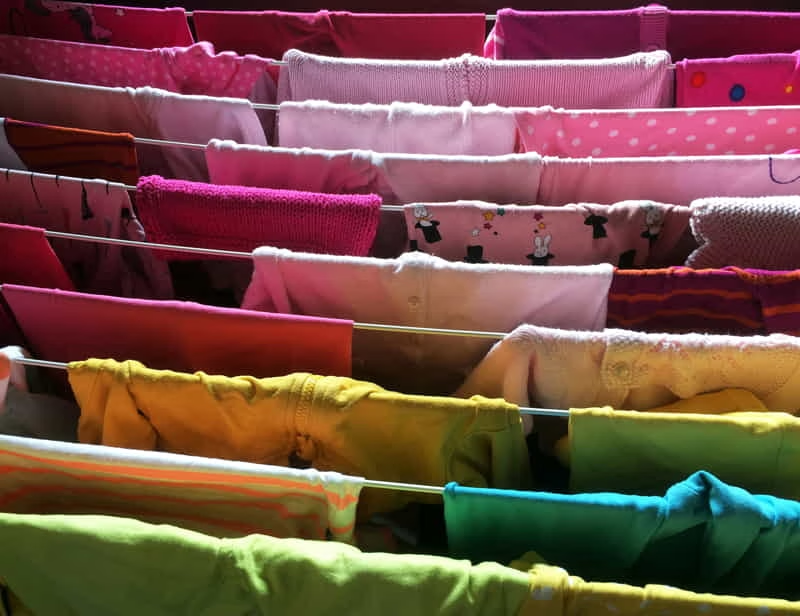
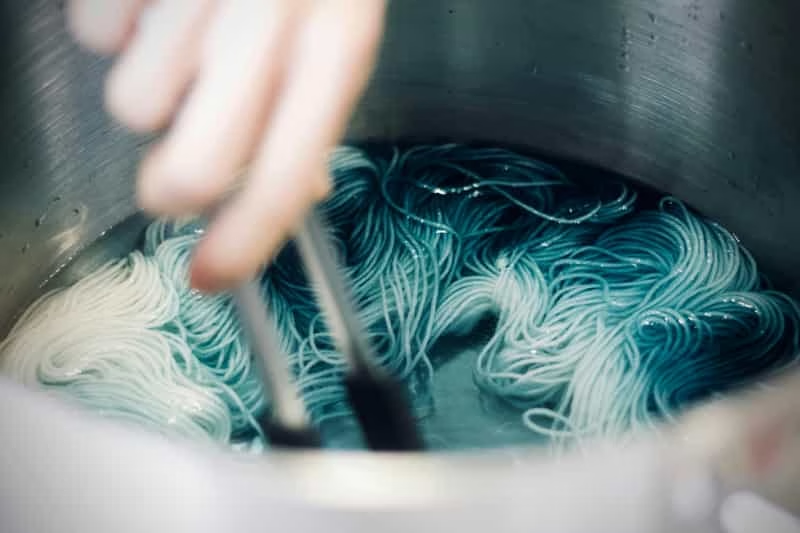
- Dyeing: Imparts color to fabrics, allowing for a wide range of hues and patterns to meet fashion and design trends [Textile World, 2020].
- Printing: Applies patterns or designs to fabrics, enhancing visual interest for applications in apparel and home textiles.
- Mercerization: Treats cotton fabrics with sodium hydroxide to increase luster, smoothness, and dye affinity, resulting in a silk-like appearance.
These processes ensure that textiles meet the aesthetic expectations of consumers, from vibrant clothing to elegant home furnishings. For example, mercerization not only enhances the sheen of cotton but also improves its strength, contributing to both appearance and durability.
Improving Durability
Textile finishing aims to enhance the longevity and wear resistance of fabrics, ensuring they withstand repeated use and environmental stresses. Key durability-enhancing processes include:
- Crease Resistance: Chemical treatments, such as resin finishing, reduce wrinkling, making fabrics easier to maintain, particularly for formal wear.
- Abrasion Resistance: Coatings or treatments like polyurethane application improve a fabric’s ability to resist surface wear, crucial for upholstery and workwear.
- Shrinkage Control: Processes like sanforization pre-shrink fabrics to minimize dimensional changes during washing, ensuring consistent fit and shape [Apparel News, 2021].
- Stain Repellency: Fluorocarbon-based finishes create barriers against stains, extending the lifespan of textiles in high-use environments.
By improving durability, finishing processes reduce the need for frequent replacements, contributing to cost savings and sustainability. For instance, stain-repellent finishes are widely used in hospitality textiles to maintain appearance over extended periods.
Imparting Functional Properties
Textile finishing also focuses on adding specialized functionalities to meet specific end-use requirements. These functional properties expand the applications of textiles beyond traditional uses. Examples include:
- Water Repellency: Hydrophobic treatments, such as silicone or wax coatings, make fabrics resistant to water penetration, ideal for outdoor gear and rainwear.
- Flame Resistance: Application of flame-retardant chemicals ensures textiles meet safety standards for applications like firefighting gear and children’s sleepwear [Textile Technology, 2022].
- Antimicrobial Properties: Finishes incorporating silver ions or quaternary ammonium compounds inhibit bacterial growth, enhancing hygiene in medical textiles and sportswear.
- UV Protection: UV-absorbing finishes protect both the fabric and the wearer from harmful ultraviolet rays, critical for outdoor apparel and furnishings.
These functional finishes enable textiles to serve specialized markets, such as healthcare, automotive, and aerospace, where performance is paramount. For example, antimicrobial finishes are increasingly vital in hospital linens to reduce the risk of infections.
Ensuring Comfort
Comfort is a key consideration in textiles, particularly for apparel and home textiles. Finishing processes aim to enhance tactile and physiological comfort through:
- Softening
- Moisture Management: Wicking finishes enhance a fabric’s ability to absorb and transport moisture, improving comfort in activewear and bedding [Fibre2Fashion, 2023].
- Thermal Regulation: Phase-change materials or insulating finishes help regulate temperature, providing warmth or cooling as needed.
- Breathability: Finishes that maintain or enhance air permeability ensure comfort in warm climates or during physical activity.
These processes are critical for consumer satisfaction, as comfort directly influences purchasing decisions. For instance, moisture-wicking finishes in sportswear enhance performance by keeping athletes dry and comfortable.
Promoting Sustainability
With growing environmental concerns, textile finishing increasingly aims to promote sustainability by reducing resource consumption and environmental impact. Key approaches include:
- Eco-Friendly Finishes: Use of bio-based or low-impact chemicals, such as plant-derived softeners, minimizes environmental harm.
- Water and Energy Efficiency: Processes like foam finishing or low-liquor-ratio dyeing reduce water and energy usage during finishing [Sustainable Textile, 2023].
- Recyclability: Finishes that do not interfere with textile recycling, such as non-permanent coatings, support circular economy principles.
- Reduced Chemical Usage: Technologies like plasma treatment or laser finishing reduce the need for harmful chemicals, lowering pollution.
Sustainability-focused finishing aligns with global efforts to reduce the textile industry’s environmental footprint, which accounts for significant water and energy consumption. For example, adopting waterless dyeing technologies can reduce water usage by up to 90% compared to traditional methods.
Practical Applications and Challenges
The aims of textile finishing are realized through a combination of chemical, mechanical, and thermal processes, each tailored to specific fabric types and end-uses. For instance, technical textiles for automotive applications may prioritize flame resistance and durability, while fashion textiles focus on aesthetics and comfort. However, achieving these aims involves challenges, such as balancing performance with cost, ensuring compatibility between finishes and fabric types, and meeting stringent regulatory standards. Additionally, sustainability goals require investment in innovative technologies and processes, which may increase production costs in the short term but offer long-term benefits.
Conclusion
Textile finishing plays a pivotal role in transforming raw fabrics into high-quality products that meet diverse consumer and industrial needs. By enhancing appearance, improving durability, imparting functional properties, ensuring comfort, and promoting sustainability, finishing processes add significant value to textiles. As the industry evolves, advancements in eco-friendly technologies and smart textiles will further expand the scope of finishing, enabling the development of innovative, sustainable, and high-performance textile products. Continued research and investment in finishing technologies are essential to address emerging challenges and meet the demands of a dynamic global market.