Introduction
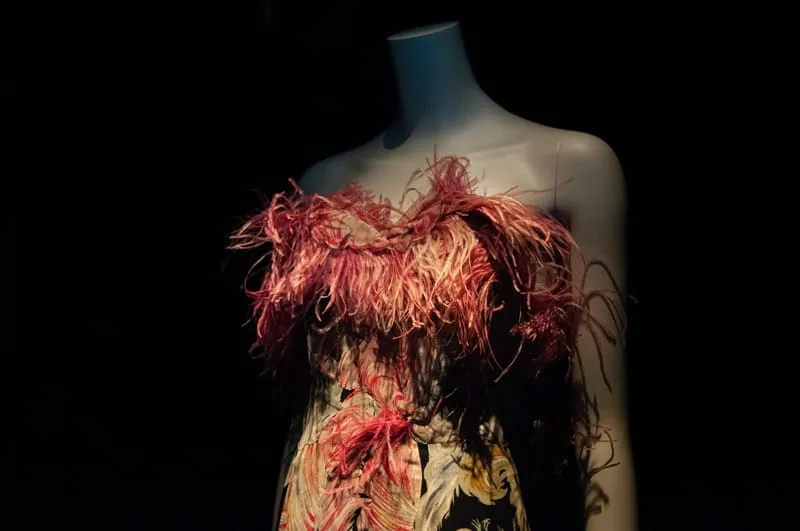
Sustainable fashion has long been seeking alternatives to conventional textiles that rely heavily on synthetic fibers and animal-derived materials. Amidst innovations like recycled polyester and plant-based leathers, mycelium-based textiles have emerged as a transformative solution. Grown from the root systems of fungi, these materials offer a sustainable, biodegradable, and versatile alternative to leather and synthetic fabrics.
In recent years, fashion giants and biotech startups have begun exploring mycelium for its lightweight texture, customizability, and eco-friendly properties. With environmental consciousness at the forefront of consumer demand, mycelium textiles are rapidly becoming a top contender in the future of sustainable clothing.
A Brief History of Mycelium in Textiles
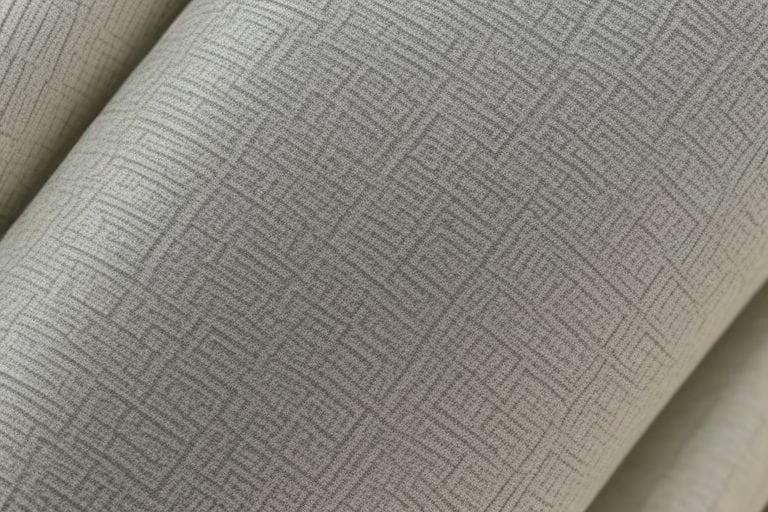
The use of mycelium is not entirely new. Fungi have been studied for their properties in medicine and packaging for decades. The turning point came in the early 2000s when researchers began experimenting with mycelium’s structural integrity and flexibility for commercial use.
Initial applications focused on sustainable packaging, but textile innovators soon recognized mycelium’s potential to mimic animal leather. By 2016, several biotech companies had started cultivating mycelium to produce prototype garments and accessories. These early efforts laid the groundwork for its current status as a viable textile solution.
Technological Evolution and Biofabrication
Mycelium textiles are created through biofabrication, a process that involves growing fungi in controlled environments. This method reduces energy use, land requirements, and chemical treatments.
Typically, agricultural waste such as corn husks or sawdust serves as the substrate. The fungal spores are introduced and allowed to colonize the material. Within days, a dense network of hyphae forms. These are then harvested, pressed, and treated to create a soft, leather-like sheet.
Key technological advancements include:
- 3D growth structures for customizable thickness and texture
- Genetic optimization for durability and elasticity
- Controlled humidity and temperature regulation for faster growth
Production Process Explained
Here is a simplified breakdown of the mycelium textile manufacturing process:
| Step | Description |
|---|---|
| 1 | Prepare agricultural waste substrate |
| 2 | Inoculate with mycelium spores |
| 3 | Grow under controlled conditions |
| 4 | Harvest and dehydrate the mycelium mat |
| 5 | Press and tan to mimic leather or fabric |
| 6 | Finish with coatings or dyes (if needed) |
Compared to animal leather, mycelium-based materials require no toxic tanning agents, no methane-producing livestock, and much less water.
Innovations Driving Mycelium’s Popularity
Several innovations have made mycelium more attractive to designers and textile engineers:
- Customization: The ability to grow fabrics in specific shapes and thicknesses cuts waste significantly.
- Color Integration: Natural dyes can be added during the growing process, reducing post-production steps.
- Hybrid Blending: Mycelium can be blended with cotton, hemp, or bioplastics to improve strength or texture.
- Self-Healing Materials: Some strains of fungi can regenerate minor damage, extending product life.
These cutting-edge developments are pushing the boundaries of what bio-based materials can achieve.
Types and Varieties of Mycelium Textiles
While often referred to as “mushroom leather,” mycelium textiles come in various forms:
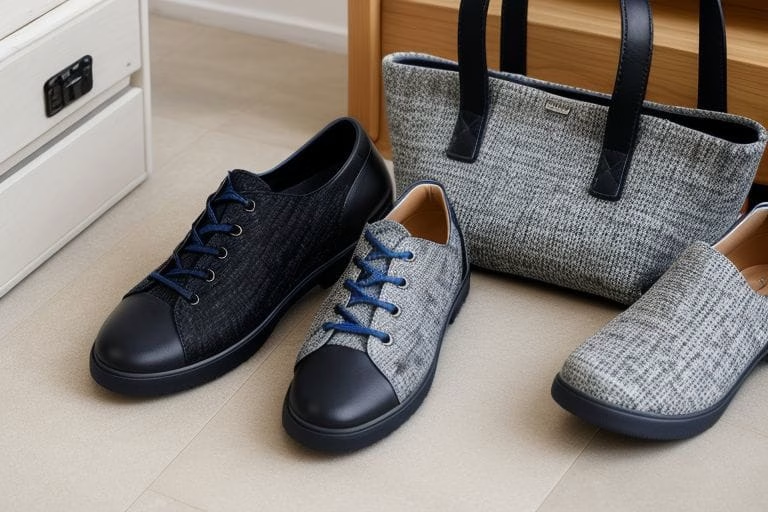
- Soft Leather-like Sheets: Used for bags, shoes, and jackets
- Rigid Panels: For structural design elements and furniture
- Foam-textured Mycelium: Suitable for insulation and padding
- Hybrid Yarns: Blended with natural fibers for woven textiles
Each type offers unique characteristics based on the strain of fungus, growth medium, and fabrication technique.
Real-World Applications
Mycelium textiles are already making waves in several industries:
- Fashion: High-end brands like Stella McCartney have released concept garments using mushroom leather.
- Footwear: Brands are exploring fungal materials for insoles, uppers, and soles.
- Automotive Interiors: Car manufacturers are testing mycelium for eco-conscious interiors.
- Interior Design: Panels and wall coverings provide a rustic, natural aesthetic.
With growing pressure on industries to reduce carbon footprints, such real-world implementations demonstrate mycelium’s viability at scale.
End-Users and Market Segmentation
The target market for mycelium-based textiles includes:
- Luxury Fashion Houses: Interested in sustainable couture
- Eco-conscious Consumers: Preferring vegan and cruelty-free options
- Tech Innovators: Exploring next-gen material applications
- Automotive and Furniture Designers: Seeking sustainable alternatives to leather
According to MarketsandMarkets, the global fungal protein and material market is expected to grow exponentially, supporting adoption in diverse sectors.
Challenges Facing the Industry
Despite the optimism, several challenges remain:
- Scaling Production: Most facilities operate at small or pilot-scale production.
- Cost: Mycelium textiles are currently more expensive than synthetic or even some natural alternatives.
- Durability Concerns: Long-term performance under wear and tear is still under review.
- Consumer Awareness: Many consumers are unfamiliar with mycelium-based materials.
Addressing these issues will be critical to long-term market success.
Sustainability and Environmental Impact
One of mycelium’s strongest advantages lies in its eco-friendly lifecycle:
- Biodegradable within 45-90 days under composting conditions
- Requires no fertilizers, pesticides, or harsh chemicals
- Utilizes agricultural byproducts, reducing waste
- Minimal carbon and water footprint
By replacing resource-intensive leather and plastic-based textiles, mycelium helps move the fashion industry closer to circularity.
Future Trends in Mycelium Textiles
Looking ahead, mycelium-based textiles are poised to expand through:
- Mass Customization: 3D printing techniques and molds will allow consumer-specific designs
- Integration with Wearables: Embedding sensors into fungal textiles for health or performance tracking
- Circular Fashion Models: Brands will adopt take-back schemes and full biodegradability promises
- Global Manufacturing Hubs: Asia and Europe will see increased facility setups to meet demand
Summary
Mycelium-based textiles represent a pivotal shift in the textile and fashion industries. They combine nature, science, and sustainability in a way few other materials can. From innovative product design to environmental stewardship, the fungal fabric revolution is only just beginning.
Fashion isn’t just about trends—it’s about values. And in 2025 and beyond, those values are green, circular, and grown from the ground up.
Conclusion
As the textile world leans into circularity and sustainability, mycelium-based fabrics offer a unique intersection of biology and design. Their rise signals not only a new material choice but a paradigm shift in how fashion thinks about production, waste, and responsibility.