Introduction
Hats are head coverings worn for protection, social status and style. Popular types today include baseball caps, beanies and wide-brimmed hats; earlier styles include the tricorne and bicorne, the Victorian top hat, women’s bonnets, and the cloche, fedora and beret of the 20th century. Hats are made from felt, straw and woven fabrics, and now also synthetic and performance fabrics.
History of Hats
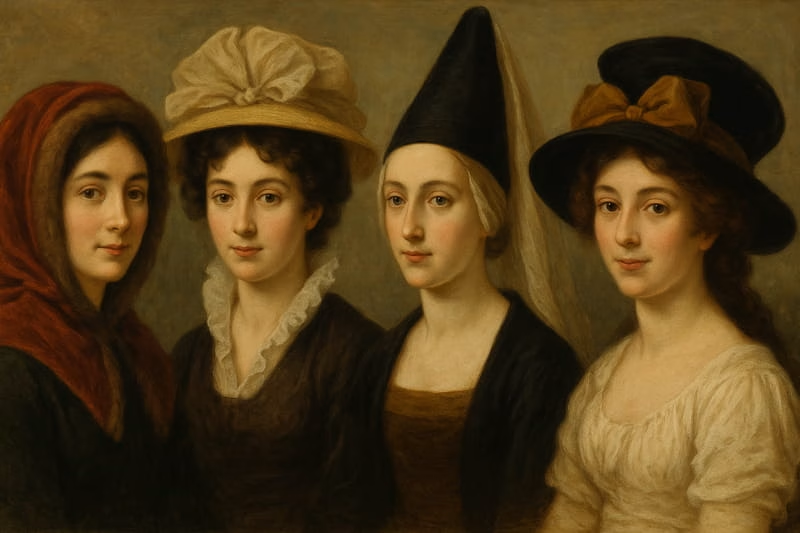
The history of hats is as rich and varied as the cultures that have worn them. Ancient civilizations used head coverings for protection and status. Egyptians wore the “Klaft,” a striped headcloth, while Greeks and Romans donned wreaths and helmets.
- Ancient Times: Hats indicated social status and religious affiliation.
- Middle Ages: The medieval era saw the rise of elaborate headwear. Think of the wimples and veils worn by women. Men sported coifs and chaperons.
- 16th-18th Centuries: The Renaissance and Baroque periods brought forth extravagant hats. These were adorned with feathers, ribbons, and jewels. The tricorne and bicorne became popular among European gentry.
- 19th Century: The Industrial Revolution led to mass production of hats. The top hat became a symbol of the Victorian era. Bonnets and caps were common for women.
- 20th Century: The 20th century witnessed a proliferation of hat styles. Cloches, fedoras, and berets gained popularity. Hats declined in everyday wear after the 1960s.
- 21st Century: Today, hats are making a comeback. They are seen as fashion statements and functional accessories. Baseball caps, beanies, and wide-brimmed hats are popular choices.
Technological Evolution in Hat Manufacturing
The evolution of hat manufacturing mirrors broader technological advancements. Early hats were handmade. They required skilled artisans and time-consuming processes. The Industrial Revolution brought machinery. This revolutionized hat production.
- Early Methods: Hats were initially crafted by hand. Materials included felt, straw, and woven fabrics.
- Industrial Revolution: Machines like the hat-forming machine and the sewing machine automated production. This made hats more affordable and accessible.
- Modern Techniques: Today, hat manufacturing involves computer-aided design (CAD) and laser cutting. These technologies allow for precision and customization.
- Materials Innovation: Modern materials like synthetic fibers, performance fabrics, and recycled materials are used. They enhance hat durability, comfort, and sustainability.
Sources and Availability
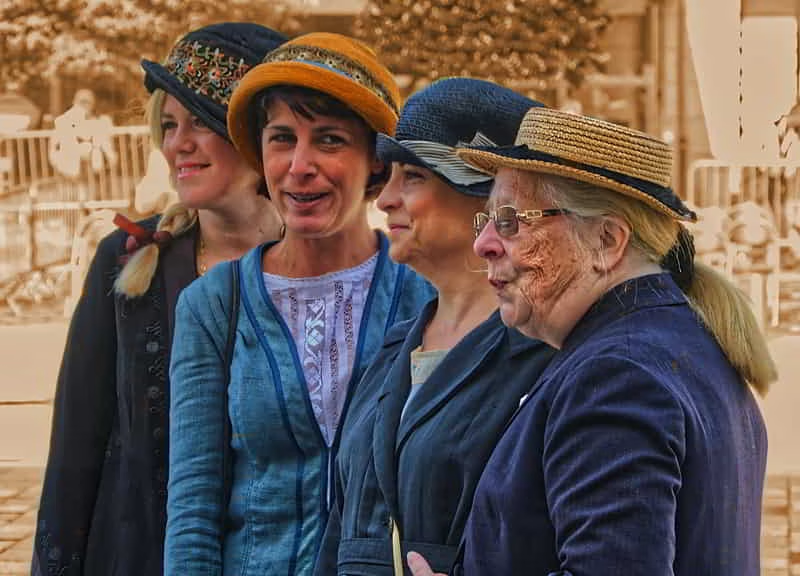
Hats are available through diverse channels. These range from high-end boutiques to online marketplaces. Understanding where to source different types of hats can enhance your shopping experience.
- Retail Stores: Department stores, specialty hat shops, and boutiques offer a wide selection of hats.
- Online Marketplaces: E-commerce platforms like Amazon, Etsy, and specialized hat retailers provide extensive choices.
- Direct from Manufacturers: Some manufacturers sell directly to consumers. This can offer unique or custom-made options.
- Vintage and Secondhand Shops: These stores are treasure troves for unique, vintage hats.
Innovations in Hat Design
Innovation in hat design continues to push boundaries. Designers experiment with new materials, shapes, and functionalities.
- Smart Hats: Integration of technology into hats. Features include built-in headphones, solar panels, and sensors.
- Sustainable Materials: Use of eco-friendly materials like organic cotton, recycled polyester, and plant-based fibers.
- Customization: 3D-printed hats and personalized designs cater to individual preferences.
- Performance Hats: Hats designed for specific activities. Features include moisture-wicking, UV protection, and ventilation.
Production Process
The production of a hat involves several steps. These steps vary depending on the style and material.
- Design: Creating the hat’s blueprint, including shape, size, and materials.
- Material Selection: Choosing appropriate materials like felt, straw, fabric, or leather.
- Cutting: Cutting the material according to the design specifications.
- Forming: Shaping the hat using molds and heat.
- Sewing: Assembling the various parts of the hat.
- Finishing: Adding details like ribbons, bands, and embellishments.
- Quality Control: Inspecting the hat for defects and ensuring it meets standards.
Challenges in Hat Manufacturing
The hat industry faces several challenges. These include changing fashion trends and sustainability concerns.
- Fashion Trends: Keeping up with rapidly changing fashion trends requires flexibility and innovation.
- Sustainability: Sourcing sustainable materials and reducing waste are crucial for environmental responsibility.
- Labor Costs: High labor costs in developed countries can make it difficult to compete with cheaper imports.
- Competition: The market is competitive. Differentiation through unique designs and quality is essential.
Real-World Applications
Hats serve various practical purposes. They also enhance fashion statements.
- Protection: Shielding from sun, rain, and cold.
- Fashion: Enhancing personal style and making a statement.
- Occupational: Providing safety and identification in certain professions.
- Cultural: Representing cultural or religious affiliations.
Types of Hats
The world of hats is incredibly diverse. Each type has its unique characteristics and uses. Here’s an extensive list of hat types:
Baseball Cap
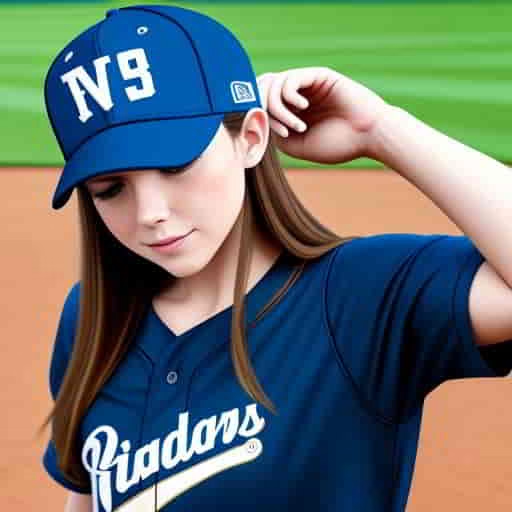
The baseball cap is a classic. It features a rounded crown and a stiff brim. It is popular for sports and casual wear.
- Structure: Six-panel construction, adjustable strap or fitted.
- Materials: Cotton, polyester, or blends.
- Use: Sports, casual wear, sun protection.
Beanie

Beanies are soft, brimless caps. They are often made of knitted material. They provide warmth and are popular in colder climates.
- Structure: Close-fitting, knitted or fleece.
- Materials: Wool, acrylic, cotton.
- Use: Warmth, casual wear, sports.
Fedora

The fedora is a felt hat. It features an indented crown and a soft brim. It is often associated with classic style.
- Structure: Indented crown, soft brim.
- Materials: Felt, wool, or fur.
- Use: Formal wear, fashion, vintage style.
Panama Hat

Panama hats are lightweight. They are made from toquilla straw. They are known for their elegant appearance.
- Structure: Lightweight, woven straw.
- Materials: Toquilla straw.
- Use: Summer wear, formal events, sun protection.
Trilby

The trilby is similar to a fedora. It has a narrower brim and a shorter crown. It is often worn at a jaunty angle.
- Structure: Narrow brim, shorter crown.
- Materials: Felt, wool, or tweed.
- Use: Fashion, casual wear, outdoor events.
Boater

Boaters are stiff straw hats. They feature a flat crown and brim. They are often adorned with a ribbon.
- Structure: Stiff straw, flat crown and brim.
- Materials: Straw.
- Use: Formal events, summer wear, vintage style.
Cloche

The cloche is a fitted, bell-shaped hat. It was popular in the 1920s.
- Structure: Bell-shaped, close-fitting.
- Materials: Felt, velvet, or silk.
- Use: Vintage fashion, formal wear.
Beret

Berets are soft, round, and brimless hats. They are often made of felt or wool.
- Structure: Soft, round, brimless.
- Materials: Wool, felt, or cotton.
- Use: Fashion, military, artistic expression.
Cowboy Hat

Cowboy hats are wide-brimmed. They are high-crowned hats. They are associated with the American West.
- Structure: Wide brim, high crown.
- Materials: Felt, straw, or leather.
- Use: Western wear, outdoor activities, rodeos.
Top Hat

Top hats are tall, flat-crowned hats. They are traditionally worn with formal attire.
- Structure: Tall, flat crown.
- Materials: Silk, felt, or wool.
- Use: Formal events, historical reenactments.
Sun Hat
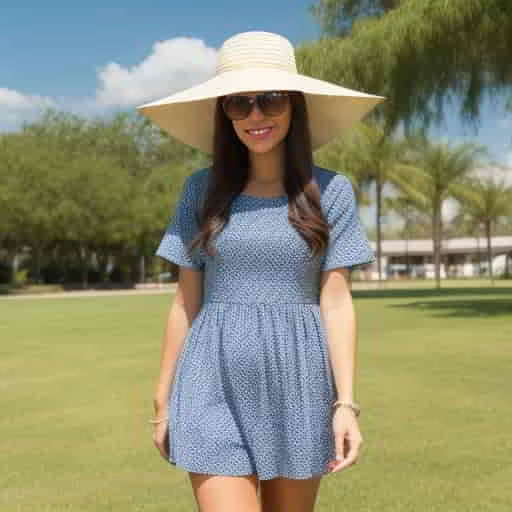
Sun hats are wide-brimmed hats. They provide protection from the sun.
- Structure: Wide brim.
- Materials: Straw, cotton, or synthetic fabrics.
- Use: Sun protection, outdoor activities.
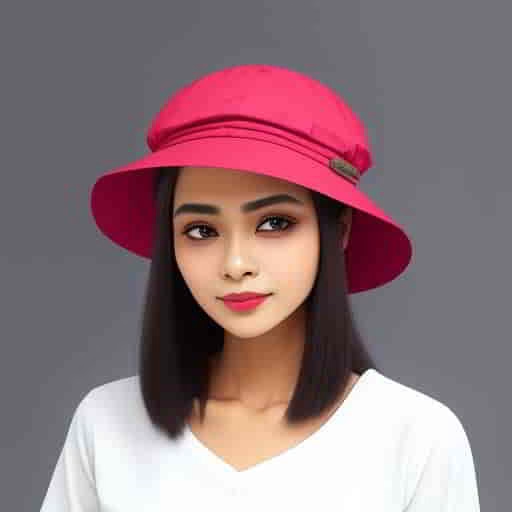
Bucket Hat

Bucket hats are soft hats. They feature a downward-sloping brim.
- Structure: Soft, downward-sloping brim.
- Materials: Cotton, canvas, or nylon.
- Use: Casual wear, outdoor activities, fishing.
Newsboy Cap

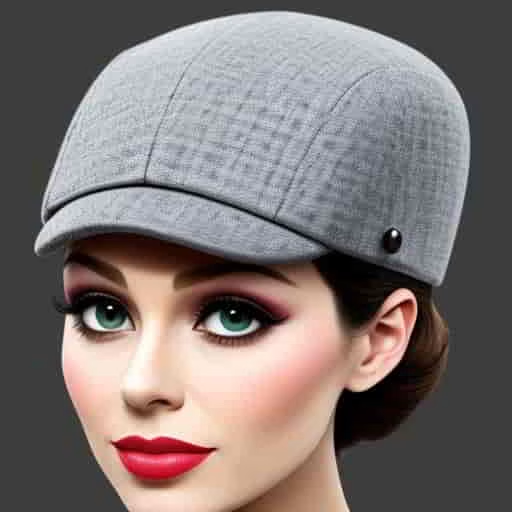
Newsboy caps are rounded caps. They feature a small brim and a button on top.
- Structure: Rounded, small brim, button on top.
- Materials: Wool, tweed, or cotton.
- Use: Casual wear, vintage style.
Pork Pie Hat

Pork pie hats have a flat crown. They feature a circular indent.
- Structure: Flat crown, circular indent.
- Materials: Felt, straw, or tweed.
- Use: Fashion, jazz culture, vintage style.
Fascinator

Fascinators are decorative headpieces. They are often worn at formal events.
- Structure: Decorative, often with feathers or beads.
- Materials: Silk, feathers, beads, or lace.
- Use: Formal events, weddings, races.
Turban

Turbans are head coverings. They are worn by Sikhs and other cultures.
- Structure: Wrapped fabric.
- Materials: Cotton, silk, or synthetic fabrics.
- Use: Religious observance, cultural expression.
Ushanka

Ushankas are fur hats. They feature ear flaps that can be tied at the crown or chin.
- Structure: Fur hat with ear flaps.
- Materials: Fur, wool, or synthetic materials.
- Use: Warmth, cold weather.
Deerstalker

Deerstalkers are tweed caps. They feature brims at the front and back. They also have earflaps.
- Structure: Tweed cap with brims and earflaps.
- Materials: Tweed.
- Use: Hunting, outdoor activities, Sherlock Holmes cosplay.
Fez

Fezes are felt hats. They are shaped like a truncated cone. They often have a tassel.
- Structure: Truncated cone shape, often with a tassel.
- Materials: Felt.
- Use: Cultural attire, historical fashion.
Pillbox Hat

Pillbox hats are small, brimless hats. They have a flat crown and straight, upright sides.
- Structure: Small, brimless, flat crown.
- Materials: Felt, velvet, or wool.
- Use: Formal wear, vintage style.
Breton Hat

Breton hats are straw or felt hats. They have a round crown and an upturned brim.
- Structure: Round crown, upturned brim.
- Materials: Straw, felt, or wool.
- Use: Nautical fashion, summer wear.
Chullo
Chullos are Andean hats. They feature earflaps. They are made from wool.
- Structure: Wool hat with earflaps.
- Materials: Wool.
- Use: Warmth, cultural attire.
Sombrero

Sombreros are wide-brimmed hats. They are worn in Mexico. They protect from the sun.
- Structure: Wide brim.
- Materials: Straw or felt.
- Use: Cultural attire, sun protection.
Hard Hat

Hard hats are rigid hats. They protect the head from injury.
- Structure: Rigid shell.
- Materials: Plastic or composite materials.
- Use: Construction, industrial work.
Graduation Cap (Mortarboard)

Graduation caps are square academic hats. They feature a tassel.
- Structure: Square, flat top with a tassel.
- Materials: Cloth-covered cardboard.
- Use: Graduation ceremonies.
Chef’s Hat (Toque)

Chef’s hats are tall, pleated hats. They are worn by chefs.
- Structure: Tall, pleated.
- Materials: Cotton or paper.
- Use: Culinary profession.
Pith Helmet

Pith helmets are lightweight hats. They are made from pith or cork. They protect from the sun.
- Structure: Lightweight, wide brim.
- Materials: Pith or cork.
- Use: Sun protection, tropical climates.
Coonskin Cap

Coonskin caps are made from raccoon fur. They feature the animal’s tail.
- Structure: Raccoon fur with tail.
- Materials: Raccoon fur.
- Use: Historical fashion, outdoor activities.
Zucchetto

Zucchettos are small, skullcaps. They are worn by Catholic clergy.
- Structure: Small, skullcap.
- Materials: Silk or velvet.
- Use: Religious attire.
Mitre

Mitres are tall, pointed hats. They are worn by bishops.
- Structure: Tall, pointed.
- Materials: Silk or brocade.
- Use: Religious attire.
Shako

Shakos are tall, cylindrical military hats. They feature a visor and decorations.
- Structure: Tall, cylindrical, with visor.
- Materials: Felt or leather.
- Use: Military uniforms, historical reenactments.
Balaclava

Balaclavas are knitted head coverings. They expose only part of the face.
- Structure: Knitted, covers head and neck.
- Materials: Wool or synthetic fibers.
- Use: Cold weather, skiing, snowboarding.
Snood
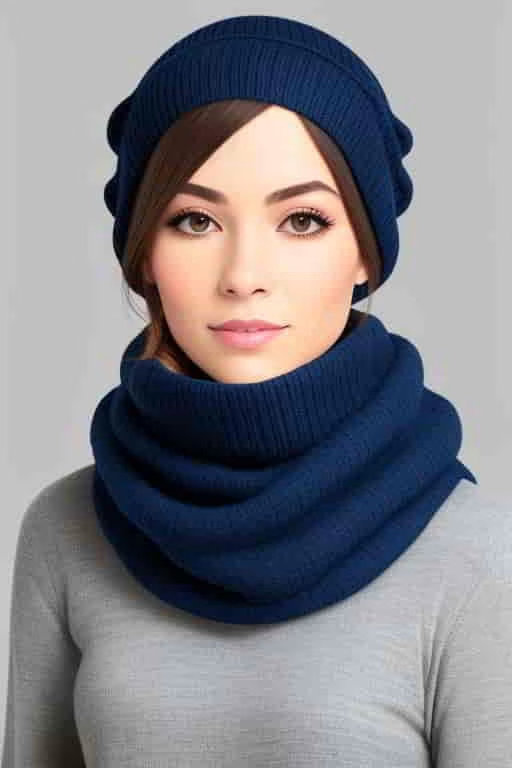
Snoods are fabric or yarn nets. They cover the back of the head.
- Structure: Net or fabric covering.
- Materials: Yarn or fabric.
- Use: Hair covering, historical fashion.
Kufi

Kufis are short, rounded caps. They are worn by Muslim men.
- Structure: Short, rounded.
- Materials: Cotton or synthetic fabrics.
- Use: Religious attire, cultural expression.
Do-rag

Do-rags are close-fitting caps. They are worn to protect hairstyles.
- Structure: Close-fitting.
- Materials: Silk or nylon.
- Use: Hair protection, fashion.
Visor

Visors are brim without a crown. They shield the eyes from the sun.
- Structure: Brim without a crown.
- Materials: Plastic or fabric.
- Use: Sun protection, sports.
Aviator Hat

Aviator hats are designed for pilots. They feature ear flaps and a snug fit.
- Structure: Snug fit, ear flaps.
- Materials: Leather or fur.
- Use: Aviation, historical fashion.
Bouffant Cap
Bouffant caps are lightweight, disposable caps. They are used in healthcare and food service.
- Structure: Lightweight, disposable.
- Materials: Non-woven fabric.
- Use: Hygiene, healthcare, food service.
Campaign Hat

Campaign hats are wide-brimmed hats. They are worn by military personnel and park rangers.
- Structure: Wide brim, creased crown.
- Materials: Felt or straw.
- Use: Uniforms, outdoor activities.
Conical Hat (Asian Rice Hat)

Conical hats are cone-shaped hats. They are worn in East and Southeast Asia. They protect from sun and rain.
- Structure: Cone-shaped.
- Materials: Straw or bamboo.
- Use: Sun and rain protection, agriculture.
Elizabethan Ruff
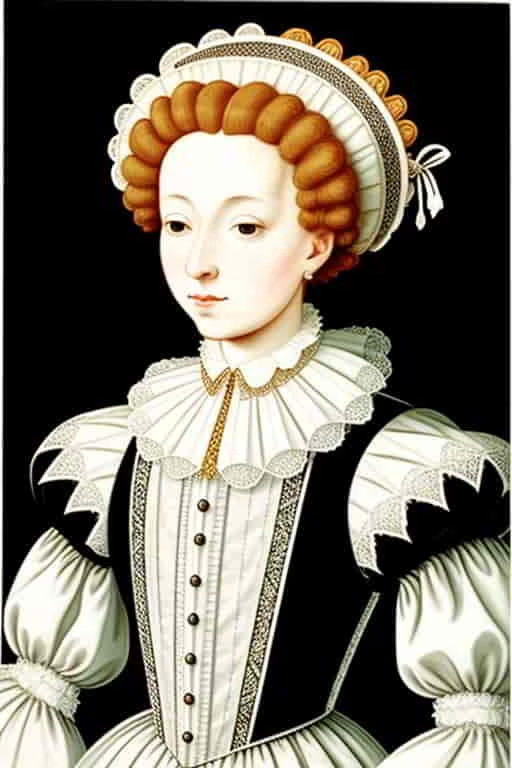
Elizabethan ruffs are large, pleated collars. They are worn around the neck.
- Structure: Large, pleated collar.
- Materials: Linen or lace.
- Use: Historical fashion.
Homburg

Homburgs are felt hats. They feature a curled brim and a single dent in the crown.
- Structure: Curled brim, single dent in the crown.
- Materials: Felt.
- Use: Formal wear, classic style.
Keffiyeh (Shemagh)

Keffiyehs are traditional Middle Eastern headdresses. They protect from sun and sand.
- Structure: Square scarf.
- Materials: Cotton or wool.
- Use: Sun and sand protection, cultural attire.
Montera
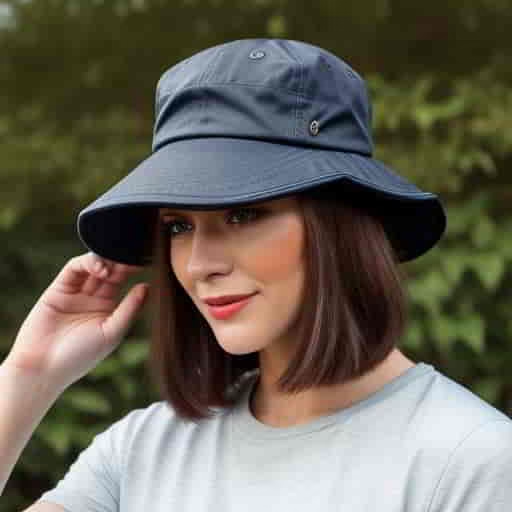
Monteras are traditional Spanish hats. They are worn by bullfighters.
- Structure: Round, with two decorative balls.
- Materials: Velvet.
- Use: Bullfighting, cultural attire.
Petasos
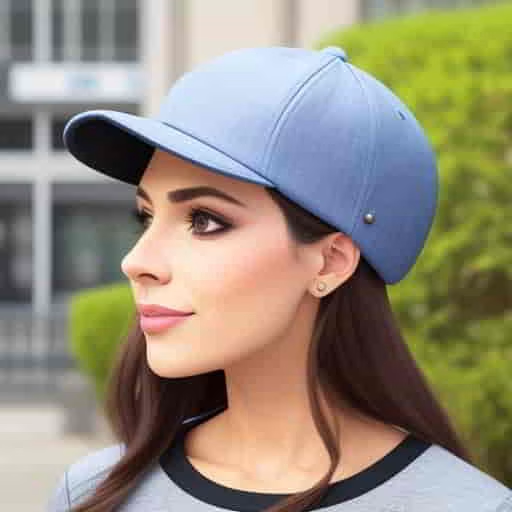
Petasos are wide-brimmed hats. They are worn in ancient Greece.
- Structure: Wide brim.
- Materials: Felt or straw.
- Use: Historical fashion.
Phrygian Cap
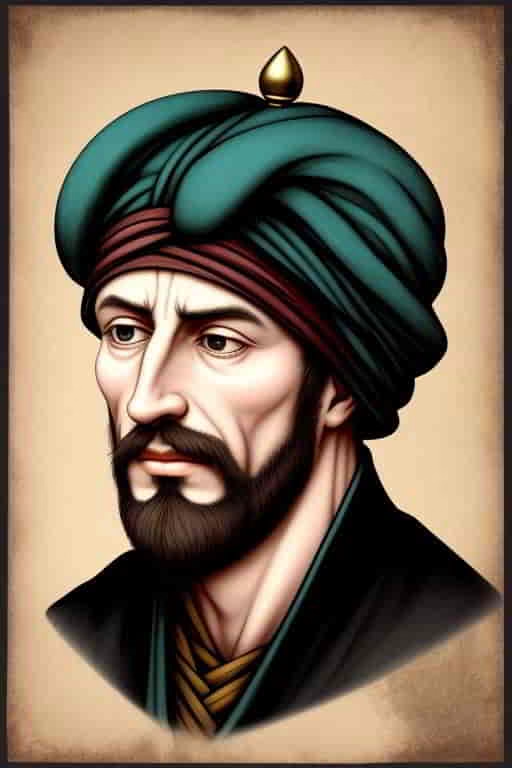
Phrygian caps are soft, conical caps. They are associated with freedom and revolution.
- Structure: Soft, conical.
- Materials: Wool or felt.
- Use: Symbolism, historical fashion.
Salakot

Salakots are traditional Filipino hats. They protect from sun and rain.
- Structure: Wide brim, dome-shaped crown.
- Materials: Bamboo or rattan.
- Use: Sun and rain protection, cultural attire.
Tam o’ Shanter
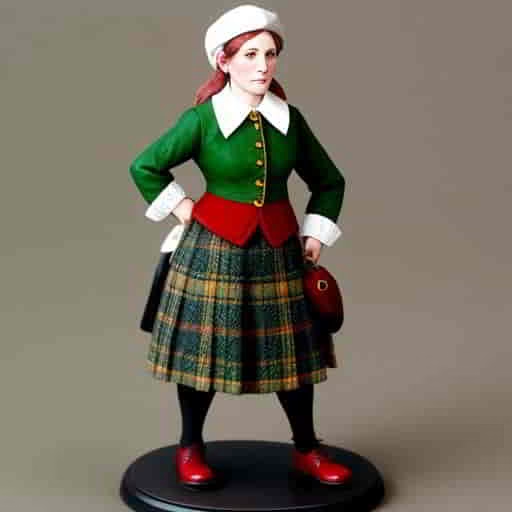
Tam o’ Shanters are traditional Scottish bonnets. They are made of wool.
- Structure: Round, flat bonnet with a pompom.
- Materials: Wool.
- Use: Cultural attire.
Wimple
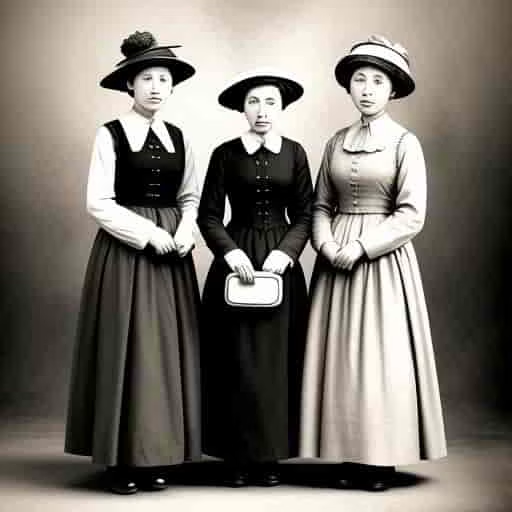
Wimples are medieval head coverings. They are worn by women.
- Structure: Fabric covering the head and neck.
- Materials: Linen or cotton.
- Use: Historical fashion.
Chapka

Chapkas are fur hats. They are similar to ushankas.
- Structure: Fur hat with ear flaps.
- Materials: Fur.
- Use: Warmth, cold weather.
Bicorne
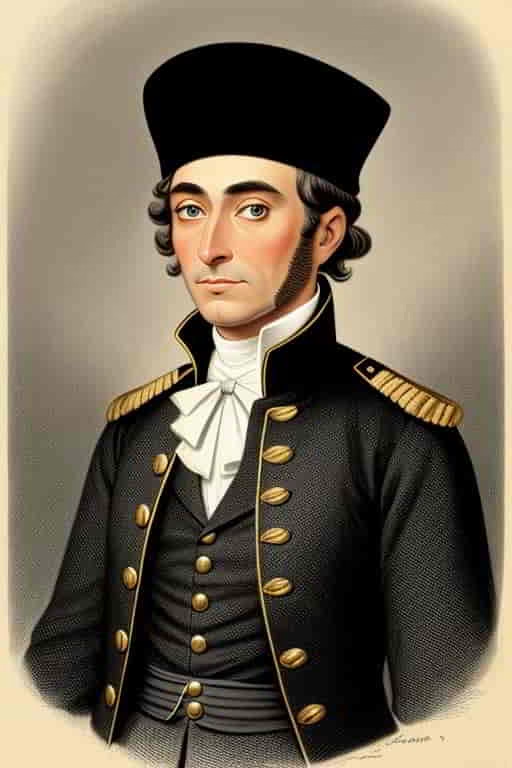
Bicornes are two-cornered hats. They were popular in the 18th and 19th centuries.
- Structure: Two-cornered.
- Materials: Felt or leather.
- Use: Historical fashion, military uniforms.
Tricorne
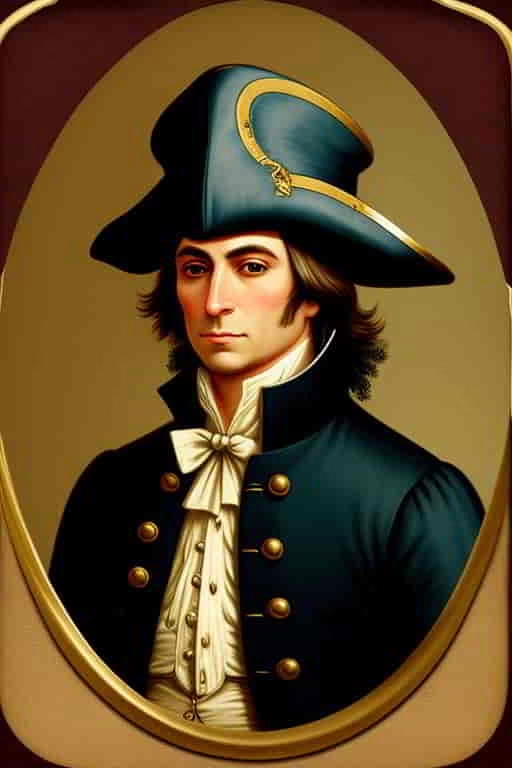
Tricornes are three-cornered hats. They were popular in the 18th century.
- Structure: Three-cornered.
- Materials: Felt or leather.
- Use: Historical fashion, military uniforms.
Gable Hood
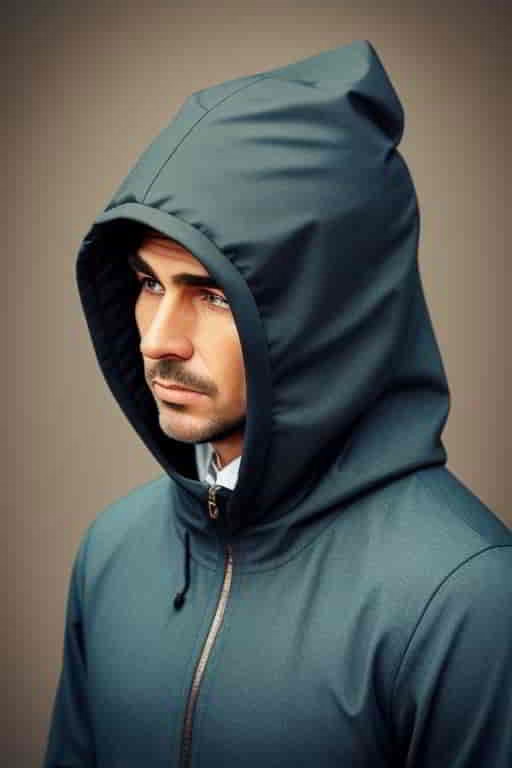
Gable hoods are English headdresses. They were popular in the 16th century.
- Structure: Elaborate, angular shape.
- Materials: Fabric and wire.
- Use: Historical fashion.
Hennin
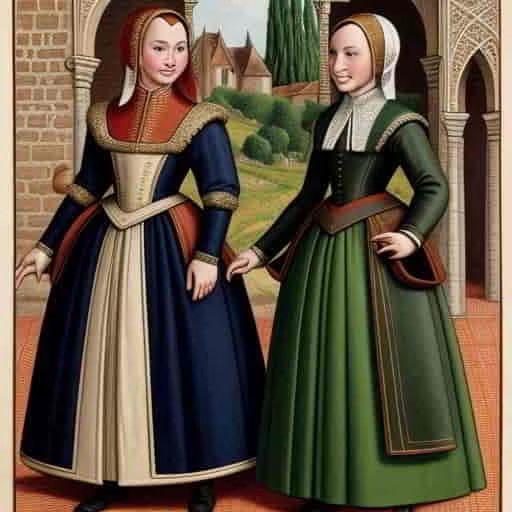
Hennins are cone-shaped headdresses. They were popular in the 15th century.
- Structure: Tall, cone-shaped.
- Materials: Fabric and wire.
- Use: Historical fashion.
Coif
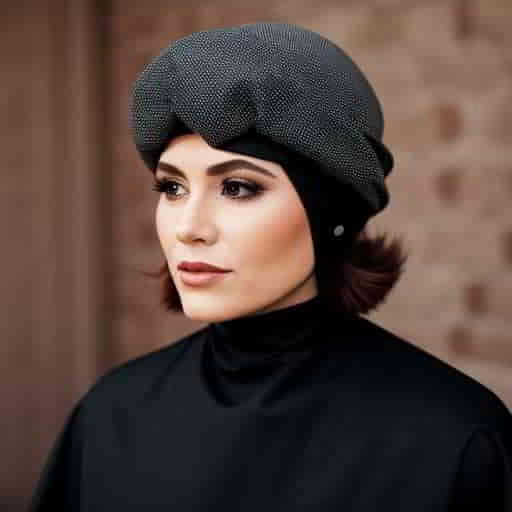
Coifs are close-fitting caps. They were worn by men and women.
- Structure: Close-fitting.
- Materials: Linen.
- Use: Historical fashion.
Chaperon
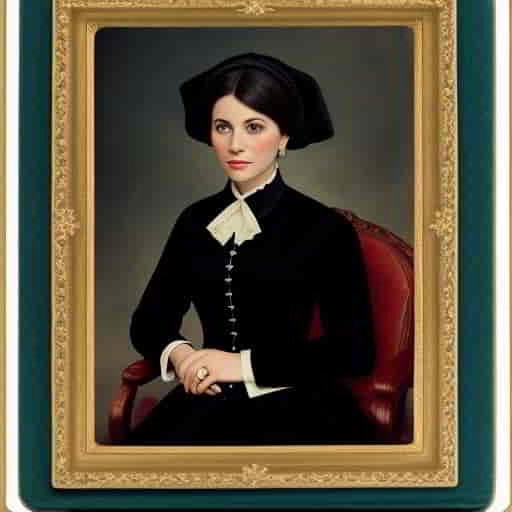
Chaperons are hooded garments. They were worn in the Middle Ages.
- Structure: Hooded garment with a liripipe.
- Materials: Wool or linen.
- Use: Historical fashion.
Bycocket
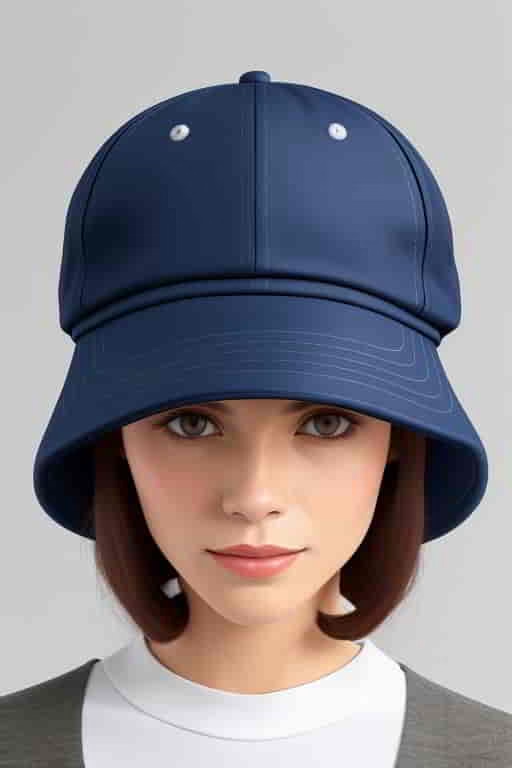
Bycockets are hats with a pointed brim. They were popular in the 14th and 15th centuries.
- Structure: Pointed brim.
- Materials: Felt or wool.
- Use: Historical fashion.
Sugarloaf Hat

Sugarloaf hats are cone-shaped hats. They were popular in the 16th century.
- Structure: Cone-shaped.
- Materials: Felt or velvet.
- Use: Historical fashion.
Capotain
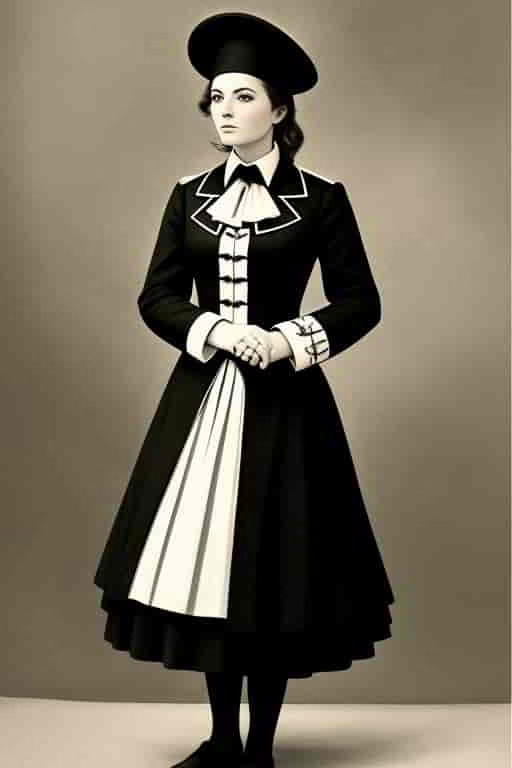
Capotains are tall, conical hats. They were popular in the 17th century.
- Structure: Tall, conical.
- Materials: Felt or beaver fur.
- Use: Historical fashion.
Cavalier Hat
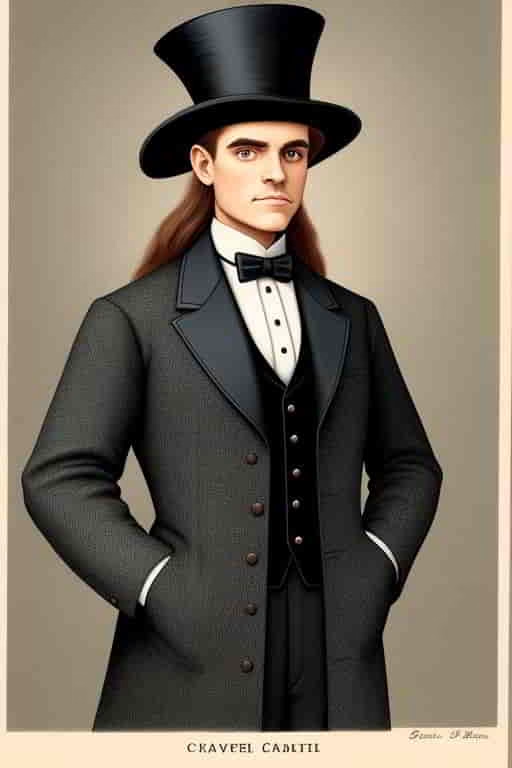
Cavalier hats are wide-brimmed hats. They are adorned with feathers.
- Structure: Wide brim, adorned with feathers.
- Materials: Felt or velvet.
- Use: Historical fashion.
Bergère Hat

Bergère hats are straw hats. They are adorned with flowers and ribbons.
- Structure: Wide brim, adorned with flowers and ribbons.
- Materials: Straw.
- Use: Historical fashion.
Calash
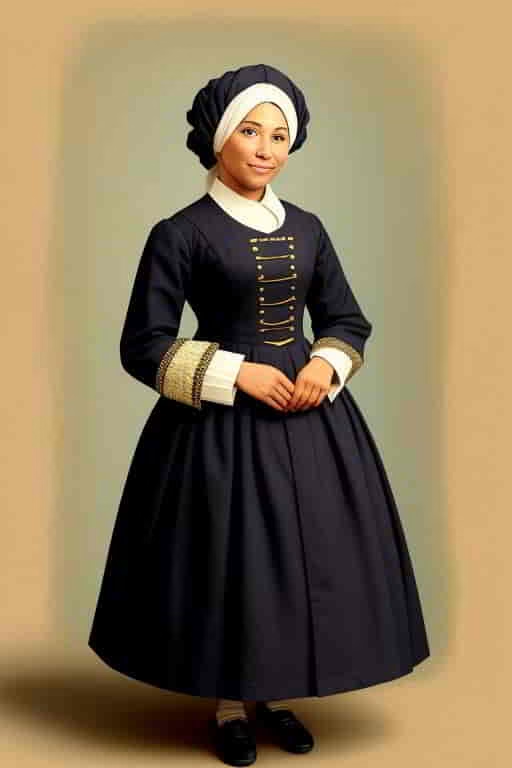
Calashes are folding hoods. They protect hairstyles.
- Structure: Folding hood.
- Materials: Silk and wire.
- Use: Historical fashion.
Mob Cap

Mob caps are informal caps. They are worn by women indoors.
- Structure: Informal cap.
- Materials: Linen or cotton.
- Use: Historical fashion.
Dolly Varden Hat
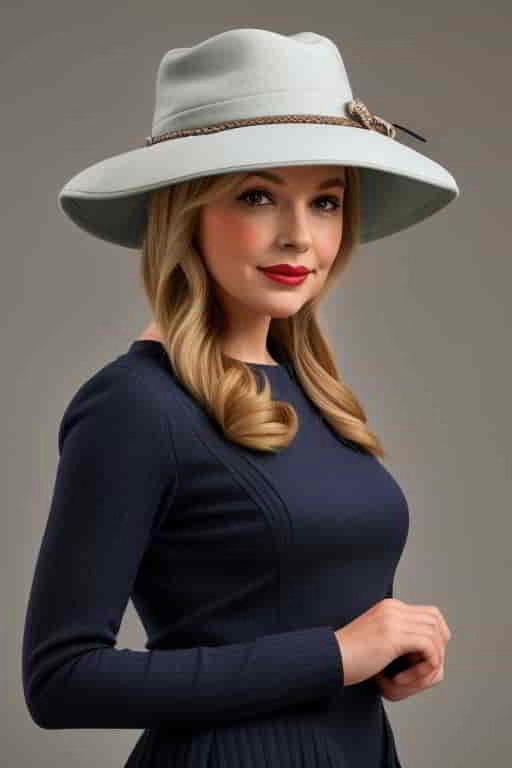
Dolly Varden hats are large, decorative hats. They are adorned with flowers and ribbons.
- Structure: Large, decorative.
- Materials: Straw and fabric.
- Use: Historical fashion.
Picture Hat

Picture hats are large-brimmed hats. They frame the face.
- Structure: Large brim.
- Materials: Straw or fabric.
- Use: Fashion, formal events.
Cartwheel Hat

Cartwheel hats are wide, flat hats. They resemble a cartwheel.
- Structure: Wide, flat.
- Materials: Straw or fabric.
- Use: Fashion, formal events.
Lampshade Hat
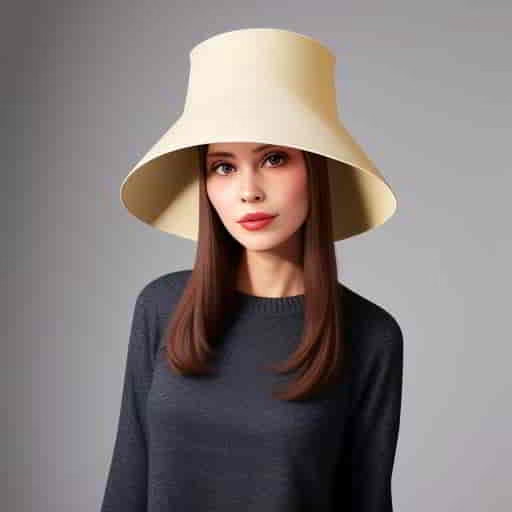
Lampshade hats are shaped like a lampshade. They are wider at the brim than at the crown.
- Structure: Lampshade shape.
- Materials: Fabric or straw.
- Use: Fashion, theatrical costumes.
Mushroom Hat

Mushroom hats are shaped like a mushroom. They have a rounded crown and a wide, downward-sloping brim.
- Structure: Mushroom shape.
- Materials: Fabric or straw.
- Use: Fashion, theatrical costumes.
Halo Hat

Halo hats are small hats. They encircle the head like a halo.
- Structure: Small, encircles the head.
- Materials: Fabric or wire.
- Use: Fashion, formal events.
Juliet Cap

Juliet caps are small, decorative caps. They are often made of netting or lace.
- Structure: Small, decorative.
- Materials: Netting or lace.
- Use: Fashion, theatrical costumes.
Snood Cap
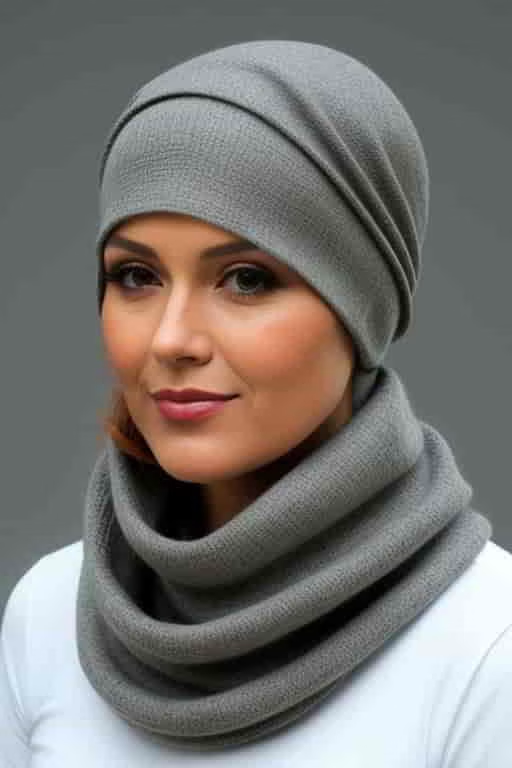
Snood caps combine a cap with a snood. They cover the hair at the back.
- Structure: Cap with attached snood.
- Materials: Fabric or yarn.
- Use: Fashion, historical reenactments.
Turban Hat

Turban hats are designed to resemble a turban. They are wrapped and pleated.
- Structure: Wrapped and pleated.
- Materials: Fabric.
- Use: Fashion, cultural expression.
Earflap Hat
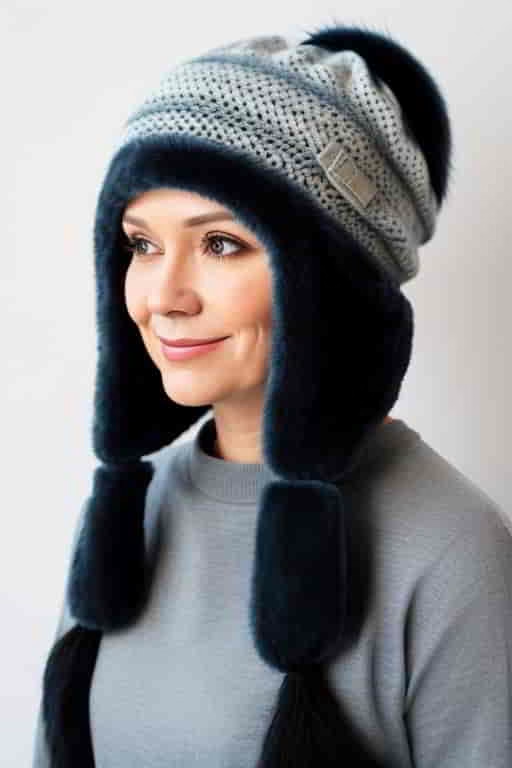
Earflap hats feature flaps that cover the ears. They provide extra warmth.
- Structure: Hat with ear flaps.
- Materials: Wool, fur, or fleece.
- Use: Warmth, cold weather.
Trapper Hat

Trapper hats are similar to earflap hats. They often have a fur lining.
- Structure: Hat with ear flaps and fur lining.
- Materials: Fur, wool, or synthetic materials.
- Use: Warmth, cold weather.
Sailor Hat

Sailor hats are flat-topped hats. They are worn by sailors.
- Structure: Flat-topped.
- Materials: Wool or canvas.
- Use: Uniforms, nautical fashion.
Greek Fisherman’s Cap (Fiddler Cap)

Greek fisherman’s caps are wool caps. They feature a small brim and a decorative cord.
- Structure: Wool cap with a small brim and cord.
- Materials: Wool.
- Use: Fashion, nautical style.
Paperboy Hat (Eight-Panel Cap)

Paperboy hats are similar to newsboy caps. They have eight panels and a button on top.
- Structure: Eight panels, button on top.
- Materials: Wool, tweed, or cotton.
- Use: Fashion, casual wear.
Driving Cap (Flat Cap)

Driving caps are similar to newsboy caps. They have a low profile and a small brim.
- Structure: Low profile, small brim.
- Materials: Wool, tweed, or cotton.
- Use: Fashion, casual wear.
Ivy Cap
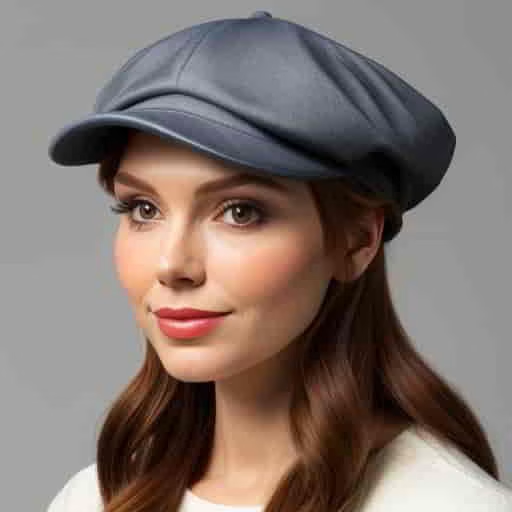
Ivy caps are similar to driving caps. They have a slightly more structured shape.
- Structure: Structured shape, small brim.
- Materials: Wool, tweed, or cotton.
- Use: Fashion, casual wear.
Duckbill Cap
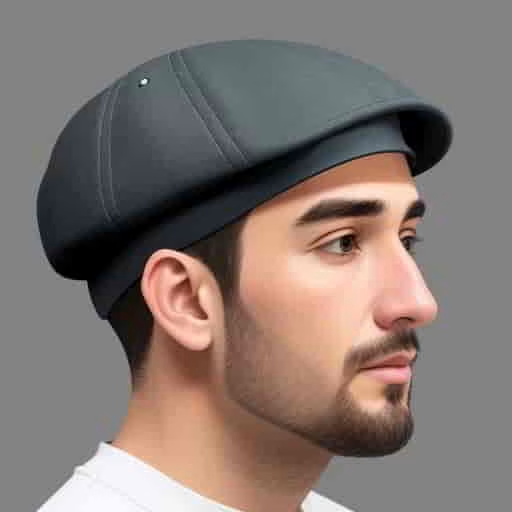
Duckbill caps have a rounded shape. They resemble a duck’s bill.
- Structure: Rounded shape.
- Materials: Wool, tweed, or cotton.
- Use: Fashion, casual wear.
Ascot Cap
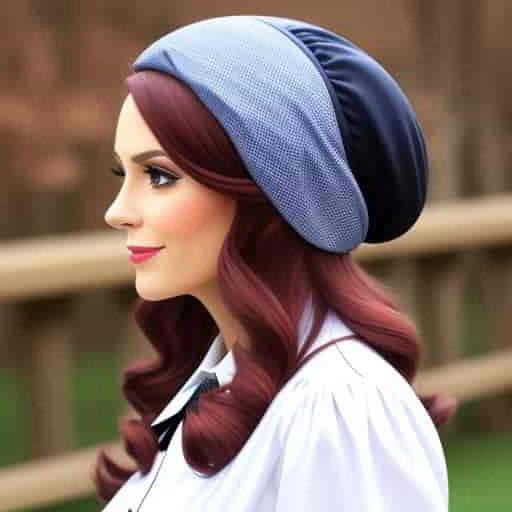
Ascot caps are rounded caps. They are made of stiff material.
- Structure: Rounded, stiff material.
- Materials: Wool or tweed.
- Use: Fashion, formal events.
Bowler Hat (Derby)
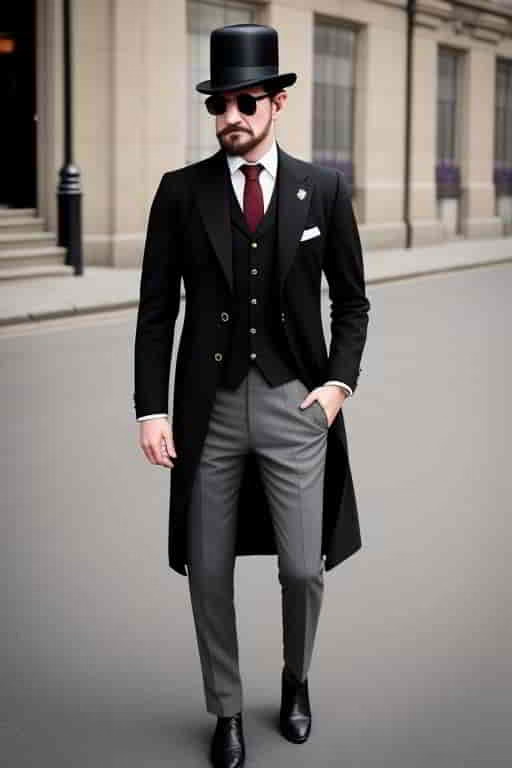
Bowler hats are hard felt hats. They feature a rounded crown.
- Structure: Hard felt, rounded crown.
- Materials: Felt.
- Use: Fashion, formal events.
Gambler Hat
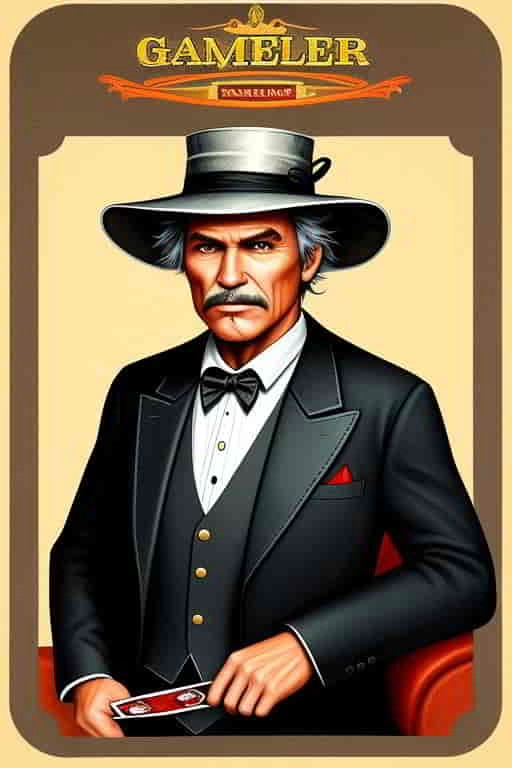
Gambler hats are wide-brimmed hats. They are often made of felt or straw.
- Structure: Wide brim.
- Materials: Felt or straw.
- Use: Fashion, Western wear.
Outback Hat

Outback hats are similar to cowboy hats. They are designed for outdoor use.
- Structure: Wide brim, durable material.
- Materials: Felt or leather.
- Use: Outdoor activities, Western wear.
Safari Hat

Safari hats are wide-brimmed hats. They are designed for hot climates.
- Structure: Wide brim, lightweight material.
- Materials: Cotton or canvas.
- Use: Sun protection, outdoor activities.
Legionnaire Hat

Legionnaire hats feature a flap that covers the neck. They protect from the sun.
- Structure: Flap covering the neck.
- Materials: Cotton or synthetic fabrics.
- Use: Sun protection, outdoor activities.
Balmoral Bonnet
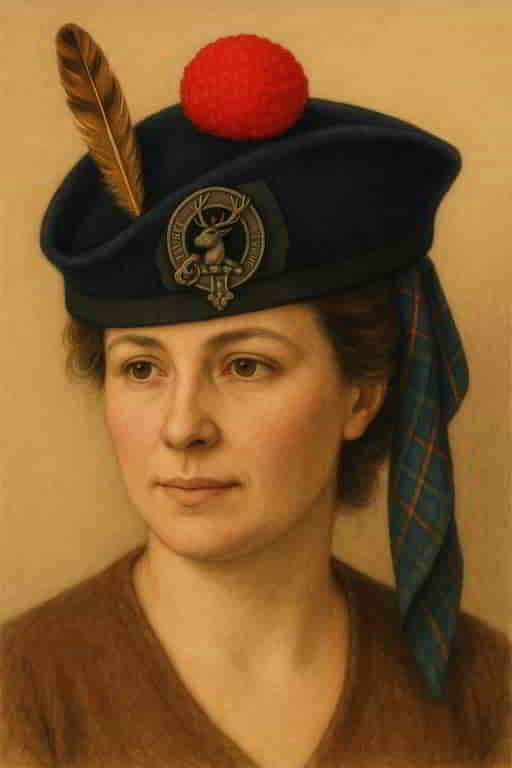
Balmoral bonnets are traditional Scottish hats. They are similar to Tam o’ Shanters.
- Structure: Round, flat bonnet with a pompom.
- Materials: Wool.
- Use: Cultural attire.
Glengarry Bonnet

Glengarry bonnets are traditional Scottish hats. They feature ribbons at the back.
- Structure: Boat-shaped, with ribbons at the back.
- Materials: Wool.
- Use: Cultural attire.
Busby
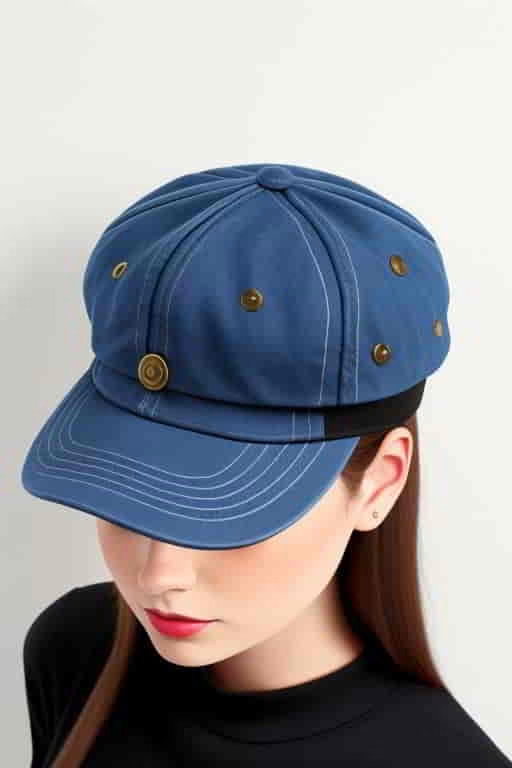
Busbies are tall, fur hats. They are worn by military personnel.
- Structure: Tall, fur hat.
- Materials: Fur.
- Use: Military uniforms.
Klobuk
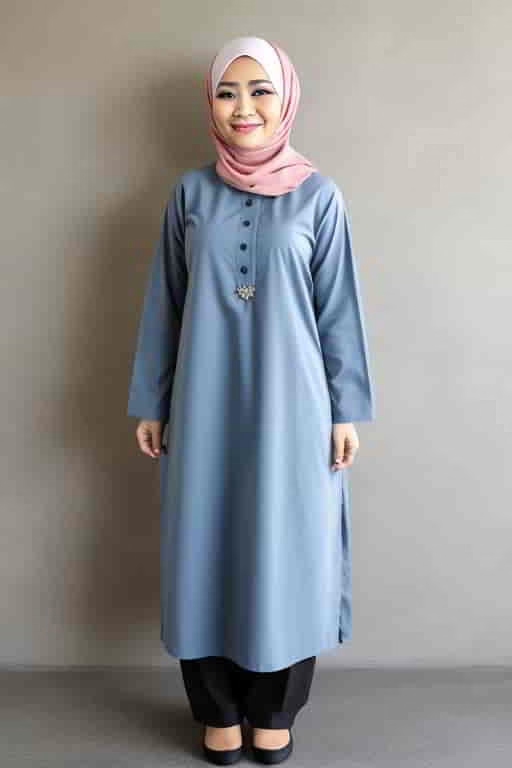
Klobuks are tall, cylindrical hats. They are worn by Eastern Orthodox monks.
- Structure: Tall, cylindrical.
- Materials: Fabric.
- Use: Religious attire.
Skufia

Skufias are soft, peaked caps. They are worn by Eastern Orthodox clergy.
- Structure: Soft, peaked.
- Materials: Fabric.
- Use: Religious attire.
Earmuffs

Earmuffs are not hats. They cover the ears. They provide warmth.
- Structure: Covers the ears.
- Materials: Fleece or fur.
- Use: Warmth.
End-Users
The end-users of hats are diverse. They include:
- Fashion Enthusiasts: Those who use hats to express personal style.
- Outdoor Workers: Individuals who need protection from the elements.
- Athletes: Those who require hats for sports and activities.
- Professionals: Individuals who wear hats as part of their uniform.
- Cultural Groups: Those who wear hats for cultural or religious reasons.
Market
The global hat market is substantial. It is driven by fashion trends and functional needs.
- Market Size: The global hat market is estimated to be worth billions of dollars annually.
- Growth Factors: Fashion trends, increasing awareness of sun protection, and demand for functional headwear.
- Key Players: Major hat manufacturers, fashion brands, and online retailers.
- Trends: Sustainable materials, customization, and integration of technology.
Future of Hats
The future of hats is promising. It is marked by innovation and sustainability.
- Technological Integration: Smart hats with built-in sensors and connectivity.
- Sustainable Materials: Increased use of eco-friendly materials.
- Customization: Personalized designs and 3D-printed hats.
- Functional Enhancements: Hats with improved UV protection, moisture-wicking, and ventilation.
Summary
Hats have evolved from simple head coverings to multifaceted accessories. They serve functional, social, and aesthetic roles. Understanding the history, types, and innovations in hat design is essential. This knowledge enhances your appreciation for this timeless accessory. Whether for protection, fashion, or cultural expression, hats continue to be an integral part of human attire.