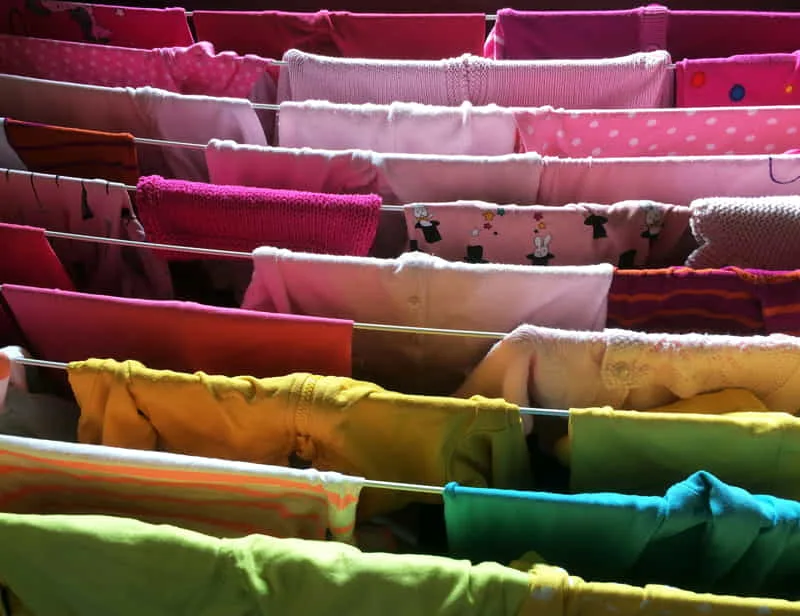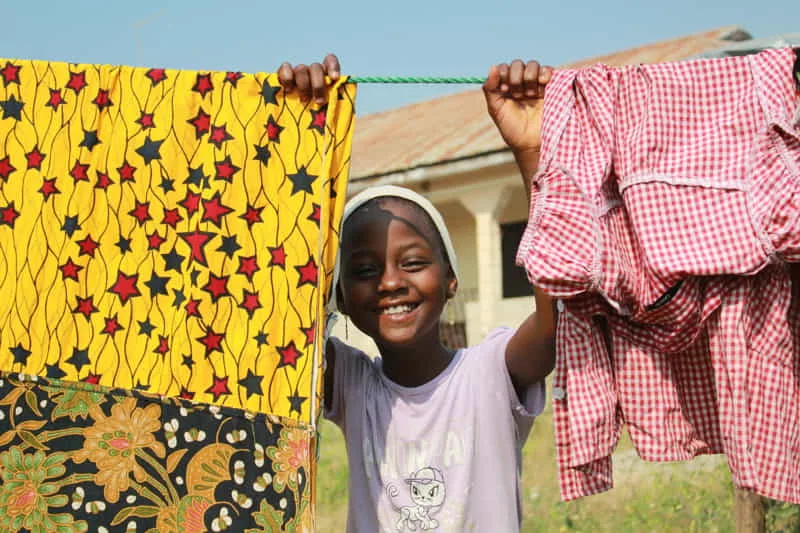
In an era of climate urgency and conscious consumerism, sustainable textile businesses are in high demand. This detailed guide outlines how to turn your vision into reality—from sourcing and certifications to marketing and growth—while keeping ethics and the planet at the core.
Introduction
In 2025, the demand for ethical, eco-conscious, and purpose-driven brands is higher than ever. Fashion and textile consumers are asking tougher questions—about sourcing, supply chains, emissions, and impact. As a result, starting a sustainable textile business today is not only a viable venture—it’s an urgent need. Sustainability is no longer a niche; it’s the future of the textile industry.
However, launching such a business requires more than passion. It demands strategic planning, transparent practices, and a deep understanding of both textile manufacturing and sustainability principles. This comprehensive guide walks you through the practical and philosophical steps needed to launch a successful, future-ready sustainable textile venture.
Understanding the Roots of Sustainable Textiles
Sustainability in textiles is rooted in indigenous practices. Before the industrial revolution, communities used local materials, plant-based dyes, and minimal waste production. Cotton, hemp, and wool were cultivated responsibly, and clothing was reused or repurposed.
With the rise of fast fashion, these values eroded. The modern sustainability movement seeks to restore this balance by embracing both ancestral wisdom and innovative technology. It includes ethical labor practices, reduced environmental impact, and conscious consumption.
Defining Your Niche and Business Model
The first step is identifying your business niche within the sustainable textile space. Common niches include:
| Niche | Description |
|---|---|
| Organic Fabric Production | Growing and processing organic cotton, hemp, flax |
| Upcycled Textiles | Creating new fabrics from garment waste or post-consumer textiles |
| Sustainable Apparel | Designing eco-friendly clothing for niche markets (e.g., yoga wear, kidswear) |
| Fabric Dyeing | Natural and low-impact dye house services |
| Textile Innovation | Biodegradable, smart, or regenerative textile production |
Your business model should reflect your core values. Will you be a direct-to-consumer (DTC) brand, a supplier, or a B2B partner? Make sure your supply chain supports your vision.
Conducting Market Research and Sustainability Benchmarking
You must understand:
- Your target market’s priorities: Are they driven by price, aesthetics, or impact?
- Sustainability benchmarks: Familiarize yourself with Life Cycle Assessment (LCA), carbon footprint metrics, and certifications such as GOTS and OEKO-TEX.
- Competitor analysis: Look at existing sustainable textile brands—what are they doing well? Where do gaps exist?
Use tools like SWOT analysis to evaluate your business opportunity in terms of environmental impact, customer appeal, and market readiness.
Building a Sustainable Supply Chain
A sustainable textile business cannot exist without a transparent and ethical supply chain. This involves:
- Sourcing Raw Materials: Opt for organic, biodegradable, or recycled fibers. Focus on regional sources to reduce transport emissions.
- Eco-Friendly Processing: Avoid harsh chemical treatments. Use waterless dyeing, enzymatic processing, or natural fermentation methods.
- Fair Labor Practices: Partner with certified ethical producers. Implement traceability for workers’ wages and safety conditions.
Creating a Scalable and Sustainable Product Line
Start small, but design with scalability in mind. Whether it’s a capsule collection or a limited set of fabrics, ensure your product line meets these criteria:
- Durability and Longevity: Products that last longer reduce overall consumption.
- Repairability: Design features that make it easy to fix or alter.
- Versatility: One product should serve multiple purposes or styles.
Use tech packs, Bill of Materials (BOM), and spec sheets to manage and scale production efficiently.
Choosing Sustainable Manufacturing Partners
Vet manufacturers carefully:
- Do they use renewable energy?
- Are they water-efficient?
- Are worker rights respected and audited?
Visit facilities when possible. Use certifications such as WRAP, Fair Trade, SA8000, and ISO 14001 as vetting benchmarks.
Implementing Green Logistics and Packaging
Minimize the environmental cost of getting your products to market:
- Use carbon-neutral couriers or offset your shipping emissions.
- Consolidate shipments and choose ocean freight over air.
- Invest in plastic-free, compostable, or reusable packaging.
Packaging is often the first tactile experience a customer has with your brand—make it count.
Funding Your Sustainable Textile Venture
Raising capital for a sustainable business can be aligned with ethical investing. Consider:
| Funding Source | Description |
|---|---|
| Impact Investors | Focused on environmental and social return |
| Green Start-Up Grants | Offered by governments and sustainability NGOs |
| Crowdfunding | Engage conscious consumers early on (e.g., Kickstarter, Indiegogo) |
| Sustainability Accelerators | Programs offering funding and mentorship |
Prepare a solid business plan, with cost breakdowns, sustainability ROI projections, and carbon offset strategies.
Marketing and Branding for Conscious Consumers
Sustainability alone won’t drive sales—you need clear, authentic communication. Focus on:
- Storytelling: Share the human and environmental journey behind your products.
- Transparency: Publish your impact reports and sourcing maps.
- Education: Use your platforms to teach about slow fashion and material science.
- Certifications & Labels: Display these clearly to build trust.
Digital marketing strategies should center around community-building, influencer partnerships, and values-driven content.
Legal, Regulatory, and Certification Frameworks
Compliance is key. Register your business and ensure alignment with:
- Environmental Laws in your production and sales countries
- Textile Labeling Standards (fiber content, country of origin, wash instructions)
- Certifications: GOTS, Cradle to Cradle, OEKO-TEX, FSC, B Corp
These frameworks help differentiate your brand and establish credibility.
Sustainability Reporting and Impact Metrics
Even micro businesses should measure their sustainability performance:
- Carbon Footprint (kg CO2e per garment)
- Water Usage (liters per kg of textile)
- Material Efficiency (waste to product ratio)
- Energy Source (renewable vs. grid)
Use tools like the Higg Index or Circularity Gap Report to benchmark and report progress.
Challenges and How to Overcome Them
Some common hurdles include:
- High upfront costs: Start with pre-orders or micro-batches to manage risk.
- Limited material availability: Build strong supplier relationships.
- Greenwashing accusations: Prioritize transparency over perfection.
- Consumer education gap: Invest in awareness-building content and campaigns.
Persistence, education, and community support are your best allies in tackling these challenges.
Scaling Sustainably: Growth Without Compromise
Growth should not come at the cost of your sustainability goals. Strategies include:
- Vertical Integration: Gain more control over sourcing and production.
- Licensing Sustainable IP: Share your methods with smaller startups.
- Modular Product Expansion: Grow your line without complexity.
- Collaborative Supply Models: Share infrastructure with other sustainable brands.
Sustainable scaling means aligning financial growth with social and environmental dividends.
Future Trends Shaping Sustainable Textile Entrepreneurship
Staying ahead means adapting to future trends:
- Biotech Fabrics: Lab-grown leather, bacterial dyes, algae fiber
- Digital Manufacturing: 3D printing, on-demand weaving, and AI design
- Blockchain Traceability: Transparent supply chains verified in real time
- Rental, Repair, and Resale Models: Services that extend product lifecycles
The sustainable businesses of 2025 will be lean, tech-enabled, and community-first.
Summary
Launching a sustainable textile business in 2025 is more than a commercial endeavor—it’s a movement. With conscious planning, ethical sourcing, and community-driven branding, your venture can contribute meaningfully to an industry in need of transformation.
Start small, but dream big. The fabrics of the future are not just eco-friendly—they’re ethically woven, transparently traded, and purposefully worn.
Citations:
- Fashion for Good Startup Guide: https://fashionforgood.com/resources/startup-guide/
- Ellen MacArthur Foundation: Circular Business Models: https://ellenmacarthurfoundation.org/topics/circular-economy-introduction/overview
- Global Organic Textile Standard (GOTS): https://global-standard.org/