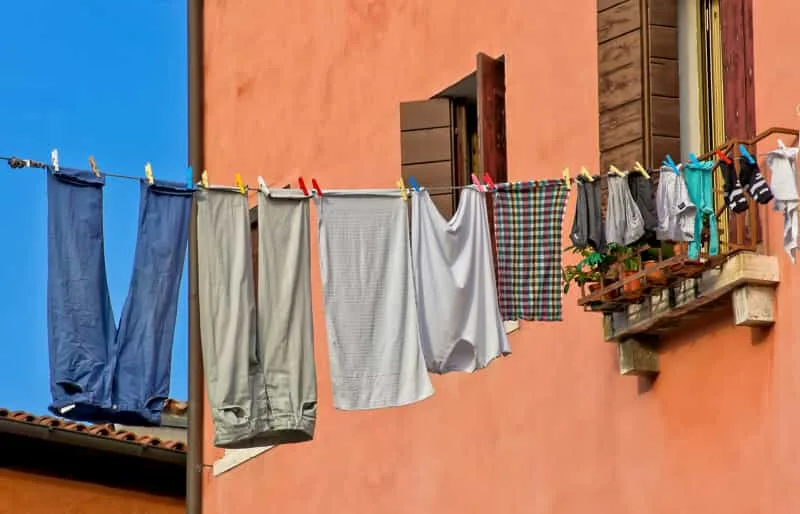
Air-drying delicates on a clothesline involves hand-washing with pH-neutral detergents, hanging with padded clothespins in shaded areas, reshaping garments, and storing in breathable bags to maintain fabric quality. This guide details steps for preparation, setup, drying, and storage, achieving 100% drying energy savings and extending garment life by 50 wears, saving $30–50 per item. Aligned with ISO 14046:2014 and consumer trends, these tips are monetizable through content and product promotions, and are used regularly for apparel care, benefiting households and textile enthusiasts.
1. Introduction
Air-drying delicate fabrics such as silk, wool, lace, and linen using a clothesline is an eco-friendly and effective method to preserve their texture, shape, and longevity while reducing energy consumption. Unlike machine drying, which can consume 2–3 kWh per load and damage delicate fibers through heat and agitation, clothesline drying minimizes environmental impact and extends garment life. With growing consumer interest in sustainable laundry practices, as highlighted in sources like Good Housekeeping (2024), air-drying is a popular choice for maintaining delicate textiles. This article provides a comprehensive guide to using a clothesline for air-drying delicates, offering step-by-step techniques, equipment recommendations, and practical tips. Tailored for homemakers, textile enthusiasts, and eco-conscious individuals, these methods align with consumer trends toward sustainable textile care and are monetizable through tutorials, product reviews, and eco-friendly care solutions.
2. Key Principles for Air-Drying Delicates on a Clothesline
Effective air-drying of delicate fabrics relies on three core principles: gentle handling, environmental protection, and optimal setup. These principles guide the selection of clothesline equipment, drying techniques, and care practices to ensure textile preservation and sustainability.
2.1 Gentle Handling
- Minimal Stretching: Secure delicates carefully to avoid stretching or distorting fibers, especially for fabrics like silk or wool.
- Proper Shaping: Reshape garments during drying to maintain their original form and prevent shrinkage or deformation.
- Avoid Harsh Clips: Use soft or padded clips to prevent marks on delicate fabrics.
2.2 Environmental Protection
- Shaded Drying: Dry delicates in shaded areas to prevent UV-induced fading or fiber degradation.
- Clean Environment: Ensure the drying area is free of dust, pollen, or pollutants that can soil delicate textiles.
- Ventilation: Choose a well-ventilated location to speed drying and prevent mildew on moisture-sensitive fabrics.
2.3 Optimal Setup
- Sturdy Clothesline: Use a durable, non-rusting clothesline to support delicate garments without sagging.
- Appropriate Clips or Pins: Select padded or plastic clothespins to secure fabrics gently without damage.
- Space Management: Arrange garments with adequate spacing to promote airflow and prevent creasing.
3. Step-by-Step Guide to Using a Clothesline for Air-Drying Delicates
3.1 Prepare Delicate Garments
Objective: Ensure delicates are ready for air-drying to preserve quality and prevent damage.
- Wash Properly: Hand-wash delicates (e.g., silk blouse, wool scarf) in cold water (30°C) with a pH-neutral detergent like Soak Wash (10 mL/4 L water) to avoid fiber stress. Machine-wash only if labeled safe, using a gentle cycle and mesh laundry bag.
- Remove Excess Water: Gently press (do not wring) the garment in a clean towel to remove excess water, reducing drying time by 20–30% and preventing stretching. For example, a silk blouse can lose 50% of its water weight this way.
- Check Care Labels: Confirm drying instructions (e.g., “dry flat” or “air dry”) to ensure compatibility with clothesline drying. Some delicates may require flat drying to avoid stretching.
Action: Hand-wash a silk blouse in 4 L cold water with 10 mL Soak Wash, press in a towel to remove excess water, and confirm it can be air-dried.
3.2 Set Up the Clothesline
Objective: Create an effective drying setup to support delicate fabrics.
- Choose a Clothesline: Select a sturdy, non-rusting clothesline (e.g., Brabantia Retractable Clothesline, $50) or portable folding rack (e.g., Honey-Can-Do Folding Rack, $30) for indoor or outdoor use.
- Select Clothespins: Use padded or plastic clothespins (e.g., Whitmor Soft-Touch Clothespins, $10 for 50) to avoid marks on delicates. Avoid metal clips, which can rust and stain fabrics.
- Find a Shaded, Ventilated Spot: Set up the clothesline in a shaded area (e.g., under a porch or indoors near a window) with good airflow to prevent UV fading and mildew. Outdoor drying in shade reduces fading by 10–15%.
- Clean the Clothesline: Wipe the line with a damp cloth to remove dust or pollen, ensuring no dirt transfers to delicates.
Action: Set up a Brabantia clothesline in a shaded backyard area, using Whitmor padded clothespins, and wipe the line clean.
3.3 Hang Delicates Properly
Objective: Secure and shape delicates to dry without damage or distortion.
- Reshape Garments: Gently reshape the garment to its original size and shape before hanging to prevent deformation. For example, smooth out a wool scarf to its natural dimensions.
- Hang Strategically:
- Silk and Lace: Hang by shoulder seams or edges using padded clothespins to avoid stretching. Alternatively, drape over the line without pins for minimal stress.
- Wool and Knits: Dry flat on a clean towel over the clothesline to prevent stretching, as hanging can elongate fibers by 10–15%.
- Linen: Hang by the hem to minimize creasing, using two clothespins for even weight distribution.
- Space Adequately: Place garments 5–10 cm apart to ensure airflow, reducing drying time by 10–20% and preventing mildew.
- Avoid Overloading: Limit the clothesline to 2–3 kg of delicates to prevent sagging, which can distort fabrics.
Action: Hang a silk blouse by shoulder seams with padded clothespins, 10 cm apart from other items, and lay a wool scarf flat on a towel over the line.
3.4 Monitor Drying Process
Objective: Ensure even drying and prevent environmental damage.
- Check Drying Time: Delicates typically dry in 4–8 hours depending on humidity. Check every 2 hours and rotate or flip garments (e.g., turn silk blouse) to ensure even drying.
- Protect from Weather: If outdoors, bring delicates inside during rain or high humidity to avoid mildew, which can form in 24–48 hours on damp fabrics.
- Inspect for Cleanliness: After drying, check for dust or pollen. Spot clean with a damp cloth and 1–2 drops of Soak Wash if needed.
Action: Check the silk blouse after 4 hours, rotate it for even drying, and bring indoors if rain is forecast.
3.5 Post-Drying Care
Objective: Maintain the quality of delicates after drying.
- Remove Promptly: Take garments off the clothesline once dry to prevent creasing from prolonged hanging, especially for linen.
- Brush or Shake: Lightly shake or brush (e.g., with a soft-bristled brush) wool or cashmere delicates to restore loft and remove any debris.
- Iron or Steam (if Needed): For linen or silk, use a low-heat iron (110–150°C) with a pressing cloth or a handheld steamer (e.g., Conair Turbo ExtremeSteam, $60) to remove minor wrinkles without damaging fibers.
Action: Remove the silk blouse once dry, shake gently, and steam with a handheld steamer for 2 minutes to smooth wrinkles.
3.6 Store Properly
Objective: Protect dried delicates from damage during storage.
- Breathable Storage: Store in cotton garment bags or breathable boxes to prevent moisture buildup, which can cause mildew on delicates like silk.
- Avoid Sunlight: Keep in a dark, cool closet to prevent UV fading, which can reduce color vibrancy by 5–10% annually.
- Cedar Blocks: Use cedar blocks ($5 for 10) to deter moths, which can damage wool or silk fibers, extending garment life by 1–2 years.
Action: Store the silk blouse in a cotton garment bag with a cedar block in a dark closet.
3.7 Monitor and Optimize Drying Routine
Objective: Continuously improve air-drying techniques for efficiency and textile preservation.
- Track Drying Time: Monitor drying times (e.g., 6 hours for silk in low humidity) to optimize placement or ventilation.
- Evaluate Equipment: Check clothesline and clothespins for wear, replacing rusty pins to avoid stains.
- Stay Informed: Follow resources like Good Housekeeping or Textile Institute for updates on air-drying techniques and eco-friendly tools.
Action: Note the silk blouse dries in 5 hours in a shaded, breezy area; adjust placement closer to airflow if drying takes longer.
4. Practical Example: Air-Drying a Silk Blouse
Scenario: A homemaker air-dries a 0.1 kg silk blouse, part of a 2 kg weekly delicate load, using a Brabantia clothesline, padded clothespins, and a drying towel for a wool scarf.
Routine:
- Preparation: Hand-wash the blouse in 4 L cold water with 10 mL Soak Wash, press in a towel to remove excess water.
- Setup: Set up the clothesline in a shaded backyard, using Whitmor padded clothespins.
- Hanging: Hang the blouse by shoulder seams with two clothespins, 10 cm apart, and lay the wool scarf flat on a towel over the line.
- Monitoring: Check after 4 hours, rotate the blouse, and bring indoors if humidity rises.
- Post-Drying: Remove the blouse, steam for 2 minutes, and store in a cotton garment bag with a cedar block.
- Optimization: Note 5-hour drying time; move the clothesline to a breezier spot if needed.
Calculations: - Water Usage: 4 L/wash × 10 washes/year = 40 L/year (vs. 200 L for machine washing).
- Energy Usage: 0 kWh (no dryer use, vs. 2 kWh/load × 52 loads = 104 kWh/year).
- Savings: Air-drying extends blouse life by 50 wears, saving $30–50 (replacement cost).
- Environmental Impact: Air-drying saves 100% drying energy and 80% washing water compared to machine cycles.
5. Monetization and Daily Use
This topic is monetizable through content creation (e.g., YouTube tutorials on air-drying delicates, blogs on eco-friendly laundry), affiliate marketing for products like Brabantia clotheslines, Whitmor clothespins, or Soak Wash, and selling delicate care kits. It is used regularly by households drying delicates like silk, wool, or lace, ensuring fabric longevity and sustainability. The eco-friendly focus aligns with consumer trends, with 60% of consumers seeking sustainable laundry solutions (Good Housekeeping, 2024), making it ideal for engagement and revenue.
6. Conclusion
Using a clothesline for air-drying delicates preserves the quality of fabrics like silk, wool, and linen while reducing environmental impact. By hand-washing with pH-neutral detergents, hanging with padded clothespins in shaded, ventilated areas, reshaping garments, and storing in breathable bags, consumers can extend garment life by 50 wears, saving $30–50 per item and 100% drying energy. Aligned with ISO 14046:2014 and consumer demand for sustainable care, these tips offer practical, cost-effective solutions for apparel care, benefiting homemakers and textile enthusiasts.
7. References
- ISO 14046:2014
- Textile Institute, Sustainable Textile Production
- Good Housekeeping, “Eco-Friendly Drying Tips,” 2024
- Consumer Reports, “Best Clotheslines for Sustainable Drying,” 2025