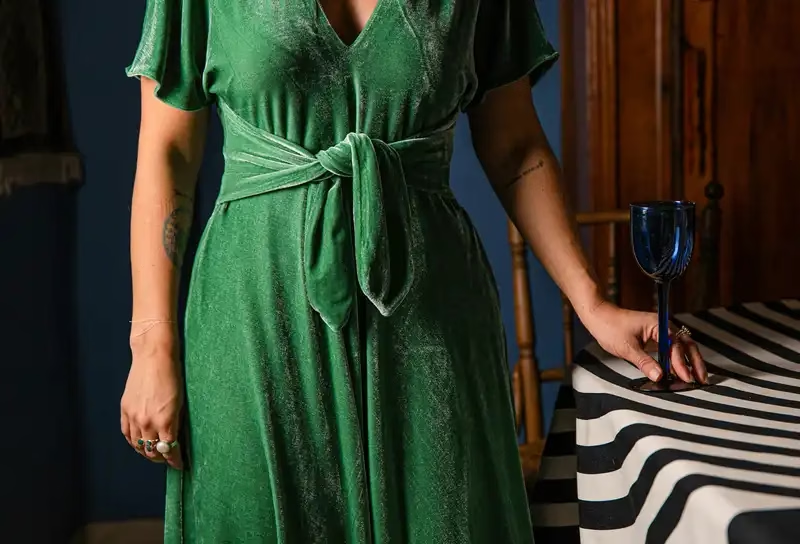
Neck ties, from standard four-in-hand to bow ties and bolo ties, offer diverse styles for formal, business, and casual settings. Originating in 17th-century Europe, ties have evolved with materials like silk, organic cotton, and recycled polyester, emphasizing sustainability. This article explores tie types, knots, construction, and applications, highlighting their role in eco-friendly fashion and future trends like smart textiles and digital customization.
Introduction to Neck Ties
Neck ties, a cornerstone of formal and professional attire, have transcended their utilitarian origins to become a powerful symbol of style, personality, and cultural significance. From boardrooms to weddings, ties add sophistication and individuality to outfits, reflecting trends, traditions, and personal expression. With a history dating back centuries and a modern emphasis on sustainable textiles, neck ties come in a variety of styles, knots, and materials, each suited to different occasions and aesthetics. This comprehensive article explores the diverse types of neck ties, their construction, materials, and applications, with a focus on their role in sustainable fashion and contemporary trends.
The Historical Context of Neck Ties
The neck tie’s origins trace back to the 17th century, when Croatian mercenaries wore knotted scarves during the Thirty Years’ War (1618–1648), inspiring the French term cravate (from “Croat”). King Louis XIV popularized the style, and by the 19th century, neck ties evolved into the modern form, with the four-in-hand knot becoming standard. The 20th century saw ties diversify in width, pattern, and material, reflecting cultural shifts and fashion trends. Today, ties are not only a formal accessory but also a canvas for creativity, with sustainable materials like organic cotton and recycled polyester gaining prominence.
Types of Neck Ties
Neck ties come in various styles, each defined by shape, width, and construction. Below is a detailed exploration of the most common types, their characteristics, and their ideal applications.
Standard Tie (Four-in-Hand Tie)
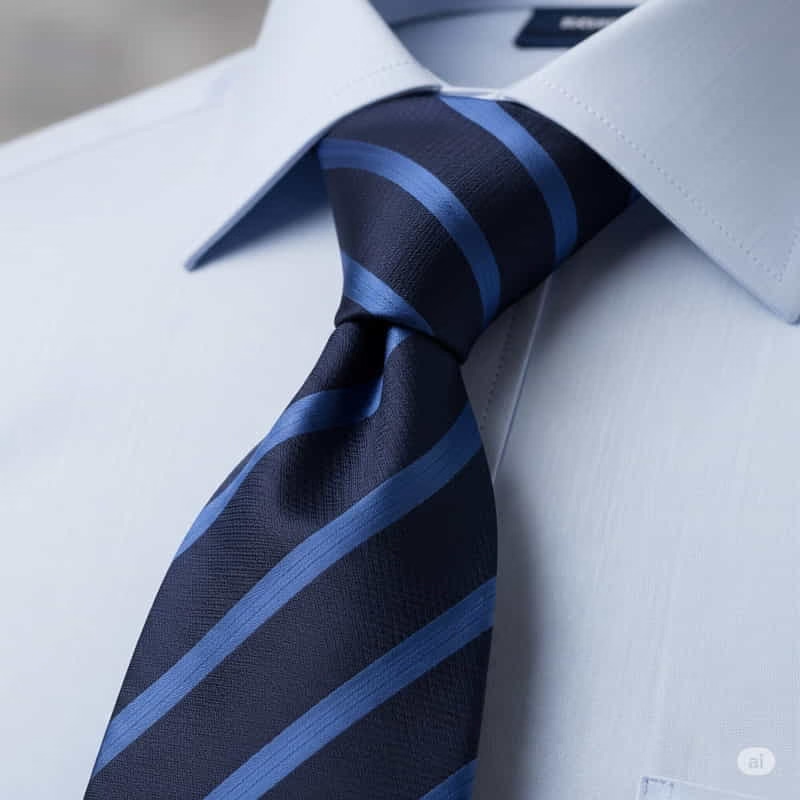
The standard tie, also known as the four-in-hand tie, is the most common and versatile type, named after the knot used to tie it. Measuring 3.25–3.5 inches wide and 57–60 inches long, it suits most body types and occasions.
Characteristics:
- Tapered shape with a pointed or flat end.
- Available in a wide range of patterns, from solids to stripes and paisleys.
- Typically made from silk, polyester, or cotton blends.
Applications:
- Business settings, such as office meetings or interviews, due to its professional appearance.
- Casual events when paired with open-collar shirts or sport coats.
- Weddings and formal events, where patterned or textured ties add flair.
Sustainability Note: Brands like Patagonia offer standard ties in recycled polyester, reducing environmental impact while maintaining elegance.
Skinny Tie
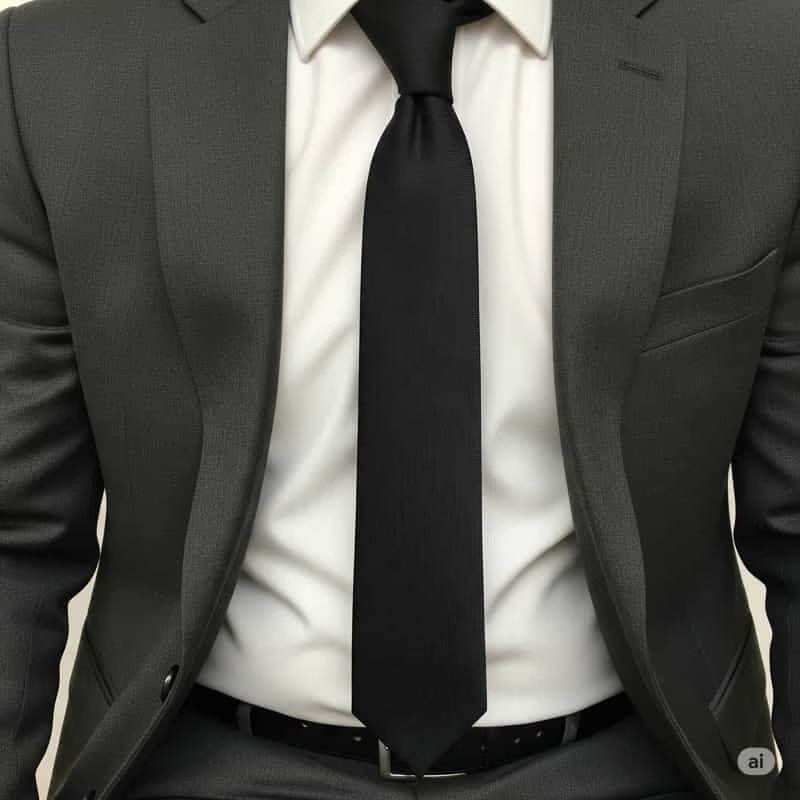
The skinny tie, with a width of 1.5–2.5 inches, emerged in the 1960s as a symbol of mod culture and remains popular for its sleek, modern aesthetic.
Characteristics:
- Narrower than standard ties, creating a youthful, trendy look.
- Often paired with slim-fit suits or casual outfits.
- Common in solid colors or subtle patterns like polka dots.
Applications:
- Fashion-forward settings, such as creative industries or nightlife events.
- Casual weddings or parties, paired with slim blazers or vests.
- Youthful or artistic expressions, as seen in bands like The Beatles in the 1960s.
Sustainability Note: Skinny ties use less fabric, making them an eco-friendly choice when crafted from organic cotton or hemp.
Wide Tie

Wide ties, measuring 3.75–4 inches, were iconic in the 1970s and have seen periodic revivals, particularly in retro-inspired fashion.
Characteristics:
- Broader width creates a bold, authoritative look.
- Often features vibrant patterns like geometrics or florals.
- Best suited for larger frames or traditional suits.
Applications:
- Formal events, such as galas or executive meetings, where a commanding presence is desired.
- Retro-themed events or vintage-inspired outfits.
- Pairing with double-breasted suits for a classic look.
Sustainability Note: Wide ties can be made from recycled silk or bamboo, reducing waste while maintaining a luxurious feel.
Bow Tie
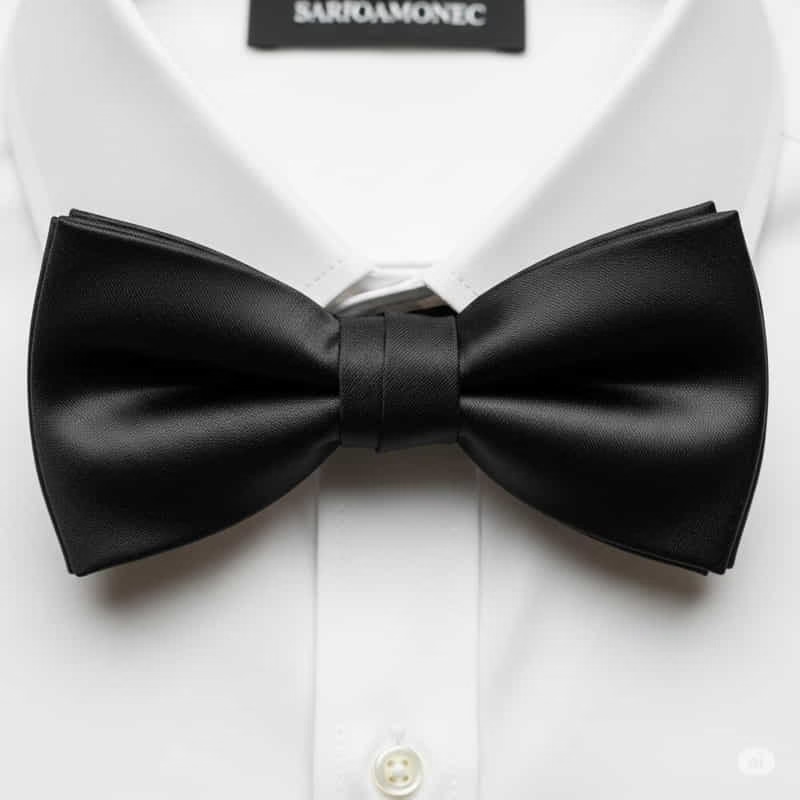
The bow tie, a timeless alternative to the neck tie, is formed by tying a short strip of fabric into a bow shape, typically 4–5 inches wide when tied.
Characteristics:
- Available in pre-tied, self-tie, or clip-on versions.
- Offers a quirky, sophisticated charm, often in bold patterns like tartan or polka dots.
- Made from silk, cotton, or wool for varied textures.
Applications:
- Black-tie events, such as tuxedo-clad weddings or galas, where self-tie bow ties are preferred for authenticity.
- Casual settings, paired with tweed jackets or cardigans for a preppy look.
- Academic or professional settings, such as lectures or award ceremonies.
Sustainability Note: Bow ties require minimal fabric, and brands like Everlane use organic cotton or recycled materials to enhance eco-friendliness.
Ascot Tie
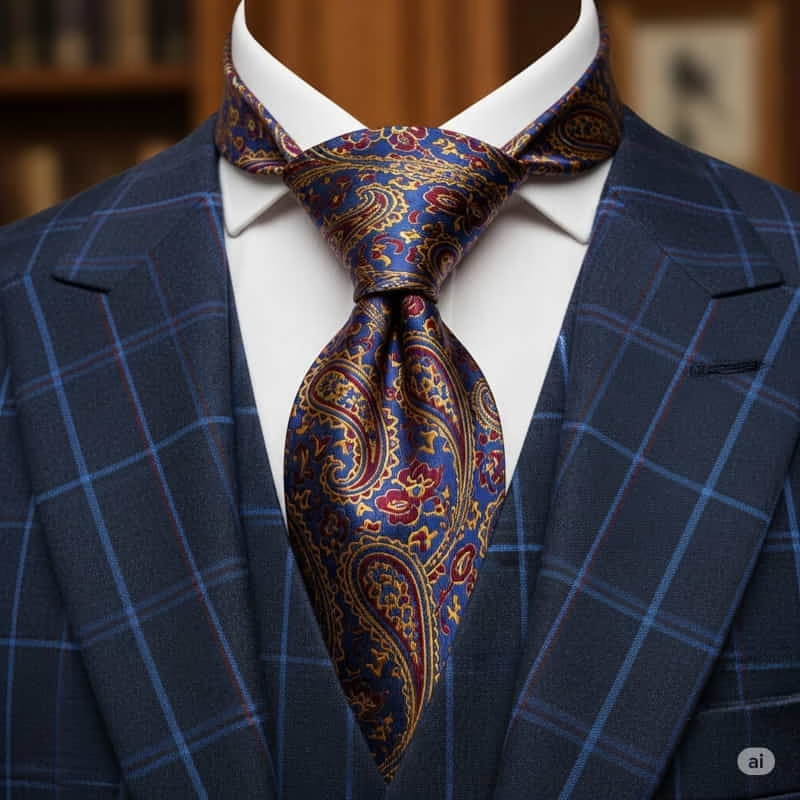
The ascot tie, a wide, scarf-like tie, is tied loosely and tucked into a shirt, offering a relaxed yet elegant appearance. It originated in 19th-century England at the Ascot Racecourse.
Characteristics:
- Wider and shorter than standard ties, often with pleated ends.
- Made from silk or lightweight cotton for a soft drape.
- Features intricate patterns like paisley or florals.
Applications:
- Daytime formal events, such as garden parties or daytime weddings.
- Vintage-inspired outfits, paired with morning coats or tailcoats.
- Artistic or bohemian looks, emphasizing individuality.
Sustainability Note: Ascots made from natural fibers like linen or hemp support sustainable textile production due to their biodegradability.
Cravat
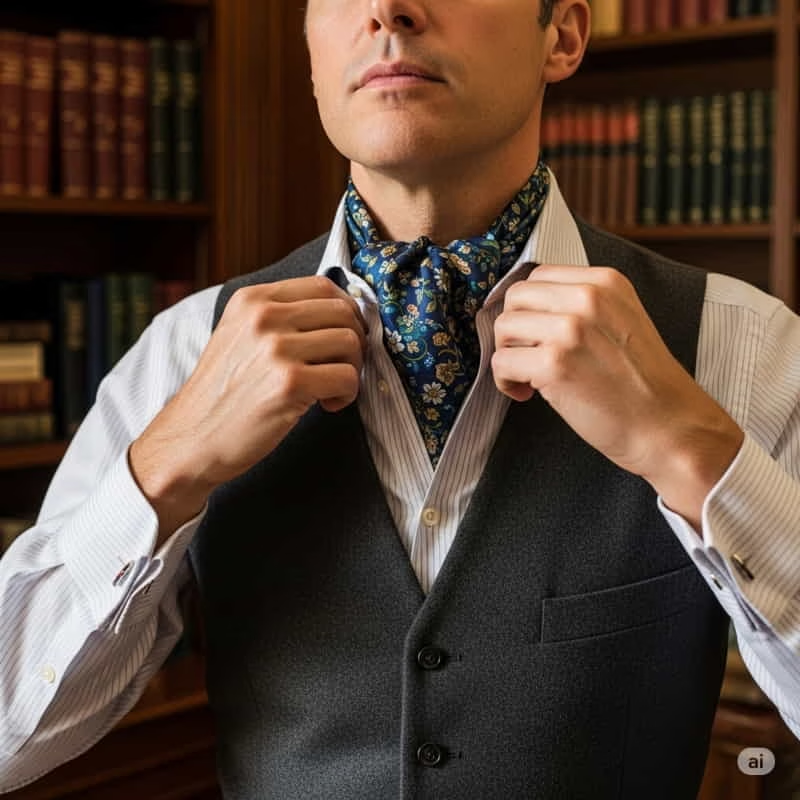
The cravat, a predecessor to modern ties, is a loosely knotted scarf, often worn with an open-collared shirt for a romantic, historical aesthetic.
Characteristics:
- Wide, flowing fabric, typically silk or cotton.
- Requires complex knots, such as the waterfall or jabot.
- Often adorned with lace or embroidery for decorative flair.
Applications:
- Historical reenactments or costume parties, evoking 17th–18th-century fashion.
- High-fashion editorials or avant-garde outfits.
- Ceremonial wear in cultures with traditional scarf-based attire.
Sustainability Note: Cravats made from organic silk or recycled fabrics align with eco-friendly trends, reducing environmental impact.
Knit Tie
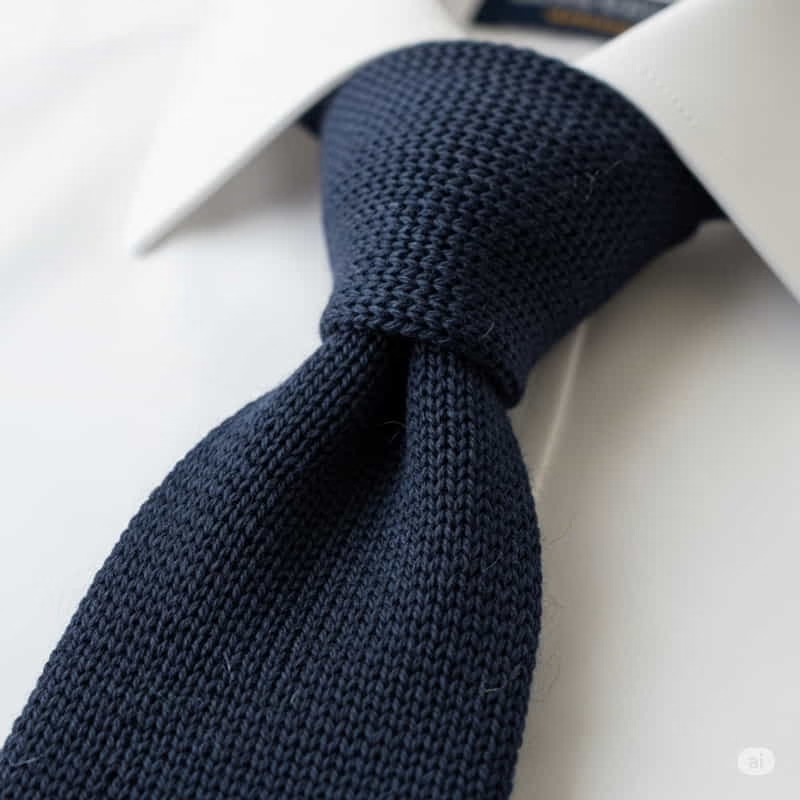
Knit ties, characterized by their textured, woven appearance, offer a casual yet polished alternative to traditional ties. Popularized in the mid-20th century, they have a distinctive square end.
Characteristics:
- Made from knitted silk, wool, or cotton, providing a soft, flexible texture.
- Typically narrower (2–3 inches) for a modern look.
- Available in solid colors or subtle patterns like stripes.
Applications:
- Business-casual settings, such as creative offices or client meetings.
- Smart-casual outfits, paired with blazers or cardigans.
- Seasonal wear, with wool knit ties suiting colder months.
Sustainability Note: Knit ties crafted from recycled wool or organic cotton support sustainable textiles by minimizing resource use.
Bolo Tie
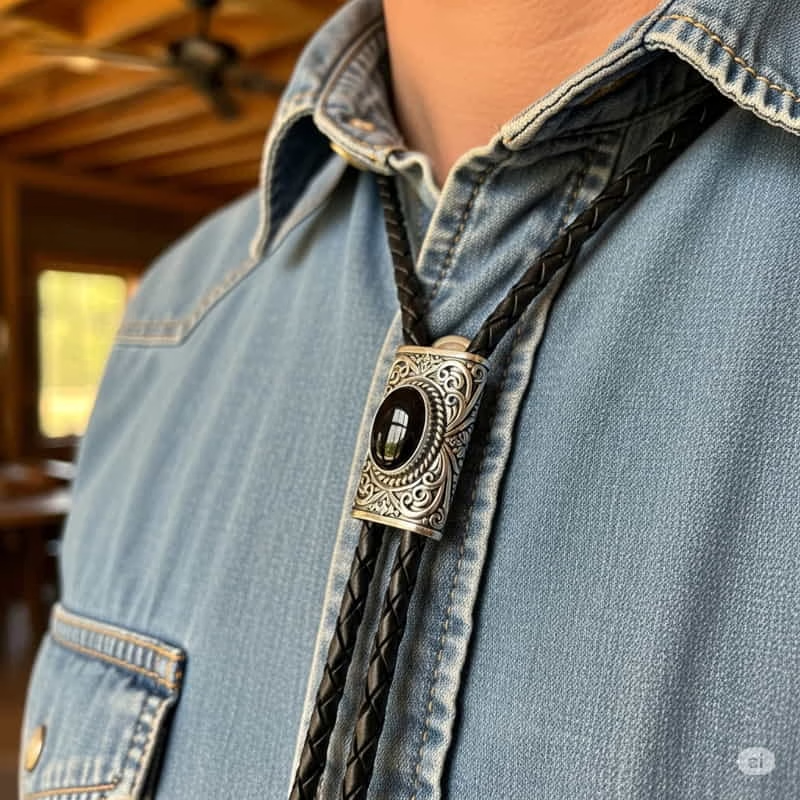
The bolo tie, a Western-style tie, consists of a cord (often leather) with a decorative clasp or slide, originating in the American Southwest in the 1940s.
Characteristics:
- Adjustable cord with a metal or gemstone clasp, often featuring turquoise or silver.
- Casual and rugged, reflecting cowboy culture.
- Customizable with unique slides for personal expression.
Applications:
- Western-themed events, such as rodeos or country weddings.
- Casual fashion, paired with denim shirts or vests.
- Cultural attire in regions like the American Southwest or Australia.
Sustainability Note: Bolo ties using recycled leather or ethically sourced gemstones contribute to eco-friendly fashion.
Tie Knots and Their Impact
The way a tie is knotted significantly affects its appearance and suitability. Common knots include:
- Four-in-Hand Knot: Simple and slightly asymmetrical, ideal for standard and skinny ties in casual or business settings.
- Windsor Knot: Full and symmetrical, perfect for wide ties in formal settings like weddings or executive meetings.
- Half-Windsor Knot: Smaller than the Windsor, versatile for most tie types and occasions.
- Bow Tie Knot: Essential for self-tie bow ties, offering an authentic, polished look.
- Pratt (Shelby) Knot: Balanced and medium-sized, suitable for business-casual environments.
Each knot complements specific tie styles and collar types, enhancing the overall aesthetic. For example, a Windsor knot pairs well with a spread collar, while a four-in-hand suits a point collar.
Materials Used in Neck Ties
The choice of material impacts a tie’s texture, durability, and sustainability. Common materials include:
- Silk: The gold standard for ties, offering a smooth, lustrous finish. Recycled or organic silk enhances sustainability.
- Cotton: Breathable and versatile, ideal for casual ties like knits. Organic cotton supports eco-friendly production.
- Wool: Adds texture and warmth, perfect for knit ties or winter wear. Recycled wool reduces environmental impact.
- Polyester: Affordable and durable, often made from recycled plastics for sustainability.
- Linen: Lightweight and breathable, used for ascots and summer ties. Organic linen is biodegradable.
- Hemp: Eco-friendly and durable, gaining popularity for sustainable ties.
- Microfiber: A synthetic alternative to silk, offering stain resistance and affordability.
Sustainable materials like organic cotton, recycled polyester, and hemp are increasingly popular, aligning with certifications like GOTS and OEKO-TEX®. These materials reduce water and chemical use, supporting a circular economy.
Construction and Design Features
Tie construction influences quality and longevity:
- Interlining: A layer inside the tie (wool or cotton) provides structure. Eco-friendly interlinings use recycled fibers.
- Tipping: The underside of the tie’s ends, often silk or polyester. Self-tipped ties (same fabric as the outer) indicate higher quality.
- Stitching: Hand-stitched ties offer flexibility, while machine-stitched ties are more affordable.
- Bar Tack: A reinforcing stitch at the tie’s ends, enhancing durability.
Designs range from solids and stripes to paisleys, polka dots, and novelty patterns. Sustainable brands use digital printing with low-impact dyes to create vibrant designs while minimizing environmental harm.
Applications of Neck Ties
Neck ties serve diverse purposes across contexts:
- Formal Wear: Standard ties and bow ties are essential for black-tie events, weddings, and corporate settings.
- Business Attire: Four-in-hand and skinny ties dominate professional environments, conveying authority and style.
- Casual Fashion: Knit ties and bolo ties add personality to smart-casual outfits.
- Cultural Significance: Ascots and cravats are used in historical or ceremonial contexts, while bolo ties reflect regional identity.
- Fashion Statements: Bold patterns and unique knots allow individuals to express creativity.
Sustainability in Neck Tie Production
Sustainable textiles are transforming the tie industry:
- Eco-Friendly Materials: Organic cotton, recycled polyester, and hemp reduce environmental impact.
- Low-Impact Dyeing: Waterless and plant-based dyes minimize pollution.
- Ethical Production: Fair labor practices and transparent supply chains ensure social responsibility.
- Circular Economy: Biodegradable materials and recycling programs support waste reduction.
Brands like Everlane and Patagonia use sustainable materials and ethical manufacturing, aligning with consumer demand for eco-conscious fashion. Digital printing reduces water use by up to 90%, while small-batch production minimizes overproduction.
Challenges and Solutions
- Cost: Sustainable materials are pricier. Solution: Scale production and educate consumers on long-term value.
- Durability: Natural fibers may wear faster. Solution: Blend with recycled synthetics for strength.
- Market Awareness: Limited demand for eco-friendly ties. Solution: Promote certifications and sustainability benefits.
Case Studies
Case Study 1: Everlane’s Sustainable Ties
Everlane launched a line of standard ties made from organic cotton and recycled polyester, using digital printing to reduce water waste. The ties’ durability and minimalist designs appeal to eco-conscious professionals, boosting brand loyalty.
Case Study 2: Bow & Drape’s Custom Bow Ties
Bow & Drape offers customizable bow ties with sustainable fabrics like hemp and recycled silk. Their made-to-order model reduces overproduction, aligning with circular economy principles and attracting fashion-forward consumers.
Future Trends in Neck Ties
- Smart Textiles: Ties with embedded sensors for temperature regulation or health monitoring.
- 3D Printing: Custom ties with intricate designs, reducing material waste.
- Sustainable Innovations: Bio-based fibers and microbial dyes for zero-waste production.
- Gender-Neutral Designs: Ties designed for all genders, reflecting inclusivity.
- Digital Customization: AI-driven platforms for bespoke patterns and fits.
Choosing the Right Neck Tie
When selecting a tie, consider:
- Occasion: Standard ties for business, bow ties for black-tie events, knit ties for casual settings.
- Body Type: Skinny ties suit slimmer frames, while wide ties complement broader builds.
- Material: Choose sustainable options like organic cotton or recycled polyester for eco-friendliness.
- Pattern: Solids for versatility, bold patterns for statement looks.
- Knot Style: Match the knot to the collar type and tie width for balance.
Conclusion
Neck ties, from the classic four-in-hand to the quirky bolo, are more than functional accessories—they are expressions of style, culture, and innovation. Their evolution reflects advancements in textile technology, shifts in societal norms, and a growing emphasis on sustainability. By embracing eco-friendly materials and ethical production, the tie industry is aligning with the demand for sustainable textiles, ensuring that this timeless accessory remains relevant in a modern, conscious world. For more insights into tie styles and textile trends, visit TextileSchool.com, a leading resource for fashion and textile enthusiasts.
Citations
- TextileSchool.com. textileschool.com/. Accessed 9 Aug. 2025.
- “Types of Ties: The Ultimate Guide to Neckties.” Ties.com, www.ties.com/blogs/style-guide/types-of-ties. Accessed 9 Aug. 2025.
- “The Different Types of Neckties Explained.” TheGentlemansJournal.com, www.thegentlemansjournal.com/style/different-types-neckties-explained/. Accessed 9 Aug. 2025.
- “Guide to Different Types of Ties and When to Wear Them.” MensWearhouse.com, www.menswearhouse.com/style-advice/guide-to-ties. Accessed 9 Aug. 2025.
- “Necktie Styles: A Comprehensive Overview.” FashionBeans.com, www.fashionbeans.com/article/necktie-styles-guide/. Accessed 9 Aug. 2025.
- “Sustainable Fashion: Eco-Friendly Ties and Accessories.” Everlane.com, www.everlane.com/collections/sustainable-accessories. Accessed 9 Aug. 2025.
- “The History and Evolution of the Necktie.” TheArtOfManliness.com, www.artofmanliness.com/articles/history-of-the-necktie/. Accessed 9 Aug. 2025.