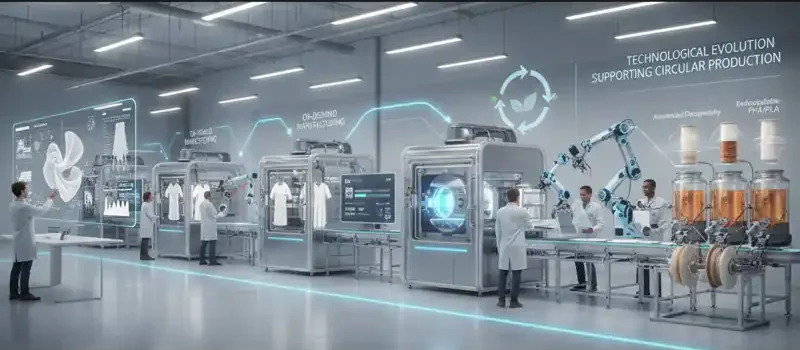
Textile waste-to-energy (WTE) solutions transform the industry’s 92 million tons of annual waste into renewable energy, reducing landfill use and emissions while supporting circular economy goals. This article explores WTE technologies like anaerobic digestion, pyrolysis, and gasification, their synergy with sustainable materials like bamboo textiles, and their role in sustainable manufacturing. Supported by case studies of innovators like Renewcell and Thermax, it covers benefits, challenges, and future trends, including connections to durability testing like salt spray tests, highlighting WTE’s potential to revolutionize eco-friendly fashion.
Introduction to Textile Waste-to-Energy Solutions
The textile industry generates 92 million tons of waste annually, contributing 10% of global carbon emissions and 20% of industrial wastewater, with much of it ending in landfills or incineration. Textile waste-to-energy (WTE) solutions convert this waste into renewable energy forms like biogas, biofuels, and electricity, reducing environmental impact and aligning with zero-waste and circular economy principles. Technologies like anaerobic digestion, pyrolysis, and gasification offer sustainable alternatives to fossil fuels, while innovations like blockchain ensure transparency. This article examines WTE processes, applications, benefits, and challenges, their integration with materials like bamboo textiles, and their transformative role in sustainable fashion.
Understanding Textile Waste-to-Energy Solutions
Textile WTE involves thermochemical and biochemical processes to convert waste, including cotton, polyester, and bamboo textiles, into energy. Anaerobic digestion (AD) produces biogas from biodegradable fibers, while pyrolysis and gasification generate biofuels and syngas from mixed textiles. These processes reduce the industry’s reliance on fossil fuels, which power 50% of textile manufacturing, and divert waste from landfills, where textiles can take 200 years to decompose, releasing methane. Certifications like GRS and technologies like IoT enhance efficiency and traceability, making WTE a key strategy for sustainable manufacturing.
The Need for Textile Waste-to-Energy Solutions
Textile production consumes vast resources, with one T-shirt requiring 2,700 liters of water, and fast fashion driving 60% of clothing to landfills within years. Landfilling releases methane, while incineration emits 3.2 million tons of CO2 annually. With landfill costs rising and regulations like the EU’s Waste Framework Directive mandating textile collection by 2025, WTE offers a solution by converting waste into energy, reducing emissions, and supporting circularity. Consumer demand for sustainable brands (60% preference) and economic incentives, like 80% cost savings from cotton briquettes, further drive adoption.
Key Textile Waste-to-Energy Technologies
Anaerobic Digestion (AD)
AD breaks down biodegradable textiles like cotton and bamboo into biogas (60–70% methane) using microorganisms. North Carolina State University’s research shows cotton blends produce 503 mL CH4/g VS, reducing landfill waste and heavy metals.
Pyrolysis
Pyrolysis thermally decomposes textiles at 500–800°C, producing bio-oil (35–65%), syngas, and char. Kaunas University of Technology’s pilot plant converts lint-microfibers into 14 tons of oil per million people, with a 70% conversion rate.
Gasification
Gasification converts textiles into syngas at high temperatures, suitable for mixed fibers like polyester-cotton blends. It reduces energy needs by 50–85% in cogeneration systems, though emissions monitoring is required.
Waste Heat Recovery
Waste heat from textile processes, like dyeing, is captured for energy generation. Pozzi Leopoldo’s heat exchangers recover 860 kW, reducing fossil fuel use and emissions.
Incineration with Energy Recovery
Controlled incineration in WTE plants, like those using REVALUO systems, generates heat and electricity from non-recyclable textiles, reducing landfill use by 90%.
Applications of Textile Waste-to-Energy Solutions
Textile Manufacturing
WTE powers manufacturing with biogas or syngas, as seen in Thermax’s biomass boilers in Pune, reducing emissions and costs by 30%.
Industrial Boilers
Cotton waste briquettes, with a heating value of 16.80 MJ/kg, fuel boilers in Bangladesh’s garment industry, cutting costs by 80% compared to fuel oil.
Municipal Energy Systems
AD and incineration convert municipal textile waste into electricity and heat, reducing landfill methane emissions equivalent to 7.3 million cars’ CO2.
Sustainable Products
Biochar from pyrolysis is used in agriculture, while bio-oil powers industrial processes, supporting circularity and zero-waste goals.
Case Studies: Textile Waste-to-Energy in Action
Renewcell’s Circulose and Energy Recovery
Renewcell combines chemical recycling with WTE, using pyrolysis to convert non-recyclable residues into bio-oil, supporting H&M’s circular economy goals.
Thermax’s Biomass Boilers
Thermax’s biomass-fired boilers in Pune use textile waste, reducing carbon emissions and operational costs by 30%, with no upfront investment via the Build-Own-Operate model.
Kaunas University’s Pyrolysis Plant
Kaunas University’s pilot plant converts lint-microfibers into oil, gas, and char, yielding €100,000 in profit per million people and reducing 42,039 tons of CO2.
North Carolina State University’s AD Research
Dr. Sonja Salmon’s team converts cotton blends into biogas via enzymatic hydrolysis, enhancing methane yield by 15.6% with co-digestion, supporting sustainable energy.
Benefits of Textile Waste-to-Energy Solutions
Environmental Sustainability
WTE reduces landfill waste (92 million tons annually), methane emissions, and the industry’s 10% carbon footprint, with AD cutting heavy metals and pyrolysis yielding 90% conversion.
Economic Advantages
WTE lowers energy costs by up to 80%, with cotton briquettes costing €0.006/kWh. The bioenergy market is projected to grow 25% by 2024, enhancing profitability.
Social and Ethical Benefits
WTE creates jobs in waste processing and supports fair labor through certifications like SA8000, benefiting the industry’s 300 million workers.
Consumer Appeal
Transparent WTE processes, verified by blockchain, attract eco-conscious consumers, with 60% favoring sustainable brands, boosting market share.
Challenges of Textile Waste-to-Energy Solutions
High Initial Costs
WTE technologies like pyrolysis require significant investment, 20–30% higher than traditional systems. Subsidies and PPAs, like India’s PLI scheme, mitigate costs.
Technical Limitations
Mixed fibers and dyes hinder efficiency, with durable press finishes impeding AD. Pretreatments like solvent extraction improve yields but add complexity.
Emission Concerns
Pyrolysis and gasification produce hazardous emissions, like PET-derived chemicals, requiring monitoring and advanced filters.
Limited Infrastructure
Scalable WTE facilities are scarce, especially in developing countries like Bangladesh, slowing adoption. Collaborative initiatives are expanding access.
Future Trends in Textile Waste-to-Energy Solutions
Advanced Pretreatments
Chemical and biological pretreatments, like enzymatic hydrolysis, enhance AD efficiency, doubling methane yields for cotton blends.
AI and IoT Integration
AI optimizes WTE processes, while IoT monitors emissions, as seen in REVALUO systems, reducing costs and ensuring compliance.
Blockchain and DPPs
Blockchain and Digital Product Passports, mandated by the EU by mid-2025, verify WTE sustainability, enhancing transparency for bamboo textiles.
Policy Support
Incentives like India’s Rs. 24,000 crore PLI scheme and EU’s EPR schemes drive WTE adoption, targeting zero-waste goals.
Synergy with Bamboo Textiles
Bamboo textiles, biodegradable and requiring 30% less water, enhance WTE by providing high-yield feedstocks for AD and pyrolysis. Their low chemical content simplifies processing, as seen in Boody’s operations, reducing the 92 million tons of textile waste and supporting circularity. Blockchain verifies bamboo’s sustainability, aligning with zero-waste goals.
Connection to Salt Spray Testing
Bamboo textiles used in technical applications, like outdoor gear, undergo salt spray tests to ensure coating durability. WTE facilities, like Thermax’s, report these results in sustainability metrics, demonstrating longevity and reducing waste.
Best Practices for Textile Waste-to-Energy Solutions
- Invest in Scalable Technologies: Adopt AD and pyrolysis, as Kaunas University does, for high conversion rates.
- Use Pretreatments: Apply enzymatic or chemical pretreatments to enhance yields, as in North Carolina’s research.
- Leverage Technology: Integrate AI, IoT, and blockchain for efficiency and transparency.
- Secure Certifications: Obtain GRS or RCS to validate WTE processes.
- Educate Stakeholders: Promote WTE benefits to drive consumer and industry adoption.
Conclusion
Textile waste-to-energy solutions are revolutionizing sustainable fashion by converting 92 million tons of waste into renewable energy, reducing emissions, and supporting circular economy goals. Technologies like anaerobic digestion, pyrolysis, and waste heat recovery, as demonstrated by Renewcell and Thermax, offer economic and environmental benefits. Despite challenges like high costs and emissions, innovations in pretreatments, AI, and policy support promise scalability. By integrating with bamboo textiles and leveraging transparency tools, WTE positions the textile industry as a leader in eco-friendly, zero-waste manufacturing.
Citations
- Textile Exchange. “Sustainable Textiles Market Report 2024.” Textile Exchange, 2024, textileexchange.org.
- Renewcell. “Circulose: Textile Waste Recycling.” Renewcell, 2024, www.renewcell.com.
- Thermax. “Biomass Boilers for Textile Industry.” Thermax, 2023, www.thermaxglobal.com.
- Kaunas University of Technology. “Eco-Friendly Textile Waste-to-Energy.” EurekAlert!, 2021, www.eurekalert.org.
- North Carolina State University. “Textile Waste to Biogas.” EREF, 2024, erefdn.org.
- ScienceDirect. “Transforming Textile Waste into Alternative Fuel.” ScienceDirect, 2024, www.sciencedirect.com.
- ScienceDirect. “Economic and Environmental Benefits of Textile Waste for Thermal Energy.” ScienceDirect, 2017, www.sciencedirect.com.
- Breakthrough. “Textile Waste as Renewable Energy.” Breakthrough, 2022, breakthrough.neliti.com.
- 350.org. “Renewables for Zero Waste in Fashion.” 350, 2025, 350.org.
- ScienceDirect. “Sustainable Energy from Textile Biowaste.” ScienceDirect, 2022, www.sciencedirect.com.
- ScienceDirect. “Recent Technologies for Textile Waste.” ScienceDirect, 2024, www.sciencedirect.com.
- Taylor & Francis. “Fabric Wastes as Energy Source for Boilers.” Taylor & Francis, 2023, www.tandfonline.com.
- European Parliament. “Textile Production and Waste Impact.” European Parliament, 2024, www.europarl.europa.eu.
- Wastetoenergy.es. “Waste-to-Energy Solutions.” Wastetoenergy, 2022, wastetoenergy.es.
- Fibre2Fashion. “Textile Industry’s Transition to Renewable Energy.” Fibre2Fashion, 2022, www.fibre2fashion.com.
- Wiley Online Library. “Anaerobic Digestion for Textile Waste.” Wiley, 2024, onlinelibrary.wiley.com.
- Texspacetoday. “Textile Waste Heat Utilization.” Texspacetoday, 2023, www.texspacetoday.com.
- ResearchGate. “Textile Waste for Thermal Energy.” ResearchGate, 2018, www.researchgate.net.
- ZME Science. “Technology to Produce Energy from Textile Waste.” ZME Science, 2021, www.zmescience.com.
- MDPI. “State of the Art in Textile Waste Management.” MDPI, 2023, www.mdpi.com.