Augmented reality (AR) in textile design transforms the fashion industry by enabling virtual prototyping, reducing the 92 million tons of annual textile waste, and enhancing consumer engagement through immersive experiences. This article explores AR technologies like 3D visualization, virtual try-ons, and AI integration, their applications in design, retail, and education, and their synergy with sustainable materials like bamboo textiles. Supported by case studies from Burberry, Zara, and DressX, it covers benefits, challenges, and future trends, including connections to durability testing like salt spray tests, highlighting AR’s role in advancing zero-waste and circular economy goals.
Introduction to Augmented Reality in Textile Design
The textile industry, a major contributor to 10% of global carbon emissions and 20% of industrial wastewater, is embracing augmented reality (AR) to revolutionize design and production. AR overlays digital elements onto the physical world, enabling designers to create, modify, and showcase textiles virtually, reducing the need for physical samples and cutting waste by up to 65%. With the AR market projected to reach $598 billion by 2030, AR in textile design supports customization, sustainability, and consumer engagement, with 71% of shoppers preferring AR-powered experiences. This article examines AR’s technologies, applications, benefits, and challenges, its integration with eco-friendly materials like bamboo textiles, and its impact on sustainable fashion.
Understanding Augmented Reality in Textile Design
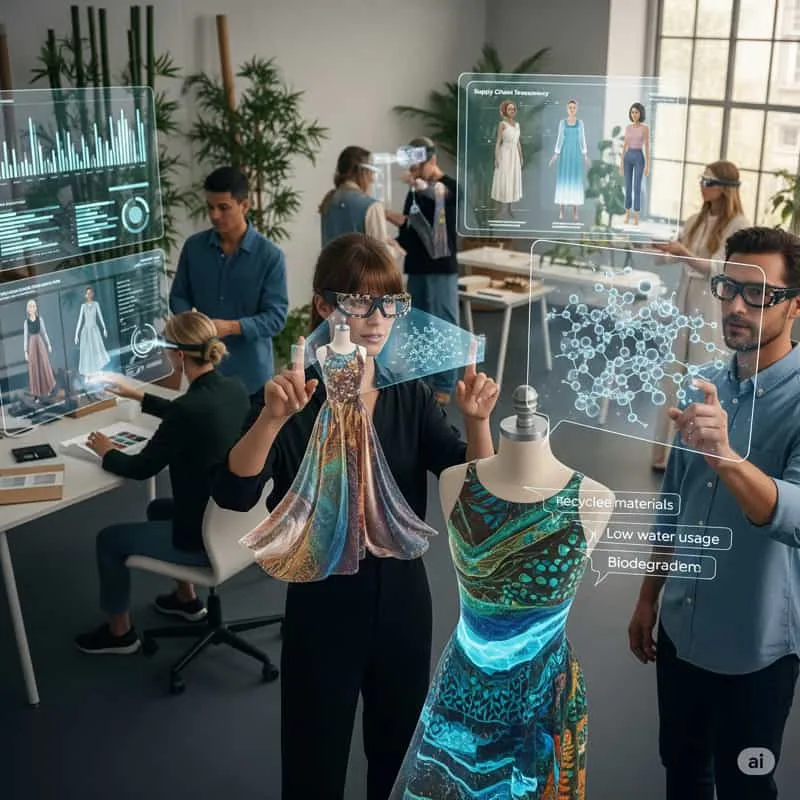
Augmented reality in textile design uses technologies like 3D visualization, body scanning, and AI to create immersive digital experiences. Software like CLO3D and Browzwear’s VStitcher enables designers to simulate fabric drape, texture, and fit on virtual avatars, reducing physical prototyping. AR apps, such as Zara’s virtual try-on platform, allow consumers to visualize garments in real time via smartphones or AR glasses. By integrating with blockchain for supply chain transparency and certifications like GRS, AR supports sustainable materials like bamboo, aligning with circular economy principles and minimizing the industry’s 92 million tons of waste annually.
The Need for Augmented Reality in Textile Design
Traditional textile design relies on physical sampling, costing the industry $5–7 billion annually and generating significant pre-consumer waste. Manual processes lead to 15% fabric offcuts and contribute to the 2,700 liters of water used per T-shirt. AR addresses these issues by enabling virtual prototyping, reducing sampling costs by 65% and waste by up to 90%. Consumer demand for immersive experiences (61% prefer AR-enabled retailers) and regulations like the EU’s Circular Economy Action Plan drive AR adoption, aligning with the $1.05 trillion sustainable textiles market and supporting zero-waste goals.
Key Advancements in Augmented Reality for Textile Design
3D Visualization and Simulation
Software like CLO3D and Audaces Fashion Studio creates high-resolution 3D textile designs, simulating fabric behavior with 99% accuracy, reducing physical prototypes by 65%.
Virtual Try-On Technology
AR apps, like those from Burberry and Nike, use body scanning and facial recognition to enable real-time virtual try-ons, reducing returns by 20% and enhancing consumer engagement.
AI-Driven Design Optimization
AI integration, as in Browzwear’s platform, analyzes trends and consumer preferences, generating designs that reduce waste and align with market demands, cutting time-to-market by 50%.
AR-Enhanced Cultural Preservation
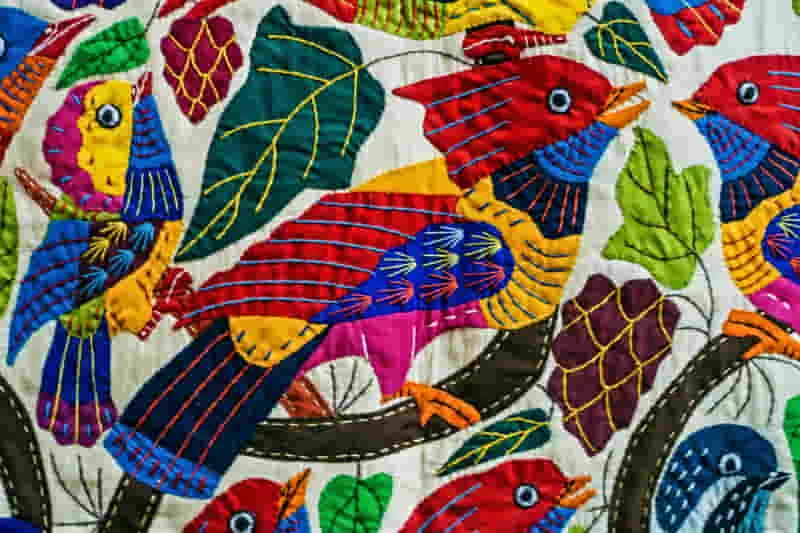
AR preserves traditional textile motifs, like Orang Ulu designs, by creating interactive digital experiences via apps like Artivive, engaging younger audiences and reducing physical production.
Blockchain for Transparency
Blockchain platforms, like TextileGenesis, integrate with AR to verify sustainable materials like bamboo, ensuring GOTS compliance and supporting DPP mandates by 2025.
Applications of Augmented Reality in Textile Design
Virtual Prototyping and Sampling
AR enables designers to create and refine digital textile samples, as seen with Adidas, reducing physical sampling by 65% and time-to-market from 3 months to 2 weeks.
Virtual Try-Ons and Retail
Brands like Zara and Burberry use AR apps for virtual try-ons, allowing consumers to visualize garments, boosting sales by 20% and reducing returns.
Fashion Shows and Marketing
AR creates immersive virtual fashion shows, as with Suzanne Harward’s bridal app, enhancing global accessibility and reducing event-related emissions by 30%.
Cultural and Heritage Preservation
AR digitizes traditional textiles, like Orang Ulu motifs, making them interactive via scannable graphics, preserving heritage and minimizing physical production.
Education and Training
AR enhances textile design education by providing interactive simulations, as studied in Egypt, improving student engagement by 40% and reducing material use in training.
Case Studies: Augmented Reality in Textile Design
Burberry’s AR Shopping Experience
Burberry’s collaboration with Google enables AR try-ons for items like the Black TB bag, increasing online engagement by 25% and reducing returns by 15%.
Zara’s AR App
Zara’s 2018 AR app allows customers to scan signs for virtual try-ons, boosting store visits by 20% and supporting sustainable marketing by eliminating physical samples.
DressX’s Digital Fashion Platform
DressX enables virtual garment try-ons, with users receiving styled digital images in three days, reducing physical production and textile waste by 30%.
Orang Ulu AR Collection
Using Artivive, designers created an AR-enhanced Orang Ulu motif collection, increasing cultural engagement among youth by 35% without physical production.
Benefits of Augmented Reality in Textile Design
Environmental Sustainability
AR reduces physical sampling by 65%, cutting textile waste and emissions, addressing the industry’s 10% carbon footprint and supporting zero-waste goals.
Economic Advantages
Virtual prototyping lowers sampling costs by $5–7 billion annually, with AR apps increasing sales by 20% and the AR market growing to $598 billion by 2030.
Social and Ethical Benefits
AR supports ethical sourcing by integrating blockchain, benefiting 300 million textile workers, and preserves cultural heritage, as with Orang Ulu designs.
Consumer Appeal
AR meets 71% consumer demand for immersive experiences, boosting loyalty and enabling premium pricing for sustainable, customized textiles.
Challenges of Augmented Reality in Textile Design
High Initial Costs
AR systems, like CLO3D, require 20–30% higher investment than traditional tools. Subsidies and cloud-based solutions reduce barriers for small brands.
Technical Skill Gaps
Designers need training in AR software and 3D modeling, as noted by Brooke Roberts-Islam, slowing adoption in regions like India.
Consumer Adaptation
Only 40% of consumers are familiar with AR apps, requiring education to boost adoption, as highlighted by Deloitte.
Integration with Legacy Systems
Retrofitting AR with existing workflows is complex, requiring middleware solutions like Browzwear’s Open Platform.
Future Trends in Augmented Reality for Textile Design
Hyper-Personalization
AI-driven AR will enable body-scanning-based try-ons with 99% fit accuracy, reducing returns by 25% and enhancing consumer satisfaction by 2030.
Metaverse Integration
AR will create digital-only textile collections for metaverse platforms, as with Gucci’s NFT collections, reducing physical waste by 50%.
Sustainable Design Solutions
AR will optimize eco-friendly materials like bamboo, with virtual dyeing reducing water use by 30%, supporting net-zero goals.
AR-Enhanced Education
AR will expand in textile education, with virtual labs increasing accessibility and reducing material use by 40% by 2030.
Synergy with Bamboo Textiles
Bamboo textiles, requiring 30% less water and no pesticides, pair seamlessly with AR’s virtual prototyping, ensuring precise design and minimal waste. AR apps visualize bamboo’s texture and drape, as seen in HARA’s collections, reducing the 92 million tons of textile waste. Blockchain verifies bamboo’s sustainability, aligning with circular economy goals and enhancing market appeal for eco-conscious consumers.
Connection to Salt Spray Testing
Bamboo textiles and AR-designed technical fabrics, like outdoor gear, undergo salt spray tests to ensure coating durability. AR simulates wear conditions, integrating test results into sustainability metrics, supporting longevity and zero-waste principles.
Best Practices for Augmented Reality in Textile Design
- Adopt 3D Software: Use CLO3D or Browzwear for accurate virtual prototyping, reducing physical samples by 65%.
- Integrate AI: Leverage AI for trend analysis and design optimization, as in Audaces Fashion Studio, to cut waste.
- Educate Consumers: Provide clear AR app instructions, as Zara does, to boost adoption and engagement.
- Use Blockchain: Implement TextileGenesis for transparency in sustainable material use, like bamboo.
- Train Designers: Offer AR and 3D modeling training, as recommended by RMCAD, to bridge skill gaps.
Conclusion
Augmented reality in textile design is transforming sustainable fashion by enabling virtual prototyping, immersive consumer experiences, and cultural preservation, reducing the industry’s environmental footprint. Innovations from Burberry, Zara, and DressX demonstrate AR’s ability to cut waste, enhance engagement, and align with circular economy goals. Despite challenges like high costs and skill gaps, advancements in AI, metaverse integration, and sustainable design promise scalability. By integrating with bamboo textiles and transparency tools like blockchain, AR positions the textile industry as a leader in eco-friendly, consumer-centric manufacturing, meeting global demands for sustainability.
Citations
- Rock Paper Reality. “Augmented Reality In Fashion.” Rock Paper Reality, 2025, rockpaperreality.com.
- Netguru. “Top Examples of Augmented Reality in Fashion Retail.” Netguru, 2025, www.netguru.com.
- Fibre2Fashion. “Augmented Reality in Retail: A Revolutionary Next Generation Technology.” Fibre2Fashion, 2013, www.fibre2fashion.com.
- Textile Learner. “Augmented Reality in Fashion Industry: Ways to Implement & Applications.” Textile Learner, 2021, textilelearner.net.
- INHAABIT. “Augmented Reality: The Latest Trend In The Fashion Industry.” INHAABIT, 2020, inhaabit.com.
- Goel, Pooja, et al. “Augmented and Virtual Reality in Apparel Industry: A Bibliometric Review and Future Research Agenda.” Foresight, vol. 25, no. 2, 2023, www.emerald.com.
- EKB Journal Management System. “The Impact of Augmented Reality on Fashion and Textile Design Education.” EKB, 2021, journals.ekb.eg.
- Audaces. “Augmented Reality in Fashion: Why It’s a Smart Business Move?” Audaces, 2023, audaces.com.
- Jasoren. “Augmented Reality in Fashion Industry.” Jasoren, 2017, www.jasoren.com.
- GlobalData. “Augmented Reality (AR) in Retail and Apparel – Thematic Intelligence.” GlobalData, 2024, www.globaldata.com.
- Textile Value Chain. “The Future of Fashion Is Augmented Reality.” Textile Value Chain, 2020, textilevaluechain.in.
- Eco-Age. “How 3D Digital Design and Augmented Reality Can Slash Textile Waste In Fashion.” Eco-Age, 2019, eco-age.com.
- Fibre2Fashion. “The Role of AR and VR in Shaping the Future of Fashion Retail.” Fibre2Fashion, 2025, www.fibre2fashion.com.
- Browzwear. “How Do Virtual Reality and Augmented Reality Impact the Fashion Industry?” Browzwear, 2024, browzwear.com.
- ApparelMagic. “Augmented and Virtual Reality in Fashion: The Next Frontier in Fashion Technology.” ApparelMagic, 2024, apparelmagic.com.
- RMCAD. “Technology Meets Textiles: The Future of Fashion Design.” RMCAD, 2024, www.rmcad.edu.
- Smarttek Solutions. “Augmented Reality in Fashion: Transforming the Shopping Experience.” Smarttek Solutions, 2024, smarttek.solutions.
- Textile Today. “Augmented and Virtual Reality in Fashion Industry.” Textile Today, 2022, www.textiletoday.com.bd.
- ScienceDirect. “Role of Artificial Intelligence and Augmented Reality in Fashion Industry from Consumer Perspective.” ScienceDirect, 2024, www.sciencedirect.com.
- Nanowerk. “Textile Electronics for Virtual and Augmented Reality Applications.” Nanowerk, 2020, www.nanowerk.com.
- ScienceDirect. “Augmented Reality in Fashion: Technological Advancements in Digital Preservation of Traditional Heritage.” ScienceDirect, 2025, www.sciencedirect.com.
- Textile Technology. “VDMA: Augmented Reality Powered Processes in the Textile Industry.” Textile Technology, 2021, www.textiletechnology.net.
- Fashion and Textiles. “Augmented Reality as a Product Presentation Tool.” SpringerOpen, 2021, fashionandtextiles.springeropen.com.