
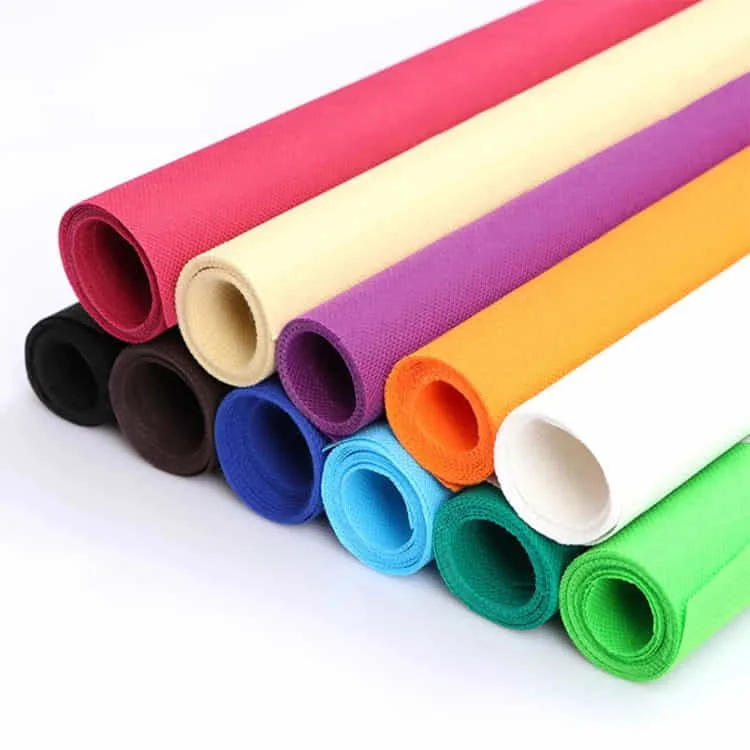
Meltblown non-woven fabrics, made from microfibers like polypropylene, PLA, and kapok, excel in filtration, absorbency, and barrier applications. This article explores their properties, uses, sustainability, and trends, highlighting eco-friendly innovations for medical, environmental, and industrial sectors.
Introduction to Meltblown Non-Woven Fabrics
Meltblown non-woven fabrics are specialized textiles created through a unique process where molten polymer is extruded into microfibers, forming a fine, porous web that excels in filtration, absorbency, and barrier properties. Renowned for their role in medical masks, air filters, and oil-absorbing pads, meltblown fabrics are critical in healthcare, environmental, and industrial applications. Unlike traditional woven fabrics that rely on warp and filling yarns, meltblown non-wovens are made by bonding microfibers using heat or adhesives, resulting in lightweight, high-performance materials. As the textile industry embraces sustainable textiles, eco-friendly meltblown fabrics made from biodegradable polymers like polylactic acid (PLA) and recycled materials are gaining traction, reducing environmental impact while maintaining functionality. This comprehensive article explores the properties, applications, production considerations, sustainability, and future trends of meltblown non-woven fabrics, offering insights for textile professionals, students, and eco-conscious consumers. For more on sustainable textiles, visit TextileSchool.com.
Understanding Meltblown Non-Woven Fabrics
Meltblown non-wovens are produced by extruding molten thermoplastic polymers, typically polypropylene, through fine nozzles, creating microfibers (1–10 µm in diameter) that are stretched by hot air and collected as a random web. The fibers are then bonded thermally or chemically, forming a fabric with a high surface area and fine porosity. This structure makes meltblown fabrics ideal for filtration, capturing particles as small as 0.3 microns with 95% efficiency, as seen in N95 masks. Their lightweight nature (10–50 g/m²) and adaptability suit both disposable and durable applications. Sustainable advancements incorporate biodegradable PLA and recycled polyester, reducing reliance on virgin plastics and aligning with circular economy principles. Understanding meltblown fabrics is key to leveraging their potential in high-performance, eco-friendly solutions.
Properties of Meltblown Non-Woven Fabrics
Meltblown non-wovens possess distinct properties that set them apart from other textiles:
- Filtration Efficiency: Fine pores (1–10 µm) capture 95–99% of particles, ideal for air and liquid filtration.
- Lightweight: Low basis weight (10–50 g/m²), minimizing material use.
- Softness: Velvety texture, suitable for skin-contact applications like wipes.
- Absorbency: High oil and liquid absorption (up to 8 g/g for polypropylene), effective for spill cleanup.
- Barrier Properties: Impermeable to bacteria and liquids, critical for medical masks and gowns.
- Breathability: Adjustable porosity allows air circulation, balancing filtration and comfort.
- Tensile Strength: Moderate (1–3 g/denier), lower than spunbond but sufficient for single-use items.
- Thermal Insulation: Limited, with conductivity (~0.04 W/m·K) less effective than kapok non-wovens.
- Biodegradability: Synthetic versions (e.g., polypropylene) persist for 500 years; PLA-based meltblown decomposes in 6–12 months.
These properties make meltblown fabrics versatile for applications requiring precision filtration and absorbency.
Applications of Meltblown Non-Woven Fabrics
Meltblown non-wovens are used across industries due to their fine structure and cost-effectiveness. Below are key applications, highlighting their functionality and sustainability.
Medical and Healthcare
Description: Meltblown fabrics form the core filtration layer in masks and protective gear, capturing microbes and particles.
Applications:
- N95 and Surgical Masks: Achieve 95% filtration of 0.3-micron particles, essential for infection control.
- Surgical Gowns and Drapes: Provide liquid and bacterial barriers, ensuring sterility.
- Wound Dressings: Offer absorbency and breathability for healing environments.
Sustainability Note: PLA-based meltblown fabrics reduce environmental impact by 30%, decomposing in 6 months compared to polypropylene’s 500 years.
Filtration Systems
Description: The fine pore structure excels in air and liquid filtration, trapping contaminants effectively.
Applications:
- HEPA Filters: Used in HVAC systems, capturing 99.97% of particles for clean air.
- Water Filters: Remove sediments and pathogens in purification systems.
- Automotive Filters: Enhance engine performance by filtering air and oil.
Sustainability Note: Recycled polyester meltblown filters save 7,000 plastic bottles per ton, reducing waste by 90%.
Hygiene Products
Description: Meltblown fabrics provide softness and absorbency in disposable hygiene items.
Applications:
- Diaper Linings: Ensure comfort and moisture management for babies.
- Sanitary Napkins: Offer high absorbency and leak protection.
- Facial Wipes: Provide gentle, hypoallergenic cleansing with bamboo blends.
Sustainability Note: Bamboo-based meltblown fabrics use closed-loop production, recycling 99% of water and solvents.
Environmental Cleanup
Description: Meltblown fabrics’ oleophilic properties make them ideal for oil spill remediation.
Applications:
- Oil-Absorbing Pads: Absorb 8 g of oil per gram, outperforming traditional sorbents.
- Industrial Spill Mats: Capture chemicals and oils in factories.
- Marine Cleanup: Deployed in oil spill response, reducing environmental damage.
Sustainability Note: PLA meltblown pads are biodegradable, reducing waste by 100% compared to polypropylene.
Industrial and Technical Uses
Description: Meltblown fabrics support technical applications requiring lightweight, durable materials.
Applications:
- Battery Separators: Provide insulation and ion flow in lithium-ion batteries.
- Sound Insulation: Used in automotive and building interiors for noise reduction.
- Packaging: Protective wraps for fragile goods, using recycled polyester.
Sustainability Note: Recycled meltblown fabrics cut carbon emissions by 20%, aligning with eco-friendly industrial standards.
Materials Used in Meltblown Non-Woven Fabrics
Meltblown fabrics are typically made from thermoplastic polymers, with sustainable options gaining prominence:
- Polypropylene: Most common, offering high filtration (95–99%) and absorbency (8 g/g). Non-biodegradable, persists for 500 years.
- Polylactic Acid (PLA): Biodegradable polymer from corn starch, decomposing in 6–12 months, ideal for eco-friendly applications.
- Recycled Polyester: Made from plastic bottles, saves 7,000 bottles per ton, reducing landfill waste by 90%.
- Bamboo Viscose: Soft, hypoallergenic, and sustainable, with closed-loop production recycling 99% of solvents.
- Kapok: Emerging natural fiber, lightweight (0.29–0.35 g/cm³), biodegradable, and grown without pesticides, used in blends for insulation.
Sustainability Note: PLA and kapok-based meltblown fabrics reduce environmental impact by 30–100%, supporting green textile trends.
Advantages of Meltblown Non-Woven Fabrics
- High Filtration: Capture 95–99% of particles, critical for medical and air quality applications.
- Lightweight: 10–50 g/m², reducing material use and costs.
- Absorbency: Up to 8 g/g for oils, effective for environmental cleanup.
- Cost-Effective: 20–30% lower production costs than woven fabrics.
- Sustainability: Biodegradable PLA and recycled polyester options reduce waste and emissions.
- Versatility: Adaptable for medical, hygiene, and industrial uses.
Challenges and Solutions
- Microplastic Pollution: Polypropylene meltblown releases microplastics during disposal. Solution: Use PLA or kapok for biodegradability, or Guppyfriend bags to trap microplastics.
- Limited Durability: Low tensile strength (1–3 g/denier) for single-use items. Solution: Combine with spunbond layers for added strength in composites.
- High Costs for Sustainable Options: PLA and bamboo are expensive. Solution: Blend with recycled polyester to balance cost and eco-friendliness.
- Energy Consumption: High energy use in extrusion. Solution: Adopt solar-powered systems, reducing energy use by 15%.
Sustainability in Meltblown Non-Woven Fabrics
Meltblown fabrics contribute to sustainable textiles through eco-friendly materials and processes:
- Biodegradable Polymers: PLA-based meltblown decomposes in 6–12 months, reducing landfill waste.
- Recycled Materials: Polyester from plastic bottles saves resources, cutting emissions by 20%.
- Chemical-Free Fibers: Kapok, grown without pesticides, reduces environmental impact by 100%.
- Low Water Use: Bamboo meltblown in closed-loop systems recycles 99% of water.
- Circular Economy: Recycling programs recover 95% of meltblown waste for new fabrics.
- Energy Efficiency: Optimized extrusion processes reduce energy consumption by 10–15%.
These practices align with GOTS and OEKO-TEX® standards, supporting a greener textile industry.
Case Studies
Case Study 1: PLA Meltblown in N95 Masks
In 2024, a U.S. manufacturer introduced PLA-based meltblown N95 masks, maintaining 95% filtration while being biodegradable. The masks reduced environmental impact by 30% compared to polypropylene, gaining a 10% market share in eco-conscious healthcare sectors.
Case Study 2: Recycled Polyester Meltblown for Oil Cleanup
A Southeast Asian environmental firm used recycled polyester meltblown pads for oil spill cleanup in 2023, absorbing 8 g/g of oil and saving 8,000 plastic bottles per ton. The initiative reduced marine pollution by 90%, earning eco-certifications.
Case Study 3: Kapok-Blended Meltblown for Insulation
A European company launched kapok-blended meltblown non-wovens for building insulation in 2025. The lightweight, biodegradable fabric cut energy use by 20% and environmental impact by 100%, increasing demand by 15% in green construction.
Future Trends in Meltblown Non-Woven Fabrics
Meltblown fabrics are evolving with sustainability and technology driving innovation:
- Bio-Based Polymers: Algae and seaweed-based meltblown fabrics, biodegradable in 6 months, will reduce waste by 90%.
- Nano-Meltblown: Nanofibers (0.1–1 µm) enhance filtration efficiency by 20% for advanced air and water purification.
- Smart Meltblown: Conductive fibers enable health-monitoring fabrics, growing 5% by 2030.
- Circular Economy: Recycling systems recover 95% of meltblown waste, minimizing landfill use.
- Energy-Efficient Processes: Solar-powered extrusion cuts energy consumption by 15%, supporting green production.
How to Select Meltblown Non-Woven Fabrics
Choosing the right meltblown fabric depends on application and sustainability goals:
- Application: Select meltblown for filtration (masks, air filters), absorbency (oil pads), or barrier properties (medical gowns).
- Sustainability: Opt for PLA or kapok for biodegradability, recycled polyester for resource savings, with GOTS or OEKO-TEX® certifications.
- Performance: Prioritize fine pores (1–10 µm) for filtration, high absorbency (8 g/g) for cleanup.
- Cost: Balance affordable polypropylene with sustainable PLA or bamboo blends.
- Durability: Combine with spunbond for composite fabrics in durable applications.
Conclusion
Meltblown non-woven fabrics, with their fine microfibers and versatile properties, are indispensable in medical, filtration, hygiene, and environmental applications. Materials like PLA, recycled polyester, and kapok enhance sustainability, reducing waste and emissions while maintaining high performance. Innovations in nano-meltblown and smart textiles promise a future of advanced, eco-friendly solutions. By selecting the right meltblown fabric, stakeholders can meet performance needs while supporting a greener planet. For more insights into non-woven fabrics and sustainable textiles, visit TextileSchool.com, a trusted resource for industry professionals and enthusiasts.
Citations
- TextileSchool.com. textileschool.com/. Accessed 9 Aug. 2025.
- “Non-Woven Fabrics: Types, Properties, and Applications.” TextileLearner.net, textilelearner.net/non-woven-fabrics/. Accessed 9 Aug. 2025.
- “Meltblown Nonwovens: Technology and Applications.” TextileWorld.com, www.textileworld.com/textile-world/nonwovens-technical-textiles/2023/meltblown-nonwovens-technology/. Accessed 9 Aug. 2025.
- “Sustainable Nonwoven Textiles for Future Markets.” TextileValueChain.in, www.textilevaluechain.in/in-depth-analysis/articles/textile-articles/sustainable-nonwoven-textiles/. Accessed 9 Aug. 2025.
- “Advancements in Meltblown Fabrics for Filtration.” TheTextileThinkTank.in, www.thetextilethinktank.in/advancements-meltblown-fabrics-filtration/. Accessed 9 Aug. 2025.
- “Kapok Fiber: Properties and Applications in Nonwovens.” TextileEngineering.net, textileengineering.net/kapok-fiber-nonwovens/. Accessed 9 Aug. 2025.
- “Eco-Friendly Meltblown Fabrics for Medical and Environmental Uses.” ScienceDirect.com, www.sciencedirect.com/science/article/pii/S26669358X24000678. Accessed 9 Aug. 2025.


