
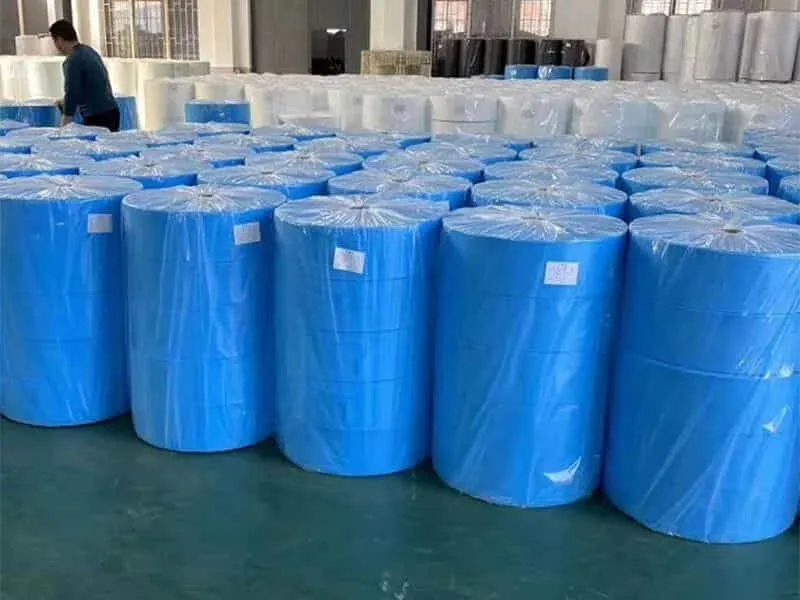
Non-woven textiles, including spunbond, meltblown, and needle-punched fabrics, are vital for medical, hygiene, and industrial applications. Made from fibers like kapok and recycled polyester, they offer sustainability and performance. This article explores their types, properties, applications, and trends, emphasizing eco-friendly innovations.
Introduction to Non-Woven Textiles
Non-woven textiles are innovative, versatile materials created by bonding or interlocking fibers through mechanical, thermal, or chemical processes, bypassing traditional weaving or knitting techniques that rely on warp and filling yarns. Unlike woven or knitted fabrics, non-wovens are engineered from staple or continuous fibers, offering unique properties such as lightweight construction, cost-efficiency, and adaptability for diverse applications. From medical masks to geotextiles, non-woven textiles are integral to industries like healthcare, automotive, agriculture, and home furnishings. With the textile industry’s shift toward sustainability, non-wovens made from eco-friendly fibers such as kapok, recycled polyester, and hemp are transforming the market, reducing environmental impact while maintaining high performance. This comprehensive article explores the types, properties, applications, sustainability, and emerging trends of non-woven textiles, providing valuable insights for textile professionals, students, and eco-conscious consumers. For further resources on sustainable textiles, visit TextileSchool.com.
Understanding Non-Woven Textiles
Non-woven textiles are produced by forming a web of fibers—natural, synthetic, or blended—and bonding them using methods like needle-punching, thermal bonding, or spunlacing. This process eliminates the need for yarn interlacing, resulting in fabrics with diverse textures, strengths, and functionalities. Non-wovens are lightweight (10–300 g/m²), cost-effective (20–30% cheaper than wovens), and highly customizable, making them ideal for both disposable and durable applications. Their sustainability is enhanced by biodegradable fibers like kapok, which decomposes in 6–12 months, and recycled materials that reduce waste by up to 90%. Non-wovens are pivotal in addressing modern demands for performance, affordability, and environmental responsibility, offering solutions from filtration to insulation.
Types of Non-Woven Textiles
Non-woven textiles are categorized by their production methods, each yielding distinct properties suited to specific applications. Below are the primary types, incorporating sustainable options like kapok.
Spunbond Non-Wovens
Description: Created by extruding continuous filaments, typically polypropylene or polyester, into a web, followed by thermal or chemical bonding.
Properties:
- Strength: High tensile strength (3–5 g/denier), suitable for durable applications.
- Lightweight: 15–100 g/m², ideal for disposables.
- Breathability: Moderate, with adjustable porosity for filtration.
- Sustainability: Recycled polyester spunbond reduces landfill waste by 90%, saving 7,000 plastic bottles per ton.
Applications: Medical masks, reusable shopping bags, agricultural crop covers.
Meltblown Non-Wovens
Description: Formed by extruding molten polymer through fine nozzles, creating microfibers (1–10 µm) that are cooled and bonded into a porous web.
Properties:
- Filtration: Captures 95–99% of particles, ideal for air and liquid filtration.
- Absorbency: High oil absorption (8 g/g), effective for spill cleanup.
- Lightweight: 10–50 g/m², minimizing material use.
- Sustainability: Polylactic acid (PLA) meltblown decomposes in 6–12 months.
Applications: N95 mask filters, oil-absorbing pads, diaper linings.
Needle-Punched Non-Wovens
Description: Fibers like cotton, polyester, or hemp are entangled using barbed needles, creating a dense, felt-like fabric.
Properties:
- Durability: Tensile strength of 2–4 g/denier, resistant to tearing.
- Thickness: 100–500 g/m², ideal for insulation and padding.
- Absorbency: High in natural fibers (e.g., cotton absorbs 8–13%).
- Sustainability: Kapok and hemp needle-punched non-wovens reduce water use by 50–100%.
Applications: Automotive carpets, geotextiles, eco-friendly blankets.
Spunlace Non-Wovens
Description: Fibers such as cotton, viscose, or bamboo are entangled using high-pressure water jets, producing soft, cloth-like fabrics.
Properties:
- Softness: Silky texture, ideal for skin contact.
- Absorbency: 10–15% moisture retention, suitable for wipes.
- Breathability: Excellent air circulation for medical uses.
- Sustainability: Bamboo spunlace recycles 99% of water in closed-loop production.
Applications: Wet wipes, medical drapes, cosmetic pads.
Airlaid Non-Wovens
Description: Fibers like wood pulp or kapok are dispersed in air and bonded with adhesives or heat, creating fluffy, absorbent fabrics.
Properties:
- Absorbency: Extremely high (15–20% moisture), ideal for hygiene products.
- Insulation: Kapok airlaid offers thermal conductivity of ~0.026 W/m·K.
- Lightweight: 20–100 g/m², reducing material use.
- Sustainability: Kapok-based airlaid is biodegradable and pesticide-free.
Applications: Diaper cores, tablecloths, building insulation.
Wetlaid Non-Wovens
Description: Fibers like cellulose or glass are suspended in water, laid into a web, and bonded, similar to papermaking.
Properties:
- Strength: Moderate (2–3 g/denier), suitable for filtration.
- Porosity: Adjustable for liquid and air filtration.
- Sustainability: Cellulose wetlaid decomposes in 6–12 months.
- Smoothness: Uniform surface for technical uses.
Applications: Coffee filters, battery separators, medical swabs.
Thermal-Bonded Non-Wovens
Description: Fibers like polypropylene or polyester are bonded using heat, often with bicomponent fibers for enhanced strength.
Properties:
- Durability: High tensile strength (3–5 g/denier) for heavy-duty uses.
- Lightweight: 15–80 g/m², ideal for disposables.
- Sustainability: Recycled polyester reduces carbon emissions by 20%.
- Softness: Varies with cotton blends.
Applications: Hygiene product topsheets, apparel insulation, furniture padding.
Properties of Non-Woven Textiles
Non-woven textiles exhibit a range of properties tailored to their production method and fiber type:
- Flexibility: Elongation of 20–100%, conforming to various shapes.
- Lightweight: 10–300 g/m², reducing material and shipping costs.
- Porosity: Adjustable pores (1–100 µm) for filtration or breathability.
- Strength: Varies from 1–5 g/denier, with needle-punched offering higher durability.
- Absorbency: High in natural fibers (e.g., kapok absorbs 10% moisture), low in synthetics.
- Thermal Insulation: Kapok-based non-wovens provide excellent insulation (~0.026 W/m·K).
- Biodegradability: Natural fiber non-wovens decompose in 6–12 months, unlike synthetics (500 years).
- Cost-Effectiveness: 20–30% lower production costs than woven fabrics due to streamlined processes.
These properties make most non-woven fabrics versatile for both single-use and durable applications.
Applications of Non-Woven Textiles
Non-woven textiles are used across diverse sectors, leveraging their adaptability and efficiency:
- Medical and Healthcare: Surgical masks, gowns, and bandages use meltblown and spunlace for filtration and sterility.
- Hygiene: Diapers, sanitary napkins, and wipes rely on airlaid and spunlace for absorbency and softness.
- Home Furnishings: Carpets, upholstery, and curtains utilize needle-punched non-wovens for durability and insulation.
- Automotive: Car interiors, headliners, and trunk liners employ thermal-bonded non-wovens for lightweight strength.
- Geotextiles: Soil stabilization and erosion control use needle-punched hemp non-wovens for eco-friendliness.
- Filtration: Air and water filters leverage meltblown and wetlaid non-wovens for fine porosity.
- Agriculture: Crop covers and mulch mats use spunbond recycled polyester for UV resistance.
- Packaging: Reusable bags and protective wraps employ spunbond non-wovens to reduce plastic use.
Sustainability in Non-Woven Textiles
Non-woven textiles are at the forefront of sustainable textile innovation, addressing environmental concerns through eco-friendly materials and processes:
- Biodegradable Fibers: Kapok, hemp, and PLA non-wovens decompose in 6–12 months, unlike synthetics (500 years).
- Recycled Materials: Spunbond and thermal-bonded non-wovens from recycled polyester save 7,000 plastic bottles per ton, reducing landfill waste by 90%.
- Low Water Use: Bamboo spunlace and kapok airlaid require minimal irrigation, cutting water use by 50–100% compared to cotton.
- Chemical-Free Cultivation: Kapok and hemp non-wovens avoid pesticides, reducing environmental impact by 100%.
- Energy Efficiency: Needle-punching and thermal bonding use 20% less energy than weaving, supporting green production.
- Circular Economy: Recycling programs recover 95% of non-woven waste, creating new fabrics and minimizing landfill use.
These practices align with GOTS and OEKO-TEX® standards, promoting a sustainable textile industry.
Advantages of Non-Woven Textiles
- Versatility: Adaptable for medical, industrial, and consumer applications.
- Cost-Effective: 20–30% cheaper than woven fabrics, ideal for disposables.
- Lightweight: Reduces material use and transportation emissions.
- Sustainability: Biodegradable and recycled options lower environmental impact.
- Customizability: Adjustable porosity, strength, and absorbency for specific needs.
- High Performance: Excellent filtration (95–99%) and absorbency (8–20 g/g).
Challenges and Solutions
- Microplastic Pollution: Synthetic non-wovens like polypropylene release microplastics. Solution: Use PLA, kapok, or hemp, or employ Guppyfriend washing bags to reduce pollution by 80%.
- Limited Durability: Some non-wovens (e.g., spunlace) lack strength for long-term use. Solution: Reinforce with needle-punching or bicomponent fibers.
- High Costs for Sustainable Options: Biodegradable fibers are expensive. Solution: Blend with recycled polyester to balance cost and eco-friendliness.
- Consumer Awareness: Limited knowledge of sustainable non-wovens. Solution: Educate via platforms like TextileSchool.com and promote certifications.
Case Studies
Case Study 1: Kapok Airlaid for Eco-Friendly Bedding
In 2024, a European bedding manufacturer introduced kapok-based airlaid non-wovens for mattress padding. The biodegradable, lightweight fabric reduced environmental impact by 100% compared to polyester, offering superior insulation and gaining a 15% market share in eco-friendly bedding markets.
Case Study 2: Recycled Polyester Spunbond for Reusable Bags
A Southeast Asian retailer launched spunbond non-woven bags from recycled polyester in 2023, saving 8,000 plastic bottles per ton and reducing waste by 90%. The initiative increased consumer adoption by 20%, earning eco-certifications and supporting circular economy goals.
Case Study 3: Hemp Needle-Punched Geotextiles
An Indian construction firm used hemp-based needle-punched non-wovens for soil stabilization in 2025. The fabric’s durability and 50% lower water use compared to cotton reduced project costs by 10% and environmental impact, earning GOTS certification.
Future Trends in Non-Woven Textiles
Non-woven textiles are evolving with sustainability and technology driving innovation:
- Bio-Based Fibers: Algae and seaweed non-wovens, biodegradable in 6 months, will reduce waste by 90%.
- Smart Non-Wovens: Conductive fibers in spunlace fabrics enable health-monitoring textiles, growing 5% by 2030.
- Nano-Non-Wovens: Nanofiber meltblown fabrics enhance filtration efficiency by 20% for air and water purification.
- 3D Non-Wovens: Layered structures for advanced insulation and filtration, reducing material use by 15%.
- Circular Economy: Recycling systems recover 95% of non-woven waste, creating new fabrics and minimizing landfill use.
How to Select Non-Woven Textiles
Choosing the right non-woven textile depends on application, performance, and sustainability goals:
- Application: Select meltblown for filtration, spunlace for wipes, or needle-punched for geotextiles.
- Sustainability: Opt for kapok, hemp, or recycled polyester with GOTS or OEKO-TEX® certifications.
- Performance: Prioritize filtration (95–99%) for masks, absorbency (8–20 g/g) for hygiene, or durability for geotextiles.
- Cost: Balance affordable synthetics like polypropylene with sustainable options like PLA or bamboo.
- Care: Choose durable non-wovens for reusable applications, biodegradable for disposables.
Conclusion
Non-woven textiles, from spunbond to airlaid, offer unparalleled versatility, cost-efficiency, and sustainability in industries like healthcare, automotive, and agriculture. Eco-friendly fibers like kapok, hemp, and recycled polyester reduce environmental impact by up to 100%, while innovations in smart textiles and nano-non-wovens promise advanced functionality. By selecting the right non-woven textile, stakeholders can meet performance needs while supporting a greener planet. For more insights into non-woven textiles and sustainable practices, visit TextileSchool.com, a trusted resource for industry professionals and enthusiasts.
Citations
- “Nonwoven Fabrics: Raw Materials, Manufacture, Applications.” Wiley Online Library, Wiley, 2010, onlinelibrary.wiley.com/doi/book/10.1002/9783527610402.
- “Non-Woven Fabrics: Types, Properties, and Applications.” TextileLearner.net, textilelearner.net/non-woven-fabrics/. Accessed 9 Aug. 2025.
- “Sustainable Nonwoven Textiles for Future Markets.” TextileValueChain.in, www.textilevaluechain.in/in-depth-analysis/articles/textile-articles/sustainable-nonwoven-textiles/. Accessed 9 Aug. 2025.
- “Nonwoven Technology for Eco-Friendly Applications.” TextileWorld.com, www.textileworld.com/textile-world/nonwovens-technical-textiles/2023/nonwoven-technology-eco-friendly/. Accessed 9 Aug. 2025.
- “Advancements in Nonwoven Fabrics for Medical Use.” TheTextileThinkTank.in, www.thetextilethinktank.in/advancements-nonwoven-fabrics-medical-use/. Accessed 9 Aug. 2025.
- “Kapok Fiber: Properties and Applications in Nonwovens.” TextileEngineering.net, textileengineering.net/kapok-fiber-nonwovens/. Accessed 9 Aug. 2025.


