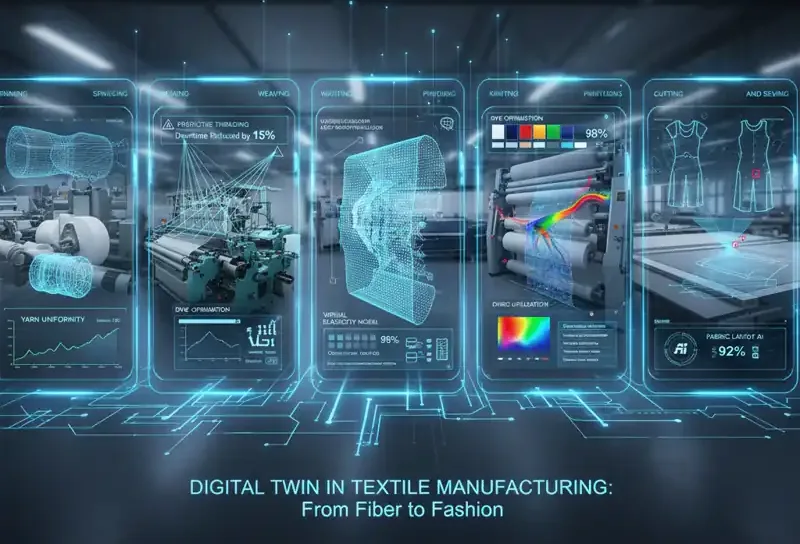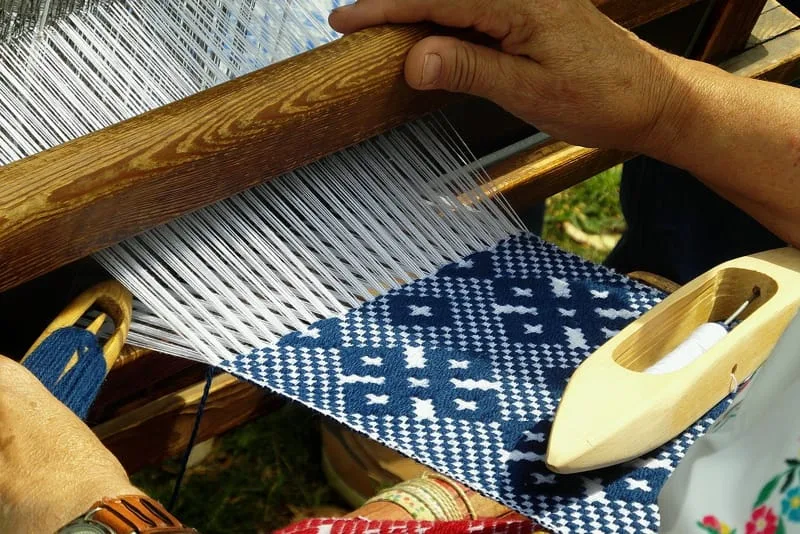
Textiles weave our everyday life, from fashion to industrial applications. Fabric constructions define a textile’s strength, appearance, and functionality. At TextileSchool.com, we dive deep into the art and science behind these constructions. This comprehensive guide uncovers the secrets of textile fabric constructions. We list out diverse methods, trace historical roots, and explore modern innovations. Our journey also reveals market trends, challenges, and future trends. Discover the fascinating evolution of fabric design and production as we bridge ancient techniques with modern digital breakthroughs.
Every fabric tells a story. We explore hand-spun, woven, knitted, and nonwoven techniques that shape our modern world. This guide weaves together historical narratives, technological breakthroughs, and sustainable practices. Whether you are a seasoned professional, a curious student, or an industry enthusiast, this article offers actionable insights and detailed explanations that spark creativity and innovation. Read on to unravel the mystery behind the fabric that clothes us, decorates our homes, and fuels industrial progress.
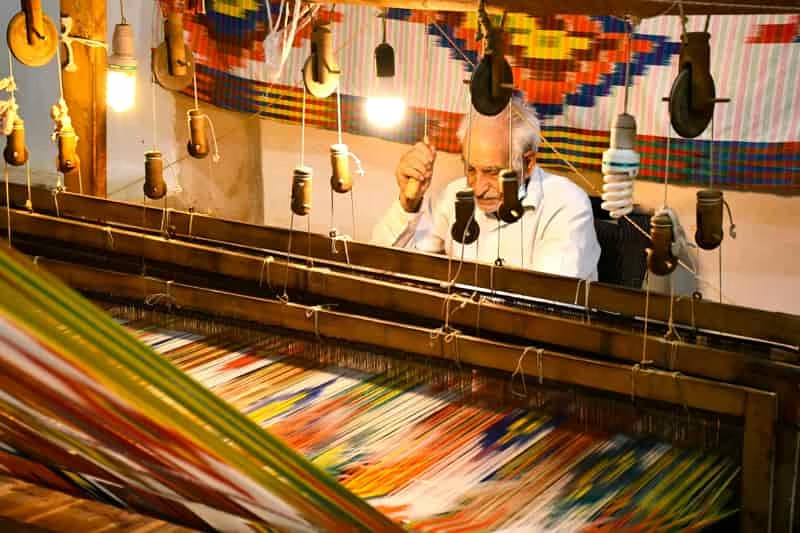
Introduction
Fabric constructions lie at the heart of the textile industry. They determine the properties of the final product and influence design, comfort, and durability. Manufacturers, designers, and engineers refine construction methods to achieve optimal performance. Modern techniques blend centuries-old craftsmanship with digital innovations. Each method influences texture, color, and strength. Understanding these processes helps us appreciate the complexity behind every textile product.
In this guide, we list out the types of textile fabric constructions. We cover traditional weaving, knitting, and nonwoven methods. We also delve into cutting-edge innovations that revolutionize fabric production. This article examines the evolution of these techniques from ancient times to the modern digital era. Our narrative offers a blend of technical details, historical context, and future projections. It is designed to educate, inspire, and empower the global textile community.
History: Weaving Through the Ages
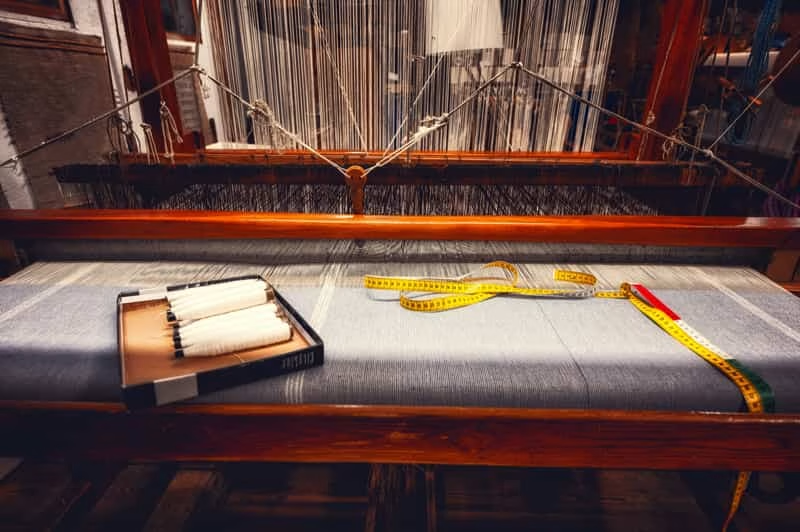
The history of fabric constructions stretches back thousands of years. Early civilizations embraced hand-spinning and hand-weaving techniques. Ancient artisans used simple looms to create durable textiles that held cultural significance. Civilizations in Egypt, China, and India mastered weaving and printing methods. These techniques laid the foundation for modern textile innovations.
As trade and technology evolved, so did fabric construction. The Industrial Revolution introduced mechanized looms and spinning machines. Innovations like the flying shuttle, spinning jenny, and power loom revolutionized production. Mass production transformed local crafts into global industries. This period marked a critical turning point that enabled the textile industry to scale and innovate rapidly.
Below is a timeline table showcasing key milestones in the evolution of fabric constructions:
| Year | Milestone | Impact on Fabric Construction |
|---|---|---|
| 3000 BC | Early hand-weaving in Mesopotamia | Laid the foundation for basic loom technology |
| 2000 BC | Emergence of hand-spinning in India | Transformed raw fibers into yarn, enabling weaving |
| 1500 BC | Advanced weaving techniques in Egypt | Developed intricate patterns and designs |
| 1764 | Invention of the spinning jenny | Accelerated yarn production, boosting fabric availability |
| 1785 | Introduction of the water frame | Mechanized spinning, increasing production scale |
| 1804 | Power loom adoption in Britain | Enabled mass production and standardized quality |
These milestones illustrate the evolution of fabric constructions. Early methods provided the basis for later innovations. Each breakthrough opened new possibilities in quality and speed. The legacy of ancient techniques still influences modern textile production. The story of fabric construction reflects humanity’s endless quest for innovation and beauty.
The narrative of history tells us that tradition and innovation are intertwined. Every modern textile product carries echoes of ancient craftsmanship. The timeless techniques developed by early artisans continue to inspire today’s designers. They remind us that progress builds on the foundations of the past. This historical perspective enriches our understanding of modern fabric constructions.
Technological Evolution: From Looms to Digital Wonders
Modern fabric constructions merge traditional craftsmanship with cutting-edge technology. The journey from manual looms to digital textile printing exemplifies industry progress. Modern machinery now incorporates robotics, sensors, and artificial intelligence. These tools enhance precision and reduce waste in fabric production. Automation ensures consistent quality and faster turnaround times.
Digital technologies enable designers to create complex patterns with ease. Computer-aided design (CAD) software allows for precise control over weave structures. Smart looms equipped with real-time monitoring systems adjust parameters on the fly. These advances have redefined fabric construction, transforming it into an art driven by data. Manufacturers can now produce textiles that are both aesthetically pleasing and functionally superior.
A simplified diagram below illustrates the evolution of fabric production methods:
[Traditional Hand Weaving]
         ↓
[Mechanized Looms & Spinning Machines]
         ↓
[Automated Production Lines]
         ↓
[Digital Textile Printing & Smart Fabric Technologies]
This diagram captures the transformation from rudimentary techniques to sophisticated digital processes. Each stage builds upon the last, creating a seamless transition from past to future. Digital control and monitoring now govern every step, from fiber processing to finishing. These innovations ensure that the final product meets rigorous quality standards.

Technological evolution in fabric constructions has transformed both design and production. Manufacturers adopt lean methodologies and continuous improvement practices. Workers train in digital skills and modern machine operation. This blend of human expertise and technological prowess drives efficiency and quality. The narrative of evolution tells a story of relentless innovation and adaptation.
The transformation in textile technology also spurs environmental benefits. Energy-efficient machines and reduced material waste contribute to sustainable production. Advanced recycling and water treatment systems minimize environmental impact. The industry now balances productivity with ecological responsibility. This dual focus on innovation and sustainability defines the modern textile landscape.
Source and Availability: Raw Materials and Global Supply
Fabric constructions begin with high-quality raw materials. Natural fibers like cotton, wool, silk, and linen coexist with synthetic fibers such as polyester, nylon, and spandex. These materials are sourced from diverse regions worldwide. The availability of these fibers influences fabric quality and market pricing. Global supply chains and modern logistics ensure that manufacturers access the best raw materials.
Farmers and producers play vital roles in this ecosystem. They use advanced agricultural techniques to maximize yield and quality. Sustainable practices and fair trade principles are increasingly important. The textile industry embraces innovations in precision farming and fiber processing. This ensures consistent quality and reliable supply for production.
Below is a table comparing key raw materials used in textile fabric constructions:
| Fiber | Source | Key Properties | Common Applications |
|---|---|---|---|
| Cotton | Natural (Plant) | Soft, breathable, versatile | Apparel, home textiles |
| Wool | Natural (Animal) | Insulating, durable, elastic | Outerwear, carpets |
| Silk | Natural (Insect) | Luxurious, strong, smooth | High-end garments, accessories |
| Polyester | Synthetic | Durable, wrinkle-resistant | Sportswear, industrial fabrics |
| Nylon | Synthetic | Lightweight, high strength | Outdoor gear, hosiery |
| Spandex | Synthetic | Stretchable, resilient | Activewear, lingerie |
This table highlights the diversity of fibers available for fabric constructions. The selection of fiber directly affects the final product’s performance and aesthetics. Manufacturers choose fibers based on durability, comfort, and environmental considerations. Effective sourcing strategies ensure a steady flow of high-quality materials to meet production demands.
Global sourcing connects manufacturers with suppliers across continents. Digital platforms and trade networks streamline procurement and logistics. Blockchain and IoT technologies improve supply chain transparency. These advancements help verify ethical sourcing and quality control. The global market thus benefits from reliable, traceable supply chains that enhance product consistency.
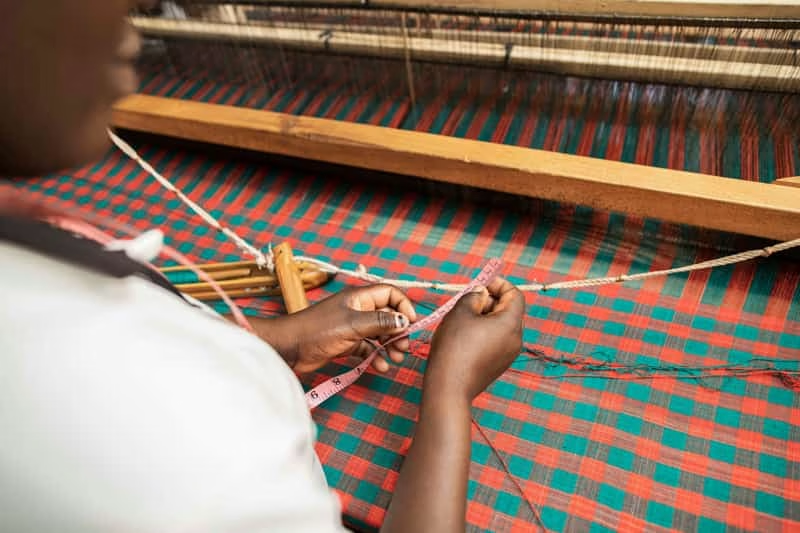
The raw material stage is critical to fabric construction. The right fiber quality sets the foundation for superior textiles. Manufacturers invest in research and partnerships to secure the best sources. This stage reflects the intricate interplay between agriculture, technology, and global commerce. It reinforces the idea that every great fabric starts with excellent raw materials.
Innovations: Pioneering New Frontiers in Fabric Constructions
Innovation drives the textile industry forward. Engineers, designers, and researchers constantly push boundaries to create fabrics with enhanced properties. Breakthroughs in fabric constructions emerge from a blend of tradition and modern science. Innovations such as digital textile printing, smart textiles, and nanotechnology redefine what fabrics can achieve.
Digital textile printing allows for intricate, high-definition designs. This technique offers unmatched customization and reduces material waste. Designers use computer-aided design (CAD) software to produce detailed patterns that traditional methods cannot match. The result is fabric that merges art with advanced technology. Digital printing opens up new avenues for creativity and market differentiation.
Smart textiles incorporate sensors, conductive fibers, and responsive materials. They monitor environmental conditions, adjust to temperature changes, and even track wearer activity. These fabrics find applications in healthcare, sports, and wearable technology. Their multifunctional nature transforms ordinary textiles into interactive experiences. Engineers use embedded electronics to create garments that adapt to user needs.
A simple formula captures the essence of production efficiency innovation:
Efficiency (%) = (Actual Output / Theoretical Maximum Output) x 100
This formula helps manufacturers optimize their production lines. Real-time data analytics and AI-powered systems further refine this calculation. The result is a highly efficient, agile production process that embraces innovation at every step.
Innovative materials also play a crucial role. Nanotechnology enhances fabric properties by integrating nanofibers that increase strength, water resistance, and antimicrobial features. Advanced polymer blends yield textiles that are lightweight yet exceptionally durable. These materials enable the creation of fabrics that perform well under extreme conditions. The continuous evolution of innovative fibers and coatings drives the industry toward sustainable and high-performance solutions.
Collaboration between academia and industry accelerates innovation. Joint research projects yield groundbreaking insights into material science and digital manufacturing. Conferences, webinars, and online forums facilitate knowledge exchange. These collaborative efforts create a fertile environment for innovation. The textile industry thrives on this dynamic synergy of research, development, and practical application.

The narrative of innovation in fabric constructions is one of endless possibility. Each breakthrough builds on decades of research and experimentation. The fusion of tradition with modern technology produces textiles that are both beautiful and functional. As manufacturers continue to explore new frontiers, the future of fabric constructions promises to be more creative, efficient, and sustainable.
Production Process: From Raw Fiber to Finished Textile
The journey from raw fiber to finished textile is a complex, multi-stage process. Each stage adds value and transforms the material. Precision and control govern every step to ensure a high-quality product. The production process intertwines traditional techniques with modern automation and digital monitoring.
It begins with fiber processing. Raw fibers are cleaned, carded, and combed to remove impurities. This preparation aligns the fibers and readies them for spinning. The spinning stage converts these fibers into yarn. Advanced spinning techniques, such as ring spinning and open-end spinning, produce yarns with consistent strength and texture. Skilled operators and state-of-the-art machinery guide this transformation.
Next comes the construction phase. In weaving, two sets of yarn—the warp and the weft—interlace at right angles. In knitting, loops of yarn interlock to form a fabric. Nonwoven processes bond fibers through heat, pressure, or chemicals without traditional interlacing. Each method creates textiles with unique properties. The choice of technique depends on the desired characteristics of the final fabric.
Below is a flowchart summarizing the production process:
[Raw Fiber]
      ↓
[Cleaning & Carding]
      ↓
[Spinning → Yarn Formation]
      ↓
[Fabric Construction (Weaving / Knitting / Nonwoven)]
      ↓
[Dyeing & Finishing]
      ↓
[Quality Control]
      ↓
[Packaging & Distribution]
This flowchart captures the seamless transition from raw material to finished textile. Modern production lines integrate automated systems that monitor variables such as tension, speed, and color consistency. Digital sensors provide real-time feedback to operators. These innovations enhance production speed and minimize waste while maintaining quality standards.
The dyeing and finishing stages transform the fabric’s appearance and functionality. Eco-friendly dyes and finishing agents enhance texture, durability, and color vibrancy. Techniques such as digital printing, embossing, and coating add artistic and practical features to the fabric. Manufacturers continuously improve these processes to achieve greater efficiency and sustainability.
Below is a table outlining key production stages and associated technologies:
| Production Stage | Function | Key Technologies |
|---|---|---|
| Fiber Processing | Clean and align raw fibers | Carding machines, combing devices |
| Spinning | Convert fibers into uniform yarn | Ring spinning, open-end spinning |
| Fabric Construction | Create textile structure | Mechanical looms, knitting machines, nonwoven bonding techniques |
| Dyeing & Finishing | Enhance color, texture, and durability | Digital printers, eco-friendly dyes, coating systems |
| Quality Control | Ensure consistency and standards | Optical sensors, automated inspection |
| Packaging & Distribution | Prepare product for market | Automated packaging systems, logistics software |
Each production stage demands precision, advanced technology, and skilled labor. The interplay between human expertise and automation drives efficiency. Manufacturers use predictive maintenance and real-time analytics to address production challenges swiftly. This integrated approach ensures that every fabric meets high quality and sustainability standards.
Sustainable production practices also emerge throughout the process. Recycling water, using renewable energy, and reducing chemical usage all contribute to eco-friendly textile production. These practices lower environmental impact and enhance product appeal. The evolution of production technology has transformed the textile industry into a model of efficiency and sustainability.
Challenges in Fabric Constructions: Overcoming Industry Hurdles
Despite remarkable progress, the textile industry faces several challenges in fabric constructions. Variability in raw materials, environmental concerns, and technological integration present constant hurdles. Overcoming these obstacles requires innovative strategies, continuous improvement, and agile management.
One major challenge is the inconsistency of natural fibers. Factors like climate, soil conditions, and harvesting techniques can cause significant variability. Manufacturers invest in rigorous quality control and testing. They develop partnerships with reliable suppliers to secure consistent, high-quality fibers. Advanced analytical tools help monitor fiber properties and adjust production parameters accordingly.
Environmental concerns also impact fabric constructions. Textile production consumes substantial water and energy. Chemical dyes and finishing agents can create pollution. In response, manufacturers adopt sustainable practices. They use low-impact dyes, recycle water, and embrace renewable energy. Eco-friendly processes reduce waste and lower the industry’s ecological footprint. These efforts align production with global sustainability goals.
Below is a flowchart depicting the challenge-response cycle in fabric constructions:
[Challenge: Raw Material Variability & Environmental Impact]
         ↓
[Response: Rigorous Testing & Sustainable Practices]
         ↓
[Outcome: Consistent Quality & Reduced Ecological Footprint]
Technological challenges also emerge with digital transformation. Integrating automation and smart systems requires substantial investment and training. Manufacturers must balance the cost of new technologies with the need to remain competitive. Cybersecurity and data management become critical as digital systems handle sensitive production data. Companies adopt robust IT infrastructures and continuous training programs to mitigate these challenges.
Labor shortages and skill gaps further complicate the scenario. As production lines become more advanced, the demand for skilled technicians increases. Manufacturers invest in education and upskilling programs. Collaborations with technical institutes and universities help bridge the skills gap. These initiatives ensure that the workforce can effectively manage and maintain cutting-edge production technologies.
Cost pressures and global competition intensify these challenges. Fluctuating raw material prices and volatile market demands force manufacturers to optimize every process. Lean manufacturing principles and predictive analytics help reduce waste and control costs. Strategic sourcing and agile production planning become critical in sustaining competitiveness. These efforts allow companies to adapt to market fluctuations and economic uncertainties.
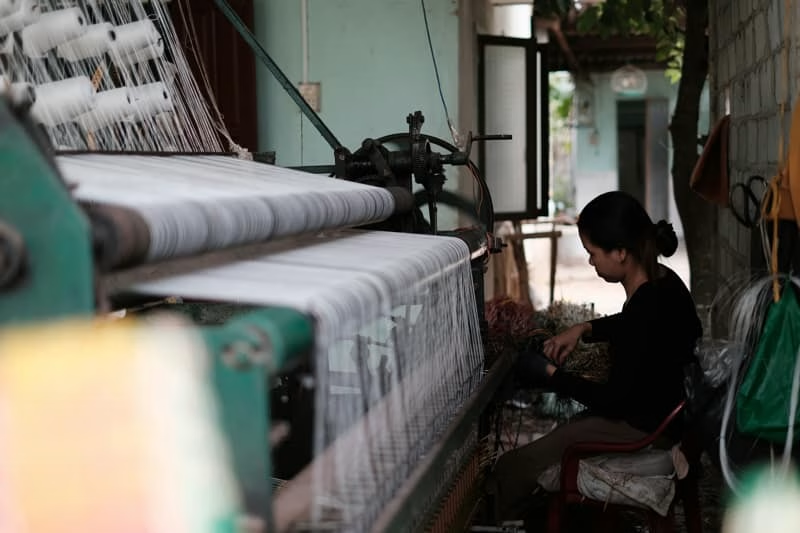
The narrative of challenges in fabric constructions underscores the need for resilience and continuous innovation. Every obstacle presents an opportunity for improvement. Manufacturers who embrace new technologies, sustainable practices, and effective workforce training can overcome these hurdles. The industry’s ability to adapt and innovate remains its greatest strength.
Real-World Applications: Fabric Constructions in Action
Fabric constructions influence countless aspects of our daily lives. Their applications span the fashion industry, home textiles, automotive interiors, medical textiles, and industrial products. Real-world examples demonstrate how innovative constructions improve product performance and enhance user experience.
In the fashion industry, designers rely on advanced weaving and knitting techniques to create garments that blend style with comfort. High-end designers use jacquard weaving to produce intricate patterns and luxurious textures. Digital textile printing allows for customizable, one-of-a-kind designs. Consumers enjoy clothing that marries artistic flair with high performance.
Home textiles also benefit from modern fabric constructions. Upholstery, curtains, bedding, and carpets require durable and aesthetically pleasing fabrics. Manufacturers utilize eco-friendly fibers and sustainable dyeing processes to produce textiles that last. Innovations in fabric technology have improved stain resistance, durability, and ease of maintenance. These advancements translate into enhanced comfort and long-term value for consumers.
Industries like automotive and aerospace rely on fabric constructions that deliver both strength and lightweight performance. Reinforced composite fabrics improve fuel efficiency and safety in vehicles. Advanced materials are integrated into interior components for enhanced aesthetics and functionality. Engineers develop textiles that withstand extreme conditions while maintaining superior performance.
In the medical field, specialized fabric constructions have revolutionized patient care. Antimicrobial and breathable fabrics create comfortable surgical gowns and wound dressings. Smart textiles embedded with sensors monitor patient health and vital signs. These innovations not only improve clinical outcomes but also elevate patient comfort and safety.
A diagram below illustrates the ecosystem of real-world textile applications:
[Apparel & Fashion]
         ↓
[Home Textiles]
         ↓
[Automotive & Aerospace]
         ↓
[Medical & Industrial Textiles]
Case studies provide tangible examples of these applications. One major sportswear brand adopted advanced knitting techniques to create moisture-wicking and stretchable fabrics that enhanced athletic performance. Another home textile manufacturer introduced eco-friendly upholstery that combined durability with sophisticated design. These case studies highlight how fabric constructions directly influence product quality and consumer satisfaction.
Manufacturers across sectors leverage these innovations to address specific challenges. Textile engineers develop hybrid constructions that offer the benefits of multiple techniques. This approach yields fabrics that are adaptable, multifunctional, and resilient. The interplay between research, design, and production drives real-world applications that improve our everyday lives.
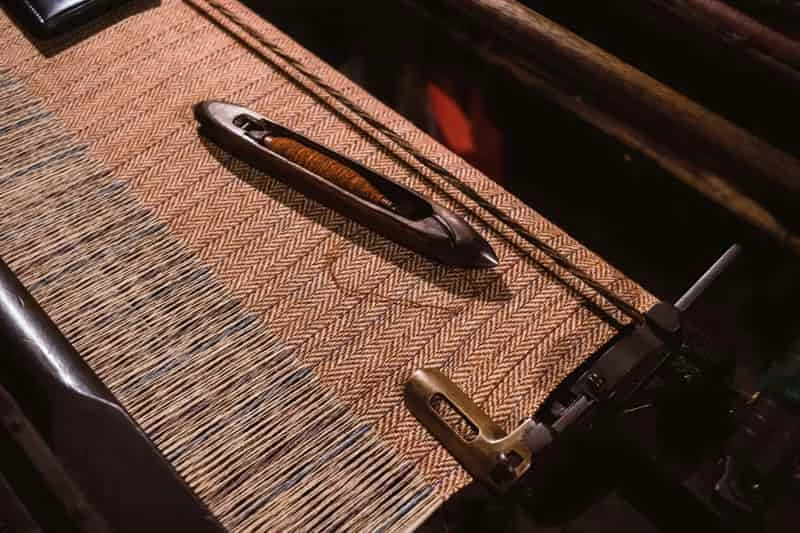
The narrative of real-world applications connects technical innovation with tangible benefits. Every textile product in use today reflects decades of innovation and adaptation. Manufacturers continue to push the boundaries of fabric constructions to meet the evolving needs of various industries. This dynamic interplay of design, technology, and application fuels ongoing growth in the textile sector.
Types of Textile Fabric Constructions: An In-Depth List
The world of textile fabric constructions is incredibly diverse. Various methods produce fabrics with distinct properties, suited for different applications. In this section, we list and explain the primary types of textile fabric constructions. This list provides insights into traditional techniques and modern innovations that shape our textiles.
Woven Fabrics
Woven fabrics are the most common type of textile construction. They form when two sets of yarns—warp and weft—interlace at right angles. This method creates fabrics with high stability and durability.
- Plain Weave:
The simplest form, where yarns cross alternately. It produces a balanced, durable fabric. Plain weave is common in clothing and home textiles. - Twill Weave:
Characterized by diagonal lines on the fabric surface, twill weave offers improved drape and strength. It is popular in denim and suiting. - Satin Weave:
Features a smooth, lustrous surface with long floats. Satin weave is ideal for luxury garments and elegant drapery. - Jacquard Weave:
Utilizes complex loom mechanisms to produce intricate, multicolored patterns. Jacquard fabrics are prized for their decorative appeal.
Knitted Fabrics
Knitted fabrics result from interlocking loops of yarn. They provide stretchability, softness, and excellent comfort.
- Weft Knitting:
Yarns form loops across rows, creating a flexible and breathable fabric. It is widely used in apparel, especially for t-shirts and sportswear. - Warp Knitting:
Yarns form loops along the fabric’s length. Warp knitted fabrics offer high strength and stability, making them suitable for technical textiles and industrial applications.
Nonwoven Fabrics
Nonwoven fabrics are produced by bonding fibers together without traditional interlacing. They offer unique properties such as high absorbency and strength.
- Spunbond:
Fibers are extruded and laid randomly, then bonded with heat or chemicals. Spunbond fabrics are common in medical textiles and hygiene products. - Meltblown:
Produces extremely fine fibers ideal for filtration and insulation applications. - Hydroentangled (Spunlaced):
Uses high-pressure water jets to entangle fibers. Hydroentangled fabrics are versatile and used in wipes, geotextiles, and more.
Composite and Hybrid Constructions
Composite fabrics combine two or more construction methods. They blend the advantages of different techniques to achieve superior performance.
- Laminated Fabrics:
Layers of woven or knitted fabric are bonded with films or membranes. Laminated fabrics offer water resistance and enhanced durability. - Interlock Constructions:
Combine features of woven and knitted fabrics. They provide strength, flexibility, and unique aesthetic qualities.
Below is a table summarizing the primary types of textile fabric constructions:
| Construction Type | Method | Key Features | Common Applications |
|---|---|---|---|
| Plain Weave | Interlacing warp and weft yarns | Durable, balanced, simple | Apparel, home textiles, industrial use |
| Twill Weave | Diagonal interlacing pattern | Strong, drapey, textured | Denim, suiting, upholstery |
| Satin Weave | Long floats with minimal interlacing | Smooth, lustrous, elegant | Luxury garments, formal wear |
| Jacquard Weave | Computerized, complex patterns | Intricate, multicolored, decorative | High-end decor, designer fabrics |
| Weft Knitting | Interlocking loops across rows | Stretchable, breathable, soft | T-shirts, sportswear, casual wear |
| Warp Knitting | Loops along the fabric length | Stable, strong, less stretchable | Technical textiles, industrial applications |
| Spunbond (Nonwoven) | Bonded extruded fibers | Lightweight, high absorbency | Medical textiles, hygiene products |
| Meltblown (Nonwoven) | Fine fiber extrusion | Excellent filtration, insulating | Air filters, insulation, medical use |
| Hydroentangled (Nonwoven) | Water jet entanglement | Versatile, soft, durable | Wipes, geotextiles, automotive interiors |
| Laminated Fabrics | Bonded fabric layers | Water-resistant, durable, composite | Outdoor gear, protective clothing |
| Interlock Constructions | Combination of weaving and knitting | Unique texture, enhanced performance | Hybrid technical textiles, fashion blends |
This list encapsulates the diversity of textile fabric constructions. Each method brings unique properties that cater to various functional and aesthetic requirements. Designers and manufacturers select construction types based on performance criteria, market demand, and environmental considerations.
The narrative of textile constructions celebrates the interplay of art and science. Traditional techniques inspire modern innovations that continue to evolve. The versatility of fabric constructions fosters creativity in fashion, technical applications, and sustainable design. By understanding these types, industry professionals can innovate and excel in a competitive market.
End-Users: Who Benefits from Advanced Fabric Constructions?
The impact of fabric constructions extends to a wide range of end-users. The textile industry serves diverse markets, each with unique requirements and expectations. End-users include fashion designers, industrial manufacturers, healthcare providers, and home textile producers.
Fashion designers rely on advanced fabric constructions to create garments that combine beauty with functionality. They demand textiles that drape well, offer comfort, and support intricate designs. Designers often experiment with innovative weaves and hybrid constructions. Digital textile printing and jacquard techniques empower them to produce one-of-a-kind creations that resonate with modern trends.
Home textile manufacturers also depend on superior fabric constructions. Durable and aesthetically pleasing fabrics drive product success in upholstery, bedding, and curtains. Sustainable materials and eco-friendly dyeing processes add further value. Consumers appreciate home textiles that blend durability with style. Manufacturers meet these needs by employing advanced woven, knitted, and laminated constructions.
The automotive and aerospace industries seek fabrics that are lightweight yet strong. Reinforced composites and technical textiles enhance safety and performance. These sectors invest in materials that withstand extreme conditions. Advanced fabric constructions contribute to fuel efficiency and durability in interior components. Engineers design textiles that combine resilience with modern aesthetics.
In healthcare, specialized fabric constructions play a vital role. Medical textiles require properties such as antimicrobial activity, breathability, and softness. Innovations in nonwoven and smart textile constructions have revolutionized patient care. From surgical gowns to wound dressings, these textiles improve safety and comfort. Hospitals and clinics benefit from fabrics that promote hygiene and support recovery.
Industrial end-users, such as those in filtration, geotextiles, and packaging, require fabrics that perform under challenging conditions. Nonwoven constructions offer high functionality in terms of strength and absorbency. The adaptability of advanced fabric constructions meets the rigorous demands of industrial applications. Engineers use these textiles to develop solutions that address specific technical challenges.
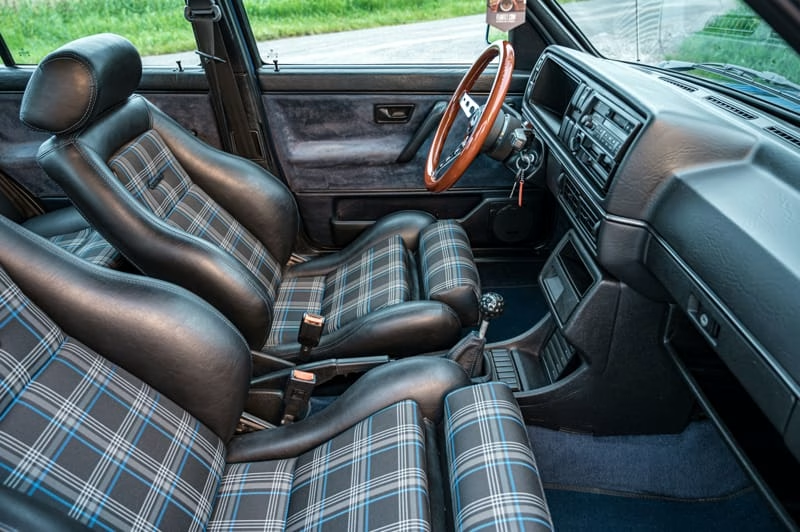
The narrative of end-users highlights the broad impact of fabric constructions. Every innovation in textile technology directly benefits consumers and industries alike. Manufacturers, designers, and engineers work together to tailor fabric constructions to meet specific end-user needs. This collaborative ecosystem drives continuous improvement and market expansion.
Market Dynamics: Trends and Global Impact
The textile market thrives on continuous change and innovation. Market dynamics reflect shifting consumer preferences, technological advancements, and global supply chain integration. Fabric constructions play a critical role in defining product quality and market competitiveness.
Consumers increasingly demand textiles that are durable, sustainable, and aesthetically appealing. The rise of fast fashion has accelerated production cycles and emphasized quality. Manufacturers invest in digital technologies and lean production practices to meet these demands. Data analytics, AI-powered systems, and automation drive efficiency and consistency. Market participants adopt innovative fabric constructions to gain a competitive edge.
Global trade further influences market dynamics. Manufacturers source raw materials from diverse regions and cater to international consumers. Transparent supply chains, enhanced by blockchain and IoT technologies, ensure product traceability and ethical sourcing. This transparency builds consumer trust and supports market expansion. Regulatory frameworks and sustainability certifications also shape market behavior.
Below is a chart summarizing recent trends in the textile market:
Year      Growth Rate (%)      Key Trends
2019      3.0                  Emphasis on sustainability and quality
2020      2.5                  Digital transformation and lean production
2021      3.8                  Rise of smart textiles and customization
2022      4.0                  Global supply chain integration and ethical sourcing
2023      4.3                  Increased focus on eco-friendly processes
This chart illustrates the dynamic nature of the textile market. Each year brings new challenges and opportunities. Manufacturers continuously adapt to meet evolving demands and technological shifts. The integration of advanced fabric constructions remains a key factor in driving market success.
Economic fluctuations, geopolitical events, and environmental challenges add complexity to the market. Manufacturers face pressures from rising raw material costs and volatile consumer trends. Agile supply chain management and proactive planning help mitigate these risks. Strategic investments in technology and workforce training enable companies to stay competitive. Data-driven decision-making supports efficient production and market responsiveness.
Marketing strategies also evolve with digital trends. Social media, e-commerce platforms, and influencer collaborations play significant roles in shaping consumer perceptions. Brands leverage digital storytelling to highlight the quality and uniqueness of their fabric constructions. These narratives resonate with modern consumers, who value transparency, sustainability, and innovation.
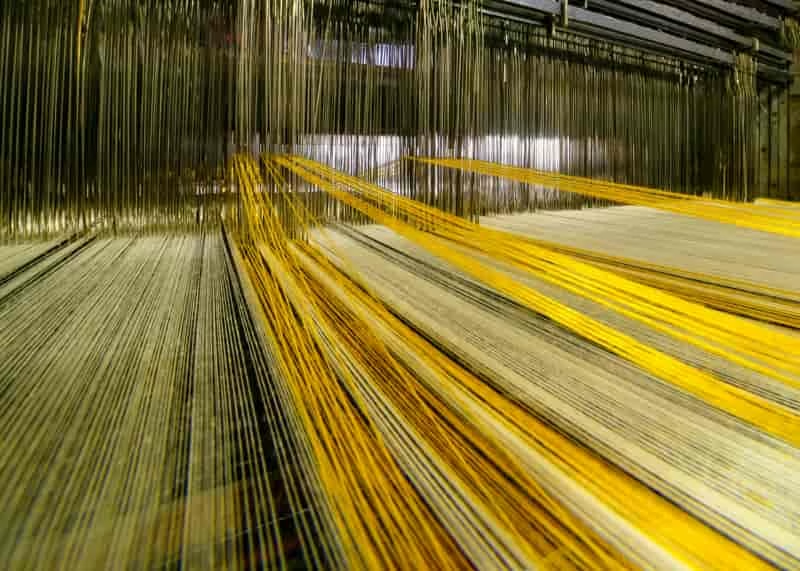
The narrative of market dynamics underscores the importance of innovation and adaptability. As consumer expectations evolve, the demand for high-quality, sustainable textiles grows. Manufacturers who invest in advanced fabric constructions and digital technologies position themselves for long-term success. The global market continues to expand, driven by continuous innovation and strategic planning.
Future Trends: Shaping the Next Generation of Fabric Constructions
The future of textile fabric constructions promises exciting transformations. Emerging technologies and sustainability imperatives drive the next wave of innovation. Manufacturers envision fabrics that are smarter, greener, and more responsive to user needs. Digital transformation and advanced material science set the stage for a new era in textile production.
Artificial intelligence and machine learning will further optimize production processes. AI-driven systems monitor every stage of fabric construction. They predict maintenance needs, reduce waste, and enhance product quality. These technologies transform traditional production lines into agile, data-driven operations. Manufacturers can achieve higher efficiency and consistency through digital innovation.
Blockchain and IoT devices will enhance supply chain transparency. These systems enable end-to-end tracking of raw materials and finished products. Consumers will have complete visibility into the production journey. This transparency fosters trust and supports ethical sourcing. The digital ecosystem will streamline logistics and ensure timely delivery of quality textiles.
Nanotechnology will revolutionize fabric properties. Researchers develop nanofibers that enhance strength, durability, and water resistance. Advanced polymer blends create textiles that are lightweight yet robust. Nanotech-enhanced fabrics hold potential in applications ranging from sportswear to aerospace. These innovations set new benchmarks for performance and sustainability.
A formula used by some companies to forecast growth captures future trends:
Future Growth (%) = (Innovation Index x Market Adaptability) / Resource Sustainability
This formula encapsulates the interplay of innovation, adaptability, and sustainability. Manufacturers will use data analytics and real-time monitoring to drive continuous improvement. Investments in research and development will yield breakthroughs in fabric performance. The focus on sustainable practices will drive eco-friendly production methods and materials.
Digital design and manufacturing technologies continue to reshape the industry. Virtual reality (VR) and augmented reality (AR) tools enable designers to visualize and prototype fabrics in immersive environments. These technologies shorten development cycles and enhance creative collaboration. Collaborative platforms facilitate global teamwork, ensuring that ideas flow seamlessly from concept to production.
Sustainability remains a cornerstone of future trends. Manufacturers embrace circular economy models and eco-friendly practices. Recycling, upcycling, and the use of renewable energy reduce environmental impact. Innovations in sustainable dyeing and finishing further drive the industry toward greener practices. Consumer demand for ethically produced textiles will only grow stronger, shaping future market dynamics.
The narrative of future trends paints a picture of boundless possibility. Manufacturers, designers, and researchers work together to create textiles that are not only functional but also environmentally responsible. The next generation of fabric constructions will feature interactive, adaptive, and resilient materials. As the industry embraces technological advances and sustainable practices, the future of textiles shines bright with promise.
Summary and Conclusion
The evolution of textile fabric constructions reflects a rich tapestry of innovation, tradition, and modern technology. We explored the journey from ancient hand-weaving techniques to advanced digital textile printing and smart fabrics. Historical milestones reveal the evolution of techniques that laid the foundation for today’s diverse fabric constructions.
Technological evolution has transformed production processes. Automation, digital monitoring, and AI-powered systems have revolutionized how textiles are produced. Modern machinery and sustainable practices ensure high quality, efficiency, and reduced environmental impact. Raw material sourcing and global supply chain innovations further support this transformation.
Innovations in fabric constructions have redefined product performance. Digital printing, smart textiles, and nanotechnology enable fabrics that are both beautiful and functional. Real-world applications in fashion, home textiles, automotive interiors, and medical textiles demonstrate the practical benefits of these advancements. The diverse types of fabric constructions—from woven and knitted to nonwoven and laminated—cater to a wide array of market needs.
Market dynamics reveal a vibrant ecosystem influenced by global trends and consumer demand. Manufacturers face challenges such as raw material variability and environmental concerns, but they overcome these obstacles through innovation and sustainable practices. The future holds exciting prospects, with emerging technologies and digital transformations set to drive the next generation of fabric constructions.
In conclusion, fabric constructions lie at the heart of the textile revolution. The fusion of traditional craftsmanship with modern digital innovations creates textiles that are both resilient and refined. As the industry evolves, manufacturers and designers continue to push the boundaries of creativity and sustainability. This guide serves as a roadmap for industry professionals, students, and enthusiasts eager to explore the dynamic world of textile fabric constructions.