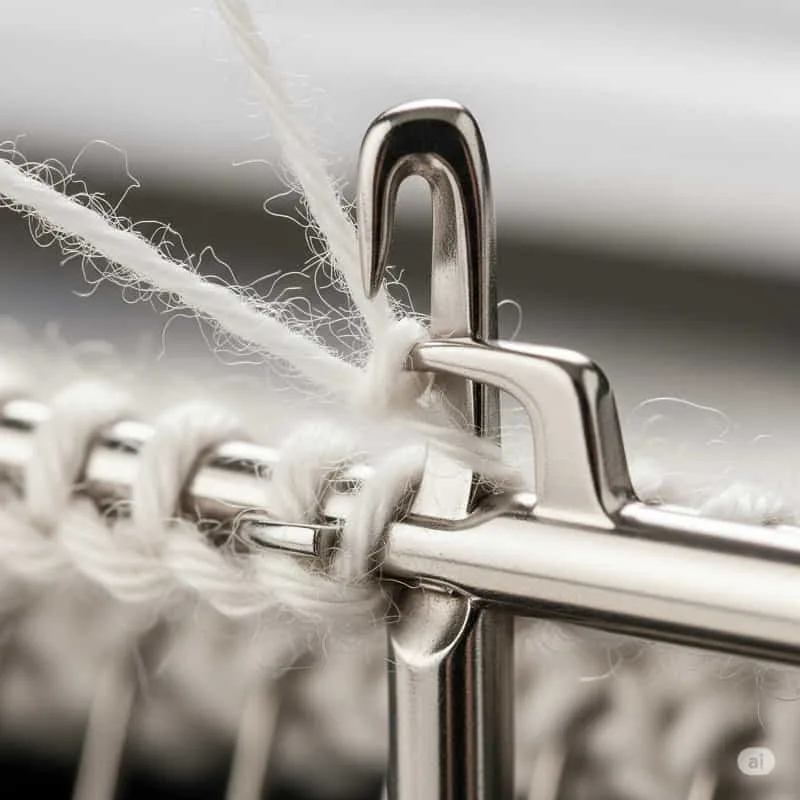
Knitting
Covers fabric constructions from woven and knitted to nonwovens and composites. Details GSM, cover factor, drape, air permeability, pilling resistance, and handle. Includes test methods and how structure drives performance. This section explains practical decision criteria, typical test methods, and failure modes that matter in real production. Readers get checklists, calculation steps, and case examples connecting specifications to cost, reliability, and compliance. Links map core concepts to upstream inputs and downstream processes so choices remain consistent across sourcing, manufacturing, and end-use performance. Each article includes definitions, diagrams where helpful, and plain-language notes to help newcomers ramp quickly while giving experienced professionals the depth needed to troubleshoot and optimize. Standards references are cited with context, and whenever trade-offs exist, we make them explicit so you can defend decisions.

Resources & General
Different fabrics are used differently. They are specially made to fulfill certain purposes.
Article
Manmade Fiber
Fabrics are classified by construction (woven, knitted, nonwoven) and by fibre. An A to Z of 88 fabric types with pictures, fibres, weights and uses.
Article

Fabric
The major methods for fabric manufacture are weaving and knitting. Weaving, or interlacing yarns, is the most common process used to create fabrics.
Article

Finishing
Various wet processing techniques are used after weaving and knitting of fabrics such as Singing, Desizing, Scouring, Bleaching, Mercerizing etc.
Article
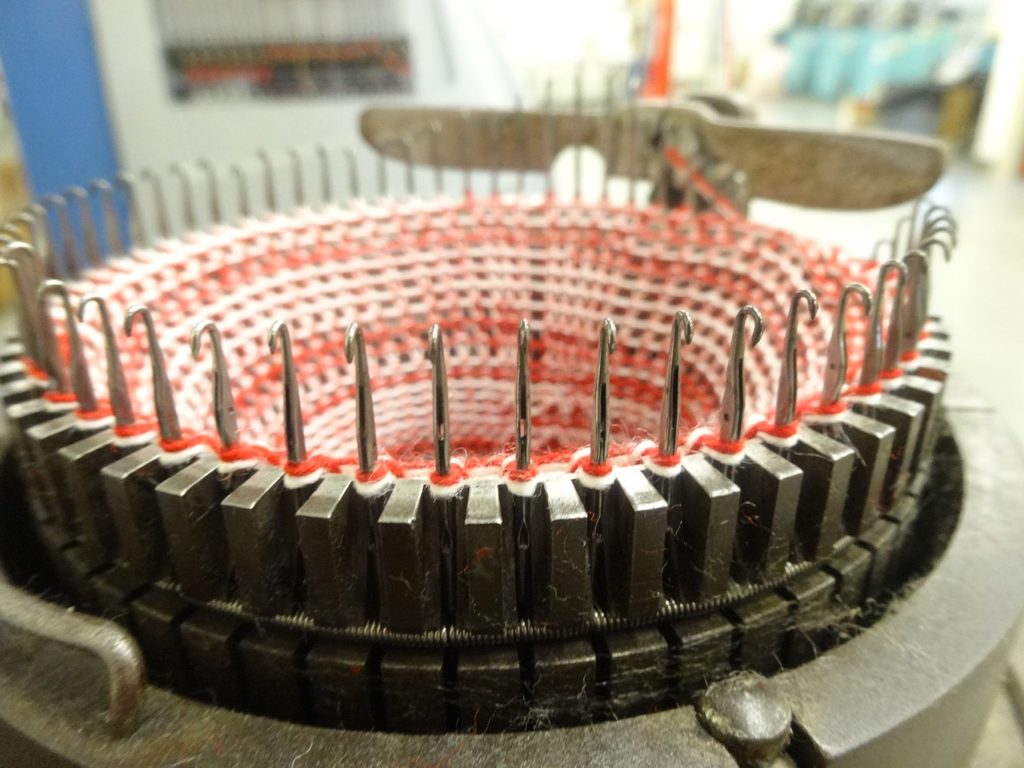
Knitting
Knitting is a method by which thread or yarn may be turned into cloth. Knitting consists of consecutive loops, called stitches. As each row progresses, a new loop is pulled through an existing loop. The active stitches are held on a needle until another loop can be passed through them. Basically there are two types of knitting which are weft knitting, versus wrap knitting and another type is flat knitting versus circular knitting.
Article
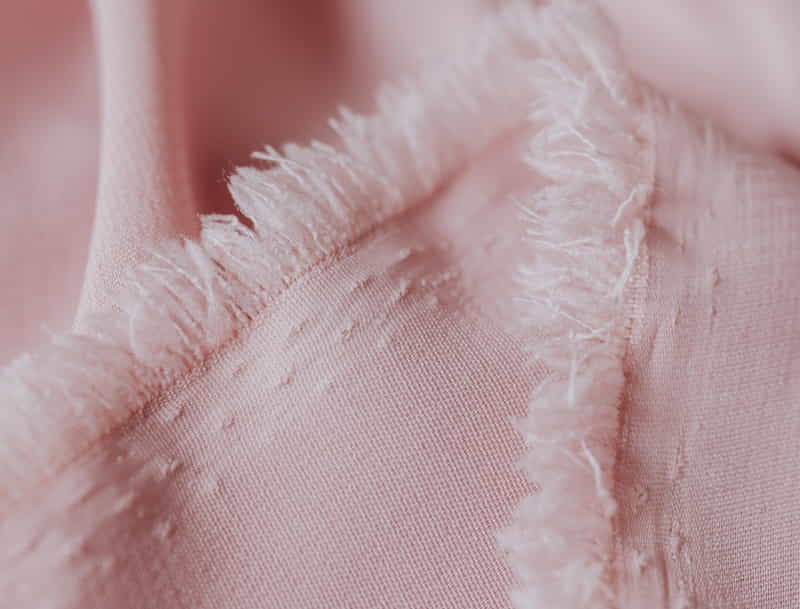
Weaving
Selvedges, often spelled as “selvages,” refer to the finished edges of woven fabrics. These edges are an integral part of the fabric structure and serve several important purposes in the weaving process and the final textile product.
Article

Weaving
The weft stop motion controls the correct insertion of the weft into the shed. Warp and weft stop motions will stop the loom most immediately when a warp end or a pick breaks off. It avoids the faults disturbing the fabric surface. It helps not degrading the fabric quality. The feeders are supplied together with various outfits and adjustment possibilities, which vary according to the yarn type and count and to the insertion system used.
Article
Every record in these registers was sent in by somebody. Submissions are reviewed before they are published.
1,496 machines in the register.Tell us about a missing one 306 event series in the register.Submit a trade fair or conference 3,038 standards tracked in the register.Get the changes by email each week