
End-use Textiles
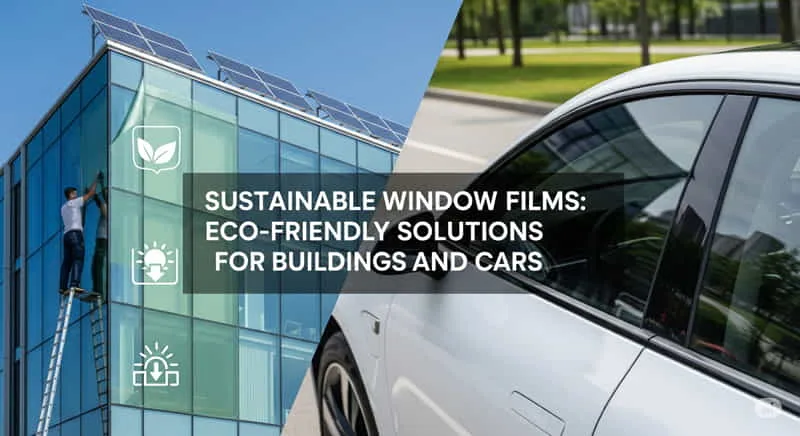
Sustainable Window Films: Eco-Friendly Solutions for Buildings and Cars
Discover sustainable window films for buildings and cars, their energy-saving benefits, and eco-friendly innovations reducing environmental impact.
Article
Decarbonization, water, waste, and circularity with measurable KPIs. This section explains practical decision criteria, typical test methods, and failure modes that matter in real production. Readers get checklists, calculation steps, and case examples connecting specifications to cost, reliability, and compliance. Links map core concepts to upstream inputs and downstream processes so choices remain consistent across sourcing, manufacturing, and end-use performance. Each article includes definitions, diagrams where helpful, and plain-language notes to help newcomers ramp quickly while giving experienced professionals the depth needed to troubleshoot and optimize. Standards references are cited with context, and whenever trade-offs exist, we make them explicit so you can defend decisions. The coverage also includes metrics, data tables, and example calculations so results are reproducible. Where regulations apply, we highlight jurisdiction, scope, and verification pathways. Tools and templates are provided to speed up daily work without sacrificing rigor.
End-use Textiles
Discover sustainable window films for buildings and cars, their energy-saving benefits, and eco-friendly innovations reducing environmental impact.
Article
End-use Textiles
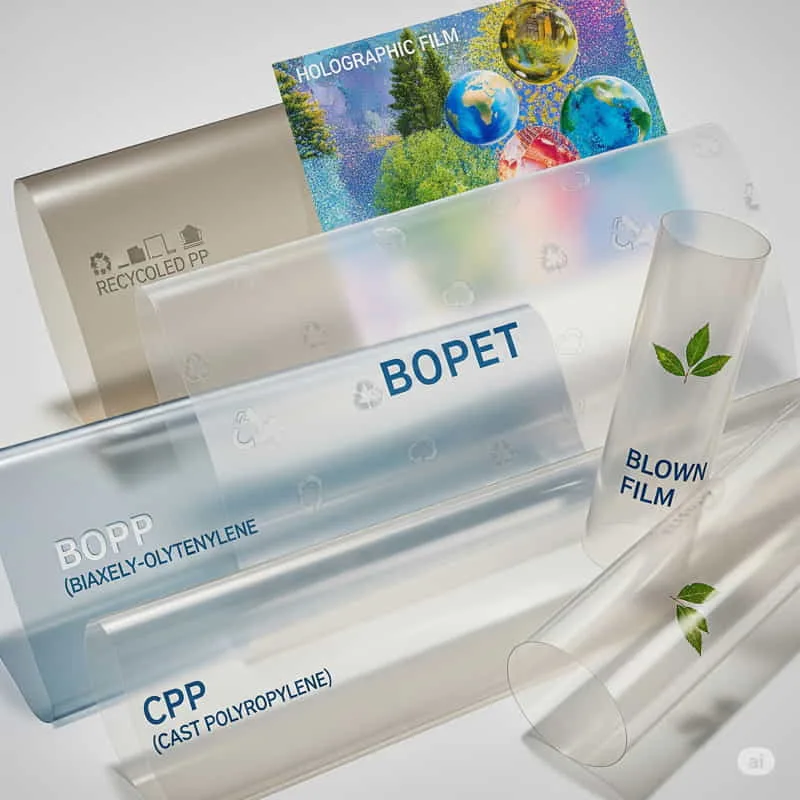
Explore eco-friendly plastic films like BOPET, BOPP, CPP, blown, and holographic films, their sustainable innovations, and global impact on green packaging.
Article
End-use Textiles
Explore sustainable polypropylene (PP) films, their eco-friendly production, applications, and role in reducing environmental impact in packaging and beyond.
Article
End-use Textiles
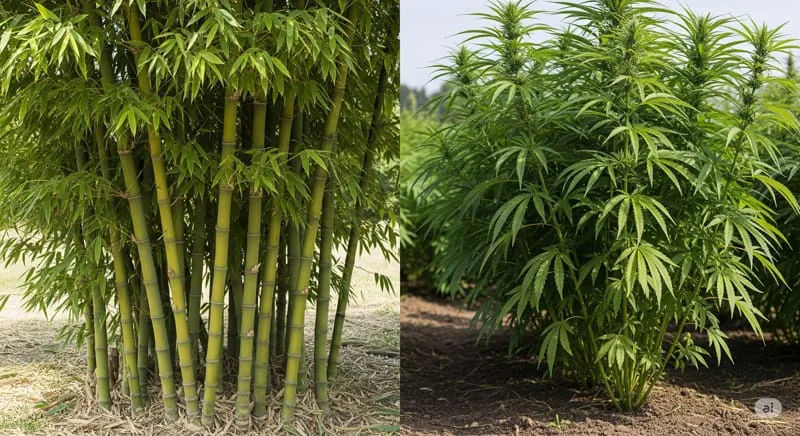
Hemp is a natural bast fibre; most bamboo fabric is viscose made with carbon disulfide. Label names in the US, Canada and EU, and what the LCAs show.
Article
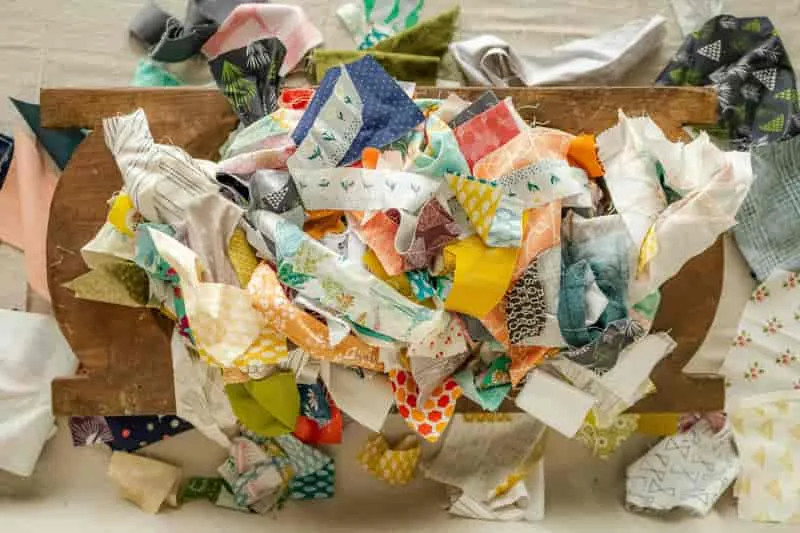
End-use Textiles
Textile waste is no longer just a landfill burden—it’s a potential energy resource. This in-depth article explores how fabric scraps and used clothing can be transformed into electricity, biofuels, and more through advanced waste-to-energy technologies.
Article
End-use Textiles
Closed-loop textile recycling systems are revolutionizing sustainable textile manufacturing by converting discarded textiles into new, high-quality materials for repeated use. Employing mechanical, chemical, and biological methods, these systems minimize waste, reduce reliance on virgin resources, and address the industry’s significant environmental footprint. With innovations from companies like Renewcell and Evrnu, closed-loop recycling is poised to transform the textile industry, though challenges like cost and scalability remain.
Article

End-use Textiles
India’s sustainable textile initiatives, like the SusTex project, promote eco-friendly production, reducing environmental impact and setting global benchmarks.
Article
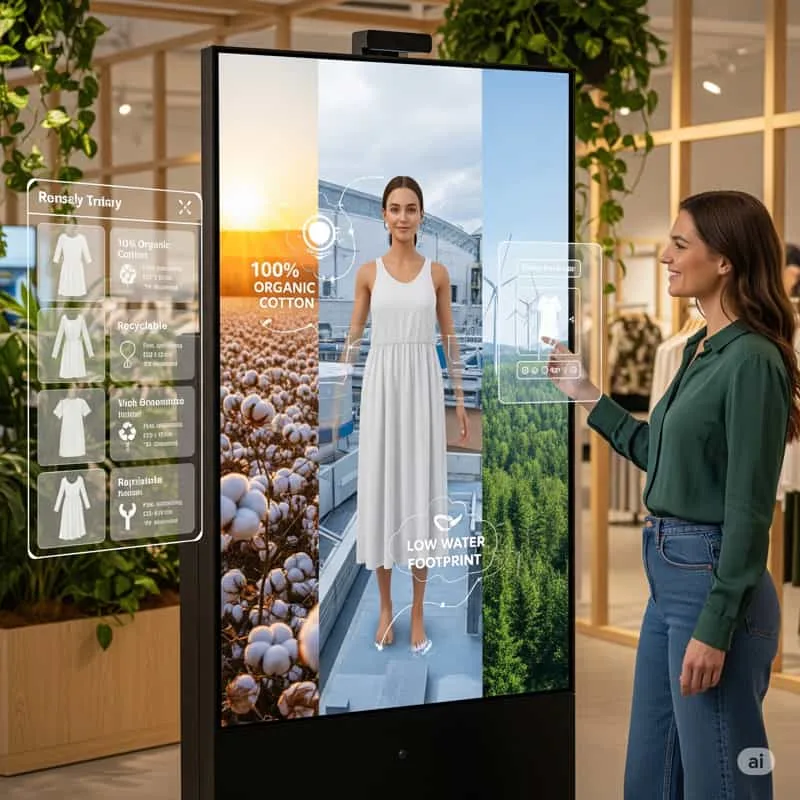
End-use Textiles
Explore virtual try-on technology for apparel, enhancing sustainability, personalization, and consumer engagement while reducing textile waste and returns.
Article
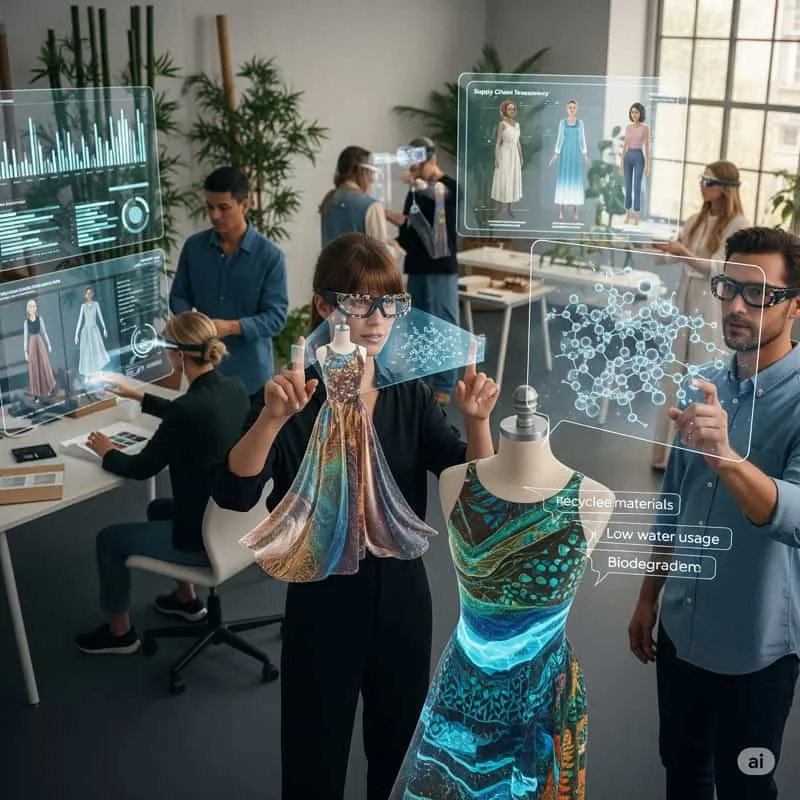
End-use Textiles
Discover how augmented reality in textile design enhances creativity, reduces waste, and delivers immersive, sustainable experiences for eco-friendly fashion.
Article
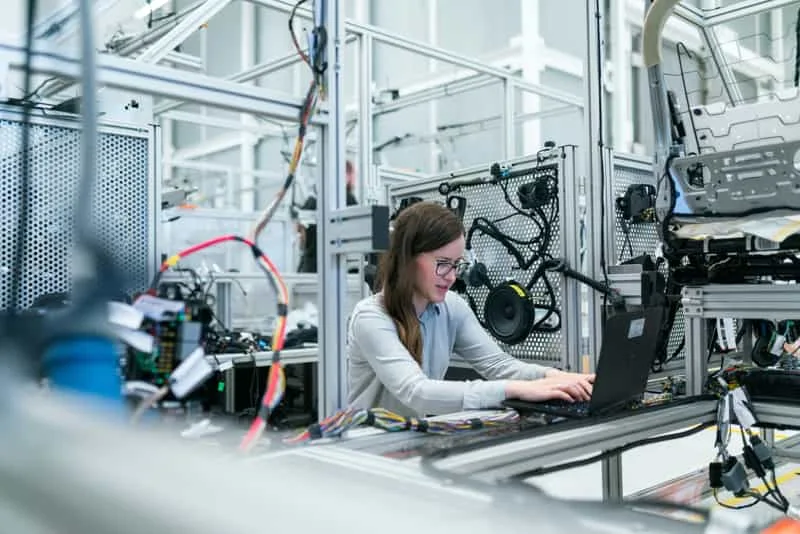
End-use Textiles
Explore predictive maintenance in textile machinery, leveraging AI, IoT, and digital twins to reduce downtime, waste, and emissions for eco-friendly fashion.
Article
Every record in these registers was sent in by somebody. Submissions are reviewed before they are published.
3,388 machines in the register.Tell us about a missing one 795 event series in the register.Submit a trade fair or conference 3,047 standards tracked in the register.Get the changes by email each week