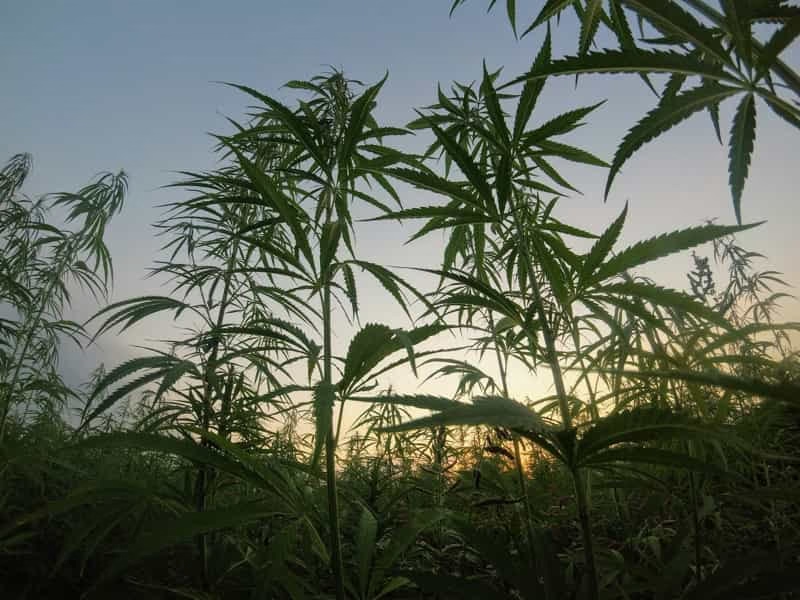
Industrial hemp has emerged as one of the most sustainable and versatile natural fibers in modern textile production. Known for its strength, durability, and minimal environmental impact, hemp is now cultivated on an industrial scale for applications ranging from apparel and home textiles to composite materials and technical fabrics. This article provides a detailed exploration of the entire process of industrial hemp yarn production—from field to finished yarn—and highlights best practices, technological innovations, and market trends.
1. Introduction
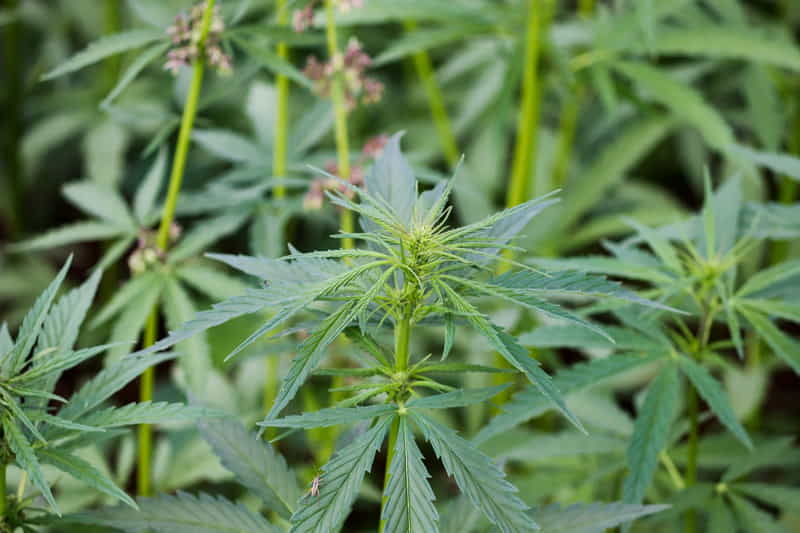
Industrial hemp, a variety of Cannabis sativa L. cultivated for fiber rather than psychoactive properties, offers tremendous potential for sustainable textile production. Hemp fibers are extracted from the plant’s stalk and processed into yarn, which is then used to create high-performance fabrics. The process is complex, involving a series of critical steps, from cultivation and harvesting to retting, decortication, fiber preparation, spinning, and finishing.
The renewed interest in industrial hemp is driven by increasing environmental awareness, regulatory support, and consumer demand for eco-friendly textiles. Hemp requires fewer chemical inputs and less water compared to conventional fibers like cotton, making it an ideal candidate for sustainable production. Manufacturers are now integrating state-of-the-art technologies to improve fiber extraction and yarn quality while maintaining low production costs.
Innovative processing techniques and quality control systems have transformed hemp from a traditional crop into a modern industrial resource.
2. Historical Background of Hemp in Textile Production
2.1 Early Use of Hemp Fibers
The use of hemp fibers dates back thousands of years. Ancient civilizations in Asia, Europe, and the Americas recognized hemp for its strength and versatility. Archaeological findings reveal that hemp was used to produce ropes, sails, and coarse fabrics. Historical records indicate that hemp played a vital role in trade, warfare, and everyday life.
Early processing methods were manual and labor-intensive. Farmers harvested hemp by hand, and local artisans used simple tools to extract fibers. Traditional retting methods—whereby hemp stalks were exposed to moisture and natural bacteria—allowed the separation of the long fibers from the woody core. These early techniques laid the foundation for modern industrial processing.
2.2 Evolution to Industrial Scale
The Industrial Revolution brought significant changes to hemp processing. Mechanization allowed for the scaling up of fiber extraction, and innovations in decortication and spinning enabled higher yields and improved yarn quality. By the early 20th century, hemp had become a major industrial crop in Europe and North America. Despite temporary declines due to regulatory challenges, renewed interest in sustainable agriculture has spurred a modern renaissance in industrial hemp production.
Advances in biotechnology, agricultural practices, and machinery have modernized every step of the hemp yarn production chain. This historical evolution demonstrates how traditional practices can be enhanced by contemporary innovations to meet the demands of a global market.

3. Botanical and Chemical Composition of Hemp
3.1 Botanical Characteristics
Hemp (Cannabis sativa L.) is an annual herb that grows rapidly and is known for its robust, fibrous stalks. The plant consists of several parts:
- Bast (phloem) fibers: Located in the outer bark, these are long, strong fibers used in textile production.
- Core (woody) fibers: The inner part of the stalk, which is typically used for other industrial applications.
- Leaves and seeds: Although not used for yarn, these parts have nutritional and industrial applications.
The quality of hemp fibers depends on various factors, including the variety of hemp, cultivation conditions, and harvesting time. Optimal growth conditions and proper harvesting techniques maximize the fiber yield and quality.
3.2 Chemical Composition
The chemical composition of hemp fibers is critical for understanding their properties and processing behavior. The primary components include:
- Cellulose: 70–74%; provides strength and rigidity.
- Hemicellulose: 15–20%; contributes to flexibility.
- Lignin: 5–8%; impacts fiber stiffness and processing difficulty.
- Pectin and other substances: 3–7%; assist in fiber binding and are removed during retting.
These percentages are similar to those found in other bast fibers and determine the fiber’s tensile strength, moisture regain, and overall processability. Analytical techniques such as Fourier-transform infrared spectroscopy (FTIR) and X-ray diffraction (XRD) are used to assess these properties.
A basic formula used in fiber analysis is the Crystallinity Index (CI):

Understanding these chemical and structural parameters allows manufacturers to optimize processing conditions for high-quality yarn production.
4. Cultivation Practices for Industrial Hemp
4.1 Optimal Growing Conditions
Industrial hemp requires specific climatic and soil conditions to thrive. It grows best in well-drained, loamy soils with a pH range of 6 to 7.5. Hemp is adaptable to various climates but performs optimally in temperate regions with moderate rainfall. Advanced agronomic practices, including precision farming and sustainable irrigation, maximize yield and fiber quality.
Farmers now use satellite imaging, drone technology, and IoT sensors to monitor crop health and optimize water usage. These digital tools enable precise application of fertilizers and pesticides, reducing environmental impact while improving crop performance.
4.2 Organic and Sustainable Farming Methods
Sustainable hemp cultivation emphasizes organic farming practices. Organic hemp is grown without synthetic chemicals, ensuring that the fibers are free from harmful residues. Crop rotation, intercropping, and minimal tillage are used to maintain soil fertility and reduce pest outbreaks. Certification under standards such as Global Organic Textile Standard (GOTS) assures that hemp is produced in an environmentally responsible and socially ethical manner.
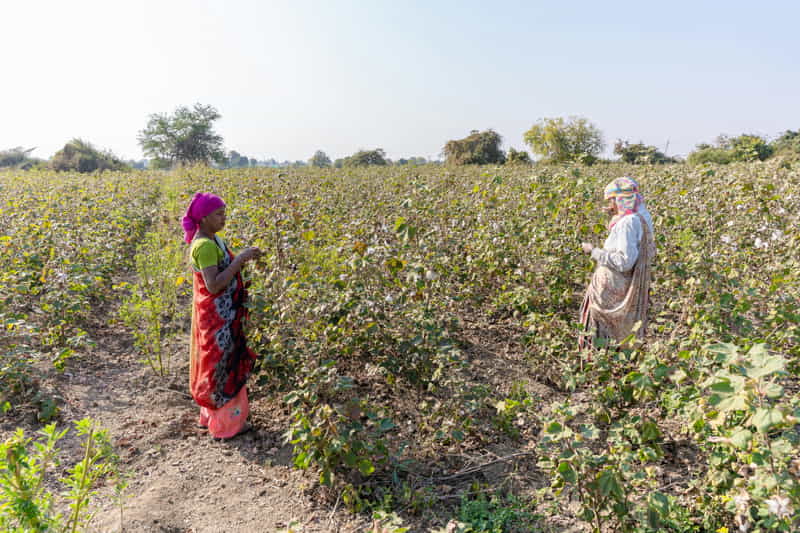
The following diagram outlines the sustainable hemp cultivation process:
Seed Selection → Soil Preparation → Planting → Precision Irrigation → Organic Fertilization → Crop Rotation → Harvesting
This flowchart demonstrates the integration of sustainable practices from seed to harvest.
5. Harvesting and Post-Harvest Processing
5.1 Harvesting Techniques
Harvesting hemp at the right stage is crucial for fiber quality. Hemp is typically harvested when the stalks are mature but before the fibers begin to deteriorate. Mechanical harvesters are used to cut the stalks efficiently, reducing labor costs and ensuring uniformity in fiber length.
5.2 Post-Harvest Handling
After harvesting, the hemp stalks must be processed quickly to preserve fiber quality. Post-harvest handling includes drying the stalks to reduce moisture content and prevent fungal growth. Proper drying methods, such as sun-drying or controlled environment drying, are employed to maintain fiber integrity.
5.3 Retting Process
Retting is a critical step in hemp fiber processing. It involves exposing the hemp stalks to moisture and microbial activity to break down pectin and separate the fibers from the woody core. Two main retting methods are used:
- Water Retting: Submerging the stalks in water, typically in tanks or ponds.
- Dew Retting: Laying the stalks out in the field to be retted by natural dew and rain.
The retting process must be carefully controlled; over-retting can weaken the fibers, while under-retting results in incomplete separation. Continuous monitoring, including fiber yield tests, ensures that retting is performed optimally.
A simple diagram illustrating the retting process is as follows:
Hemp Stalk → Retting (Water/Dew) → Microbial Action → Fiber Separation → Washing & Drying
This diagram highlights the key stages in retting and emphasizes the need for controlled conditions.
6. Decortication and Fiber Extraction
6.1 Mechanical Decortication
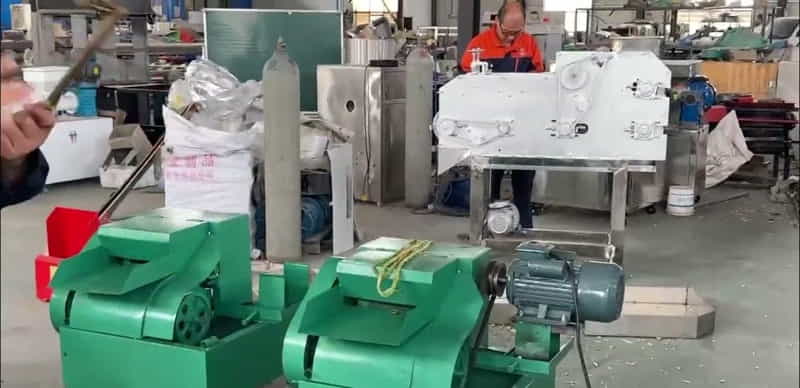
Decortication is the process of separating the long bast fibers from the woody core. Traditional methods involved manual beating or scraping, but modern decorticators use mechanical processes to achieve consistent and efficient fiber extraction. These machines are designed to remove the core without damaging the delicate fibers.
6.2 Enzymatic and Chemical Treatments
In some cases, enzymatic treatments are used to further separate fibers and remove residual pectin. Enzymes target specific chemical bonds, enhancing the efficiency of the decortication process. Chemical treatments may also be employed, though manufacturers prefer enzymatic methods due to their lower environmental impact.
6.3 Quality Control in Fiber Extraction
Quality control during decortication ensures that the extracted fibers meet required specifications for length, strength, and uniformity. Automated sensors and imaging systems are now integrated into decortication machines to monitor fiber quality in real time. Data from these systems informs process adjustments and helps maintain high standards in fiber extraction.
A table summarizing decortication methods is presented below:
| Method | Description | Advantages | Disadvantages |
|---|---|---|---|
| Mechanical Decortication | Uses specialized machinery to physically separate fibers | High throughput, consistent quality | Initial investment high |
| Enzymatic Treatment | Uses enzymes to break down pectin | Environmentally friendly, precise | Slower process, requires controlled conditions |
| Chemical Treatment | Uses chemicals to assist in fiber separation | Effective for stubborn fibers | Potential environmental hazards, higher cost |
Table 1. Comparison of decortication methods for hemp fiber extraction.
7. Washing, Combing, and Preparing Fibers for Spinning
7.1 Washing Techniques
After decortication, the fibers must be thoroughly washed to remove residual impurities, including pectin, lignin, and any debris. Washing is performed in large-scale washing machines or tanks using water and mild detergents. The process is critical for ensuring that the fibers are clean and uniform before further processing.
7.2 Combing and Carding
Combing aligns the fibers and removes short or damaged strands, resulting in a smooth, uniform fiber bundle. Carding is an additional process that separates and aligns the fibers further. Both combing and carding are essential for achieving high-quality yarn. These processes are typically carried out in specialized machines that use rotating drums and combs.
A flowchart summarizing these steps is as follows:
Extracted Hemp Fibers → Washing → Drying → Carding → Combing → Prepared Fiber Batts → Spinning
This flowchart outlines the sequential steps in fiber preparation, emphasizing the importance of each stage.
8. Spinning Techniques for Industrial Hemp Yarn
8.1 Overview of Spinning
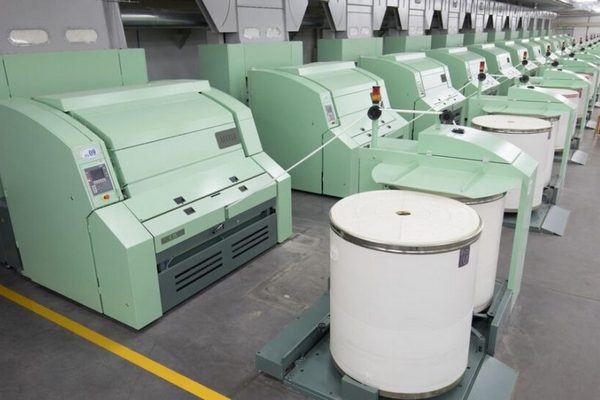
Spinning is the process of converting prepared fibers into yarn. It involves twisting the fibers together to create a continuous thread. The spinning method affects the yarn’s strength, evenness, and texture. For industrial hemp, both ring spinning and rotor spinning are commonly used.
8.2 Ring Spinning
Ring spinning is a traditional method that produces high-quality, fine yarn. It involves drafting the fiber sliver and twisting it using a rotating ring and traveler. Ring spinning offers excellent control over yarn properties but can be slower compared to other methods. The process is ideal for applications where yarn quality is paramount.
A simplified diagram of ring spinning is as follows:
Fiber Sliver → Drafting → Twisting (Ring & Traveler) → Yarn Formation → Winding
8.3 Rotor Spinning
Rotor spinning, also known as open-end spinning, is faster and more efficient than ring spinning. It uses centrifugal force to twist the fibers and form yarn. Although rotor-spun yarns may not be as fine as those produced by ring spinning, they are highly durable and suitable for heavy-duty applications.
8.4 Comparison of Spinning Methods
The following table compares ring spinning and rotor spinning for hemp yarn production:
| Parameter | Ring Spinning | Rotor Spinning |
|---|---|---|
| Yarn Quality | High, fine, uniform | Moderate, durable, coarser |
| Production Speed | Slower | Faster |
| Equipment Cost | Higher initial investment | Lower investment, higher efficiency |
| Applications | Apparel, high-quality fabrics | Industrial, home textiles |
Table 2. Comparison of spinning methods for industrial hemp yarn.
8.5 Blending and Yarn Finishing
In some applications, hemp fibers are blended with other fibers (e.g., cotton or polyester) to enhance specific properties. Blending can occur at the fiber or yarn stage. Yarn finishing processes, such as singeing, mercerizing, and heat-setting, improve yarn appearance and performance. These finishing techniques ensure that the final product meets market and quality standards.

9. Equipment and Technology in Industrial Hemp Yarn Production
9.1 Modern Spinning Machinery
Modern industrial hemp yarn production relies on state-of-the-art machinery. Advanced spinning frames equipped with digital controls ensure precision and consistency. These machines can adjust tension, twist, and speed in real time. Automation in spinning reduces human error and increases throughput.
9.2 Integrated Production Systems
Integrated production systems combine multiple processing steps—from fiber preparation to spinning and finishing—into a streamlined workflow. These systems improve efficiency and reduce waste. For instance, computer-aided process control (CAPC) systems enable manufacturers to monitor and adjust production parameters continuously.
9.3 Digital and IoT Solutions
The incorporation of digital technologies and IoT devices has transformed hemp yarn production. Sensors and real-time data analytics provide insights into machine performance and fiber quality. Blockchain technology enhances traceability, ensuring that each batch of yarn meets sustainability and quality standards.
A diagram illustrating the integration of digital solutions in hemp yarn production might appear as follows:
[IoT Sensors] → [Data Analytics] → [Real-Time Process Control] → [Quality Assurance] → [Blockchain Traceability]
This diagram emphasizes the role of digital tools in optimizing production and ensuring transparency.
10. Quality Control and Testing in Hemp Yarn Production
10.1 Quality Metrics
Quality control is critical for ensuring that industrial hemp yarn meets industry standards. Key quality metrics include:
- Tensile Strength: Resistance to breaking under tension.
- Evenness: Uniformity in yarn thickness.
- Hairiness: Degree of fiber protrusion.
- Moisture Regain: Impact on dye uptake and comfort.
10.2 Testing Methods
Standardized testing methods are employed to measure these quality parameters. Tensile strength is measured using universal testing machines, and evenness is assessed via air jet or optical devices. Regular sampling during production ensures that any deviations are identified and corrected promptly.
A simplified formula for tensile strength is:

10.3 Quality Assurance Systems
Advanced quality assurance systems integrate digital monitoring and statistical process control (SPC). These systems track production parameters in real time and flag any anomalies. Regular audits and calibration of equipment further ensure that quality standards are consistently met.
A flowchart of quality control in hemp yarn production is as follows:
Raw Fiber → Preparation → Spinning → Yarn Testing → Data Analysis → Quality Adjustment → Final Product
This flowchart illustrates the continuous monitoring process essential for high-quality production.
11. Sustainability and Environmental Impact
11.1 Environmental Benefits of Hemp
Hemp is celebrated for its low environmental footprint. It requires minimal water, fewer pesticides, and regenerates soil health through crop rotation. These attributes make hemp one of the most sustainable natural fibers available. Its rapid growth and high yield per acre further contribute to its eco-friendly profile.
11.2 Energy Efficiency and Waste Reduction
Modern processing techniques for hemp reduce energy consumption and minimize waste. Closed-loop systems in fiber processing recycle water and chemicals, further reducing the environmental impact. Lifecycle assessments (LCA) demonstrate that hemp textiles have a lower carbon footprint compared to conventional fibers like cotton and synthetic materials.
11.3 Certifications and Green Standards
Adherence to certifications such as Global Organic Textile Standard (GOTS) and OEKO-TEX is essential for validating sustainable practices. These certifications verify that hemp is grown, processed, and manufactured in environmentally and socially responsible ways. Transparent documentation and traceability build consumer trust and open new market opportunities for eco-friendly products.
A chart comparing the environmental impact of hemp versus cotton may look like this:
| Metric | Hemp | Cotton |
|---|---|---|
| Water Usage (L/kg) | 300–500 | 700–3,000 |
| Pesticide Use | Minimal | High |
| Carbon Footprint | Low | Moderate to High |
Table 3. Comparative environmental impact of hemp and cotton.
12. Economic Considerations and Market Trends
12.1 Global Market Overview
The global market for industrial hemp is growing rapidly, driven by increasing demand for sustainable textiles and regulatory support. Key markets include Europe, North America, and parts of Asia. Market reports forecast significant growth rates as consumers and manufacturers shift toward eco-friendly materials.
12.2 Cost-Benefit Analysis
A cost-benefit analysis of industrial hemp yarn production highlights both economic and environmental advantages. Although initial capital investment in advanced machinery and sustainable practices can be high, long-term benefits include reduced operating costs, lower resource consumption, and premium pricing for eco-friendly products.
12.3 Competitive Advantages
Manufacturers that adopt sustainable hemp production techniques enjoy several competitive advantages:
- Brand Differentiation: Eco-friendly products attract a growing segment of consumers.
- Supply Chain Resilience: Sustainable practices improve resource efficiency and reduce dependency on volatile raw material markets.
- Regulatory Compliance: Proactive sustainability measures help companies meet increasingly stringent environmental regulations.
A diagram summarizing the economic benefits is as follows:
Sustainable Cultivation → Lower Resource Costs → Premium Pricing → Market Growth → Competitive Advantag
13. Challenges in Industrial Hemp Yarn Production
13.1 Technical and Processing Challenges
Despite its many advantages, industrial hemp yarn production faces several technical challenges:
- Fiber Variability: Variations in fiber length and quality can impact yarn consistency.
- Retting Control: Over- or under-retting affects fiber strength and processability.
- Machine Adaptation: Existing machinery may require modifications to handle the unique properties of hemp fibers.
Addressing these challenges requires continuous research and development, investment in modern technology, and rigorous quality control.
13.2 Supply Chain and Infrastructure Issues
Infrastructure in hemp-growing regions may be underdeveloped, leading to logistical challenges. Inconsistent supply, limited processing facilities, and inadequate storage can hinder production efficiency. Building robust supply chains and investing in rural infrastructure are key to overcoming these barriers.
13.3 Regulatory and Market Barriers
Although hemp is increasingly accepted, regulatory uncertainties and market perceptions can be challenging. Companies must navigate varying legal frameworks across different regions and educate consumers about the benefits of hemp. Collaborative efforts among industry stakeholders, governments, and NGOs are essential to overcome these obstacles.
13.4 Strategies for Mitigation
Successful strategies include:
- Technological Innovation: Investing in digital monitoring, automated processing, and advanced machinery.
- Training and Capacity Building: Enhancing skills among farmers and operators through targeted education programs.
- Policy Advocacy: Engaging with policymakers to create supportive regulatory environments.
- Supply Chain Integration: Establishing long-term partnerships with certified suppliers and logistics providers.

14. Future Trends and Innovations
14.1 Emerging Technologies
Emerging technologies are set to revolutionize industrial hemp yarn production:
- IoT and AI: Real-time monitoring and predictive maintenance improve process efficiency.
- Blockchain: Enhances traceability and supply chain transparency.
- Advanced Enzymatic Treatments: New enzyme formulations optimize retting and fiber separation.
These innovations promise to further reduce environmental impact and improve yarn quality.
14.2 Circular Economy and Recycling
The future of hemp yarn production is closely tied to circular economy principles. Recycling and upcycling waste fibers, along with designing for end-of-life recyclability, are gaining traction. Closed-loop production systems ensure that hemp textiles contribute to sustainable growth and waste reduction.
14.3 Market Expansion and Consumer Trends
Consumer demand for sustainable and ethical textiles will continue to drive market expansion. Hemp-based products are increasingly popular in fashion, home textiles, and technical applications. Brands that effectively communicate their sustainable practices and leverage digital marketing are poised to capture growing market segments.
A projection chart showing market growth for sustainable hemp textiles over the next decade might be included to visually represent these trends.
14.4 Research and Development Collaborations
Collaborative R&D initiatives among academic institutions, industry players, and government agencies will foster breakthrough innovations. Joint projects on fiber genetics, sustainable processing, and digital integration are set to drive the next wave of industry transformation. These partnerships will enhance both product performance and environmental sustainability.
15. Best Practices for Manufacturers and Designers
Implementing best practices is essential for successful industrial hemp yarn production. Manufacturers and designers should focus on the following:
15.1 Sustainable Sourcing
- Engage with Certified Suppliers: Work with suppliers that adhere to organic and sustainable certification standards.
- Transparent Supply Chains: Utilize digital traceability tools to ensure full visibility from farm to factory.
15.2 Process Optimization
- Invest in Modern Machinery: Upgrade to equipment designed for hemp fiber processing.
- Adopt Digital Monitoring: Use IoT and data analytics to optimize process parameters and reduce waste.
- Continuous Improvement: Implement lean manufacturing and Six Sigma methodologies to refine production.
15.3 Quality Assurance
- Routine Testing: Regularly measure key quality indicators such as tensile strength, evenness, and moisture regain.
- Standard Operating Procedures (SOPs): Document every process step to ensure consistency.
- Training Programs: Provide ongoing training to staff on best practices and new technologies.
15.4 Product Innovation and Customization
- Experiment with Blends: Combine hemp with other fibers to achieve specific performance or aesthetic attributes.
- Design for End-Use: Tailor yarn properties to meet the requirements of target applications, whether in apparel, home textiles, or technical fabrics.
A checklist summarizing best practices is shown below:
- Source sustainably certified hemp.
- Optimize retting, decortication, and fiber preparation.
- Invest in digital and automated spinning technologies.
- Maintain rigorous quality control and continuous improvement.
- Innovate product design through collaborative R&D.

16. Case Studies in Industrial Hemp Yarn Production
16.1 Case Study: High-Quality Hemp Apparel Yarn
A leading eco-fashion brand transitioned to using industrial hemp yarn for its casual wear line. By optimizing retting and decortication processes and investing in modern ring spinning technology, the brand produced yarn with excellent tensile strength and a soft hand feel. The resulting fabrics were durable, breathable, and environmentally friendly, leading to increased market share and premium pricing.
16.2 Case Study: Technical Textiles from Hemp Yarn
An industrial textile manufacturer integrated hemp yarn into composite materials for automotive interiors. The yarn’s high tensile strength and low elongation provided the necessary durability and dimensional stability. Advanced processing techniques and digital quality control ensured consistent performance, earning the manufacturer several industry awards for sustainability and innovation.
16.3 Case Study: Blended Hemp-Cotton Yarns
Another manufacturer developed a blend of hemp and cotton yarn to balance comfort and strength in everyday apparel. By carefully controlling the fiber blending ratios during spinning, the final yarn delivered superior moisture management and durability. Consumer feedback was overwhelmingly positive, and the product line quickly gained popularity in eco-friendly markets.
These case studies highlight how technological innovation, process optimization, and sustainable practices can lead to superior industrial hemp yarn products.
17. Technical Diagrams, Charts, and Formulas
17.1 Stress-Strain Diagram for Hemp Fibers
A typical stress-strain diagram for industrial hemp fibers shows a steep initial slope due to high stiffness followed by a short linear region before failure. This behavior reflects hemp’s high tensile strength and low elongation. The following conceptual diagram illustrates this:
Stress (MPa)
│
│      /
│     /|
│    / |
│   /  |
│__/___|________ Strain (%)
17.2 Key Performance Indicators Table
The table below summarizes critical performance metrics for industrial hemp fibers:
| Metric | Typical Range | Measurement Method |
|---|---|---|
| Tensile Strength | 500–900 MPa | Universal Testing Machine |
| Elongation at Break | 1.5–3% | Extensometer |
| Modulus of Elasticity | 20–30 GPa | Stress-Strain Analysis |
| Moisture Regain | 7–9% | Standard Moisture Test |
Table 4. Key performance indicators for industrial hemp fibers.
17.3 Formula for Yarn Twist Calculation
The twist factor (Tf) is essential for determining yarn strength and uniformity. A simplified formula is:

This formula helps manufacturers adjust spinning parameters to optimize yarn quality.
17.4 Data Analysis and Process Charts
Manufacturers often use SPC (Statistical Process Control) charts to monitor fiber quality during production. A control chart plotting tensile strength over time can help identify trends and deviations. These charts are integral for ensuring that process parameters remain within acceptable limits.
18. Research and Development in Hemp Yarn Production
Continuous R&D is vital for advancing industrial hemp yarn production. Innovations are emerging across cultivation, processing, spinning, and finishing. Collaborative efforts between academia, industry, and government are driving breakthroughs in fiber genetics, enzyme-based processing, and digital manufacturing.
18.1 Advances in Cultivation
Modern hemp varieties have been developed to yield longer, finer fibers. Research in plant genetics and agronomy has led to improved crop strains that are more resistant to pests and environmental stress. Precision farming techniques further optimize input use and enhance yield.
18.2 Innovations in Processing Techniques
Recent advancements include enzyme-assisted retting, which shortens processing time and improves fiber quality. New decortication machines reduce fiber damage and increase throughput. Digital process controls now enable real-time monitoring of moisture levels and fiber separation efficiency.
18.3 Digital Integration in Spinning
Digital spinning systems, equipped with IoT sensors and machine learning algorithms, are revolutionizing yarn production. These systems adjust spinning parameters dynamically to optimize yarn uniformity and reduce waste. Innovations in ring and rotor spinning technologies continue to push the envelope of yarn quality and production speed.
18.4 Collaborative R&D Initiatives
Research consortia and academic partnerships are exploring the integration of sustainable practices with advanced technology. These initiatives focus on lifecycle analysis, waste reduction, and the development of new hemp-based composites. The results of these collaborative projects promise to shape the future of industrial hemp textiles.
19. Regulatory and Certification Framework
Compliance with regulatory standards is crucial for industrial hemp yarn production. Manufacturers must adhere to national and international regulations concerning cultivation, processing, and product labeling.
19.1 Certification Standards
Key certifications for hemp textiles include:
- Global Organic Textile Standard (GOTS): Ensures organic fiber production and processing.
- OEKO-TEX Standard 100: Verifies that textiles are free from harmful substances.
- USDA Organic Certification: Validates that hemp is grown using organic methods.
These certifications guarantee that products meet high standards for environmental and social responsibility.
19.2 Impact of Regulations on Production
Regulatory frameworks influence every stage of production—from seed selection to finished yarn. Compliance with standards helps ensure that industrial hemp is processed in an environmentally sustainable and ethically sound manner. Manufacturers must document their processes and undergo regular audits to maintain certification.
A flow diagram outlining the regulatory compliance process might look like this:
Raw Material Procurement → Process Documentation → Quality Control Testing → Certification Audit → Approved Production
This diagram emphasizes the critical checkpoints for regulatory compliance and quality assurance.

20. Future Directions and Strategic Recommendations
The future of industrial hemp yarn production is bright, with emerging technologies and growing market demand driving continued innovation. Strategic recommendations for industry stakeholders include:
20.1 Embracing Digital Transformation
Investing in digital technologies such as IoT, AI, and blockchain will enhance process control and supply chain transparency. Digital integration can reduce waste, optimize production parameters, and ensure consistent product quality.
20.2 Expanding Sustainable Practices
Increasing the adoption of sustainable farming, processing, and recycling techniques will lower the environmental footprint of hemp textiles. Embracing circular economy models and eco-friendly practices will boost market competitiveness and consumer trust.
20.3 Enhancing Research Collaborations
Strengthening partnerships between industry, academia, and government agencies will accelerate R&D efforts. Collaborative projects on fiber genetics, advanced processing, and product innovation are essential for maintaining a competitive edge.
20.4 Market Diversification and Product Innovation
Developing new product lines that combine hemp yarn with other sustainable fibers can address diverse market needs. Customization and product innovation driven by consumer trends will support long-term growth and profitability.
20.5 Policy Advocacy and Infrastructure Development
Engaging with policymakers to create supportive regulatory environments and investing in rural infrastructure will help overcome supply chain challenges. These initiatives ensure the long-term sustainability and scalability of industrial hemp production.
A strategic roadmap diagram might illustrate these future directions as a cycle:
Digital Transformation → Sustainable Practices → Collaborative R&D → Product Innovation → Policy Advocacy → Supply Chain Optimization → (Back to Digital Transformation)
This cycle emphasizes the continuous improvement and interconnected nature of future strategies in hemp yarn production.
21. Conclusion and Summary
Industrial hemp yarn production represents a transformative opportunity in the textile industry. From its sustainable cultivation and innovative processing techniques to its superior mechanical properties and market potential, hemp offers a robust alternative to conventional fibers. This article has provided an exhaustive exploration of the techniques and best practices in industrial hemp yarn production, covering every step of the process—from cultivation and retting to spinning, quality control, and finishing.
Through detailed analysis, technical diagrams, comparative tables, and case studies, we have shown that modern industrial hemp production can meet stringent quality standards while contributing to environmental sustainability and economic growth. Manufacturers who embrace digital transformation, sustainable practices, and collaborative R&D will drive the future of hemp textiles. As consumer demand for eco-friendly products continues to rise, industrial hemp yarn is set to play a pivotal role in shaping a more sustainable and innovative textile industry.
In summary, industrial hemp yarn production is a dynamic field that merges tradition with cutting-edge technology. Its sustainable nature, coupled with advanced processing techniques, makes it a key player in the future of textiles. This comprehensive guide serves as an authoritative resource for anyone seeking to understand and implement best practices in industrial hemp yarn production.