Textile production has evolved dramatically over the centuries, and central to this transformation are the weaving machines that shape the fabrics we wear. Among the most significant developments are the shuttle loom and the shuttleless loom. These machines represent distinct technological eras and methodologies in weaving. While the shuttle loom has its roots in traditional, mechanical weaving, the shuttleless loom embodies modern innovation and automation. This article explores these two technologies in depth, comparing their histories, technical specifications, production processes, innovations, challenges, real-world applications, and future prospects.
1. Introduction: Weaving the Fabric of History
The art of weaving stands as one of the oldest human crafts. From primitive handlooms to sophisticated automated systems, weaving has been central to the textile industry. Shuttle looms and shuttleless looms are two milestones in this evolution. Shuttle looms, which use a shuttle to insert weft yarns through warp yarns, dominated the industry for centuries. They are known for their distinct rhythmic sounds and intricate craftsmanship. However, with the advent of digital technology and automation, shuttleless looms emerged, offering improved speed, efficiency, and versatility.
Textile mills worldwide have relied on these machines to produce high-quality fabrics. As production demands increased and quality standards rose, innovations in weaving technology became essential. In today’s competitive market, understanding the differences between shuttle and shuttleless looms is crucial for manufacturers aiming to optimize production, reduce costs, and enhance fabric quality.
Imagine a busy textile mill where the steady clack of shuttle looms once filled the air, a sound that symbolized an era of craftsmanship and manual precision. Today, quiet, high-speed shuttleless looms operate seamlessly, driven by digital controls and real-time analytics. This transition from the traditional to the modern mirrors the broader evolution of the textile industry—where heritage meets innovation.
In this article, we will journey through the history of these looms, analyze their technological evolution, and compare their performance metrics. We will delve into the production processes, challenges faced during implementation, and the real-world applications that demonstrate their impact on the textile market. Whether you are a textile engineer, a production manager, or an industry enthusiast, this guide offers valuable insights into the mechanics and market dynamics of shuttle and shuttleless looms.
2. Historical Perspectives: From Traditional Shuttle Looms to Modern Innovations
2.1 The Origins of Shuttle Looms
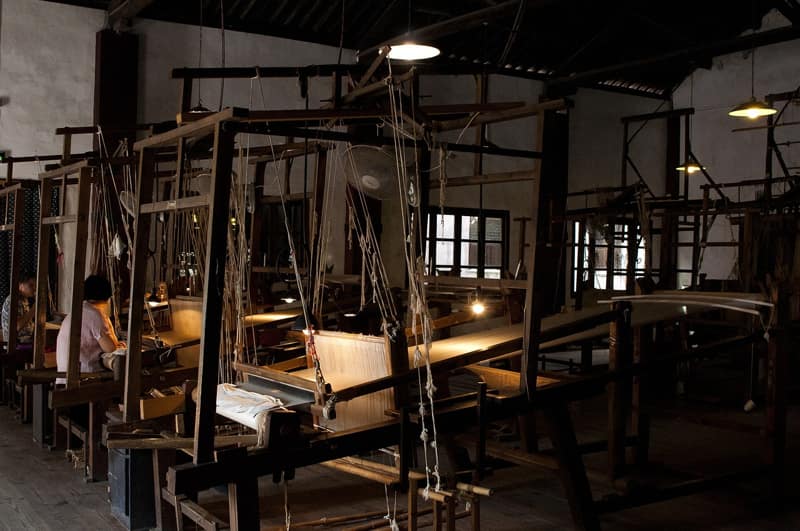
Shuttle looms trace their origins back to ancient civilizations. Early handlooms, manually operated by skilled artisans, gradually evolved into mechanical shuttle looms during the Industrial Revolution. These looms used a shuttle—a weighted, often elegantly crafted tool—to carry the weft yarn through the warp yarns. The design of shuttle looms enabled the production of complex patterns and durable fabrics that played a crucial role in trade and daily life.
Historical records reveal that shuttle looms were central to the economic prosperity of textile-producing regions. In Europe, mills powered by steam and water transformed the textile industry, ushering in an era of mass production. The rhythmic motion and distinctive sound of shuttle looms became synonymous with industrial progress, and they remain an iconic symbol of early mechanized weaving.
2.2 Transition to Shuttleless Looms
As production demands grew and technology advanced, the limitations of shuttle looms became apparent. Shuttle looms, while reliable, were relatively slow and had issues with wear and tear due to the repetitive motion of the shuttle. The search for higher efficiency led to the development of shuttleless looms in the mid-20th century.
Shuttleless looms eliminate the shuttle mechanism altogether. Instead, they use air jets, water jets, or projectile mechanisms to insert the weft yarn. This innovation significantly increases production speed, reduces noise, and minimizes maintenance costs. The evolution to shuttleless looms marked a turning point, as textile mills began to adopt automated systems that improved both quality and output.
2.3 Cultural and Economic Impact
The historical evolution from shuttle to shuttleless looms is not just a technical transition; it reflects broader cultural and economic shifts. Early shuttle looms supported artisanal craftsmanship and local economies, while modern shuttleless looms cater to global markets demanding high-volume production and consistent quality. This evolution illustrates how technological advancements in textile machinery can drive economic growth and transform societal practices.

The rich history of weaving machinery is a tapestry of human innovation. The early shuttle looms laid the foundation for the sophisticated systems we see today, and their evolution continues to inspire modern textile engineering and design.
3. Technological Evolution: Advancements in Weaving Machines
The technological evolution from shuttle to shuttleless looms represents a significant milestone in the textile industry. Over time, each technological leap has addressed the limitations of its predecessor, resulting in machines that are faster, more reliable, and capable of producing a wider range of fabrics.
3.1 Mechanical Innovations in Shuttle Looms
Shuttle looms are characterized by their mechanical simplicity and robust design. Traditional shuttle looms rely on a reciprocating shuttle to carry the weft yarn. Innovations in loom construction, such as improved tension systems, better heddle designs, and enhanced reed configurations, contributed to higher productivity and fabric quality. However, the mechanical nature of shuttle looms also meant that they were subject to wear and tear. The physical impact of the shuttle on the machine components required frequent maintenance and replacement, leading to increased operational costs.

3.2 Transition to Shuttleless Technologies
The introduction of shuttleless looms revolutionized weaving technology. Shuttleless looms use alternative methods to insert the weft yarn:
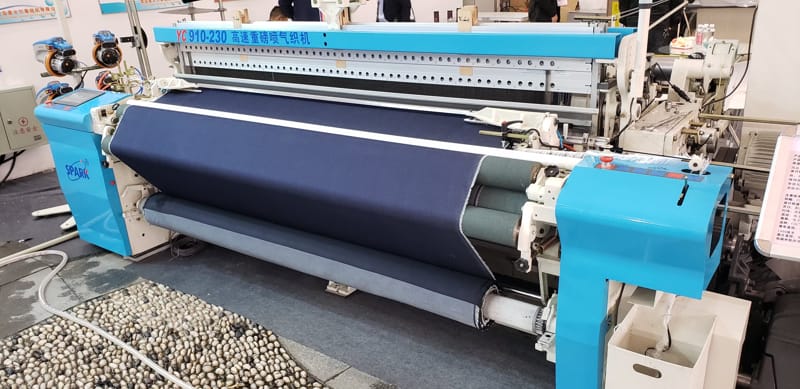
- Air-Jet Looms: Use a burst of air to propel the weft yarn through the warp shed. They offer high speeds and low maintenance costs.
- Water-Jet Looms: Employ water jets to carry the weft yarn, typically used for specific fabric types that require a gentle touch.
- Projectile Looms: Utilize a small projectile to transport the weft yarn. These looms provide versatility in weaving different fabric structures.
These systems eliminate the shuttle mechanism, reducing mechanical stress and noise. The result is a significant improvement in production speed and fabric quality. Shuttleless looms also allow for greater design flexibility, as they can handle a wider range of yarn types and fabric structures.
3.3 Digital and Automation Enhancements
Modern textile machinery incorporates digital controls and automation that enhance the performance of both shuttle and shuttleless looms. Computer-Aided Design (CAD) software now plays a critical role in pattern design and machine programming. Automated systems monitor machine performance in real time, ensuring that parameters such as tension, speed, and weave density remain optimal.
Predictive maintenance technologies, powered by IoT sensors and machine learning algorithms, enable proactive maintenance of weaving machines. This digital integration minimizes downtime and extends the lifespan of equipment. The shift to digital and automated systems represents the convergence of traditional mechanical engineering with modern data-driven technology, setting new benchmarks for efficiency and quality in textile production.

The technological evolution in weaving machines exemplifies the industry’s commitment to continuous improvement. Each innovation, from mechanical enhancements in shuttle looms to the sophisticated digital systems in shuttleless machines, reflects the drive for higher productivity, better quality, and sustainable production practices.
4. Source and Availability: Global Access to Weaving Machinery
The global market for textile machinery offers a wide range of options, from traditional shuttle looms to the latest shuttleless systems. Manufacturers source these machines from specialized suppliers across Europe, Asia, and North America. The availability of advanced weaving equipment is critical for textile mills striving to meet high production and quality standards.
4.1 Leading Manufacturers and Suppliers
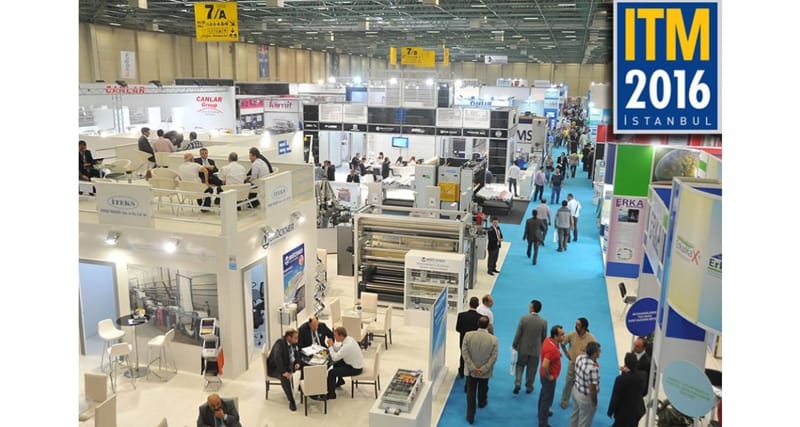
Several prominent companies specialize in textile machinery, offering state-of-the-art shuttle and shuttleless looms. These suppliers are known for their innovation, reliability, and after-sales support. Companies invest in research and development to continuously improve machine performance, ensuring that their products remain at the forefront of the industry. Leading suppliers often participate in global trade shows and exhibitions, such as ITMA, where they showcase their latest innovations.
Manufacturers have the option to choose machines based on their specific production needs. For instance, mills focused on high-speed production may favor air-jet or projectile looms, while those producing delicate fabrics may opt for shuttle looms that offer greater control over weave structure. The diversity in machinery availability ensures that textile mills, regardless of size or market segment, can find solutions that meet their requirements.
4.2 Global Distribution and Support
Textile machinery is distributed worldwide through a network of dealers, agents, and online platforms. This global availability ensures that mills have access to the latest technologies and technical support. Comprehensive training programs, technical manuals, and remote support services help operators and maintenance teams maximize machine performance and longevity.
Digital platforms also facilitate the procurement process, enabling textile mills to compare products, read customer reviews, and negotiate pricing. Resources on TextileSchool.com and other reputable industry portals offer insights into machinery trends and supplier performance, assisting mills in making informed decisions.
Global access to weaving machinery is essential for the modernization of textile production. With a vast network of suppliers and robust support services, textile mills can continuously upgrade their equipment, maintain high production standards, and stay competitive in a rapidly evolving industry.
5. Innovations in Weaving Machinery
Innovations in weaving machinery have transformed the textile industry, driving advancements in productivity, quality, and sustainability. These innovations not only address the limitations of older systems but also open new possibilities for fabric design and production.
5.1 Enhanced Shuttle Looms
While shuttle looms represent traditional weaving technology, they have not remained static. Recent innovations in shuttle loom design focus on improving efficiency and reducing maintenance needs. Modern shuttle looms incorporate improved tensioning systems, automated feed mechanisms, and better machine guarding. These enhancements minimize wear on the shuttle, extend machine lifespan, and ensure consistent fabric quality.
Innovative features in shuttle looms include:
- Ergonomic Design: Reduces operator fatigue and improves control.
- Advanced Lubrication Systems: Maintain smooth operation and reduce friction.
- Automated Shuttle Return Mechanisms: Increase speed and reduce manual intervention.
5.2 Breakthroughs in Shuttleless Looms
Shuttleless looms are at the cutting edge of weaving technology. Innovations in this area have led to significant improvements in production speed, energy efficiency, and fabric versatility. Key innovations include:
- Air-Jet Technology: Propels the weft yarn using a controlled burst of air, enabling high-speed production with minimal mechanical wear.
- Projectile Systems: Use a small projectile to insert the weft, offering precision in pattern formation and versatility in handling different yarn types.
- Water-Jet Mechanisms: Provide a gentle method for inserting the weft, ideal for delicate fabrics.
These innovations have revolutionized textile production by reducing noise, lowering maintenance costs, and enabling faster production cycles. The efficiency gains from shuttleless looms allow mills to produce a wide range of fabrics with improved consistency and quality.
5.3 Integration of Digital Technologies
The integration of digital technologies has further advanced weaving machinery. Modern systems utilize digital controls, IoT sensors, and AI-driven analytics to monitor and optimize production. Digital interfaces allow operators to adjust machine settings with precision, track performance in real time, and predict maintenance needs. The seamless integration of hardware and software creates an environment where data-driven decision-making enhances overall production efficiency.
Digital twin technology is another breakthrough innovation. By creating virtual models of weaving machines, manufacturers can simulate production scenarios, optimize settings, and predict potential failures without interrupting actual operations. This capability leads to continuous improvement and a reduction in costly downtime.

These innovations illustrate how modern textile machinery continuously evolves to meet the demands of a competitive and dynamic industry. By leveraging advanced technologies, textile mills can achieve unprecedented levels of efficiency, quality, and sustainability.
6. Production Process: Weaving with Shuttle and Shuttleless Looms
Understanding the production process is key to comparing shuttle looms with shuttleless looms. Each system has distinct workflows, and the choice between them impacts production speed, quality, and cost.
6.1 Production on Shuttle Looms
Shuttle looms operate using a shuttle that carries the weft yarn across the warp shed. The process is characterized by the following steps:
- Warp Setup: The warp yarns are arranged on the loom, tensioned, and secured using weights or mechanical tensioners.
- Weft Insertion: The shuttle, loaded with the weft yarn, traverses the shed created by the lifting of specific warp yarns. The shuttle’s movement is often rhythmic and mechanical.
- Beat-Up: After the weft is inserted, a beater pushes the yarn into place, forming the fabric.
- Take-Up: The newly woven fabric is gradually wound onto a cloth roll.
The production rate on shuttle looms is influenced by the speed at which the shuttle moves. Although traditional shuttle looms are reliable, their mechanical nature imposes limitations on production speed and may result in higher maintenance due to wear from the shuttle’s repetitive motion.
Table: Production Process on Shuttle Looms
| Stage | Description | Key Considerations |
|---|---|---|
| Warp Setup | Arranging and tensioning warp yarns | Uniform tension, proper alignment |
| Weft Insertion | Shuttle traverses the warp shed carrying weft yarn | Shuttle speed, yarn quality, pattern consistency |
| Beat-Up | Beater pushes the weft into place | Consistent beat-up, machine maintenance |
| Take-Up | Winding the finished fabric onto a roll | Smooth winding, minimal tension variations |
6.2 Production on Shuttleless Looms
Shuttleless looms use alternative methods to insert the weft yarn without employing a shuttle. Common types include air-jet, projectile, and water-jet looms.
- Air-Jet Looms: These looms use bursts of compressed air to propel the weft yarn across the warp shed. They offer high speeds and lower maintenance.
- Projectile Looms: In this system, a small projectile carries the weft yarn. This mechanism is efficient for producing complex patterns.
- Water-Jet Looms: Water jets are used to insert the weft, providing a gentle method suitable for delicate fabrics.
The absence of a shuttle eliminates the wear and tear associated with mechanical shuttles, enabling higher production speeds and improved machine longevity. Shuttleless looms typically deliver higher output, reduced noise, and lower energy consumption.
Table: Comparison of Shuttle and Shuttleless Loom Production Processes
| Aspect | Shuttle Loom | Shuttleless Loom |
|---|---|---|
| Weft Insertion Method | Shuttle carries weft yarn across the shed | Air, water, or projectile systems insert weft |
| Production Speed | Moderate, limited by shuttle speed | High, due to faster weft insertion |
| Maintenance Needs | Higher, due to shuttle wear and frequent adjustments | Lower, as there are fewer moving parts susceptible to wear |
| Noise Levels | Higher, mechanical shuttle noise | Lower, quieter operation |
6.3 Efficiency and Output Comparison
Shuttleless looms tend to have higher overall efficiency and production output due to their rapid weft insertion methods. They are particularly suited for high-volume production where speed is critical. However, shuttle looms may still be preferred for certain specialty fabrics where the control offered by the shuttle mechanism is advantageous.
In both systems, the production process is closely monitored by digital systems in modern textile mills. Real-time data from sensors helps optimize the process, ensuring consistent quality and minimizing downtime.
Integrating these production processes with digital monitoring and advanced control systems has transformed textile manufacturing, making it more efficient, reliable, and adaptable to market demands.
7. Challenges in Adopting Shuttle and Shuttleless Technologies
Implementing and maintaining weaving technologies, whether shuttle or shuttleless, comes with its unique set of challenges. Understanding these challenges is critical for making informed decisions about machinery investments and production strategies.
7.1 Maintenance and Downtime
Shuttle looms, with their mechanical shuttles, often require frequent maintenance due to the wear and tear of moving parts. This maintenance can lead to unplanned downtime, affecting production schedules. Shuttleless looms, though generally more reliable, also present challenges, especially when it comes to integrating advanced digital controls and sensors.
7.2 Cost Considerations
The initial investment in textile machinery varies widely between shuttle and shuttleless looms. Shuttle looms may be less expensive upfront but incur higher long-term maintenance costs. Shuttleless looms, while typically more costly initially, offer better efficiency and lower maintenance expenses over time. Manufacturers must balance these cost factors against production volume, quality requirements, and market demand.
7.3 Skill Requirements and Training
Operating advanced weaving machinery requires specialized skills. Traditional shuttle looms demand experienced operators who understand the intricacies of manual adjustments and quality control. In contrast, shuttleless looms often rely on digital interfaces and automated systems, requiring workers to be proficient in using modern technology. Training programs and ongoing technical support are essential for ensuring that operators can fully leverage the capabilities of the machinery.
7.4 Adaptability and Flexibility
Textile mills must choose machinery that can adapt to evolving market trends and product specifications. While shuttle looms offer precision for specialized fabrics, their slower speed may not meet the demands of high-volume production. Shuttleless looms, though faster, might require more frequent technological updates to stay competitive. Balancing adaptability with operational efficiency is a key challenge for manufacturers.
Table: Challenges in Adopting Shuttle vs. Shuttleless Technologies
| Challenge | Shuttle Loom Impact | Shuttleless Loom Impact | Mitigation Strategy |
|---|---|---|---|
| Maintenance and Downtime | Frequent maintenance, higher downtime | Lower maintenance, but higher tech integration issues | Regular preventive maintenance, digital monitoring |
| Cost Considerations | Lower initial cost, higher long-term expenses | Higher initial investment, cost-efficient over time | Cost-benefit analysis, phased upgrades |
| Skill Requirements | Requires skilled operators for manual adjustments | Demands digital literacy and training on modern systems | Comprehensive training programs, continuous education |
| Adaptability | Limited speed for high-volume production | Requires periodic tech updates for competitiveness | Flexible production planning, hybrid machinery |
Addressing these challenges requires a strategic approach that combines technology upgrades, employee training, and continuous improvement initiatives. Manufacturers must assess their production needs and market conditions to select the appropriate weaving technology that balances cost, efficiency, and quality.
8. Real-World Applications and Case Studies
Real-world examples vividly illustrate how textile mills implement shuttle and shuttleless looms to meet specific production goals. Case studies from various regions reveal the benefits and trade-offs of each technology.
8.1 Case Study: Traditional Shuttle Looms in Specialty Textile Production
A boutique textile mill in India specializes in producing high-quality, artisanal fabrics using traditional shuttle looms. The mill’s expertise in managing shuttle looms allows it to create intricate patterns and textures that are highly prized in the luxury market. Despite the slower production speed, the mill achieves superior quality and maintains a strong brand identity. This case highlights the enduring relevance of shuttle looms in producing specialized, culturally significant textiles.
8.2 Case Study: High-Speed Production with Shuttleless Looms
A large textile factory in China transitioned to shuttleless looms to meet the demands of mass production. By replacing traditional shuttle looms with air-jet and projectile looms, the factory increased its production speed by 50% while reducing maintenance downtime. The advanced digital controls in shuttleless looms also improved fabric consistency and quality. This case demonstrates the efficiency gains and cost benefits of modern shuttleless technologies in high-volume textile production.
8.3 Case Study: Hybrid Approaches in a European Mill
A European textile manufacturer adopted a hybrid approach by operating both shuttle and shuttleless looms. For fabrics requiring delicate craftsmanship, the manufacturer used shuttle looms to maintain superior control and detail. For high-volume, less intricate fabrics, shuttleless looms provided the necessary speed and efficiency. This flexible strategy allowed the company to cater to diverse market segments and optimize overall production. The hybrid approach has led to increased market share and customer satisfaction.
These real-world applications demonstrate that the choice between shuttle and shuttleless looms depends on production requirements, product specifications, and market demands. Textile mills can benefit from adopting a mixed approach, leveraging the strengths of both technologies to achieve optimal performance.
9. End-Users and Stakeholders: Impact Across the Value Chain
The adoption of shuttle and shuttleless looms affects a wide range of stakeholders in the textile industry. Understanding the impact on each group helps clarify the value of these technologies.
9.1 Textile Manufacturers and Mill Operators
Manufacturers are the primary beneficiaries of advanced weaving technologies. Shuttle looms and shuttleless looms directly influence production capacity, product quality, and operational costs. Mill operators must choose between traditional methods that offer detailed control and modern systems that provide high-speed output. The choice impacts production efficiency, maintenance expenses, and overall profitability.
9.2 Technicians and Maintenance Teams
Maintenance teams play a crucial role in ensuring that weaving machines operate at peak performance. Advanced shuttleless looms often feature digital diagnostics and remote monitoring, which simplify maintenance tasks and reduce the frequency of breakdowns. Technicians benefit from improved data access and predictive maintenance systems, allowing them to perform repairs proactively and efficiently.
9.3 Designers and Product Developers
Designers rely on weaving technology to bring their creative visions to life. Shuttle looms offer the precision needed for intricate, traditional patterns, while shuttleless looms enable mass production of contemporary designs. This flexibility allows designers to experiment with a wide range of textures and patterns, driving innovation in fabric aesthetics.
9.4 Global Buyers and End Consumers
Consumers and global buyers demand high-quality textiles produced in efficient, reliable mills. The choice of weaving technology directly affects fabric appearance, durability, and consistency. Mills that adopt advanced weaving systems can provide products that meet stringent quality standards, building consumer trust and facilitating smoother international trade.
Table: Stakeholders and Benefits of Weaving Technology Adoption
| Stakeholder | Role/Impact | Benefits |
|---|---|---|
| Manufacturers/Mill Operators | Choose and manage weaving technologies | Enhanced production efficiency, cost savings, quality control |
| Maintenance Teams | Monitor, maintain, and repair machinery | Reduced downtime, proactive maintenance, improved reliability |
| Designers/Product Developers | Create innovative fabric designs using diverse technologies | Flexibility in design, ability to produce intricate or mass-market textiles |
| Global Buyers/Consumers | Purchase high-quality, reliable textiles | Consistent product quality, ethical production, market trust |
The collective benefits to these stakeholders create a positive feedback loop that drives industry innovation and sustainability. Every player in the value chain—from production to consumption—plays a role in shaping the future of textile weaving technology.
10. Market Trends, Economic Impact, and Global Dynamics
Global textile markets are highly competitive and rapidly evolving. The choice between shuttle and shuttleless looms significantly impacts market dynamics, influencing production efficiency, cost structures, and trade competitiveness.
10.1 Market Trends
Recent trends in the textile industry reveal a growing shift toward automation and digital integration. Textile mills worldwide are investing in shuttleless looms to boost production speed and reduce operational costs. However, niche markets that value artisanal quality and intricate patterns continue to support the use of traditional shuttle looms. This divergence in market demand has given rise to a hybrid model, where mills leverage both technologies to cater to different segments.
10.2 Economic Impact
The economic benefits of adopting advanced weaving technologies are substantial. Shuttleless looms offer high production rates, reduced maintenance costs, and lower energy consumption, resulting in significant cost savings over time. Although shuttle looms may incur higher maintenance expenses, they provide unparalleled control and quality for specialized textiles. The overall economic impact is measured in terms of increased production yield, reduced downtime, and improved profitability. Studies indicate that mills using modern shuttleless technology achieve a higher return on investment (ROI) compared to those relying solely on traditional methods.
10.3 Global Trade Dynamics
Global trade in textiles is driven by both quality and quantity. Advanced weaving systems enable mills to meet the stringent quality requirements of international buyers, while high-speed shuttleless looms allow for mass production at competitive prices. As textile markets become increasingly interconnected, mills that adopt digital and automated systems are better positioned to navigate global supply chains and comply with international standards. Harmonized global standards and digital trade platforms further facilitate smooth cross-border transactions and bolster the competitive edge of technologically advanced mills.
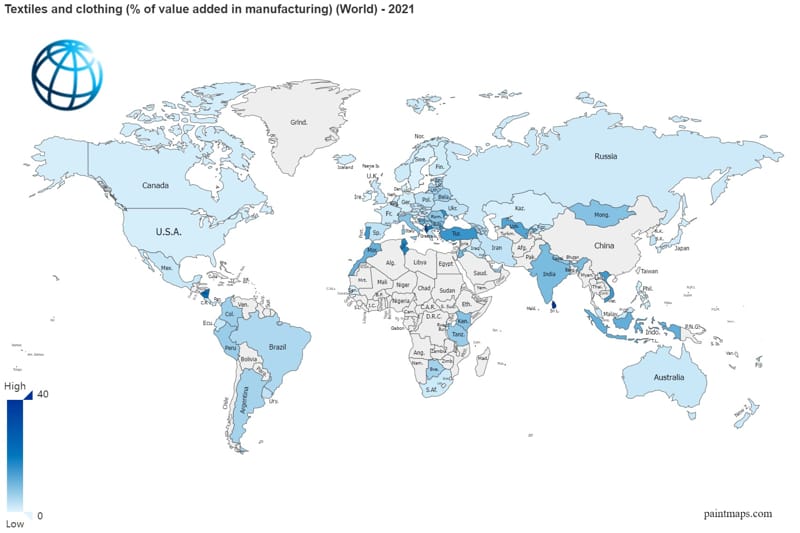
The integration of advanced weaving technologies into textile production directly contributes to improved market competitiveness and economic stability. As the global textile market evolves, manufacturers that invest in digital, automated systems are likely to enjoy enhanced operational efficiency and greater market share.
11. Future Trends and Emerging Opportunities
The future of weaving technology in textiles is marked by continuous innovation and digital transformation. Both shuttle and shuttleless looms are expected to evolve, integrating even more advanced technologies to meet the growing demands of global textile production.
11.1 Evolution of Digital Integration
The integration of AI, machine learning, and IoT with weaving machinery will continue to advance. Future looms will feature more sophisticated digital controls and real-time analytics, further reducing downtime and improving fabric quality. Enhanced digital twin technology will allow for precise simulation of production processes, enabling mills to experiment with different configurations and optimize machine performance without disrupting operations.
11.2 Advances in Hybrid Weaving Systems
The hybrid model, which combines the best features of shuttle and shuttleless looms, is likely to gain prominence. Textile mills will increasingly adopt flexible systems that allow them to switch between traditional and modern techniques based on product requirements. This adaptability will enable mills to produce a diverse range of fabrics, from high-quality artisanal textiles to high-speed, mass-produced materials, catering to both niche and mainstream markets.
11.3 Sustainability and Energy Efficiency
Sustainability will remain a major driver in the future of textile production. Innovations in energy-efficient machinery, digital control systems, and sustainable production processes will further reduce the environmental impact of textile mills. The adoption of green technologies and eco-friendly production methods will be essential for mills aiming to comply with increasingly stringent environmental regulations and meet the demands of eco-conscious consumers.
11.4 Global Standardization and Collaboration
International collaboration and standardization will play a critical role in the future of textile weaving technology. As global supply chains become more integrated, harmonized standards for machinery performance, safety, and quality will facilitate smoother trade and foster innovation. Textile industry associations, regulatory bodies, and technology providers will continue to work together to develop and implement best practices that drive the industry forward.
The future of weaving technology is bright, with emerging opportunities that promise to enhance efficiency, quality, and sustainability in textile production. As textile mills continue to embrace digital transformation and hybrid production methods, they will be well-positioned to meet the challenges of a rapidly evolving global market.
12. Summary and Conclusion
Global textile production has witnessed a remarkable evolution in weaving technology. This article has explored the technical comparison between shuttle looms and shuttleless looms, highlighting the distinct advantages, challenges, and applications of each system. We began by discussing the fundamental role of weaving in textile production and the historical development of shuttle looms, which revolutionized early textile manufacturing. We then traced the technological evolution from traditional mechanical shuttle looms to modern, high-speed shuttleless systems that integrate digital controls, IoT, and predictive maintenance.
The discussion covered the production processes unique to each system, emphasizing how shuttle looms deliver artisanal quality and intricate patterns, while shuttleless looms offer superior speed, efficiency, and reduced maintenance costs. We examined real-world case studies that illustrate how textile mills worldwide have successfully integrated these technologies to boost productivity and meet global quality standards.
Moreover, we analyzed the impact of these weaving systems on various stakeholders, including manufacturers, maintenance teams, designers, and consumers. The economic benefits, market trends, and global trade dynamics of advanced weaving technologies were also discussed, underscoring their role in shaping the competitive landscape of the textile industry.
Looking forward, future trends in digital integration, hybrid systems, sustainability, and global standardization promise to further transform weaving technology. Textile mills that embrace these innovations will enjoy enhanced operational efficiency, reduced environmental impact, and improved product quality, securing their competitive edge in an increasingly digital and globalized market.
In conclusion, the technical comparison between shuttle looms and shuttleless looms reveals a clear evolution from traditional craftsmanship to modern, automated production. Each system has its own merits and challenges, and the choice between them depends on production requirements, market demands, and the desired balance between quality and efficiency. By understanding these technologies and their impact, textile professionals can make informed decisions that drive innovation, reduce costs, and foster sustainable growth in the textile industry.