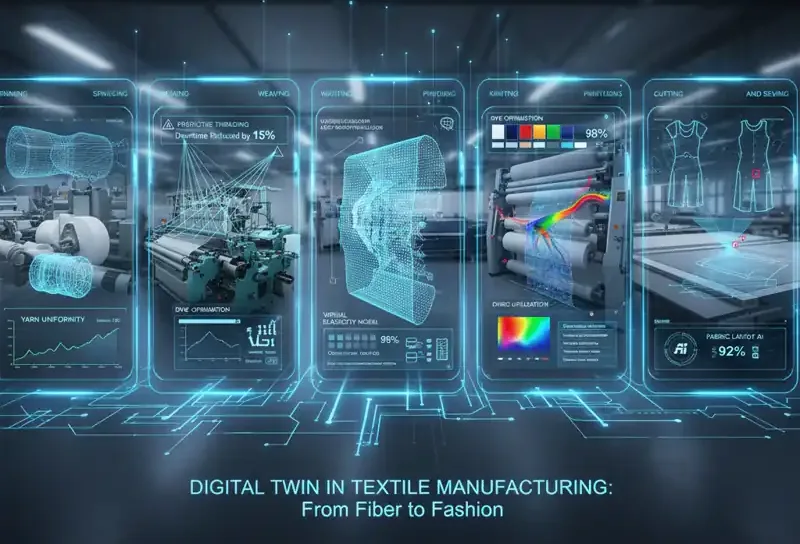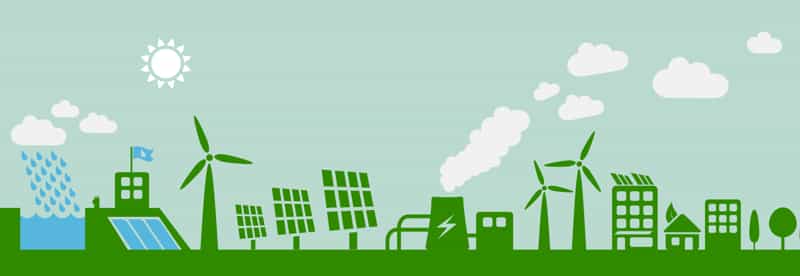
The textile industry is under increasing pressure to reduce its environmental footprint while maintaining high levels of productivity and quality. In weaving mills, water and energy conservation are two pivotal areas where significant improvements can yield both economic and environmental benefits. From traditional practices to modern technological advancements, this article explores the multifaceted approaches to conserving water and energy in weaving mills. We will examine the historical context, technological evolution, sources of innovation, production processes, challenges, real-world applications, impact on end-users, market trends, future opportunities, and conclude with strategic insights for a sustainable textile future.
1. Introduction: The Imperative of Conservation in Textile Production
In today’s global marketplace, sustainability has become a core value for textile manufacturers. With soaring energy costs and growing concerns over water scarcity, weaving mills are increasingly turning to innovative solutions to minimize resource consumption. Water and energy conservation not only reduce operating expenses but also support environmental stewardship and compliance with stringent global standards.
Weaving mills consume significant amounts of water in processes such as dyeing, finishing, and cooling, while energy is used throughout the production cycle—from running heavy machinery to powering digital control systems. Efficient resource management is, therefore, essential for reducing the ecological footprint of textile production and ensuring long-term economic viability.
Imagine a modern weaving mill where advanced digital monitoring systems optimize water usage and energy consumption in real time. Engineers and operators work side by side, leveraging IoT sensors, predictive analytics, and sustainable technologies to drive efficiency. Such a mill not only lowers its production costs but also contributes to a greener, more sustainable future in textiles. This article provides actionable strategies and technical insights to help textile professionals achieve these goals.

2. History: The Evolution of Resource Management in Weaving Mills
2.1 Early Practices and Traditional Methods
The roots of textile production date back thousands of years when water and manual labor were the primary resources in weaving. Early weavers relied on natural water sources for cleaning and dyeing, and their techniques evolved with local water availability. Traditional methods of hand spinning and weaving were inherently low-tech; however, they were adapted to make efficient use of the limited resources available.
In ancient civilizations, such as in the Indus Valley and Egypt, water was used not only for cleaning raw fibers but also for tempering the loom and setting dyes. The simplicity of these processes meant that resource use was relatively low compared to modern mechanized mills, though the overall output was also limited.
2.2 Industrialization and the Rise of Resource Consumption
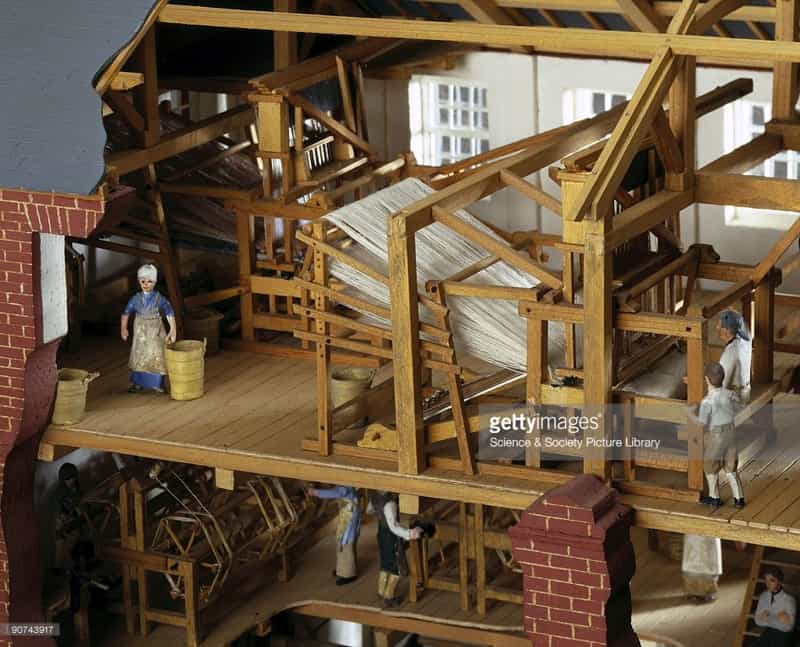
The advent of the Industrial Revolution dramatically transformed textile production. Mechanization led to mass production, but it also increased water and energy usage substantially. Steam engines powered early mills, and water was used for various processes such as steam generation, dyeing, and finishing. As production scales expanded, mills faced challenges in managing the increased consumption of water and energy.
The rapid industrialization of textile manufacturing in the 18th and 19th centuries often came at the cost of environmental degradation. Factories discharged untreated water into rivers, and inefficient machinery led to high energy consumption. The environmental impact of these practices eventually spurred the development of more efficient technologies and the early foundations of resource conservation.
2.3 The Shift Toward Sustainability in the Late 20th Century
By the latter part of the 20th century, growing environmental awareness and the advent of regulatory frameworks prompted textile mills to reconsider their resource management strategies. Innovations in process optimization, energy-efficient machinery, and water recycling technologies emerged as key solutions. Governments and industry associations began to enforce stricter environmental standards, driving mills to adopt sustainable practices.
The historical progression from low-tech, resource-scarce production to high-volume, resource-intensive operations set the stage for modern sustainability initiatives. Today, the emphasis on conserving water and energy is more relevant than ever, as the textile industry seeks to balance productivity with environmental responsibility.
3. Technological Evolution: Advancements in Water and Energy Conservation
Technological advancements have revolutionized resource management in weaving mills. Modern systems leverage digital tools, automation, and energy-efficient machinery to optimize water and energy use. This section explores how technology has evolved to address the challenges of resource conservation.
3.1 Innovations in Water Management
Water is a critical resource in textile production, used in processes such as washing, dyeing, and finishing. Innovations in water management have focused on reducing water consumption and recycling used water to minimize waste.
3.1.1 Water Recycling Systems
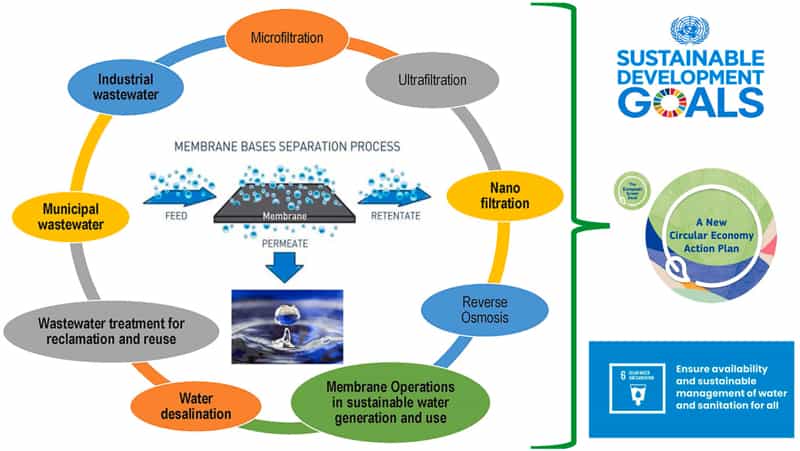
Modern weaving mills often incorporate water recycling systems that capture and treat wastewater for reuse in subsequent processes. Advanced filtration, biological treatment, and reverse osmosis technologies enable mills to significantly reduce their net water consumption. For example, some mills now recycle up to 80% of the water used in dyeing processes, resulting in substantial cost savings and environmental benefits.
3.1.2 Automated Water Monitoring
Digital sensors and IoT devices are used to monitor water flow, temperature, and quality in real time. These systems enable mills to detect leaks, optimize water usage, and maintain consistent quality in processes that require precise water conditions. Automated water metering and real-time data analytics ensure that water is used efficiently and that any deviations from optimal conditions are addressed promptly.
Formula Example:
The water recovery efficiency (WRE) of a mill can be estimated as:
If a mill uses 10,000 liters of water and recycles 7,500 liters, then:
3.1.3 Eco-Friendly Dyeing Techniques
Innovative dyeing techniques such as low-water and waterless dyeing have emerged to reduce water usage in textile production. These methods utilize digital printing and specialized dye formulations that require minimal water, further contributing to conservation efforts.
3.2 Advances in Energy Management
Energy consumption is another critical area where technological evolution has made a significant impact. Modern weaving mills employ energy-efficient machinery and digital control systems to optimize power usage and reduce overall energy costs.
3.2.1 Energy-Efficient Machinery
Recent developments in motor technology, such as the use of high-efficiency motors and variable frequency drives (VFDs), have enabled mills to reduce energy consumption. VFDs adjust the speed of motors based on real-time production demands, ensuring that energy is used only when necessary. Additionally, innovations in mechanical design have reduced friction and wear in moving parts, further lowering energy requirements.
3.2.2 Smart Energy Management Systems
Digital energy management systems integrate data from various sources—such as machine sensors, production data, and environmental monitoring—to provide a holistic view of energy usage. These systems use real-time analytics to optimize machine operation and identify opportunities for energy savings. For instance, they can dynamically adjust lighting, heating, and cooling based on occupancy and production schedules.
3.2.3 Renewable Energy Integration
Many modern textile mills are exploring the use of renewable energy sources, such as solar and wind power, to supplement traditional power supplies. Integrating renewable energy not only reduces reliance on fossil fuels but also aligns with global sustainability goals. Some mills have successfully installed solar panels and wind turbines on-site, contributing to a significant portion of their overall energy needs.

The technological evolution in water and energy management has led to significant reductions in resource consumption and operating costs in weaving mills. By embracing these innovations, textile manufacturers can achieve higher efficiency and sustainability in their production processes.
4. Source and Availability: Global and Local Resources for Conservation Technologies
The implementation of advanced water and energy conservation technologies in weaving mills relies on access to state-of-the-art equipment and expert technical support. Both global suppliers and local providers play crucial roles in making these technologies available to textile manufacturers.
4.1 Leading Global Suppliers
Global suppliers offer a wide range of energy-efficient machinery, water recycling systems, and digital monitoring tools tailored for the textile industry. Companies in Europe, North America, and Asia have established strong reputations for innovation and quality in resource management technologies. These suppliers often participate in international trade shows, such as ITMA and other textile technology exhibitions, where they showcase the latest advancements in water and energy conservation.
4.2 Local Providers and Regional Collaborations
In many textile-producing regions, local suppliers and industry associations facilitate the adoption of conservation technologies. Regional collaborations and government initiatives support small and medium-sized enterprises (SMEs) in accessing advanced machinery and technical expertise. Local training centers and technical workshops help bridge the knowledge gap, ensuring that local manufacturers can implement sustainable practices effectively.
4.3 Technical Support and Training Resources
Comprehensive technical support is essential for the successful implementation of conservation technologies. Many suppliers provide on-site installation, training programs, and ongoing technical support. Additionally, digital platforms such as TextileSchool.com offer online tutorials, webinars, and case studies that help textile mills understand and adopt advanced water and energy management systems.
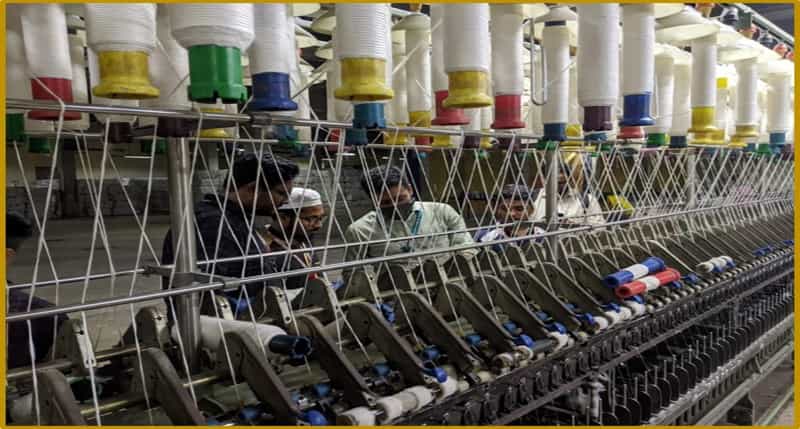
Access to reliable, high-quality conservation technologies is vital for textile mills aiming to reduce their environmental impact while enhancing operational efficiency. Both global and local resources contribute to a robust ecosystem that supports sustainable textile production.
5. Innovations: Pioneering New Approaches to Water and Energy Conservation
Innovation drives the continuous improvement of water and energy conservation in weaving mills. The latest advancements focus on optimizing resource usage through digital integration, process automation, and sustainable design.
5.1 IoT and Real-Time Monitoring
One of the most transformative innovations in resource management is the integration of IoT sensors throughout the production process. These sensors monitor parameters such as water flow, energy consumption, temperature, and machine performance in real time. Data from these sensors is transmitted to central control systems, enabling operators to make immediate adjustments that optimize resource usage and prevent waste.
Real-time monitoring systems also facilitate predictive maintenance, allowing mills to address potential issues before they result in costly downtime. By maintaining optimal operating conditions, textile mills can significantly reduce water and energy consumption.
5.2 Advanced Water Recycling and Treatment Technologies
Innovative water recycling systems have become increasingly efficient, enabling mills to capture, treat, and reuse wastewater from dyeing, finishing, and cooling processes. Recent advancements in membrane filtration, ultraviolet (UV) treatment, and reverse osmosis have improved the quality and reliability of recycled water. These technologies help mills reduce their net water usage and lower the environmental impact of their operations.
5.3 Energy-Efficient Motors and Smart Controls
Advances in motor technology have led to the development of energy-efficient motors that consume significantly less power while maintaining high performance. Variable frequency drives (VFDs) and smart control systems dynamically adjust motor speeds to match production demands, ensuring that energy is used optimally. These innovations reduce energy consumption and lower operating costs, making textile production more sustainable.
5.4 Integration with Renewable Energy Sources
In response to growing environmental concerns, many textile mills are integrating renewable energy sources into their production processes. Solar panels, wind turbines, and biomass energy systems are being installed to supplement traditional power supplies. This integration not only reduces reliance on fossil fuels but also positions mills as leaders in sustainable manufacturing. Combined with smart energy management systems, renewable energy integration is transforming the economic and environmental landscape of textile production.
Innovative approaches to water and energy conservation are reshaping the textile industry. These advancements enable weaving mills to operate more efficiently, reduce environmental impact, and meet the sustainability demands of a global market.
6. Production Process: Integrating Water and Energy Conservation in Weaving Mills
Efficient production in weaving mills hinges on the seamless integration of water and energy conservation measures into the production process. This section details the workflow, emphasizing how modern technologies and sustainable practices enhance operational efficiency and product quality.
6.1 Pre-Production Setup and Resource Management
Before production begins, meticulous planning and setup are essential to optimize resource use:
- Water and Energy Audit: Mills perform a thorough audit to identify inefficiencies and set baseline metrics for water and energy consumption.
- System Calibration: Machines are calibrated to operate within optimal parameters. Digital sensors adjust water flow and energy settings to meet production needs without excess.
- Equipment Setup: Water recycling units, energy-efficient motors, and smart control systems are integrated into the production line. Operators configure the MES with production parameters and conservation targets.
- Pre-Production Diagnostics: Safety and diagnostic checks ensure that all systems are functioning correctly, reducing the risk of resource wastage and machine failure during production.
6.2 In-Production Operation and Monitoring
During production, continuous monitoring and real-time adjustments are key:
- Digital Monitoring: IoT sensors track water usage, energy consumption, and machine performance, transmitting data to a central dashboard. This allows for real-time decision-making and immediate corrective actions.
- Process Optimization: Smart control systems adjust operational parameters dynamically. For example, water flow and energy input are optimized based on production speed and fabric quality requirements.
- Quality and Efficiency Checks: Automated systems verify that the production process meets quality standards while maintaining low resource consumption. Any deviations trigger alerts, enabling rapid intervention.
Table: Production Process for Water and Energy Conservation
| Stage | Process Description | Key Benefits |
|---|---|---|
| Pre-Production Setup | Water and energy audits, equipment calibration, system integration | Optimized resource use, reduced startup inefficiencies |
| In-Production Monitoring | Real-time tracking, digital monitoring, dynamic adjustments | Immediate corrective actions, high efficiency, quality control |
| Process Optimization | Automated system adjustments based on real-time data | Reduced waste, lower operating costs, improved consistency |
| Post-Production Analysis | Data compilation, performance reporting, feedback loops | Continuous improvement, predictive maintenance, sustainable practices |
6.3 Post-Production Analysis and Feedback
After production, a comprehensive analysis of resource usage and machine performance is conducted:
- Data Compilation: The MES system compiles data on water and energy consumption, production speed, and quality metrics.
- Performance Reporting: Detailed reports highlight areas for improvement and track progress against conservation goals.
- Feedback and Continuous Improvement: Insights from the analysis inform future adjustments in machine settings, maintenance schedules, and overall resource management strategies, driving continuous improvement in efficiency.
Integrating water and energy conservation into every phase of the production process ensures that weaving mills operate at peak efficiency, minimizing waste and reducing costs while maintaining high-quality output.

7. Challenges in Water and Energy Conservation
While the benefits of conserving water and energy in weaving mills are clear, implementing these measures is not without challenges. Addressing these obstacles is crucial for achieving sustainable production and long-term cost savings.
7.1 High Capital Investment
Implementing advanced conservation technologies often requires significant upfront capital. Upgrading machinery to include digital sensors, energy-efficient motors, and water recycling systems can be costly, particularly for small and medium-sized textile mills. While the long-term savings are substantial, the initial investment remains a major barrier for many producers.
7.2 Integration with Existing Infrastructure
Many weaving mills operate with legacy equipment that was not designed for digital integration or energy efficiency. Retrofitting these systems to accommodate modern conservation technologies can be complex and may require custom engineering solutions. Ensuring compatibility between old and new systems is essential to avoid production disruptions and maximize resource savings.
7.3 Workforce Training and Adaptation
Transitioning to digital conservation systems necessitates a skilled workforce proficient in modern technology. Operators and maintenance teams must be trained to use new equipment and interpret data from digital dashboards. Resistance to change and the learning curve associated with new technologies can slow down the adoption process, impacting overall efficiency.
7.4 Monitoring and Data Management
Collecting, analyzing, and acting on data from digital monitoring systems presents its own challenges. Effective resource management relies on accurate and timely data. Inadequate data management practices can lead to misinterpretations, inefficient adjustments, and wasted resources. Investing in robust data analytics platforms and ensuring data integrity are critical to overcoming these challenges.
Table: Challenges in Water and Energy Conservation and Mitigation Strategies
| Challenge | Impact on Production | Mitigation Strategy |
|---|---|---|
| High Capital Investment | Significant upfront costs, financial constraints | Phased implementation, government subsidies, ROI analysis |
| Integration with Legacy Systems | Compatibility issues, potential production disruptions | Custom retrofitting, gradual system upgrades, expert consultation |
| Workforce Training | Skill gaps, resistance to new technology | Comprehensive training programs, continuous education, technical support |
| Monitoring and Data Management | Inaccurate data, inefficient adjustments | Robust data analytics systems, real-time monitoring, data integrity protocols |
Addressing these challenges is essential for maximizing the benefits of water and energy conservation initiatives. Strategic investments, proper planning, and ongoing training can help textile mills overcome these obstacles and achieve sustainable production.
8. Real-World Applications and Case Studies
Real-world applications provide practical insights into how weaving mills are successfully implementing water and energy conservation measures. Case studies illustrate the tangible benefits of these practices in terms of cost savings, improved efficiency, and environmental impact.
8.1 Case Study: Energy Savings in an Asian Weaving Mill
A major textile mill in Bangladesh integrated energy-efficient motors, variable frequency drives, and smart energy management systems into its production line. By monitoring real-time energy usage and optimizing machine settings, the mill reduced its overall energy consumption by 28%. The digital system enabled predictive maintenance and minimized downtime, resulting in improved production efficiency and significant cost savings. This case study demonstrates the economic and environmental benefits of adopting energy-efficient technologies in textile production.
8.2 Case Study: Water Recycling in a European Textile Facility
A textile mill in Germany implemented an advanced water recycling system for its dyeing and finishing processes. Using state-of-the-art filtration and reverse osmosis technologies, the facility was able to recycle up to 75% of the water used in production. This not only reduced water consumption but also lowered operational costs and improved compliance with environmental regulations. The mill’s commitment to sustainable practices enhanced its reputation among international buyers, positioning it as a leader in eco-friendly textile production.
8.3 Case Study: Integrated Resource Management in a Multinational Operation
A multinational textile conglomerate operating in multiple countries adopted a centralized MES platform to monitor and manage water and energy usage across its mills. Real-time data integration enabled the company to standardize conservation practices and achieve consistent resource efficiency across all facilities. The conglomerate reported a 20% reduction in energy costs and a 15% decrease in water consumption, along with improved overall equipment efficiency (OEE). This integrated approach highlights the value of digital solutions in driving sustainable production on a global scale.
These case studies illustrate that effective water and energy conservation not only reduce operational costs but also enhance production efficiency and environmental sustainability. Real-world examples demonstrate the potential for significant improvements when modern conservation technologies are integrated into textile production.
9. End-Users and Stakeholders: Impact on the Textile Ecosystem
The benefits of water and energy conservation in weaving mills extend to various stakeholders throughout the textile value chain. Understanding these impacts is crucial for recognizing the strategic importance of sustainable practices in modern textile production.
9.1 Textile Manufacturers and Mill Operators
For textile manufacturers and mill operators, effective resource management directly translates into reduced production costs, improved efficiency, and increased profitability. By adopting advanced conservation technologies, mills can lower their energy bills, minimize water wastage, and achieve higher overall equipment efficiency (OEE). These improvements provide a competitive edge in both domestic and global markets, enabling mills to offer high-quality products at lower prices.
9.2 Maintenance and Technical Teams
Maintenance teams benefit from digital monitoring and predictive maintenance systems that reduce the likelihood of unexpected equipment failures. With real-time data and automated alerts, technicians can address issues promptly, reducing downtime and ensuring that machinery operates at peak performance. This proactive approach to maintenance not only extends the lifespan of equipment but also contributes to lower overall operating costs.
9.3 Environmental Advocates and Consumers
Environmental sustainability is a growing concern among consumers and regulatory bodies. Textile mills that implement water and energy conservation practices contribute to a lower environmental footprint, aligning with global sustainability standards and appealing to eco-conscious consumers. High-quality, sustainably produced textiles build brand trust and support ethical consumerism, enhancing market reputation and driving long-term growth.
9.4 Global Buyers and Industry Stakeholders
Global buyers, distributors, and industry stakeholders are increasingly demanding transparency and sustainability in textile production. Mills that demonstrate efficient resource management and compliance with environmental regulations are better positioned to secure international contracts. Consistent quality, ethical production practices, and reduced operational costs translate into higher profitability and stronger market competitiveness.
Table: Stakeholders and Benefits of Resource Conservation in Weaving Mills
| Stakeholder | Role/Impact | Benefits |
|---|---|---|
| Manufacturers/Mill Operators | Oversee production and implement conservation strategies | Reduced costs, improved efficiency, competitive advantage |
| Maintenance Teams | Monitor and maintain advanced equipment | Proactive repairs, extended equipment lifespan, lower downtime |
| Environmental Advocates/Consumers | Demand sustainable, eco-friendly products | Ethical production, enhanced brand reputation, eco-certifications |
| Global Buyers/Industry Stakeholders | Purchase and promote high-quality, sustainable textiles | Consistent quality, compliance with international standards, increased market trust |
The widespread benefits of water and energy conservation practices underscore their importance in modern textile production. From cost savings and operational efficiency to environmental sustainability and market competitiveness, these practices have a profound impact across the textile ecosystem.
10. Market Trends, Economic Impact, and Global Trade Dynamics
The textile industry is evolving in response to increasing environmental concerns, rising energy costs, and competitive global markets. Water and energy conservation have become strategic priorities, influencing market trends, economic performance, and global trade dynamics.
10.1 Market Trends
There is a growing demand for sustainable textile production methods as consumers and businesses become more environmentally conscious. Textile mills are investing in energy-efficient machinery, water recycling systems, and digital monitoring tools to reduce resource consumption. These trends are not only driven by environmental considerations but also by the economic advantages of reducing operational costs. Mills that adopt advanced conservation technologies are better positioned to meet international standards and consumer expectations for sustainability.
10.2 Economic Impact
The economic benefits of resource conservation are significant. Reduced water and energy usage lower production costs, increase profit margins, and improve overall efficiency. Studies show that textile mills implementing advanced conservation measures can achieve substantial cost savings, which contribute to a higher return on investment (ROI) and enhanced market competitiveness. Improved efficiency also leads to higher production yields and better resource utilization, further boosting economic performance.
10.3 Global Trade Dynamics
Global trade in textiles is increasingly influenced by sustainability and ethical production practices. Textile mills that adopt water and energy conservation technologies are viewed favorably by international buyers and regulatory bodies. Consistent production quality, reduced environmental impact, and adherence to international standards facilitate smoother trade operations and build trust among global partners. As environmental regulations become more stringent worldwide, sustainable production practices will play a critical role in maintaining and expanding market share.

The convergence of market trends, economic impact, and global trade dynamics underscores the strategic importance of water and energy conservation in weaving mills. These practices not only reduce operational costs but also enhance the competitiveness and sustainability of textile production on a global scale.
11. Future Trends and Emerging Opportunities in Resource Conservation
The future of water and energy conservation in weaving mills is shaped by continuous innovation and evolving market demands. Emerging technologies and sustainable practices promise to further reduce resource consumption while enhancing production efficiency and quality.
11.1 Advanced Digital Integration and IoT
The next generation of weaving mills will see deeper integration of digital technologies and IoT sensors. Enhanced data analytics, real-time monitoring, and AI-driven predictive maintenance will enable mills to optimize water and energy usage more precisely. Digital twin technology will allow manufacturers to simulate production scenarios, fine-tune machine settings, and minimize resource waste without disrupting actual production.
11.2 Renewable Energy Integration
The incorporation of renewable energy sources, such as solar, wind, and biomass, will become increasingly prevalent in textile mills. Future systems will integrate renewable energy with smart power management, reducing dependency on fossil fuels and lowering the overall carbon footprint. This integration will not only contribute to cost savings but also help mills comply with international environmental standards, appealing to eco-conscious consumers.
11.3 Sustainable Water Management Systems
Innovations in water recycling and treatment will continue to advance, further reducing the net water usage in textile production. Emerging technologies, including advanced membrane filtration and ultraviolet (UV) treatment, will enhance the efficiency and reliability of water recycling systems. These systems will become a standard feature in modern weaving mills, ensuring that water is used sustainably throughout the production process.
11.4 Modular and Scalable Conservation Solutions
Future trends also point to the development of modular conservation systems that allow textile mills to scale their resource management strategies incrementally. These modular solutions offer flexibility, enabling SMEs to adopt advanced technologies gradually and expand as production demands increase. Scalable systems ensure that conservation measures can be tailored to specific operational needs, providing a cost-effective pathway to sustainability.
11.5 Global Standardization and Collaborative Innovation
As the textile industry becomes more globalized, the standardization of digital and sustainable production practices will be critical. Collaborative efforts between industry associations, regulatory bodies, and technology providers will drive the development of universal standards for water and energy conservation. This global standardization will simplify integration, facilitate data sharing, and enhance overall market competitiveness, paving the way for widespread adoption of sustainable practices in textile manufacturing.
The future of water and energy conservation in weaving mills is bright, with emerging opportunities that promise to enhance efficiency, reduce environmental impact, and drive long-term sustainability. By embracing advanced technologies and sustainable practices, textile mills can secure a competitive edge in a rapidly evolving global market.
12. Summary and Conclusion
Water and energy conservation in weaving mills is a critical pillar of modern textile production, with significant implications for operational efficiency, cost reduction, and environmental sustainability. This comprehensive article has examined the evolution, technological advancements, and practical applications of resource conservation strategies in weaving mills.
We began by emphasizing the imperative of conserving water and energy in textile production, outlining how efficient resource management can lead to substantial cost savings and environmental benefits. Historical perspectives traced the evolution from traditional, low-tech practices to the high-volume, resource-intensive methods of the Industrial Revolution, and finally to modern, sustainable production processes.
Technological evolution has played a central role in shaping resource conservation in weaving mills. Advances in water recycling, digital monitoring, energy-efficient machinery, and IoT integration have enabled mills to optimize water and energy usage. Innovations such as automated water treatment systems, energy-efficient motors, smart control algorithms, and renewable energy integration have transformed the industry, reducing waste and lowering operational costs.
Global availability of advanced conservation technologies is supported by robust networks of suppliers, distributors, and technical support services. Leading manufacturers across Asia, Europe, and North America offer state-of-the-art systems, while local collaborations and government initiatives facilitate the adoption of these technologies by textile mills of all sizes.
The production process in modern weaving mills now integrates resource conservation at every stage—from pre-production setup and machine calibration to in-production monitoring and post-production analysis. Real-world case studies from mills in Asia, Europe, and multinational operations demonstrate that effective water and energy management leads to higher efficiency, improved fabric quality, and significant cost savings.
Challenges such as high capital investment, integration with legacy systems, workforce training, and data management must be addressed to fully realize the benefits of resource conservation. However, strategic planning, robust training programs, and advanced digital tools can overcome these obstacles, paving the way for a more sustainable textile industry.
Looking ahead, future trends promise even greater advancements in resource conservation. Enhanced digital integration, renewable energy adoption, advanced water recycling technologies, modular systems, and global standardization will further optimize resource usage and drive sustainability in weaving mills. These emerging opportunities will enable textile manufacturers to meet the demands of a competitive global market while minimizing their environmental impact.
In conclusion, water and energy conservation in weaving mills is not merely a cost-saving measure—it is a strategic imperative for achieving sustainable, efficient, and competitive textile production. By embracing innovative technologies and sustainable practices, textile mills can reduce operational costs, improve product quality, and contribute to a greener, more responsible global industry. The continuous evolution of resource management strategies is vital for the future of textiles, ensuring that the industry remains resilient and adaptable in an ever-changing world.