Introduction
Modern textile manufacturing continuously pushes boundaries. One of the most surprising innovations emerges at sea. Mobile production units now operate on ships and trains. These units manufacture garments during transit. When the vessel docks or the train reaches its destination, the final product awaits delivery. This revolutionary approach transforms the entire supply chain.
The concept marries efficiency with sustainability. Manufacturers reduce storage costs and time-to-market. Moreover, mobile production offers flexibility in meeting global demand. Designers and engineers work together to blend art with technology. TextileSchool.com explores these innovations and the impact they have on the industry.
Historical Evolution of Garment Production at Sea
Early Beginnings on Land
Garment production has ancient roots. In early times, tailors worked in small workshops. They relied on manual sewing and hand‑spun fabrics. Traditional production methods dominated the industry. Textile artisans crafted garments with simple tools and techniques. Early garments were often bespoke, tailored for individual clients. These practices laid the foundation for later innovations.
As global trade expanded, textile production shifted toward mass manufacturing. Factories emerged and utilized steam power and mechanization. The revolution began on land. Manufacturers optimized production lines to meet increasing demand. This transformation set the stage for the next leap: mobile production.
The Birth of Mobile Production
The idea of producing garments on the move seems unconventional. In the mid‑20th century, innovations in transportation opened new possibilities. Manufacturers began exploring ways to integrate production with logistics. Trains and ships provided ideal environments for continuous production. Early experiments used mobile workshops that operated during long journeys. These units enabled manufacturers to complete production while en route to a destination.
Innovators saw potential in reducing idle time. Instead of waiting for production facilities on land, they adapted to moving environments. Mobile production units emerged as a novel solution. This shift disrupted traditional manufacturing models and sparked new industry discussions. For more historical insights, check our Textile History section.
Technological Evolution in Mobile Garment Production
Automation and Robotics
Today, technology drives every stage of garment production at sea. Automation now plays a central role. High‑speed, computer‑controlled looms produce fabrics with minimal human intervention. Robotic arms perform precise cutting and sewing tasks. These technologies ensure consistent quality even in moving production units.
Robots replace manual labor and speed up production. They operate reliably on ships and trains under variable conditions. Manufacturers use automated systems to monitor and adjust processes in real time. The efficiency gains lower production costs and improve quality. For example, a key efficiency formula used in modern textile production is:
Efficiency Ratio = (Output Quality × Production Speed) / (Material Cost × Waste Factor)
This ratio guides engineers to fine‑tune production processes. The integration of robotics has made mobile production units both resilient and highly efficient.
Digital Printing and Customization
Digital printing has transformed textile design. Manufacturers now produce intricate, customized patterns with high precision. Digital printers enable mass personalization in garment production. These technologies allow designers to experiment with vibrant colors and complex graphics. Companies can offer bespoke garments that reflect customer preferences. Digital printing on mobile production units reduces turnaround times significantly.
This technology supports small‑batch production and rapid changes. It empowers companies to respond quickly to market trends and consumer demands. Enhanced customization is a major selling point. Clients appreciate unique designs that set their garments apart. Explore more about digital textile printing on our Digital Textile Innovations page.
Integration of Smart Technologies
Smart textiles and IoT devices are increasingly common in mobile production. Sensors embedded in machinery track temperature, humidity, and fabric tension. These devices help maintain optimal production conditions. Digital monitoring systems provide real‑time feedback to adjust processes dynamically. Smart technologies ensure that garments meet rigorous quality standards despite the challenges of a moving environment.
Smart production units incorporate digital twin technology. This simulation tool models the production process and predicts potential issues. Manufacturers can adjust parameters before production begins. Such integration leads to fewer defects and a smoother workflow. Smart technologies also facilitate remote management of mobile units, allowing operators to monitor performance from anywhere.
Advanced Weaving and Knitting Techniques
Modern mobile production units use state‑of‑the‑art weaving and knitting machines. Computer-aided design (CAD) software guides these machines to create fabrics with intricate patterns and consistent quality. Advanced techniques like 3D knitting produce seamless, multilayered fabrics. These fabrics exhibit superior strength and flexibility, which are critical in high-performance garments.
The transition from traditional looms to automated systems has revolutionized textile production. Efficiency and precision have increased while human error has decreased. Manufacturers now achieve unprecedented levels of quality control. This technological evolution underpins the success of mobile garment production, ensuring that every piece meets industry standards.

Sources and Availability of Raw Materials
Diverse Fiber Sources
The quality of garments produced at sea depends on high-grade raw materials. Manufacturers source diverse fibers from around the globe. Natural fibers like cotton, wool, and linen offer comfort and breathability. Synthetic fibers such as polyester, nylon, and acrylic provide durability and low maintenance. Each type of fiber contributes unique properties to the final garment.
Sourcing high-quality fibers is critical for mobile production units. Suppliers maintain rigorous standards and certifications. Global supply chains enable manufacturers to access premium materials regardless of geographic location.
Sustainable Materials and Eco-Friendly Practices
Sustainability has become a top priority in the textile industry. Manufacturers now seek eco-friendly fibers and sustainable production methods. Recycled polyester and bio‑based fibers reduce environmental impact while offering excellent performance. Eco-friendly practices extend to all stages of production—from raw material sourcing to finishing processes.
Companies adopt water‑based dyes and low‑emission finishing agents. These practices not only comply with environmental regulations but also appeal to consumers. Green textile innovations drive market growth and create a competitive edge. For more insights on sustainable textiles, check out our Sustainable Textiles section.
Global Supply Chains and Logistics
Mobile production units rely on efficient global supply chains. High‑quality raw materials are sourced from leading textile regions. Countries like China, India, and Turkey are major suppliers of fibers and finished textiles. These regions invest heavily in modern production facilities and maintain robust quality control systems.
Global supply chains face challenges such as geopolitical tensions and fluctuating raw material prices. Manufacturers mitigate these risks by diversifying their supplier base and building strong relationships with key partners. Advanced logistics and supply chain management tools ensure that raw materials reach production units on time. Efficient global networks support the success of garment production at sea.
Table: A table comparing major fiber sources, their properties, and leading supply regions.
| Fiber Type | Key Properties | Common Applications | Major Supply Regions |
|---|---|---|---|
| Natural Fibers | Soft, breathable, eco-friendly | Casual wear, formal garments | India, USA, Turkey |
| Synthetic Fibers | Durable, low-maintenance, cost-effective | Sportswear, technical apparel | China, South Korea, Germany |
| Eco-Friendly Fibers | Recycled, bio-based, sustainable | Premium sustainable garments | Europe, USA, India |
Innovations in Mobile Garment Production
Mobile Production Units on Ships and Trains
The breakthrough of garment production at sea has disrupted traditional manufacturing models. Mobile production units now operate on ships and trains. These units combine advanced textile machinery with onboard power systems to produce garments while in transit. The concept transforms long journeys into productive manufacturing time. By the time the ship docks or the train reaches its destination, finished garments await delivery.
Mobile production units maximize efficiency by eliminating downtime. They reduce storage costs and shorten delivery timelines. This innovation also minimizes environmental impact by optimizing logistics. Manufacturers can produce garments closer to end markets, lowering transportation emissions and costs.
Integrated Digital Production
Digital integration plays a critical role in mobile garment production. Advanced digital printing systems enable customization on the fly. Designers can alter patterns and colors during production. This capability supports mass personalization and meets rapidly changing market trends. Digital integration also ensures precise control over quality and consistency.
Mobile units use real‑time data to adjust production parameters. Sensors monitor fabric tension, temperature, and humidity. These systems optimize production processes, reducing waste and defects. Digital dashboards provide operators with instant feedback, ensuring high efficiency even in challenging environments.
Eco-Friendly and Sustainable Innovations
Sustainability drives many innovations in mobile garment production. Manufacturers embrace eco‑friendly materials and production techniques. Mobile units often use energy‑efficient machinery powered by renewable energy sources. Sustainable practices extend to raw material sourcing and waste management. Recycled fibers and biodegradable materials reduce the environmental footprint of production.
Innovative dyeing and finishing techniques minimize water and chemical usage. Manufacturers use low‑emission dyes and eco‑friendly finishing agents. These practices ensure that garments produced at sea meet strict environmental standards. Sustainability not only benefits the planet but also appeals to modern consumers who value green products.
Advanced Robotics and Automation
Automation and robotics are at the heart of mobile production. Robotic arms perform precise cutting, sewing, and assembly tasks. Automated systems handle repetitive processes with high accuracy. This technology increases production speed and ensures consistent quality. Mobile units leverage robotics to overcome the challenges of a moving environment.
Robots work in tandem with digital control systems. Automated quality control monitors every stage of production. Advanced sensors detect defects early, allowing for immediate corrections. These technologies ensure that garments produced on ships or trains match the quality of those made in stationary factories.
Breakthrough Production Models
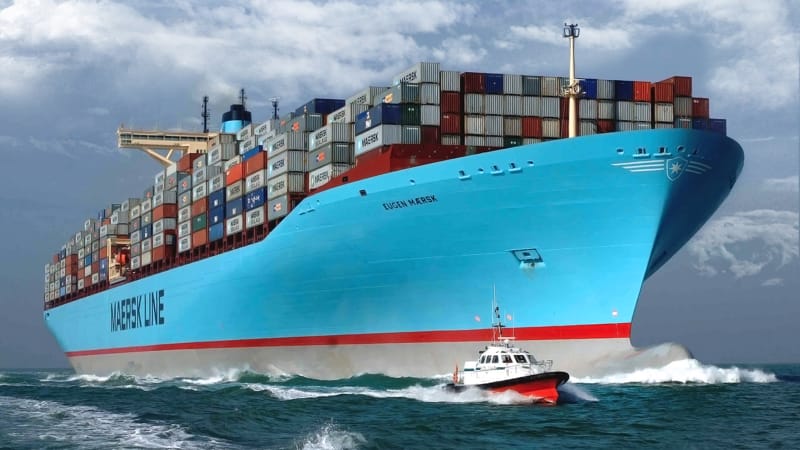
Some companies have pushed innovation further by developing production models that complete garment production entirely during transit. For example, a pioneering firm equips a cargo ship with fully integrated textile production lines. The ship produces garments from raw material to finished product during its voyage. When the vessel reaches its destination, the garments are ready for immediate distribution. This breakthrough model revolutionizes the supply chain and sets new standards for efficiency and speed.

https://wallup.net/wp-content/uploads/2019/09/817094-cargo-ship-tanker-ship-boat-transport-container-freighter.jpg
Production Process in Mobile Garment Production
Concept and Design
The production process begins with a strong concept. Designers collaborate with engineers to create garments that meet market needs. They use computer‑aided design (CAD) software to develop prototypes. Digital tools simulate fabric behavior and garment fit. Designers experiment with various patterns and materials to achieve the perfect balance of aesthetics and functionality.
The design phase incorporates market trends and consumer feedback. Iterative design processes refine the garment’s structure, ensuring optimal performance and comfort. Storytelling plays a role here; designers often draw inspiration from maritime themes and the dynamic nature of travel. This creative process results in garments that are unique, innovative, and tailored for mobile production environments.
Raw Material Preparation
Raw material preparation is critical. High‑quality fibers are sourced from trusted suppliers worldwide. Manufacturers choose natural fibers, synthetic fibers, or blends based on the garment’s requirements. Rigorous quality testing ensures that materials meet industry standards such as ISO and ASTM. Preparation involves cleaning, conditioning, and sorting fibers to ensure consistency.
Sustainable sourcing practices have gained prominence. Companies increasingly use recycled or eco‑friendly fibers to reduce environmental impact. The raw materials undergo laboratory testing to verify their strength, durability, and performance. A close collaboration between manufacturers and suppliers ensures that the fibers arrive in optimal condition for production.
Fabric Formation
Fabric formation takes center stage in mobile garment production. Advanced weaving and knitting machines create the textile base. Computer‑controlled looms produce intricate patterns and consistent fabric structures. High‑speed knitting technology enables the production of seamless, multilayered textiles that enhance durability and comfort.
Digital printing integrates custom designs directly onto the fabric. This process allows for mass customization and rapid design changes. The integration of digital printing reduces waste and accelerates production timelines. Manufacturers monitor production parameters closely to ensure that every roll of fabric meets quality standards.
Table: A table outlining the key steps in fabric formation with technologies and quality metrics.
| Stage | Process Description | Key Quality Metrics |
|---|---|---|
| Weaving/Knitting | Automated production using CAD-guided looms | Pattern precision, uniformity |
| Digital Printing | High‑resolution customization directly on fabric | Color accuracy, consistency |
| Seamless Integration | 3D knitting for multilayered, continuous textiles | Defect rate, tensile strength |
Dyeing, Coating, and Finishing
Dyeing and finishing add the final touches to the fabric. Digital dyeing techniques offer precise color matching and customization. Manufacturers use eco‑friendly dyes that reduce water and chemical consumption. Finishing processes apply nano‑coatings to enhance fabric properties such as stain resistance, UV protection, and durability.
Advanced finishing also involves lamination and antimicrobial treatments. These processes improve the longevity and functionality of the garment. Quality control measures test for color fastness, texture consistency, and resistance to environmental factors. Every batch undergoes rigorous inspection to ensure it meets industry standards.
Cutting, Sewing, and Assembly
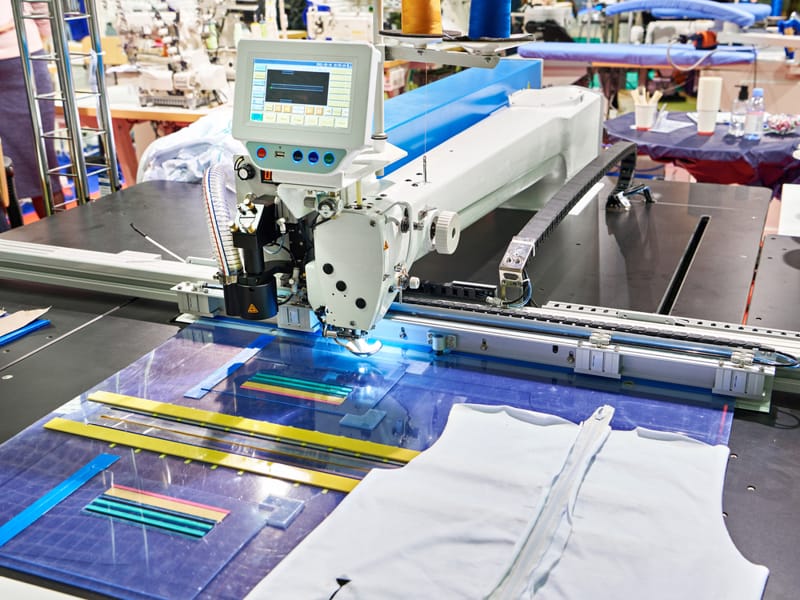
The final production phase involves cutting, sewing, and assembly. Advanced cutting machines use laser technology and digital patterns to achieve precise cuts with minimal waste. Robotic sewing systems join fabric pieces with consistent stitch quality. This stage transforms raw textiles into fully formed garments.
Assembly in mobile production units must adapt to a moving environment. Automated systems work in tandem with human operators to ensure accuracy. Digital quality control monitors every seam and finish detail. The completed garments undergo final inspections before packaging. The process exemplifies the fusion of high‑tech automation with skilled craftsmanship.
Quality Control and Continuous Improvement
Quality control remains integral throughout the production process. Manufacturers deploy automated inspection systems and statistical process control techniques. These systems monitor parameters such as tensile strength, color consistency, and durability. Data analytics drive continuous improvement by identifying inefficiencies and defects early in production.
Digital twin technology simulates the entire production process. Engineers use these simulations to adjust parameters and optimize processes. Continuous feedback loops ensure that every garment meets the highest quality standards. Manufacturers invest heavily in quality assurance to maintain competitiveness in the mobile production sector.
https://howtorobot.com/sites/default/files/inline-images/different-sewing-robots.jpeg
Challenges in Mobile Garment Production
Environmental and Logistical Challenges
Producing garments at sea or on moving trains presents unique challenges. Environmental factors such as weather, vibrations, and sea conditions affect production. Mobile units must maintain stable operating conditions despite constant motion. Engineers design specialized stabilization systems and shock absorbers to protect delicate machinery.
Logistical challenges also arise. Coordinating production schedules with shipping or train timetables requires precise planning. Any delay in transit can disrupt production timelines and affect product quality. Manufacturers face the constant challenge of synchronizing production with transportation schedules while ensuring optimal performance.
Quality Assurance Under Motion
Maintaining quality in a moving environment demands innovative solutions. Automated inspection systems must adapt to variable conditions. Vibration and temperature fluctuations can affect machine performance. Manufacturers invest in advanced sensors and digital controls to monitor and adjust processes in real time. These measures help maintain consistent quality, but the challenges remain significant.
Quality assurance protocols include frequent calibration of equipment and rigorous testing of finished garments. Even minor variations in fabric properties can lead to defects. Manufacturers continually refine their processes to overcome these challenges and ensure that garments produced on the move match the quality of those produced in stationary factories.
Cost Efficiency and Investment
Mobile garment production requires significant capital investment. Specialized production units, advanced machinery, and stabilization systems drive up initial costs. Manufacturers must balance these investments with the potential benefits of reduced storage and transportation expenses. Achieving cost efficiency is a major challenge. Companies use economies of scale and lean manufacturing techniques to optimize costs.
The cost pressures extend to raw material procurement and maintenance of mobile units. Fluctuations in raw material prices and supply chain disruptions can affect profitability. Manufacturers must adopt flexible production models and robust financial planning to navigate these challenges.
Regulatory and Safety Standards
Operating production units on ships or trains introduces regulatory complexities. Manufacturers must comply with maritime or rail safety standards in addition to textile industry regulations. Ensuring that mobile units meet international safety and quality standards adds an extra layer of complexity. Regulatory compliance involves rigorous documentation, testing, and inspections. These requirements can slow down production and increase operational costs.
Safety protocols must cover not only the production process but also the integration of mobile units into the transportation network. Manufacturers work closely with regulatory bodies to ensure that all safety measures are in place. The interplay between textile production and transportation safety remains a critical challenge.
Technological Integration and Workforce Training
Integrating advanced technologies into mobile production units requires skilled labor. Rapid technological advancements demand continuous training for operators and technicians. Workforce training is essential to ensure that employees can operate high‑tech machinery in a dynamic environment. Manufacturers invest in extensive training programs and collaborate with technology providers to keep their teams updated.
Technological integration also involves adapting production software to work under mobile conditions. Digital systems must handle variable conditions and provide real‑time adjustments. The complexity of integrating IoT devices, automation, and quality control in a moving unit poses ongoing challenges. Continuous investment in workforce development and technology upgrades remains critical.

Real-World Applications and Case Studies
Case Study: High-Speed Production on Cargo Ships
A pioneering textile company transformed a cargo ship into a fully functional garment production unit. The mobile unit manufactured casual wear during long transoceanic voyages. Engineers integrated advanced weaving, digital printing, and robotic assembly systems. By the time the ship docked, the garments were fully produced and ready for distribution.
This case study highlights the efficiency gains of mobile production. The company reduced inventory costs and minimized production downtime. It also achieved remarkable customization capabilities by using digital printing on the move. This innovative approach transformed how manufacturers think about production schedules and supply chain integration.
Case Study: Train-Based Garment Production
Another groundbreaking example involves a luxury fashion brand that commissioned a mobile production unit on a high-speed train. The train traveled across Europe while producing bespoke garments for high‑end clients. Automated systems and skilled operators worked in harmony to deliver finished products by arrival.
The project emphasized the blend of art and technology. Designers used digital platforms to adjust designs in real time, ensuring that each garment met exact specifications. The train-based production model reduced lead times and transportation costs. This case illustrates that mobile garment production can cater to both mass-market and luxury segments with precision and creativity.
Case Study: Sustainable Production at Sea
Sustainability remains a critical focus in modern textile production. A green textile company retrofitted a production ship with eco‑friendly machinery. The ship used renewable energy sources, recycled fibers, and water‑based dyes to produce garments sustainably. The mobile production unit not only reduced its environmental footprint but also delivered high‑quality garments on time.
This project set new standards for sustainable production. It demonstrated that mobile production could align with green initiatives and regulatory requirements. The success of the venture sparked interest from other companies aiming to reduce their carbon footprint. It also underscored the potential for eco‑innovation in the textile industry.
Case Study: Emergency Production During Crises
During a global supply chain disruption, an innovative textile manufacturer deployed a mobile production unit on a train to meet urgent demand. The unit produced essential garments for healthcare workers and emergency responders. The rapid, on‑the‑move production capability allowed the company to bypass traditional bottlenecks in the supply chain.
This case study showcases the versatility of mobile garment production. It provided a timely solution during a crisis and demonstrated the potential of flexible, decentralized manufacturing. The emergency production unit delivered high‑quality garments rapidly and efficiently. Such adaptability is crucial in today’s volatile global market.

End‑Users and Their Requirements
Corporate and Fashion Brands
Large corporations and fashion brands embrace mobile garment production for its efficiency and customization. They demand high‑quality, consistent products delivered on tight schedules. Mobile production units allow these clients to access rapid turnaround times and personalized designs. Brands can offer exclusive collections produced during transit. The ability to customize and rapidly produce garments enhances their market competitiveness.
Corporate clients value innovation and sustainability. They seek products that align with their brand image and support eco‑friendly initiatives. Mobile production satisfies these needs by reducing waste and optimizing resource usage.
Small and Medium Enterprises (SMEs)
SMEs benefit from mobile production through reduced capital investment and lower inventory costs. They appreciate the flexibility and speed of production units that operate on the move. SMEs can quickly adapt to market trends without the overhead of traditional factories. This agile production model allows them to produce limited‑edition collections and respond rapidly to consumer demands.
SMEs also prioritize cost efficiency. Mobile production minimizes storage and transportation expenses, allowing smaller companies to compete with larger players. Customization and short‑run production enable SMEs to offer niche products that appeal to targeted customer segments.
Retail and Distribution Channels
Retailers and distributors require reliable supply chains and consistent product quality. Mobile production units ensure that garments are produced to order and delivered on time. This reduces excess inventory and minimizes delays in distribution. Retailers value the ability to quickly refresh their stock with new collections produced during transit.
Distributors benefit from the efficiency of mobile production. Lower production times and optimized logistics lead to faster market delivery. This model supports just‑in‑time inventory practices and improves overall supply chain performance.
Consumer Preferences
Consumers increasingly demand innovative, sustainable, and customizable garments. They appreciate the novelty of products produced on the move. Mobile production offers unique selling propositions such as limited‑edition collections and rapid fashion cycles. Consumers also favor eco‑friendly products that reduce environmental impact. The storytelling aspect of mobile production—where garments are created during transit—adds an emotional connection to the product.
Employees and end‑users value quality, fit, and style. They expect garments to be durable and comfortable. Mobile production meets these expectations by integrating advanced production techniques and rigorous quality control systems. The result is a product that is both innovative and reliable.

Market Analysis and Competitive Landscape
Global Market Dynamics
The global garment production market is evolving rapidly. Mobile production models address critical challenges in traditional manufacturing. They reduce lead times, lower inventory costs, and offer unprecedented flexibility. Analysts forecast robust growth in mobile garment production, driven by technological advancements and global logistics improvements. The market is projected to grow at a CAGR of 7–9% over the next decade.
Global trends emphasize sustainability, digital integration, and rapid customization. Companies invest in advanced mobile production units to capture these trends. Regions like Asia, Europe, and North America contribute significantly to market growth. Emerging markets adopt mobile production to overcome logistical challenges and meet local demand efficiently.
Competitive Landscape
The competitive landscape features a mix of established giants and innovative startups. Large textile manufacturers leverage extensive resources and advanced technology. They maintain global supply networks and invest in R&D to optimize mobile production. Startups disrupt the market with niche solutions that focus on customization, eco‑innovation, and digital integration.
Competitive strategies focus on quality, efficiency, and sustainability. Companies differentiate themselves by offering rapid turnaround times, innovative designs, and cost‑effective production. Strategic partnerships and collaborations among textile manufacturers, shipping companies, and technology providers drive continuous innovation. These collaborations allow companies to streamline production, reduce waste, and improve product quality.
Regulatory and Environmental Considerations
Regulatory standards and environmental policies significantly influence mobile garment production. Manufacturers must comply with international safety and quality standards such as ISO and ASTM. Additionally, environmental regulations mandate eco‑friendly production practices. Compliance drives investments in sustainable technologies and processes. Companies that embrace green production methods gain a competitive edge and appeal to eco‑conscious consumers.
Global regulatory pressures also affect supply chain management. Manufacturers must navigate trade restrictions and environmental standards across different regions. Advanced supply chain management systems help companies monitor compliance and optimize logistics. The interplay between regulation and innovation remains a key factor in market dynamics.
Market Segmentation and Consumer Behavior
The market for mobile garment production segments into OEM production, contract manufacturing, and after‑sales services. Each segment has unique challenges and opportunities. OEMs value consistent, high‑quality production that supports rapid delivery. Contract manufacturers emphasize cost efficiency and customization. After‑sales services focus on quality control and rapid turnaround.
Consumer behavior in the fashion industry now favors rapid, on‑demand production. Mobile production aligns with trends such as fast fashion, limited‑edition collections, and personalized products. This consumer shift drives market growth and influences competitive strategies. Manufacturers that can quickly adapt to consumer preferences and offer innovative, customizable products are poised for success.
Future Trends and Prospects in Mobile Garment Production
Technological Breakthroughs
Future innovations will further disrupt traditional garment production. Breakthroughs in automation, robotics, and digital printing will drive efficiency and customization. Emerging technologies such as 3D printing and nanotechnology will enable the production of garments with intricate designs and enhanced performance. Manufacturers will explore the use of smart textiles that adapt in real time, offering dynamic solutions to changing conditions.
Graphene‑infused fibers and biodegradable composites will become more common. These materials promise to deliver high strength and sustainability without increasing production costs. Digital twin simulations and AI‑driven quality control will optimize production processes, reducing waste and improving consistency. These technological breakthroughs will redefine how garments are produced at sea and on the move.
Enhanced Digital Integration
Digital integration is set to revolutionize mobile garment production. Future production units will incorporate IoT devices and digital dashboards that monitor and adjust processes in real time. Mobile production will become fully integrated with digital supply chain management, allowing companies to track raw material quality and production efficiency seamlessly.
Digital customization will enable manufacturers to offer bespoke garments tailored to individual consumer preferences. Interactive design platforms will allow customers to modify patterns and colors in real time. This level of personalization not only enhances product appeal but also fosters stronger brand loyalty. The future of mobile production lies in its ability to merge digital technology with advanced textile manufacturing.
Sustainability and Eco‑Innovation
Sustainability will remain a dominant force in the textile industry. Mobile garment production offers a sustainable alternative to traditional manufacturing by reducing inventory and transportation costs. Future trends will emphasize eco‑friendly production methods, including the use of recycled fibers, bio‑based polymers, and water‑based dyes. Manufacturers will invest in renewable energy sources to power mobile units and adopt circular production models to minimize waste.
Eco‑innovation will drive the development of garments that perform exceptionally while reducing environmental impact. Sustainable production practices not only meet regulatory requirements but also resonate with modern consumers. As demand for green products grows, companies that embrace sustainable technologies will capture new market segments and enhance their competitive positioning.
Mass Personalization and Customization
Mass personalization will transform the fashion landscape. Digital printing and flexible manufacturing will enable rapid, on‑demand production of customized garments. Mobile production units will offer clients the opportunity to design bespoke products that reflect their unique style and preferences. This trend will extend beyond aesthetics, allowing for functional customization such as adjustable insulation and ergonomic design.
Personalization platforms will integrate with mobile production units, allowing real‑time design modifications. This interactive process enhances customer engagement and drives innovation in garment design. Mass customization will redefine the value proposition for both consumers and manufacturers, paving the way for a more agile and responsive production model.
Global Collaboration and Industry Partnerships
Future growth in mobile garment production will rely on global collaboration. Automakers, textile manufacturers, shipping companies, and technology providers will forge strategic partnerships to drive innovation. Collaborative research projects will yield breakthroughs in material science and production techniques. These partnerships will standardize quality benchmarks and streamline global supply chains.
Global industry alliances will help manufacturers navigate geopolitical challenges and optimize production costs. Shared knowledge and technology transfer will accelerate innovation and create a robust, competitive ecosystem. Collaborative efforts will drive the future of mobile production, ensuring that garments meet the highest standards of quality, sustainability, and customization.

Real-World Applications and Success Stories
Transforming Fashion Logistics
One of the most compelling real-world applications of mobile garment production lies in its ability to revolutionize fashion logistics. A leading fashion brand partnered with a maritime production unit to produce a limited-edition collection on a cargo ship. The production unit operated continuously during the voyage. By the time the ship reached its destination, the garments were fully produced and ready for sale. This innovative approach reduced turnaround time and inventory costs dramatically. The project captured media attention and set a new benchmark for rapid, on‑demand production.
Train-Based Production Success
A luxury fashion brand embraced a train-based production model to cater to high-end clients across Europe. The mobile unit on a high-speed train produced bespoke garments during long journeys. Designers made real-time adjustments using digital platforms, ensuring that each garment met precise specifications. Customers received personalized products that combined quality craftsmanship with cutting‑edge technology. This innovative model not only boosted efficiency but also enhanced the brand’s reputation for innovation and exclusivity.
Sustainable Production at Sea
Sustainability remains at the forefront of textile innovation. A green textile company retrofitted a cargo ship with eco‑friendly production facilities. The ship used renewable energy sources, recycled fibers, and water‑based dyes to produce garments sustainably. The mobile production unit significantly reduced its environmental impact while maintaining high-quality output. This initiative earned accolades for its eco‑innovation and demonstrated that mobile production can support both commercial efficiency and environmental stewardship.
Emergency Production During Disruptions
During global supply chain disruptions, a pioneering manufacturer deployed a mobile production unit on a train. The unit produced essential garments for emergency responders and healthcare workers. The rapid production capability enabled the company to bypass traditional bottlenecks and meet urgent demand. This case underscores the versatility and resilience of mobile garment production. It offers a viable solution for crisis management and highlights the adaptability of modern production models.
End‑Users and Their Requirements
Corporate Fashion Brands
Large fashion brands and corporations seek production models that ensure quality, speed, and customization. Mobile garment production appeals to these clients by offering rapid turnaround times and personalized products. Brands value the ability to produce limited-edition collections quickly. They also appreciate the cost efficiencies and reduced inventory requirements that mobile production provides.
Small and Medium Enterprises (SMEs)
SMEs benefit significantly from mobile production models. These businesses often operate with tighter budgets and limited resources. Mobile production units reduce overhead costs by eliminating the need for large warehouses and long lead times. SMEs can produce garments on demand, reducing waste and optimizing cash flow. The flexibility of mobile production allows SMEs to respond quickly to market trends and customer demands. This agility helps them compete effectively with larger companies.
Retailers and Distribution Channels
Retailers rely on consistent, high-quality production to meet consumer demand. Mobile production units enable just‑in‑time manufacturing, reducing the need for excessive inventory. Distributors benefit from faster delivery times and lower transportation costs. The ability to produce garments during transit ensures that products reach the market fresh and in optimal condition. Retailers and distributors value the efficiency and reliability of mobile production, which supports streamlined supply chains and robust customer satisfaction.
Consumer Preferences and Expectations
Consumers today demand innovative, sustainable, and high-quality products. The novelty of garments produced at sea or on trains sparks curiosity and enhances product value. Shoppers appreciate the transparency and efficiency of mobile production models. They are drawn to the story behind the garment—knowing that their clothing was produced during a journey adds an emotional connection. Consumers also favor eco‑friendly production methods that reduce environmental impact. This trend drives demand for products that are both innovative and sustainable.
Market Analysis and Competitive Landscape
Global Market Dynamics
The market for mobile garment production is emerging rapidly. Rising global demand for fast, customizable fashion drives growth. The integration of mobile production units into global logistics networks revolutionizes traditional manufacturing. Analysts predict a CAGR of 7–9% for mobile garment production over the next decade. Key drivers include technological advancements, increased customization, and sustainability trends.
Global supply chains now support mobile production by connecting manufacturers with raw material suppliers worldwide. Regions like Asia, Europe, and North America play significant roles. Manufacturers use advanced digital tools to monitor production, optimize costs, and maintain quality. The efficiency gains offered by mobile production resonate with brands looking to reduce inventory and accelerate delivery times.
Competitive Forces
The competitive landscape features both established textile manufacturers and agile startups. Large companies leverage their experience, global supply networks, and advanced production facilities to produce garments at scale. Meanwhile, innovative startups disrupt the market with niche solutions and mobile production models that emphasize customization and sustainability. Competitive forces drive continuous innovation and cost efficiency.
Companies invest in research and development to stay ahead. Technological breakthroughs in digital printing, automation, and sustainable production shape the industry. Strategic partnerships among textile manufacturers, logistics providers, and technology firms further enhance competitiveness. Firms that can rapidly innovate and adapt to market changes maintain a competitive edge.
Regulatory and Environmental Influences
Regulatory standards and environmental concerns play significant roles in shaping the market. Mobile garment production must comply with international standards such as ISO and ASTM. Manufacturers face strict regulations regarding safety, quality, and environmental impact. Compliance with these standards drives investment in eco‑friendly technologies and sustainable production processes.
Environmental factors, such as reducing carbon emissions and minimizing waste, influence production decisions. Manufacturers adopt sustainable practices to meet regulatory requirements and cater to eco‑conscious consumers. These trends not only improve product quality but also enhance market reputation and consumer trust.
Market Segmentation and Consumer Behavior
The mobile garment production market segments into OEM production, contract manufacturing, and after‑sales services. Each segment caters to different consumer needs and production scales. OEMs value high‑quality, on‑demand production that supports rapid market delivery. Contract manufacturers emphasize flexibility and customization. After‑sales services focus on quality control and rapid replenishment of stock.
Consumer behavior in the fashion industry now favors fast fashion and limited‑edition collections. Mobile production aligns perfectly with these trends, offering on‑demand production that minimizes waste. This shift in consumer preferences drives market growth and forces companies to innovate continuously. Manufacturers that leverage mobile production models can capture diverse market segments and achieve sustainable growth.
Future Trends and Prospects
Technological Advancements
The future of mobile garment production looks promising. Emerging technologies such as 3D printing, nanotechnology, and AI‑driven automation will revolutionize production. Manufacturers will develop smart mobile production units capable of adapting in real time to environmental conditions. These units will optimize production parameters using digital twin simulations and advanced analytics.
Graphene‑infused fibers and biodegradable composites will offer high performance at reduced environmental impact. Future breakthroughs will enable production of garments with customizable properties such as adjustable insulation and ergonomic support. These technological innovations will lower production costs and improve overall product quality.
Enhanced Digital Integration
Digital integration will play an even more significant role. Mobile production units will integrate IoT devices and smart sensors to monitor every aspect of production. Digital dashboards will provide real‑time insights, allowing operators to adjust processes on the fly. Digital customization tools will allow clients to personalize garment designs while in transit. This level of integration will create a seamless, responsive production environment that meets modern market demands.
Digital tools will also facilitate remote management of production units. Managers can track performance, monitor quality, and optimize supply chains using advanced software systems. This connectivity will ensure that mobile production remains agile and efficient.
Sustainability and Eco‑Innovation
Sustainability will continue to drive future innovations. Manufacturers will adopt green technologies and eco‑friendly production methods to reduce their carbon footprint. Future mobile production units may use renewable energy sources, such as solar or wind power, to operate machinery. Innovations in recycled fibers and bio‑based polymers will lead to garments that are both high‑performance and sustainable.
Sustainable production methods will lower environmental impact and meet consumer demands for eco‑friendly products. Manufacturers that invest in green technologies will gain a competitive advantage. The focus on sustainability will also foster collaborations with environmental research institutions and drive industry-wide innovations.
Mass Personalization and Customization
The trend toward mass personalization will reshape garment production. Advanced digital printing and flexible manufacturing processes enable rapid customization. Consumers will have the ability to personalize designs, colors, and patterns in real time. Mobile production units can switch quickly between standard and bespoke orders, offering tailored solutions that reflect individual preferences.
Interactive design platforms will allow clients to visualize custom designs before production begins. This engagement not only improves customer satisfaction but also drives brand loyalty. Mass customization will emerge as a key differentiator in a competitive market.
Collaborative Innovation and Global Partnerships
Global collaboration will be essential for future success. Automakers, textile manufacturers, logistics companies, and technology providers will form strategic alliances. Collaborative research projects will accelerate innovation and lead to breakthrough materials and production techniques. These partnerships will standardize quality benchmarks and streamline supply chain processes on a global scale.
Collaborative innovation will help companies mitigate risks associated with global supply chains and regulatory changes. By sharing technology and best practices, the industry will move toward a more integrated and sustainable production model. Global partnerships will drive the evolution of mobile garment production, ensuring a steady flow of high‑quality, innovative products.

Summary and Conclusion
Garment production at sea redefines traditional manufacturing. Mobile production units on ships and trains have revolutionized the textile industry. These innovative setups produce garments while en route, delivering finished products by the time they reach their destination. This approach reduces production time, cuts costs, and minimizes environmental impact.
Historically, garment production evolved from small land-based workshops to modern mobile units. Early methods relied on manual labor and natural fibers. With the advent of synthetic fibers, automation, and digital printing, the industry transformed dramatically. Technological evolution now enables mobile units to produce high-quality, customized garments with advanced smart textiles and eco-friendly processes.
The production process in mobile garment production includes concept and design, raw material sourcing, fabric formation, dyeing and finishing, and cutting, sewing, and assembly. Each stage relies on advanced technologies such as CAD, robotics, digital printing, and IoT integration. Quality control systems ensure that every garment meets stringent standards despite the challenges of a moving production environment.
Challenges remain in the form of environmental conditions, regulatory compliance, supply chain disruptions, and cost pressures. However, companies continue to innovate and adapt. Real-world applications and case studies highlight successful projects on ships and trains that deliver garments in record time. End‑users, from corporate clients to SMEs, value the efficiency, customization, and sustainability of mobile production models.
Market analysis reveals robust growth driven by technological advancements, sustainability trends, and consumer demands for rapid, customized fashion. The competitive landscape features both established giants and agile startups, all pushing the boundaries of innovation. Future prospects are bright, with emerging technologies, enhanced digital integration, and global collaboration set to redefine garment production further.
In summary, garment production at sea is a breakthrough in textile manufacturing. It combines cutting-edge technology, advanced automation, and sustainable practices to create a production model that delivers quality, customized garments on time. As the industry evolves, mobile production units will play an increasingly important role in reducing costs, lowering environmental impact, and meeting the ever-changing demands of the global fashion market.
Mobile garment production revolutionizes the textile industry by transforming long journeys into efficient production periods. This innovative approach blends technology, sustainability, and customization to deliver high-quality garments while in transit. The evolution of this model from traditional methods to advanced mobile units underscores the dynamic future of textile manufacturing, making it a key driver of global fashion innovation.