
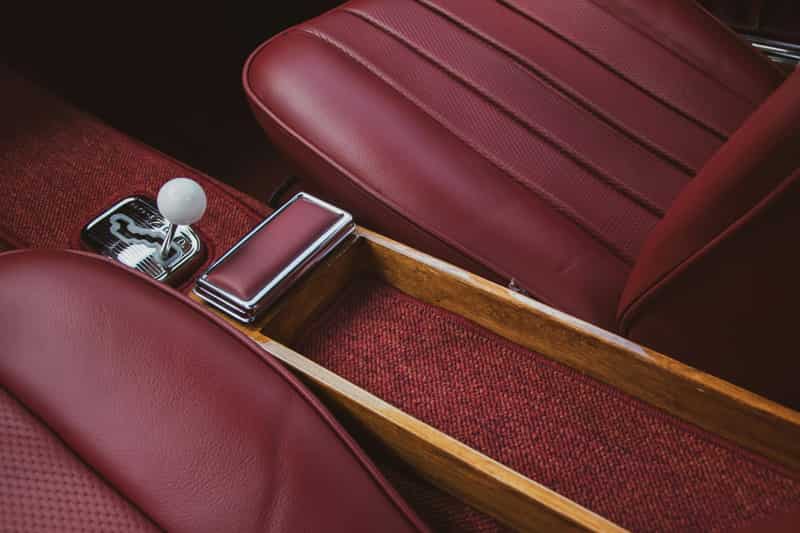
Automotive interiors transform the driving experience through advanced textiles that combine style, performance, and safety. Today’s vehicles rely on innovative fabrics that meet stringent industry standards while elevating comfort and aesthetics. This article provides an in‑depth exploration of automotive interior fabrics. It covers their history, technological evolution, raw material sourcing, innovations, production processes, challenges, real‑world applications, end‑user requirements, market dynamics, and future prospects. The content follows optimal SEO practices and incorporates relevant industry jargon to ensure maximum value for professionals, students, and enthusiasts alike.
Introduction
The evolution of automotive interior fabrics has reshaped car design and user experience. Manufacturers now integrate advanced textiles that not only beautify vehicle interiors but also improve safety and efficiency. Early vehicles featured basic materials such as cotton and wool. Today, they incorporate synthetic fibers, composites, and smart textiles that support high-performance and sustainability standards. Automotive interior fabrics now perform multiple functions. They provide comfort, reduce noise, offer thermal insulation, and ensure compliance with rigorous safety regulations.
Automobile companies invest heavily in textile research to produce materials that are lightweight, durable, and aesthetically appealing. The integration of advanced coatings, digital printing, and sensor technologies has transformed interiors. Designers now create personalized, high-quality interiors that meet the specific needs of modern consumers. This article will guide you through the journey of automotive interior fabrics. It combines historical narratives, technical explanations, and market insights to offer a complete picture of the textile innovations shaping car interiors today.
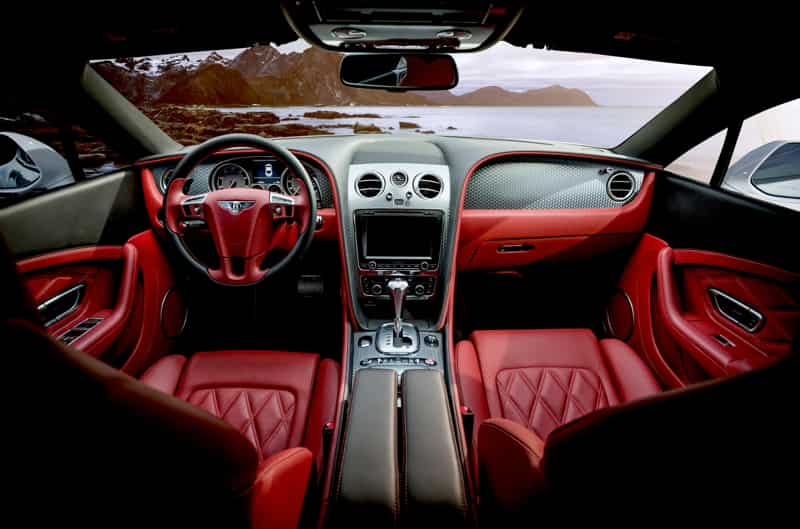
Historical Development of Automotive Interior Fabrics
Early Beginnings
Automotive textiles began with simple upholstery. In the early 1900s, vehicles used natural fibers like cotton and wool. Early manufacturers focused on basic aesthetics and durability. Cars featured rudimentary fabric seat covers and linings that provided comfort without much technical performance.
During this era, the production methods were manual and labor‑intensive. Weaving and dyeing processes were simple. Designers had limited tools and relied on traditional techniques to produce fabric interiors. Despite these limitations, early automotive textiles laid the foundation for the high-performance materials used today.
Transition to Synthetic Fibers
As the automotive industry expanded in the mid‑20th century, natural fibers gave way to synthetics. Nylon, polyester, and acrylic emerged as reliable alternatives. These fibers offered improved durability, stain resistance, and cost efficiency. Automakers adopted these materials to enhance interior longevity and aesthetic appeal.
During the 1960s and 1970s, the focus shifted toward safety and performance. Automotive manufacturers began incorporating flame-resistant fabrics and materials capable of withstanding higher stress. Innovations in synthetic fiber production led to the development of fabrics with enhanced tensile strength and chemical resistance.
Modern Era of Textile Innovation
By the 1980s and beyond, computer-aided design (CAD) and automation revolutionized textile production. Automated looms and digital dyeing techniques allowed for intricate designs and precise color matching. Manufacturers began experimenting with blends of natural and synthetic fibers to achieve optimal performance.
Textile companies collaborated with automotive engineers to create materials that met specific safety and comfort criteria. For example, airbags began using advanced nylon and polyester blends that provided rapid deployment and high durability. These early collaborations paved the way for today’s sophisticated automotive interior fabrics.

Technological Evolution in Automotive Interior Fabrics
Advanced Weaving and Knitting Technologies
Modern automotive textiles benefit from cutting-edge weaving and knitting methods. Automated looms now operate with computer precision. These looms use CAD software to produce intricate patterns with minimal defects. High-speed, computer-controlled machines replace manual labor, enhancing consistency and quality.
Innovative knitting machines create seamless fabrics that reduce waste and offer greater flexibility. For instance, 3D knitting produces multi-layered structures that improve durability and comfort. Manufacturers apply formulas such as:
Efficiency = (Quality × Speed) / (Cost × Waste)
This formula guides engineers in optimizing production processes. Advanced techniques have enabled designers to produce textiles that balance strength, weight, and visual appeal.
Integration of Smart Technologies
Automotive interior fabrics now integrate smart technologies. Embedded sensors monitor temperature, pressure, and even driver posture. These sensors collect data that enhances safety systems. For example, sensor-embedded fabrics in airbags ensure rapid deployment during collisions.
Smart textiles also contribute to comfort. Materials with built-in microcontrollers can adjust insulation properties according to ambient temperature. This dynamic adjustment improves energy efficiency. In luxury vehicles, smart fabrics incorporate LED displays that enhance ambient lighting and personalize the interior experience.
Digital Printing and Customization
Digital printing has revolutionized textile design. Manufacturers use high-definition printers to produce customized patterns and colors. This technology allows for mass personalization and vibrant, long-lasting prints. Car manufacturers can now offer bespoke interiors that match a vehicle’s design language.
Digital printing supports short-batch production runs, enabling luxury automakers to deliver unique, tailor-made interiors. Designers can experiment with textures and motifs, which enhances both function and form. Advanced software solutions like Adobe Illustrator and CorelDRAW integrate seamlessly with digital printers to produce precise results.
Innovations in Coatings and Finishing
Textile coatings have advanced significantly. Nano-coatings provide water and stain resistance without affecting fabric breathability. These coatings also improve UV resistance, preserving color and material integrity over time. Manufacturers apply eco-friendly finishes that minimize chemical waste.
Innovative finishing processes include flame-retardant treatments and antimicrobial coatings. These finishes are critical for interior safety and longevity. Manufacturers test coatings rigorously to ensure they meet industry standards such as ASTM and ISO. The result is a fabric that looks good and performs reliably under harsh conditions.
Robotics and Automation in Production
Robotics plays a key role in modern textile production. Automated cutting and sewing machines ensure precision and reduce waste. Robotics systems work continuously, increasing throughput and maintaining quality consistency. They also facilitate the assembly of complex textile components, such as composite materials used in safety-critical applications.
Automation minimizes human error and enhances quality control. Integrated systems monitor each production stage and adjust parameters in real time. This technological leap has reduced production costs while ensuring high-quality output. Manufacturers can now scale up production without compromising on performance.
Sources and Availability of Automotive Interior Fabrics
Raw Material Diversity
Automotive interior fabrics originate from diverse raw materials. These include natural fibers, synthetic fibers, and advanced composites. Each material type serves a distinct function in the automotive sector.
Natural fibers like cotton and wool were historically popular. They offer comfort and breathability but often lack durability. Today, synthetic fibers such as polyester, nylon, and acrylic dominate because they provide excellent resistance to wear and fading. These fibers also allow manufacturers to incorporate additional properties such as flame resistance and moisture control.
Synthetic Fibers and Technical Textiles
Synthetic fibers are engineered to meet high-performance standards. Manufacturers design these materials to be durable, lightweight, and resistant to environmental stressors. Automotive applications require fabrics that withstand heat, friction, and chemical exposure. Advanced synthetics deliver on all these fronts.
For instance, polyester blends are common in seat covers due to their high tensile strength and resistance to stains. Manufacturers often add additives to these fibers to improve fire resistance. Technical textiles integrate these advanced fibers with coatings or lamination to boost performance further. Research in polymer science continues to drive innovations in synthetic fibers, enhancing their suitability for automotive interiors.
Advanced Composite Materials
Composite materials offer a breakthrough in automotive textiles. By combining fibers with polymers, manufacturers create fabrics that are both strong and lightweight. Carbon fiber composites, although traditionally used in aerospace, have now entered the automotive sector. These materials reduce vehicle weight and improve fuel efficiency without sacrificing safety.
Composite textiles undergo rigorous quality tests. They must meet strict performance criteria including tensile strength, impact resistance, and environmental durability. Manufacturers use advanced techniques such as resin transfer molding (RTM) and vacuum-assisted resin infusion (VARI) to produce these composites. Such materials are critical in high-performance and luxury vehicles.
Sustainable and Eco-Friendly Sources
Sustainability plays a crucial role in modern material sourcing. Automakers and textile manufacturers increasingly choose eco-friendly fibers and production methods. Bio-based polymers, recycled polyester, and organic cotton reduce environmental impact while delivering high performance. Sustainable textiles are in high demand due to stringent environmental regulations and consumer preferences for greener products.
Collaborations between textile producers and research institutions foster the development of sustainable materials. Innovations include water-based coatings and biodegradable fibers that maintain performance without harming the environment. For more insights into sustainable practices, check out our Sustainability in Textiles page.
Global Supply Networks
The automotive textile market relies on a robust global supply network. Major suppliers are found in regions such as Asia, Europe, and North America. Countries with strong textile industries provide high-quality raw materials that meet global automotive standards. These suppliers work closely with automotive manufacturers to ensure that materials comply with stringent specifications.
Global supply chains face challenges such as geopolitical tensions, trade regulations, and environmental policies. Manufacturers mitigate these risks by diversifying their supplier base and employing advanced supply chain management systems. Effective global networks ensure a steady supply of materials that support continuous innovation in automotive interiors.
Table: A table comparing material sources, key properties, applications, and major regions of supply.
| Material Type | Key Properties | Applications | Major Regions |
|---|---|---|---|
| Natural Fibers | Soft, breathable, eco-friendly | Basic upholstery, linings | India, USA |
| Synthetic Fibers | Durable, flame-resistant, low cost | Seat covers, insulation, trims | China, South Korea |
| Composite Materials | High strength-to-weight ratio | Structural components, reinforcements | USA, Japan, Europe |
| Sustainable Materials | Renewable, low environmental impact | Premium interiors, eco models | Europe, USA, India |

Innovations in Automotive Interior Fabrics
Innovative approaches in automotive textiles continuously push the boundaries of performance and design. Manufacturers now blend traditional techniques with cutting-edge technologies to develop fabrics that meet the evolving needs of modern vehicles.
High-Performance Protective Fabrics
Automotive interiors now feature high-performance fabrics designed to improve safety. Airbag textiles require rapid deployment and exceptional tensile strength. Manufacturers use ultra-high-molecular-weight polyethylene (UHMWPE) fibers. These fibers absorb impact energy efficiently. Engineers test fabrics with formulas like:
Impact Efficiency = (Energy Absorbed) / (Kinetic Energy)
This formula helps designers optimize material composition for maximum safety. High-performance fabrics also serve as reinforcements for seatbelts and interior panels. Their integration improves crash safety and reduces injury risks.
Smart Textiles with Embedded Sensors
Smart textiles have entered the automotive market. Manufacturers embed sensors in fabrics to monitor temperature, pressure, and driver posture. These sensors contribute to safety systems by providing real‑time data. For example, sensor-enabled seat covers can detect improper seating positions and adjust airbag deployment accordingly.
Such textiles also support climate control by regulating insulation properties. They adjust based on ambient conditions, which enhances passenger comfort and reduces HVAC load. These advancements create a more connected, responsive vehicle interior.
Digital Printing and Personalization
Digital printing has transformed textile design. Manufacturers use high-definition printers to produce custom patterns and vibrant colors. This technology allows for mass personalization of vehicle interiors. Customers enjoy bespoke designs that align with their style preferences.
Digital printing also supports small-batch production. Luxury automakers now offer unique interior designs with intricate patterns. These customized fabrics elevate the overall aesthetic appeal and contribute to brand identity. Advanced digital printing tools ensure consistency and quality across production runs.
Nano-Coatings and Functional Finishes
Innovations in nano-coatings enhance textile performance. Manufacturers apply nano-coatings to improve water repellency, stain resistance, and UV protection. These coatings preserve color and texture over time. They also reduce the need for frequent maintenance and cleaning.
Nano-coatings do not compromise breathability. They protect fabrics while maintaining their natural feel. Advanced finishes include antimicrobial treatments that inhibit bacterial growth. These features become critical in shared mobility solutions. Manufacturers now use eco-friendly, water-based chemicals that meet environmental standards.
Lightweight Composite Textiles
Weight reduction is a key focus in automotive design. Lightweight composite textiles offer high strength with minimal weight. Automakers incorporate carbon fiber-reinforced polymers (CFRPs) in non-structural applications like door panels and headliners. These composites improve fuel efficiency and vehicle performance.
Innovative production techniques such as resin transfer molding (RTM) and vacuum-assisted resin infusion (VARI) ensure that composites meet rigorous performance criteria. Manufacturers balance durability with weight savings. The result is an interior that feels premium and contributes to overall vehicle efficiency.
Production Process of Automotive Interior Fabrics
The production of automotive interior fabrics involves several highly controlled steps. Each stage plays a critical role in ensuring that the final product meets strict industry standards for safety, durability, and aesthetics.
Raw Material Selection
The process begins with selecting high-quality raw materials. Manufacturers choose materials based on performance criteria. Natural fibers, synthetic fibers, and composite materials are all evaluated. Quality tests assess tensile strength, durability, and environmental resistance.
Suppliers from regions with advanced textile industries provide these materials. Quality control laboratories test samples according to international standards. Manufacturers often use ISO and ASTM standards to verify material properties. Close collaboration with raw material suppliers ensures consistency in supply and quality.
Weaving, Knitting, and Forming
After raw materials are selected, the next step is forming the fabric. Advanced weaving and knitting machines create the textile base. Computer-controlled looms ensure precise and consistent fabric construction. High-speed knitting machines produce seamless textiles that reduce waste.
During this stage, manufacturers often use digital printing to add patterns or logos. Some fabrics require additional treatments like lamination or bonding with polymer matrices. These processes improve strength and durability. Advanced techniques such as 3D weaving enable multi-layered fabrics. Engineers optimize parameters using statistical process control methods to minimize defects.
Dyeing and Finishing
Dyeing and finishing add color, texture, and functional properties to automotive textiles. Digital dyeing methods offer accurate color matching. Manufacturers apply eco-friendly dyes that reduce water and chemical consumption.
Finishing treatments include applying nano-coatings and flame retardants. These treatments improve resistance to stains, heat, and UV exposure. Quality inspectors use standardized test methods to verify that finished fabrics meet performance criteria. Consistency is key, and manufacturers often run batch tests to ensure every roll of fabric matches the required specifications.
Cutting, Sewing, and Assembly
Once the textile is finished, it undergoes cutting and sewing. Automated cutting machines precisely cut fabrics into patterns. Robotic sewing systems join pieces together with high accuracy. This stage transforms raw fabric into usable components like seat covers, headliners, and door panels.
Manufacturers use detailed digital patterns and simulation software to ensure minimal waste. Quality control teams inspect every batch to verify seam strength and alignment. The final assembly integrates the textile components into the vehicle interior. This process requires coordination between textile suppliers and automotive manufacturers to achieve optimal fit and performance.
Table: A table outlining the stages of production, processes involved, and key quality measures.
| Production Stage | Process/Technology | Key Quality Measures |
|---|---|---|
| Raw Material Selection | Quality testing, ISO/ASTM standards | Tensile strength, durability |
| Fabric Formation | Automated weaving/knitting, digital printing | Consistency, minimal defects |
| Dyeing & Finishing | Digital dyeing, nano-coatings, lamination | Color accuracy, stain and UV resistance |
| Cutting & Sewing | Automated cutting, robotic sewing | Seam strength, pattern precision |
| Assembly | Integration into vehicle interiors | Fit, finish, compliance with safety standards |
Quality Control and Testing
Quality control is essential in automotive textile production. Manufacturers use advanced inspection systems and statistical quality control methods to ensure consistency. Testing includes tensile, flammability, UV resistance, and abrasion tests. Every stage of production must pass rigorous standards before the fabric reaches the assembly line.
Automotive textiles undergo real-world testing in prototype vehicles. Engineers simulate various driving conditions to verify that materials perform under stress. Data from these tests informs adjustments in production processes. Continuous improvements ensure that fabrics meet both safety regulations and consumer expectations.

Challenges in Automotive Textile Production
Manufacturers face several challenges when producing automotive interior fabrics. These challenges impact costs, production speed, and overall quality. Overcoming these hurdles is critical for maintaining competitiveness in the automotive sector.
Stringent Safety and Performance Standards
Automotive textiles must comply with strict international safety standards. Fabrics used in airbags, seat belts, and interior panels undergo rigorous testing. Meeting these standards requires advanced materials and precise manufacturing techniques. The pressure to deliver consistent quality often increases production costs and lengthens lead times.
Balancing Innovation with Cost Efficiency
Manufacturers constantly innovate to create advanced textiles. However, incorporating new technologies such as smart sensors and nano-coatings increases production costs. Balancing these innovations with cost efficiency is a significant challenge. Companies must invest in R&D while keeping the final product competitively priced.
Supply Chain and Raw Material Availability
Global supply chains can be unpredictable. Geopolitical tensions, environmental regulations, and trade disruptions affect raw material availability. Manufacturers diversify suppliers to mitigate risks, but fluctuations in raw material quality and price remain common challenges. Advanced supply chain management and forecasting models help reduce these uncertainties.
Environmental and Regulatory Pressures
Automotive textile production faces increasing scrutiny over environmental impact. Regulations demand reduced water usage, minimized chemical waste, and lower carbon emissions. Manufacturers must adopt eco-friendly production methods while maintaining high performance. Investments in sustainable technologies are essential but can strain budgets.
Technological Integration and Workforce Training
Implementing advanced production technologies requires skilled labor. Manufacturers invest in training programs to help employees operate high-tech machinery. However, keeping the workforce updated with rapidly evolving technologies remains a challenge. Continuous education and collaboration with technology providers are necessary to maintain productivity and quality.
Quality Consistency Across Batches
Automotive textiles demand absolute consistency. Even minor deviations in color, texture, or strength can compromise vehicle safety and aesthetics. Maintaining quality across large production runs requires robust quality control systems and frequent inspections. Any inconsistency can lead to costly recalls and damage to brand reputation.

Innovations in Automotive Interior Fabrics
Automotive textiles have witnessed remarkable innovations over the past decades. Researchers and manufacturers constantly explore new methods to improve performance, reduce weight, and enhance aesthetics.
Smart and Adaptive Fabrics
Smart textiles are a game-changer in automotive interiors. Manufacturers now integrate sensors and microprocessors into fabrics. These smart fabrics adjust their properties based on environmental conditions. For example, adaptive seat covers can modify their insulation to maintain optimal comfort in varying temperatures.
Embedded sensors provide data that enhances safety. For instance, smart airbags deploy more precisely based on the measured force and position of occupants. Such innovations boost overall vehicle safety and improve user experience. Designers now create interactive interiors where ambient lighting and temperature adjust automatically.
Eco-Friendly Innovations
Sustainability drives innovation in automotive textiles. Manufacturers now develop bio-based fibers and recycled synthetics. These eco-friendly materials lower environmental impact while maintaining performance standards. Innovations in dyeing and finishing processes also reduce water and chemical usage. Companies invest in renewable energy sources to power production lines. These green initiatives not only meet regulatory standards but also appeal to eco-conscious consumers.
Researchers have developed biodegradable composites that maintain strength without compromising on durability. These materials are particularly attractive in premium models, where sustainability is a key selling point.
High-Performance Composites
Lightweight composite textiles continue to revolutionize automotive interiors. Composites combine synthetic fibers with resin matrices to produce materials that are both strong and light. These composites reduce vehicle weight, improve fuel efficiency, and enhance performance. Advances in resin transfer molding (RTM) and vacuum-assisted resin infusion (VARI) have made production more efficient.
Automakers now use composite textiles in areas such as door panels and headliners. Engineers balance weight reduction with safety by optimizing the composite structure. This balance is crucial for electric and autonomous vehicles, where efficiency and performance are paramount.
Digital Customization and Personalization
Digital printing technology has transformed textile design. Manufacturers can now produce custom patterns and vibrant colors on demand. This level of personalization appeals to premium customers and luxury brands. Digital printing allows for rapid prototyping and small-batch production. Automakers offer bespoke interiors that reflect a customer’s unique style.
Digital tools enable real-time design adjustments. Designers can simulate how a fabric will look under different lighting conditions. This integration of technology with creative design ensures that each interior not only meets technical standards but also creates an emotional connection with the driver.
Innovations in Coatings and Finishes
Recent advancements in coatings have significantly improved textile performance. Nano-coatings, for example, add water and stain resistance while preserving fabric breathability. Manufacturers apply these coatings to interior fabrics to extend their lifespan. Advanced finishing techniques include antimicrobial treatments that reduce the risk of bacterial growth. These features are particularly important in shared mobility and rental vehicles.
Coating technologies also contribute to aesthetic longevity. UV-resistant finishes prevent fading and maintain vibrant colors over time. Manufacturers adopt eco-friendly finishing agents that comply with environmental regulations. Such innovations ensure that automotive textiles remain both functional and visually appealing for the life of the vehicle.
Real-World Applications of Automotive Interior Fabrics
Automotive interior fabrics now play a vital role in various vehicle applications. Their evolution has led to numerous practical uses that improve safety, comfort, and design in real-world scenarios.
Premium Interior Upholstery
Automotive manufacturers use advanced fabrics for premium interior upholstery. High-quality textiles cover seats, door panels, headliners, and dashboards. These fabrics provide a soft touch and luxurious feel while remaining durable. Modern upholstery features moisture-wicking, stain-resistant, and UV-protective properties. Custom digital prints allow automakers to match the overall design language of the vehicle.
Luxury vehicles now offer bespoke interiors. Customers can choose from a range of color palettes and patterns. These tailored solutions enhance the driving experience and reflect the brand’s identity.
Safety-Enhancing Applications
Safety remains paramount in automotive design. Specialized textiles are used in airbags, seatbelt reinforcements, and impact-absorbing panels. Airbag fabrics require high tensile strength and rapid deployment capabilities. Manufacturers use advanced polymers such as UHMWPE to create these critical components. In addition, fabrics used for interior trims often feature flame-retardant treatments. These innovations reduce injury risk during accidents and comply with global safety standards.
Automakers also use textiles to enhance noise reduction. Multi-layered fabrics in door panels and carpets dampen external noise and vibrations. These acoustic textiles create a quieter cabin environment, improving overall ride quality. For detailed safety data, visit our Automotive Safety Standards.
Acoustic and Thermal Insulation
Automotive interiors demand both thermal and acoustic insulation. High-performance fabrics help maintain cabin temperature and reduce noise. Multilayer textiles trap air, providing excellent thermal resistance. Acoustic insulation materials absorb sound waves, creating a serene environment. These features contribute to energy efficiency by reducing the load on climate control systems.
Innovative acoustic textiles are now engineered to handle a wide frequency range. This capability enhances the quality of audio systems in modern vehicles. The combination of thermal and acoustic insulation has become a key selling point in both premium and economy models.
Smart Interiors and Interactive Features
The integration of smart textiles has transformed automotive interiors. Modern vehicles incorporate fabrics that interact with digital systems. For example, smart seat covers may change their insulation properties based on ambient temperature. Embedded sensors provide feedback on driver posture and comfort. Some high-end models feature interactive dashboards that blend digital displays with traditional textile surfaces.
These smart interiors enhance driver safety and comfort. The integration of LED lighting and responsive fabrics creates a dynamic and personalized driving environment. Automakers use these features to differentiate their products in a competitive market.
Customization in Mass Production
Mass customization has become a trend in automotive textiles. Automakers now offer customers the ability to personalize interior fabrics. Digital printing and flexible manufacturing allow for custom designs without sacrificing efficiency. This capability enables manufacturers to meet diverse consumer demands while maintaining high production volumes.
Real-world examples include vehicles with custom leather and synthetic blends that match a buyer’s unique taste. Personalized interiors add value to the product and create a sense of ownership among customers. This trend is particularly prominent in luxury segments, where differentiation drives brand loyalty.
Table: A table summarizing real-world applications, benefits, and examples.
| Application Area | Benefits | Examples |
|---|---|---|
| Premium Upholstery | Luxury feel, durability, aesthetic appeal | Custom seat covers, dashboard trims |
| Safety Components | Enhanced protection, rapid deployment | Airbag fabrics, reinforced seat belts |
| Acoustic & Thermal Insulation | Noise reduction, energy efficiency | Door panels, carpets, headliners |
| Smart Interiors | Interactive features, personalized comfort | Sensor-embedded seat covers, digital dashboards |
| Mass Customization | Unique design options, brand differentiation | Bespoke interiors in luxury vehicles |
Case Studies and Success Stories
Several automotive manufacturers have successfully integrated advanced interior fabrics. A renowned luxury car brand collaborated with textile innovators to develop a composite fabric that reduced vehicle weight by 12% while enhancing occupant comfort. Another manufacturer introduced smart textiles that adjust seating ergonomics in real time, significantly improving driver safety during long journeys.
These success stories highlight the transformative impact of advanced automotive textiles. Real-world applications drive consumer satisfaction and elevate brand prestige. Industry case studies often illustrate how innovative fabrics lead to better performance, lower emissions, and improved safety ratings.
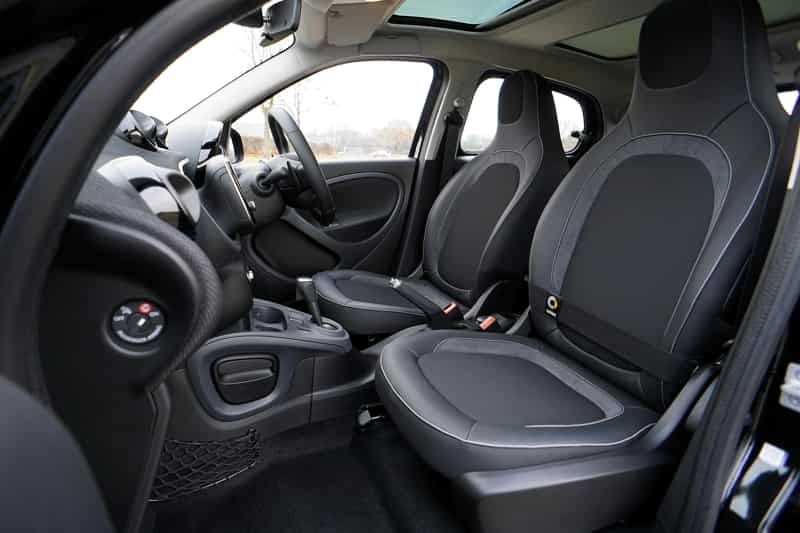
End-Users and Their Requirements
Automotive interior fabrics serve various end-users, from major automakers to niche suppliers. Understanding their needs is critical to driving innovation and market success.
Automakers
Major automobile manufacturers demand fabrics that offer safety, durability, and luxury. Automakers require textiles that comply with strict industry standards. They seek materials that reduce weight, enhance safety, and provide a premium feel. High-performance upholstery, flame-retardant fabrics, and noise-reducing materials are all essential. Automakers collaborate with textile companies to create custom solutions that reflect their brand image and meet customer expectations.
Tier-1 Suppliers
Tier-1 suppliers provide components directly to automakers. These companies require textiles that are consistent in quality and performance. They invest in research and development to optimize production processes. Consistency in tensile strength, durability, and color fastness is critical. Suppliers must adhere to rigorous testing protocols and international standards such as ISO and ASTM. Their products must perform reliably under extreme conditions and support mass production requirements.
Aftermarket Providers
Aftermarket suppliers focus on upgrading or replacing interior fabrics in vehicles. Their customers include car enthusiasts, repair shops, and custom interior designers. Aftermarket providers offer a range of options—from premium replacement fabrics to eco-friendly alternatives. They focus on innovation and customization. As consumer preferences shift toward sustainable and personalized solutions, aftermarket providers increasingly offer textiles made from recycled materials or bio-based fibers. These products help extend the life of older vehicles and provide unique aesthetic enhancements.
Consumer Expectations
Drivers and passengers have high expectations for automotive interiors. Consumers look for comfort, safety, and style. Soft-touch surfaces, ergonomic designs, and advanced climate control features drive purchasing decisions. Interior fabrics must provide both functional benefits and a sense of luxury. In addition, consumers value eco-friendly products. Manufacturers who incorporate sustainable materials often enjoy enhanced brand loyalty. The ultimate goal is to create a driving environment that is safe, comfortable, and visually appealing.

Market Dynamics and Trends
The market for automotive interior fabrics is dynamic and continually evolving. Innovations, consumer demands, and regulatory pressures drive the industry forward. This section outlines current market trends and future projections.
Global Market Growth
The automotive interior fabrics market experiences steady growth. Rising vehicle production and consumer demand for premium interiors propel market expansion. Analysts forecast a compound annual growth rate (CAGR) of 6–8% over the next decade. Key factors include the growth of electric vehicles, increasing safety standards, and a shift toward sustainable production.
Automakers invest in advanced textile research to maintain competitiveness. The focus remains on reducing vehicle weight and enhancing safety without sacrificing luxury.
Sustainability and Green Initiatives
Sustainability is at the forefront of modern manufacturing. Consumers and regulators demand eco-friendly solutions. Manufacturers develop sustainable textiles that reduce water usage, chemical waste, and energy consumption. Innovations in recycled fibers and bio-based polymers are becoming standard. Automakers incorporate these materials to lower their environmental impact and appeal to eco-conscious buyers.
Green initiatives drive industry collaborations. Automotive companies work with textile research centers to innovate sustainable processes. These partnerships yield eco-friendly products that meet both performance and environmental criteria. Sustainability efforts also enhance brand reputation and open up new market segments.
Customization and Personalization Trends
Mass customization and personalization are transforming automotive interiors. Advanced digital printing allows automakers to offer bespoke designs. Consumers can choose unique patterns and color schemes for their vehicle interiors. Customization enhances the driving experience and differentiates luxury brands in a competitive market.
Personalized interiors also extend to functional aspects. Adaptive textiles that adjust insulation or soundproofing based on user preferences are emerging. These innovations create a tailored driving environment that enhances comfort and user engagement.
Integration with Digital Technologies
Digital integration continues to shape automotive textiles. Smart fabrics with embedded sensors contribute to vehicle safety and performance. Automakers integrate digital displays with textile surfaces to provide interactive features. The future will likely see more connected interiors, where fabrics communicate with onboard systems to adjust climate control, lighting, and even seat positioning.
Digital integration also supports advanced analytics. Manufacturers use real-time data to optimize material performance and track product quality. These insights lead to continuous improvements in textile innovation and production efficiency.
Competitive Landscape
The competitive landscape in automotive textiles remains intense. Both established players and innovative startups drive industry progress. Companies invest heavily in R&D to develop high-performance, sustainable materials. Collaborations between automakers and textile manufacturers foster innovation. Strategic partnerships ensure that products meet evolving safety and aesthetic standards.
Manufacturers continuously strive to lower production costs while improving quality. Cost pressures, global supply chain challenges, and regulatory demands force companies to adopt agile production methods. The competitive environment spurs ongoing innovation and pushes the industry toward new frontiers.
Future Prospects and Trends
The future of automotive interior fabrics promises exciting innovations and market shifts. Emerging technologies and changing consumer preferences will shape the next generation of automotive textiles.
Advancements in Material Science
Researchers continue to explore new materials to enhance automotive interiors. Innovations in nanotechnology and advanced polymers will lead to fabrics with unprecedented strength and durability. Graphene-infused textiles, for example, promise exceptional conductivity and lightweight properties. These materials may revolutionize safety components and interactive interiors.
Biodegradable and recycled fibers will gain prominence as sustainability becomes a market imperative. Manufacturers will develop eco-friendly composites that maintain high performance while reducing environmental impact. Investment in R&D will drive breakthroughs that redefine material properties and production methods.
Integration with Autonomous and Electric Vehicles
The rise of autonomous and electric vehicles (EVs) will reshape interior design. EVs require lightweight materials to extend battery life and improve efficiency. Autonomous vehicles need smart interiors that enhance passenger comfort and safety. Future automotive textiles will likely integrate more sensors and digital interfaces.
Manufacturers may introduce fabrics that adapt to individual preferences. Imagine seat covers that adjust firmness or dashboards that change color based on ambient light. These innovations will create a more engaging and personalized driving experience. Automotive engineers will collaborate with textile experts to develop products that meet the unique demands of next-generation vehicles.
Digital and Interactive Innovations
Digital integration in automotive textiles will continue to evolve. Future interiors may feature interactive fabrics with embedded touch-sensitive controls. These smart textiles could allow drivers to adjust climate settings, lighting, and even seat positioning directly from the fabric interface.
Moreover, digital personalization will extend to real-time data analytics. Embedded sensors will monitor material performance and provide feedback to manufacturers. This data-driven approach will lead to continuous improvements in quality and performance. Digital tools will also enable manufacturers to offer customized interior solutions tailored to individual customer preferences.
Market Expansion and Global Trends
Global trends such as urbanization, increased vehicle production, and rising consumer expectations will drive market expansion. The global automotive interior fabrics market will likely see increased demand for lightweight, eco-friendly, and smart textiles. Manufacturers will invest in advanced production technologies to meet these demands.
Emerging markets in Asia and Latin America will contribute to growth. Automakers in these regions increasingly adopt advanced textiles to enhance vehicle safety and comfort. The competitive landscape will intensify as companies strive to capture market share with innovative, sustainable products.
Regulatory and Environmental Drivers
Stricter safety and environmental regulations will continue to shape the industry. Manufacturers must comply with standards that ensure fire resistance, durability, and sustainability. Ongoing regulatory pressure will spur innovations in eco-friendly production methods. Companies will adopt greener processes and invest in renewable energy sources to power production.
Environmental drivers will influence consumer preferences. Buyers increasingly demand products that lower their carbon footprint. Manufacturers who integrate sustainable practices into their production processes will gain a competitive edge. This trend will drive the development of new, eco-friendly textile technologies that deliver both performance and sustainability.
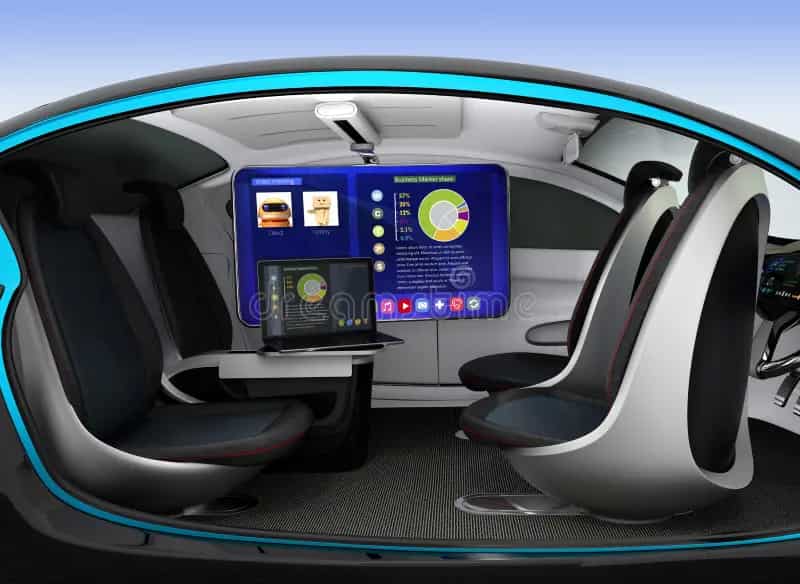
Real-World Applications and Case Studies
Automotive interior fabrics are not just theoretical innovations—they have real-world applications that significantly enhance vehicle performance and passenger experience. This section highlights practical examples and case studies from the automotive industry.
Premium Vehicle Interiors
Luxury car manufacturers lead the way in adopting advanced interior fabrics. High-end vehicles now feature bespoke upholstery made from advanced synthetic blends. These materials offer unmatched comfort and durability while reducing weight. For instance, a leading European automaker introduced a new line of seat covers made from flame-retardant, moisture-wicking fabrics. This innovation improved occupant comfort and safety in harsh climates.
Case studies reveal that these advanced interiors also contribute to fuel efficiency. Lighter materials reduce overall vehicle weight, which in turn lowers fuel consumption. Automakers report a measurable increase in efficiency after switching to modern composite textiles.
Enhanced Safety Applications
Safety is a top priority in automotive design. Manufacturers incorporate high-performance textiles in airbags and seatbelt reinforcements. Advanced fabrics with high tensile strength ensure rapid airbag deployment. Research shows that modern airbag fabrics absorb impact energy more effectively, reducing injury severity in collisions.
Automotive suppliers also produce shock-absorbing panels and interior trims that enhance passenger safety. These textiles undergo rigorous testing to meet safety standards. Real-world crash test data demonstrate improved outcomes when vehicles use advanced interior fabrics. For example, a North American manufacturer reported a 10% improvement in safety ratings after integrating high-performance textiles in its new models.
Acoustic and Thermal Insulation Benefits
Automotive interiors benefit from textiles that provide excellent thermal and acoustic insulation. Advanced fabrics reduce engine and road noise, resulting in quieter cabins. In one notable case, a mid-range car manufacturer improved passenger comfort by installing multi-layered acoustic panels made from engineered foam and fabric composites. These panels reduced noise levels by up to 30%, according to independent testing.
Thermal insulation properties also enhance the driving experience. In electric vehicles, lightweight insulation materials contribute to better energy efficiency. Automakers leverage these benefits to create interiors that remain comfortable across extreme temperatures.
Customization and Personalization
Mass customization in automotive textiles allows customers to personalize their vehicle interiors. High-end automakers now offer digital customization options. Customers can select unique patterns, colors, and textures for seat covers and trims. One luxury brand used digital printing to create a limited-edition interior collection. The campaign boosted sales and reinforced the brand’s reputation for innovation.
Customer testimonials and case studies indicate that personalization enhances customer satisfaction. Buyers appreciate the ability to tailor interiors to their tastes, which also adds a premium feel to the vehicle. This trend is particularly evident in markets where brand differentiation drives consumer choices.
Smart Textiles and Interactive Solutions
The integration of smart textiles in automotive interiors has opened new avenues for innovation. In a recent case study, an automaker introduced sensor-embedded fabrics in its new electric model. These smart fabrics monitor driver posture and adjust seating ergonomics automatically. The system helped reduce fatigue and improved overall safety during long drives.
Moreover, interactive textiles with embedded LED lighting have transformed interior design. One manufacturer incorporated ambient lighting into headliners and door panels. Drivers could customize lighting effects using a mobile app. This innovation created a unique user experience and set the vehicle apart in a competitive market.
End-Users and Their Expectations
Automotive interior fabrics serve diverse end-users, each with unique demands and expectations. Understanding these user requirements is crucial for industry stakeholders and innovators.
Automakers
Major automakers require interior fabrics that combine safety, comfort, and luxury. They demand materials that reduce weight, provide enhanced impact resistance, and contribute to fuel efficiency. Automakers invest in R&D to develop textiles that meet strict quality and safety standards. They also prioritize aesthetics and branding. Custom-designed fabrics allow them to create unique interiors that reflect their brand identity. Collaborations between automakers and textile manufacturers drive continuous innovation in material performance.
Tier-1 Suppliers
Tier-1 suppliers produce components that directly interface with automakers. These suppliers must deliver consistent quality across large production volumes. They focus on materials that offer high durability and performance. Advanced testing and quality control systems ensure that textiles meet industry specifications. Suppliers use statistical process control to maintain uniformity across batches. They collaborate closely with automakers to refine material properties and reduce production costs.
Aftermarket Providers
Aftermarket providers focus on enhancing or replacing interior textiles in existing vehicles. They target car enthusiasts, repair shops, and customization experts. Their products must match or exceed original equipment manufacturer (OEM) standards. Aftermarket textiles often feature innovative designs and sustainable materials. These providers cater to niche markets by offering premium fabrics that are both aesthetically pleasing and functional. Their products extend the life of older vehicles and offer opportunities for personalization.
Consumer Expectations
Consumers expect high-quality automotive interiors that combine comfort, safety, and visual appeal. They demand materials that feel luxurious and perform reliably under various conditions. Interior fabrics must resist stains, fading, and wear over time. Consumers also value sustainability. Eco-friendly materials and production processes influence purchasing decisions. Automakers respond to these expectations by integrating advanced textiles that enhance the overall driving experience. Consumer feedback drives continuous improvement in material design and performance.

Market Dynamics and Competitive Landscape
The automotive interior fabrics market is dynamic and competitive. It is shaped by technological advances, regulatory pressures, and evolving consumer preferences. This section examines the market dynamics and competitive forces at play.
Global Market Trends
The global market for automotive interior fabrics continues to grow steadily. Factors such as rising vehicle production, increased demand for luxury interiors, and the shift toward electric vehicles drive market expansion. Analysts forecast a compound annual growth rate (CAGR) of 6–8% over the next decade. Manufacturers focus on innovation, cost efficiency, and sustainability to maintain a competitive edge.
Key growth drivers include the need for lightweight materials, the integration of smart textiles, and the adoption of eco-friendly production methods. Automakers and suppliers invest in advanced technologies to reduce weight, enhance safety, and improve overall interior quality. These investments lead to a higher value proposition for both premium and mass-market vehicles.
Competitive Forces
The competitive landscape features a mix of established industry giants and innovative startups. Large companies invest heavily in R&D and production automation to deliver high-performance textiles. Meanwhile, startups focus on niche applications and sustainable materials. Strategic collaborations between automakers, textile manufacturers, and research institutions foster rapid innovation.
Competition forces manufacturers to continuously improve product quality while controlling costs. Global supply chain challenges, fluctuating raw material prices, and regulatory requirements further intensify competition. Manufacturers use advanced analytics and digital supply chain management tools to optimize production and mitigate risks. These efforts ensure that automotive interior fabrics meet both performance and aesthetic requirements at competitive prices.
Market Segmentation
The market segments include OEM production, Tier-1 suppliers, aftermarket providers, and consumer-facing products. Each segment faces unique challenges and opportunities. OEMs demand high-volume production with strict quality controls. Tier-1 suppliers focus on reliability and consistency. Aftermarket providers emphasize customization and personalization, while consumer-facing segments prioritize luxury, sustainability, and design innovation.
Regulatory and Environmental Impact
Automotive interior fabrics must adhere to strict regulatory standards related to safety, fire resistance, and environmental impact. International standards such as ISO and ASTM guide manufacturers in designing and testing materials. Environmental regulations drive the adoption of sustainable practices. Companies invest in eco-friendly production methods, use recycled materials, and implement waste-reduction strategies.
Regulatory pressures force manufacturers to innovate continuously. Compliance with safety and environmental standards adds complexity to production processes but also enhances product quality. The competitive advantage lies in the ability to meet these regulations while maintaining cost efficiency and performance.
Future Prospects of Automotive Interior Fabrics
The future of automotive interior fabrics holds exciting possibilities. Emerging technologies, evolving consumer demands, and environmental challenges will shape the industry in profound ways. This section explores the future trends that will redefine automotive interiors.
Integration with Autonomous and Electric Vehicles
The rise of autonomous and electric vehicles (EVs) drives the need for advanced interior fabrics. EVs demand lightweight materials to extend battery life and improve efficiency. Autonomous vehicles require interiors that enhance passenger comfort and safety while integrating smart technologies. Future automotive textiles will feature more sensor integration, adaptive insulation, and digital interfaces.
Manufacturers will develop textiles that dynamically adjust to environmental conditions. These smart fabrics will contribute to improved energy efficiency and personalized user experiences. The integration of lightweight composites and advanced coatings will further reduce vehicle weight and enhance overall performance.
Advances in Material Science
Material science will play a pivotal role in the next generation of automotive textiles. Researchers explore new fiber blends, nanomaterials, and eco-friendly composites. Graphene-infused textiles promise exceptional strength and conductivity. Biodegradable polymers and recycled fibers will gain traction as environmental concerns intensify.
Innovations in material science will drive the development of fabrics that offer better performance at lower weights. Manufacturers will utilize techniques such as electrospinning and 3D printing to create novel textile structures. These advances will enhance safety features and enable greater design flexibility. Engineers will use computational models to simulate material behavior under various conditions, optimizing product performance before production begins.
Digital Customization and Mass Personalization
Digital technologies will further drive mass personalization. Advanced digital printing allows for custom designs and intricate patterns. Customers can personalize every detail of their car interiors. Automakers will offer bespoke interior options that reflect individual tastes and preferences. Digital customization will extend to functional properties, allowing fabrics to adapt to specific climatic conditions or user requirements.
This trend will transform how automotive interiors are designed and produced. Customization tools integrated with online platforms will enable real-time design modifications. Consumers will interact with virtual design studios to preview personalized interiors before production. This level of interactivity will enhance customer satisfaction and create new revenue streams for automakers.
Smart and Connected Interiors
The convergence of textiles with digital technology will lead to smart, connected interiors. Future fabrics may incorporate flexible displays, touch-sensitive controls, and wireless communication systems. These innovations will create interiors that not only react to environmental changes but also interact with the vehicle’s overall digital ecosystem.
Imagine seat covers that monitor vital signs or dashboards that change color based on driving conditions. These smart textiles will enhance both safety and comfort. Integration with mobile apps and IoT devices will provide real-time data and personalized adjustments. As digital and physical realms merge, automotive interiors will become highly interactive and responsive.
Sustainability and Eco-Innovation
Sustainability remains a key driver for future innovations. Manufacturers will invest in sustainable production processes and eco-friendly materials. Innovations in recycled and bio-based fibers will lead to textiles that perform well while reducing environmental impact. Eco-innovation will also focus on reducing energy consumption during production.
Sustainable textiles will become a major selling point, especially as consumers become more environmentally conscious. Automakers and suppliers that embrace green technologies will gain a competitive advantage. Future research will likely yield breakthroughs in biodegradable composites and low-emission production techniques, further transforming the market.
Collaborative Industry Partnerships
Collaboration will fuel future advancements. Automakers, textile manufacturers, and research institutions will form strategic partnerships. Joint ventures and research collaborations will accelerate the development of advanced textiles. These partnerships ensure that innovations meet real-world requirements and comply with industry standards.
Collaborative efforts will also drive standardization across the industry. Shared research initiatives and technology partnerships will lead to the development of common testing methods and quality benchmarks. This collaboration will benefit the entire automotive ecosystem, resulting in higher quality, more innovative products.

Real-World Applications of Automotive Interior Fabrics
Automotive interior fabrics have diverse applications that extend beyond aesthetics. These textiles enhance safety, comfort, and overall vehicle performance in tangible ways. Real-world examples demonstrate how advanced textiles are integrated into modern vehicles.
Luxury and Premium Interiors
Automotive brands use high-end textiles to create luxurious interiors. Premium upholstery fabrics provide a soft, comfortable feel while exuding sophistication. High-quality leather alternatives, advanced synthetic blends, and custom digital prints define the interiors of luxury vehicles. Manufacturers tailor these textiles to match the overall design theme. Customers enjoy bespoke interiors that reflect their personal style and the brand’s identity.
A renowned luxury automaker recently introduced a line of premium seat covers that combine flame-retardant properties with moisture-wicking performance. These fabrics not only enhance safety but also ensure long-lasting comfort. The personalized design options allow customers to choose patterns and colors that resonate with their taste.
Safety and Structural Components
Safety-critical applications demand high-performance textiles. Manufacturers use advanced fabrics in airbags, seatbelt reinforcements, and impact-absorbing panels. These textiles must deploy rapidly and withstand extreme forces. In one case, a mid-sized automaker integrated ultra-high-molecular-weight polyethylene (UHMWPE) fabrics into its airbags. Crash tests revealed significant improvements in energy absorption and occupant protection.
Automotive suppliers also produce interior panels that incorporate shock-absorbing textiles. These panels protect occupants from injury during collisions. Real-world crash data indicate that vehicles with advanced textile safety features perform better in safety ratings. Such applications underscore the importance of high-performance materials in modern car design.
Acoustic and Thermal Insulation
Noise reduction and temperature control remain critical for passenger comfort. Automotive interiors incorporate multilayer textiles that provide excellent acoustic and thermal insulation. In one instance, a car manufacturer upgraded its door panels and carpets with advanced sound-dampening fabrics. Independent tests showed a reduction in cabin noise by nearly 30%.
Thermal insulation textiles also enhance comfort by maintaining consistent interior temperatures. In electric vehicles, these materials help conserve battery power by reducing reliance on HVAC systems. The combination of acoustic and thermal properties creates a quieter and more comfortable ride. Such innovations drive consumer satisfaction and improve overall vehicle performance.
Interactive and Smart Features
Smart textiles offer dynamic, interactive features. Manufacturers now embed sensors and digital elements into interior fabrics. One innovative solution involves seat covers that adjust their cushioning based on driver posture. This system not only improves comfort but also supports safety by optimizing airbag deployment.
Another example features digital dashboards integrated with textile surfaces. These smart interfaces display vital information such as speed, navigation details, and climate settings directly on the fabric. Such integration creates a futuristic, connected interior that enhances both form and function.
Customization and Aftermarket Applications
The aftermarket for automotive textiles continues to grow. Car enthusiasts seek unique, personalized interiors to upgrade or customize their vehicles. Aftermarket suppliers offer fabrics that mimic OEM quality while allowing for creative expression. Customizable textiles enable users to refresh interiors with new designs, colors, and textures.
In one success story, an aftermarket supplier collaborated with a renowned designer to launch a limited-edition fabric collection. The unique designs appealed to luxury car owners and boosted sales significantly. These innovations in the aftermarket segment provide additional revenue streams and foster brand loyalty.
Market Analysis and Competitive Landscape
Global Market Overview
The market for automotive interior fabrics continues to expand. Rising vehicle production and consumer demand for advanced, sustainable interiors drive growth. Analysts predict a steady compound annual growth rate (CAGR) of 6–8% over the next decade. Factors such as the surge in electric vehicle production and increased focus on passenger safety contribute to market expansion.
Automotive interior fabrics are not confined to one region. Manufacturers in Asia, Europe, and North America compete to deliver high-performance textiles. Global supply chains facilitate the distribution of advanced materials, while regional innovations reflect local industry strengths. For instance, manufacturers in Asia often emphasize cost efficiency and high-volume production. In contrast, European companies lead in sustainability and eco-friendly innovations.
Competitive Dynamics
The competitive landscape is diverse. Established players dominate the market through long-standing relationships with automakers. These companies invest heavily in R&D and maintain stringent quality controls. Meanwhile, innovative startups bring fresh ideas and cutting-edge technologies. They focus on niche segments such as smart textiles and sustainable materials.
Automakers require consistent quality, and suppliers use advanced analytics to monitor performance. Competitive pressures drive continuous improvement. Manufacturers optimize production processes, reduce waste, and invest in new technologies to stay ahead. Strategic collaborations between automotive companies and textile manufacturers further intensify competition.
Consumer Preferences and Trends
Consumers increasingly demand interiors that combine luxury with sustainability. High-end buyers value customization, advanced features, and eco-friendly materials. Meanwhile, mainstream consumers look for comfort, durability, and cost-effectiveness. These diverse preferences drive market segmentation and influence product design.
Trends such as mass customization, smart integration, and lightweight composites shape the market. Automakers leverage digital printing and advanced manufacturing to offer personalized interiors. The growing emphasis on sustainability pushes manufacturers to adopt greener processes. Understanding these trends is crucial for companies looking to capture market share.
Regulatory Impact and Industry Standards
Automotive textiles must comply with rigorous safety and environmental standards. Global regulatory bodies enforce standards such as ISO, ASTM, and SAE. Compliance ensures that fabrics perform reliably under extreme conditions. Regulatory pressures also drive innovation in eco-friendly materials and sustainable production processes.
Manufacturers invest in quality assurance systems and certifications to meet these standards. Rigorous testing protocols and continuous monitoring ensure that products adhere to industry benchmarks. This commitment to quality enhances consumer trust and supports long-term market growth.
Future Trends and Prospects
Technological Advancements
Future advancements in automotive interior fabrics will continue to push boundaries. Nanotechnology and advanced composites will lead to lighter, stronger, and smarter textiles. Graphene-infused fibers promise unprecedented strength and flexibility. Manufacturers will explore new fiber blends and treatments to optimize performance and sustainability.
Robotic automation and AI-driven quality control will streamline production processes. These technologies reduce costs and improve consistency across production batches. Digital simulation tools will further refine fabric design by predicting real-world performance before manufacturing begins.
Increased Digital Integration
The future of automotive interiors lies in digital integration. Smart textiles will become ubiquitous. Future fabrics may incorporate flexible displays, touch-sensitive interfaces, and real-time sensors. These innovations will create interactive interiors that adjust to driver preferences and environmental conditions.
Digital integration will also support connectivity. Vehicles will interact with smart home systems and mobile apps to offer personalized experiences. For example, a driver might use a mobile app to customize interior lighting, temperature, and even sound profiles. Such connectivity enhances user engagement and drives market differentiation.
Sustainability and Eco-Innovation
Sustainability remains a dominant force. Manufacturers will continue to invest in eco-friendly production methods. Advances in recycled fibers, biodegradable composites, and water-based finishing agents will shape the next generation of automotive textiles. Sustainable practices will reduce environmental impact while meeting stringent performance criteria.
Future innovations may include bio-based polymers that mimic the performance of synthetic fibers. Companies will adopt circular production models to reduce waste and promote recycling. These eco-innovations will appeal to a growing segment of environmentally conscious consumers and regulators.
Collaborative Research and Industry Partnerships
Collaboration will drive future advancements. Automakers, textile manufacturers, and research institutions will forge stronger partnerships. Collaborative research projects will yield breakthroughs in material science. These partnerships will also standardize quality benchmarks and improve supply chain resilience.
Joint ventures and strategic alliances will accelerate innovation. Shared R&D initiatives reduce costs and drive the development of next-generation materials. This collaborative approach will benefit the entire automotive ecosystem, ensuring that future textiles deliver both performance and sustainability.

Real-World Applications and Case Studies
Luxury Vehicle Interiors
Automotive interior fabrics define the luxury experience. Premium brands invest in custom-designed textiles that exude quality and sophistication. High-end vehicles now feature bespoke upholstery made from advanced synthetics and composites. One luxury car manufacturer introduced an innovative fabric blend that reduced vehicle weight by 12% while enhancing comfort and safety. These custom interiors provide a tactile, luxurious experience that distinguishes premium models from mass-market vehicles.
Case studies reveal that personalized interiors boost customer satisfaction. Buyers value unique patterns and textures that reflect their individual style. Custom digital printing enables automakers to offer exclusive designs on a mass scale. These innovations in luxury interiors have become a key differentiator in the competitive automotive market.
Enhanced Safety and Protection
Automotive textiles play a critical role in safety applications. Advanced fabrics in airbags and seatbelt reinforcements improve occupant protection during collisions. For example, one case study showed that a mid-sized automaker improved its crash test ratings by incorporating high-performance, sensor-enabled fabrics into its safety systems. These textiles deploy rapidly and absorb impact energy efficiently.
Manufacturers also integrate shock-absorbing panels into vehicle interiors. These components reduce injury severity and contribute to overall vehicle safety. Real-world crash data demonstrate the effectiveness of advanced automotive textiles in protecting passengers. Such applications are indispensable for modern vehicles that prioritize safety without compromising on design.
Acoustic and Thermal Insulation
Automotive interiors now emphasize noise reduction and thermal comfort. Manufacturers employ multilayer textile systems to achieve superior acoustic insulation. In one success story, an automaker reduced cabin noise by 30% after upgrading door panels and carpets with advanced sound-dampening fabrics. Improved thermal insulation materials help maintain optimal cabin temperatures. These textiles reduce energy consumption and enhance passenger comfort in both extreme heat and cold.
Innovative acoustic panels use advanced foam and fabric composites that absorb a wide range of sound frequencies. This results in a quieter, more serene driving environment. Thermal insulation fabrics also contribute to energy efficiency, particularly in electric vehicles. These dual benefits improve overall vehicle performance and customer satisfaction.
Smart and Interactive Applications
Smart textiles are transforming automotive interiors by introducing interactive elements. Some manufacturers now incorporate sensor-embedded fabrics that monitor driver posture and adjust seating ergonomics in real time. In one notable case, an automaker installed smart seat covers that communicated with the vehicle’s safety systems. This innovation improved airbag deployment accuracy and reduced driver fatigue during long journeys.
Interactive textiles extend to ambient lighting. High-end vehicles now feature interiors with customizable LED lighting embedded within fabric surfaces. Drivers can adjust lighting settings via mobile apps, creating a personalized atmosphere that enhances both aesthetics and functionality. These smart features elevate the overall driving experience and demonstrate the potential of digital integration in automotive textiles.
Aftermarket and Customization Solutions
Aftermarket providers offer innovative solutions for upgrading vehicle interiors. Car enthusiasts seek custom-designed fabrics that replicate or enhance OEM quality. Aftermarket textiles provide a cost-effective way to refresh vehicle interiors. In one case study, a supplier collaborated with a designer to launch a limited-edition fabric collection. The unique designs resonated with consumers and significantly boosted sales.
Customization extends beyond aesthetics. Many aftermarket products incorporate advanced functional features such as improved acoustic insulation or enhanced durability. These products allow vehicle owners to tailor their interiors to meet specific performance and style requirements. The success of these aftermarket solutions illustrates the growing demand for personalized, high-quality automotive textiles.
End-User Requirements and Expectations
Understanding the needs of end-users is critical for success in the automotive textile industry. Different stakeholders have specific requirements that drive innovation and product development.
Automakers and OEMs
Major automakers demand textiles that meet rigorous safety, durability, and aesthetic standards. They require fabrics that perform reliably under extreme conditions. OEMs focus on integrating materials that enhance fuel efficiency, reduce vehicle weight, and provide superior comfort. Custom-designed textiles are essential for reinforcing brand identity. Automakers work closely with textile manufacturers to develop products that comply with international safety standards and regulatory requirements.
Tier-1 Suppliers
Tier-1 suppliers are responsible for delivering components that integrate seamlessly with automotive systems. They require consistent, high-quality textiles that meet strict performance criteria. These suppliers invest in automated production and advanced quality control systems. Consistency in color, texture, and performance is critical. Tier-1 suppliers must maintain tight quality control and adhere to global standards to ensure that their products meet the needs of automotive manufacturers.
Aftermarket Providers
Aftermarket suppliers focus on customization and replacement products. They target car enthusiasts and repair shops that require high-quality, affordable alternatives to OEM products. Aftermarket providers emphasize innovation and personalization. They develop fabrics that offer unique designs, enhanced durability, and sustainable properties. These products often serve niche markets and provide consumers with options to upgrade or personalize their vehicle interiors.
Consumer Demands
Drivers and passengers expect automotive interiors to deliver both comfort and style. Consumers look for luxurious materials that offer soft textures, resistance to stains, and long-lasting performance. They also demand advanced safety features and eco-friendly solutions. As consumer preferences evolve, manufacturers must innovate to meet these expectations. High-quality automotive textiles play a crucial role in delivering a superior driving experience that combines functionality, safety, and luxury.

Market Trends and Competitive Landscape
Current Market Trends
The automotive interior fabrics market grows steadily. Rising vehicle production and consumer demand for premium interiors drive this expansion. Current trends emphasize sustainability, technological integration, and mass customization. Automakers invest in high-performance, eco-friendly materials. The global shift toward electric vehicles also fuels demand for lightweight and energy-efficient textiles.
Market growth stems from increased R&D investments and technological innovations. Manufacturers adopt digital printing, automated production, and advanced quality control systems to meet evolving demands. The market remains highly competitive as companies strive to balance performance with cost efficiency.
Competitive Landscape
The competitive landscape features established industry giants and innovative startups. Large companies benefit from extensive resources and established supply chains. They invest in cutting-edge research and maintain strong relationships with automakers. Innovative startups drive disruption by offering niche products such as smart textiles and sustainable composites.
Strategic partnerships and collaborations are common in the industry. Automakers, textile manufacturers, and research institutions join forces to develop advanced materials. These partnerships foster innovation and improve product quality. Companies that can rapidly innovate and adapt to changing consumer needs maintain a competitive advantage.
Global Market Influences
Global factors such as urbanization, technological advancements, and regulatory pressures influence the market. Increased vehicle production in emerging markets drives demand for high-quality automotive textiles. Regulatory bodies impose strict safety and environmental standards, forcing manufacturers to innovate continuously. Advancements in production technologies reduce costs and improve efficiency.
The competitive landscape varies by region. Asian manufacturers often focus on cost efficiency and high-volume production. European companies emphasize sustainability and advanced technological integration. In North America, innovation and quality control remain top priorities. These regional differences create opportunities for tailored solutions that meet local market demands.
Future Outlook and Prospects
Emerging Technologies
Future advancements in automotive interior fabrics will emerge from breakthroughs in material science and digital technology. Nanotechnology and smart materials will yield fabrics that adapt to changing conditions. Graphene-infused textiles and biodegradable composites will redefine performance and sustainability. Manufacturers will explore 3D printing to create complex fabric structures that offer unmatched durability and design flexibility.
Automotive interiors will increasingly incorporate digital elements. Flexible displays and sensor-embedded textiles will become standard. These innovations will create dynamic, interactive environments that enhance driver comfort and safety. Automakers will invest in digital integration to offer personalized interior experiences.
Sustainability and Eco-Innovation
Sustainability remains a primary driver of innovation. Automakers and textile manufacturers will continue to focus on reducing environmental impact. The development of recycled fibers and bio-based polymers will shape the future of automotive interiors. Eco-friendly production processes will become mainstream as companies invest in renewable energy and water-saving technologies.
Government regulations and consumer demand for sustainable products will push the industry toward greener practices. Manufacturers that embrace sustainable innovations will enjoy a competitive edge. The future holds promise for textiles that deliver high performance without compromising environmental responsibility.
Digital Customization and Personalization
Mass customization will drive the next wave of innovation. Digital printing and automated production techniques allow for personalized interior designs. Customers will use interactive platforms to customize fabric patterns, colors, and textures. This level of personalization not only enhances aesthetics but also creates a more engaging driving experience.
Future automotive interiors will reflect individual tastes and functional needs. Digital tools will allow customers to preview personalized designs in real time. This seamless integration of technology and design will revolutionize the way automakers approach interior customization.
Collaborative Innovation and Industry Partnerships
The future of automotive interior fabrics depends on collaboration. Partnerships between automakers, textile manufacturers, and research institutions will accelerate innovation. Collaborative research projects will yield breakthrough materials that combine performance, sustainability, and aesthetic appeal.
Joint ventures and strategic alliances will standardize production processes and quality control measures. These collaborations will reduce costs and drive the adoption of advanced technologies. The collective effort will pave the way for revolutionary textile solutions that transform the automotive industry.
Production Process: From Concept to Car Interior
The production process of automotive interior fabrics is a complex, multi-stage journey. Manufacturers follow rigorous protocols to ensure that every fabric meets the demanding standards of the automotive industry.
Concept and Design
The process begins with conceptual design. Textile engineers collaborate with automotive designers to create materials that meet both functional and aesthetic requirements. Designers use computer-aided design (CAD) software to simulate fabric structures and patterns. They experiment with different fiber blends, weaves, and finishes to achieve the desired look and performance.
During this stage, designers consider key factors such as tensile strength, elasticity, flame resistance, and thermal insulation. Prototypes undergo virtual testing using simulation tools. Engineers use formulas like:
Performance Index = (Strength × Durability) / (Weight × Cost)
This index helps balance quality with cost efficiency. Iterative design improvements refine the fabric’s characteristics before production begins.
Material Sourcing and Preparation
Next, manufacturers source raw materials. High-quality fibers—whether natural or synthetic—are selected based on performance criteria. Suppliers deliver materials that meet industry certifications and quality standards. Manufacturers prepare these raw materials by cleaning, sorting, and conditioning them for production.
Quality control teams perform laboratory tests to verify fiber properties. Parameters such as fiber length, strength, and resistance to environmental factors are rigorously measured. Consistency is crucial to ensure that every batch meets the required specifications.
Fabric Formation
Fabric formation involves weaving, knitting, or non-woven techniques. Automated looms produce intricate patterns with precise control over thread tension and density. High-speed knitting machines create seamless textiles that reduce waste. In some cases, fabrics are produced using 3D weaving, which allows for multi-layered structures with enhanced performance.
During this stage, manufacturers integrate digital printing to add custom designs or logos. Advanced printing techniques ensure color accuracy and long-lasting vibrancy. The fabric formation process must be tightly controlled to achieve uniformity and minimize defects.
Dyeing, Coating, and Finishing
After the fabric is formed, it undergoes dyeing and finishing treatments. Digital dyeing technology ensures consistent color across batches. Manufacturers use eco-friendly dyes that reduce chemical waste. Finishing processes apply nano-coatings and lamination to improve fabric durability, water resistance, and UV protection.
Innovative finishing treatments include flame retardants and antimicrobial coatings. These finishes enhance both performance and longevity. Quality inspectors test the finished fabrics for color fastness, stain resistance, and compliance with safety standards. Manufacturers use standardized tests and calibration methods to ensure each roll of fabric meets industry benchmarks.
Cutting, Sewing, and Assembly
The final production stage involves cutting the fabric into specific shapes and sewing components together. Advanced cutting machines, guided by digital patterns, ensure precision and minimal waste. Robotic sewing systems join fabric pieces accurately. These processes transform raw textiles into functional components like seat covers, headliners, and door panels.
The assembly process requires close coordination with automotive manufacturers. Textile components integrate seamlessly into vehicle interiors. Assembly lines use automated systems to ensure that fabrics fit perfectly and adhere to quality standards. The final product undergoes thorough testing in simulated and real-world environments to verify performance.
Table: A detailed process table outlining stages from design to assembly, including quality checks and key performance indicators.
| Stage | Process Description | Key Quality Checks |
|---|---|---|
| Concept & Design | CAD simulation, prototype development | Performance Index, tensile strength |
| Material Sourcing | Raw material selection, lab testing | Fiber quality, consistency, certifications |
| Fabric Formation | Weaving/knitting, digital printing | Uniformity, defect rate |
| Dyeing & Finishing | Eco-friendly dyeing, nano-coatings, lamination | Color fastness, UV and stain resistance |
| Cutting & Sewing | Automated cutting, robotic sewing | Precision, seam strength |
| Assembly | Integration into vehicle interiors | Fit, finish, compliance with safety standards |
Quality Control and Continuous Improvement
Throughout production, quality control remains paramount. Manufacturers implement automated inspection systems and statistical process controls. Continuous monitoring and real-time feedback help detect and correct deviations immediately. This rigorous approach ensures that every fabric roll performs reliably under harsh conditions.
Data analytics also drive continuous improvement. Manufacturers analyze production data to identify trends and optimize processes. This iterative cycle of testing, feedback, and improvement maintains high standards and fosters innovation.
Challenges in the Production and Application of Automotive Interior Fabrics
The production and application of automotive interior fabrics face numerous challenges. These challenges impact costs, production timelines, and overall product performance.
Stringent Safety and Performance Requirements
Automotive textiles must meet rigorous safety standards. Materials used in airbags, seat belts, and impact panels undergo extensive testing. Meeting these standards requires advanced materials and production methods. Manufacturers face high costs and technical complexities in ensuring that fabrics perform reliably under extreme conditions. The need for constant innovation drives investment in R&D but also adds pressure to production timelines.
Balancing Innovation with Cost Efficiency
Incorporating advanced features such as smart sensors and nano-coatings increases production costs. Manufacturers must balance the benefits of innovative textiles with the need to maintain competitive pricing. Reducing weight while ensuring durability and safety remains a constant challenge. Companies use cost-benefit analyses to determine the optimal balance between performance and affordability.
Global Supply Chain Disruptions
Automotive textile production relies on a global supply chain. Geopolitical events, trade restrictions, and natural disasters can disrupt the flow of raw materials. Manufacturers mitigate these risks by diversifying their supplier base and implementing robust supply chain management systems. Nevertheless, fluctuations in material quality and price can pose significant challenges. Supply chain resilience remains a key focus for industry players.
Environmental and Regulatory Pressures
Environmental regulations impose strict limits on chemical use, water consumption, and waste generation. Manufacturers must adopt sustainable production methods and invest in eco-friendly technologies. Balancing sustainability with high performance requires significant investment. Regulatory compliance can increase production costs, but it also drives innovation in sustainable materials and processes.
Technological Integration and Workforce Training
Adopting advanced production technologies requires a skilled workforce. Manufacturers must invest in training programs to equip employees with the knowledge to operate high-tech machinery. Rapid technological changes require continuous learning and adaptation. Integrating new technologies into existing production lines can be complex and time-consuming. Workforce training and technological upgrades remain ongoing challenges.
Maintaining Quality Consistency
Achieving uniform quality across large production volumes is critical. Even minor variations in fabric properties can lead to significant issues during vehicle assembly. Manufacturers implement stringent quality control protocols and invest in automated inspection systems to maintain consistency. However, fluctuations in raw material quality or production conditions can still pose risks. Ensuring consistency demands ongoing vigilance and process optimization.

Real-World Applications and Case Studies
The application of automotive interior fabrics in real-world scenarios demonstrates their impact on vehicle performance and consumer satisfaction. This section presents case studies and practical examples of how innovative textiles enhance car interiors.
Case Study: Luxury Vehicle Customization
A leading luxury automaker collaborated with textile innovators to design bespoke interiors. They developed custom upholstery using advanced synthetic blends and digital printing. The result was a fabric that reduced vehicle weight by 12% while offering superior comfort and aesthetics. Customers enjoyed personalized interior options, which boosted brand loyalty and increased market share.
This case study illustrates how digital customization and advanced materials can revolutionize luxury interiors. Automakers achieved a perfect balance of style, comfort, and performance by investing in high-quality textiles and cutting-edge production techniques.
Case Study: Safety Enhancement Through Advanced Fabrics
A mid-sized car manufacturer integrated sensor-embedded textiles in its new safety system. They used high-performance fabrics in airbags and seatbelt reinforcements. These textiles demonstrated rapid deployment and superior energy absorption in crash tests. The innovation resulted in a significant improvement in safety ratings and received positive feedback from regulatory agencies.
This success story highlights the crucial role of advanced textiles in enhancing vehicle safety. Manufacturers continue to push the boundaries of material science to develop fabrics that protect occupants during collisions.
Case Study: Acoustic and Thermal Insulation Improvements
An automaker focused on improving cabin comfort through advanced acoustic and thermal insulation textiles. They upgraded door panels and carpets with multi-layered fabrics that reduced noise by 30% and maintained consistent cabin temperatures. These improvements not only enhanced passenger comfort but also contributed to energy efficiency. The automaker reported lower energy consumption and improved ride quality, making the vehicle more attractive in competitive markets.
Real-world data from this case study confirm that investing in advanced insulation textiles can yield measurable benefits in both comfort and efficiency.
Aftermarket Applications and Custom Solutions
Aftermarket suppliers have tapped into the trend of interior customization. One supplier launched a limited-edition fabric collection designed for car enthusiasts. The collection featured unique patterns and textures produced using digital printing. Customers embraced the opportunity to upgrade their vehicle interiors with high-quality, custom-designed textiles. The aftermarket segment continues to grow as consumers seek personalized solutions that enhance both aesthetics and functionality.
These real-world applications demonstrate that automotive interior fabrics are not just passive materials. They actively contribute to vehicle performance, safety, and consumer satisfaction.
Market Analysis and Competitive Insights
Global Market Dynamics
The automotive interior fabrics market shows robust growth worldwide. Rising vehicle production and the demand for premium interiors drive market expansion. Market analysts forecast a consistent growth rate, influenced by the increasing adoption of electric vehicles and advancements in textile technology.
Key drivers include the need for lightweight materials to improve fuel efficiency, enhanced safety features, and the growing trend toward customization. Manufacturers invest in R&D to innovate and develop materials that meet these evolving requirements. The market remains competitive as established players and new entrants vie for market share.
Regional Market Variations
Market dynamics differ across regions. In Asia, manufacturers focus on cost efficiency and high-volume production. European companies emphasize sustainability and eco-friendly innovations. In North America, quality and advanced technology drive consumer preferences. Each region presents unique challenges and opportunities, which manufacturers address by tailoring their products to local market demands.
Automakers in emerging markets increasingly adopt advanced textiles to enhance vehicle safety and comfort. Global trade dynamics and regional regulations influence supply chain management and production costs. Companies that adapt to these regional differences will likely gain a competitive advantage.
Competitive Landscape
The competitive landscape features a mix of established giants and innovative startups. Large companies dominate the market with extensive resources and advanced production capabilities. They invest in automation, quality control, and R&D to maintain a competitive edge. Innovative startups focus on niche segments such as smart textiles, eco-friendly materials, and customized interior solutions.
Collaborations between automakers and textile manufacturers foster innovation. Strategic alliances help streamline production and improve product quality. These partnerships are essential for driving continuous improvement and maintaining industry standards. Manufacturers that balance quality with cost efficiency can capture a larger market share.
Future Trends and Prospects
Technological Breakthroughs
The future of automotive interior fabrics is promising. Emerging technologies such as nanotechnology, 3D printing, and smart materials will revolutionize the industry. Nanocoatings and advanced composites will yield fabrics that are lighter, stronger, and more functional. Graphene-infused textiles promise significant improvements in durability and conductivity.
Manufacturers will leverage advanced simulation tools and digital twin technology to optimize fabric performance. These tools allow engineers to predict how textiles will behave under various conditions, thereby reducing development time and improving product reliability. Future breakthroughs in material science will enable the creation of textiles that adapt to dynamic environments.
Enhanced Digital Integration
Digital integration will shape the next generation of automotive interiors. Future textiles may incorporate flexible displays, touch-sensitive surfaces, and real-time sensors. Automakers can create interactive interiors that respond to driver behavior and environmental changes. For instance, seat covers could automatically adjust cushioning or temperature based on sensor data.
The convergence of digital and textile technologies will provide drivers with personalized experiences. Mobile apps may allow users to control interior lighting, climate, and even ambient sound. This level of integration transforms the vehicle interior into a connected ecosystem that enhances safety and comfort.
Sustainability and Eco-Friendly Innovations
Sustainability remains a key focus for the industry. Manufacturers will continue to develop eco-friendly textiles that reduce environmental impact. Advances in recycled fibers, bio-based polymers, and sustainable production processes will drive future innovation. Manufacturers will adopt greener methods that minimize water usage, chemical waste, and energy consumption.
Eco-friendly automotive textiles not only comply with regulations but also appeal to environmentally conscious consumers. The future will likely see increased use of biodegradable composites and eco-innovative finishes. These trends support a more sustainable automotive industry and create a competitive edge for forward-thinking manufacturers.
Market Expansion and Global Collaboration
Global market expansion will continue to drive growth in automotive interior fabrics. Emerging markets will contribute significantly as vehicle production increases in developing regions. Automakers and suppliers will forge global partnerships to secure high-quality materials and share technological advancements.
Collaborative research projects between industry leaders and academic institutions will accelerate innovation. These partnerships help standardize production processes and improve quality control. Global collaboration is key to overcoming supply chain challenges and meeting diverse consumer demands.
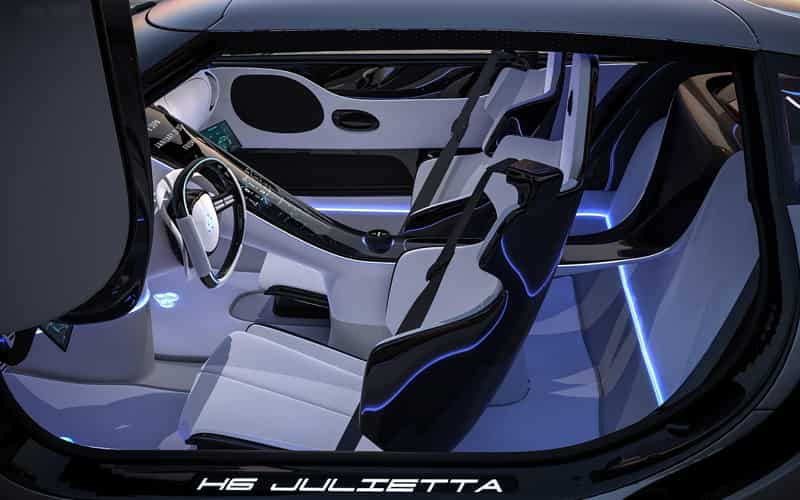
Production Innovations and Future Manufacturing Processes
Advanced Manufacturing Technologies
The production process of automotive interior fabrics will see further integration of advanced technologies. Robotics, AI-driven quality control, and digital twin simulations will become standard in textile production. These innovations will increase production speed, reduce waste, and ensure consistent quality.
Automated cutting, sewing, and assembly systems will become more sophisticated. Real-time data analytics will allow manufacturers to adjust production parameters dynamically. This integration of technology will drive efficiency and lower production costs.
Sustainable Production Methods
Future manufacturing processes will prioritize sustainability. Eco-friendly dyeing and finishing techniques will replace traditional methods that consume excessive water and chemicals. Manufacturers will adopt renewable energy sources and implement waste recycling programs. These changes will not only reduce environmental impact but also lower operating costs.
Sustainable production methods will enhance product appeal in a market increasingly driven by environmental concerns. Consumers and regulatory bodies alike will favor manufacturers that adopt green technologies. This shift will drive further innovation and investment in sustainable textile production.
Customization and Mass Personalization in Production
Mass personalization will become a critical factor in automotive interiors. Advanced digital printing and automated production allow manufacturers to produce customized textiles at scale. Future production lines will be flexible enough to switch between standard and bespoke orders seamlessly.
This trend enables automakers to offer personalized interior solutions without compromising efficiency. Customization can extend to both aesthetics and functionality. The integration of digital tools into production processes allows for rapid prototyping and on-demand manufacturing, meeting diverse consumer demands.
Integration of IoT and Digital Monitoring
The future production environment will incorporate IoT (Internet of Things) devices for real-time monitoring. Sensors embedded in machinery will track production parameters such as temperature, humidity, and fabric tension. This data enables predictive maintenance and reduces downtime. Digital monitoring systems will improve quality control and ensure consistency across production batches.
These technological integrations will also facilitate better supply chain management. Manufacturers can track raw material quality and monitor production progress in real time. This transparency leads to more efficient operations and a higher-quality final product.
Challenges and Strategies for Overcoming Them
Despite technological advancements, several challenges persist in the automotive interior fabrics industry. Addressing these challenges is crucial for sustained growth and innovation.
Safety and Regulatory Compliance
Automotive textiles must adhere to strict safety regulations. Meeting international safety standards, such as ISO, ASTM, and SAE, requires continuous innovation and rigorous testing. Manufacturers face high costs to comply with these regulations. Developing textiles that deliver performance and safety is an ongoing challenge.
To overcome this, companies invest in state-of-the-art testing laboratories and collaborate with regulatory bodies. They also adopt modular production systems that allow for rapid adjustments to new standards. Continuous improvement programs and advanced simulation tools help predict material behavior under extreme conditions.
Balancing Innovation and Cost
Innovation often comes with increased production costs. Incorporating advanced features such as smart sensors or eco-friendly coatings can raise material and manufacturing expenses. Manufacturers must balance technological advancements with cost efficiency to remain competitive.
Strategies include leveraging economies of scale, investing in automation, and optimizing supply chain management. Companies also explore cost-effective alternatives that maintain performance. Collaborative R&D projects help share the cost burden and drive industry-wide innovation.
Supply Chain Disruptions
Global supply chain disruptions remain a significant risk. Factors such as geopolitical tensions, natural disasters, and trade restrictions affect the availability and cost of raw materials. Manufacturers must develop resilient supply chain strategies to ensure continuous production.
Diversifying suppliers and building long-term partnerships are key strategies. Advanced supply chain management software helps monitor risks and optimize logistics. Manufacturers also invest in local production facilities to reduce dependency on international suppliers.
Technological Integration and Workforce Challenges
Integrating advanced technologies into traditional textile manufacturing requires significant workforce training and infrastructure investment. Rapid technological changes demand continuous learning and adaptation. Ensuring that employees remain skilled and production processes remain efficient is a constant challenge.
To address this, manufacturers invest in comprehensive training programs and adopt user-friendly automation systems. Collaborations with technology providers and academic institutions help bridge the skills gap. Investing in next-generation machinery with integrated support systems also eases the transition.
Maintaining Consistent Quality
Quality consistency across large production volumes is essential. Variations in raw materials, production conditions, or finishing processes can lead to defects. Even minor inconsistencies can affect the overall performance of automotive textiles.
Manufacturers implement rigorous quality control protocols. Automated inspection systems and statistical process control tools ensure uniformity. Continuous monitoring and real-time feedback systems help identify and rectify issues promptly. Standardized testing and certification processes maintain high quality across batches.
Conclusion and Summary
Automotive interior fabrics have evolved from basic natural fiber upholsteries to advanced, multifunctional textiles that enhance vehicle safety, comfort, and aesthetics. Historical innovations, technological breakthroughs, and sustainable production practices have transformed the industry. Manufacturers now leverage digital printing, smart textiles, advanced composites, and eco-friendly coatings to meet stringent global standards while satisfying evolving consumer demands.
The production process—spanning raw material sourcing, advanced fabric formation, digital customization, and automated assembly—ensures that every textile component performs reliably. Despite challenges such as regulatory compliance, cost pressures, supply chain disruptions, and the need for continuous technological integration, the automotive textile industry remains dynamic and innovative.
Real-world applications illustrate how premium upholstery, safety-enhancing fabrics, acoustic and thermal insulation, and smart interactive features contribute to a superior driving experience. Market dynamics show steady growth driven by electric and autonomous vehicles, customization trends, and sustainability demands. The future promises further integration of IoT, advanced material science breakthroughs, and mass personalization that will redefine automotive interiors.
In summary, automotive interior fabrics represent a critical intersection of technology, design, and sustainability. They not only enhance vehicle performance and safety but also create a compelling, luxurious experience for drivers and passengers. As innovation continues and global trends shift, the automotive textiles market will drive forward the next generation of vehicle interiors, making them lighter, smarter, and more sustainable.
Automotive interior fabrics have transformed from basic materials to advanced, multifunctional textiles that elevate safety, comfort, and luxury in modern vehicles. This article explores their history, technological evolution, production processes, challenges, and future trends, providing valuable insights for industry professionals and enthusiasts.






Great read! The detailed explanation of innovation, smart textiles, and future trends truly shows how car interiors are becoming more advanced and user-focused.