Introduction
Gloves, often perceived as simple hand coverings, are, in reality, intricate tools that serve multiple purposes across various domains. They protect, adorn, and assist, making them indispensable in both daily life and specialized professions. This article embarks on a journey through the evolution, types, manufacturing intricacies, and the multifaceted applications of gloves, shedding light on their significance in the textile industry and beyond.
A Glimpse into the Past: The History of Gloves
The origin of gloves dates back to ancient civilizations, where they symbolized status and offered protection. In ancient Egypt, gloves were associated with nobility, often crafted from fine materials to signify wealth. Similarly, during the Middle Ages in Europe, gloves became emblems of chivalry and honor, with knights wearing them as part of their armor. Over the centuries, gloves transitioned from mere protective gear to fashion statements, especially during the Renaissance, when elaborate designs and luxurious fabrics became prevalent.
Technological Evolution: From Hand-Stitched to High-Tech
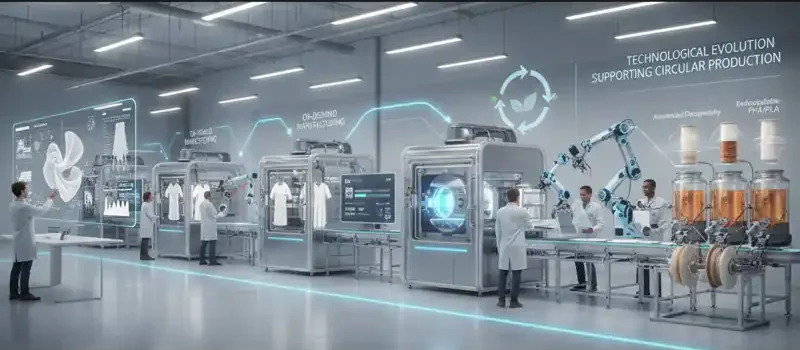
The journey of glove-making has witnessed significant technological advancements. Initially, gloves were meticulously hand-stitched, a craft that demanded precision and skill. With the advent of the Industrial Revolution, mechanized knitting and stitching techniques emerged, allowing mass production and greater accessibility. In contemporary times, technology has further revolutionized glove manufacturing. Innovations such as seamless knitting, advanced synthetic materials, and touch-screen compatibility have been introduced to meet the evolving demands of various industries. citeturn0search2
Diverse Types of Gloves and Their Applications
Gloves are categorized based on their intended use, material composition, and design. Here’s an exploration of various glove types:
1. Disposable Gloves
Commonly used in medical and food industries, disposable gloves are designed for single-use to maintain hygiene and prevent cross-contamination. Materials such as latex, nitrile, and vinyl are prevalent, each offering distinct advantages. Latex gloves, for instance, provide excellent elasticity and fit, while nitrile gloves are known for their chemical resistance, making them suitable for handling hazardous substances.
2. Protective Work Gloves
In industrial settings, gloves are essential for safeguarding workers against various hazards. Cut-resistant gloves, often made from materials like Kevlar, protect against sharp objects, while insulated gloves shield against electrical hazards. Chemical-resistant gloves, crafted from materials like neoprene or PVC, are crucial for handling corrosive substances. citeturn0search0
3. Fashion and Dress Gloves
Beyond functionality, gloves have adorned the fashion world, symbolizing elegance and style. From the opera gloves of the 19th century to contemporary designs, fashion gloves are crafted from materials like leather, silk, and lace, often embellished to complement attire.
4. Sports Gloves
Different sports necessitate specialized gloves to enhance performance and safety. For instance, boxing gloves have evolved from simple hand coverings to sophisticated gear designed to protect both the wearer and the opponent. Modern boxing gloves incorporate advanced padding and ergonomic designs to reduce injury risks. citeturn0search3
5. Specialty Gloves
Certain professions require unique glove designs. For example, firefighters use gloves that withstand extreme heat, while divers utilize neoprene gloves for thermal insulation underwater. Touchscreen gloves, integrated with conductive materials, allow the use of electronic devices without exposing the skin to cold environments.
Materials Matter: The Composition of Gloves
The choice of material significantly influences a glove’s functionality, comfort, and suitability for specific tasks. Here’s an overview of common materials used:
1. Natural Materials
- Leather: Renowned for durability and comfort, leather gloves are used in fashion, sports, and protective equipment. They offer excellent grip and resistance to abrasion.
- Cotton: Lightweight and breathable, cotton gloves are often used as liners or for light-duty tasks. They provide minimal protection against hazards but offer comfort and dexterity.
2. Synthetic Materials
- Nitrile: Offering chemical resistance and durability, nitrile gloves are common in medical and industrial applications. They are an alternative for individuals allergic to latex.
- Neoprene: Known for flexibility and resistance to oils and chemicals, neoprene gloves are used in various industrial settings.
- PVC (Polyvinyl Chloride): These gloves are cost-effective and provide good abrasion resistance, suitable for handling chemicals and general-purpose tasks.
The Art and Science of Glove Manufacturing
Glove manufacturing is a meticulous process that blends traditional craftsmanship with modern technology. The general steps include:
- Design and Pattern Making: Creating templates that define the glove’s size, shape, and style.
- Material Selection: Choosing appropriate materials based on the glove’s intended use.
- Cutting: Precision cutting of materials using dies or automated machines to ensure consistency.
- Stitching or Molding: Assembling the glove components through sewing or molding, depending on the material.
- Finishing: Adding final touches such as linings, cuffs, or coatings to enhance functionality and comfort.
Challenges in the Glove Industry
The glove industry, while essential across various sectors, faces several challenges that impact production, distribution, and innovation. Key issues include:
1. Supply Chain Disruptions
The COVID-19 pandemic highlighted vulnerabilities in global supply chains, leading to shortages of raw materials and finished products. Manufacturers struggled to meet the unprecedented demand for disposable medical gloves, emphasizing the need for more resilient and flexible supply networks. citeturn0search0
2. Regulatory Compliance
Ensuring products meet stringent safety and quality standards is paramount, especially in medical and food industries. Navigating varying international regulations requires continuous monitoring and adaptation, posing challenges for manufacturers aiming to operate globally.
3. Environmental Concerns
The production and disposal of synthetic gloves, particularly those made from non-biodegradable materials like nitrile and PVC, raise environmental issues. Addressing these concerns necessitates the development of sustainable materials and recycling programs.
4. Labor Practices
The glove manufacturing industry has faced scrutiny over labor practices, including allegations of forced labor. Ensuring ethical labor standards is crucial for maintaining brand reputation and complying with international trade regulations. citeturn0news14
Innovations in Glove Technology
In response to these challenges, the industry has seen significant innovations aimed at improving product performance, sustainability, and user comfort. Notable advancements include:
1. Advanced Materials
Researchers are developing new materials that offer enhanced protection and comfort. For instance, innovations in fighting glove technology have led to designs that provide better safety for users. citeturn0search3
2. Sustainable Practices
Manufacturers are adopting eco-friendly materials and processes to reduce environmental impact. This includes using biodegradable materials and implementing energy-efficient production methods. citeturn0search1
3. Smart Glove Technology
The integration of sensors and wearable technology into gloves has opened new possibilities in various fields. For example, the development of tactile sensing gloves using flexible printed circuit boards allows for cost-effective production and enhanced functionality.
4. Automation in Manufacturing
To address labor shortages and improve efficiency, the industry is embracing automation. Automated design and manufacturing processes enable personalized glove production, reducing costs and lead times. citeturn0academia10
Real-World Applications of Gloves
Gloves play a vital role in numerous industries, each with specific requirements:
1. Healthcare
Medical professionals rely on disposable gloves to prevent cross-contamination and protect against pathogens. The pandemic underscored their importance, leading to increased demand and innovation in this sector.
2. Industrial Safety
Workers in construction, manufacturing, and chemical industries use specialized gloves to protect against mechanical injuries, chemical burns, and other hazards. Advancements in materials have led to gloves that offer better protection without compromising dexterity.
3. Sports and Recreation
Athletes use gloves to enhance performance and safety. For instance, innovations in fighting glove technology have improved safety standards in combat sports.
4. Consumer Electronics
With the proliferation of touch-screen devices, gloves compatible with these interfaces have become essential, especially in colder climates. Conductive materials integrated into gloves allow users to operate devices without exposing their hands to the elements.
Market Dynamics and Future Outlook
The global glove market has experienced significant fluctuations, influenced by factors such as pandemics, regulatory changes, and technological advancements. Key trends include:
1. Growing Demand
The pandemic led to an unprecedented surge in demand for disposable gloves, highlighting the need for scalable manufacturing processes. While demand has stabilized, heightened awareness of hygiene continues to drive steady growth.
2. Shift Towards Sustainability
Consumers and regulators are increasingly prioritizing environmental sustainability. This shift is pushing manufacturers to develop eco-friendly products and adopt sustainable practices throughout the supply chain.
3. Technological Integration
The convergence of textiles with technology is leading to the development of smart gloves with applications in healthcare monitoring, virtual reality, and industrial automation. These innovations are expected to open new markets and applications.
4. Reshoring Manufacturing
To mitigate supply chain risks, some companies are considering reshoring manufacturing operations. This move aims to reduce dependency on overseas production and improve responsiveness to market demands.
Conclusion
Gloves, though often overlooked, are integral to safety, performance, and comfort across various sectors. The industry’s ability to innovate and adapt to challenges ensures that gloves will continue to evolve, meeting the diverse needs of users worldwide.